

DingTalk-Powered Hospitals: Driving and Witnessing the Digital Medical Consortium Innovation Wave
On April 26, 2017, the General Office of the State Council issued the “Guiding Opinions on Promoting the Construction and Development of Medical Consortia,” explicitly requiring the comprehensive launch of pilot programs for medical consortia in various forms. All tertiary public hospitals were mandated to participate and play a leading role. By 2020, based on the lessons learned from these pilots, the construction of medical consortia was to be comprehensively advanced, establishing a relatively complete policy framework for medical consortia.
The so-called Medical Consortium is an important initiative aimed at integrating regional medical resources, promoting the decentralization of high-quality medical resources, enhancing primary healthcare service capabilities, and improving the healthcare service system. It is a key component in advancing the establishment of a model featuring “tiered diagnosis and treatment, separate management of acute and chronic conditions, two-way patient referral, and shared medical resources,” thereby effectively addressing public challenges in accessing medical care.
In recent years, driven by both policy support and the pandemic, the development of medical consortiums across various regions in China has been booming, with Jiangsu and Zhejiang provinces leading the nation in growth speed.By the end of 2018, Zhejiang Province had established a total of 526 medical consortia, achieving “three full coverages”: 100% participation by tertiary hospitals, establishment of medical consortia in 100% of counties, and coverage of 100% of township and village healthcare facilities. Following closely, Jiangsu Province established 314 medical consortia, also achieving 100% joint participation and development by tertiary hospitals.
Driven by the radiating influence of the “Jiangsu-Zhejiang” region, other parts of China are also accelerating the development of medical consortia, tailoring diverse service models and establishing differentiated operational mechanisms to suit their local contexts.
Taking Hunan Province as an example,By the end of 2020, a total of 612 medical consortia in various forms had been established across the province, and 16,500 family doctor teams had been formed. Leveraging the three core pillars of “vertical assistance, vertical coordination between upper- and lower-level institutions, and resource sharing,” the province has actively constructed a new healthcare service system.
So, how do medical institutions themselves build the "Medical Consortium" model?
Zhuzhou Central Hospital is the largest Grade III, Class A hospital in Zhuzhou City and one of the first pilot hospitals for public hospital reform in China. As a core component of the medical consortium construction in Zhuzhou City, Zhuzhou Central Hospital attaches great importance to the development of the medical consortium, and“Medical Consortium Office””, and assign dedicated personnel to implement standardized management for the development of the medical consortium.
To date, Zhuzhou Central Hospital has achieved remarkable results in the development of its medical consortium, which has become a key instrument for driving the hospital’s gradual transition toward“Process-oriented,” “Standardized,” “Digitalized”Moving Forward. Specifically, how has Zhuzhou Central Hospital implemented the medical consortium model?
First, actively establish medical alliances in various forms.“Medical Consortiums” comprise four major models: “Urban Medical Groups,” “County-level Medical Communities,” “Cross-regional Specialty Alliances,” and “Telemedicine Collaboration Networks.” As a municipal-level Grade 3A hospital, Zhuzhou Central Hospital has built upon this framework by establishing both upward and downward linkages, continuously exploring new models of medical consortiums.
Second, strengthen ties with private hospitals and specialized hospitals.In building its medical consortium model, Zhuzhou Central Hospital has not only established efficient linkages with traditional public hospitals but also actively forged strong collaborative relationships with private and specialized hospitals. In terms of implementation, Zhuzhou Central Hospital has moved beyond mere formal affiliation to achieve substantive integration in both clinical operations and management, thereby jointly advancing the intelligent development of the regional medical consortium.
3. Actively promote the sustainable development of medical consortia.The development of the medical consortium is not a short-term objective for Zhuzhou Central Hospital, but rather a long-term strategic plan rooted in the hospital’s top-level design. The hospital has rapidly advanced in institutional frameworks, in-depth disciplinary development, and talent team building, thereby establishing a pathway for sustainable growth.
4. Leverage information platforms to build a digital medical consortium.Throughout the development of the Medical Consortium, in addition to solidifying the "offline" ecological foundation, the introduction of "online" platforms is equally important. In 2020, Zhuzhou Central Hospital partnered with DingTalk. Leveraging its efficient resource allocation capabilities, the hospital’s service system has become increasingly comprehensive, demonstrating significant effectiveness in practical application and gaining widespread popularity among users.
Medical consortiums are a key initiative in deepening the reform of public hospitals. Since last July, Zhuzhou Central Hospital in Hunan Province has leveraged the Alibaba DingTalk platform as its foundation to drive the digital upgrade of medical consortiums across the city,The number of patients referred bidirectionally surged by more than 15-fold within six months; Renowned physicians are deployed to lower-tier healthcare facilities as needed,Provided home-based services to nearly 2,000 patients, thereby realizing the functions of medical consortiums in two-way referrals, tiered diagnosis and treatment, and resource sharing, and exploring a "Zhuzhou Model" for the innovative development of medical consortiums.
Li Wencan, Vice President of Zhuzhou Central Hospital, stated that under the empowerment of digitalization, the number of member institutions in the Zhuzhou Medical Consortium has increased to 41, covering four counties and six districts across the city. Based on a unified digital platform, doctors from various hospitals can rapidly exchange information and match resources, facilitating “upward referral of patients” and “downward deployment of renowned experts,” thereby providing efficient, precise, and high-quality medical services to residents throughout the region.
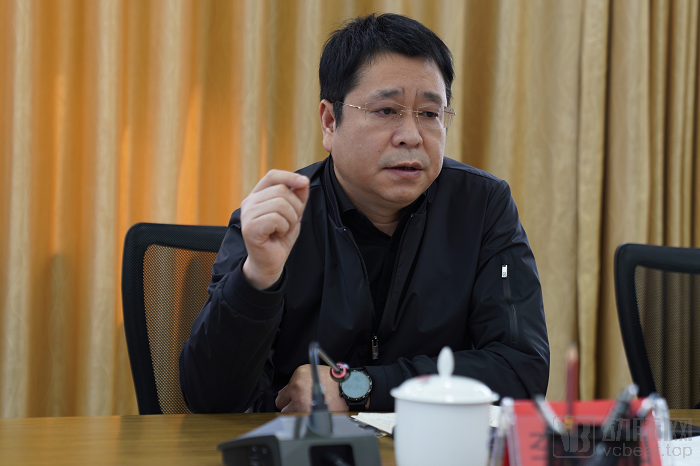
Li Wencan, Vice President of Zhuzhou Central Hospital
1“Transferring Patients Upward”: 41 Medical Institutions Form a Network, Enabling Referral Patients to Be Admitted to the Central Hospital Within 15 Minutes
“It’s so convenient! It takes over three hours to drive from Yanling County to Zhuzhou, making the trip quite a hassle. The doctors in the county and the city have coordinated everything for us via their mobile phones. After I brought my father to the hospital, the procedures, registration, and admission were all handled seamlessly.”The entire process took only about 15 minutes."This was once unimaginable," said Liao Xiong.
Liao Xiong, a resident of Yanling County in Zhuzhou City, was full of praise after personally experiencing the online referral services provided by the medical consortium. His acclaim stemmed from comparison. Liao told the media that his 69-year-old father suffered from a chronic condition causing breathing difficulties. In previous years, he had taken his father to major cities for medical treatment. “After just one visit, we didn’t dare go again,” Liao said. “We waited more than three hours just to register.”
Recently, Mr. Liao experienced recurrent pulmonary discomfort and was admitted to Yanling County People’s Hospital, where Dr. Da Mei served as the attending physician. Given his advanced age, comorbidities including heart disease, and the resulting clinical complexity that might necessitate surgical intervention, Dr. Da Mei recommended transferring him to Zhuzhou Central Hospital, which offers superior medical resources. After the family agreed, Dr. Da Mei used her smartphone to access the Digital Medical Consortium platform on DingTalk, entered the relevant information, uploaded medical records, and submitted a referral request for Mr. Liao. Within 20 minutes, Zhuzhou Central Hospital responded via the platform with “beds available,” confirming acceptance of the transfer. Mr. Liao was admitted to Zhuzhou Central Hospital on March 15. Following an eight-day course of treatment, he recovered well and has been successfully discharged.
The digital medical consortium platform operated by Dr. Da Mei was spearheaded by Zhuzhou Central Hospital. With the hospital serving as the hub, various departments from 41 member institutions across the city have been networked via the DingTalk app. Each department has designated a “medical consortium liaison,” enabling physicians to facilitate tiered diagnosis and treatment and coordinate medical resources for patients with just a few taps on their mobile phones.
Da Mei told the media, “Previously, when referring patients to hospitals in Zhuzhou city, doctors mainly relied on calling acquaintances to inquire about bed availability; if they had no contacts, patients were left to figure it out on their own. Diagnostic records also had to be carried by the patients themselves, which sometimes led to loss of documents. Since adopting the DingTalk Digital Medical Consortium platform, data interoperability among hospitals has been achieved, and patient referrals now follow clear standards and automated workflows, making our operations much more convenient and efficient.”
According to Da Mei, upward referrals mainly involve two scenarios: one is complex and difficult cases, and the other is insufficient hardware conditions at the hospital. After discussion and communication, the final decision on whether to refer lies with the patient.
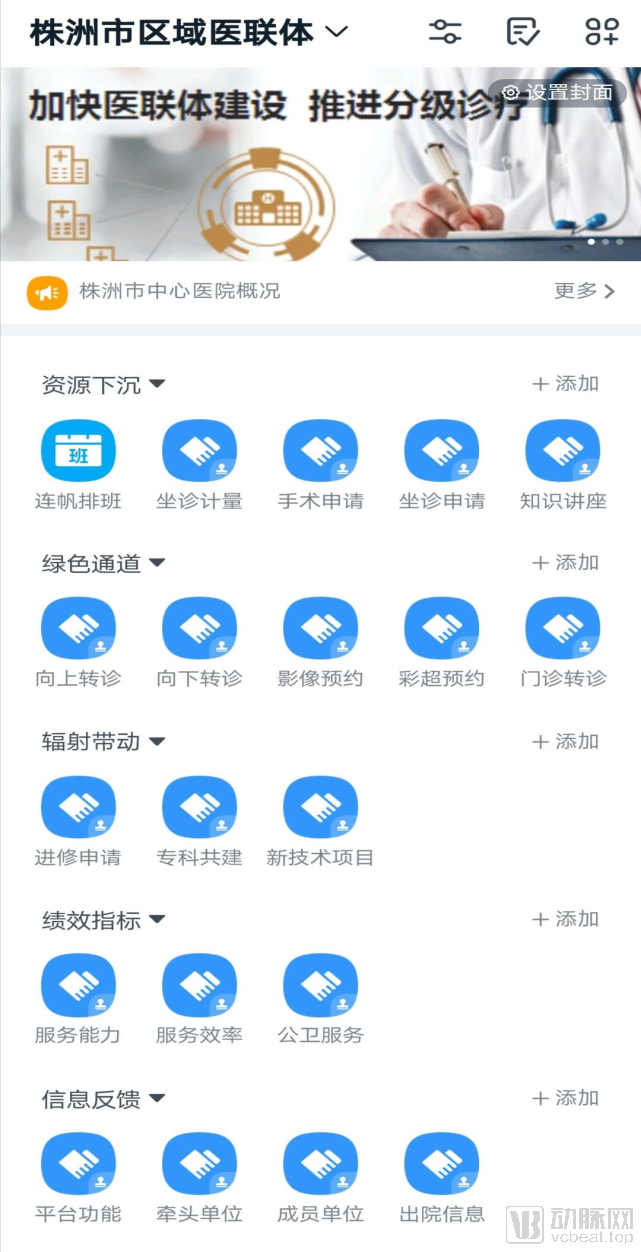
DingTalk Workbench Homepage of the Zhuzhou Digital Medical Consortium
2“Renowned Doctors Go Grassroots”: Digital Platforms Activate Medical Consortiums, with Top Specialists Accepting Online Requests to Deliver Care at the Primary Level
Chen Xun, Director of the Medical Affairs Department at Zhuzhou Central Hospital, stated that digital transformation has endowed the Zhuzhou Medical Consortium with enhanced connectivity and a more convenient operational experience. By enabling “data to do the legwork,” the initiative has significantly reduced the need for patients to travel repeatedly, leading to qualitative improvements in key performance indicators of the medical consortium. Since the platform’s launch, the volume of two-way referrals within the consortium has increased by more than 15-fold over six months. Furthermore, advanced diagnostic equipment at the central hospital—including MRI, color Doppler ultrasound, CT, and PET-CT—has been made accessible to grassroots populations through a “green channel,” thereby maximizing the utility of high-quality medical resources.Within six months, renowned specialists from the Central Hospital accepted 181 online service requests, making invited visits to grassroots facilities to provide home-based medical care. Their services included outpatient consultations, multidisciplinary consultations, ward rounds, surgical procedures, and health education lectures, benefiting a total of 1,772 patients.
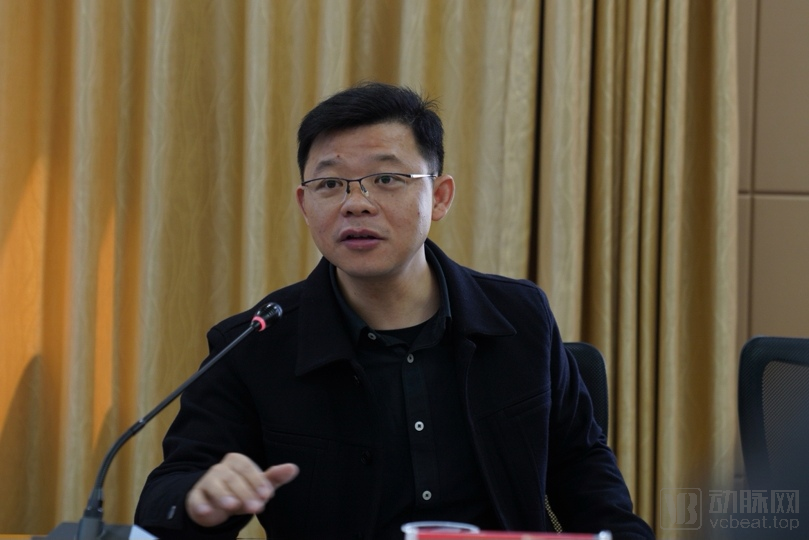 Chen Xun, Chief of the Medical Affairs Department, Zhuzhou Central Hospital
Yi Bo, a hepatobiliary and pancreatic surgeon at Zhuzhou Central Hospital, told the media that since the launch of the DingTalk Digital Medical Consortium Platform, the provision of decentralized medical services by physicians has transitioned from its previous disordered state to standardized management, significantly enhancing collaborative efficiency among doctors. Each department has selected key clinical specialists to establish “Resource Decentralization Expert Teams,” of which he is both a member and an active participant.
Colleagues from district and county-level hospitals frequently seek online assistance, sharing clinical data on patients with complex and refractory conditions to invite him for local consultations and surgical interventions. Yi Bo typically visits grassroots medical institutions two to three times per month, driving personally to hospitals in locations such as You County and Yanling County to provide on-site medical services. Each visit lasts an entire day, during which he works against the clock to conduct outpatient consultations for 6–10 patients, perform 1–3 surgeries, and carry out ward rounds together with local physicians. He revealed that, within his specialty, common complex and refractory conditions encountered at grassroots hospitals include acute cholecystitis and choledocholithiasis; severe cholangitis, if not managed promptly, can be life-threatening.
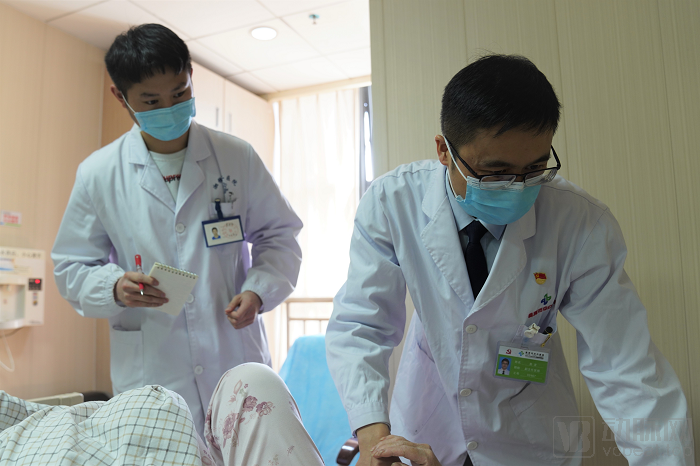
Yi Bo, Physician, Department of Hepatobiliary and Pancreatic Surgery, Zhuzhou Central Hospital
“Primary-care hospitals often lack sufficient technical expertise and clinical experience; I find it deeply rewarding to help address these challenges when I work there.”Yi Bo stated. During his surgeries, local peers observed from the sidelines. In his view, joint ward rounds and collaborative surgeries serve as effective forms of professional exchange, helping to elevate the quality of primary healthcare and foster mutual understanding and trust among peers. Within the medical consortium, specialized alliances have been established. In response to requests from member institutions, the central hospital organized 22 academic lectures across various specialties within six months, effectively enhancing the cohesion and collaboration of these specialized alliances.
When discussing the “Zhuzhou Model” of medical consortium development, Li Wencan summarized that, in leading the establishment of the Zhuzhou Medical Consortium, the Central Hospital adopted a steady and systematic approach. It first focused on understanding policies, establishing institutional frameworks, setting up organizational structures, streamlining processes, and standardizing operations to build a solid foundation. Subsequently, it explored and deployed internet-based infrastructure, leveraging efficient online connectivity to facilitate the implementation of offline services, ultimately achieving breakthroughs across all aspects of the medical consortium’s operations.
In recent years, with the continuous advancement of medical consortium development, numerous domestic digital enterprises have entered the market and established personalized operational models from various dimensions. As an attribute-based platform, DingTalk aims to become a builder of the healthcare industry ecosystem and a promoter of industry standards. It primarily addresses collaborative capabilities in organizational and interpersonal connectivity, thereby enhancing overall hospital operational efficiency and bridging the “last mile” to alleviate the public’s difficulty in accessing medical care.
Specifically, DingTalk will focus on building four core sectors.First, internal hospital management addresses gaps in administrative oversight, primarily covering office administration, meetings, remote diagnosis and treatment, online consultation and image review, as well as online learning, training, and examinations, including microlearning opportunities. Second, leveraging the inherent attributes of the DingTalk platform, it facilitates inter-hospital collaboration and coordination of medical resources. Third, serving as an ecosystem connector for the underlying technology development platform, it identifies solution partners already integrated within the hospital whenever new institutional needs arise. Fourth, it fosters the DingTalk and Alibaba Cloud ecosystems to jointly build an integrated “Cloud-Ding” framework, wherein Alibaba Cloud provides regional healthcare cloud computing services, while DingTalk manages the digital operational ecosystem within hospitals.
Currently, DingTalk has been exploring its service model in major hospitals across China, with Zhuzhou Central Hospital serving as a typical representative. Looking ahead, DingTalk will continue to summarize successful experiences, diligently refine its technical products, and focus on building an online ecosystem platform and hub, thereby empowering the development of digital medical consortia in China.