

A New Tertiary Hospital Built from the Ground Up to Implement MDT: What Can Cohesive Specialists Achieve?
Ms. Sun, feeling anxious and restless, quickly contacted the case manager at United States-China iCare Cancer Hospital (hereinafter referred to as “USC iCare”)—her mother, who has cancer, experienced a severe allergic reaction, possibly due to medication or dietary factors.
Upon receiving the call, the case manager calmed the agitated family members, gathered detailed information, and immediately contacted the patient’s attending physician. After finalizing a targeted treatment plan, the case manager provided comprehensive guidance to the family, leading to the rapid resolution of the patient’s severe allergic reaction.
This was February 11, 2021, Chinese New Year’s Eve. More than 20 days had passed since the patient’s initial visit on January 21. Throughout these 20-plus days and the subsequent month, the hospital maintained continuous, real-time monitoring and seamless management of Ms. Sun’s mother’s condition. In response to the latest developments in the patient’s condition, the multidisciplinary team (MDT) continually made fine-tuned adjustments to the treatment plan.
At a time when medical resources are extremely unevenly distributed, few hospitals are able to provide patients with comprehensive multidisciplinary team (MDT) support throughout their care journey, yet US-China Ruiyi has achieved this. Behind this success lies a series of innovations in US-China Ruiyi’s organizational structure, clinical workflows, and performance management. To ensure the smooth implementation of the MDT model, the company even abandoned its initial plan to acquire existing hospitals and adapt them to the MDT approach, opting instead to start from scratch by building a new tertiary hospital with the MDT model as its core highlight.
What Exactly Is US-China AiRui Doing? What Is the Ultimate Significance of These Efforts? On the day that US-China AiRui established its MDT Consultation Center under the Rehabilitation Branch of the China Anti-Cancer Association (the first such MDT center to be launched), VCBeat interviewed multiple experts and professors, who shed light on the necessity and strategic considerations behind implementing the MDT model.
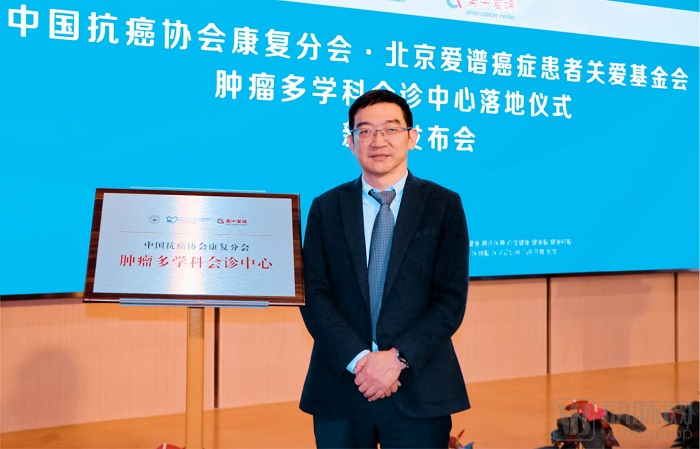 The Multidisciplinary Tumor Consultation Center Has Been Established at Meizhong Airui Hospital; the person in the picture is Xu Zhonghuang, President of Meizhong Airui Hospital
Why Traditional Expert Consultations Cannot Be Considered MDT?
As a patient’s family member, Ms. Sun mentioned that after her mother fell ill, she had visited nearly all of Beijing’s top-tier Grade 3A hospitals. She even had her accounts banned by multiple appointment-booking platforms due to frequent cancellations caused by scheduling conflicts and other reasons. During the process of seeking medical care, Ms. Sun self-deprecatingly remarked that she had assembled a dedicated “MDT team” exclusively for her mother.
Most patients (especially cancer patients) and their families face this situation: registering for consultations with multiple departments in various hospitals, just to better understand the disease and obtain a more effective treatment plan. However, patients often find themselves in a dilemma: after separately consulting experts from internal medicine, surgery, radiation oncology, and other specialties, they discover that they are confronted with diverse treatment options such as chemotherapy, radiotherapy, surgery, and others—sometimes even conflicting recommendations—making it difficult to weigh the pros and cons.
Even when hospitals organize expert consultations, patients still face significant barriers. Participation in these consultations is often open-ended, with invited specialists showing limited engagement, and there is a lack of assurance regarding the implementation of consultation outcomes. Furthermore, access to expert consultations is typically restricted to individual patients with complex or refractory cases, leaving the majority of patients without such opportunities. Additionally, traditional consultation requests have historically originated predominantly from clinical departments, with minimal involvement from ancillary departments such as pathology and radiology. Yet, for disease diagnosis, these ancillary departments are often indispensable.
Dr. Xue Weicheng, Director of the Department of Pathology at Beijing Cancer Hospital, stated, “Clinical examinations, including pathological examination, serve disease diagnosis and form the foundation for treatment. The interpretation and analysis of pathology reports by pathologists help patients and other treating physicians understand the progression of the disease.” Dr. Lin Qiang, Director of the Imaging Center at Beijing Meizhong Airui Cancer Hospital, also remarked, “Within the multidisciplinary team (MDT), medical imaging specialists assist and guide clinicians in forming a comprehensive understanding and assessment of the patient’s condition preoperatively, and postoperatively, they help clinicians evaluate the efficacy of medication and surgical interventions.”
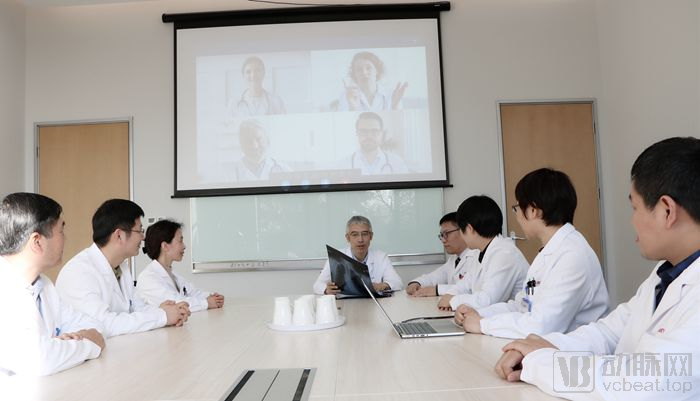 MDT Team Consultation at US-China Airui Hospital
“Early determination of diagnostic and treatment plans by clinical departments is crucial for cancer treatment.” Xu Zhonghuang, President of AmCare USA Cancer Hospital, also pointed out that the roles of pathology and radiology departments have been severely underestimated in the past. President Xu noted that AmCare USA once treated a patient who had been diagnosed with a benign tumor by multiple hospitals; however, after comprehensive consultation by the AmCare USA Multidisciplinary Team (MDT), the condition was determined to be malignant, a conclusion subsequently confirmed by pathological examination. During the diagnostic process, the pathology and radiology departments play vital roles.
Multidisciplinary Team (MDT) Collaborative Whole-Process Diagnosis and Treatment ModelOriginating in the United States during the 1990s, the Multidisciplinary Team (MDT) collaborative whole-process diagnosis and treatment model involves a working group composed of experts from general surgery, medical oncology, radiation oncology, radiology, pathology, endoscopy centers, and other departments. Through multidisciplinary case conferences and discussions, the team determines the subsequent treatment plan, which is then implemented by the core MDT group.
During patient diagnosis and treatment, relevant departments in the Multidisciplinary Team (MDT) must participate, provide comprehensive input, and guide clinical decision-making. In contrast, traditional consultations involve limited participation from other departments in subsequent patient care, with diagnostic and treatment decisions remaining dominated by the initial consulting department. Internationally, the MDT model applies to all hospitalized patients, with disease discussions integrated throughout the entire care process. Moreover, long-term patient survival is even included as an evaluation metric. Traditional consultation models generally lack an implementation evaluation system.
These factors distinguish the MDT model from the traditional expert consultation model.
Is It Necessary to Establish a Tertiary Hospital Based on the MDT Model?
Since the 1980s, China has been exploring the multidisciplinary team (MDT) model. In 2018, the National Health Commission issued the Notice on Launching Pilot Programs for Multidisciplinary Diagnosis and Treatment of Cancer, deciding to carry out nationwide pilot programs for multidisciplinary cancer diagnosis and treatment from 2018 to 2020.
Numerous ambitious hospitals have explored and even made breakthroughs in the Multidisciplinary Team (MDT) model, gradually transforming the traditional approach of convening special expert consultations for complex and refractory cases. For instance, Beijing Cancer Hospital has attempted to implement a multi-expert registration system, allowing patients to register with five specialists at once to achieve “multidisciplinary consultation.” However, integrating diagnostic and treatment recommendations after the consultation remains challenging, particularly when disagreements arise. Furthermore, the implementation of the consultation plan still requires patients to visit each department individually, failing to simplify the diagnostic and treatment process. The current reality is that while it is easy to “gather experts for consultation”—achievable with sufficient time and financial resources—it remains difficult to ensure continuous follow-up care and treatment support from the MDT expert team.
Similar to Fudan University Shanghai Cancer Center, efforts have also been made to explore the implementation of the Multidisciplinary Team (MDT) model through top-level institutional design. One significant measure involves incorporating the MDT model as a key performance indicator in performance evaluations. However, focusing on regulating economic behaviors rather than fostering a conceptual shift in understanding the MDT model itself has hindered the cognitive renewal necessary for its effective implementation and subsequent development.
President Xu pointed out that in the past, the information obtained by physicians during consultations was fragmented, and hospitals struggled to provide comprehensive information systems to support these consultations. Meanwhile, the lack of well-designed institutional frameworks, clinical workflows, and performance evaluation mechanisms further exacerbated the difficulties encountered during the consultation process. Consequently, patients were forced to shift their focus from “seeking treatment for a disease” to “seeking out specific doctors,” resulting in the fragmentation of holistic disease management and placing the burden of integrating medical information on the patients themselves. Furthermore, physicians were often overwhelmed with managing patients within their own departments, leaving them with little time or energy to attend to patients requiring interdisciplinary consultations.
“Without innovation in organizational structure, clinical workflows, and performance evaluation, the MDT model could never have emerged.” In light of this, they established Beijing Meizhong Airui Cancer Hospital, a tertiary-level specialized cancer hospital. In fact, they did consider acquiring other hospitals. However, implementing reforms within the existing frameworks post-acquisition would have posed significant obstacles, making it more advantageous to start from scratch.
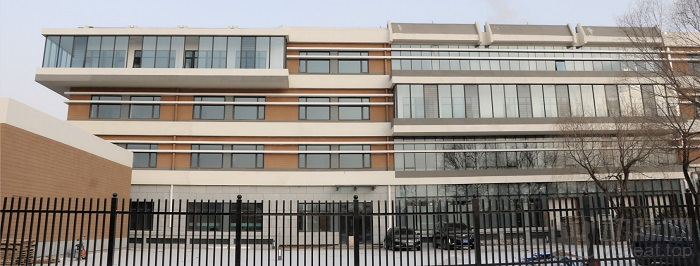 Exterior View of Meizhong Airui Hospital
With MDT as its core model, US-China Airui has been established, with all efforts centered on building a genuine multidisciplinary team (MDT) framework. “In public tertiary Grade A hospitals, radiologists are required to issue 80 to 90 CT and MRI reports daily. They work 9–10 hours each day and often need to work on Saturdays to complete their tasks. Under such circumstances, if I were asked to participate in consultations, I might only be able to go through the motions,” stated Director Lin Qiang in an interview. “To ensure that patients truly benefit from the advantages of the MDT model, US-China Airui guarantees that physicians have sufficient time and a positive mindset to engage in the process. We adjust the number of participating physicians based on patient needs and further optimize workflows to reduce physicians’ workload.”
Upon admission, patients receive systematic support through the hospital’s Multidisciplinary Team (MDT) model, with both information systems and clinical workflows redesigned. While patients are not required to familiarize themselves with this new model, the added MDT team provides more targeted diagnosis and treatment plans based on their specific conditions.
To alleviate the burden on physicians, Meizhong Airui has drawn upon international Multidisciplinary Team (MDT) models and introduced the role of Case Managers (CMs). CMs serve not merely as physician assistants but also as dedicated patient concierges. By establishing a bridge for communication between physicians and patients, CMs significantly save physicians’ time while providing more attentive care to patients. All services—including coordinating and scheduling examinations in the early stages, communicating test results, liaising with attending physicians for targeted treatment, and sending reminders for follow-up visits and long-term monitoring—are provided by CMs. Currently, all CMs at Meizhong Airui are experienced nurses or general practitioners.
Will the MDT model be weakened amid a growing patient population?
The MDT model, designed from the perspectives of institutional framework, clinical workflow, and performance evaluation, functions like the Seven Masters of Quanzhen restraining Huang Yaoshi through the Tiangang Beidou Formation, thereby exerting greater efficacy in the diagnosis and treatment of diseases.
Established in 2017 and commencing operations in January 2021, US-China Airui has been optimizing its diagnostic and treatment processes while carrying out its clinical work. For the Multidisciplinary Team (MDT) model, a critical question inevitably arises: How can the surge in patient volume be managed as numbers grow? Will the MDT model become merely nominal in name only?
Dean Xu pointed out that they are also continuously exploring and experimenting. When the department’s physicians are fully prepared, the entire process can be completed in just 20 minutes. Furthermore, medical experts can participate through various online and offline channels; Meizhong Airui has specially equipped conference rooms with intelligent hardware support for the MDT team. Meanwhile, information systems such as Clinical Decision Support Systems (CDSS) can also be employed to save physicians’ time.
“Due to performance assessment factors, meetings may become overly formalistic. However, it is possible to implement incentive constraints through various means, such as patient costs. Meanwhile, providing effective recommendations can yield greater long-term benefits for physicians’ professional development. This will also ensure the thorough implementation of the MDT model,” stated President Xu. As the number of patients surges, they can also increase the number of physicians to ensure the continued operation of the MDT model.
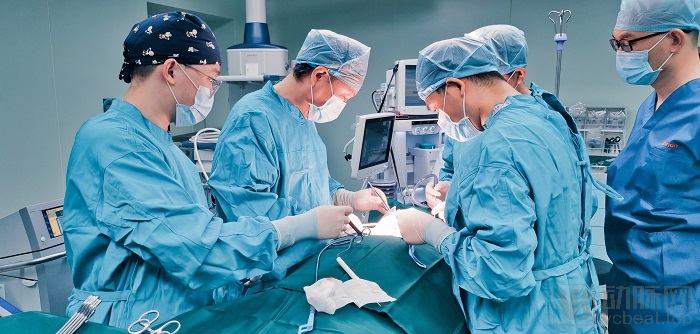 Doctors at Meizhong Airui Hospital During Surgery
In fact, participating in MDT discussions also enables physicians to engage in academic exchange. Some doctors actively participate for this very purpose. To better implement the MDT model, Meizhong Airui is also organizing medical salons to enhance physicians’ understanding of diseases. What sets these salons apart is that physicians from different specialties share their professional insights, key considerations, and management strategies regarding the same disease.
To better implement the MDT consultation center, Meizhong Airui has currently established multiple diagnostic and treatment centers, including the Gastrointestinal Tumor Center, Lung Cancer Center, Breast Cancer Center, Gynecologic Oncology Center, Urologic Oncology Center, and Early Diagnosis and Screening Center. They also plan to establish the Hepatobiliary Tumor Center and Thyroid Tumor Center in the near future.
To ensure alignment with international frontiers, US-China Airui has also established a deep strategic partnership with the University of Pittsburgh in the United States. Under this collaboration, the University of Pittsburgh appoints oncology professors to reside in China for periods exceeding six months, with all associated costs borne by the University. Every two weeks, US-China Airui provides case studies for remote consultations involving three or more experts from the University of Pittsburgh. The partnership also facilitates access to technological and pharmaceutical support from the University of Pittsburgh, as well as referral services for patients with complex or refractory conditions. Furthermore, both parties are strengthening talent exchange and continuously conducting academic discussions.
Why Is the MDT Model Poised for Growth and Ascendancy?
Since its opening in early January, US-China Airui has currently opened only one-quarter of its ward capacity, with more than 40 beds available. The facility employs over 100 physicians, most of whom are top-tier oncology specialists from Grade A tertiary hospitals. In aligning with international oncology technical standards, it has also been equipped with cutting-edge hardware, including PET-CT, MRI, precision spectral CT, mammography, automated breast ultrasound (ABUS), and low-dose fully compatible angiography systems from GE Healthcare.
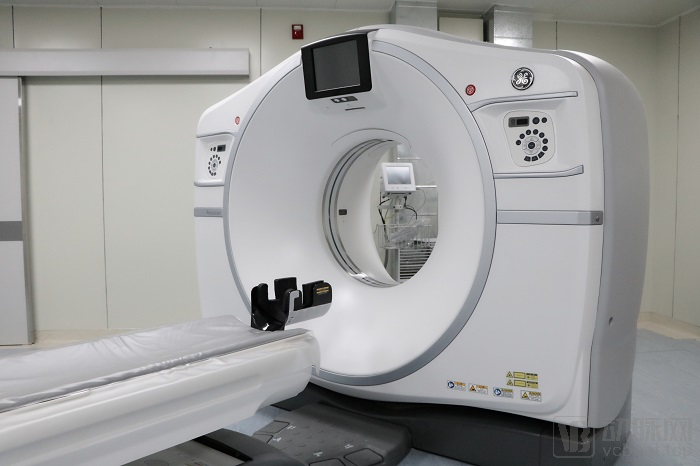
Precision Spectral CT, One of the Many Medical Devices Introduced by US-China Airui Hospital from GE Healthcare
“We were the first to venture into uncharted territory. Despite the challenges, we had to take this step,” stated President Xu. Private hospitals inherently face greater pressure for survival. However, as a former physician at Peking Union Medical College Hospital, he hopes to continue upholding his professional ideals: practicing good medicine, pursuing technical excellence, delivering effective treatments, and providing quality care to every patient. Sino-American Rui Cancer Hospital is positioned to serve the general public affordably. To alleviate the financial burden on patients, the hospital is actively integrating into the national medical insurance system. Furthermore, the hospital has established its own charitable foundation to assist patients in financial distress.
In scenarios where the operational model is relatively mature, US-China Airui also plans to establish radiotherapy and chemotherapy centers at the local level. Under this framework, expert physicians from Beijing will provide multidisciplinary team (MDT) treatment plans, while patients receive diagnosis and treatment locally. This approach addresses the scarcity of high-quality medical talent, acknowledging that establishing a chain of full-service institutions is not feasible. Meanwhile, President Xu, who is optimistic about the development of artificial intelligence (AI), has expressed endorsement of AI trends and indicated that the hospital will adopt relevant AI-based pulmonary nodule detection systems in the early stages. The hospital will also leverage its inherent strengths to conduct related explorations through its newly established new drug pharmacology base and research center, as well as its International Committee on Complex and Refractory Oncology Cases.
“For Dr. Xu Zhonghuang, who formerly served as a physician at Peking Union Medical College Hospital and is now the President of Meizhong Airui Hospital, ‘the current healthcare model largely leaves specialists to work in isolation. The multidisciplinary team (MDT) approach, which emphasizes collaborative, end-to-end care, has not yet become mainstream. However, a growing number of hospitals have recognized this issue, and physicians’ mindsets across various departments are evolving. In light of this trend, the integration of different departments will represent a new direction for hospital development.’ This perspective underpins his strong optimism about the future of the MDT end-to-end care model.”
“People need to be aware of the existence of the MDT (Multidisciplinary Team) collaborative model for comprehensive diagnosis and treatment. Those who have long been constrained by traditional diagnostic and therapeutic approaches need to see that the MDT model can bring a new perspective to cancer care.”