

Will CT-1, Discovered by KSQ Therapeutics, Emerge as the Next Frontier in Cancer Therapy Following PD-1 and CAR-T? [Flagship Pioneering Investment Case]
KSQ Therapeutics
Pharmaceutical R&D Developer

Flagship Pioneering
Venture Capital Firms
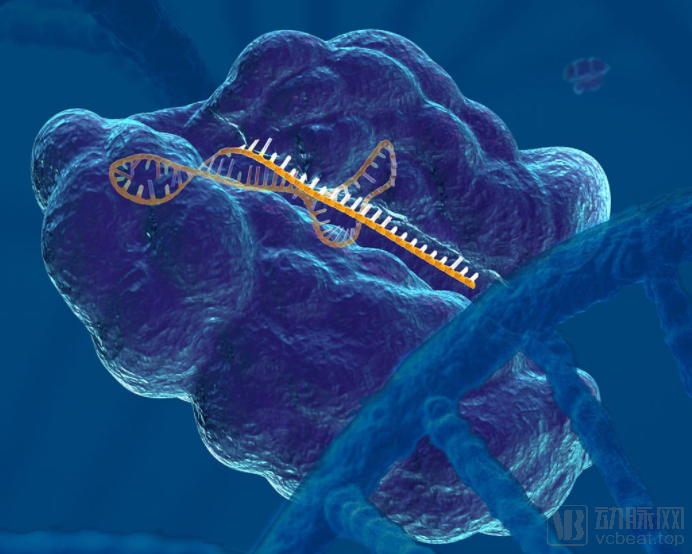
KSQ’s CRISPRomics technology platform leverages a proprietary suite of CRISPR-Cas9 tools to investigate the specific relationships between each human gene and disease with greater precision and at a larger industrial scale.
CRISPR-Cas9 is an adaptive immune defense mechanism evolved by bacteria and archaea to counteract continuous attacks from viruses and plasmids, serving to combat invading viruses and exogenous DNA. CRISPR-Cas9 can be applied in gene editing by introducing a guide RNA to target specific DNA sequences, where it induces cleavage or modifications.
KSQ leverages this system,Screening the functions of 20,000 human genes across more than 600 cancer models, has built a massive database that enables the company to identify optimal genetic targets for the treatment of cancer and autoimmune diseases.
 Source: KSQ Therapeutics Official Website
KSQ Therapeutics is a biopharmaceutical company based in Massachusetts, USA. Founded in 2015, it is dedicated to developing oncology and immunology-focused therapeutic candidates for the treatment of cancer.
KSQ was founded based on the technology of Dr. Tim Wang, who invented a groundbreaking functional genomics technology that leverages the CRISPR-Cas9 system to construct genome-wide single-guide RNA (sgRNA) libraries for screening genes amenable to targeted cancer therapies. Dr. Wang was named to Forbes’ 2017 “30 Under 30” list.
In addition, David Sabatini, one of the co-founders, is a Professor of Biology at the Massachusetts Institute of Technology and a member of the Koch Institute for Integrative Cancer Research. He was elected to the U.S. National Academy of Sciences in 2016 and has published more than 120 SCI-indexed papers.
In January 2021, KSQ announced the appointment of Qasim Razvi as Chief Executive Officer and his addition to the Board of Directors. Previously, he served as Senior Vice President of Operations and Chief Commercial Officer at Kiniksa Pharmaceuticals, bringing extensive management experience in the biopharmaceutical industry.
KSQ-4279 is the clinical candidate from KSQ Therapeutics’ ongoing USP1 inhibitor program. USP1 (ubiquitin-specific peptidase 1) helps cancer cells survive by promoting DNA repair. USP1 inhibitors can block the DNA repair process in cancer cells, thereby inducing cancer cell death.
On October 24, 2020, KSQ announced at the 32nd EORTC-NCI-AACR Symposium on Molecular Targets and Cancer Therapeutics (ENA 2020) that preclinical data demonstrated its USP1 inhibitor candidate, KSQ-4279, could enhance the efficacy of PARP inhibitors.
In multiple mouse models of ovarian cancer and triple-negative breast cancer (TNBC), KSQ-4279 in combination with the PARP inhibitor olaparib (Lynparza) was more effective than either agent used alone.
PARP (poly ADP-ribose polymerase) is a DNA repair enzyme that plays a critical role in DNA damage repair and apoptosis. PARP and BRCA represent two major intracellular DNA damage repair mechanisms; the former primarily repairs single-strand DNA breaks, while the latter mainly repairs double-strand DNA breaks. Together, they ensure timely repair of DNA damage within cells, thereby preventing carcinogenesis.
PARP inhibitors are the first anticancer drugs approved for clinical use that successfully leverage the concept of synthetic lethality. By inhibiting DNA damage repair in tumor cells and promoting apoptosis, these agents have emerged as novel targeted therapies for ovarian cancer and other malignancies.
Multiple DNA repair signaling pathways exist within healthy cells, so inhibiting PARP alone has minimal impact on them. However, in cancer patients with BRCA1/2 mutations and other homologous recombination deficiency (HRD), genetic mutations disrupt other DNA repair pathways, rendering them particularly sensitive to PARP inhibitors, which also impede DNA repair.
However, not all cancer patients with BRCA1/2 mutations or other homologous recombination deficiencies respond to PARP inhibitors, and some patients who initially respond eventually develop resistance. To expand the utility of PARP inhibitors, KSQ has adopted combination therapies.
Frank Stegmeier, Chief Scientific Officer of KSQ, stated thatCompared with PARP inhibitors, KSQ-4279 inhibits different but complementary DNA repair pathways.In preclinical models with BRCA deficiency, KSQ-4279 demonstrated dose-dependent inhibition of tumor growth, both as monotherapy and in combination with the PARP inhibitor olaparib, highlighting its potential for the treatment of ovarian cancer and triple-negative breast cancer (TNBC).
KSQ is confident in advancing KSQ-4279 into clinical trials and plans to submit an Investigational New Drug (IND) application this year.
Immunotherapy has emerged as the fourth pillar of cancer treatment, following surgery, chemotherapy, and radiotherapy. By restoring the body’s normal anti-tumor immune response, immunotherapy controls and eliminates tumors. Adoptive cell therapy is a particularly dynamic branch of immunotherapy; current approaches include CAR-T, TCR-T, and TIL therapies, the latter led by researchers in the United States.
Tumor-infiltrating lymphocytes (TILs) are lymphocytes that exit the bloodstream and migrate to the vicinity of tumors. Among these lymphocytes, some are T cells targeting tumor-specific mutant antigens, representing the most potent immune cells for attacking mutated cells. While TILs can kill cancer cells, the number of cytotoxic T cells is limited, and their activity is further constrained by the tumor microenvironment and PD-1-mediated inhibition.
TIL cell therapy involves isolating tumor-infiltrating lymphocytes (TILs) from surgically resected tumor tissues, expanding them in vitro, and then infusing them back into patients following chemotherapy. The reinfused TILs can persist in the patient’s body for an extended period. This therapeutic approach has a history of over 30 years, initially applied to malignant melanoma, and in recent years, it has demonstrated favorable efficacy in various solid tumors, including breast cancer and lung cancer.
In February 2020, KSQ Therapeutics identified CT-1, a gene target with potential activity superior to PD-1, through CRISPRomics during multi-genome-scale in vivo T cell screening. This target can be leveraged for the development of engineered tumor-infiltrating lymphocyte (eTIL) therapies. KSQ-001 is the company’s candidate cell therapy product in its eTIL pipeline.
PD-1, also known as programmed cell death protein 1, is a critical immune checkpoint molecule. It regulates the immune system and promotes self-tolerance by downregulating immune responses against human cells and inhibiting T-cell inflammatory activity. While this mechanism helps prevent autoimmune diseases, it can also impede the immune system’s ability to eliminate cancer cells.
CT-1-edited T cells exhibited a 10-fold increase in anti-tumor activity in humans, and CT-1-edited TIL cells were able to promote cytokine secretion.
In October 2019, KSQ Therapeutics and the biotechnology company CRISPR announced a licensing agreement. CRISPR is a leading gene-editing company in the biotechnology industry, leveraging its proprietary CRISPR-Cas9 platform to develop transformative gene therapies for serious diseases.
Under the agreement, CRISPR Therapeutics obtains certain non-exclusive intellectual property (IP) rights from KSQ Therapeutics to utilize gene targets identified through KSQ’s proprietary CRISPRomics platform. KSQ Therapeutics receives non-exclusive IP rights from CRISPR Therapeutics to edit these gene targets using CRISPR’s proprietary editing technologies as part of its current and future eTIL programs.
Furthermore, in January 2021, KSQ Therapeutics entered into a strategic collaboration with Takeda Pharmaceutical Company Limited to jointly research, develop, and commercialize novel immuno-oncology therapies. KSQ granted Takeda an exclusive global royalty-bearing license to develop, manufacture, and commercialize cell-based and non-cell-based therapeutic products identified through its CRISPRomics platform. The transaction includes two T-cell targets previously identified and validated by KSQ, with the potential to add two additional T-cell targets. The two companies will also collaborate on developing therapies that modulate natural killer (NK) cell targets.
“KSQ’s CRISRomics platform is a powerful technology that helps us identify new targets in line with our immuno-oncology strategy,” said Loïc Vincent, Head of Oncology Drug Discovery and Immunology at Takeda.
On October 2, 2017, KSQ announced its Series B financing round, led by Flagship Pioneering together with Polaris Partners, ARCH Venture Partners, and Alexandria Real Estate Equities, raising a total of $76 million.
On September 28, 2018, KSQ announced the completion of its Series C financing round, with eight investors including Flagship Pioneering participating, for a total amount of $80 million. KSQ will use these funds to advance its drug candidate, KSQ-4279, into clinical development.
TIL therapy differs from CAR-T and TCR-T cell therapies in that the T cells do not require genetic engineering. TIL therapy comprises T cells that target multiple antigens within cancer cells, thereby enabling attacks on cancer cells through multiple targets. In contrast, CAR-T and TCR-T cell therapies typically target only a single antigen, making it easier for cancer cells to develop resistance. Compared with CAR-T and TCR-T therapies, TIL therapy offers advantages such as multi-targeting and fewer side effects, making it highly beneficial for treating refractory solid tumors.
Lovance Biotherapeutics is a publicly listed biotechnology company in the United States that was an early proponent of TIL therapy. Its independently developed innovative T-cell immunotherapy, LN-145, has received Breakthrough Therapy Designation from the U.S. FDA. The FDA has granted Fast Track designation to LN-145 for the treatment of patients with recurrent, metastatic, or persistent cervical cancer who have progressed during or after chemotherapy.
The company’s lifeleucel therapy for melanoma will submit a marketing application this year; once approved by the FDA, it will be the first cellular immunotherapy for the treatment of solid tumors, bringing significant benefits to cancer patients.
Beijing Chineo Medical Co., Ltd. is a leading enterprise in the field of CAR-T immunotherapy and has independently developed the Super TIL therapy.
Unlike traditional TIL therapy in the United States, Super TIL therapy involves extracting tumor-infiltrating lymphocytes (TILs) from patients’ blood, genetically modifying them ex vivo using proprietary technology to create “Super TIL” cells. These engineered TIL cells possess the ability to overcome barriers within the tumor microenvironment and exhibit near-unlimited proliferative capacity in vivo. The “Super TIL” cells are then infused back into the patient to deliver targeted tumor killing.
On August 7, 2020, a tumor-agnostic, multicenter clinical research project on cellular therapy for solid tumors, chaired by Professor Li Jin, Chairman of the Second Council of the Chinese Society of Clinical Oncology (CSCO), was officially launched at Shanghai East Hospital. The clinical study utilized Cartey Therapeutics’ “Super TIL” cells.
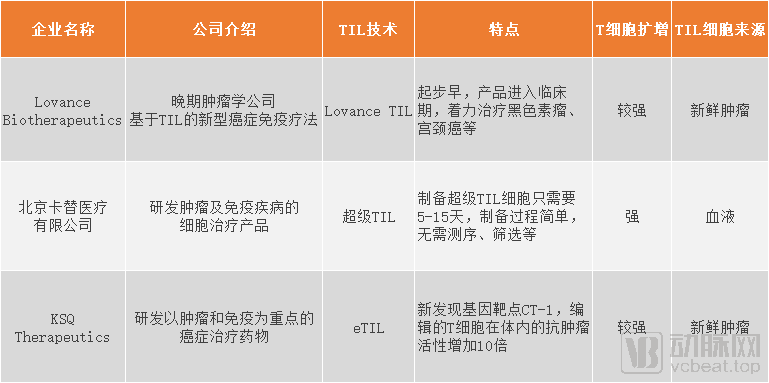
Beyond melanoma and cervical cancer, the success rate of TIL therapy for other types of cancer is not high, possibly because few T cells capable of killing cancer cells are present among the TILs collected from patients’ tumor tissues. However, screening and sequencing TILs would prolong treatment time. KSQ Therapeutics’ eTIL therapy, based on the CT-1 target, can enhance the anti-tumor activity of T cells and may bring new opportunities to the field of TIL technology.
About Flagship Pioneering
Flagship is a venture capital firm founded in 2000, with investment focuses primarily in biotechnology, healthcare, and information technology. Since its inception in 2000, the firm has launched and nurtured more than 100 science-based companies. To date, it has secured over $3 billion in total committed capital.