

Beyond Hyaluronic Acid: Emerging Oral Hydration Ingredients Gaining Popularity in Global Markets
First published on: FTA Food Research Institute, republished with authorization by VCBeat. Author:kariya , Header image source: Unsplash.
On January 7, the National Health Commission officially approved sodium hyaluronate as a new food raw material, sparking a wave of innovation in China’s functional food and beverage industry. A plethora of new applications featuring sodium hyaluronate with “moisturizing and hydrating” claims have emerged, making it a veritable “internet-famous” ingredient.
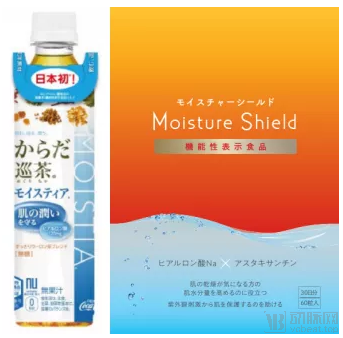
However, Foodaily has found that in Japan, where the functional food market is highly developed, a total of 72 Foods with Function Claims were approved last year claiming to “help maintain skin hydration and moisture.” Yet, only two of these products—Jun Cha, launched by Coca-Cola, and Moisture Shield, introduced by Morishita Jintan—utilized hyaluronic acid/sodium hyaluronate. So, which other moisturizing ingredients are gaining popularity in overseas markets?
I.
Moisturizing Ingredients Widely Used in the Japanese Market
1. Ceramide
In 2020, a total of 27 Foods with Function Claims in Japan, with ceramides as the primary functional ingredient, were approved; these products were mainly derived from three sources: pineapple, rice, and konjac.
Ceramides are complex lipids composed of sphingoid bases, fatty acids, and sugars. Human skin tissue consists of four layers: the stratum corneum, stratum granulosum, stratum spinosum, and stratum basale. The primary component of the intercellular lipids in the outermost stratum corneum is ceramide, which accounts for approximately 40% of these lipids. Ceramides play a crucial role in preventing transepidermal water loss, protecting the dermis from external damage, and promoting collagen synthesis. Alongside collagen and hyaluronic acid, ceramides are considered essential ingredients in skincare. Furthermore, research into the roles of ceramides in antibacterial activity, immune regulation, inhibition of cholesterol absorption, allergy relief, and brain health is ongoing.
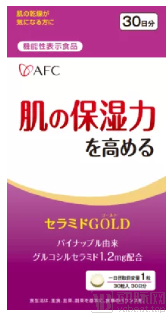
AFC’s Ceramide GOLD contains 1.2 mg of pineapple-derived ceramide per serving.
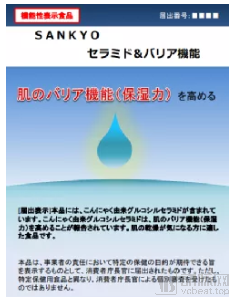
Sankyo Co., Ltd. has launched a ceramide supplement whose main ingredient is konjac-derived ceramide.
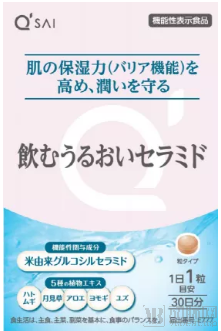
Q'Sai's oral beauty supplement features rice-derived ceramide as its primary ingredient, along with five additional plant-based components, including evening primrose seed.
Domestic applications of ceramides are also emerging. For instance, Wonderlab’s sodium hyaluronate sandwich gummies not only incorporate Bloomage Biotech’s patented ingredient HAPLEX® Plus sodium hyaluronate, but also contain ceramides and vitamin C.
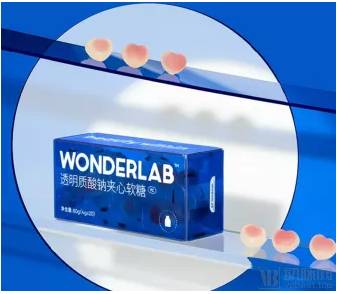
Source: Wonderlab
2. Astaxanthin
In 2020, Japan approved a total of 18 Foods with Function Claims (FFC) featuring astaxanthin as the primary functional ingredient and claiming to “help moisturize and hydrate the skin.”
The report indicates that astaxanthin helps protect the skin from UV-induced irritation and dryness, thereby maintaining skin hydration. In a Japanese study, eight weeks of continuous astaxanthin supplementation resulted in significant improvement in crow's feet, reduced spot diameter, and increased moisture levels in the cheek skin.
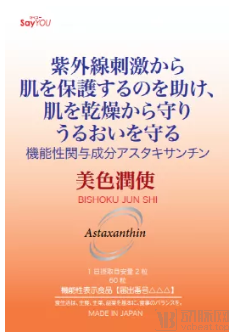
Sayyou Co., Ltd. has launched “Bishoku Junshi” astaxanthin beauty capsules, which claim to offer the benefits of “helping protect the skin from UV damage,” “protecting UV-exposed skin from dryness,” and “maintaining skin hydration.”
3. N-Acetylglucosamine
In 2020, nine Foods with Function Claims featuring N-acetylglucosamine as the primary functional ingredient were approved. N-acetylglucosamine is an amino sugar synthesized via glucosamine-6-phosphate. In living organisms, it serves as a constituent of complex carbohydrates such as hyaluronic acid and is present in the skin, cartilage, tendons, blood vessels, and other tissues. By promoting endogenous hyaluronic acid production, it contributes to skin hydration and cartilage health.
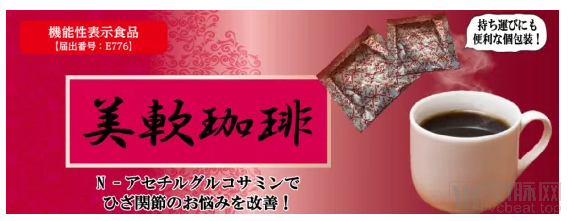
Shiono Chemical’s Meiruan Coffee, with N-acetylglucosamine as its main ingredient, helps lock in skin moisture and improve joint health.
4、GABA
In 2020, a total of 102 Foods with Function Claims related to GABA were approved. In addition to common functional claims such as sleep aid, blood pressure reduction, anti-fatigue, and blood glucose management, eight products claimed to “alleviate skin dryness.” Recent studies have shown that GABA helps prevent skin aging, maintain skin elasticity, and protect skin health.
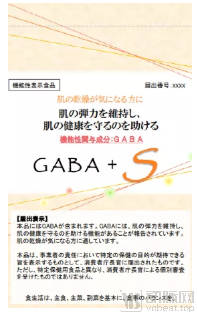
GABA+S, launched by the Japan Institute for Preventive Medicine, contains 100 mg of GABA per serving.
5. Lactic Acid Bacteria
(1) Plant-derived Lactic Acid Bacterium K-1 (L. casei 327)
Reports indicate that this strain has the function of maintaining skin hydration and improving bowel movements. In one trial, 54 female university students who perceived their skin as dry took 100 mg of plant-derived Lactobacillus plantarum K-1 or a placebo during the winter. After six weeks, transepidermal water loss was suppressed in the Lactobacillus plantarum K-1 group, with improvements observed in both skin condition and acne.
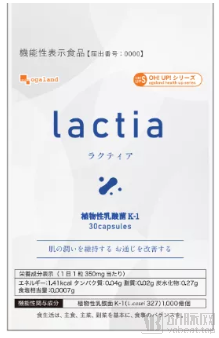
Lactis Plant-Based Lactic Acid Bacteria K-1 Dietary Supplement
(2) Lactic acid bacterium Lactococcus lactis H61
*Lactococcus lactis* H61 is a probiotic strain primarily known for its skin-hydrating properties. Studies have confirmed that it helps improve skin condition, delay aging, and reduce transepidermal water loss.
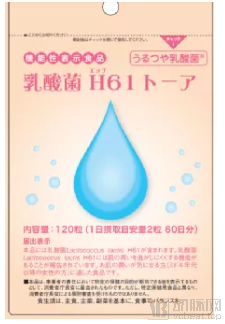
East Asia Pharmaceutical Lactobacillus H61 Supplement
6. Aloe Vera Extract
4-Methyl-7-en-cholestanol and cycloartanol, derived from aloe vera, are functional ingredients discovered by Morinaga Milk Industry through more than a decade of research. Studies have shown that these compounds activate fibroblasts responsible for producing collagen and hyaluronic acid, thereby promoting healthier skin. The functional components of aloe vera are well absorbed in the body and act on deep-layer skin cells.
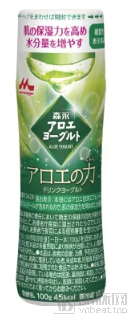
Morinaga Milk Industry’s moisturizing yogurt, containing aloe-derived 4-methyl-7-encholestanol and cycloartenol, is claimed to enhance skin hydration and reduce dryness.
II.
Innovative Moisturizing Ingredients
1. Passion Fruit Seed Extract
Passienol, a patented ingredient under Japan’s Morinaga, is derived from passion fruit seed extract and exhibits potent anti-aging effects. It also offers multiple benefits, including vascular protection, improved glucose metabolism, reduced skin laxity, and enhanced skin hydration. In 2020, Morinaga filed applications for eight Foods with Function Claims (FFC) featuring Passienol as the primary ingredient.
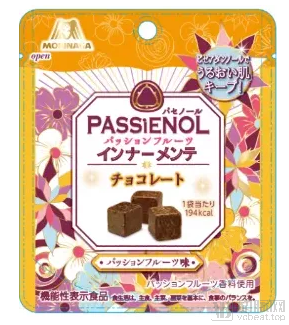
Morinaga’s Beauty Chocolate with Passienol
2. Chlorogenic Acid from Coffee Beans
Chlorogenic acid is a commonly used ingredient in weight-loss products, but recent studies have revealed that it also enhances skin hydration and alleviates dryness. One experiment found that daily intake of 300 mg of chlorogenic acid derived from coffee beans for eight consecutive weeks significantly increased stratum corneum water content compared with the control group.
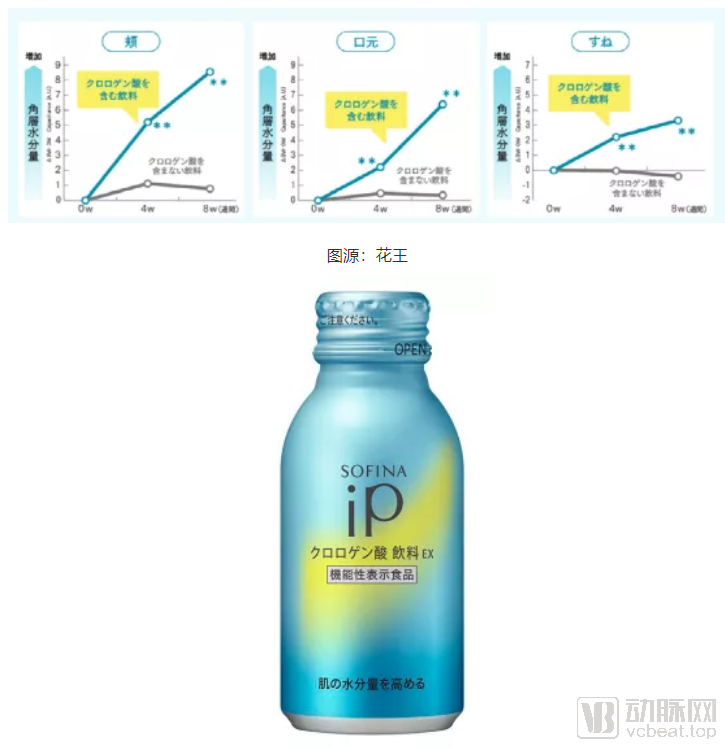
Kao Corporation’s SOFINA ip beverage, which utilizes chlorogenic acid derived from coffee beans, claims to “enhance skin hydration.”
3. Alpinia zerumbet Leaf Extract
Alpinia zerumbet, also known as Shell Ginger, contains active ingredients in its leaves that effectively inhibit the activity of collagenase—the enzyme responsible for breaking down collagen in the skin. This helps boost collagen vitality, delay premature aging caused by collagen loss, and enhance skin hydration.
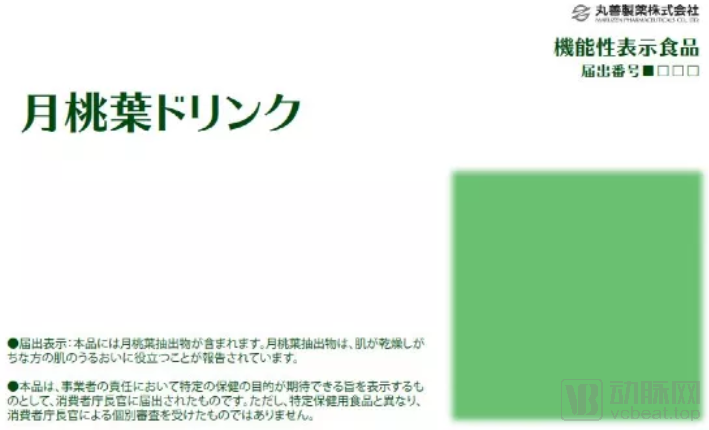
Maruzen Pharmaceutical’s Shikuwasa Leaf Beverage, containing shikuwasa leaf extract, is marketed as “improving skin dryness.”
As a key global market for oral beauty products, Japan has reached maturity in terms of product forms, market size, and consumer awareness. It maintained a high growth rate even during the pandemic, with the Japanese oral beauty market estimated to reach JPY 230 billion in 2020, a year-on-year increase of 4.5%. Chinese consumers also demonstrate high acceptance of oral beauty products. With the rising popularity of key ingredients such as collagen and hyaluronic acid, it is expected that a wider variety of oral beauty ingredients and finished products will become increasingly active in the Chinese market.
*Images without source attribution are all from the Consumer Affairs Agency of Japan