

1,188 Companies Gather at 2021 CACLP: Emerging Trends and Product Highlights in the IVD Industry
The China Association of Clinical Laboratory Practice (CACLP) Expo for Medical Laboratory and Transfusion Instruments & Reagents is a flagship event in the in vitro diagnostics (IVD) industry, serving as the premier platform for gaining insights into emerging developments and trends. At the annual CACLP conference, numerous IVD enterprises and industry professionals convene to launch new products, discuss hot topics, and explore the future of the industry, playing a highly cohesive and guiding role within the IVD sector.
From March 28 to 30, 2021, the 18th CACLP was held at the Chongqing International Expo Center. Concurrently held were the “Voice of Innovation” 6th Chinese Congress of Laboratory Medicine / Wiley International Academic Conference on In Vitro Diagnostics, the 8th China In Vitro Diagnostics Industry Development Conference, the Bright·Lab – 4th IVD Young Entrepreneurs Forum, the 3rd China IVD Distribution Enterprises Forum, and the 1st China IVD Upstream Raw Materials and Supply Chain Forum, along with more than 100 company-sponsored satellite meetings. The exhibition attracted nearly 100,000 visits from experts, scholars, entrepreneurs, manufacturers, distributors, investment banks, and laboratory medicine professionals in related fields from both domestic and overseas.
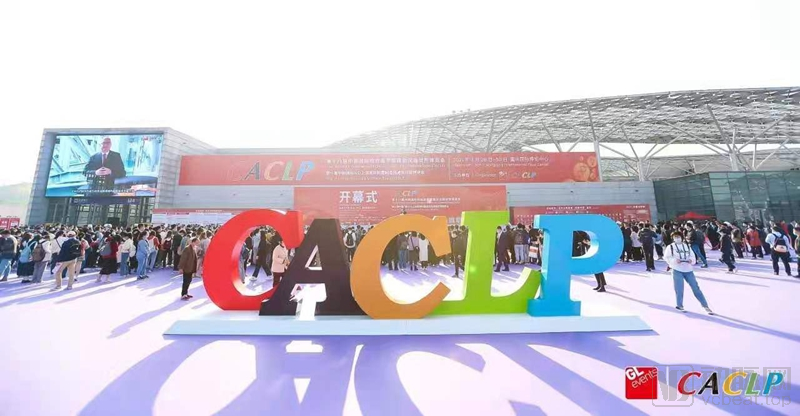
Compared with the 2020 CACLP, the number of exhibiting companies at the 2021 CACLP increased from 1,016 to 1,188. The large number of exhibitors covered a wide range of fields, including multiple niche segments such as POCT, digital PCR, clinical mass spectrometry, clinical chemistry, immunoassays, and early cancer screening. Under these circumstances, it is challenging to discern industry development trends. To address this, VCBeat has highlighted the standout features of this year’s CACLP by examining several hot sectors within the in vitro diagnostics (IVD) industry.
Digital PCR technology offers multiple advantages, including high detection sensitivity, more accurate quantitative results, and greater intuitiveness. It demonstrates significant benefits in various fields such as infectious disease diagnostics, tumor genetic testing, and non-invasive prenatal screening, with its clinical value widely recognized. In recent years, several digital PCR instruments have received regulatory approval in China. As an emerging and popular sector in in vitro diagnostics, numerous digital PCR companies—including Zhenzhun Bio, Dawei Bio, Xinyi Bio, Ruixun Bio, and Little Sea Turtle—showcased their products at the 2021 CACLP.
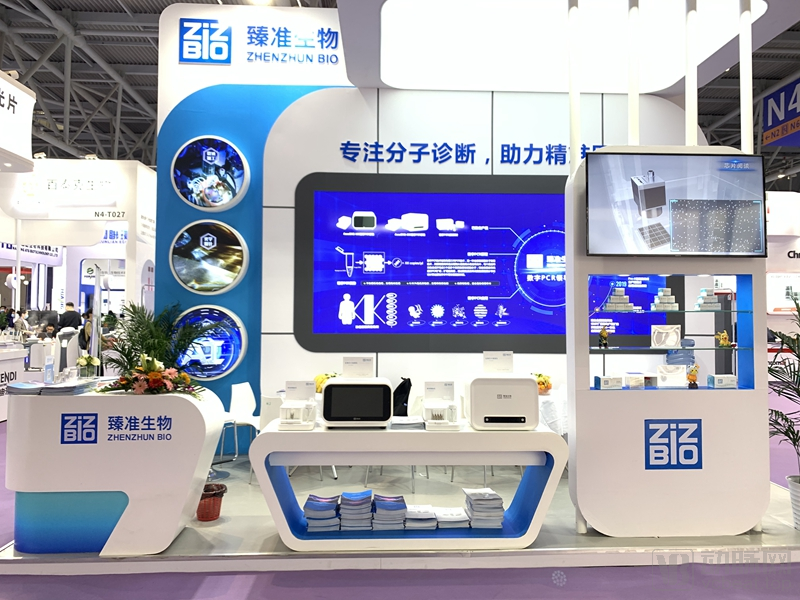
Zhenzhun Bio exhibited its AccuONE digital PCR systems (two generations) and solutions. The digital PCR system developed by Zhenzhun Bio adopts a chip-based technical approach, utilizing solid-phase partitioned microwell array chips as the carrier for droplet generation and subsequent PCR reactions. This enables large-scale parallel amplification and readout analysis, offering numerous advantages such as stable droplets, independent observation of reaction units, re-readability of chips, traceability of chip images, and an open system. Meanwhile, Zhenzhun has developed a variety of diagnostic kit products, covering multiple application areas including pathogen detection, tumor gene testing, and genetic disease screening.
DaWei Bio launched its new fully automated digital PCR product, OsciDrop, at CACLP. OsciDrop enables high-throughput, fully closed, and low-cost molecular detection. Currently, DaWei Bio’s digital PCR instruments and associated reagents and consumables have entered stable mass production, and the company has established extensive collaborations with dozens of Grade A tertiary hospitals, testing institutions, biopharmaceutical enterprises, and research institutes across China.
In addition, New Era Biotechnology, which secured the largest single round of financing in China’s digital PCR sector, along with Rayto Biotech and Little Turtle, showcased their respective digital PCR systems.
The COVID-19 pandemic accelerated the maturation of qPCR technology and also spurred the development of digital PCR (dPCR). Industry insiders told VCBeat that China’s dPCR market is poised to reach maturity in the coming years. Exhibits from various dPCR companies at the CACLP show indicate a growing number of domestically approved dPCR instruments; however, no dPCR kits have yet obtained Class III medical device registration certificates in China. Which company will secure the first Class III kit certification has become one of the key focal points of corporate competition.
POCT technology simplifies traditional diagnostic and treatment processes, featuring convenience and ease of use, making it a key development direction in clinical laboratory testing. At the 2021 CACLP, numerous POCT-related companies participated, showcasing a wide range of products, with several enterprises launching new releases.
Fully automated chemiluminescence immunoassay is a promising yet somewhat crowded POCT sector. At CACLP, Wondfo Biotech launched its new Shine i1900 fully automated chemiluminescence immunoassay analyzer; Hotgen Biotech unveiled the MQ60 AUTO single-test fully automated chemiluminescence immunoassay analyzer and the C900 fully automated chemiluminescence immunoassay analyzer; Kehua Bio-Engineering introduced its fully automated liquid-phase POCT chemiluminescence products; Wowent Biotech presented the LA2000 fully automated chemiluminescence immunoassay analyzer; Fosun Diagnostics showcased the F-i3000 fully automated chemiluminescence analyzer; and Smart displayed the SMT680 fully automated chemiluminescence immunoassay analyzer.

Microfluidic chips miniaturize large-scale laboratory systems onto glass or plastic substrates, performing the entire process—including sample loading, dilution, reagent addition, reaction, separation, and detection—within micrometer-scale spaces. These chips are characterized by accuracy, speed, and high throughput. Consequently, microfluidic technology holds significant promise across various point-of-care testing (POCT) applications. Keju Biotechnology exhibited its COVID-19 antigen and antibody detection kits. The detection chips in these kits utilize passive microfluidic technology, enabling test completion in just four minutes. The products have obtained EU CE certification and been included in the Ministry of Commerce’s export whitelist. In 2020, they were exported as international anti-pandemic supplies to dozens of countries and regions across Asia, Africa, and the European Union.
At the exhibition, a niche product within the POCT sector has garnered significant attention: multiplex POCT assays for respiratory pathogens.
The COVID-19 pandemic has spurred significant interest in the detection of respiratory pathogens. The "2021 National Goals for Improving Medical Quality and Safety," issued by the Bureau of Medical Administration of the National Health Commission on March 1, pointed out that the spectrum of pathogens causing respiratory infections is complex, with some capable of triggering epidemics. The document emphasized the need to increase the rate of nucleic acid testing for respiratory pathogens, further fueling growth in this sector.
Zhuocheng Huisheng is the first manufacturer in China to obtain registration certification for qPCR-based multiplex respiratory diagnostic reagents. On March 28, Zhuocheng Huisheng held a launch event at its booth for the Peiyoujian™ Respiratory Virus Nucleic Acid Six-Plex Assay Kit (PCR Fluorescent Probe Method). The Peiyoujian™ kit can detect six types of respiratory viruses, including Influenza A virus, Influenza B virus, Respiratory Syncytial Virus, Adenovirus, and two types of Parainfluenza viruses. It is compatible with widely used PCR instruments such as the ABI 7500.
Sansure Biotech Held a Launch Event for Six New Nucleic Acid Testing Products for Respiratory Pathogens. These products cover six common respiratory infection pathogens among children and adults in China, offering high sensitivity to prevent missed detections. They facilitate early detection and treatment of respiratory infections and help guide clinicians in rational medication use.
Compared with traditional detection methods, mass spectrometry offers advantages such as high sensitivity, high specificity, high accuracy, a wide linear range, and high throughput. It can be applied in various areas, including clinical biochemistry testing, clinical immunology testing, clinical microbiology testing, and clinical molecular diagnostics, and is regarded as the next trillion-yuan blue-ocean market in the field of in vitro diagnostics.
Integrated clinical mass spectrometry solutions are regarded as the prevailing trend in the clinical mass spectrometry industry and represent a key strategic focus for domestic companies. Baichen Medical is a provider of integrated clinical mass spectrometry solutions in China, building a comprehensive clinical diagnosis and treatment ecosystem by integrating instruments and equipment, reagent products, testing services, and academic systems. At CACLP, Baichen Medical launched its first-generation immune mass spectrometry pre-treatment platform, the iMS-1000, and the fully automated immune mass spectrometry pre-treatment platform, the iMS-2000.
Yingsheng Bio exhibited a one-stop comprehensive solution for clinical mass spectrometry, including sample preparation platforms, mass spectrometers, and reagent kits, thereby addressing the five key elements of clinical mass spectrometry development (mass spectrometer + reagents + sample preparation + data + services). Asymchem also showcased its comprehensive clinical mass spectrometry solution. Dipu Diagnostics presented a nucleic acid mass spectrometry-based solution for multi-gene, multi-locus genetic testing.
In addition, Mass Spectrometry Biology, Meikang Bio, Mass Spectrometry Technology, and TransMed Life exhibited mass spectrometry solutions. Companies are actively developing their own instruments, expanding testing items, and providing testing services. Meanwhile, a mass spectrometry technology forum was established at the 2021 CACLP conference, many companies held satellite meetings, and numerous mass spectrometry instruments and reagents have already obtained registration certificates. It can be observed that the domestic clinical mass spectrometry industry is on the rise, with more application results to be showcased in the future, and its use in hospital clinics will rapidly increase.
Cancer early screening emerged as a hot sector in 2021. With the successful listing of China’s first genetic testing company specializing in cancer early screening, the approval of the country’s first colorectal cancer early screening product validated by large-scale prospective studies, and the continuous disclosure of data from multiple prospective cohort studies, the cancer early screening market has witnessed rapid development, and its commercialization pathway has become increasingly clear.
The window of opportunity for early cancer screening has arrived; at CACLP, numerous companies showcased their early cancer screening solutions.
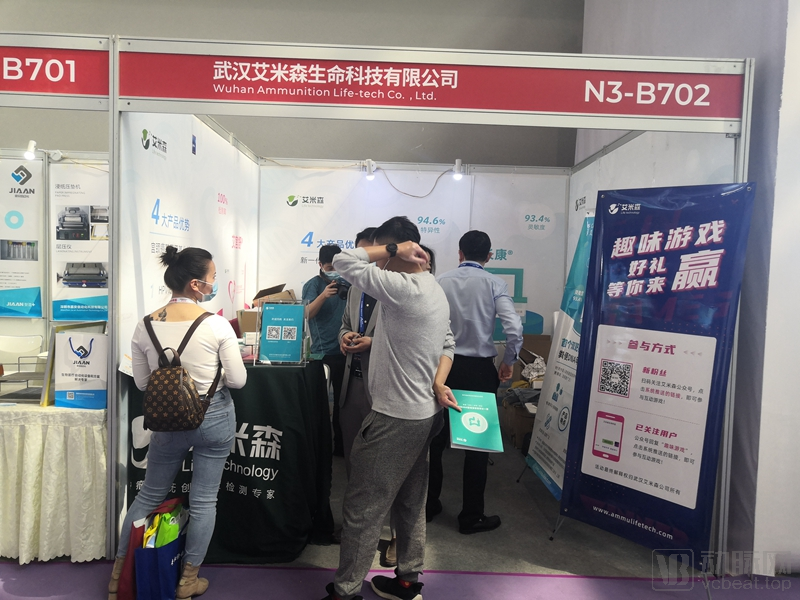
Colorectal cancer is characterized by a high incidence rate and a high cure rate when detected early; however, existing screening methods have significant limitations, creating an urgent need for innovative screening technologies. At the exhibition, Ameson’s flagship product, “Ai Chang Kang,” is a stool DNA test for colorectal cancer. Based on the analysis of intestinal excreta, its accuracy is comparable to that of colonoscopy, demonstrating excellent sensitivity and specificity. By offering a painless, non-invasive, and home-based sampling approach, it overcomes the temporal and spatial constraints of traditional methods and addresses the issue of low compliance with colonoscopy. Currently, it has been included in the expert consensus on colorectal cancer detection. Meanwhile, leveraging CACLP, Ameson held its first national investment promotion conference.
The latest global cancer statistics for 2020 indicate that China recorded 110,000 new cases and 60,000 deaths from cervical cancer in that year, imposing a substantial disease burden on Chinese women. Persistent infection with high-risk human papillomavirus (HPV) types is closely associated with cervical cancer, and companies at the exhibition focused on HPV testing to enable early screening and diagnosis of the disease. Majorbio’s “Human Papillomavirus (HPV) Nucleic Acid Test and Genotyping Kit for Types 16/18” is the only domestically produced HPV test product to have passed the consistency evaluation by the National Medical Products Administration (NMPA), demonstrating high concordance with the Roche Cobas HPV test, which is used for primary cervical cancer screening in the United States. Yaneng Bioscience and Tellgen Life Science also showcased their HPV testing solutions.
New Saiya Biotechnology showcased its Helicobacter pylori typing test kit, which utilizes quantum immunofluorescence to distinguish between highly virulent (Type I) and low-virulence (Type II) H. pylori infections, thereby enabling precise treatment and avoiding overtreatment. Huarui Tongkang exhibited its TiKewen® tumor cell proliferation detection product, which accurately measures the rate of cell proliferation by detecting changes in serum thymidine kinase 1 (TK1) levels, reconstructing early-stage tumor activity patterns to facilitate early cancer screening.
Although the number of cancer early screening companies present at CACLP was limited, it still reflects the growing momentum of cancer early screening within the in vitro diagnostics (IVD) industry. Companies have expanded their focus from colorectal cancer to gastric cancer and cervical cancer, which face equally severe prevention and control challenges, and even to multi-cancer detection. It is anticipated that future CACLP exhibitions will feature more cancer early screening products leveraging novel technologies and multi-omics approaches, with coverage extending to a broader range of cancer types.
Raw materials are the source of innovation in the in vitro diagnostics (IVD) industry and have a significant impact on the performance of diagnostic reagents. To develop advanced diagnostic technologies, it is essential to first master advanced raw material technologies. Data shows that the market size of IVD raw materials in China accounts for approximately 10%-15% of the total integrated diagnostic product market, with the market scale exceeding RMB 7 billion in 2018.
Domestic attention to the upstream raw material market is deepening. At this year’s CACLP, upstream raw material and supply chain enterprises were convened for the inaugural China Forum on Key Raw Materials and Components for In Vitro Diagnostics (IVD). Numerous experts, scholars, and core R&D personnel from other raw material industries engaged in extensive exchanges and discussions on the current industrial landscape, opportunities and challenges, as well as technologies and applications of core key raw materials for IVD in China.
In terms of reagent raw materials, a wide range of antigen and antibody products are available, along with materials such as magnetic beads, microspheres, and diagnostic enzymes. HyTest Bioscience exhibited its full portfolio of raw material products and serialized total solutions in both the main exhibition hall and the raw materials pavilion. Novoprotein showcased multiple molecular diagnostics raw materials. Nearshore Protein presented diagnostic antigens, enzymes for molecular diagnostics, and total solutions for mRNA vaccines. Boyue Biotechnology displayed nanospheres, antigens and antibodies, biological enzymes, bulk-packaged biochemical/POCT reagents, and raw materials for pet diagnostics.
The momentum behind the development of domestically produced in vitro diagnostic (IVD) raw materials is gaining strength; however, breakthroughs in high-end IVD raw materials remain insufficient, necessitating greater participation and efforts from top-tier talent and enterprises.
As the annual flagship event for the in vitro diagnostics (IVD) industry, CACLP features only a small fraction of the sectors, companies, and products discussed in this article. The IVD industry will continue to thrive, with emerging segments such as early cancer screening, clinical mass spectrometry, and digital PCR offering substantial growth potential and increasing their share within the industry. Consequently, the number of related companies exhibiting at CACLP is expected to rise. Furthermore, areas such as single-molecule detection, at-home self-testing kits for COVID-19, and total laboratory automation lines warrant continued attention.
Nevertheless, it is impossible to ignore the issue of product homogenization in certain sectors. In summary, the in vitro diagnostics (IVD) industry remains a field characterized by both opportunities and challenges. Only by investing substantial talent and capital to build core competitive advantages can companies shine at the next CACLP.