

MounBio Advances Two Breakthrough Live Biotherapeutic Products into Clinical Trials, Spearheading the Global Microbiome Therapeutics Race
Microbiome therapy is an emerging biomedical sector that has developed rapidly in recent years. In 2015, only a few drugs were under development globally; today, over a hundred companies are involved in microbiome therapy, with hundreds of pipelines in progress worldwide. In August 2020, Seres Therapeutics announced positive Phase III clinical results for its gut microbiome therapy SER-109 in the treatment of Clostridioides difficile infection, drawing significant industry attention. The investment community also holds high expectations for the microbiome therapy sector, with billions of dollars being continuously invested.1In 2015, Seres Therapeutics became the first microbiome therapeutics company to be listed on NASDAQ; in September 2020, Finch Therapeutics completed a $90 million Series D financing round; in January 2021, Vedanta Biosciences secured $25 million in investment led by Pfizer; and in March 2021, Finch Therapeutics successfully went public on NASDAQ, with its stock surging 30% at the opening.
Over the past decade, the number of global patents for microbial therapies has surged exponentially, with patent protection primarily based on the discovery of novel microbial strains and their pharmacological functions. In 2019, France’s LNC Therapeutics licensed Cornell University’s technology related to gut bacteriaChristensenella minutaPatents for weight loss indications are currently being developed based onChristensenella minutadrugs for weight loss and metabolic diseases. In 2018, UK-based 4D Pharma obtained a U.S. patent protecting an important genus of gut bacteriaBacteroidesacross the entire therapeutic landscape. As of the end of 2020, only 1,332 cultivable species of gut bacteria had been reported and identified worldwide.2, including 307 new species3, how to rapidly patent and develop new gut bacterial species and their functions has become an arms race among global microbiome pharmaceutical companies.
As a leading domestic enterprise in microbial therapeutics, Colony Biotechnology has completed three rounds of financing, with all investors being top-tier biomedical venture capital firms in China. To date, Colony Biotechnology has discovered, preserved, and identified 1,104 species of gut bacteria, including 318 novel species—a number exceeding the combined total of all other institutions worldwide. The company has established a collection of over 140,000 strainsA Globally Competitive Microbial Strain Bank.The company relies on its leadingFull-Spectrum Live Bacterial Drug Development Platform, targeting the therapeutic potential of microbiome-based therapies in tumor immunology and metabolic diseases, with multiple drug pipelines currently under development,Its two pipelines targeting tumor immunity and metabolic diseases are expected to become the first Live Biotherapeutic Products (LBPs) in China to enter clinical trials this year.
Dr. Jiang Xianzhi, Founder and CEO of Colony Biotechnology, stated that since its inception, the company has positioned itself as a platform-based microbiome technology enterprise. It is committed to establishing a comprehensive industrialization technology system for microbiomes, encompassing microbial discovery (identifying and culturing novel microbial diversity), microbial screening (high-throughput screening of target functional strains using data-driven approaches and in vitro and in vivo screening models), microbial engineering (modifying microbial traits through directed evolution and synthetic biology technologies), and microbial application (developing microbiome products for diverse scenarios to meet market demands based on optimized high-efficiency fermentation, formulation technologies, and application testing). In the biopharmaceutical sector, Colony Biotechnology has successfully built a full-spectrum live biotherapeutic product development platform and established GMP-compliant manufacturing facilities. This infrastructure enables the simultaneous advancement of multiple R&D pipelines, continuous expansion of indications, cost reduction, and significant acceleration of drug development.“Leveraging its full-spectrum live biotherapeutic drug development platform, Colony Biotechnology can compress the timeline for microbial drugs from discovery to clinical entry to approximately 1.5 years.”Dr. Jiang Xianzhi stated as follows.
Currently, Colony Biotechnology has nine R&D pipelines. Unlike most companies that are crowded in the CDI and IBD indication tracks,Colony Biotechnology isA Rare Company Covering Both Oncology Immunotherapy and Metabolic Diseases
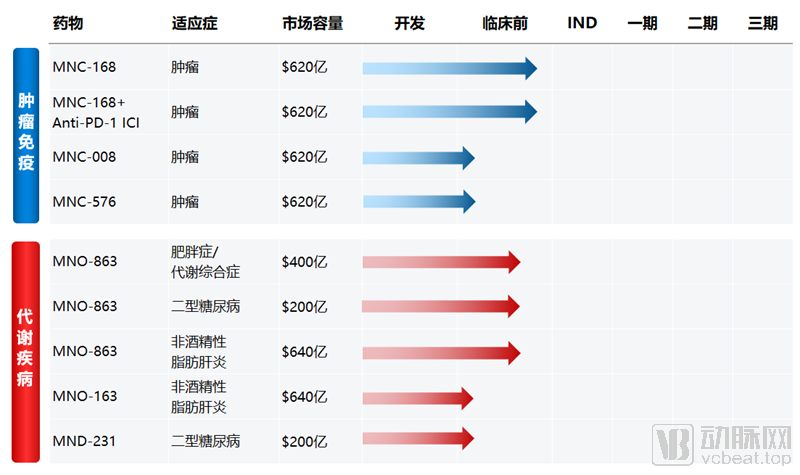
▲ Colony Biotech’s Live Biotherapeutic Drug Pipeline | Image source: Colony Biotech
Regarding the strategy for selecting indications, Dr. Jiang Xianzhi stated, “The gut microbiota is considered to be associated with a variety of diseases; however, the causal relationships vary in strength, with some being tight and others loose. Our primary consideration is which indications exhibit a stronger association and causal relationship with the gut microbiota, thereby enabling more effective therapeutic outcomes.”4-10. A substantial body of research has demonstrated that the gut microbiota influences the therapeutic efficacy in tumor immunity and metabolic diseases. Secondly, from a clinical perspective, there remains a significant global population of patients with cancer and metabolic disorders who lack effective treatment options, representing a market size of $200 billion. Finally, in terms of the global competitive landscape,“The R&D progress gap in the fields of tumor immunology and metabolic diseases is not significant; it is highly likely that China will produce global unicorn companies specializing in microbiome therapies within these two niche sectors in the future.”
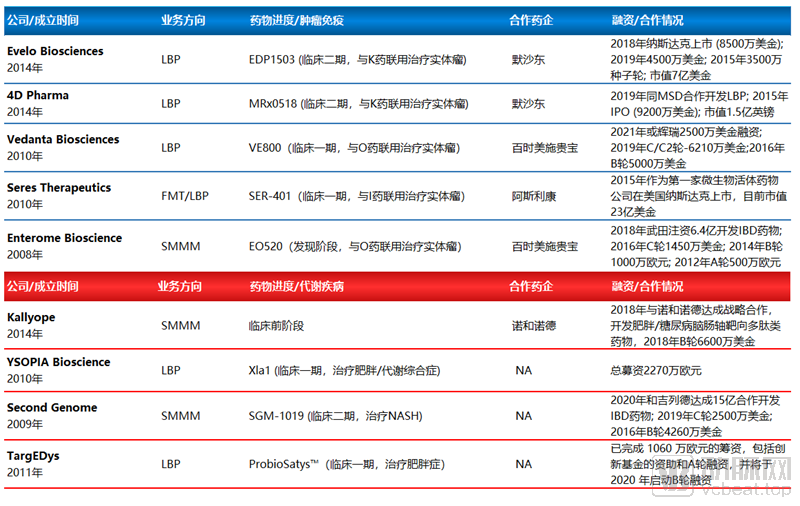
▲ Drug Development Progress: Multinational pharmaceutical companies enter microbial therapy through collaborations, with multiple overseas projects advancing to clinical trials
Data Source: Official websites of respective companies; compiled by Guangzhou Colony Biotechnology Co., Ltd.
MNC-168 and MNO-863 are two flagship R&D pipelines of Colony Biotechnology in the fields of tumor immunology and metabolic diseases, expected to enter clinical trials within this year.
MNC-168 is an innovative live biotherapeutic for tumor immunotherapy, originally developed by Guangzhou Colony Biotechnology Co., Ltd. and protected by global patents.Data from the established low-response cold tumor models demonstrate that MNC-168 monotherapy significantly outperforms PD-1 inhibitors across multiple tumor types, achieving tumor inhibition rates of up to nearly 60% and complete tumor regression. More importantly, when MNC-168 is combined with PD-1 immune checkpoint inhibitors (across all tumor types),The tumor inhibition rate can reach up to nearly 90%., and significantly increased the PD-1 response rate in cold tumors from 0–37.5% to 80–100%,Its preclinical efficacy rivals or even surpasses that of the leading competitors in the live biotherapeutic drug sector.- Tumor inhibition rates of clinical-stage investigational drugs from 4D Pharma (MRx0518), Evelo (EDP1503), Vedanta (VE800), Seres (SER-401), and Genome & Company (GEN001), administered either as monotherapy or in combination with PD-1 inhibitors (monotherapy: 0–55%; combination therapy: 70–80%).
Leveraging its innovative mechanism of multi-targeted tumor immune activation and microenvironment modulation, MNC-168 holds significant clinical therapeutic potential to address the unmet medical needs of patients with refractory tumors and the 70–80% of patients who do not respond to PD-1 inhibitors, thereby enabling it to penetrate and capture a share of the oncology immunotherapy market valued at over $70 billion.
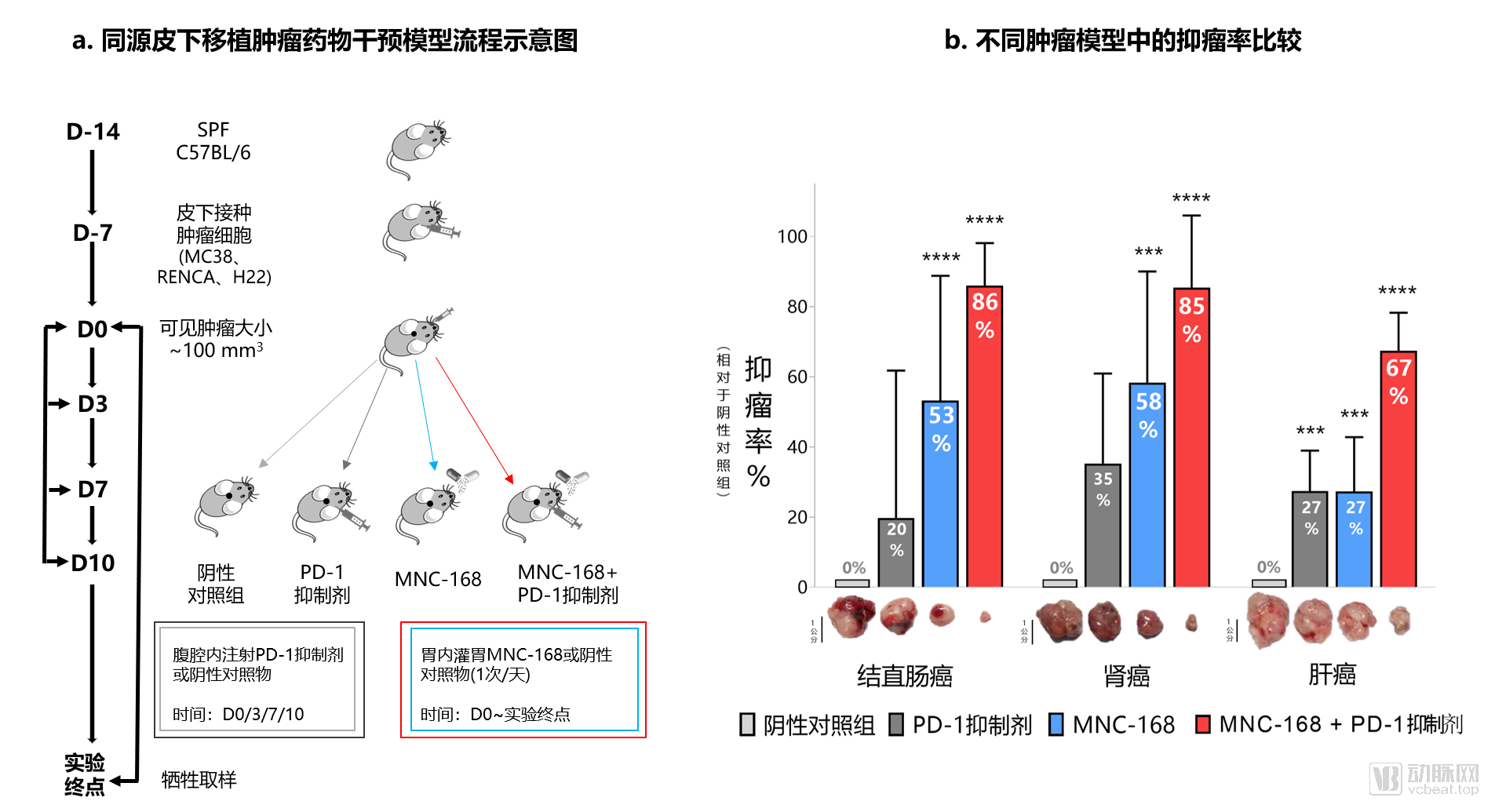
▲MNC-168 demonstrates efficacy as a monotherapy across multiple tumor types and in combination with PD-1 inhibitors | Image source: Colony Biotechnology
MNO-863 is an innovative live biotherapeutic for metabolic diseases, originally developed by Guangzhou Colony Biotechnology Co., Ltd. and protected by global patents.Indicated for the treatment of obesity/metabolic syndrome and related metabolic disorders.Using a typical therapeutic model of hyperlipidemic obese mice, it was demonstrated that four weeks of monotherapy with MNO-863Can reduce body weight by nearly 10%, its weight-loss efficacy is comparable to that of current first-line over-the-counter weight-loss drugs such as orlistat and marketed GLP-1R agonist weight-loss medications, while also possessing20–43% reduction in body fat, 14–26% reduction in hyperlipidemia markers(triglycerides, total cholesterol, and low-density lipoprotein),When used in combination with this GLP-1 receptor agonist weight-loss medication, it can achieve an average weight reduction of over 20%., more importantly, MNO-863 can still slow down the problem of weight regain after discontinuation, possessing high potential to address the pain points of existing drugs.
Furthermore, additional preclinical efficacy results indicateMNO-863 UpdateCan significantly reverse key indicators of type 2 diabetes and non-alcoholic steatohepatitis,including a 30% reduction in fasting blood glucose, improved glucose tolerance, and a significant decrease in the histological indices of non-alcoholic fatty liver disease (NAFLD activity score) to 2 points.
MNO-863’s preclinical efficacy surpasses that of existing competitors in the gut-targeted therapy space-TargEDys (ProbioSatysTM), Second Genome (SGM-1019), YSOPIA Biosciences (Xla1, formerly LNC01), and Kintai (KTX0200). The efficacy of their investigational drugs, driven by innovative mechanisms involving multi-target regulation of glucose and lipid metabolism, energy expenditure, and gut barrier function, along with their high safety profile and synergistic effects, positions them to penetrate and capture a significant share of the vast market for monotherapy and combination therapy in metabolic diseases, which exceeds $100 billion.
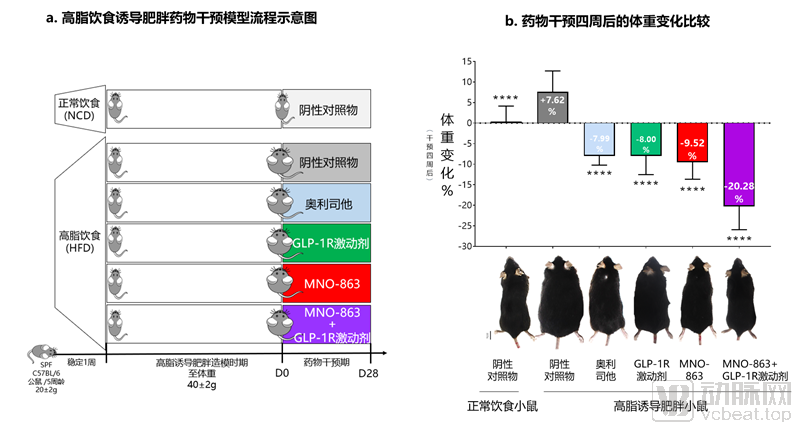
▲MNO-863 Rivals First-Line Weight-Loss Drugs: Monotherapy Achieves 10% Weight Loss, While Combination with GLP-1R Agonists Exceeds 20% | Image Source: Colony Biotechnology
It is worth noting that,MNC-168 and MNO-863 are poised to file Investigational New Drug (IND) applications in both China and the United States, with the potential to become the first domestic therapeutics in this field to enter clinical trials.In 2021, Colony Biotechnology will also become a clinical-stage biopharmaceutical company specializing in microbiome-based therapeutics.
It should be clarified that a complete microbial drug development process includes“Microbial Discovery – Functional Screening, Functional Identification – Druggability Evaluation – Clinical Application”Strain resource discovery is the source and an indispensable pathway for microbial therapies, often requiring protection through the most stringent intellectual property measures. It can be said that the development of new species and new strains constitutes the “chips” of the microbiome industry.
In Europe and the United States, an increasing number of microbial therapy companies are publicly protecting their strains in the form of patent families, with patent scopes covering the corresponding bacterial species and their applications. Taking 4D Pharma as an example, its *Roseburia hominis*Roseburia hominis(primarily indicated for ulcerative colitis), with patent coverage spanning multiple countries and regions including the United States, Europe, Japan, South Korea, and Australia; another strain is primarily applied to IBSBlautiaStrain patent applications extend from the species level down to cover various indications. As of March 2021, 4D Pharma had disclosed nearly 1,000 patents, comprising more than 100 patent families, with entries in multiple countries and regions, covering its entire R&D pipeline.
How to rapidly patent and develop new gut bacterial species and their functions has become an arms race among global microbiome drug companies.
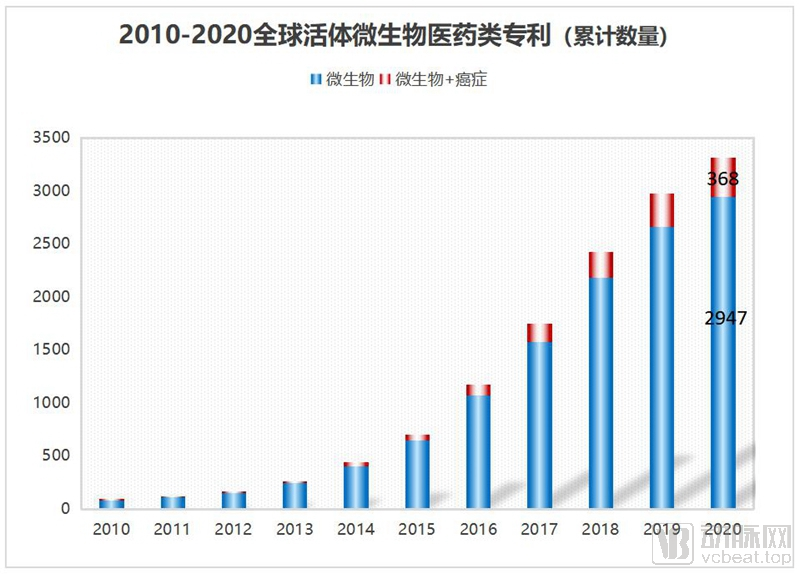
▲ In the past decade, the number of global patents for microbial therapies has surged | Image source: Guangzhou Colony Biotechnology
In recent years, the development of metagenomics has enabled the discovery of a vast amount of information on uncultured gut bacteria; however, inherent limitations of this technology, such as “depth bias,” remain to be addressed. In 2012, Lagier JC et al. proposed the concept of “culturomics,” which has, to some extent, reduced the errors associated with metagenomics. By designing and optimizing diverse culture conditions and nutritional components, culturomics has significantly improved cultivation efficiency. When combined with techniques such as MALDI-TOF mass spectrometry and 16S rRNA sequencing, this approach has increased the number of cultivable human bacterial species by hundreds, leading to the discovery of many new bacterial species through culturomic methods.
Nevertheless, only slightly more than 1,000 gut microbial species have been identified to date. The known diversity of gut microbiota is limited, and those with developmental potential are even scarcer. “In other words, the likelihood of discovering new bacterial strains diminishes over time, while the difficulty continues to increase.”The discovery and application of new microbial strains constitute an arms race between nations as well as between enterprises.“The more novel bacterial strains a company owns and swiftly secures patent protection for, the deeper its competitive moat becomes,” said Dr. Jiang Xianzhi. “We cannot wait until several years later, when most applications of gut bacteria have been patented by companies in other countries. If we end up having to pay patent royalties to foreign firms even for using our own gut bacteria, it will be too late for regrets.”
"China boasts a vast territory and a large population, with significant variations in dietary habits and genetic backgrounds among its people. This results in high population diversity, while also lowering the cost of sample acquisition,"Compared with foreign countries,China possesses unique advantages in the discovery of new microbial strains and their functions.“Dr. Jiang Xianzhi stated. Currently, there are multiple public-interest microbial strain preservation institutions in China. However, on the corporate side, teams with capabilities in bioprospecting, culturomics innovation, and a background in microbial industrialization are extremely scarce. As a result, most domestic microbiome therapeutics companies do not engage in the discovery of new bacterial strains or the patent protection of their functions. Instead, they typically pursue drug development by purchasing external strain patents or applying for strain-specific patents with very narrow scopes of protection within China.”
As one of the few platform-based microbiome innovation companies in China, Guangzhou Colony Biotechnology Co., Ltd. has been committed to establishing its core competitiveness through leading culturomics technologies and high-throughput screening for the functions of new bacterial species and strains. Since its establishment in 2015, the company has invested substantial human, material, and financial resources to build its proprietary strain library.Pushing culturomics of the gut microbiota to the extreme, enabling the maximal isolation and cultivation of valuable bacterial strains.
Now, Guangzhou Colony Biotechnology Co., Ltd. has established a large-scale and diverse microbial resource discovery center, preserving over 140,000 strains, including more than 60,000 human gut bacterial strains. According toNature biotechnologyLatest Literature2Statistics show that as of the end of 2020, a total of 1,332 culturable species of gut bacteria had been identified globally (by other institutions), including 307 new species;Guangzhou Colony Biotechnology Co., Ltd. has identified 1,104 culturable species of gut bacteria, including 318 new species,The number of new species exceeds the combined total from all other institutions worldwide.
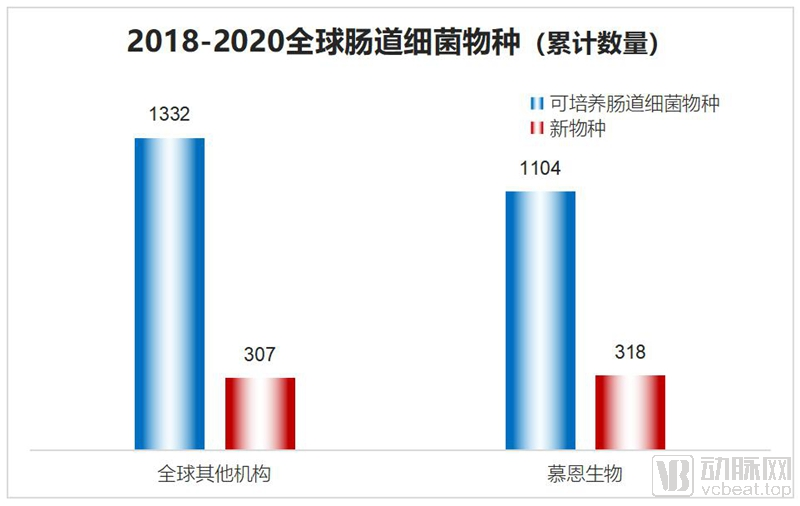
▲ Moon Biotech vs. Other Global Institutions: Number of Culturable Gut Bacterial Species and New Species (2018–2020) | Source: Moon Biotech
Notably, Guangzhou Colony Biotechnology Co., Ltd. has accumulated a substantial number of new species through the mining of important microbial strain resources, for example, inRuminococcaceaeBacterial Family andBacteroidesDiscovery and Preservation of Bacterial GeneraOver 12 New Genera and 31 New Species. This means that,The microbial diversity resources mastered by Guangzhou Colony Biotechnology Co., Ltd. are highly competitive globally,This is also the core weapon for Guangzhou Colony Biotechnology Co., Ltd. to win the global arms race in microbial therapy.
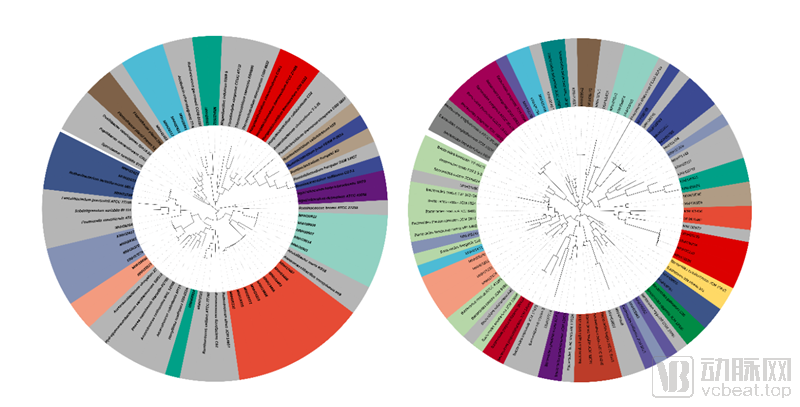
▲Guangzhou Colony Biotechnology Co., Ltd. atRuminococcaceaeFamily andBacteroidesNew Genus- and Species-Level Strains Acquired and Preserved by the Bacterial Genus | Image source: Colony Biotech
Microbial therapy has emerged as a hotspot in biological research in recent years, becoming a new frontier for both research and investment. Statistics indicate that the global human microbiome therapeutics market is projected to grow at a compound annual growth rate (CAGR) of 63%, with expanding market potential. The world’s first microbiome-based drug is expected to be launched in 2021, signaling that microbial therapy is poised for a significant breakthrough in the coming years.
Dr. Jiang Xianzhi identifies four major trends in the field of microbial therapy. First, awareness and understanding of microbial therapy among biopharmaceutical companies and investment institutions are steadily increasing. Second, indications are continuously expanding, evolving from gastrointestinal diseases to include cancer immunotherapy, metabolic disorders, and neurological conditions. Third, the ecosystem is becoming increasingly robust, with a growing number of upstream service providers, including CROs and CDMOs specializing in microbial therapies. Fourth, research on the gut microbiota is deepening, progressing from association studies and causal analyses to mechanistic investigations at the molecular level.
Undoubtedly, Guangzhou Colony Biotechnology Co., Ltd. has chosen a highly promising track. Riding the tailwinds of industry growth, the company will expand its sample collection sources, continue to enrich the diversity of its strain library, accelerate functional screening of new strains, accumulate critical multi-omics data, and rapidly advance its drug development pipeline.“We are confident in winning the global arms race in microbial therapy and securing a significant place for Chinese enterprises.”
References:
1、Early investments powering the ascent of microbiome therapeutics. Michael Eisenstein. Nature Biopharmadealmakers FEATURE (2020). (DOI: 10.1038/d43747-020-01178-x)
2、A unified catalog of 204,938 reference genomes from the human gut microbiome。Almeida A et al., Nature Biotechnology (2021). (DOI: 10.1038/s41587-020-0603-3)
3、Updating the repertoire of cultured bacteria from the human being. Diakite A, et al., Microbial Pathogenesis (2021). (DOI: 10.1016/j.micpath.2020.104698)
4、The microbiome and human cancer. Sepich-Poore GD et al., Science (2021). (DOI: 10.1126/science.abc4552)
5、Good bacteria make for good cancer therapy. Dart A. Nature Collection Milestones (2020)
6、Fecal microbiota transplant promotes response in immunotherapy-refractory melanoma patients. Baruch EN et al., Science (2021). (DOI: 10.1126/science.abb5920)
7、Fecal microbiota transplant overcomes resistance to anti-PD-1 therapy in melanoma patients. Davar D & Dzutsev AK et al., Science (2021). (DOI: 10.1126/science.abf3363)
8、Gut microbiota from twins discordant for obesity modulate metabolism in mice. Ridaura VK et al., Science (2013). (DOI: 10.1126/science.1241214)
9、Transkingdom interactions between Lactobacilli and hepatic mitochondria attenuate western diet-induced diabetes. Rodrigues RR et al., Nature Communications (2021). (DOI: 10.1038/s41467-020-20313-x)
10、The role of the microbiome in NAFLD and NASH. Kolodziejczyk AA et al., EMBO Mol Med (2019). (DOI: 10.15252/emmm.201809302)