

Westlake University Unveils Three Major Scientific and Technological Achievements from Its School of Life Sciences: Dual Breakthroughs in Cell Therapy and Precision Diagnostics
In 2018, the Zhejiang Westlake Institute for Advanced Study received official approval from the Ministry of Education to be renamed Westlake University. Its predecessor was the Zhejiang Westlake Institute for Advanced Study, which was co-founded by seven individuals: Shi Yigong, Chen Shiyi, Pan Jianwei, Rao Yi, Qian Yingyi, Zhang Hui, and Wang Jian. The institute was established with funding raised by the Hangzhou Westlake Education Foundation, whose donors prominently include figures such as Wang Jianlin and Ma Huateng.
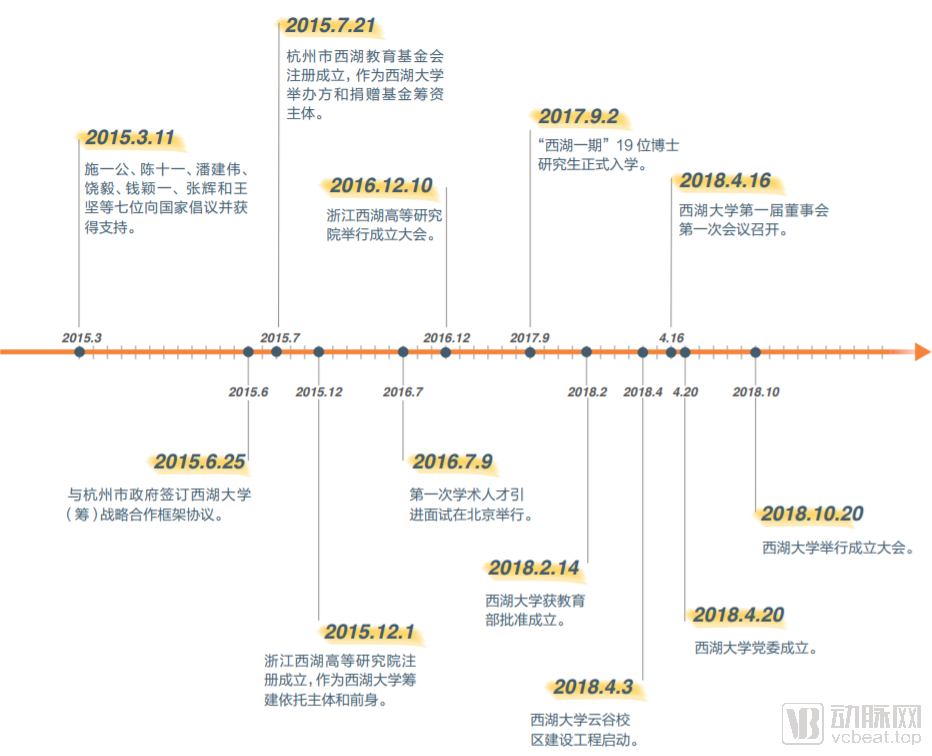
Key Milestones in the Historical Development of Westlake University
After its establishment, Westlake University convened its inaugural Board of Directors meeting, with the Honorary Chairman of the Board being a Nobel Laureate in Physics and an academician of the Chinese Academy of SciencesYang Chen-NingServes as; the Chairman of the Board is the fourth Dean of the School of Economics and Management at Tsinghua University and a Senior Professor in the HumanitiesQian Yingyiserves as; the position of Vice Chairman of the Board is held by the Chairman of Muyuan Foodstuff Co., Ltd.Qin YinglinThe inaugural Board of Directors confirmed the election of Shi Yigong as the first President of Westlake University.
It is reported that, as of 2021, Westlake University only admitted graduate students and above. However, according to the latest "Results of the Filing and Approval of Undergraduate Majors in Ordinary Higher Education Institutions for 2020" released by the Ministry of Education, Westlake University will enroll undergraduates in five targeted majors in the future. The official website of Westlake University also reveals that it is expected that by 2026, the total number of students on campus will reach approximately 5,000, including 3,000 graduate students and 2,000 undergraduates. In addition, the number of assistant professors, associate professors, and professors (including chair professors) at Westlake University will reach 300; researchers, teaching staff, technical support personnel, and administrative service staff will total 600; and postdoctoral fellows will reach 900.
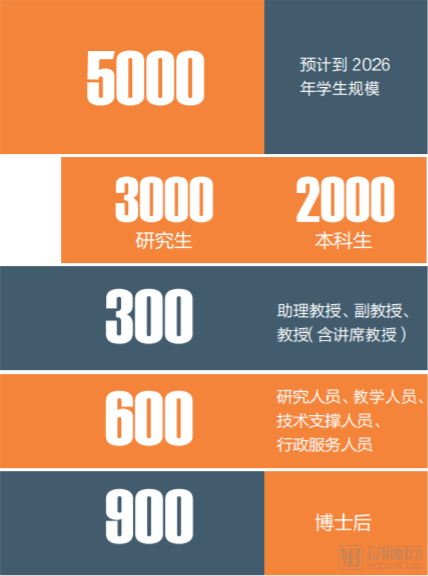
Westlake University's Enrollment Scale
Westlake University’s Three Schools: School of Life Sciences, School of Science, and School of Engineering
Westlake University differs from conventional higher education institutions. It is a privately run, novel university dedicated to cutting-edge research, drawing on the model of the California Institute of Technology and the educational philosophy of Stanford University. Positioned as “high-starting, small yet refined, and research-oriented,” it focuses on 13 first-level disciplines in fields such as biomedical engineering and optical engineering, and has established China’s premier talent-training faculties—its three core colleges: the School of Life Sciences, the School of Science, and the School of Engineering.
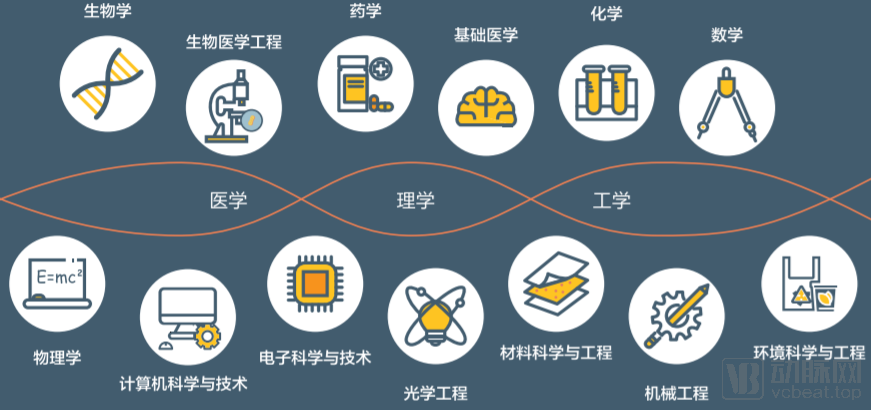
Westlake University’s 13 First-Level Disciplines
The School of Life Sciences at Westlake University is dedicated to researching life phenomena and disease mechanisms, as well as developing new biopharmaceutical technologies and novel methods for disease diagnosis and treatment. Its planned key laboratories cover multiple fields, including structural biology, cell biology, stem cell research and cell therapy, neurobiology and behavior, botany, and microbiology. Among these,Key Laboratory of Structural Biology ResearchProf. Yigong Shi serves as the Director.
In addition, the School of Life Sciences also houses another core laboratory—Core Laboratory for Genomics and Bioinformatics, the laboratory primarily advances human understanding of life and disease through genomics and bioinformatics approaches, leveraging informatics and molecular biology capabilities to investigate life science questions and translate research findings into practical applications. The laboratory is directed by Dr. Wang Xi.
In 2019, Westlake University was accredited by the Department of Science and Technology of Zhejiang Province to establish the Zhejiang ProvincialKey Laboratory of Growth Regulation and Translational Research, the laboratory centers on “biological size function, regulation, and disease.” Building on its prior foundational work in organ growth regulation, it conducts basic theoretical research and translational applied research by integrating genetics, cell biology, biochemical and biophysical methods with interdisciplinary approaches from artificial intelligence, clinical medicine, neuropsychology, and medicinal chemistry. The laboratory is directed by Professor Tian Xu.
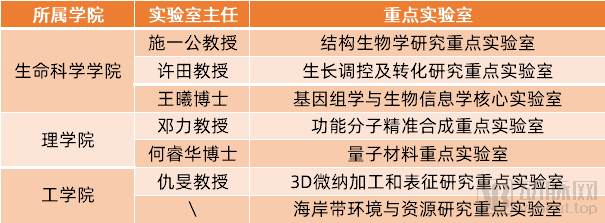
Westlake University's Key Laboratories
Westlake University’s School of Science is dedicated to forward-looking and systematic fundamental scientific research. It comprises departments such as Mathematics, Physics, and Chemistry, with research areas spanning number theory, analysis, algebra, geometry, condensed matter physics, quantum physics, atomic, molecular, and optical physics, catalytic chemistry, chemical biology, materials chemistry, and ultrafast laser spectroscopy.
The School of Science mainly features “Public Experimental Platform for Physical Sciences” and “pointsSub-disciplinary Public Experimental Platform"Two major platforms. Among them,"Public Experimental Platform for Material SciencesFocusing on serving research in quantum, energy, environmental, and optoelectronic information materials and related devices within the frontier fields of physical sciences, and supported by large-scale shared facilities and equipment as well as senior professional talent, we provide comprehensive systematic support for characterization and analysis technologies;Molecular Science Public Experimental PlatformWe are progressively establishing an in situ, high-resolution molecular science characterization system centered on technologies such as various spectroscopic methods, color mass spectrometry, and magnetic resonance spectroscopy. Aiming at key technical challenges in molecular science characterization, we are conducting research and development of novel analytical testing methods that are foundational, forward-looking, and interdisciplinary.
Key Laboratory under the College of Science — Zhejiang ProvinceKey Laboratory for Precision Synthesis of Functional MoleculesLed by Professor Deng Li of Westlake University as the Laboratory Director, the laboratory aims to establish a library of bioactive functional molecules and synthesize novel functional molecular materials through innovations in synthetic methodology and strategies, thereby providing source innovation for the development of pharmaceuticals and biomedical functional molecules.
The final school at Westlake University is the “School of Engineering,” which comprises four academic divisions—Artificial Intelligence, Electronic Science and Technology, Environment and Resources, and Materials Science and Engineering. These correspond to four first-level disciplines for future undergraduate and doctoral programs: Computer Science and Technology, Electronic Science and Technology, Environmental Science and Engineering, and Materials Science and Engineering.
Currently, the College of Engineering has established multiple laboratories covering fields such as artificial intelligence, robotics, data science, advanced manufacturing, nanotechnology, new energy, marine engineering, comprehensive utilization of environment and resources, bioengineering, and microelectronics.
In 2019, the College of Engineering was officially approved to establish Zhejiang ProvinceKey Laboratory of 3D Micro/Nano Fabrication and Characterization, aligning with the future development trends of microelectronic integration technology and micro/nano-fabrication, the laboratory focuses on the research and development of 3D micro/nano-fabrication and characterization technologies, while utilizing existing planar processing techniques to fabricate micro/nano-structures and devices. Through these technologies, the laboratory explores interdisciplinary fields in related academic research and applications, thereby pioneering new application and research directions. The laboratory is directed by Professor Qiu Min.
In 2021, the College of Engineering was approved by the Zhejiang Provincial Department of Science and Technology to establish the Zhejiang ProvincialKey Laboratory of Coastal Zone Environment and Resources Research, dedicated to studying the coupling mechanisms and forecasting of multi-interface, cross-sphere interactions among land, sea, and air in coastal zones, so as to better understand the causes of coastal issues and develop new methods, technologies, and equipment to address them.
Westlake University’s School of Life Sciences Takes the Lead in Commercializing Scientific Research Achievements
Although privately established, Westlake University’s non-profit nature is primarily reflected in its commitment to contributing research findings to society and serving the nation and the public. For instance, during the nationwide COVID-19 containment efforts in 2020, the laboratory of Professor Zhou Qiang at Westlake University successfully elucidated the full-length structure of ACE2 (Angiotensin-Converting Enzyme 2), the receptor for SARS-CoV-2, using cryo-electron microscopy. This marked the first time worldwide that the structure of the SARS-CoV-2 receptor had been resolved and represented a significant achievement in Westlake University’s emergency response to the prevention and control of COVID-19.
Looking back, Westlake University has successfully commercialized three independent scientific research projects since its establishment. These projects originated from the laboratories of Gao Xiaofei and Guo Tiannan at the School of Life Sciences, and Zhou Nanjia at the School of Engineering. The incubated projects correspond to Westlake Biopharmaceuticals, Westlake Omics, and Westlake Future Intelligent Manufacturing.
Among these three companies, Westlake Biopharmaceuticals and Westlake Omics were both incubated by the School of Life Sciences at Westlake University, with both operating in the healthcare sector. Specifically, Westlake Biopharmaceuticals focuses on the prominent field of cell therapy, while Westlake Omics specializes in AI-driven precision medicine. The third company, Westlake Future Intelligent Manufacturing, incubated by the School of Science at Westlake University, is dedicated to the technology sector, leveraging 3D printing technology to develop high-precision system equipment such as microwave communication devices.
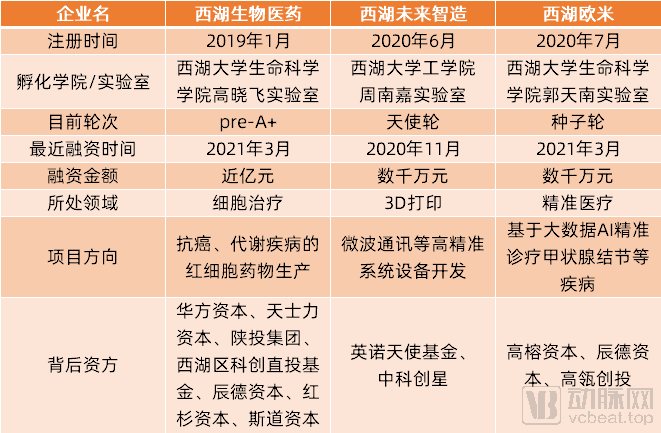
Three Tech Companies Incubated by Westlake University
Westlake University’s First Translational Achievement: What Is Red Blood Cell Therapy, and Where Do Its Future Prospects Lie?
In 2011, Professor Samir Mitragotri, a renowned expert in the field of drug delivery at Harvard University, attempted to use red blood cell (RBC) mimetics to deliver target drugs to areas of the human body that are difficult to reach via traditional drug delivery methods. This attempt highlighted the immense potential of RBCs as drug carriers, owing to their excellent biocompatibility, high loading capacity, low immunogenicity, safe clearance mechanisms, long circulation half-life, and abundant availability. Furthermore, the biconcave disc shape of RBCs confers exceptional flexibility, allowing them to squeeze through blood vessels smaller than their own diameter during circulation. These numerous advantages make RBCs another promising candidate for drug delivery vehicles.
Beyond scientific advancements, the true industrialization of red blood cells as carriers was realized in 2014 with the establishment of Rubius Therapeutics. Rubius Therapeutics is a biotechnology company based in Cambridge, UK, that leverages bone marrow stem cells and gene editing technologies to engineer red blood cells for specific delivery functions. For instance, red blood cells expressing metabolic enzymes internally are used to treat rare diseases; those displaying immune-activating signals or tumor-killing agents on their surface are employed for cancer immunotherapy; and those presenting immune-tolerant or neutralizing substances on their surface are utilized for the treatment of autoimmune diseases.
Currently, Rubius Therapeutics has the most advanced oncology pipeline, with three candidates having completed Investigational New Drug (IND) applications. On March 15, 2021 (local time), the company announced data from its Phase 1/2 clinical trial of RTX-240, providing preliminary validation that red blood cells can be engineered into therapeutic agents to stimulate sufficient immune responses in the human body. In response, Rubius’ stock price surged, reaching a peak increase of 132%.

Looking back at Westlake Biopharmaceutical’s projects, the company is precisely focused on red blood cell therapy, which is alsoChina’s First Enterprise Focused on Red Blood Cell Therapy. Westlake Biopharmaceutical Technology (Hangzhou) Co., Ltd. (hereinafter referred to as “Westlake Biopharmaceutical”) was established in 2019 and is located in the Xihu District of Hangzhou. It is the first project for the industrial translation of independent scientific and technological achievements since the establishment of Westlake University. The company focuses on the research and development of innovative red blood cell-based therapeutics and has successfully built REDx, an engineered red blood cell drug technology platform. This platform involves extracting a patient’s blood, modifying it ex vivo to produce large quantities of engineered red blood cells capable of carrying drugs, and reinfusing them into the patient to treat various serious diseases.
Red blood cell (RBC)-based drug development is a highly innovative and challenging frontier technology. Westlake Biopharmaceuticals is the first company in China to focus primarily on RBC-based therapeutics. Leveraging the natural characteristics and advantages of red blood cells—including high-capacity, high-throughput drug loading, excellent biocompatibility, low immunogenicity, complete biodegradability, and an extended circulation half-life of approximately 120 days—the company has developed multiple innovative therapeutic solutions for rare diseases, cancer, and immune and metabolic disorders. Furthermore, therapeutic RBCs have been demonstrated not only to modulate the immune system by acting on antigen-presenting cells but also to enable multi-strategy combination therapies through the delivery of single or multiple drugs, allowing for the treatment of single or multiple diseases. These features confer strong substitutability and a high safety profile.
Currently, Westlake Biopharmaceutical has established several pipelines for its innovative therapies targeting gout. The company utilizes red blood cells to deliver uricase into the body to metabolize uric acid, thereby achieving therapeutic effects for gout. This project by Westlake Biopharmaceutical has initiated clinical collaboration with the Second Affiliated Hospital of Zhejiang University School of Medicine.
In addition, Westlake Biopharmaceuticals completed a Pre-A+ financing round of nearly RMB 100 million this March, with investors including Chende Capital, Sequoia Capital, and Sida Capital.
In addition to receiving financial support, the Westlake Biopharmaceutical team has also gained encouragement at the national policy level. The 14th Five-Year Plan and the Proposal for Long-Range Objectives Through the Year 2035 explicitly emphasize adhering to innovation-driven development and comprehensively shaping new advantages for growth. This includes strengthening national strategic scientific and technological capabilities, enhancing enterprises’ technological innovation capacity, stimulating the innovative vitality of talent, and improving the systems and mechanisms for scientific and technological innovation. Gao Xiaofei stated that this aligns closely with their vision. In the future, Westlake Biopharmaceutical aims to achieve “targeted breakthroughs” in treatment regimens for high-prevalence diseases within China’s disease spectrum, thereby developing targeted innovative drugs.
Future Intelligent Manufacturing: 3D Printing Facilitates the Development of High-Precision System Equipment Such as Microwave Communication
Another incubated star from Westlake University—“Westlake Future Intelligent Manufacturing”—has also delivered impressive performance.
In June 2020, Westlake Future Intelligent Manufacturing (Hangzhou) Technology Development Co., Ltd. (hereinafter referred to as “Westlake Future Intelligent Manufacturing”) was established in Hangzhou, China. It is the second technology company incubated by Westlake University and the first domestic company in the field of electronic 3D printing to specialize in three-dimensional precision manufacturing technology with micron-level accuracy.

Unlike traditional 3D printing technologies, Westlake Future Intelligent Manufacturing’s technology represents the most precise electronic 3D printing currently available in China. By leveraging new materials as the core breakthrough to surpass the precision limits of 3D printing, it features newly designed functional 3D printing materials that enable electronic 3D printing at the scale of hundreds of nanometers to micrometers. Its primary applications are focused on high-end sectors such as microwave communications, optoelectronic interconnects, and high-precision three-dimensional packaging systems.
Zhou Nanjia, founder of Westlake Future Intelligent Manufacturing, has stated that the company’s smallest-scale 3D printing involves direct fabrication on chips. By achieving ultra-high precision, Zhou’s team has introduced multi-material 3D printing technology into the realm of chip-level high-end manufacturing. This approach leverages 3D printing for three-dimensional, high-precision optoelectronic packaging and the fabrication of high-frequency passive components. Relying on the Precision Intelligent Manufacturing Laboratory at the School of Engineering, Westlake University, the team applies 3D printing to meet the demands for high precision and customization in microelectronics processing.
As the communications and electronics industry undergoes upgrading, an increasing number of new demands will emerge in the future. Traditional manufacturing methods are struggling to meet the requirements for flexible electronics, wearable devices, and embedded miniaturized electronic equipment found in next-generation electronic products, whereas 3D electronics printing offers a novel production approach. Common examples include hearing aids and capsule endoscopes, which have high demands for miniaturized, integrated, one-piece processing; therefore, 3D printing technology is better suited for manufacturing such small electronic devices.
“West Lake Future Intelligent Manufacturing possesses self-developed 3D printing technologies for functional electronic materials and multi-material process integration, placing it at the forefront globally. The company’s innovations have transformed existing high-end manufacturing methods, significantly accelerating the production rate of advanced components, and overcoming critical ‘bottleneck’ challenges in China’s microelectronics processing technologies.”Inno Angel FundIt was acknowledged that “the Inno team holds the Westlake Future Intelligent Manufacturing team, represented by Chief Scientist Professor Zhou Nanjia, in high regard. The team has accumulated profound expertise in 3D printing technology and material development, achieving nanoscale precision printing, with broad application prospects spanning multiple areas, including PCBs, 3D circuits, millimeter-wave devices, and optoelectronic chip packaging.”
It is reported that West Lake Future Intelligent Manufacturing has completed an angel financing round of tens of millions of yuan, led by Inno Angel Fund and followed by CAS Star. The company is currently collaborating with listed companies BOE and Shennan Circuits.
Focusing on Precision Thyroid Diagnosis: Westlake University’s Third Major Technology Transfer Achievement Comes to Fruition
In May 2020, the laboratory of Guo Tiannan at the School of Life Sciences, Westlake University, in collaboration with the laboratory of Li Ziqing at the School of Engineering and multiple clinical partners, published a paper on MedRxiv. By leveraging proteomics big data and artificial intelligence techniques, they identified a set of protein biomarkers that can assist physicians in distinguishing between benign and malignant thyroid nodules, holding promise for significantly improving the accuracy of such diagnoses.
Nine months later, this scientific achievement was truly translated into industrial application with the establishment of Westlake Omics (Hangzhou) Biotechnology Co., Ltd. (hereinafter referred to as “Westlake Omics”). The company is dedicated to integrating proteomics big data with artificial intelligence and leveraging mass spectrometry-based digitalization technologies for biological samples, so as to develop novel auxiliary clinical diagnostic methods based on proteomics and other molecular omics, thereby facilitating precise auxiliary diagnosis of major human diseases such as cancer.
Clinically, approximately 60% of thyroid nodules are benign, 10% are malignant, and the remaining 30% are indeterminate in nature. The inability to accurately characterize thyroid nodules leads some patients, after undergoing repeated and distressing follow-up examinations, to opt for direct surgical removal of the nodules. This decision, however, comes at the cost of lifelong thyroid hormone replacement therapy to maintain hormonal homeostasis. Yet, relevant data reveal that approximately 70–80% of resected thyroid nodules are benign and do not require medical intervention!
Proteomics research has opened up opportunities for the precise diagnosis of thyroid nodules.Proteomics is the science that studies the proteome, focusing on the composition of proteins in cells, tissues, or organisms and their patterns of change. Research into the proteome not only provides a material basis for understanding the laws governing life processes but also offers theoretical foundations and solutions for elucidating and overcoming the mechanisms of numerous diseases. By conducting comparative analyses of proteomes between healthy individuals and those with pathological conditions, researchers can identify certain "disease-specific protein molecules," which can serve as molecular targets for new drug design or as molecular biomarkers for early disease diagnosis.
The Laboratory of Professor Guo Tiannan at the School of Life Sciences, Westlake University, aggregated 2,013 thyroid tissue samples from 1,104 patients with thyroid nodules across six clinical hospitals in China and Singapore. The study identified more than 3,700 proteins and generated 2,622 proteomic datasets. Acquiring comprehensive data is merely the first step; the subsequent crucial phase involves precise “discrimination” of these data—leveraging machine learning to continuously optimize models by inputting the 2,622 proteomic datasets for approximately 2*1019secondary analysis to identify 20 key proteins that assist physicians in differentiating between benign and malignant nodules. Through a complex computational process, a composite score is generated based on the overall profile of these 20 proteins, thereby enabling precise determination of the nature of patients' thyroid nodules. Clinical trials have demonstrated that this detection method's comprehensiveAccuracy can reach 90%.. Of course, in addition to applying research findings to precision-assisted diagnosis, Westlake Omics’ scientific research service technology platform will also provide basic research services for disease diagnosis and treatment as well as drug development.
In March 2020, Westlake Omics announced the completion of its seed funding round, raising tens of millions of yuan. The round was co-led by Chende Capital and Gaorong Capital, with Hillhouse Ventures participating as a follow-on investor. The proceeds will be primarily used for team expansion, breakthroughs in proprietary technologies, establishment of clinical laboratories, and expansion of R&D collaborations, thereby validating the products on a broader scale while exploring new technological applications.
Project Lead, Gaorong Capital“Gaorong Capital has long been optimistic about the clinical translation and application of multi-omics, believing in the immense potential for data to undergo a qualitative leap driven by quantitative accumulation. We are firmly convinced that China’s abundant local clinical resources will inevitably give rise to world-class Chinese multi-omics enterprises. Proteomics represents a new gateway opened in humanity’s exploration of its own genetic mysteries, following genomics and transcriptomics. The unknowns it holds may bring entirely new concepts to clinical diagnosis and treatment, drug development, disease prevention, and prognosis management.”
“The Westlake Omics team has been deeply engaged in proteomics for many years, achieving groundbreaking results in the technical field. They have addressed some of the fundamental technical challenges that have long plagued the industry and have begun to establish a network of high-quality clinical resources across China. We look forward to the Westlake Omics team continuing their relentless pursuit of excellence in proteomics, while also contributing to the advancement of multi-omics clinical applications in China.”
On the Future: Westlake University Has Achieved Fruitful Research Results, but Commercialization Still Faces Significant Hurdles
Based on the three reports Westlake University has released to date, its medical research achievements have progressed through the stages of “proposing original concepts” and “generating preliminary results.” However, the path toward “possessing mature technologies,” “developing initial products,” and ultimately “achieving market-ready products” remains long. The translation process is fraught with uncertainties and challenges; any misstep along the way could render all prior efforts futile.
Based on the academic achievements disclosed by Westlake University to date, its various laboratories have remained dedicated to cutting-edge research. In just the first four months of 2021, Westlake University successively unveiled ten academic research findings, ranging from the inhibitory mechanisms of antibodies targeting the SARS-CoV-2 spike protein to the elucidation of the first electron microscopy structure of a human minor spliceosome. With a steady stream of frontier academic outputs from Westlake University, it remains to be seen which of these breakthroughs will be translated into the next commercially viable project.
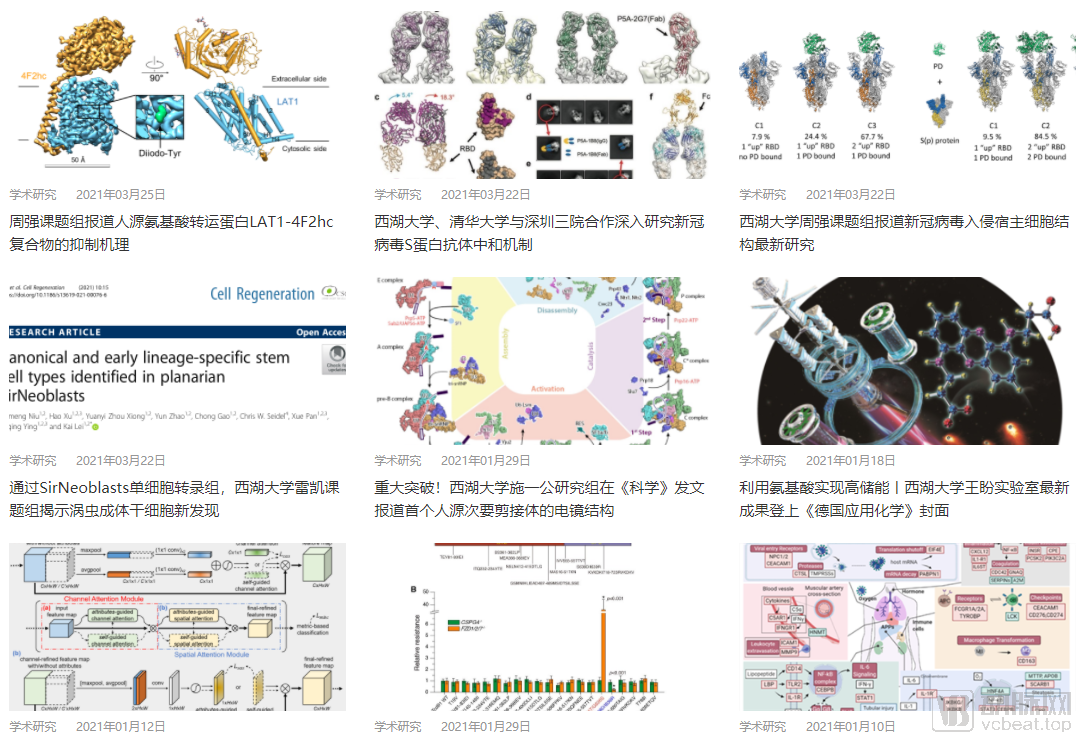
Recent Academic Research Achievements of Westlake University
Nevertheless, China’s low rate of scientific and technological achievement transformation remains a subject of widespread criticism. Although China ranks first and second in the world respectively for the number of invention patent applications and grants, the outcomes are far from optimistic. The total number of academic papers published in China has risen to second place globally, yet the commercialization rate of scientific achievements remains low. While developed countries boast a 25% industrialization rate for scientific and technological achievements, China’s stands at only 5%. Three enterprises incubated by Westlake University have set an exemplary model in translating medical research findings into practical applications. Despite numerous challenges, the future holds great promise. With strong support from the state and society, innovative enterprises will undoubtedly navigate the complexities of medical incubation with resilience, overcoming every obstacle on their path to success.