

China's IVD Technology in the Post-Pandemic Era: Insights from Leading Medical Experts
As of 3:00 a.m. Beijing time on April 6, 2021, the latest data from the World Health Organization (WHO) showed that the global cumulative number of confirmed COVID-19 cases had reached 131 million, with more than 2.869 million deaths. Since the outbreak of the COVID-19 pandemic in 2019, although the domestic epidemic situation in China has eased to some extent, the global pandemic remains severe.
China’s ability to rapidly contain the outbreak within certain areas was inseparable from the dedicated efforts of healthcare workers and diagnostic testing companies. For the world, COVID-19 has been both a formidable barrier and an opportunity for breakthrough. Over the past year or so, the pandemic has given rise to many fearless civilian heroes and spurred the growth of numerous in vitro diagnostics (IVD) companies.
From March 27 to 30, 2021, the “Voice of Innovation” 6th China Laboratory Medicine Congress/WILEY International Academic Conference on In Vitro Diagnostics, the 18th China International Clinical Laboratory Products & Transfusion Instruments and Reagents Expo (CACLP), and the 1st China International IVD Upstream Raw Materials and Manufacturing & Distribution Supply Chain Expo (CISCE) were grandly held at the Chongqing Yuelai International Convention Center. The event was jointly organized by the Branch of the China National Health Industry Enterprise Management Association, Wiley Publishing Group, and Shanghai Institute of Laboratory Medicine.
Themed “Quality Safeguards Health, Innovation Drives Progress,” this conference invited numerous experts and scholars to deliver insightful keynote addresses, fostering in-depth exchanges and profound discussions on the future of laboratory medicine and medical management in China. Topics included advanced domestic and international experiences in laboratory medicine and hospital management, innovative healthcare models, and strategies to further advance the development of laboratory medicine, hospital management, and the implementation of the Healthy China initiative.
In the post-pandemic era, how will Chinese IVD technology navigate global markets and achieve international success? Let us examine the latest insights shared by experts and scholars; below are selected excerpts:

Zhou Xiaoyan, Deputy Director of the Department of Pathology, Fudan University Shanghai Cancer Center; Head of the Molecular Pathology Laboratory; Leader of the Molecular Pathology Group, Society of Pathology, Chinese Medical Association; Deputy Leader of the Molecular Pathology Quality Control Group, PQCC, National Health and Family Planning Commission
“Biological therapy is currently the only known treatment modality with the potential to completely eradicate cancer cells; the 21st century is the era of tumor biological therapy.”—Summary Report of the 2000 U.S. Annual Meeting on International Tumor Biological/Immunological Therapy and Gene Therapy
In the tumor immune microenvironment, overexpression of PD-L1 on the surface of tumor cells or immune cells within the microenvironment leads to its binding with PD-1 on T cells, resulting in T-cell dysfunction and immune evasion. This constitutes a critical mechanism underlying tumor initiation and progression. By employing PD-1 or PD-L1 antibodies to bind to T-cell surface receptors or tumor cell ligands, respectively, normal T-cell function can be restored, forming the basis for the clinical application of immune checkpoint inhibitors.
How to Select Appropriate Patients for Immunotherapy to Ensure Treatment Efficacy: The Need to Explore Biomarkers for Immune Checkpoint InhibitorsCurrent research indicates that numerous factors may be associated with sensitivity or resistance to immunotherapy, such as PD-L1 protein expression, mismatch repair deficiency (dMMR), tumor mutational burden (TMB), tumor-infiltrating lymphocytes (TILs), mutation-associated neoantigens, RNA expression profiles, and gene mutations (e.g., LKB1/B2M).
Among them, TMB refers to the number of somatic mutations per megabase in the coding region of the tumor genome after germline mutations have been removed.A higher tumor TMB indicates, to a certain extent, a greater number of neoantigens, a more immunogenic tumor phenotype, and stronger T-cell responses and anti-tumor immunity.
Multiple clinical trials in lung cancer have demonstrated that tumor mutational burden (TMB) is associated with the efficacy of immune checkpoint inhibitor monotherapy (such as nivolumab or pembrolizumab monotherapy). In lung cancer patients with high TMB, immunotherapy shows significantly superior efficacy compared to chemotherapy, whereas no significant difference from chemotherapy has been observed in patients with low TMB. However, in the context of chemoimmunotherapy combinations, TMB status (high or low) shows no significant correlation with treatment efficacy.
Currently, the application of TMB in lung cancer remains uncertain or offers limited clinical value. However, in the KEYNOTE-158 clinical trial, patients with high tumor mutational burden (TMB-H) across various advanced malignancies—including anal cancer, cholangiocarcinoma, cervical cancer, endometrial cancer, pleural mesothelioma, neuroendocrine tumors, salivary gland cancer, small cell lung cancer, thyroid cancer, and vaginal cancer—demonstrated higher objective response rates to immunotherapy compared to non-TMB-H patients.Consequently, TMB has also become the second pan-tumor molecular biomarker for immunotherapy approved by the FDA for pembrolizumab monotherapy.
TMB testing typically employs large-panel tumor NGS methods, offering the following advantages for mutation assessment: Identifiability—enables identification of mutation types and inference of neoantigen load; allows quantitative measurement of TMB to identify patients more suitable for immunotherapy. NGS testing features high coverage and high-throughput analysis, while also enabling detection of rare somatic mutations and providing information on known driver mutations.
As an emerging predictive biomarker for therapeutic efficacy, TMB still faces several unresolved limitations: there is a multitude of testing products, but differing algorithms across platforms result in a lack of standardization and normalization. Furthermore, TMB analysis is associated with prolonged turnaround times, high costs, and the need for specialized expertise and complex technical procedures.
In summary, the clinical value of TMB is still being explored. How will TMB analysis move toward clinical application in the future? More clinical trials, more data from Chinese populations, and more detection methods are needed for validation.
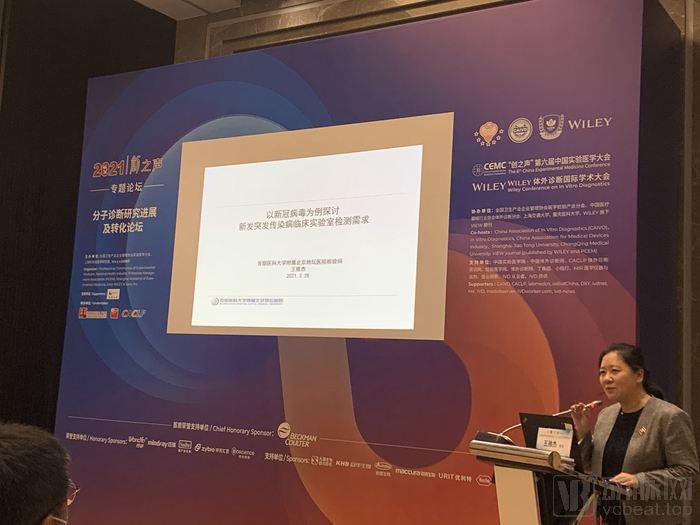
Wang Yajie, Director of the Department of Clinical Laboratory, Beijing Ditan Hospital, Capital Medical University; Chief Physician; Professor; Doctoral Supervisor; Visiting Scholar at Boston University, USA
In 2021, the global pandemic continued to rage, with emerging variants of concern. China’s vaccination rate remained relatively low, falling significantly short of the level required for robust population-level immune protection. The entry of individuals or goods from high-prevalence regions continued to pose a risk of exacerbating domestic transmission.
We should prepare ourselves before the pandemic trend improves and before the world reopens, adhering to the principle of “preventing imported cases and guarding against domestic resurgence,” so as to contribute to the improvement of the COVID-19 situation. In this process, clinical laboratory testing plays an extremely important role, serving as a “whistleblower” in disease prevention and control by facilitating the diagnosis of emerging and sudden infectious diseases.
Clinical laboratory testing plays a critical role in disease diagnosis, yet it also presents corresponding challenges. Due to routine exposure to high-risk specimens during daily operations, appropriate biosafety precautions are required.
During the current COVID-19 pandemic,In the face of emerging and sudden infectious diseases, there is a demand for high-throughput and highly time-efficient pathogen detection.While test results should be issued as quickly as possible, accuracy must be ensured alongside speed. The confirmation of a case of an emerging infectious disease is closely linked to the containment measures implemented by a community, or even an entire city.
Taking the COVID-19 pandemic as an example, the normalization of epidemic prevention and control has ushered in new opportunities for the development of clinical laboratory testing.Professional data from clinical laboratory testing provide a critical basis for the diagnosis, treatment, prognosis assessment, and discharge criteria of COVID-19, as well as for characterizing patients’ clinical features and sourcing data for academic publications.
Many clinical laboratories are beginning to focus on strengthening their disciplinary frameworks, particularly in specialized areas such as clinical cytogenetics and molecular genetics. They are also prioritizing the enhancement of core competencies, including emergency testing capabilities and diagnostic services for fever clinics. In the future, clinical laboratory medicine will play a pivotal role in multi-sectoral collaboration for disease prevention and control. Strengthened communication across disciplines, between laboratories and clinical teams, and with administrative management will further promote the advancement of clinical laboratory medicine.

Tong Chongxiang, Chief Laboratory TechnicianDirector of the Department of Laboratory Medicine, Gansu Provincial Hospital for Infectious Diseases, Gansu Provincial Public Health Medical Treatment Center, and Lanzhou Pulmonary Hospital
Traditional laboratory methods for tuberculosis include smear microscopy and culture. The former offers advantages such as simple operation, rapid turnaround, low cost, and good specificity; however, it has a low positive detection rate, which can easily lead to missed diagnoses. Culture and related drug susceptibility testing require a certain growth period to observe colony formation, resulting in prolonged reporting times that fail to meet the needs of clinical diagnosis and treatment.
Microbial mass spectrometry identification technology is one of the modern rapid detection methods. Meanwhile, mass spectrometry represents the development trend in microbial identification, offering the triple advantages of saving time, effort, and cost.
In terms of time, the identification of a single specimen can be completed within minutes, which is 8–48 hours faster than traditional biochemical identification techniques and 2–4 days faster than gene sequencing technologies. In terms of efficiency, the identification process is fully automated, eliminating the risk of manual subjective misjudgment. The high cost-effectiveness of consumables further reduces costs. The rapidity and sensitivity of mass spectrometry-based identification make it highly suitable for frequently occurring and sudden-onset infectious diseases, such as the identification of Mycobacterium tuberculosis.
Molecular biology detection methods offer the advantages of being rapid and simple, requiring less time, and having high sensitivity.
Tuberculosis remains one of the most prevalent infectious diseases worldwide, with approximately 8 million new infections and 2 million deaths annually, posing a significant threat to global public health. Only advanced diagnostic methods can effectively identify and eliminate sources of infection. Molecular diagnostic technologies, based on diverse principles, are currently the most widely used detection tools and are categorized as follows:
RNA as a Molecular Diagnostic Target: Technologies Such as TMA
It targets rRNA and employs linear probe technology to detect the Mycobacterium tuberculosis complex. TMA technology offers advantages such as isothermal amplification, rapid reaction, single-tube processing without the need for pipetting or washing, and the generation of RNA products that degrade naturally, thereby preventing cross-contamination.
TMA technology is also the only rapid detection method for smear-negative samples recommended by the FDA; it does not require a PCR instrument or professional PCR laboratory certification.
DNA as a Molecular Diagnostic Target:
① TB-DNA Technology:
TB-DNA testing offers advantages such as high sensitivity, strong specificity, and a higher positivity rate compared to smear microscopy and culture methods. However, this does not apply to blood samples, which exhibit an extremely low detection rate for Mycobacterium tuberculosis (MTB). Furthermore, the limiting step in TB-DNA testing lies in DNA extraction: the magnetic bead method yields higher DNA purity than both the boiling lysis method and the column-based purification method, making the selection of an appropriate extraction method crucial.
The effectiveness of tuberculosis prevention and control depends on laboratory testing capabilities; therefore, the invention and application of new technologies are of paramount importance.
② Loop-mediated Isothermal Amplification (LAMP):
This technique designs four specific primers targeting six regions of the target gene, enabling nucleic acid amplification within 30–60 minutes under isothermal conditions (63–65°C) using a strand-displacing DNA polymerase. Loop-mediated isothermal amplification (LAMP) does not require prior denaturation of double-stranded DNA into single strands; the amplification reaction proceeds under isothermal conditions, achieving a 10⁹–10¹⁰-fold amplification within 15 minutes to one hour. This method offers the advantages of simplicity and rapidity.
In conclusion, the effectiveness of tuberculosis prevention and control largely depends on laboratory testing capabilities, with the invention and application of new technologies being of paramount importance.
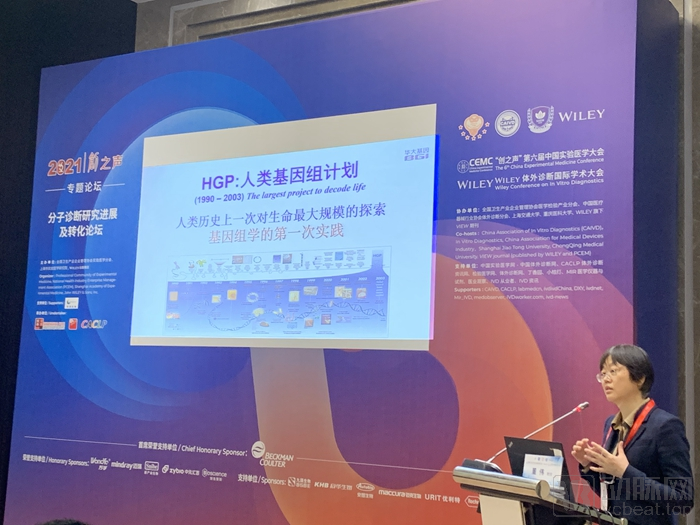
Dong Wei, Director of Beijing BGI Medical Laboratory, recipient of the Second Prize of the 2002 National Natural Science Award
From 1999 to 2003, the largest exploration of life in human history was conducted—the Human Genome Project. It pioneered a new culture of collaboration, opened up new fields in omics, and spurred the development of novel sequencing technologies. In recent years, genomic technologies have rapidly advanced and been widely applied in disease screening and diagnosis.
In 1997, cell-free fetal DNA was first discovered in maternal peripheral blood. In 2008, two research groups led by Chiu and Fan utilized massively parallel sequencing to detect trisomy 21 (T21) in fetuses. In 2010, clinical non-invasive prenatal testing (NIPT) began to be implemented in China. In 2014, BGI Genomics’ NIFTY product received certification from the National Medical Products Administration (NMPA).
NIPT is the prenatal screening technique with the highest sensitivity and specificity for detecting fetal chromosomal aneuploidy. In addition to high-risk populations, non-invasive prenatal testing has demonstrated favorable clinical performance in low-risk populations, leading many professional society guidelines to recommend expanding NIPT use to the general population.
In recent years, non-invasive single-gene disorder testing (for dominant de novo mutations) has developed rapidly. The first clinical test in China for non-invasive detection of dominant single-gene disorders has been implemented, with favorable clinical results: in a double-blind study of 66 clinical samples for fetal achondroplasia, the concordance rate between non-invasive testing and amniotic fluid testing was 100%.
Building upon Whole Genome 2.0, non-invasive prenatal testing (NIPT) can screen for a broader range of dominant monogenic diseases. Domestic testing institutions have expanded their detection scope to assess the risk of 27 types of dominant monogenic disorders, thereby achieving comprehensive prevention and control of birth defects caused by these conditions.
Furthermore, genetic testing has achieved breakthroughs in the prevention and control of recessive monogenic disorders. Taking thalassemia screening as an example, studies have shown that routine blood count-based screening suffers from the following limitations: 74.8% of α-thalassemia carriers are missed, 20.2% of β-thalassemia carriers are missed, and 30.5% of combined α- and β-thalassemia cases are missed. High-throughput gene sequencing will significantly improve accuracy and reduce the rate of missed diagnoses in thalassemia screening.
Genomic initiatives, supported by sequencing platforms, are applied in the prevention and control of birth defects to detect the etiologies of genetic diseases, spanning from prenatal screening to postnatal newborn disease testing.
In the realm of clinical pathogen detection, the advantages of metagenomic testing technology have been fully demonstrated. The turnaround time for metagenomic testing reports is significantly shorter than that of traditional culture methods, enabling the simultaneous detection of tens of thousands of bacteria, viruses, fungi, and parasites. Accurate information at appropriate taxonomic levels can be provided for different types of pathogens. This testing technology offers the benefits of speed, comprehensiveness, and accuracy.
As clinical trials continue to expand, growing clinical data will demonstrate the clinical utility and cost-effectiveness of metagenomic testing. Automation and microfluidics technologies will further advance the clinical adoption of metagenomic testing, leading to regulatory approval of related diagnostic methods by health authorities.
In April 2018, high-throughput sequencing technology was included in respiratory-related guidelines for the first time. To date, the application of metagenomics in areas such as moderate-to-severe infections, pediatric infections, co-infections, and emerging and special pathogens has continued to gain recognition.