

Meilun Medical Secures Approval for China's First TBI Serological Diagnostic Kits, Pioneering a New Era in Traumatic Brain Injury Diagnosis
Traumatic Brain Injury (TBI) refers to brain damage caused by external blows or vibrations; it ranks second in incidence among all types of trauma and first in mortality and disability rates.
In the management of traumatic brain injury (TBI), accurately and promptly determining the severity of injury and assessing prognostic outcomes are focal points for clinicians. Head computed tomography (CT) is the gold standard for TBI diagnosis and currently the most prevalent diagnostic method; however, it has limitations, including radiation exposure, high cost, and inability to precisely assess diffuse axonal injury (DAI).Data indicate that false-negative results occur in over 90% of patients with mild traumatic brain injury (TBI) or concussion who undergo CT scanning, highlighting an urgent clinical need for an objective, effective, rapid, and convenient diagnostic method for TBI.
Notably, substantial amounts of biomarkers such as GFAP (glial fibrillary acidic protein) and PGP9.5 (brain-specific protein product 9.5, also known as UCH-L1) are generated during the onset and progression of traumatic brain injury (TBI). These biomarkers appear in serum and cerebrospinal fluid during the early stages of injury, offering superior sensitivity and specificity compared to CT scans. In-depth investigation into the dynamics and underlying mechanisms of these biomarkers can address the limitations inherent in traditional diagnostic approaches.
However, for a long time, no test kits have been approved for clinical detection of traumatic brain injury (TBI) in China, which has greatly limited the clinical application of brain injury biomarkers.
After years of accumulation and gradual development, the domestic market for serum testing for traumatic brain injury (TBI) has finally reached a tipping point. Recently, developed by Sophonix Co., Ltd.China's First Glial Fibrillary Acidic Protein (GFAP) Detection Kit(magnetic particle chemiluminescence assay), andChina's First Brain-Specific Protein Product 9.5 Detection Kit(Magnetic Particle Chemiluminescence Assay)Approved by the Beijing Medical Products Administration, filling the gap in domestic serological testing for traumatic brain injury (TBI),Opening a New Chapter in TBI Diagnosis.
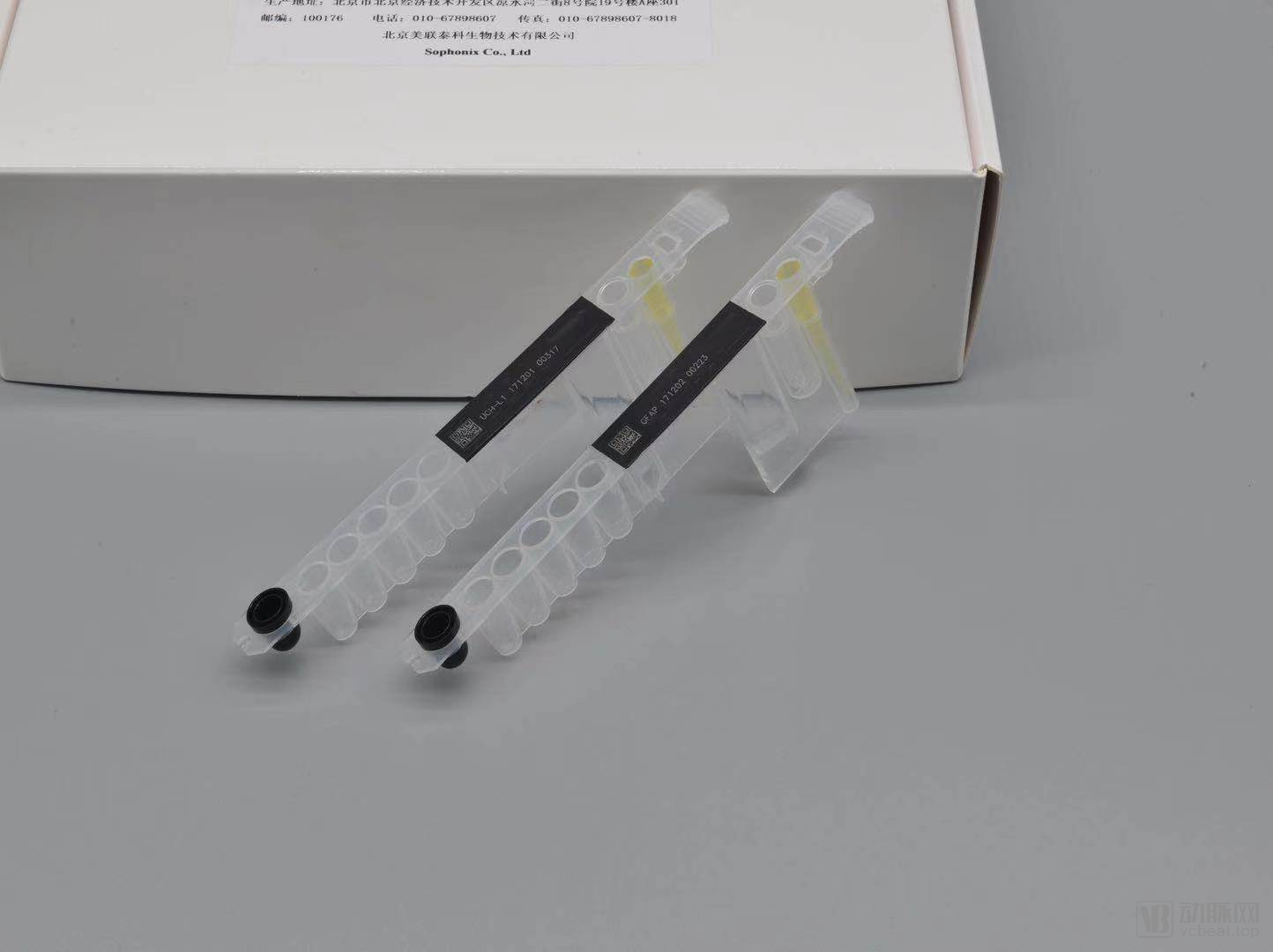
Sophonix's Glial Fibrillary Acidic Protein (GFAP) Assay Kit and Brain-Specific Protein Product 9.5 (S100β) Assay Kit
According to data from the article “Traumatic Brain Injury in China” published in 2019, more than 50 million people worldwide suffer from TBI each year, and approximately half of the global population may experience one or more TBIs during their lifetime.
Compared with the global landscape, China has a substantial number of traumatic brain injury (TBI) patients, leading to a stronger demand for novel biomarkers of brain injury. The incidence of TBI in China is 790 per 100,000 population annually, with approximately 11 million patients. The market size for single-test auxiliary diagnostics is around RMB 1 billion, the market for initial outpatient screening after trauma is approximately RMB 5 billion, and the market for prognostic testing is about RMB 3 billion, bringing the total market size to RMB 10 billion.
Biomarkers represented by GFAP and PGP9.5 are powerful tools for improving the accuracy and convenience of TBI diagnosis, bringing significant benefits to numerous TBI patients worldwide. GFAP is an intermediate filament protein found in the astrocytic cytoskeleton and has garnered widespread attention as a potential biomarker for astrocyte injury. PGP9.5 is widely distributed in neuronal cell bodies. Clinical studies have demonstrated that levels of PGP9.5 in serum and cerebrospinal fluid hold potential clinical utility for assessing the severity of TBI and predicting survival outcomes.
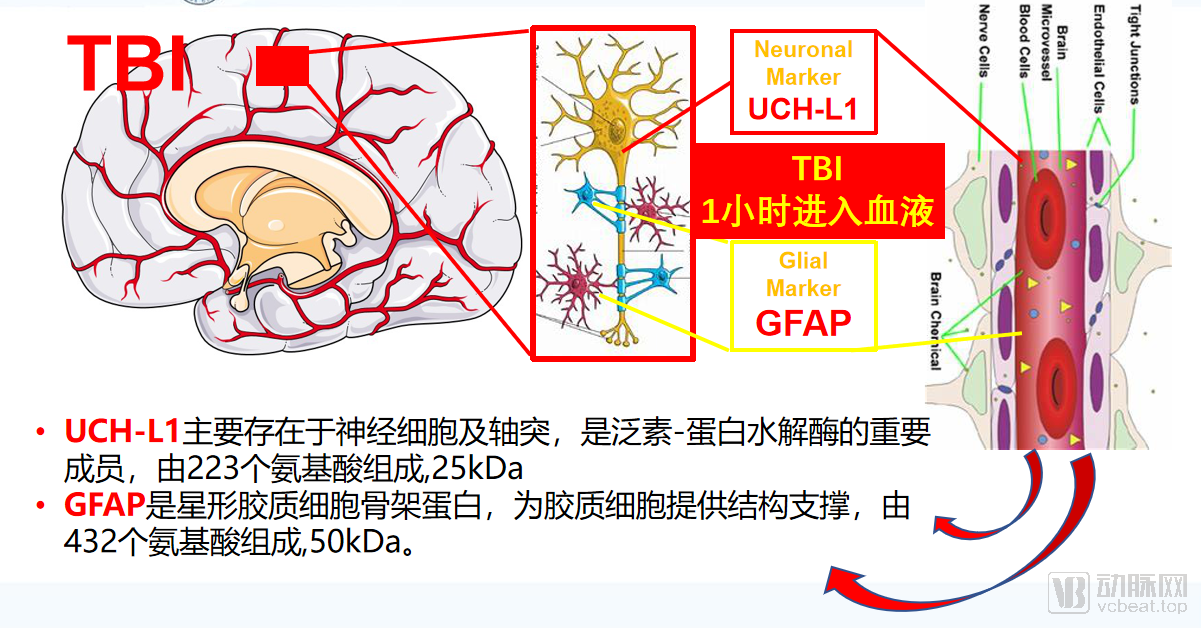
GFAP and PGP9.5 are characterized by their low molecular weight and ease of crossing the blood-brain barrier. The combined assessment of GFAP and PGP9.5 in traumatic brain injury (TBI) helps improve the accuracy of evaluating the severity of brain damage and prognosis.Currently, it appears to be the TBI biomarker with the greatest potential for clinical application and a focal point of research for numerous companies.
Abroad, companies have long targeted this market with specialized products. The GFAP/PGP9.5 brain injury test kit, Banyan BTI™, developed by Banyan Biomarkers, is the world’s first FDA-approved blood test for traumatic brain injury (TBI). Utilizing an ELISA-based method, it is designed to diagnose patients aged 18 and older with suspected TBI. In a large-scale, multicenter, prospective cohort study involving 1,959 patients with Glasgow Coma Scale scores of 9–15, Banyan BTI™ demonstrated a high sensitivity of 97.6% and a negative predictive value of 99.6%, outperforming CT scans.
Compared with Banyan BTI™, both the Glial Fibrillary Acidic Protein (GFAP) Assay Kit and the Brain-Specific Protein Product 9.5 (S100B) Assay Kit developed by Sophonix Co., Ltd. utilizeMagnetic Particle Chemiluminescence Assay. Magnetic microparticle chemiluminescence immunoassay, which incorporates magnetic nanoparticles into chemiluminescent detection, is the most mainstream diagnostic method in immunodiagnostics.It enables higher sensitivity and specificity, better reproducibility, and faster detection speed.
Clinical studies have shown that the brain injury biomarkers developed by Sophonix Co., Ltd. are based on the MS-Fast single-test chemiluminescence platformCan complete the test within 30 minutes,Combining the high sensitivity and accuracy of magnetic particle chemiluminescence with the ease of operation and rapid results characteristic of POCT products,It can significantly improve the efficiency of TBI diagnosis and treatment, closely meeting the need for rapid TBI diagnosis in departments such as emergency medicine, neurology, and neurosurgery. Meanwhile, it enables the testing capabilities of central laboratories in tertiary hospitals to be extended to application scenarios including emergency departments, ICUs, and primary healthcare institutions, while ensuring accuracy.
Behind the launch of China’s first serological test kit for traumatic brain injury (TBI) lies years of dedicated effort by Sophonix Co., Ltd. In 2016, the company initiated the development of GFAP and PGP9.5 as biomarkers for brain injury; product registration testing was completed in 2018; a clinical trial involving 200 samples was concluded in June 2019, preliminarily demonstrating the product’s superiority; and in September 2019, Sophonix submitted its registration application materials.
Previously, no GFAP or PGP9.5 biomarkers for brain injury had been approved in China. As the first company to venture into this uncharted territory, Sophonix Co., Ltd. faced immense challenges and pressure. After submitting the registration application, the product successfully passed the quality management system inspection conducted by the Beijing Medical Products Administration and underwent expert review organized by the Center for Medical Device Evaluation of the Beijing Medical Products Administration. The company completed validation of the product’s analytical performance and stability, as well as clinical trials involving 1,000 samples. Ultimately, in 2021, Sophonix Co., Ltd. secured approval for China’s first serological test kit for traumatic brain injury (TBI).
Undoubtedly, the approval of China’s first serological test kit for traumatic brain injury (TBI) will have a significant impact on both the entire TBI diagnostics industry and the company itself.
For the TBI diagnostics industry,The GFAP/PGP9.5 detection kit developed by Sophonix Co., Ltd. fills the gap in serological testing for brain injury, providing strong evidence for the value of serology as an initial adjunctive diagnostic tool for traumatic brain injury (TBI).
For Sophonix Co., Ltd., the Glial Fibrillary Acidic Protein (GFAP) Detection Kit and the Brain-Specific Protein Product 9.5 (S100B) Detection Kit will become important pillars of its future development.
The issue of homogenization in the chemiluminescence industry has long persisted. As Sophonix Co., Ltd.’s exclusive flagship product, brain injury biomarkers hold a significant position in the company’s overall business.The approval of these two kits has undoubtedly opened up a blue-ocean market for Sophonix. Going forward, Sophonix will prioritize the promotion and strategic deployment of brain injury biomarker testing as its flagship offering.
In terms of marketing strategy, Sophonix Co., Ltd. will focus on promoting its products to clinical departments with clear diagnostic needs for traumatic brain injury (TBI), such as emergency medicine, neurology, and neurosurgery, and will employ various approaches, including academic promotion, to accelerate market awareness of its new products.
In recent years, a large number of studies abroad have shown thatGFAP and PGP9.5 not only hold clinical significance in the diagnosis of traumatic brain injury (TBI), but also demonstrate clinical value in assessing brain damage caused by intracerebral hemorrhage, stroke, and brain tumors, as well as in neurodegenerative diseases such as Parkinson’s disease, Alzheimer’s disease, and schizophrenia.Numerous such research and clinical projects have been conducted abroad.
A study published in Resuscitation demonstrated that GFAP and PGP9.5 have high accuracy in predicting neurological outcomes. GFAP and PGP9.5, either alone or in combination, can accurately predict poor neurological prognosis after cardiac arrest. In early prediction following cardiac arrest, the combined use of GFAP and PGP9.5 significantly outperforms NSE, the currently recommended biomarker.
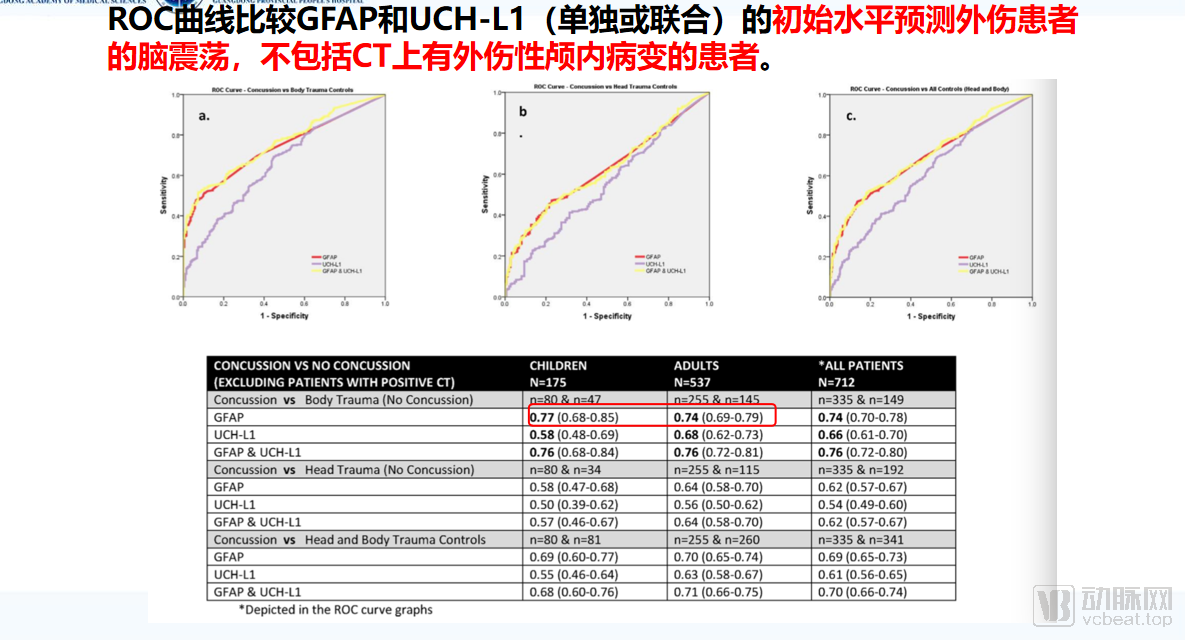
A study published in BMJ Paediatrics Open indicates that GFAP outperforms PGP9.5 in detecting concussion among both pediatric and adult trauma patients with normal mental status. Meanwhile, serum concentrations of GFAP and PGP9.5 show a stepwise increase across non-concussive bodily trauma, non-concussive traumatic brain injury (TBI), and concussion. However, PGP9.5 expression levels in non-concussive trauma are significantly higher than those of GFAP, particularly in children. This suggests that the elevation of these two biomarkers in patients with non-concussive TBI may reflect subclinical brain injury.
Another study showed that plasma GFAP levels are elevated in elderly Alzheimer’s disease patients with normal cognition. These observations suggest that GFAP injury or activation begins in the presymptomatic stage of Alzheimer’s disease and is associated with cerebral Aβ burden.
Numerous studies have demonstrated the significant potential of GFAP and PGP9.5 in the diagnosis of various diseases. As a leading provider of brain injury biomarkers in China,Sophonix Co., Ltd. is also actively exploring the diagnostic value of GFAP and PGP9.5 in various diseases, with plans to gradually expand their clinical applications.
About Sophonix
Sophonix Co., Ltd. specializes in the R&D of precise and rapid in vitro diagnostic products, standing as a leading provider of chemiluminescence-based POCT solutions in China. Centered on POCT scenarios and leveraging advanced detection technology platforms, the company delivers comprehensive POCT solutions characterized by superior reproducibility and enhanced accuracy.
The company is committed to promoting the rapid and healthy development of the industry through a more comprehensive business layout and a richer portfolio of innovative in vitro diagnostic products. It has currently established three product lines: pathological diagnosis, immunodiagnostics, and molecular diagnostics.
The pathological diagnosis product line includes the Ultra 60 and Ultra 30 fully automated immunohistochemistry staining systems and their配套 secondary antibody reagents. The immunodiagnostic products cover series such as cardiac markers, inflammation, sex hormones, thyroid function, anemia, tumors, bone metabolism, and brain injury. In the field of molecular diagnostics, the company is about to launch molecular POCT rapid testing products based on LAMP technology.