

Quanterix Raises Nearly $500 Million, Pioneering the World’s Most Sensitive Single-Molecule Detection Technology

Quanterix
Provider of Digital Biomarker Analysis Solutions
Recently,Quanterix Corporation concludes its public offering, with total gross proceeds from the stock sale reaching $287.5 million. Combined with prior financing, Quanterix’s total capital has reached $499 million.。As a leading company in the field of single-molecule detection technology,QuanterixThe developed Simoa technology isThe Most Sensitive Protein Detection Technology Currently Available. The only thing that can rival it isMerck's SMC Technology.
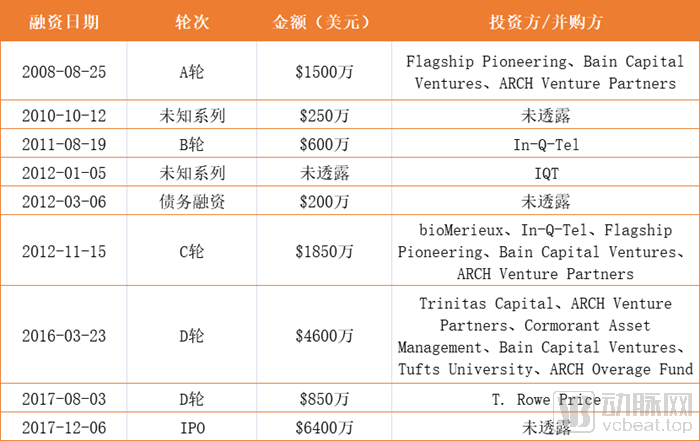
From the company's establishment in 2007 to its successful initial public offering,Quanterix has undergone a total of nine financing rounds, both large and small.
What Are Proteins? Proteins are the material basis of life and the primary executors of biological activities. They play a crucial role in human health and disease; indeed, without proteins, there would be no life. Protein research has always been at the forefront of the biomedical field. If we liken proteins to a towering tree, immunoassays would undoubtedly be its most striking branch.
So, what exactly is an immunoassay? An immunoassay is a method for analyzing specimens using immunological techniques. It has evolved from first-generation radioimmunoassay technology to later enzyme-linked immunosorbent assay (ELISA) and chemiluminescence assays. In recent years, single-molecule detection technology has gradually come into the public eye.
The core of Quanterix's development isSingle-Molecule Detection Technology。In 2007, David Walt, a dual member of the U.S. National Academy of Engineering and the National Academy of Medicine, founded the company with a technical team from Harvard University.Quanterix Corporation. Then,Single-Molecule Detection Technologyembarked on a three-year research endeavor. In 2010, David Walt and David Duffy published a paper in Nature Biotechnology onPaper on Simoa Technology.
Simoa Technology Makes Its Public DebutLaunch.
To Break with TraditionLimitations of Immunoassay Methods: Achieving Detection of Proteins at Lower ConcentrationsQuanterix developed Digital ELISA, known as Simoa technology, based on a design concept similar to that of Digital PCR.
Simoa technology enables the measurement of biomarkers at unprecedentedly low levels.. ELISA and chemiluminescence assays are considered classic tests in immunology. However, in terms of detection sensitivity, Simoa technology is 2–3 orders of magnitude more sensitive than traditional ELISA methods, reaching the femtogram per milliliter (fg/mL) level.To date, Quanterix Corporation has long since becomeIndustry Leader in Single-Molecule Immunoassay Technology.
So, what is ELISA? And what is chemiluminescence?
ELISA is an experimental technique based on immunological reactions, combining the specific interaction between antigens and antibodies with the efficient catalytic activity of enzymes on their substrates. The main ELISA methods used in clinical testing include the double-antibody sandwich method for antigen detection, the double-antigen sandwich method for antibody detection, the indirect method for antibody detection, the competitive method for antibody or antigen detection, and the ABS-ELISA method.
However, regardless of the method used, sample measurement by ELISA must include the following three reagents: (1)Immunoadsorbent—solid-phase antigen or antibody;(2)Enzyme conjugates, conjugates—enzyme-labeled antigens or antibodies;(3)Enzyme reaction substrate.
Chemiluminescent immunoassay involves directly labeling antigens or antibodies with chemiluminescent agents, which then react with the corresponding antigens or antibodies in the sample to be tested. The precipitated fraction is separated from the free chemiluminescent labels using a magnetic field. Finally, a luminescence enhancer is added, and the luminescence intensity is measured.
Based on the coating method, chemiluminescence is classified into particle-based and microplate-based formats. Among these, particle-based methods are further divided into magnetic particle-based and non-magnetic particle-based types. According to the label used, chemiluminescence immunoassays are categorized into direct chemiluminescence immunoassay, electrochemiluminescence, and chemiluminescent enzyme immunoassay.
Currently, the domestic chemiluminescence market is largely monopolized by international giants such as Roche, Siemens, and Abbott.
Kevin Hrusovsky, Chairman and CEO of Quanterix Corporation, is a seasoned executive with a distinguished career. He joined Quanterix in 2014 as Executive Chairman of the Board and became President of Quanterix in 2015.
Kevin Hrusovsky graduated fromEarned a degree in Mechanical Engineering from The Ohio State University, followed by an MBA from Ohio University.He has made tremendous contributions to life sciences and personalized medicine, for whichFramingham State University awarded him an honorary doctorate. In addition,Kevin HrusovskyAlso helped the Institute for Strategy and Competitiveness at Harvard Business School establish its Competitive Strategy course.
Prior to joining Quanterix, Kevin Hrusovsky served as President of Life Sciences and Technologies at PerkinElmer, Chief Executive Officer of Caliper Life Sciences (now PerkinElmer), and Chief Executive Officer of Zymark Corporation (now PerkinElmer). Previously, he held key management positions at E.I. du Pont de Nemours and Company (DuPont) and served as President of FMC Corporation’s Pharmaceutical Division and Head of International Agricultural Products.
Moreover, Kevin Hrusovsky’s footprint is evident in many innovative technology companies, including BioreclamationIVT, Caliper Life Sciences, Cell Signaling Technology, 908 Devices, Cellaria, SeraCare, Synap Dx, Xenogen, and Solect Energy.
In addition, Kevin Hrusovsky has remained actively engaged in educational initiatives. He has served on the Education Committee of the Massachusetts Biotechnology Council, the Advisory Board of the Center for Biomedical Engineering at Brown University, the Association for Laboratory Automation, the Editorial Board of JALA, and the Strategic Advisory Council of Boston Children’s Hospital.
As a visionary in the life sciences and healthcare industries,Kevin Hrusovsky has been a featured guest on numerous media outlets, including CBS, NBC, CNN, CNBC, The Wall Street Journal, The New York Times, International Business Times, The Washington Post, and The Boston Globe.
Moreover, he is frequently invited to deliver speeches at executive leadership conferences, major industry events, and panel discussions, including the BIO International Convention, the J.P. Morgan Healthcare Conference, the Atlantic Health Care Summit, the Medical City Conference, the Annual Meeting of the Personalized Medicine Coalition, and the World Innovation Forum, among others.
Kevin Hrusovsky has received numerous awards throughout his life:
In 2013,The E.G. Bailey Award for Entrepreneurship, awarded by The Ohio State University;
In 2015,Kevin Hrusovsky Named a BostInno 50 Health & Medicine Awards Finalist;
2017,Awarded for Kevin Hrusovsky's transformation of medical and health practicesBBJ Innovation All-Star Award;
In 2018, The Ohio State University awarded him/her the Lifetime Leadership Achievement Award;
In addition, in 2007, 2017, and 2018,Kevin Hrusovsky was a three-time finalist for the EY Entrepreneur Of The Year Award.
Kevin Hrusovsky has spent over 30 years in the industry, accumulating vast experience, making countless contributions, and receiving numerous honors. A comprehensive review of his words, actions, and public statements over this period reveals a unifying theme: to advance medicineShifting from reactive “sick care” to preventive and personalized healthcare.This aligns perfectly with Quanterix’s philosophy.
Quanterix Corporation has alwaysDedicated to the research of digital protein biomarkers.Based on the Company’s Core TechnologiesSimoa,QuanterixLaunched a series of instruments. This series is widely used for the detection of protein biomarkers and miRNA across multiple fields, including oncology, neurology, cardiovascular diseases, infectious diseases, and immune-mediated inflammatory conditions.
In 2014, Quanterix launched the first-generation fully automated single-molecule immunoassay analyzer, the HD-1. The HD-1 offers sensitivity 1,000-fold higher than that of conventional ELISA assays and maintains coefficient of variation (CV) values below 10%. It also features multiplexing capabilities, enabling 10-plex detection from a single sample. Furthermore, it supports sample loading via either 96-well plates or centrifuge tubes, with a capacity of up to 288 samples per run.
In 2018, Quanterix launched the SR-X, a semi-automated assay system designed for research laboratories with lower demands for automation and throughput. The SR-X can simultaneously detect six biomarkers directly in blood, ensuring accuracy and reproducibility while requiring only small sample volumes. Compared with the HD-1, the SR-X is more compact and cost-effective. It enables direct detection of proteins, nucleic acids, and miRNA markers from blood, eliminating the need for complex extraction and error-prone amplification steps.
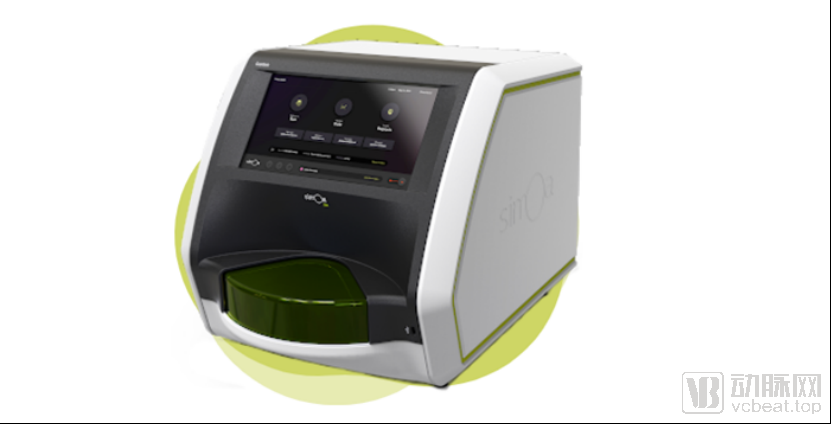
Figure 1: SR-X (Image source: Quanterix official website)
In the same year, Hangzhou Niulan Technology Co., Ltd. was authorized by Quanterix to become its exclusive general distributor in China. The company vigorously promoted the concept of single-molecule immunoassay technology in China through various channels, including offline promotion and the organization of academic conferences.
In 2019, Quanterix launched the HD-X. As an upgraded version of the HD-1, the HD-X features an optimized magnetic bead loading system that enhances stability while supporting higher-order multiplex biomarker detection.
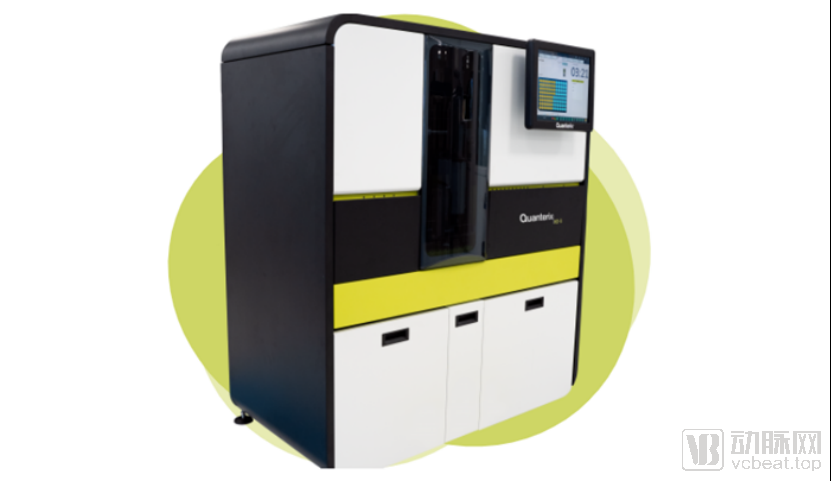
Figure 2: HD-X (Image source: Quanterix official website)
In 2018, Quanterix acquired Aushon BioSystems and subsequently launched the SP-X platform, which is better suited for multiplex assays. Previously, mentions of Quanterix and its Simoa technology invariably evoked associations with its ultra-high sensitivity. With the introduction of the SP-X, however, Quanterix has shifted away from Simoa as the core technology, opting instead to develop products using a microarray approach similar to that of MSD.
Compared with previous products, SP-X can simultaneously detect 12 different target molecules. However, its sensitivity is only 10–100 times higher than that of traditional ELISA.SP-X offers customers assay kits for various species, including humans, mice, and rats, enabling multiplex detection of relevant samples. Furthermore,The SP-X platform alsoOffering “private customization services.” Customers can select from over 250 biomarkers to customize single-plex or multiplex assay kits according to their needs.
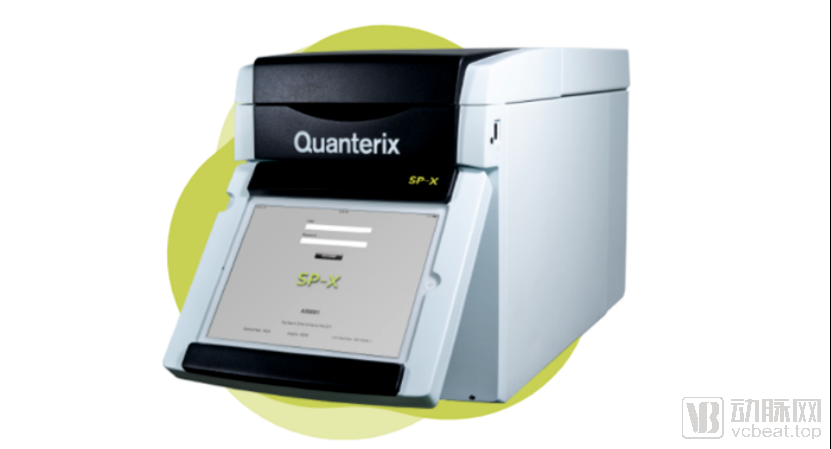
Figure 3: SP-X (Image source: Quanterix official website)
Alongside the launch of SP-X, Quanterix alsoIntroducing the 2470 Arrayer, a high-throughput microarray printer. The 2470 can rapidly and precisely print a variety of biological samples onto substrates. It supports a wide range of sample types, including serum, plasma, nucleic acids, proteins, antibodies, peptides, lipids, small molecules, and carbohydrates.
The 2470 is primarily used for drug target discovery, research on cell signaling pathways, analysis of protein interactions, preparation of microarrays such as protein/peptide and nucleic acid arrays, biomarker discovery, and testing of clinical samples. Its gentle contact deposition technology overcomes the issues of needle clogging and irregular printing that often occur with viscous samples. Furthermore, the 2470’s exposure compensation technology eliminates evaporation differences across various locations on the sample plate and printing substrate.
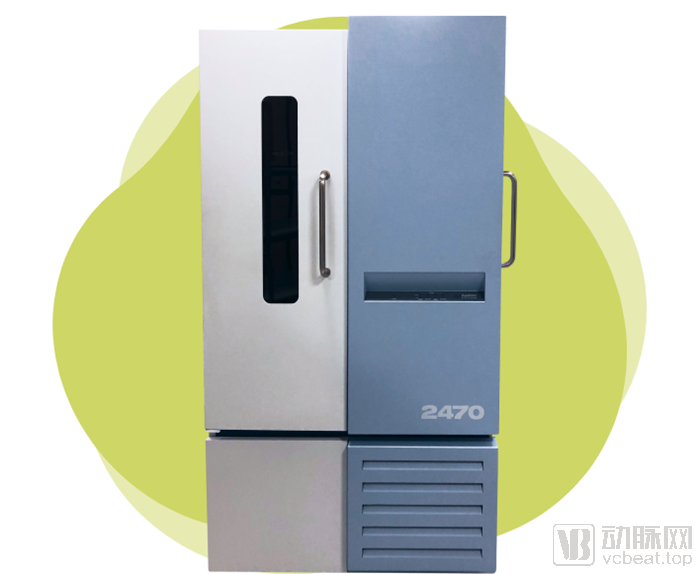
Figure 4: 2470 (Image source: Quanterix Corporation official website)
The Simoa technology developed by Quanterix enables the detection of tumors at ultra-low levels,Nerves, heart, etc.Biomarkers. This advantage enables it to play a significant role in multiple fields, including oncology, immunology, cardiology, and infectious diseases.
The development of Simoa technology has provided new options for the early detection of tumors.Simoa assays can be used to monitor cancer risk, enabling better identification of early-stage cancers with subtle or non-specific symptoms. Furthermore, they help distinguish between benign and malignant tumor cells, thereby facilitating more optimized treatment plans for patients.
Early detection of diseases provides patients with more treatment options. Simoa-based biomarker testing enables continuous monitoring of patients during cancer therapy, allowing physicians to make better-informed treatment decisions. Furthermore, Simoa biomarker assays can detect early-stage cancer recurrence.
In the field of neurology,Simoa assays can detect disease-related neurobiomarkers such as NfL, Tau, and GFAP.Traditional neurological biomarkers are generally detected in cerebrospinal fluid. However,Simoa can detect neurobiomarkers in serum or plasma, even at the early stages of disease. Currently,Quanterix hasConducting research across multiple domains, including neurodegeneration, neuroinflammation, traumatic brain injury (TBI), and multiple sclerosis (MS), to advance the study of brain health.
Simoa assays also hold the potential for detecting cardiac biomarkers. The high sensitivity of Simoa enables the detection and monitoring of subtle changes associated with disease. This capability facilitates the early identification of high-risk patients during the initial stages of disease progression, thereby allowing for more effective prevention and treatment. Furthermore, Simoa assays can be applied to various areas, including the prediction of major adverse cardiovascular events and the progression of heart failure.
In the treatment of immunity and inflammation, Simoa can detect inflammatory and anti-inflammatory molecules in serum and plasma. The high sensitivity of Simoa has revealed new roles for inflammation in the biology of health and disease.
Infectious diseases are among the most prominent research areas today. When viruses are infectious and replicate rapidly, the detection of infectious disease biomarkers during the viral replication phase is crucial for controlling disease transmission.
Currently, the most well-known single-molecule immunoassay technology platforms worldwide include not only Quanterix Corporation’s Simoa system but also Merck & Co.’s SMC system.
SMC technology was initially developed by Singulex. In 2015, Merck acquired the SMC technology and applied it to the field of life sciences research. After two years of development, Merck launched a new generation high-throughput detection platform—SMCxPRO—in 2017.
SMCxPRO andSimoa technology shares a common feature—ultra-high sensitivity detection, with a limit of detection reaching the femtogram level. In addition,The SMCxPRO system also features rapid detection, accurate results, and a compact design. To date, the SMCxPRO has been successfully applied in multiple research fields, including oncology, immune-mediated inflammation, cardiovascular diseases, metabolic disorders, and pharmacodynamics.
At the ACCSI 2019 Instrument Awards Ceremony, the SMCxPRO single-molecule immunoassay analyzer stood out among 680 outstanding products and was honored with the “2018 Outstanding New Scientific Instrument” award. Meanwhile, Merck KGaA, the company behind the SMCxPRO, also received the title of “Most Influential Vendor of 2018 (Life Sciences).”
Single-molecule detection technologies are gradually gaining momentum abroad, while research in this field within China remains in its nascent stages.Guangyu Biology Co., Ltd. is the first single-molecule detection technology company in China.In 2020, Dr. He Hao, the company’s Chief Scientist, delivered an academic presentation on single-molecule detection.
In his report, Dr. He Hao provided a detailed analysis of the advantages and disadvantages of Quanterix’s Simoa technology and Merck’s SMC single-molecule detection technology. He noted that high costs are a common pain point for both companies.
Guangyu Shengwu Co., Ltd. employs single-particle optical technology to directly count antibodies, thereby achieving absolute quantitative detection at the single-molecule level. Dr. He Hao emphasized that their core breakthrough lies in the proprietary fluorescent materials they have independently developed, which feature high brightness, stability, and uniformity. Their research demonstrates that single-molecule fluorescence counting can be achieved using conventional fluorescence microscopy systems, offering significant advantages in terms of equipment cost and detection time.
Current single-molecule immunoassay technologies remain in a developmental stage, facing proportional challenges and opportunities. To date, ELISA and chemiluminescence have reached their peak performance. In the uncertain future, will single-molecule immunoassays supersede ELISA and chemiluminescence to become the new leading platform in immunoassay, or will they be overtaken by emerging, as-yet-unknown immunoassay technologies? Only time will tell.