

How Taikang Builds a 'Test Field' for the Longevity Economy in the Era of Longevity
In their book The 100-Year Life: Living and Working in an Age of Longevity, authors Lynda Gratton and Andrew Scott point out that life expectancy is increasing at a rate of 2–3 years per decade, while the period of morbidity in old age is continuously shrinking, enabling people to enjoy longer lives in better health. The authors also offer an optimistic recommendation to readers: “Do not simply set living healthily for 100 years as your goal; instead, regard a 100-year lifespan as the expected lower bound,” and plan your life accordingly.
Are We Truly Prepared as We Stride into the Age of Longevity? How Should We Address the Shocks and Impacts Brought by This Demographic Shift?
On the first anniversary of Wuhan’s reopening, the Third World Health Expo • Longevity Era Summit, co-hosted by Taikang Insurance Group, the Dong Fureng Institute of Economic and Social Development at Wuhan University, and Health界 (Healthjie), was convened to conduct an in-depth discussion on how to respond to the transformative challenges of the Longevity Era.
VCBeat has consolidated the content from various forums held during the “China International Health Industry Expo” and provided a review of Taikang’s strategic layout for the longevity era, highlighting its representative approach.
Doing the Hard Things: Long-Termism Is More Essential in the Era of Longevity
Unlike the concept of aging, the era of longevity is characterized by five key features: low mortality rates, low fertility rates, continuously rising life expectancy, a column-shaped population age structure, and a plateau phase where the proportion of the elderly population exceeds 25%. In this era of longevity, both demographic and consumption structures will undergo significant changes, with older adults playing an increasingly important role.
Chen Dongsheng stated, “The needs and consumption of the elderly will gradually become the most significant demands and primary consumption drivers in society; changes in consumption patterns will bring about transformations in industrial and economic structures.”
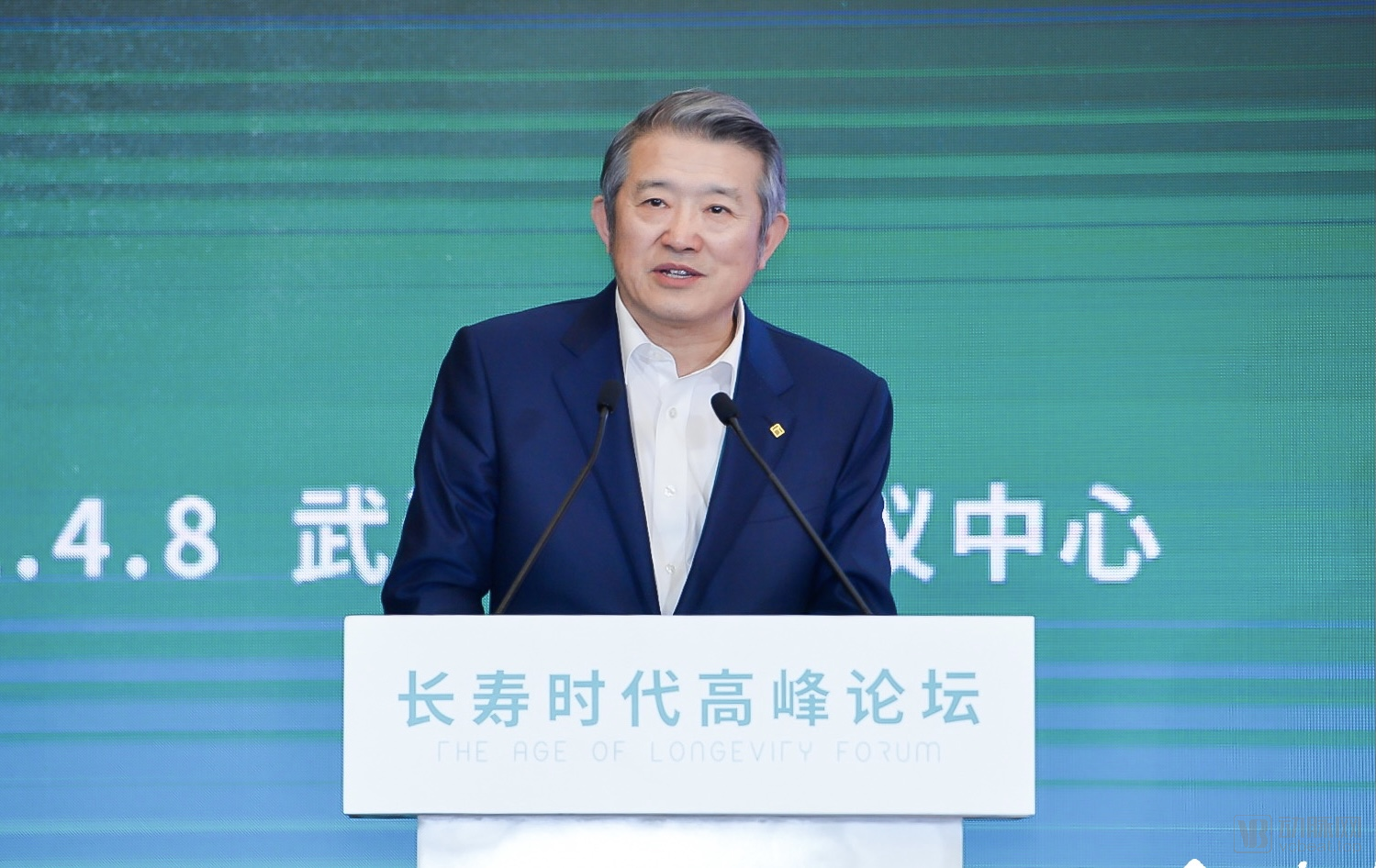 Chen Dongsheng, Founder, Chairman and CEO of Taikang Insurance Group
Anticipating shifts in overall demographic structure and consumption trends, Taikang began its strategic deployment for the Longevity Era 14 years ago. Liu Tingjun, President and Chief Operating Officer of Taikang Insurance Group, also highlighted the environmental context and pressures surrounding this strategic move: in 2007, making substantial investments in the broader health sector was still rare. This was partly due to the relatively high capital requirements, and partly because returns on such investments typically materialize only over an extended period.
Elders in the era of longevity also face the dilemma of living with chronic diseases. Chen Dongsheng pointed out, “75% of people over 60 have chronic diseases, and 65% of those over 65 have more than two chronic conditions; people will live with these illnesses for extended periods.” The core health demands of the longevity era, along with the financial needs required to address challenges in elderly care and medical healthcare, have driven Taikang Insurance Group to strive for the realization of closed-loop systems for longevity, health, and wealth.
To better serve the industry, Taikang has chosen to deeply integrate with its own industrial ecosystem in its strategic deployment. Starting from businesses such as pension insurance, health insurance, and life insurance, it has further pursued vertical integration, extending downstream into value chains encompassing “medical care, elderly care, rehabilitation, and wellness.”
Alleviating Health Concerns: Multi-Tiered Medical Service System Under Construction
Perhaps quoting Liu Tingjun’s remarks at the “Huazhong Oncology Summit Forum” can illustrate Taikang’s approach to its self-built hospitals. “Taikang Tongji (Wuhan) Hospital will leverage the strong backing of Taikang Insurance Group and Wuhan Tongji Hospital to continuously advance oncology treatment technologies and cancer care models, thereby enhancing early diagnosis and screening capabilities for tumors. Taikang aims to pioneer a novel closed-loop model that integrates commercial insurance with healthcare services, which will not only promote the progress and development of a multi-tiered healthcare service system but also drive advancements in medical technology through commercial insurance.”
Expanding and strengthening the hospital and medical institution chain helps Taikang refine its “Healthcare + Insurance” service model on one hand, and serves as a robust supplement to its own elderly care system—specifically Taikang Community—on the other. When residents of Taikang Community experience acute or severe medical conditions, they can be transferred through the green channel at the rehabilitation hospitals within the community for follow-up treatment.
Currently, Taikang has established five general hospitals. Among them, Taikang Xianlin Gulou Hospital and Taikang Tongji (Wuhan) Hospital have already opened, while Taikang Ningbo Hospital (under preparation), Shenzhen Qianhai Taikang International Hospital (under preparation), and Taikang Southwest Medical Center (under preparation) are all under construction. The five major medical centers, centered on these five general hospitals, cover the Yangtze River Delta, Central China, Southwest China, and the Guangdong-Hong Kong-Macao Greater Bay Area. It is easy to envision their future synergy with Taikang’s commercial insurance business.
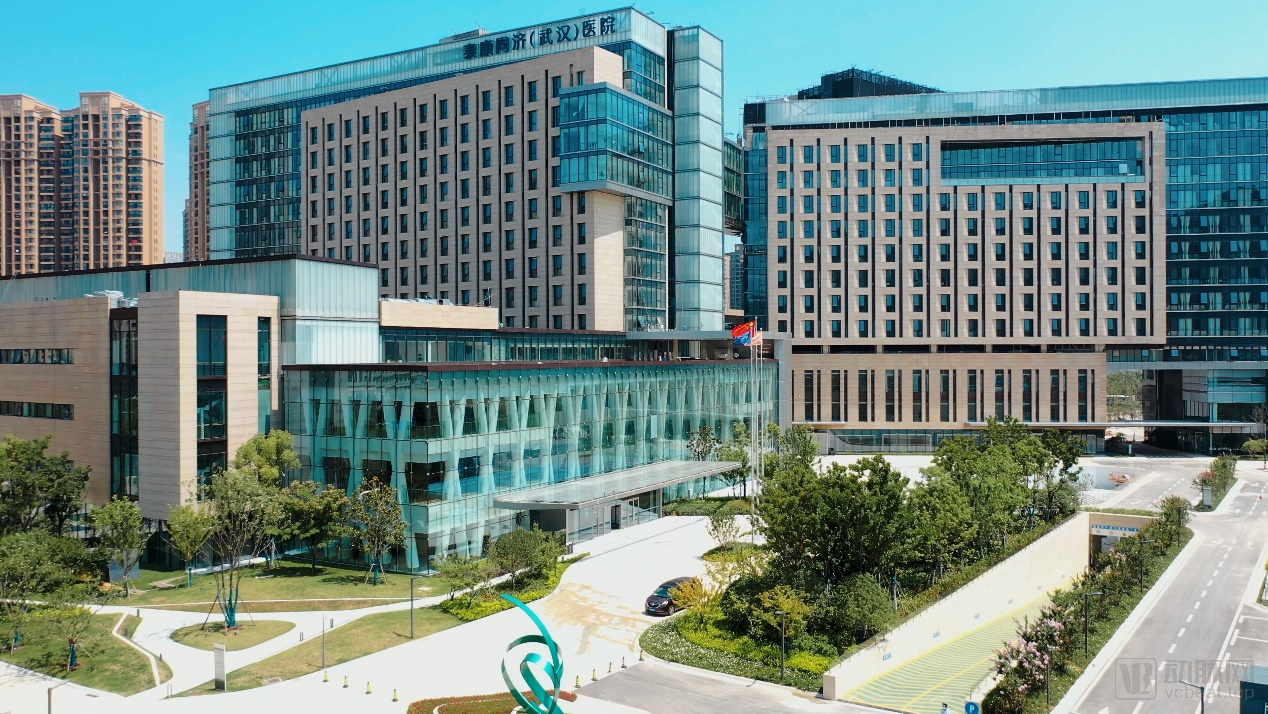 Taikang Tongji (Wuhan) Hospital
Taikang is also further expanding its specialized medical care system. Bybo Dental, which Taikang previously acquired, currently covers 58 cities. Since 2018, Taikang Bybo Dental has been exploring a closed-loop “insurance + healthcare” model to further reduce patients’ treatment expenses, encourage doctors to actively participate in patients’ oral health management, and promote value-based care in the dental industry. In addition, Taikang has invested in Parkway Hospitals, as well as specialized care providers such as Jinsong Dental, Sanbo Brain Hospital, and Donglei Brain Hospital.
Taikang’s Health Service Centers deliver comprehensive health intervention and management services through family doctors. By leveraging an integrated online-offline service model, they continuously maximize the value of medical services. The ever-expanding ecosystem of healthcare services will further empower Taikang’s insurance business.
Warm Homes, Smart Tech: Empowering a Fulfilling Senior Life
In *The 100-Year Life*, the authors anticipate that the period of morbidity will continue to be compressed and shortened, although this outcome depends on changes in public health, education, and behavior. Before medical technology is fully developed, older adults may still face the reality of living with chronic diseases for extended periods. How can we ensure adequate care and support for the elderly? Taikang Community has provided its own answer.
Chen Dongsheng believes that “Taikang has integrated the world’s new models of elderly care with China’s realities, giving rise to Taikang Home’s nationwide chain of snowbird-style CCRC retirement communities. These communities build upon existing traditional perceptions and services for retirement living. However, Taikang aims to establish a testing ground for the longevity economy, seeking within its retirement communities a sustainable model that integrates economic viability with elderly care and aging lifestyles.”
Taikang Community has completed its nationwide layout across 22 cities in China, with seven senior living communities already in operation. Distinguishing itself from traditional elderly care models, Taikang Community emphasizes the creation of a new lifestyle for seniors—integrating five core elements: a warm home, a high-quality healthcare center, an open university, an elegant vitality center, and a spiritual sanctuary for elders. This “five-in-one” lifestyle fosters vibrant aging, healthy aging, cultural engagement, artistic enrichment, and smart aging.
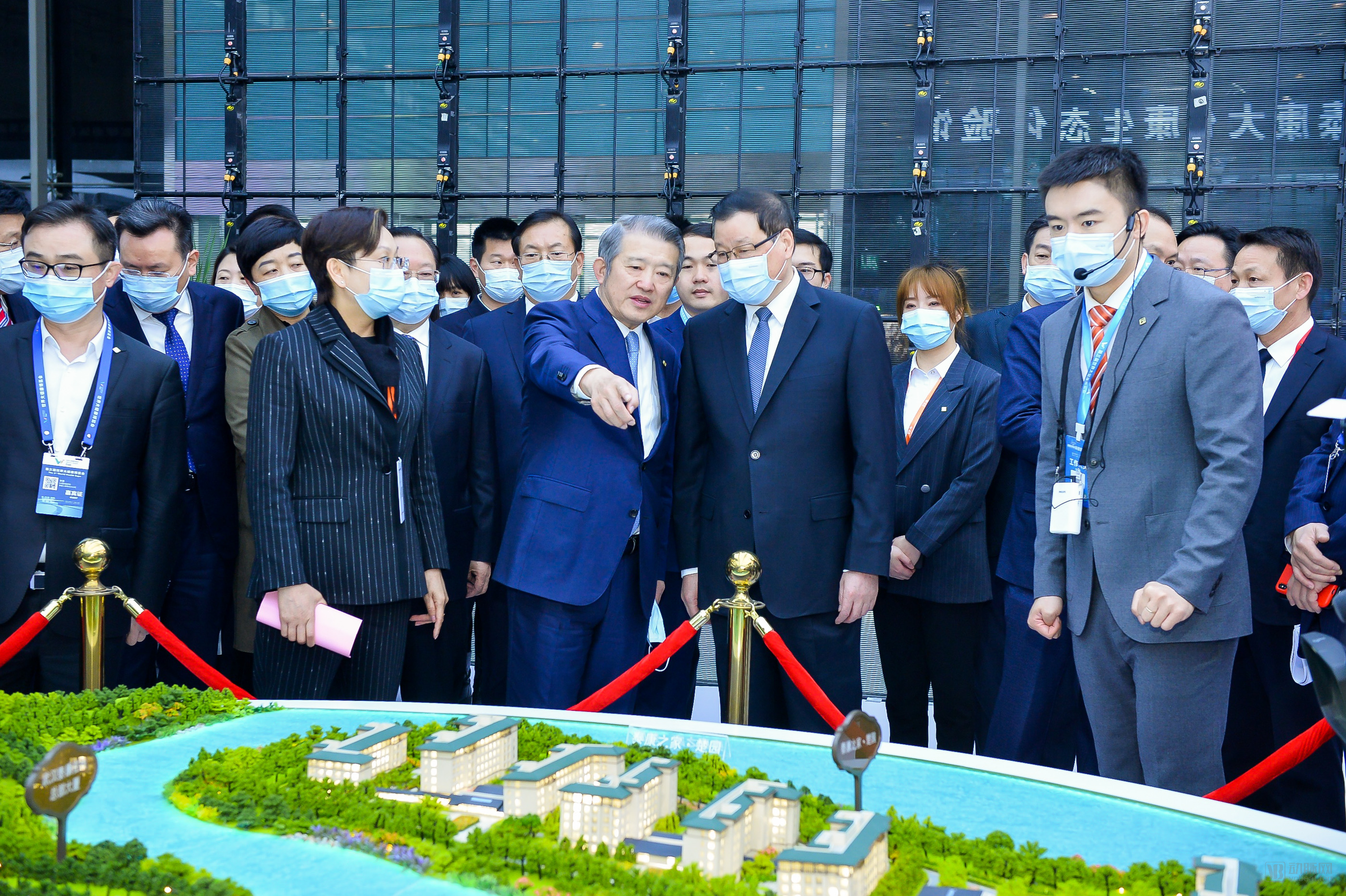 Chen Dongsheng Introduces “Taikang Community” to Ying Yong, Secretary of the Hubei Provincial Committee of the Communist Party of China
In the field of smart elderly care, Taikang Community is continuously exploring new possibilities. Qiu Jianwei, CEO of Taikang Community, pointed out that smart elderly care is not merely a substitute for human labor. For instance, Taikang Community’s radar alarm system can monitor the status of residents without disturbing them, providing assistance in emergency situations. Looking ahead, they hope to leverage smart elderly care applications to further predict health risks among seniors, enabling early intervention and promoting greater health and longevity for residents.
To better care for seniors, Taikang Community often builds rehabilitation hospitals within its communities, specializing in rehabilitation and geriatric medicine. Taikang Community is not isolated from the broader system. Seniors can accumulate retirement funds and secure access to elderly care services in advance by purchasing the exclusive annuity insurance product “Happiness Promise,” which includes a guaranteed admission letter for the retirement community. Furthermore, rehabilitation hospitals and other facilities can facilitate referral-based treatment with hospitals affiliated with Taikang Insurance Group.
Innovative Thinking: Transforming Memorial Parks into Must-Visit Tourist Attractions
Once fully occupied, Taikang Community’s senior living communities across 22 cities will accommodate more than 50,000 elderly residents. According to Wen Linlin, Senior Deputy General Manager of the Memorial Park Division at Taikang Health & Elderly Care Investment, a significant number of these residents have needs for palliative care, hoping to spend their final days peacefully. Taikang Community has taken the lead in establishing palliative care wards within the rehabilitation hospitals located in its Beijing communities. In the future, it also plans to open palliative care wards in the tertiary hospitals affiliated with Taikang Insurance Group, gradually expanding its services from Taikang Community members to the general public.
Compared to traditional hospice care (typically covering the last six months of life), Taikang’s Ultimate Care encompasses a comprehensive service chain spanning from end-of-life care to posthumous arrangements. Its services are broadly categorized into four segments: pre-need contracts, palliative care, funeral and memorial services, and Taikang Memorial Parks. Seniors can sign “Pre-Need Contracts” and secure posthumous funeral and memorial services through the funeral service platform “Ai You Hui,” with interment available at the memorial parks. Today, Taikang Memorial Parks feature amenities such as cafes, hotels, and museum-based cultural tourism projects, attracting nearly 3 million visitors annually. The unique “tourism + memorial park” model has gained widespread recognition.
“Unwavering in our original aspiration, committed to continuous innovation, and dedicated to business for social good,” Taikang’s exploration of the longevity economy continues. Yet, as Liu Tingjun noted, elderly care and healthcare are industries that require heavy asset investment and long-term persistence. “We must firmly advance the integration of medical practice, education, and research, build on the foundation of disciplinary talent development, and further promote a closed-loop synergy between the healthcare system and the insurance system through enhanced service models.” Only in this way can we better drive the further development of the integrated healthcare, elderly care, rehabilitation, and wellness industry.