

ReoConcen Focuses on Early Screening and Diagnosis of Cardiovascular Diseases, Leveraging NGS Gene Sequencing for Precision Medication
The Yellow Emperor’s Inner Canon states, “Superior physicians treat disease before it arises; intermediate physicians treat impending disease; inferior physicians treat established disease,” thereby underscoring the importance of early intervention and prevention during the preclinical phase. In modern medicine, early screening and diagnosis have become a major focus, with cancer screening emerging as one of the core strategies for cancer prevention and treatment.
In fact, early screening technologies based on gene sequencing are not limited to oncology; they also hold significant promise for other diseases with genetic associations. Dr. Yang Xu, former COO of BGI Tech, naturally recognized this potential. As a pioneer in the field of gene sequencing in China, BGI Genomics has primarily focused its applications on reproductive health, oncology, and infectious diseases. However, during his combined master’s and doctoral studies, Dr. Yang specialized in cardiovascular medicine, completing his Ph.D. at Fuwai Hospital, Chinese Academy of Medical Sciences and Peking Union Medical College.
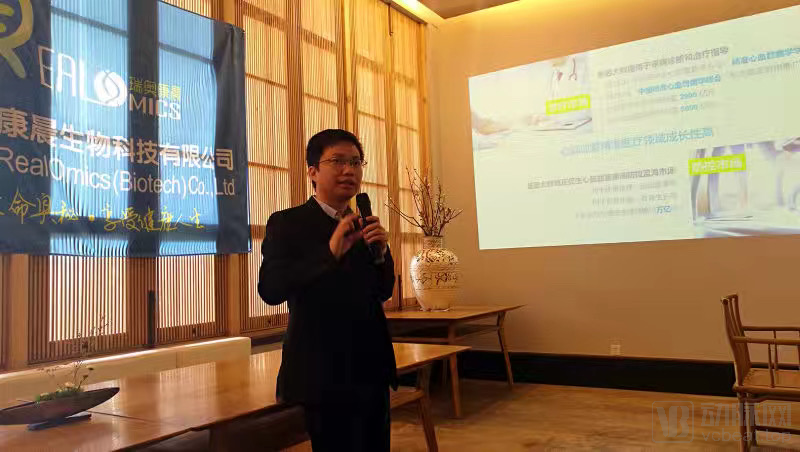
RuiaokangchenFounderDr. Yang Xu
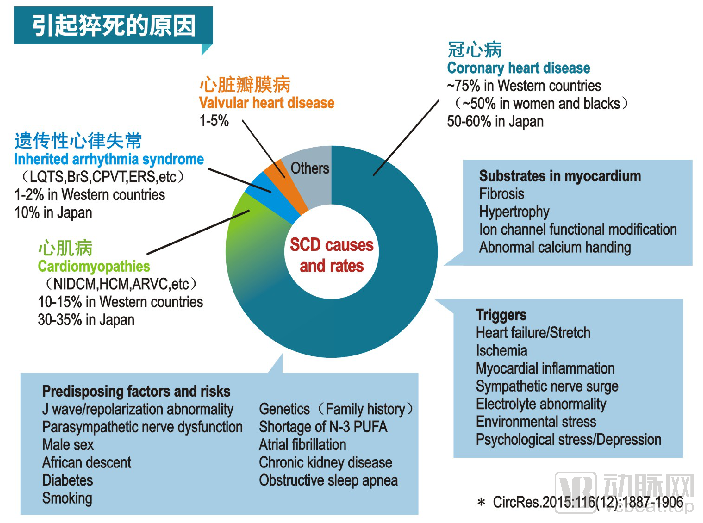
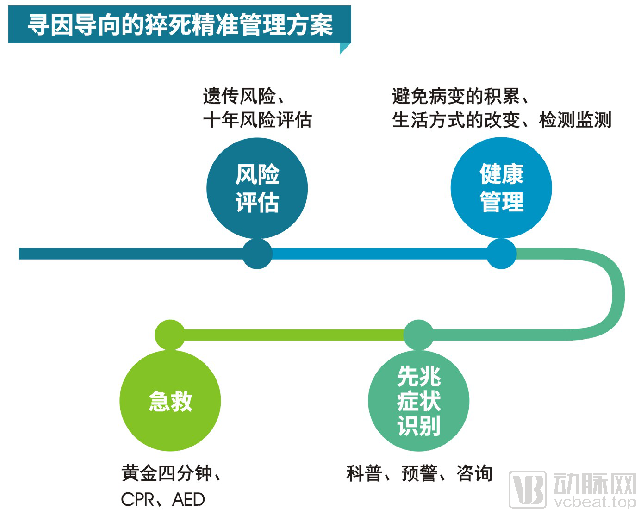
Dr. Yang Xu’s clinical research experience in the field of cardiovascular disease, combined with his industry experience at BGI Genomics leveraging high-throughput sequencing technology to advance precision medicine, inspired him to explore the use of gene sequencing to empower early screening and diagnosis of cardiovascular diseases. “High-throughput sequencing is a powerful tool. If utilized to uncover the genetic pathogenesis underlying cardiovascular diseases and to build a more comprehensive database of pathogenic variants, it could enable early screening and diagnosis of cardiovascular diseases, benefiting both the nation and its people.”Dr. Yang Xu“He stated, ‘Given the sudden nature of clinical endpoint events in cardiovascular disease—exemplified by the cases of sudden cardiac death frequently reported in the news media—the prevention and control of sudden cardiac death require not only the wider deployment of automated external defibrillators (AEDs) and training in cardiopulmonary resuscitation (CPR), but also a clear understanding of pathogenic risks within the population. This approach enables precise prevention and control, as well as early management, targeted at high-risk groups.’”
In 2015, Dr. Yang Xu founded Shenzhen Ruiaokangchen Biotechnology Co., Ltd. (hereinafter referred to as “Ruiaokangchen”) with this vision. The company is a biotechnology firm focused on the development of applications for the diagnosis of hereditary cardiovascular and cerebrovascular diseases, precision medication, risk assessment, and intervention management. It aims to achieve effective end-to-end management of cardiovascular and cerebrovascular conditions, thereby reducing incidence rates and long-term prevalence in the population, while controlling premature mortality from major cardiovascular and cerebrovascular diseases. By leveraging disease prevention and control measures based on multi-dimensional data early-warning and assessment models, the company can significantly reduce medical costs and resource utilization associated with cardiovascular and cerebrovascular diseases.
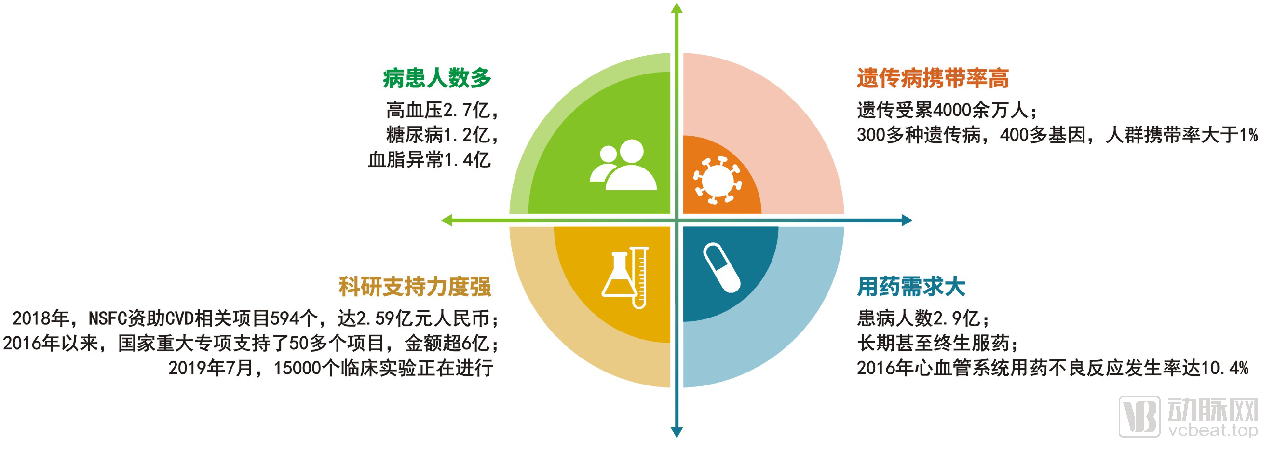
According to the "Report on Cardiovascular Health and Diseases in China" compiled by the National Center for Cardiovascular Diseases in 2019, the number of patients with cardiovascular and cerebrovascular diseases in China has reached as high as 330 million. This figure is expected to rise further with the intensifying aging of the population, leading to a continuous increase in the burden of cardiovascular and cerebrovascular diseases in China. These diseases have become the leading cause of death among residents, accounting for two out of every five deaths, with approximately 540,000 cases attributed to sudden cardiac death.
Also in 2019, the Chinese Society of Cardiology released the “Guidelines for Genetic Diagnosis of Monogenic Hereditary Cardiovascular Diseases,” ushering in the era of precision medicine for cardiovascular diseases. In the field of cardiovascular and cerebrovascular health, precision medicine has three major development directions: elucidating pathogenic mechanisms, investigating patients’ risk profiles, and developing novel therapeutics. In developed countries in Europe and the United States, some medical centers have long incorporated genetic testing into routine diagnostic management for short-term cardiovascular cases. In contrast, clinical application of genetic testing for cardiovascular diseases in China remains limited due to the lack of variant interpretation databases tailored to the Chinese population and the absence of efficient, low-cost genetic testing and screening methods.
According to guideline data, hereditary cardiovascular diseases caused by genetic defects affect approximately 40 million individuals. There are over 300 types of hereditary cardiovascular diseases, broadly categorized into cardiomyopathies, channelopathies, aortic diseases, hereditary hypertension, and familial hyperlipidemia. Genetic testing can precisely identify the etiologies and therapeutic targets for these conditions, enabling precise risk prediction, diagnosis, and intervention, thereby comprehensively enhancing the prevention and control of cardiovascular diseases.
Precision medicine for cardiovascular diseases can begin with early genetic diagnosis of monogenic hereditary cardiovascular conditions. Dr. Yang Xu stated that genetic testing for hereditary cardiovascular diseases can focus on the following three areas:
I. Detection of Markers Related to Blood Supply: Insufficient blood supply caused by atherosclerosis is the primary cause of ischemic cardiovascular disease;
II. Detection of biomarkers associated with cardiac ion channels: Changes in heart rate are closely related to cardiac electrophysiological signals, and alterations in “circuit” ion channels are associated with cardiac arrhythmias;
III. Detection of Biomarkers Associated with Intrinsic Myocardial Structure: Genes with pathogenic potential may cause structural abnormalities, such as myocardial hypertrophy, during cardiac development, ultimately leading to cardiovascular disease.
Following genetic testing of patients, further disease risk stratification, auxiliary genetic diagnosis, precision health management, and even personalized, precision-guided pharmacotherapy can be implemented, thereby achieving comprehensive prevention and control of cardiovascular diseases. This precisely reflects the strategic logic of Shenzhen Ruiaokangchen Biotechnology Co., Ltd. in the field of precision medicine for cardiovascular diseases.
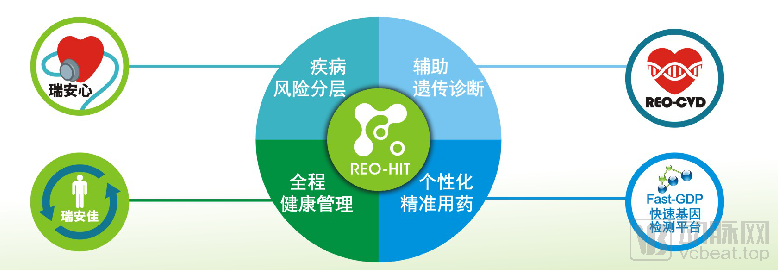
For individuals identified as carriers of pathogenic mutations associated with a high risk of cardiovascular disease, Ruiaokangchen can provide health management reports covering aspects such as proper diet and control of the “three highs” (hypertension, hyperglycemia, and hyperlipidemia). For patients already diagnosed with cardiovascular disease based on clinical symptoms, their genetic test results can facilitate rapid, personalized medication solutions by addressing specific dimensions including drug efficacy, dosage, drug-induced toxicity, and drug resistance.
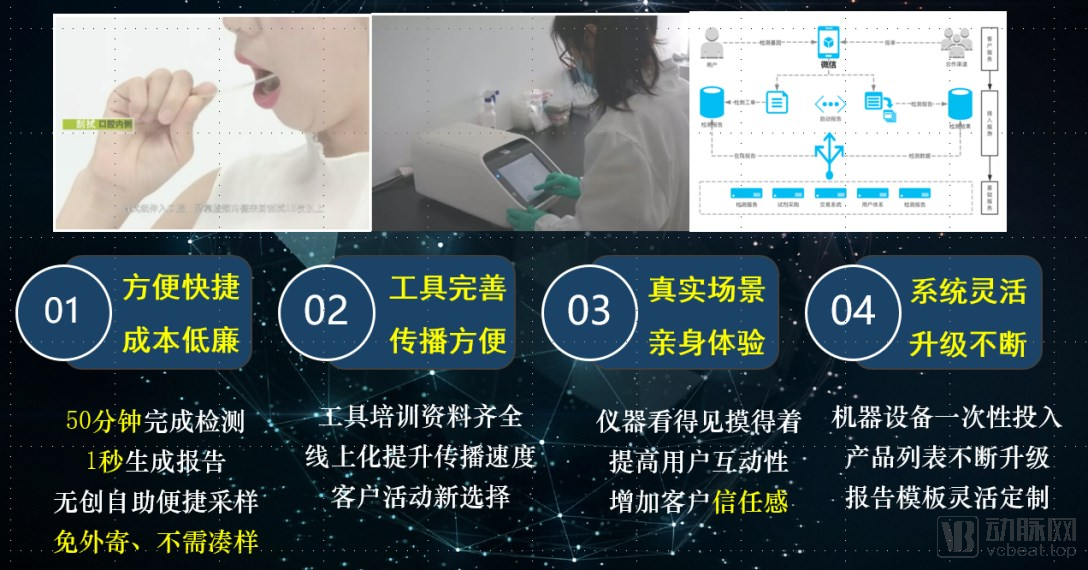
Notably, to provide specific medication guidance, Ruiaokangchen has specially developed “Fast-GDP,” a rapid and precise pharmacogenetic testing platform. This platform supports non-invasive buccal swab sampling from patients; once the sample results are transmitted to the Fast-GDP platform, it is possible toComplete experimental data analysis within 50 minutes, and generate a genetic testing report in one second.。
In addition to Fast-GDP, Shenzhen Ruiaokangchen Biotechnology Co., Ltd. has also established the REO-CVD platform for sudden cardiac death risk screening and genetic disease-assisted diagnosis, which canDetects 8 high-risk genetic disorders associated with sudden cardiac death, guides the use of 22 commonly used cardiovascular drugs, and achieves a detection accuracy of up to 99%., costs have also been significantly optimized.
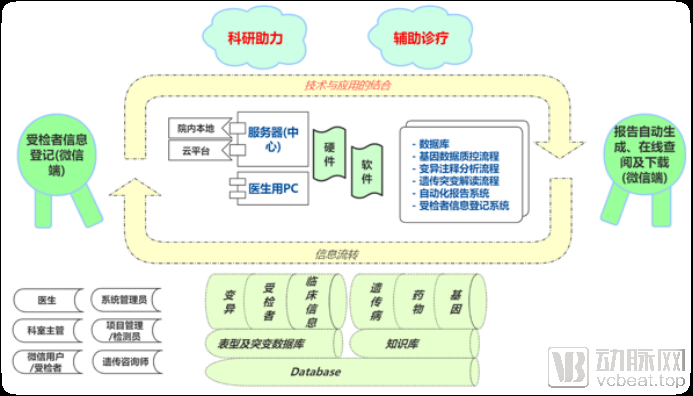
It is reported that Ruiaokangchen’s Automated Interpretation and Reporting System (REO-HIT), developed in-house, is currently undergoing strategic cooperative application upgrades with Ronglian Technology. The system provides a comprehensive, automated end-to-end solution for clinical applications based on next-generation sequencing (NGS) technology. It enables standardized analysis reports, interoperability of patient information, unified management and integration of multi-center data, and blockchain-based data sharing, thereby helping clinicians, hospitals, and third-party clinical laboratories build efficient NGS-based clinical decision support systems.
Currently, RuiaokangchenCollaborating with over 20 leading domestic tertiary cardiovascular hospitals, including Guangdong Provincial People’s Hospital, Sichuan Provincial People’s Hospital, Fuwai Hospital Shenzhen, and Jiangxi Provincial People’s Hospital, we have established an in-house database of more than 20,000 positive cases from the Chinese population. This initiative achieved a 13% positive correction rate for open-source databases, identified novel pathogenic mutations at a rate of 8.6%, validated 651 known or suspected pathogenic variants, and identified an additional 1,351 candidate variants of uncertain significance, resulting in an overall clinically actionable mutation rate of 67%.. The company is also continuously accumulating data and iterating its database.
Shenzhen Ruiaokangchen Biotechnology Co., Ltd. has launched a new round of pre-A financing, with the funds primarily allocated to building a gene variant database for cardiovascular and cerebrovascular diseases, upgrading the REO-HIT online analysis and interpretation system, and establishing multiple clinical medical data centers.