

Wujiang: An Emerging Hub for Medical and Health Industries
April 16,The 5th Future Healthcare Top 100 ConferenceOfficially kicked off in Wujiang, Suzhou. Themed “Computing Life,” the conference will comprehensively showcase the innovative ecosystem of China’s healthcare sector and accelerate the deep integration between the ecosystem and industry. It is reported that the conference has gathered279 Distinguished Guests from China and Abroad, a total ofOver 1,000 Unicorn and High-Potential Innovative EnterprisesParticipation,Approximately 3,000 attendees, it is the largest and most information-rich summit integrating industry and capital in China's healthcare sector, setting the trend for development and investment in China's healthcare innovation landscape in the coming period.
The reason for selecting Wujiang as the venue for this conference is that it represents an emerging landscape most conducive to the development of the medical and health industry.
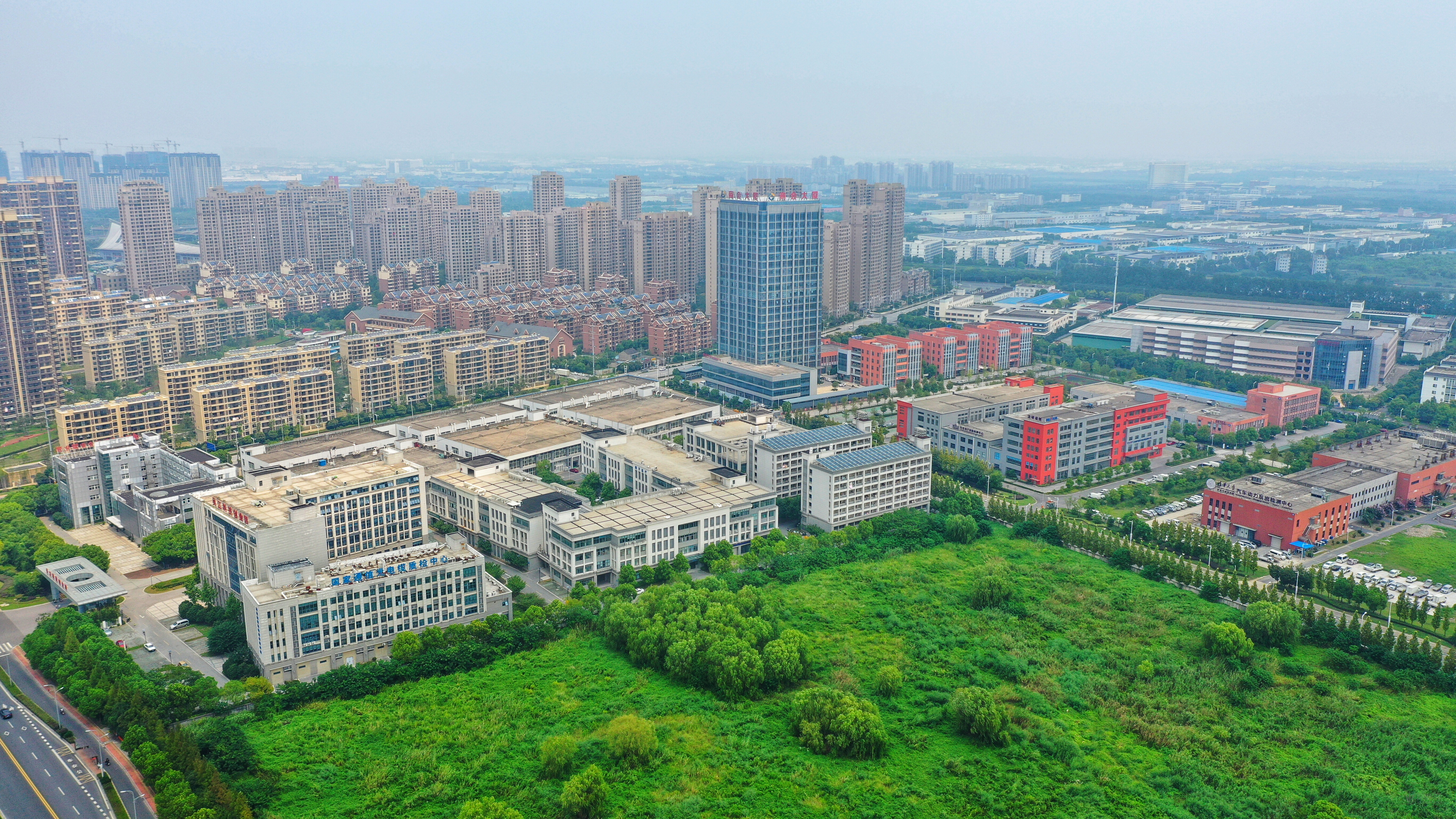
As a “pioneer” of the national development strategy for the “Integrated Development of the Yangtze River Delta” and a “leader” of China’s private economy, Wujiang District in Suzhou keeps pace with the times, seizes opportunities for industrial development, closely leverages existing resources, focuses its efforts on the healthcare industry, and strategically plans its layout with top-level strategic thinking.
From the perspective of overall strategic planning, the industry is primarily concentrated in three major business segments: biopharmaceuticals, medical devices, and general health. As of now,Over 100 well-known domestic enterprises are stationed in the district., of which 21 have been included in Suzhou’s database of leading industries above designated size. In terms of actual output, leveraging multiple advantages such as government support, resource integration, production capacity agglomeration, and concentrated development of the ecosystem chain,Wujiang's biomedical industry achieved an output value of approximately RMB 4 billion in 2020., has become an extremely important link in the industrial pillar chain of Wujiang.
Specifically, how has Wujiang strategically developed its biopharmaceutical industry?
Wujiang’s biopharmaceutical industry started relatively early, but it has only truly embarked on a path of scaled and industrialized development in the past two years. Therefore, compared with other already mature industrial clusters, Wujiang is still in its nascent stage in terms of overall industrial development trajectory. Nevertheless, Wujiang’s biopharmaceutical sector remains highly anticipated by the market and is indeed a genuine “high-potential stock.”
This “confidence” stems from the fact that Wujiang is itself a fertile ground with significant potential for the development of the biopharmaceutical industry, possessing numerous core elements that drive industrial advancement.
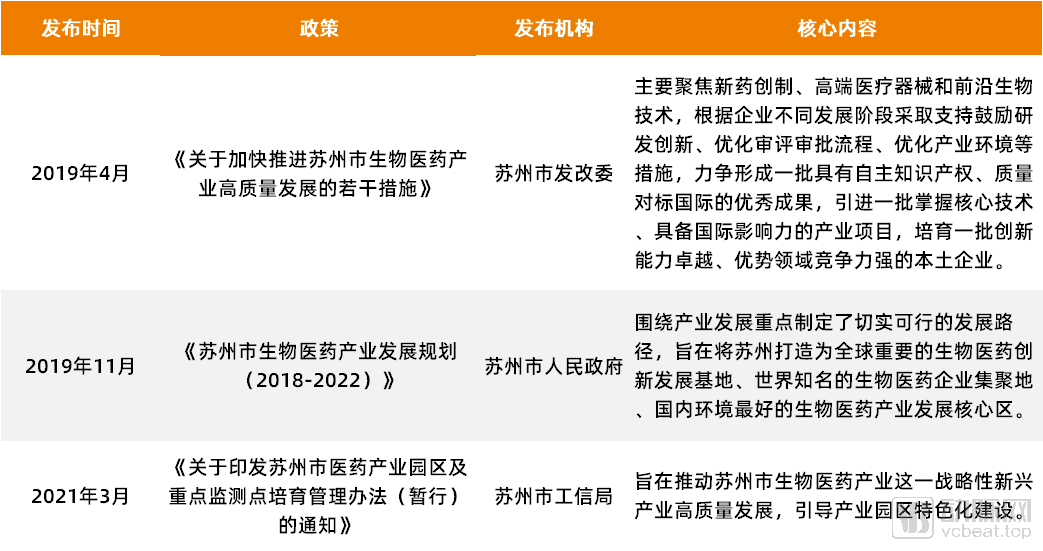
First, the government has actively provided guidance and introduced multiple key policies to proactively support industrial development.The Suzhou Municipal Government attaches great importance to the development of the biopharmaceutical industry. It has successively formulated and issued documents such as the “Several Measures on Accelerating the High-Quality Development of Suzhou’s Biopharmaceutical Industry,” the “Suzhou Biopharmaceutical Industry Development Plan (2018–2022),” and the “Notice on Issuing the Interim Administrative Measures for the Cultivation of Suzhou Pharmaceutical Industrial Parks and Key Monitoring Points,” thereby promoting the industry’s advancement toward higher quality, greater sophistication, and elevated standards. As one of the main urban districts of Suzhou, Wujiang District has closely followed Suzhou’s lead, actively implemented the decisions and deployments of higher-level authorities, strictly adhered to relevant directives, vigorously promoted the development of the biopharmaceutical industry throughout the district, and incorporated it into its future development plans.
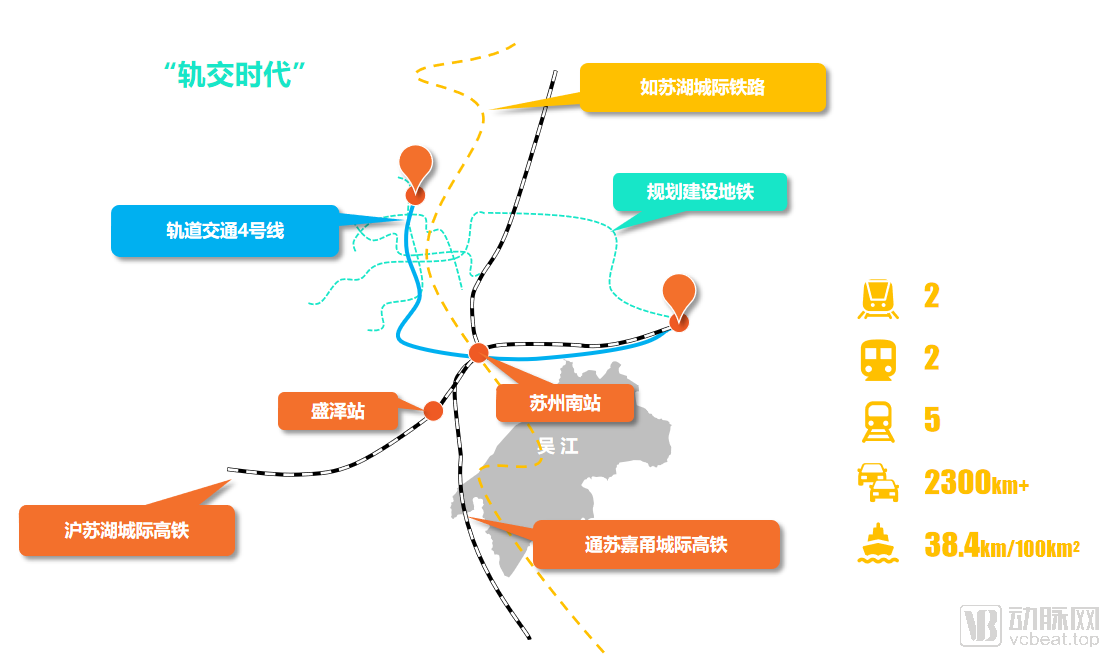
Second, its prominent locational advantages have opened up the transportation “arteries” to facilitate industrial advancement.Wujiang serves as Jiangsu’s “southern gateway,” bordered by Shanghai to the east, Lake Taihu to the west, Hangzhou to the south, and the main urban area of Suzhou to the north, placing it squarely within the core urban zone. In recent years, Wujiang has been accelerating its development by harnessing the powerful momentum of the integrated development of the Yangtze River Delta."The Era of Rail Transit", To date, Wujiang has been served by two intercity railways—the Shanghai-Suzhou-Huzhou Railway and the Nantong-Suzhou-Jiaxing-Ningbo Railway—as well as two major high-speed rail stations: Suzhou South Station and Shengze Station. In addition, Wujiang Metro Line 4 seamlessly connects to major transportation hubs in Suzhou, Shanghai, and other cities, while four additional metro lines are under intensive planning and construction. With this comprehensive transportation network, it takes only 10 minutes to reach downtown Suzhou from Wujiang, 40 minutes to reach Beijing-Shanghai High-Speed Railway stations and Shanghai Hongqiao International Airport, and 90 minutes to reach West Lake in Hangzhou. Travel time to all major ports is within two hours.
Third, the industrial foundation is robust, with four major economic value chains providing concentrated empowerment to the industry.Wujiang has always regarded advanced manufacturing as the foundation of its district development. To date, it has formedSilk Textiles, Electronic Information, Optical Cables and Fibers, Equipment ManufacturingFour Major Leading Industrial Clusters: Polyester filament output accounts for one-eighth of the national total, while optical fiber and cable production exceeds one-third of the national share. The district boasts a robust manufacturing foundation and an exceptionally complete industrial chain, which can solidify the upstream and downstream supply chains for the biomedical industry, thereby enhancing its competitiveness on a continuous basis.
Fourth, robust innovation capabilities drive the rapid translation and implementation of scientific research achievements.Wujiang boasts robust innovation vitality and has ranked first among county-level cities on Forbes’ list of China’s Most Innovative Cities for three consecutive years. To date, Wujiang has accumulated4 National-Level Technology Business Incubators,10 National Enterprise Technology Centers, China5 National-Level Makerspaces,111 Provincial Enterprise Technology Centers,65 Provincial Engineering Technology Research Centers,21 Provincial-Level Makerspaces. In terms of building talent pipelines, Wujiang has implemented reforms for the differentiated allocation of talent policies and continues to advance the “dual recruitment and dual attraction” initiative,A total of 108 new projects were introduced throughout the year. The district’s total talent pool exceeded 330,000 individuals, including over 28,100 high-level professionals. Among them, there are 65 national-level talents, four provincial “Mass Innovation and Entrepreneurship Teams,” 66 provincial “Mass Innovation and Entrepreneurship Talents,” 102 Suzhou Gusu Leading Talents in Innovation and Entrepreneurship, and 426 Wujiang District Science and Technology Leading Talents.
Fifth, a world-class business environment provides crucial support for corporate development.Wujiang has always maintained an open and inclusive stance, consistently promoting“Respect for Business, Prioritization of Commerce, and Benefits for Entrepreneurs”uphold the fine tradition, persist in treating the optimization of the business environment as the “lifeline” of high-quality development, sincerely regard enterprises as “family members,” make every effort to ensure that enterprises receive tangible benefits in the form of “real money and silver,” vigorously promote the construction of a coordinated fiscal and taxation linkage mechanism in the demonstration zone, draw on relevant policies of the Lingang New Area of the Shanghai Pilot Free Trade Zone, and provide more tax incentives for relevant enterprises within the region.
Overall, WujiangA favorable policy environment, unique locational advantages, a robust industrial foundation, strong innovation capabilities, and a business-friendly ecosystem that respects and values commerceJointly cultivating fertile ground for the development of the biopharmaceutical industry.
As of now, over 100 biopharmaceutical and general health-related enterprises have settled in Wujiang District, primarily engaged in biopharmaceuticals, medical devices, traditional Chinese medicine decoction pieces, new drug R&D, and pharmaceutical intermediates. Among them, 21 companies have been included in Suzhou’s database of leading industries above designated size, achieving an output value of approximately RMB 4 billion in 2020.
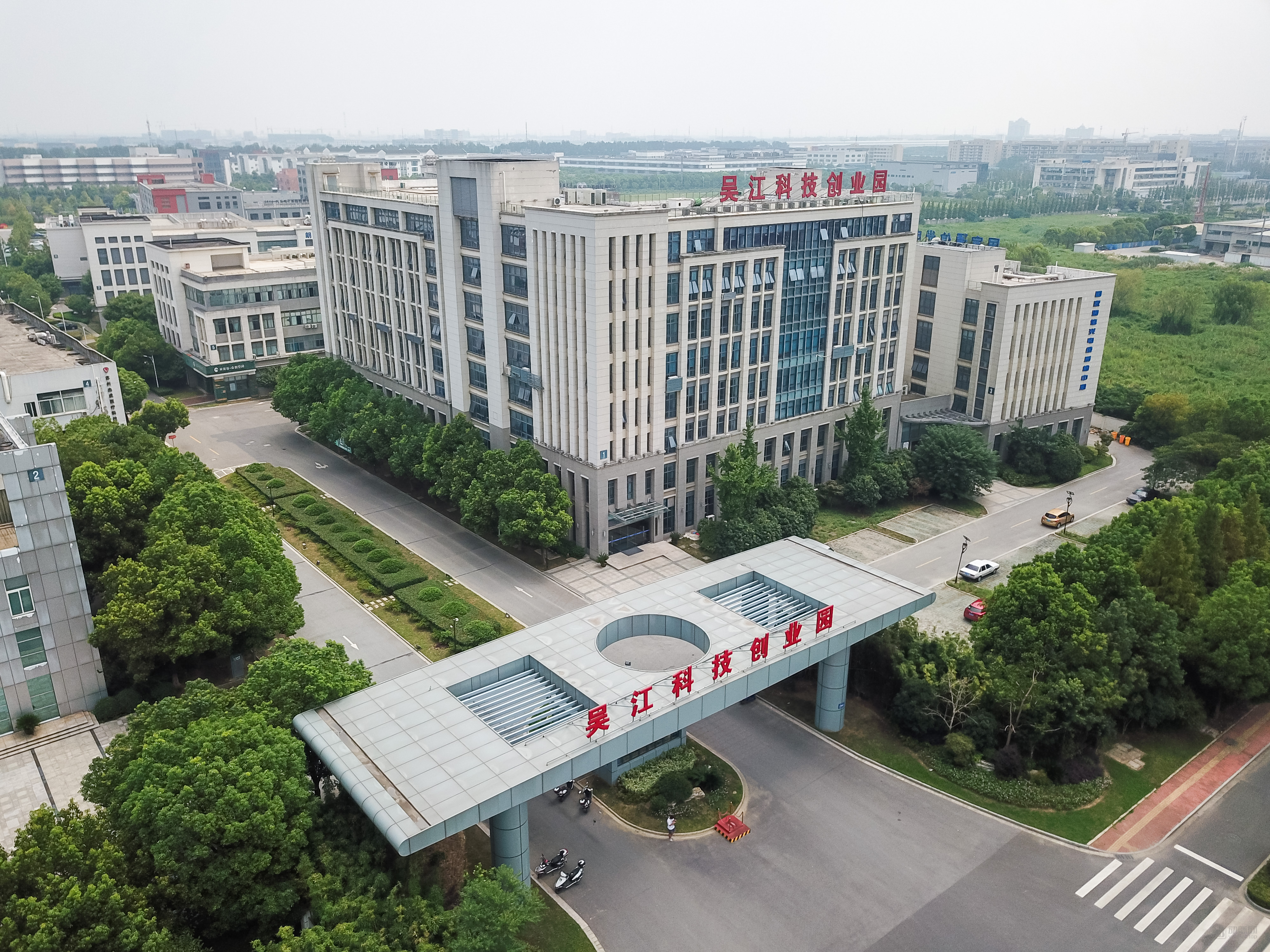
Wujiang boasts eight major economic platforms, with biopharmaceutical enterprises primarily clustered inWujiang Economic and Technological Development ZoneandJiangsu Fenhu High-Tech Industrial Development Zone, among whichDevelopment Zone Science and Technology Innovation ParkMost typically, numerous leading biopharmaceutical enterprises engaged in technological research and development are clustered here, primarily including developers of positioning systems for pulmonary endoscopy.Langkai Medicaland a developer and clinical application provider of oncology immune cell therapy drugs, with a focus on CAR-T-led therapiesFang Demenda。
In several key areas, Wujiang’s biopharmaceutical companies have also achieved remarkable accomplishments. For example,Zhonghe BioSelected for the first batch of 16 potential landmark enterprises in Suzhou; among them, its PD-1 monoclonal antibody is the first domestically developed innovative monoclonal antibody drug to receive marketing approval, a New Drug Certificate, and GMP certification, with sales revenue exceeding RMB 300 million within half a year of launch.ACROBiosystemsIt mainly provides raw materials for the preparation of novel coronavirus (SARS-CoV-2) detection reagents. In 2020, the company achieved revenue of RMB 180 million, representing a year-on-year increase of over 400%;Jiecheng MedicalThe J-Valve transcatheter biological heart valve is currently the only transcatheter valve worldwide capable of treating aortic regurgitation, offering a one-stop solution for aortic valve disease.TianxinheProvided mammalian cell culture media, bioreactors, and biopharmaceutical process technologies to domestic biopharmaceutical companies, successfully achieving import substitution;Weikang BiologyProbiotic products have made significant contributions to China’s nationwide pandemic response by leveraging their unique advantages in regulating the balance of the human gut microbiota.
Enterprises have always been the core element of industrial clusters and a key driving force behind their development. In Wujiang, although there are currently only over 100 biopharmaceutical companies, these established enterprises boast exceptionally high quality and generate more significant value.
Since the introduction of the bioindustry development plan during China’s 12th Five-Year Plan period, the compound annual growth rate of the bioindustry has exceeded 15%, demonstrating extremely rapid expansion. In 2020, the scale of the bioindustry surpassed RMB 10 trillion for the first time, with its value added accounting for over 4% of GDP, thereby establishing it as a leading sector in the national economy.
Leveraging a favorable revenue environment and unprecedented development opportunities, Wujiang will actively align with Suzhou’s “1+N” development layout for the biomedical industry—characterized by one core and multiple poles—in the coming years. It will strengthen research on the industrial chain and focus on promoting industrial development through three key initiatives, namely, making every effort toDevelop a portfolio of high-quality outcomes with independent intellectual property rights that meet international standards; introduce a cohort of external enterprises that possess core technologies and wield international influence; and cultivate a group of local enterprises with outstanding innovation capabilities and strong competitiveness in their areas of expertise, andUsing this as a foundation, we will gradually build a “new calling card” for Wujiang’s biomedical industry.
Specifically, Wujiang will focus its efforts on the following three dimensions.
First, strengthen the cultivation of key enterprises.Priority Development AreasBiologics dominated by antibody-based drugs, chemical drugs centered on small-molecule targeted therapies and novel formulations, and new medical devices such as digital diagnostic and therapeutic equipment, health monitoring devices, wearable medical devices, and medical robots,tilt policy support toward biopharmaceutical enterprises in terms of after-tax policies, financial assistance, and supporting measures; promptly help enterprises overcome difficulties and challenges; fully support enterprises in scaling up and strengthening their competitiveness; strive to cultivate a cohort of leading enterprises with revenues exceeding RMB 100 million, RMB 500 million, or even RMB 1 billion; and accelerate the formation of clustered competitive advantages.
Second, accelerate the development of carrier platforms.Key InitiativesDevelopment Zone Science and Technology Innovation Park, Taihu New City Biomedical Industrial Park, and Wujiang High-Tech Zone Emerging Industries ParkDevelopment of supporting platforms, focusing on themes such as pharmaceutical manufacturing, medical devices, and general health, to build a complete industry chain. We are actively establishing biopharmaceutical platforms—including centers for genetic testing applications, macromolecular biopharmaceutical testing, clinical medical testing, and formulation production—to provide significant support for the clustering of pharmaceutical enterprises in Wujiang.
It is worth mentioning that,Taihu New City Biopharmaceutical Industrial ParkCurrently under planning and construction, the project is poised to become Wujiang’s first specialized park dedicated to the biopharmaceutical industry. Reportedly, the initial phase covers 41.68 mu, with a gross floor area of approximately 30,000 square meters. It will focus on three key sectors: innovative drugs, biotechnology and emerging therapies, and high-end medical devices. The park aims to establish itself as a premier biopharmaceutical hub in the Yangtze River Delta and across China within three years, thereby accelerating the high-quality development of Wujiang’s biopharmaceutical industry.
Third, make every effort to attract future projects.Leverage the platform advantages of the Integrated Demonstration Zone, capitalize on the spillover effects from biopharmaceutical hubs such as industrial parks and Zhangjiang, actively undertake the relocation of high-quality biopharmaceutical enterprises, and streamline approval and regulatory measures.Accelerate the attraction of a batch of flagship and leading projects, thereby enhancing the depth and breadth of Wujiang's biopharmaceutical development.
The 21st century is an era in which humanity pursues health, and likewise a time when the biopharmaceutical and broader health industries have achieved substantial growth. Since the core of future urban competition will inevitably be industrial competition, those who can first achieve breakthroughs in the biopharmaceutical and broader health sectors will secure the strategic high ground in the competition among cities.
Unlike individual enterprises, industrial development must align with local endowments. For Wujiang, although its biopharmaceutical sector is still in its nascent stage, it is poised to achieve a qualitative leap in the future by leveraging policy advantages and a favorable revenue environment. It is likely to emerge as the fifth major regional industrial economic pillar, following the four dominant industries of silk textiles, electronic information, optical cables and fibers, and equipment manufacturing, thereby propelling the biopharmaceutical industry in Wujiang—and indeed across Suzhou—to new heights.