

5th Future Healthcare 100 Strong Conference Unveils 'The Computation of Life' Amid Digital Transformation
From April 16 to 18, 2021, the “5th Future Healthcare 100” Conference grandly opened in Wujiang, Suzhou. The event was hosted by VCBeat, co-hosted by the People’s Government of Wujiang District, Suzhou City, and the Guangdong Zhong Nanshan Medical Foundation, with support from Suzhou Wujiang Oriental State-owned Capital Investment and Operation Co., Ltd., and Alibaba Health as the exclusive strategic partner.
As a dedicated observer and recorder of the innovative healthcare industry, VCBeat officially launched the Future Healthcare 100 Forum in 2015. Over the past six years, it has grown into a renowned summit in China’s innovative healthcare sector, fostering the integration of industry and capital.
This conference has attracted participation from top listed healthcare companies, innovative enterprises, financial institutions, and medical practitioners both domestically and internationally. Distinguished attendees included Zhang Zhiyuan, Academician of the Chinese Academy of Engineering; Jiujun Zhang, Fellow of the Royal Society of Canada and Fellow of the Canadian Academy of Engineering; Shiqing Chen, Fellow of the American Academy of Arts and Sciences and Fellow of the U.S. National Academy of Engineering; Changming Li, Dean of the School of Materials Science and Engineering at Suzhou University of Science and Technology and Fellow of Academia Europaea; and Wang Jian, Deputy Director of the International Exchange and Cooperation Center of the National Health Commission.
Wang Guorong, Deputy Secretary of the Wujiang District Committee of the Communist Party of China and District Mayor, delivered a speech at the event.
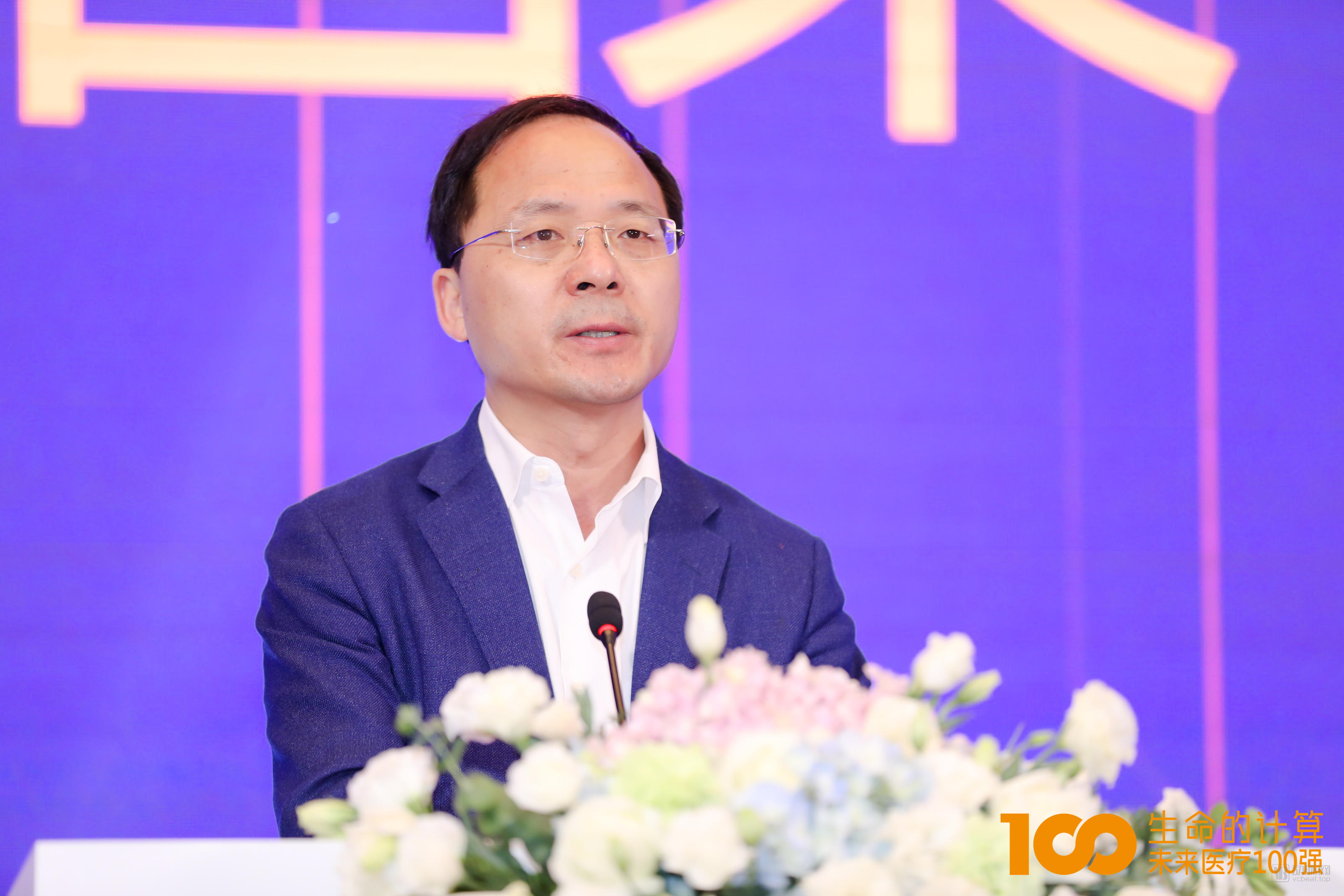
Deputy District Mayor Chen Jianzhong delivered a presentation promoting Wujiang.
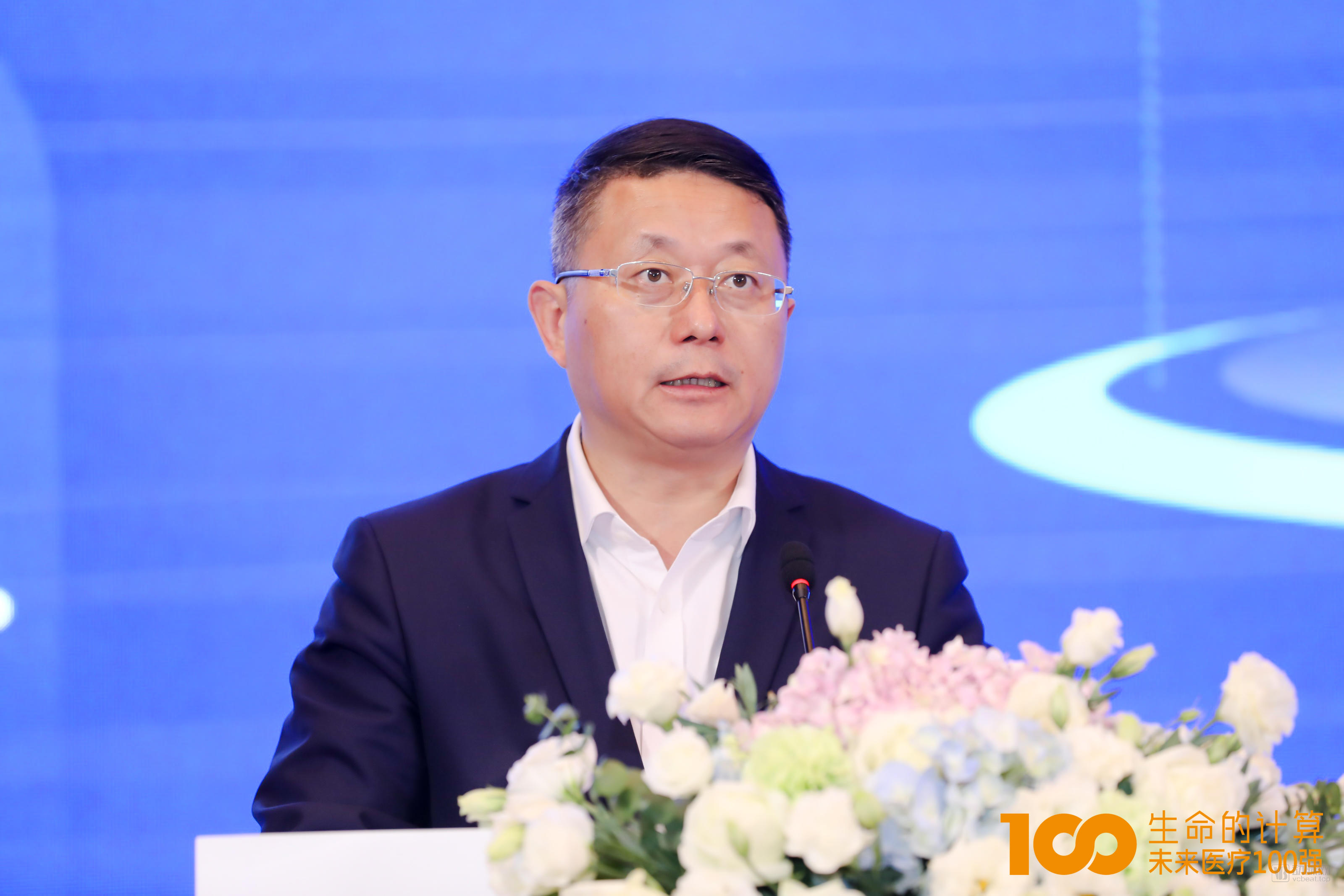
District leaders Qian Yu, Tang Weiming, Wu Jixiang, and others attended the event.
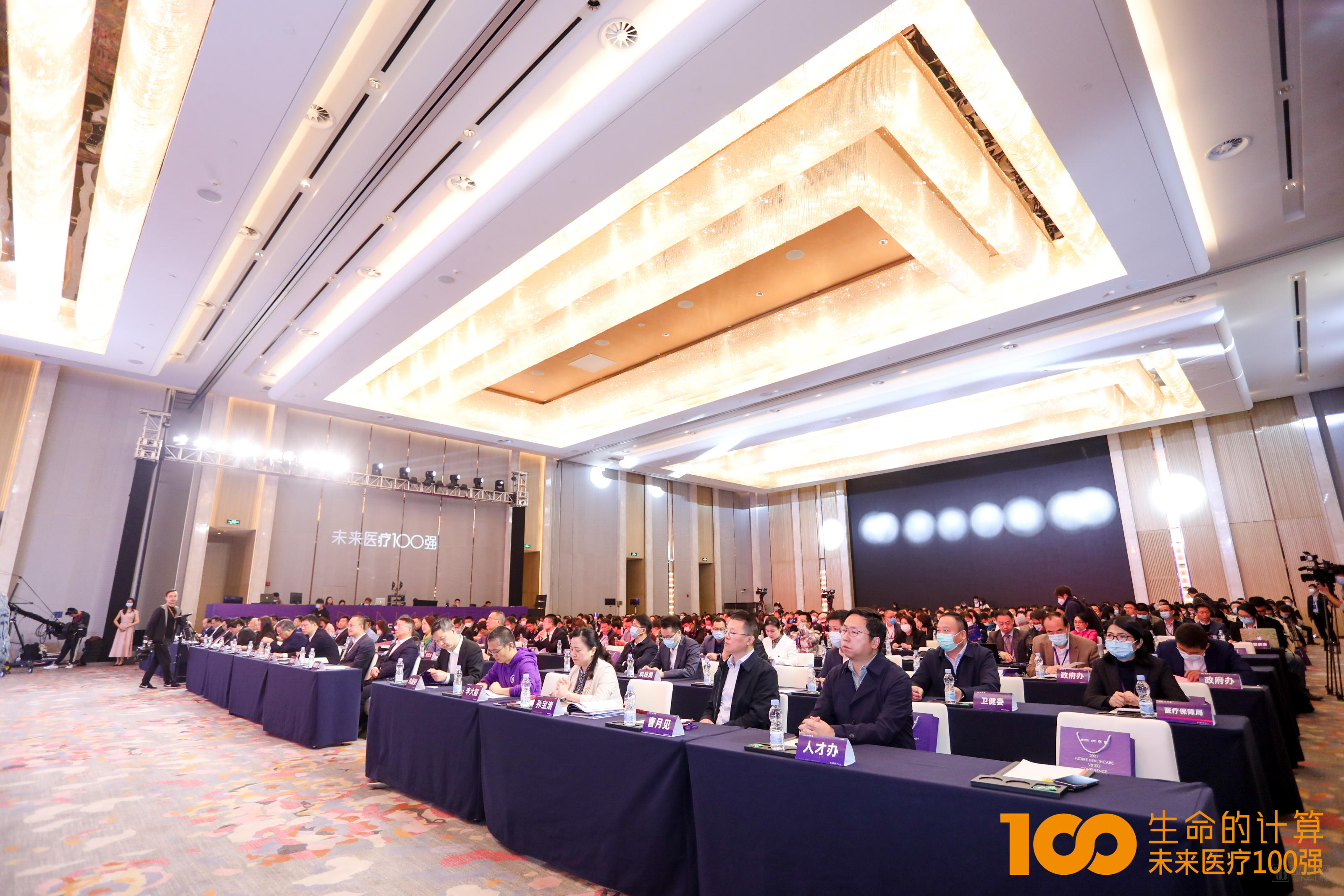
Over the course of three days, the conference will host 19 forums, bringing together 279 distinguished guests to focus on future trends, industry prospects, global perspectives, and venture capital dynamics. The forums include: Summit on Future Medical Trends, Summit on Future Medical Strategy, International Summit on Healthcare Innovation, Summit for Limited Partners and General Partners (LP-GP) in Future Healthcare Funds, Forum on Personalized Diagnosis and Treatment, Forum on Health Insurance Technology and Commercial Health Insurance, Forum on Innovative Practices in Primary Healthcare, Forum on Digital Therapeutics Innovation, Forum on Digital Marketing for Pharmaceutical Companies, Forum on the Development of High-Value Consumables, Forum on Innovative Development of Internet Hospitals, Forum on Translation of Scientific Achievements and Industrial Development, Forum on the Development of the Assisted Reproductive Industry, Forum on Data Intelligence and Payment Innovation, Forum on Innovative Development of Smart Hospitals, Forum on Health Management Innovation, Forum on Digital Drug R&D (ITBT), Forum on Early Cancer Screening, and Forum on Innovation in the Medical Aesthetics Industry.
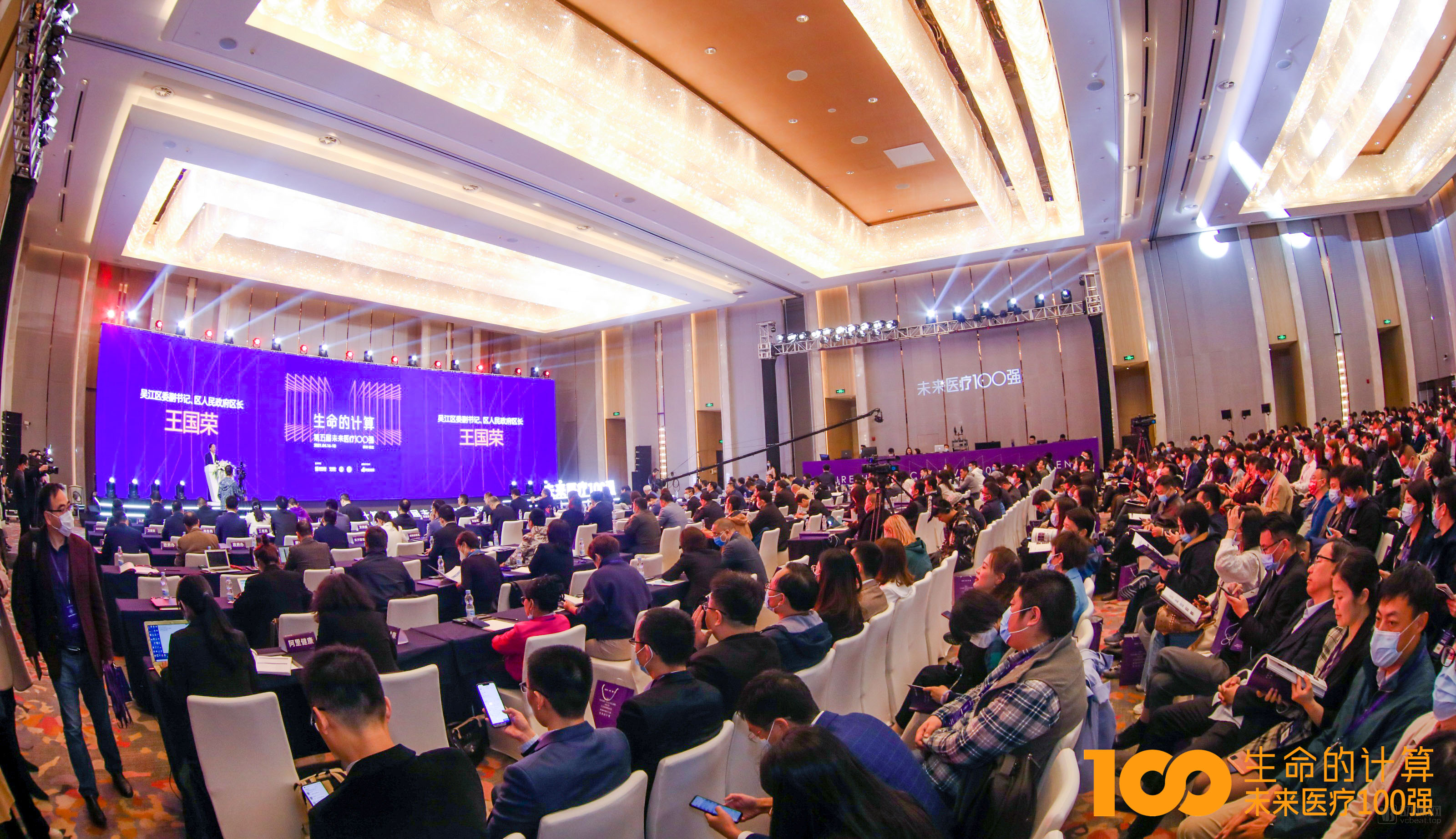
Theme of the Conference: “The Computation of Life” Globally, from individual health to population hygiene, and from healthcare institutions and their industrial chains to the global medical and health industry ecosystem, the healthcare sector is undergoing an unprecedented wave of digitalization.
Amid this process, as continuous breakthroughs and integration occur across three major technologies—biotechnology, information technology, and new materials combined with intelligent manufacturing—how should we reinterpret individual life and health? How can the intricate and complex biological world be captured, interpreted, and computed? This conference aims to provide a comprehensive analysis, offering insights into future trends in the healthcare industry and driving transformative innovation in the health and medical sector.
The conference attracted numerous industry leaders, who provided in-depth analysis and discussion on the future trends of innovative healthcare. Among the events, the “Future Healthcare Trends Summit,” held throughout the day on the 16th, drew particular attention. Distinguished speakers included Zhang Zhiyuan, Academician of the Chinese Academy of Engineering; Zhang Yuhui, Deputy Director of the Health Development Research Center under the National Health Commission; Zhu Shunyan, Chairman and CEO of AliHealth; Shi-Chiang Chen, Member of the American Academy of Arts and Sciences and Academician of the U.S. National Academy of Engineering; Li Changming, Dean of the School of Materials Science and Engineering at Suzhou University of Science and Technology and Member of Academia Europaea; Li Dongdong, Vice President of B-Soft; Deng Zhongping, Deputy General Manager of Sansure Biotech; and Yang Shuang, Executive Vice President of BGI Group.
Academician Zhang Zhiyuan of the Chinese Academy of Engineering: "Innovation and Development Trends in Medical Robotics"
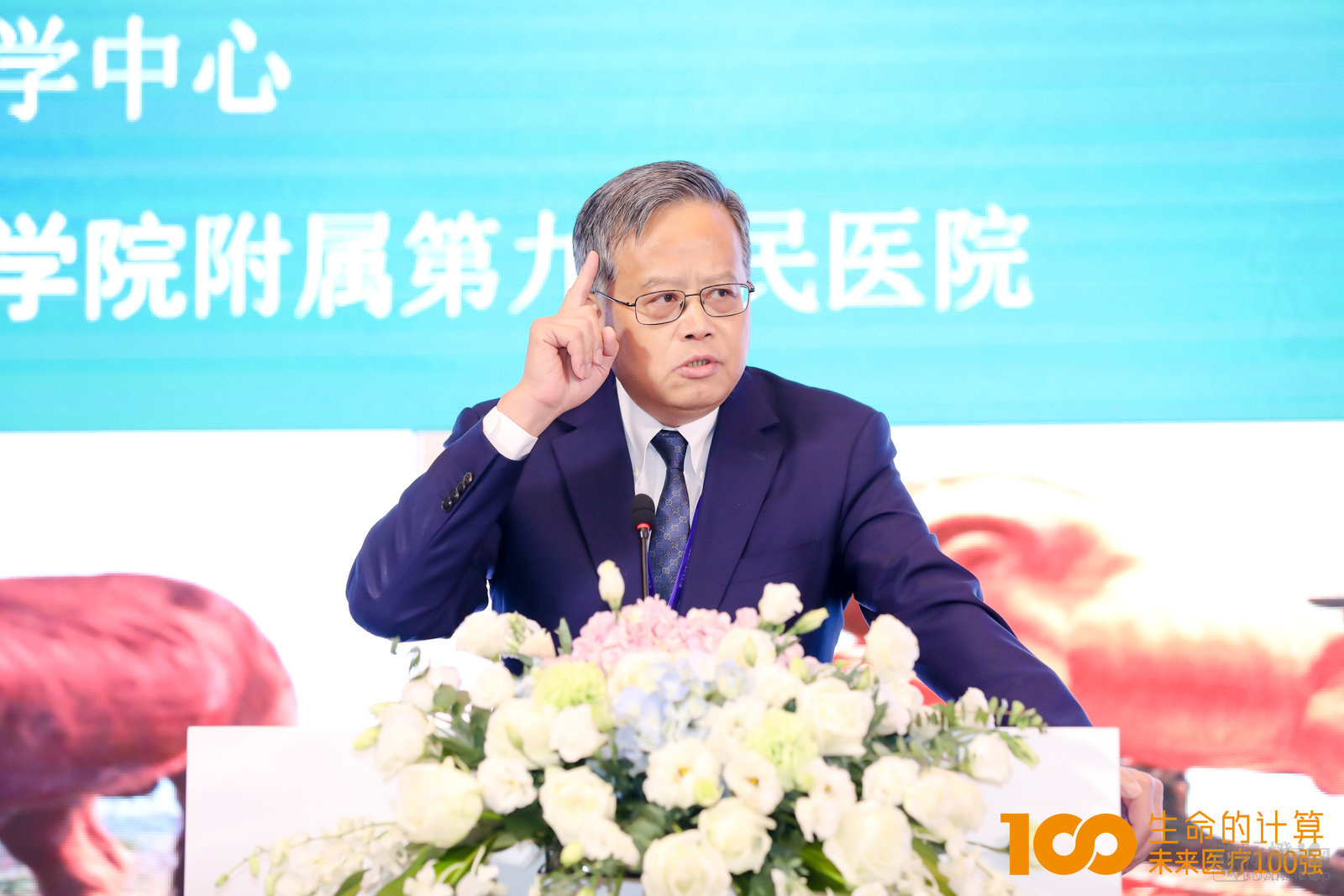
Although the da Vinci Surgical System dominates the international market, China has made significant progress in robotic R&D. Currently, navigation technology represents a critical bottleneck in domestic robotic development. From an application perspective, the primary focus of craniomaxillofacial surgical robot development is to address challenges in soft tissue surgery; from a technical standpoint, it is essential to enhance sensory capabilities, achieve true intelligent control, and advance minimally invasive miniaturization.
Zhang Yuhui, Deputy Director of the Health Development Research Center of the National Health Commission: "Development of the Healthcare System under the Trend of Smart Health"
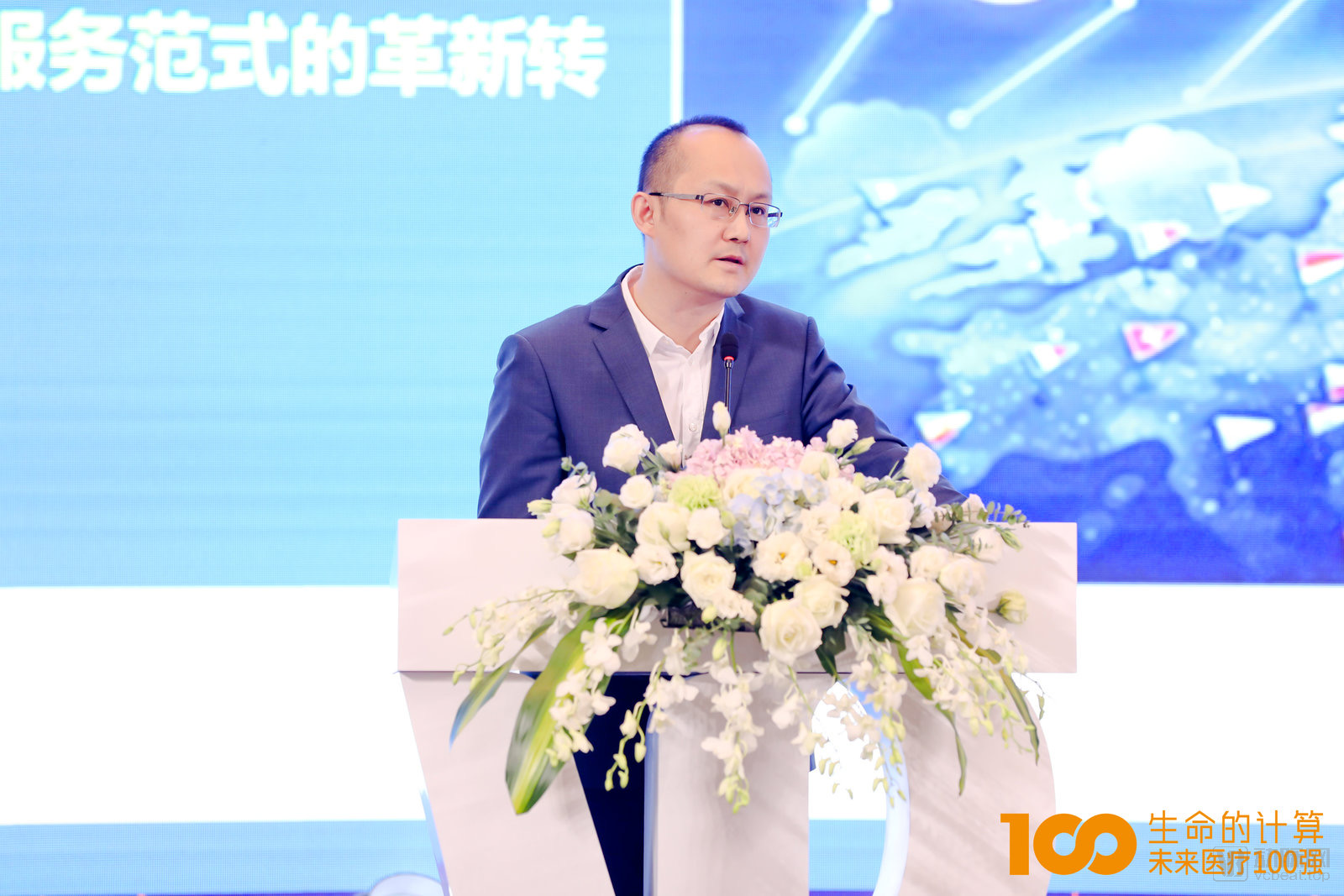
The healthcare system should be a three-tiered, multi-dimensional framework. Smart health represents an effective strategy for achieving leapfrog development and attaining higher levels of population health. It emerged as a prominent force during the prevention and control of the COVID-19 pandemic. In the future, intelligent healthcare systems will better meet the comprehensive health needs of individuals across their entire life cycle, encompassing prevention, diagnosis, treatment, rehabilitation, and health promotion.
Li Datao, Founder of VCBeat: “Leap in Computing Power: Innovation in the Atomic and Bit Worlds”
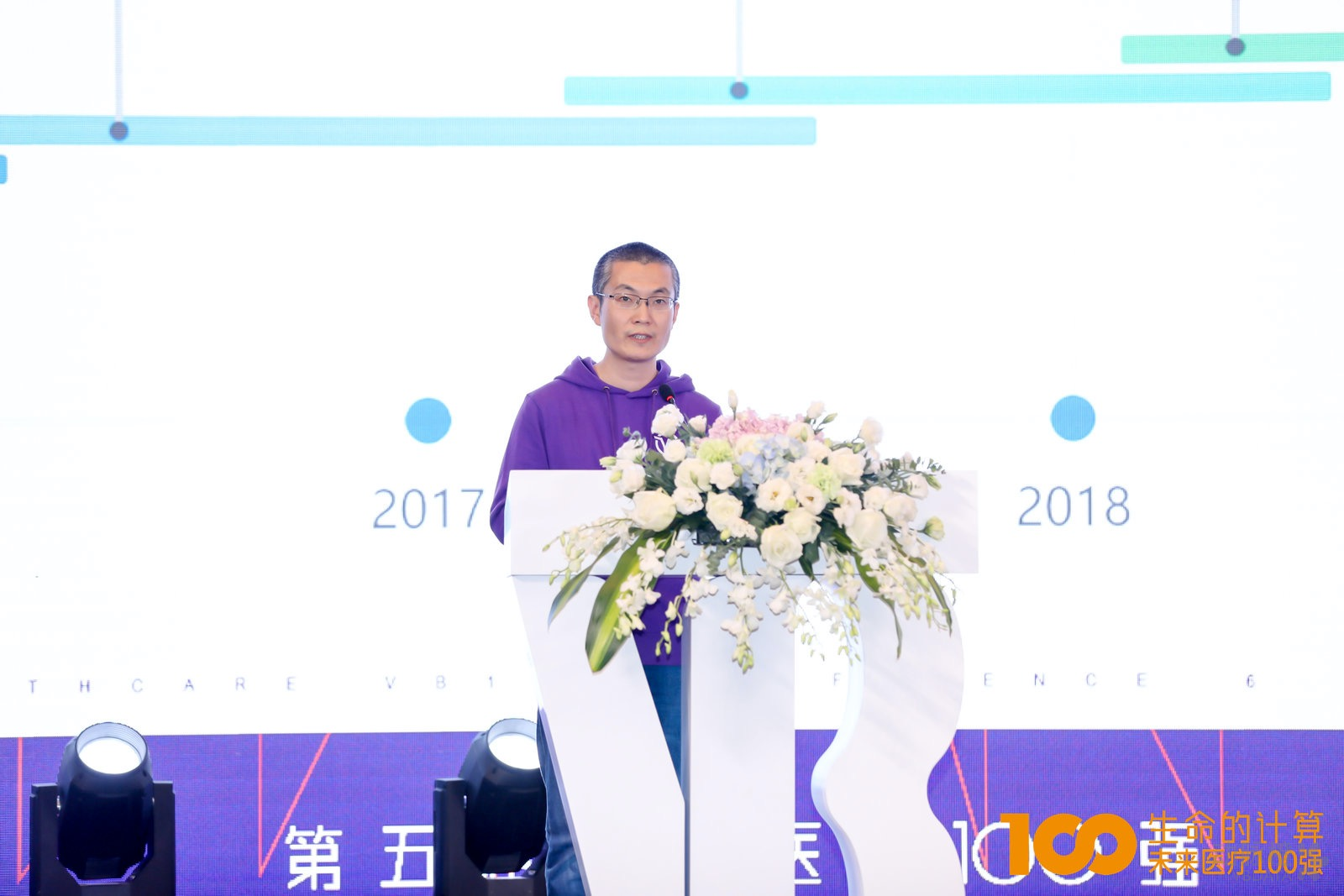
A new technological cycle, characterized by life sciences and intelligence, is dawning. By leveraging data foundations to provide asynchronous healthcare services across different times and spaces, we are reshaping the relationships among doctors, patients, and consumers. This shift brings new industrial insights and process reengineering centered around a new data axis, with digital therapeutics emerging as a crucial service delivery platform in the future. The "river of data," formed by data as a key factor of production, will also shape a corresponding new civilization. Here, every entity and every individual can be seen and carefully cared for; here, each of us has the potential to achieve a fulfilling and abundant life.
Zhu Shunyan, Chairman and CEO of Alibaba Health: "The Future of the Healthcare Industry Lies in Caring for Everyone's Quality of Life"
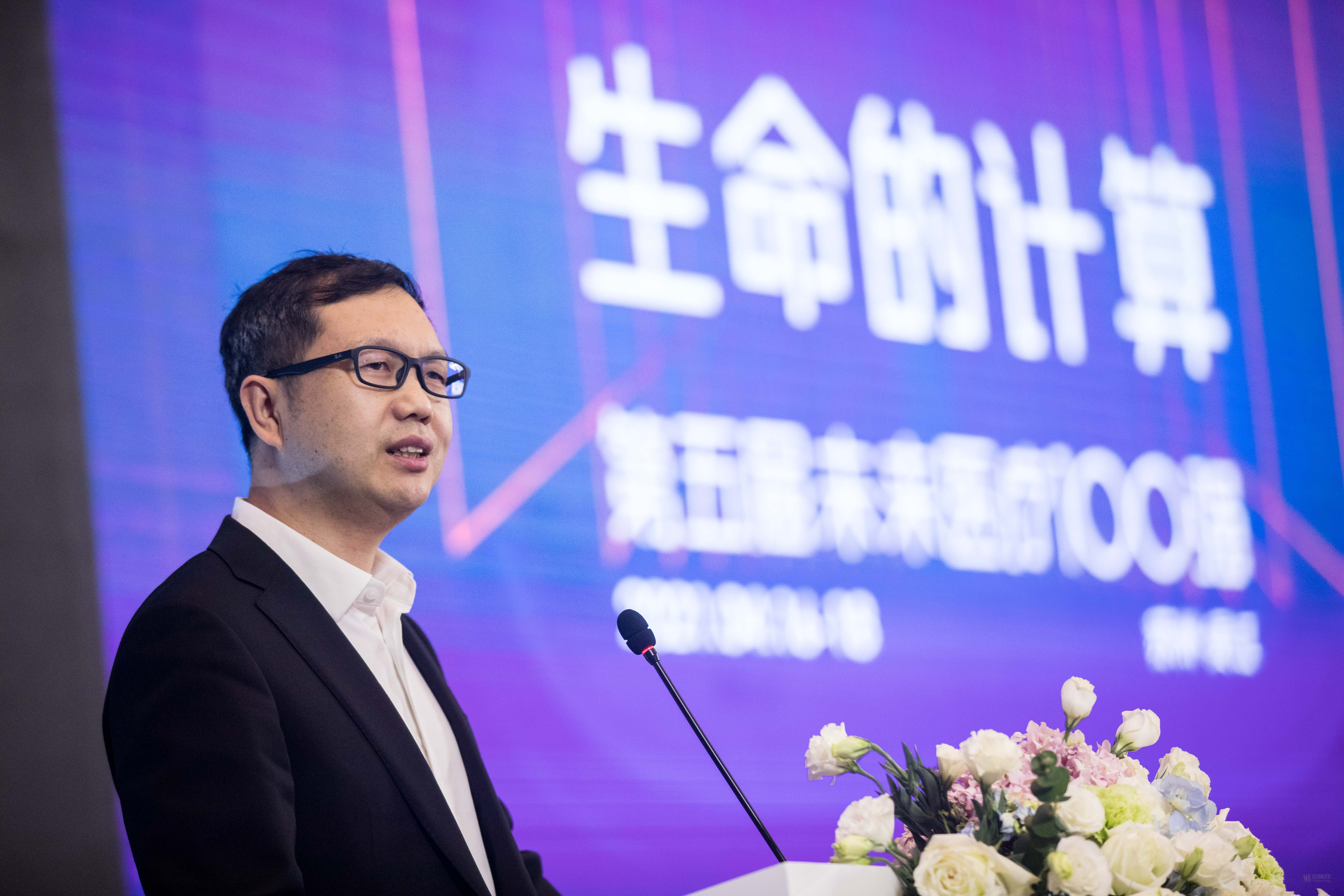
As an internet technology company, our aspiration is that Chinese people not only live longer but also live healthier lives with a high quality of life. In ten years, Alibaba Health aims to become China’s largest and most comprehensive provider of healthcare service infrastructure: helping 1 billion users develop healthy lifestyle habits, and enabling early prevention, screening, detection, and treatment through our platform, thereby infusing life with vitality. The future of the health industry does not lie in some poetic “sea of stars,” but right here beside us, in returning to a genuine care for the quality of every individual’s life.
Shiqing Chen, Member of the American Academy of Arts and Sciences and Member of the National Academy of Engineering: “Applications of Brain Science, AI, and Intelligent Supercomputing in Future Healthcare”
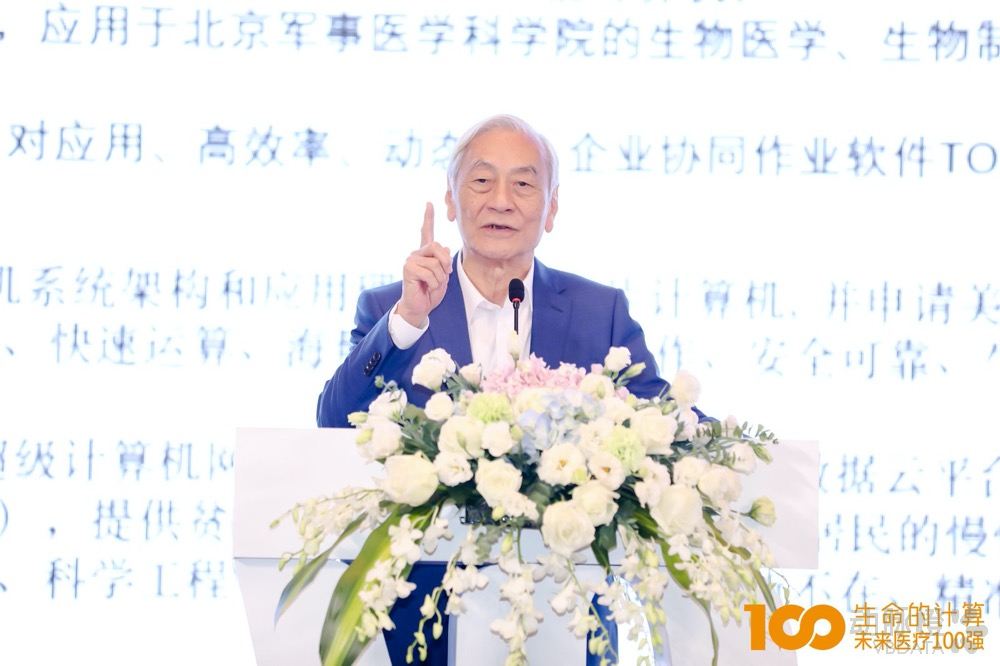
With the advent of artificial intelligence supercomputers, we have entered a new era of data-intensive supercomputing. The integration of “brain science, AI, and intelligent supercomputing” holds broad prospects for future medical applications. Establishing a disruptive technology innovation system with Chinese characteristics is of great significance for implementing the national innovation-driven development strategy, enhancing China’s scientific and technological strength, national competitiveness, and international discourse power, and ultimately positioning the country as a leader in shaping the new global landscape of science, technology, and the economy.
Li Changming, Dean of the School of Materials Science and Engineering at Suzhou University of Science and Technology and Academician of Academia Europaea: "Innovative Applications of Biosensing in Medical Diagnostics"
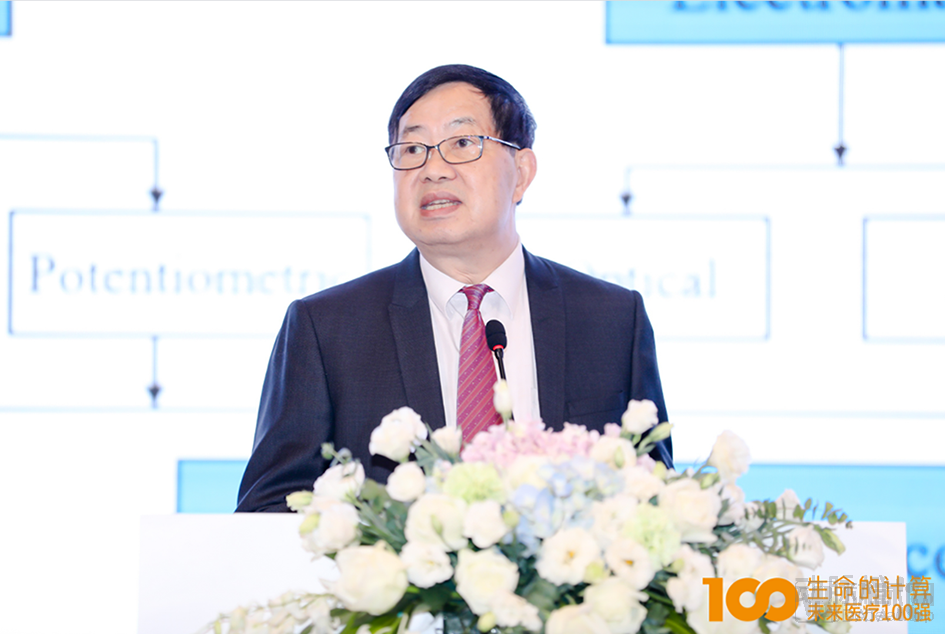
Biosensing in medical diagnosis features four key innovative elements: personalization, precision, data sharing, and timeliness. Current diagnostic approaches primarily consist of molecular diagnostics and conventional diagnostics, with molecular diagnostics experiencing rapid growth in China. Prominent manufacturing technologies currently being developed domestically include self-assembly techniques and 3D printing.
Li Dongdong, Vice President of B-Soft: "Building Healthy Cities, Constructing Future Communities"
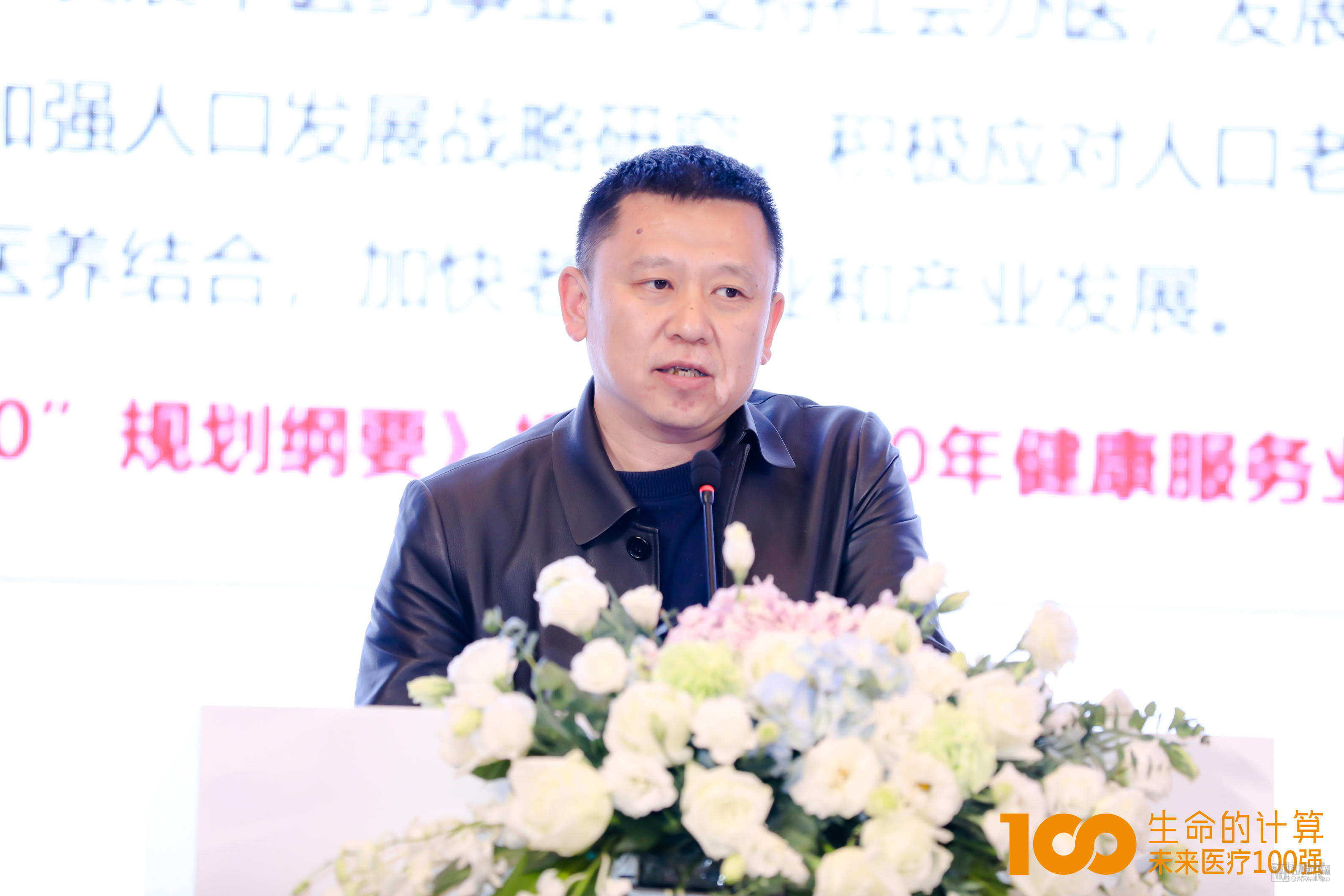
The goal of Healthy China is the "Centenarian Project," which creates personalized solutions for each individual based on personal health records and Traditional Chinese Medicine (TCM) wellness practices. What Winhealth does is to document life journeys. The initiatives under Healthy China include healthy cities, healthy communities, healthy households, and the "Thousand Factories, Ten Thousand Stores" program. The application of new technologies has expanded the dimensions of time, space, and target populations: internet technology extends temporal and spatial reach, while Internet of Things (IoT) technology expands the range of connected entities. By establishing medical consortia from the perspectives of disease management and regional coverage, this national-level model for chronic disease medical consortia involves hospitals, general practitioners, and specialists, providing professional public health services to every individual.
Deng Zhongping, Deputy General Manager of Sansure Biotech: "Opportunities and Challenges for Molecular Diagnostics in the Post-Pandemic Era"
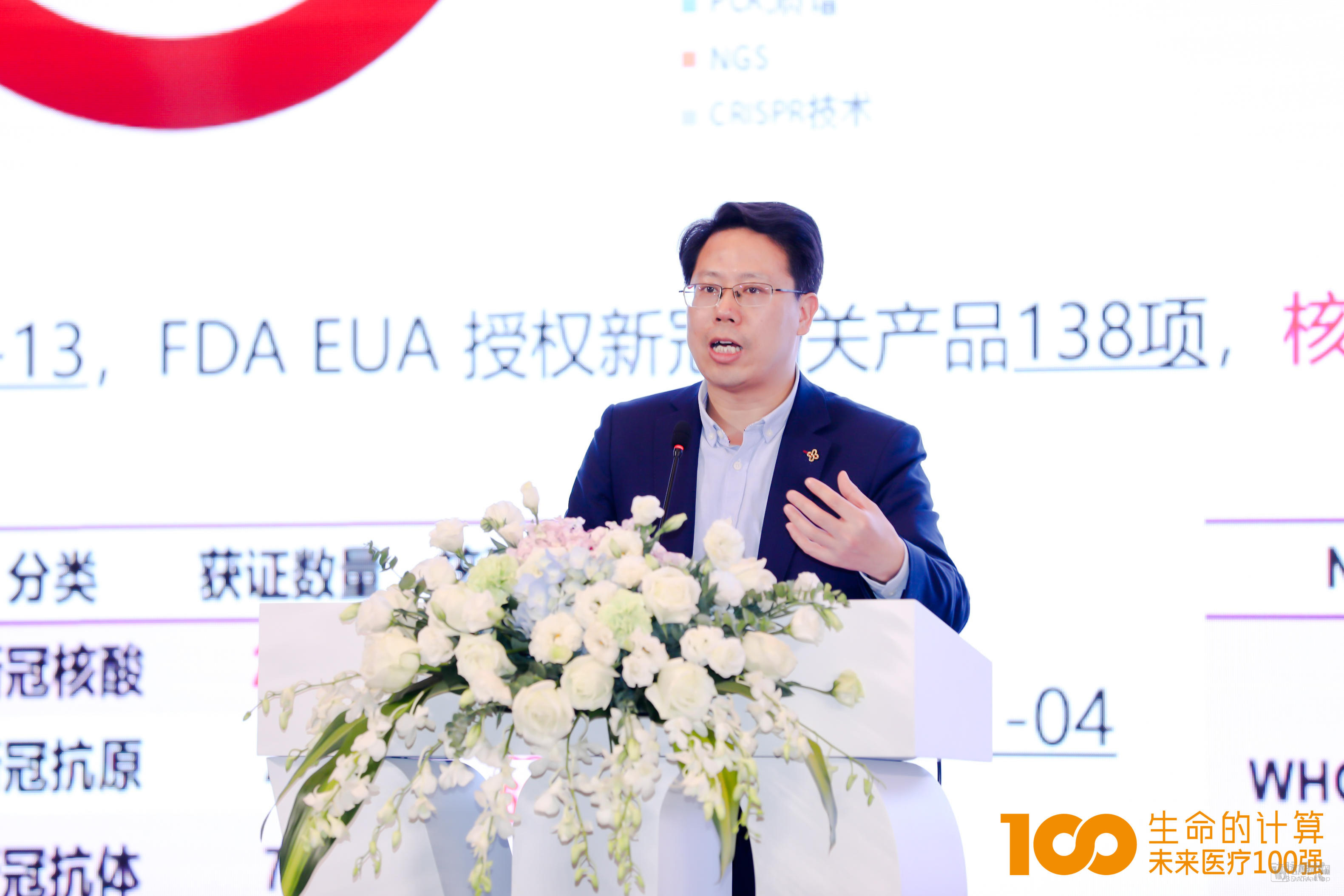
In the post-pandemic era, the global COVID-19 situation remains severe, placing immense pressure on domestic prevention and control efforts. Meanwhile, the burden of major diseases such as infectious diseases and cancer, along with their prevention and treatment landscape, remains grim. The national 14th Five-Year Plan’s strategic goals for healthcare and the ongoing construction of PCR laboratories at the county and municipal levels have ushered in both historic opportunities and industry challenges for the molecular diagnostics market. The rapid development of molecular diagnostics companies hinges on the establishment of robust systems, as weaknesses determine the pace of growth. Innovation and service are the driving forces behind sustainable corporate development; only by deeply engaging with clinical practice and addressing pain points and difficulties can industry-leading products be created. Sansure Biotech remains committed to value creation, collaborates with the industry to offer insights and recommendations, and actively promotes gene technology as a cornerstone force in serving human health.
Yang Shuang, Executive Vice President of BGI Group: “Building a Digital Product Ecosystem Starting from Gene Sequencers”
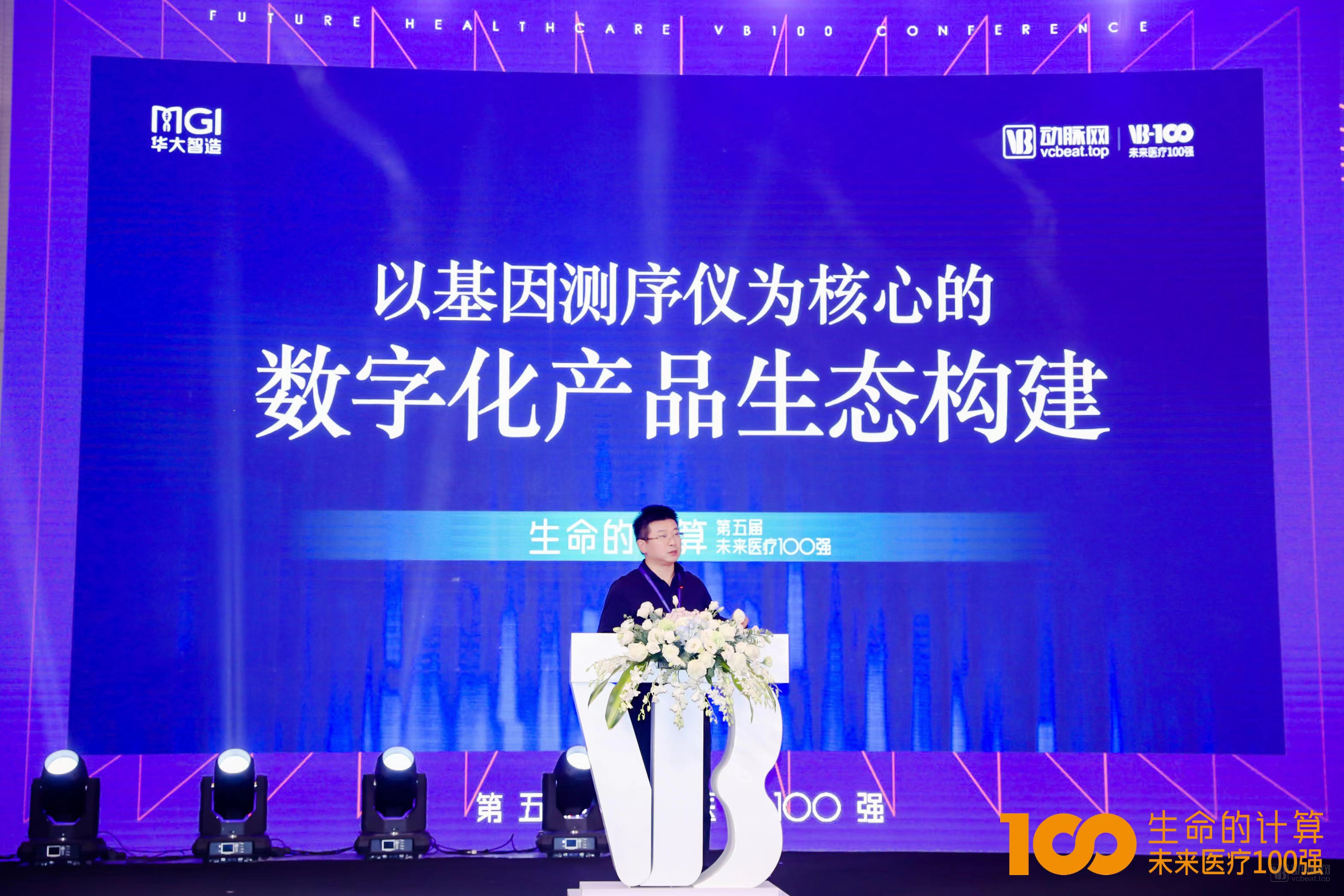
The Source of Life: Rooted in GenesLife originates from genes and adheres to the central dogma of biology, interacting with both internal and external environments to enable the proliferation and inheritance of life across time and space. As a provider of core tools for life sciences technology, MGI Tech places significant emphasis on the digitalization of its instruments. The company has launched the ZTRON suite of digital products, ranging from ZSM for digital management of biobanks, to ZLIMS for digital management of multi-omics laboratories, and extending to ZMART, a diversified application marketplace. This ecosystem allows users to implement digitalization in phased stages or integrate all components into the ZTRON All-in-One system for comprehensive digital applications, catering to diverse scenario-based needs. MGI Tech is an industrial arm under the BGI Group, serving over 1,000 clients worldwide across 50 countries and regions.
A total of seven industry research series reports will be released at this forum to explore development opportunities and innovative cases in niche sectors, thereby grasping industry trends. These include the White Paper on Digital Therapeutics in China (2021), Industry Report on Digital Marketing for Pharmaceutical Companies, White Paper on Internet Hospitals for Andrology Specialties, Anchoring Real Needs: Domestic Substitution and Service Empowerment—2021 Research Report on the Assisted Reproduction Industry, Emergence of Giants and Product Upgrades—2021 Industry Report on Early Cancer Screening, Regulatory Implementation: Comprehensive Application from Drugs to Devices—2021 Research Report on Real-World Studies, and Smart Hospitals Driving Comprehensive Transformation of Hospital Architecture: The Reconstruction of Next-Generation Healthcare Management Information Systems Is Underway. In addition, the 2021 Blue Book on the Gene Industry was released at the Personalized Diagnosis and Treatment Forum on the 16th.
The Future Healthcare Top 100 Conference has consistently prioritized the cultivation of venture capital relationships as one of its core principles. At this year’s event, VCBeat, in collaboration with the Israel Chamber of Commerce, UK Beyond Lab, MSQ Fund, and Beituo Capital, jointly hosted a global roadshow for innovative healthcare projects. Building on its ongoing commitment to connecting entrepreneurs with investors and facilitating dialogue between healthcare enterprises and leading investment institutions, the conference further enriched the international ecosystem for healthcare venture capital dialogue.
Launched in 2015, the Future Healthcare Top 100 list series is China’s first ranking dedicated to innovative healthcare companies that are not publicly listed. Introduced by VCBeat, VB100, and VCBeat Research Institute, the initiative aims to identify Chinese innovators who truly represent the future of healthcare, uncover the core driving forces behind China’s future healthcare industry, and promote innovation and transformation within the health and medical sector.
As of 2019, VCBeat has continuously identified the most representative innovative and high-potential companies in the healthcare industry through 13 main rankings of the healthcare sector, 30 sub-rankings covering specialized medical fields, a cumulative total of 1,475 listed enterprises, and an aggregate corporate valuation of RMB 1.18177 trillion. By adopting a broader perspective and conducting in-depth research, VCBeat aims to observe and gain insights into the direction of transformation in the healthcare industry, thereby driving the process of innovation and change in the health and medical sectors.
At the 5th Future Healthcare 100 Conference, five main rankings for the 2020–2021 Future Healthcare 100 were released, including the Top 100 Innovative Medical Devices in China, the Top 100 Innovative Medical Services in China, the Top 100 Digital Health in China, the Top 100 Innovative Pharmaceuticals in China, and the Top 100 Overseas Innovations. The “Pengcheng Awards” and “Weilan Awards” were also announced at the event.
The conference will run through April 18, featuring a total of 19 forums that continue to provide professionals in the innovative healthcare industry with insightful interpretations of future medical trends.