Weimai Re-Enters 'Future Healthcare 100' List with Breakthrough Innovations in Digital Therapeutics
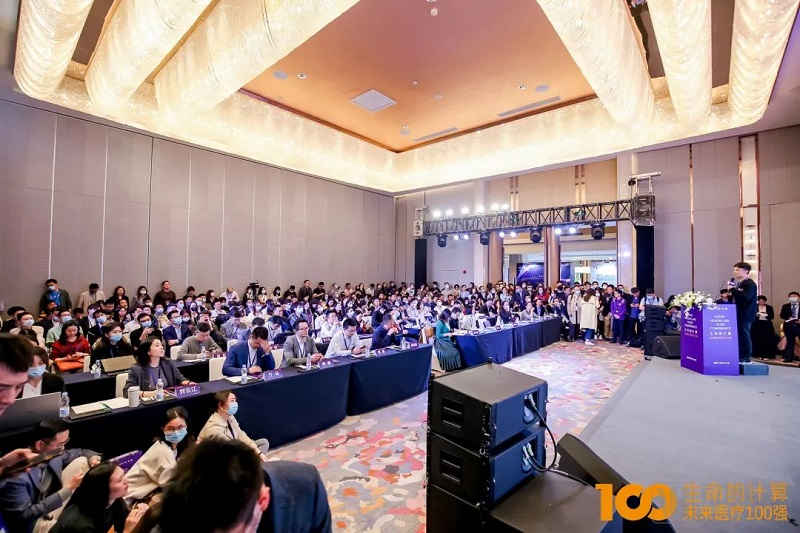
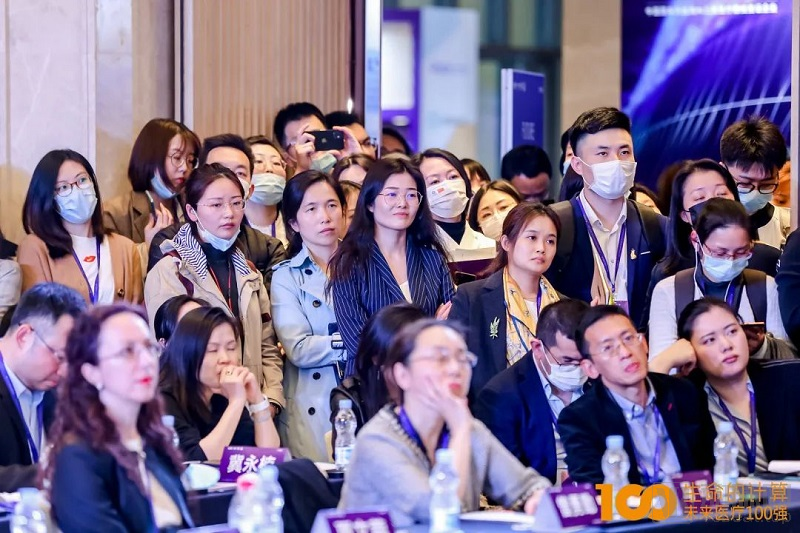
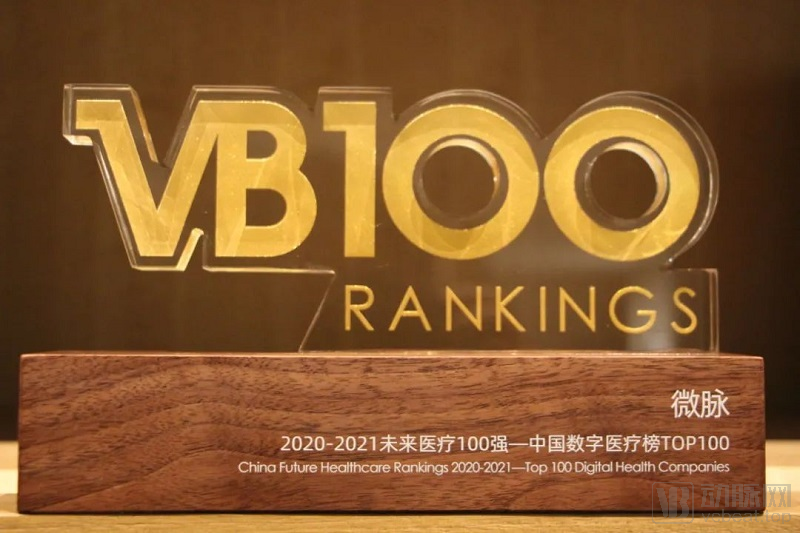
On April 16, the 5th Future Healthcare Top 100 Conference, themed “The Calculation of Life,” opened in Wujiang, Suzhou. During the event, VCBeat and Eggshell Research Institute jointly released the “2020-2021 Future Healthcare Top 100 List.” Leveraging its outstanding innovative practices and service capabilities in the “Internet + Healthcare” sector, Weimai once again ranked 8th on the “2020-2021 Future Healthcare Top 100 · China Digital Healthcare Top 100 List.”

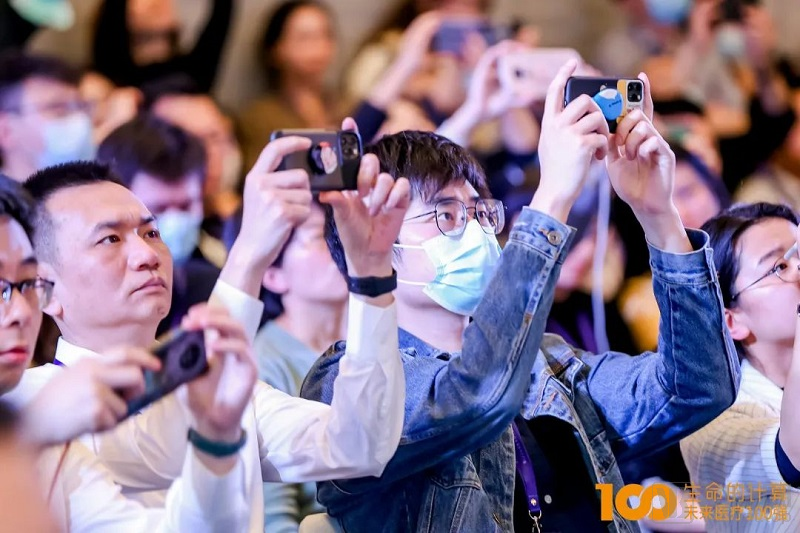
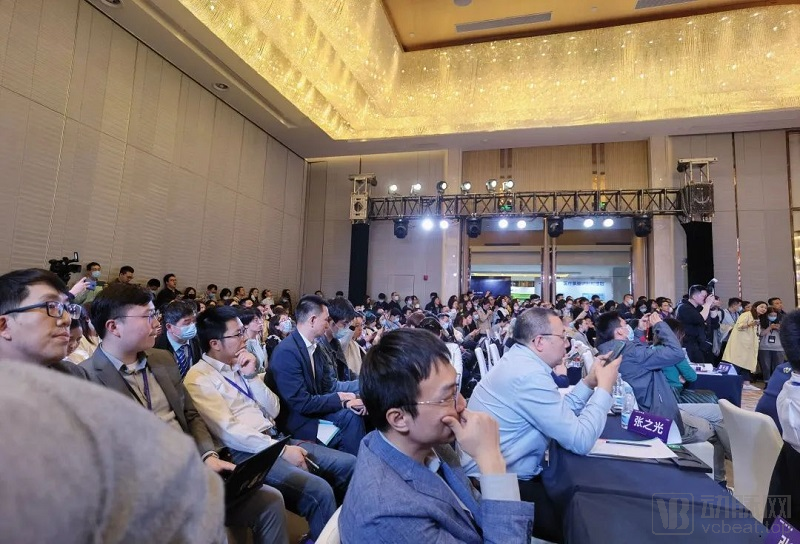
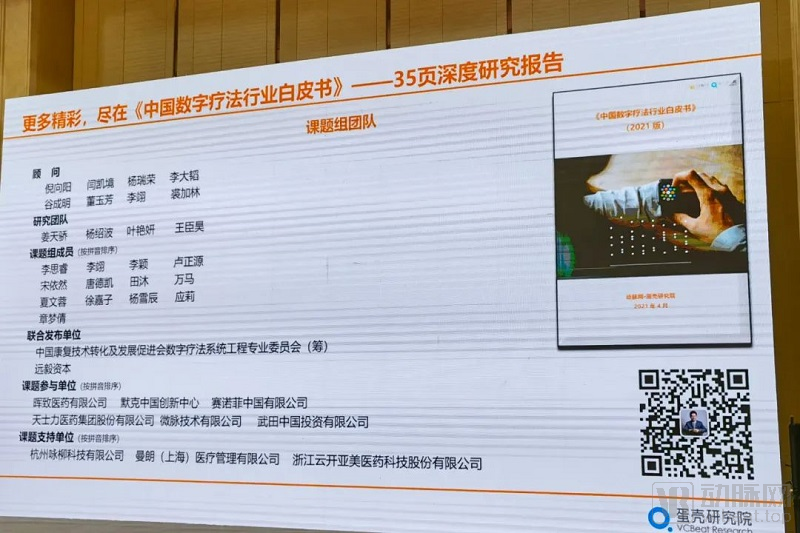
Meanwhile, the “Digital Therapeutics Innovation Forum,” the first industry forum in China focused on digital therapeutics, was successfully held on the afternoon of the 16th. Co-hosted by the Preparatory Committee for the Digital Therapeutics Systems Engineering Professional Committee of the China Association for Promotion of Rehabilitation Technology Translation and Development, Yuanyi Capital, and the Harvard China Health Association, the forum saw the inaugural release in China of the “2021 White Paper on China’s Digital Therapeutics Industry.” This initiative aims to refine the digital therapeutics framework, drive the development of the digital therapeutics systems engineering sector, and facilitate its industrial upgrading.
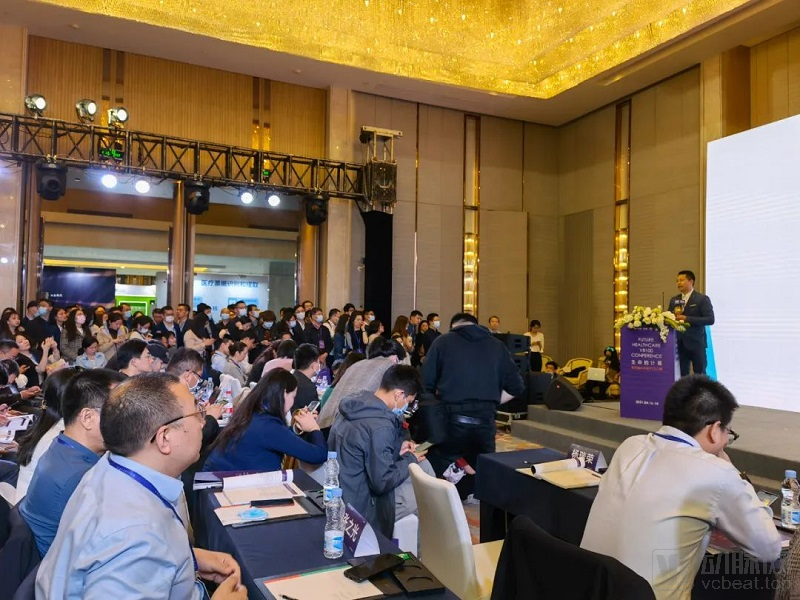
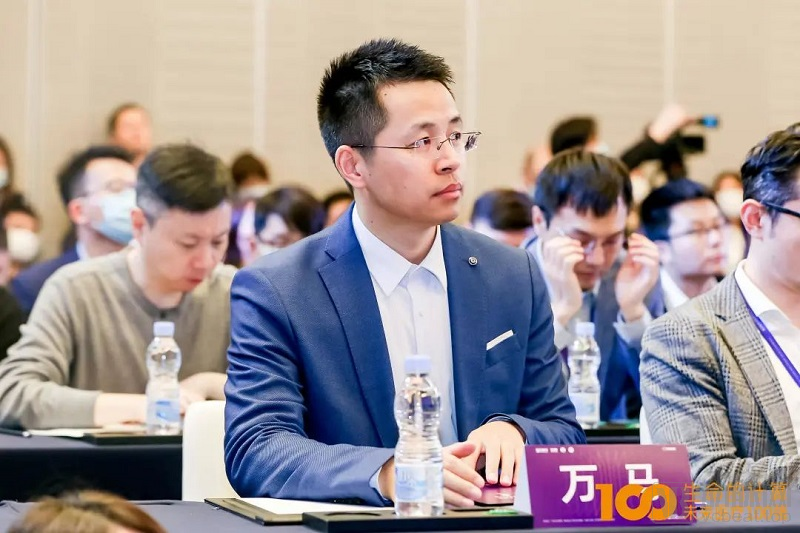
Dr. Wan Ma, General Manager of the Weimai AI Digital Therapeutics Center, was invited to attend the forum and delivered a keynote speech titled “Reflections on Disease-Specific Course Management Platforms and Digital Therapeutics,” sharing Weimai’s explorations and practices amid the wave of innovation in digital therapeutics. More than 20 industry experts and representatives from companies including Takeda Pharmaceutical, Sanofi, Viatris, and Merck also attended the event.
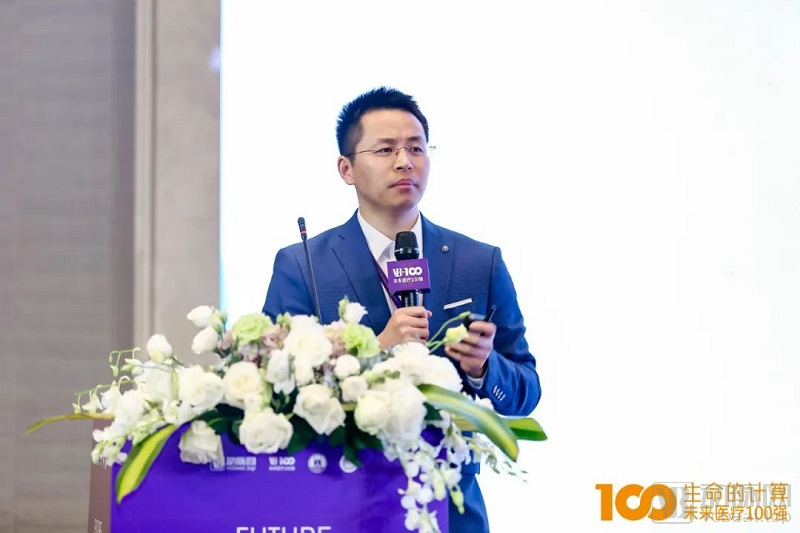
“As a leading digital therapeutics platform company in China, Weimai has initially explored digital therapeutics solutions for specific disease areas through its long-term practice in medical and health services. These solutions fully align with the fundamental principles for digital therapeutics products as defined by the Digital Therapeutics Alliance, the largest global alliance in the field, including software-driven medical interventions, integration of patient privacy and security protections, and adherence to best practices in product deployment, management, and maintenance,” introduced Wan Ma.
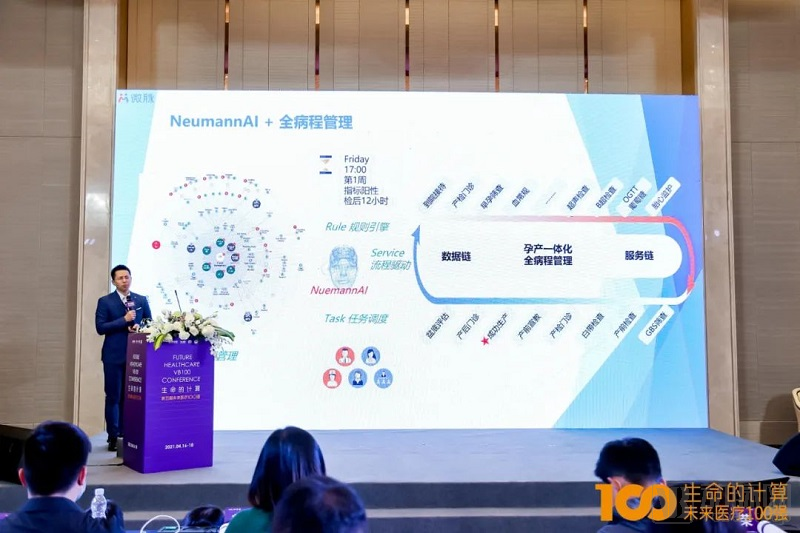
Weimai’s self-developed, medical-grade artificial intelligence system, Neumann AI, has established three core capabilities: virtual physician services, knowledge graph construction, and process automation. Leveraging natural language processing (NLP), machine learning (ML), and robotic technologies, the system enables medical-grade communication with discharged hospital patients on a large scale and within a short timeframe. It collects real-world follow-up data from patients, processes this information through a medical knowledge graph, converts it into structured textual data, and archives it in patients’ health records.
By integrating Electronic Medical Records (EMR) from public hospitals with Real-World Data (RWD), Weimai has proposed a novel architecture for digital therapeutics based on comprehensive data spanning both in-hospital and out-of-hospital settings. Grounded in the theoretical framework of (EMR + RWD)/Neumann AI = DTx, this approach has yielded thousands of digital therapeutic solutions tailored to specific diseases, providing patients with whole-course disease management services based on digital therapeutics. Targeting the vertical segment of patients with specialized conditions who require periodic medical and health management, Weimai organizes service teams led by attending physicians. Leveraging integrated capabilities that combine in-hospital and out-of-hospital care as well as online and offline services, it delivers a whole-course management pathway that extends from in-hospital to out-of-hospital and back to in-hospital care. This achieves a continuous, closed-loop digital therapy model encompassing “AI-driven follow-up,” “home-based rehabilitation,” “online follow-up consultations,” and “guided readmission for treatment.”
Regarding the practical value of Weimai’s digital therapeutics in patient care, Dr. Wan Ma cited an example: “For instance, during the rehabilitation of patients with malignant tumors, extensive oral ulcers often develop after chemotherapy, significantly impairing their quality of life. Weimai employs a whole-course management service based on digital therapeutics. By leveraging patients’ in-hospital diagnosis and treatment data, the system triggers regular AI-driven follow-ups to collect real-world rehabilitation data. Through AI algorithms, software-driven interventions are automatically administered at different time points, supplemented by manual intervention from online medical teams when necessary. This approach can substantially reduce the incidence of post-chemotherapy oral ulcers in patients with malignant tumors, accelerate the recovery process, and improve the overall quality of rehabilitation.”
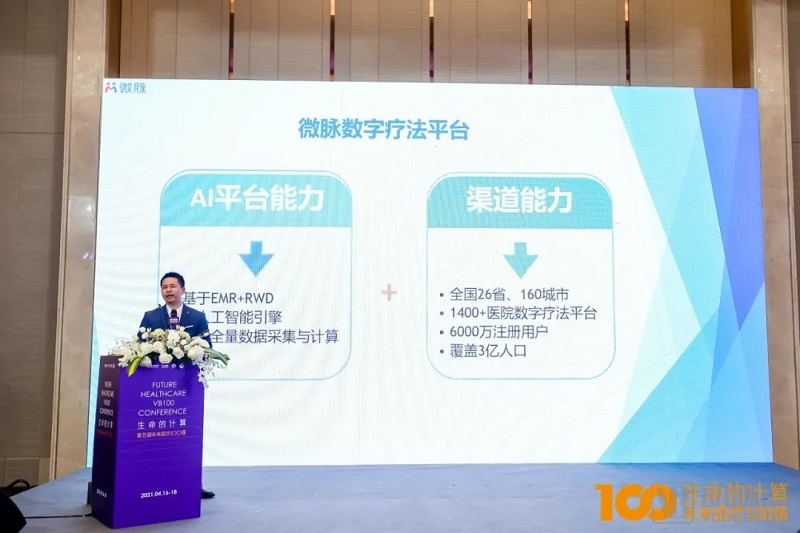
In his concluding remarks, Dr. Wan Ma stated that digital therapeutics in China are still in their nascent stage and require collaborative efforts from more ecosystem partners. Weimai expressed its willingness to open its platform and channel capabilities to all digital therapeutics companies, jointly building a digital therapeutics ecosystem focused on specific disease areas.
During the conference, the China Association for Promotion of Rehabilitation Technology Translation and Development also convened a preparatory meeting for the Professional Committee on Digital Therapeutics Systems Engineering in Suzhou, aiming to better promote high-quality development in China’s digital therapeutics sector. Leveraging its significant influence in the field of digital therapeutics, Weimai was invited to attend this preparatory meeting. Ying Li, Vice President of Weimai and General Manager of its Medical Center, spoke at the meeting as a founding member and the only specially invited internet industry representative, contributing to the formulation of a new blueprint for China’s digital therapeutics systems engineering endeavor.

Looking ahead, Weimai will steadfastly uphold its mission to “illuminate medicine with technology and make healthcare services accessible,” becoming a key force in the theoretical research and practical advancement of digital therapeutics systems engineering. It will continue to empower hospitals, departments, and medical professionals, delivering one-stop, comprehensive healthcare services—covering all populations, all aspects, and the entire care continuum—to a broader public.