Emergence of a RMB 40 Billion Market: Restructuring of Next-Generation Healthcare Management Information Systems [2021 Healthcare IT Report]
Generally, the term HIS is commonly used to refer to Hospital Information Systems. However, as hospital functions and forms continue to evolve, the definition of HIS has gradually expanded from its initial scope of financial management to encompass various operational systems, including physician order entry, LIS (Laboratory Information System), PACS (Picture Archiving and Communication System), and EMR (Electronic Medical Record). Under the wave of smart hospital development, this definition has further extended to include a broader range of intelligent modules.
HIS upgrade services have long been available, but the continuous expansion of functionalities has rendered patchwork fixes on legacy integration architectures inadequate for meeting the ever-emerging application demands. With the introduction of emerging technologies such as artificial intelligence and big data, the value of medical data is being redefined, prompting hospitals to reevaluate their data input and output processes and rediscover this once-obscured goldmine. Meanwhile, the deployment of technological infrastructures like the Internet of Things (IoT) and 5G has further complicated already redundant hospital management systems, imposing new requirements on system infrastructure.
Since 2017, calls for a new generation of hospital management systems have emerged. However, while upgrading existing systems is a minor undertaking, rebuilding them from the ground up is a major one; few established hospitals have had the resolve to undertake thorough informatization reforms. Yet, over the past three years, national health administrative authorities have begun to lead these informatization efforts. Coupled with the catalytic effect of the pandemic, rebuilding hospital management systems has gradually become an imperative consideration for hospitals across the board.
Seizing this opportunity, VCBeat’s VBInsight conducted an in-depth analysis of the development and current state of next-generation hospital management systems, as well as the challenges facing the industry, through extensive data collection, expert interviews, and corporate surveys. Its findings are summarized as follows:
1. Driven by the four major influencing factors—policy, demand, technology, and environment—the new generation of healthcare management information systems is entering the next phase;
2. New demands breed new markets; in the development of smart hospitals, medical consortia, medical communities, and private hospitals, the new generation of healthcare management information market will usher in an incremental market of no less than RMB 40 billion;
3. With participation from various types of enterprises in development, next-generation healthcare information systems lack a unified definition but must meet three key characteristics: being patient-centered, fulfilling policy rating requirements, and accommodating technological advancement needs;
4. Intelligentization is the development direction of hospital informatization, and the unification of concepts and the cultivation of talents are issues that must be addressed in medical informatization.
1.1 Thirty Years of Development and the Four Stages of Hospital Management Systems
Throughout the history of healthcare informatization, user demand for data has remained a constant thread; however, the emergence of new technologies and policies has gradually diversified the drivers of informatization development, giving rise to new opportunities.
Hospital Management Information System is a complex system whose defined business scope covers the entire process of hospital management and services, supporting the most critical medical procedures in the field of medicine. However, the current comprehensive definition was not achieved overnight but was gradually built up module by module, with its origins traceable back to the 1990s.
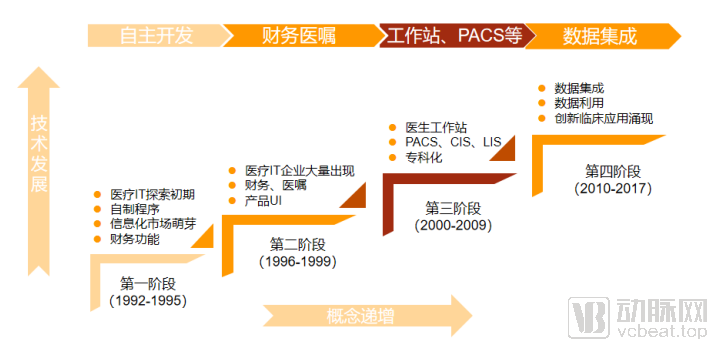
Four Stages in the Development of Healthcare Management Information Systems
Throughout its development history, hospital management information systems (HMIS) have evolved from an initial phase of autonomous development—driven by hospitals’ spontaneous efforts to enhance operational efficiency and reduce costs—to a model of collaborative growth between healthcare institutions and enterprises. Nevertheless, the overarching principle has remained centered on addressing the personalized needs of hospitals. Since 2017, the drivers behind medical informatization have become increasingly diversified, particularly following policy interventions, ushering in a new wave of development for hospital management information systems.
1.2 Driven by Multiple Forces, the Fifth Stage of Healthcare IT Is Poised to Emerge
Hospital informatization resembles a public good: hospitals bear the costs, while all stakeholders enjoy the benefits. Although hospitals stand to benefit from informatization investments in the long run, for most institutions, the opportunity costs and risks associated with deferred returns constitute a major barrier to proactively pursuing informatization initiatives. Only a small number of large tertiary hospitals with stable cash flows are willing to deviate from government guidance and engage in innovative attempts.
Meanwhile, surging pressure on medical insurance, rapidly increasing data value, continuously emerging technologies, and rising patient expectations for medical care are jointly driving reforms in healthcare informatization. For hospitals, the extensive growth model has resulted in system redundancy, inconsistent interfaces, and lack of data interoperability after the fourth stage, which constitutes another obstacle to their proactive reform efforts.
To help hospitals improve operational efficiency and provide patients with a better healthcare experience, the state has introduced a series of policies to break down internal barriers to hospital reform and unleash the intrinsic driving forces for change.
Overall, in the new phase, the driving forces behind the development of hospital management systems have diversified into four directions: policy-driven, environment-driven, technology-driven, and demand-driven. Policy-driven factors occupy a dominant position, technology-driven factors stimulate demand-driven factors, and environment-driven factors act as a catalyst throughout the process.
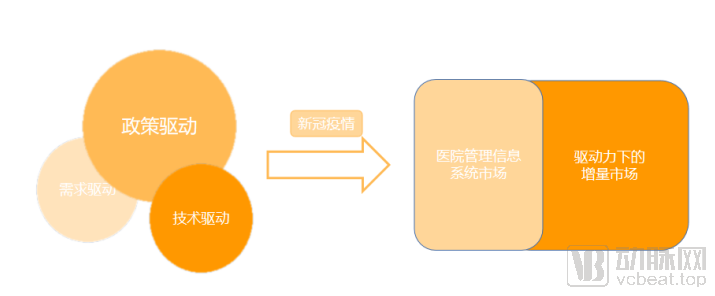
Policies, Demand, Technology, and Environment Drive Growth in the Market
However, while every hospital is influenced by the aforementioned drivers, the degree of incentive varies across institutions. Generally speaking, top-tier tertiary hospitals (Grade 3A), such as Peking Union Medical College Hospital and West China Hospital, already possess first-class health informatics capabilities and can meet corresponding needs without substantial new construction. For these hospitals, technological innovation and physicians’ demands are the primary drivers of reform.
For general tertiary hospitals, although they have a certain degree of foundational IT infrastructure, it is difficult for them to adapt to the demands of new technologies, and they lack the motivation to invest in informatization. For this category of hospitals, policy and technology are their primary drivers.
For secondary hospitals aspiring to upgrade to tertiary status, the national standards clearly define the direction of hospital information system development, enabling them to formulate more effective upgrade strategies. For this category of hospitals, policy serves as the primary driving force.
2.1 A Hundred Flowers in Bloom: What Characteristics Should the New Generation of HIS Meet?
The four stages of medical IT development also correspond to the four stages of evolution in hospital management information systems. Their definitions are continually evolving, but can generally be referenced as follows:
The Hospital Management Information System (HMIS) primarily consists of two major components: a hardware system and a software system. In terms of hardware, it includes high-performance central computers or servers, high-capacity storage devices, user terminal equipment distributed across various hospital departments, and data communication lines, which together form a computer network for sharing information resources. In terms of software, it comprises computer software systems designed for multi-user access and diverse functionalities, including system software, application software, and software development tools, along with various hospital information databases and database management systems.
Today, the development of hospital management information systems has entered a new phase. In this new phase, the content encompassed by these systems has transcended their previous definitional scope, with certain changes occurring in their developmental goals, forms, drivers, and even the definition itself. Nevertheless, their core must include the following characteristics:
Patient-Centered
The new generation of Hospital Information Systems (HIS) adopts a "patient-centric" design philosophy, placing paramount importance on the patient's healthcare experience. To achieve this objective, healthcare IT vendors must upgrade or replace various HIS modules to enable interoperability of medical data and coordinated management of healthcare resources. This includes implementing one-stop smart hospital services such as self-service appointment scheduling, telephone booking, and in-clinic appointment registration.
Meets Various Rating Requirements
The involvement of multiple national ministries has provided clear direction for hospital planning. Next-generation hospital management systems must meet the planning requirements associated with hospitals’ anticipated future accreditation ratings, thereby assisting hospitals in achieving designated performance indicators.
Meeting the Demands of Innovative Technological Development
Technologies such as cloud computing, big data, the Internet of Things (IoT), artificial intelligence, and mobile internet have imposed new requirements on internet protocols, hospital data storage, and network capacity. While complying with international standards including HL7, ICD-10, DICOM, and IHE, next-generation hospital management systems must be compatible with new metrics driven by these emerging technologies.
2.2 What Issues Must the New Generation of HIS Address?
The healthcare informatics industry is characterized by high entry barriers and is heavily policy-driven. A prominent trend in recent policy shifts is the increasingly assertive intervention of government authorities in informatization initiatives, with a series of regulations imposing stringent standardization requirements on healthcare IT infrastructure. Examples include the National Standards and Specifications for Hospital Informatization Construction, Electronic Medical Record (EMR) System Evaluation, Guidelines for Hospital Information Platforms, Technical Functional Guidelines, the Series of Smart Hospital Assessments, Health Insurance Fund Supervision and Control, and Diagnosis-Related Groups (DRGs).
Furthermore, the information systems of smart hospitals must possess rapid response capabilities and greater flexibility. Meanwhile, patients should be engaged throughout the entire diagnosis and treatment process. By fully leveraging technologies such as big data and AI and achieving their deep integration with hospital information systems, smart hospitals can capitalize on their advantages to make the entire diagnostic and therapeutic process more accurate, convenient, and efficient, thereby continuously driving the evolution of hospital informatization toward intelligence.
National policy orientation has shifted from medical services to "Healthy China." The introduction of policies promoting the broader health industry and "Internet Plus" has increasingly clarified the direction of informatization construction. Next-generation Hospital Information Systems (HIS) should focus on electronic medical record grading, information interoperability, decentralization of resources, and patient-friendly services.
Amid multiple factors, the demands of all stakeholders—demand-side (patients/health managers), supply-side (hospitals/physicians), resource providers (pharmaceutical companies/medical device manufacturers), and payers (public health insurance/commercial insurance)—will undergo changes.
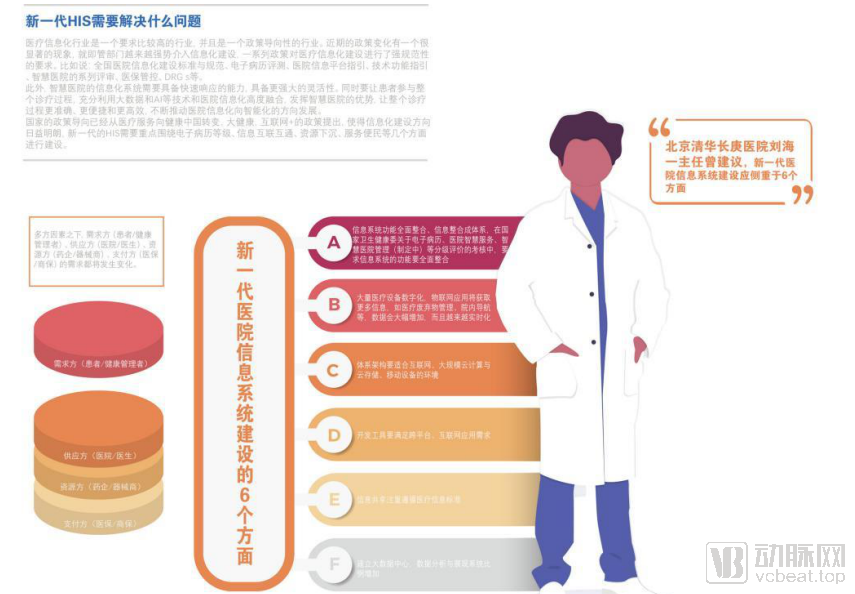
Construction of a New Generation Hospital Management Information SystemSix Aspects
To pursue development amidst change, Director Liu Haiyi of Beijing Tsinghua Changgung Hospital has suggested that the construction of next-generation hospital information systems should focus on six aspects:
1. Require comprehensive integration of information system functions and systematic consolidation of information; in the graded evaluations conducted by the National Health Commission regarding electronic medical records, smart hospital services, and smart hospital management (under development), it is required that the functions of information systems be comprehensively integrated;
2. The widespread digitization of medical devices and the application of the Internet of Things (IoT) will enable the acquisition of more data, such as for medical waste management and in-hospital navigation, leading to a substantial increase in data volume and greater real-time capabilities;
3. The system architecture must be suitable for environments involving the Internet, large-scale cloud computing and cloud storage, and mobile devices;
4. Development tools shall meet the requirements for cross-platform and Internet applications;
5. Information sharing emphasizes adherence to medical information standards;
6. Establish a big data center, with an increased proportion of data analysis and visualization systems.
2.3 Three Approaches for Healthcare Institutions to Iterate Their HIS
To further enhance intelligent capabilities, healthcare institutions need to upgrade their information systems. Healthcare institutions typically adopt three approaches when procuring next-generation Hospital Information Systems (HIS): phased replacement, integration platform-centric model, and integrated construction.
● Replacement via Overhaul: This refers to the comprehensive modernization of a hospital’s entire information system, based on the Interconnectivity Maturity Assessment. It involves thorough upgrades across systems such as HIS, LIS, PACS, clinical systems, decision support systems, and diagnosis and treatment platforms to achieve institution-wide information sharing. This approach is suitable for hospitals that already have informatization systems in place but find them inadequate for meeting actual operational needs due to requirements for upgrades or renovations.
Since hospital management information systems cover the entire spectrum of hospital administration, procuring a new system entails addressing numerous challenges, such as changes in physicians’ usage habits, software adaptation, and interface configuration. Therefore, this approach typically requires decisive commitment from senior management and their willingness to endure the transitional pains associated with system replacement.
● Transformation centered on an integration platform: This approach involves upgrading only the core Hospital Information System (HIS) and then progressively building an integration platform to achieve hospital-wide integration. Under this model, hospitals can achieve iterative improvements without replacing their existing hospital management systems. Specifically, healthcare IT vendors retain the components of the legacy system that provide stable support, while leveraging new platforms and technologies to address issues that are difficult to delineate or resolve. The primary challenge in implementing this model lies in defining and demarcating the problems within the existing information management systems.
● Integrated Construction: Refers to the procurement of information systems by hospitals that do not have an existing Hospital Information System (HIS). This approach is typically applicable to the IT infrastructure development of medical alliances and medical consortia, the digital transformation of private hospitals, or system acquisition for new hospital campuses. Currently, some primary healthcare institutions are adopting cloud-based HIS to connect with medical alliances.
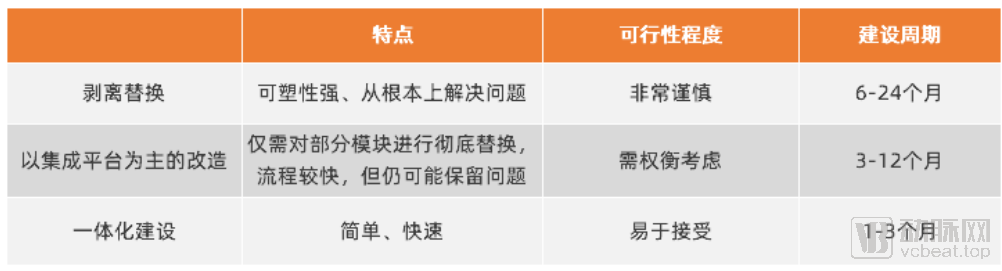
Differences Among the Three Approaches to Iterating Hospital Information Systems (HIS) in Healthcare Institutions
2.4 Differences in the Construction of New and Old Hospital Management Information Systems
The implementation cycle for next-generation Hospital Information Systems (HIS) is relatively long, typically ranging from 6 to 24 months. The entire process can be divided into two major phases: preliminary research and subsequent system deployment. These phases are further broken down into 15 steps: hospital assessment, preparation of tender specifications, public bidding, vendor group demonstrations, competitive consultations, contract signing, hospital-vendor communication, solution design, system demonstration, system installation, system debugging, system customization, trial operation, formal delivery, and operational maintenance. Compared with the past, the primary change lies in the hospital assessment phase.
Specifically, prior to tendering, hospitals must conduct a comprehensive survey of their overall informatization status, formulate development goals for the next phase, establish implementation pathways based on policies such as the Electronic Medical Record (EMR) System Functional Application Level Evaluation and the Interconnectivity Standardization Maturity Measurement, and plan budgets in accordance with the "Basic Functional Specifications for Hospital Information Systems." Under the traditional model, hospitals typically defined Hospital Information System (HIS) requirements based on immediate pain points; however, in the new stage, proposed objectives must simultaneously address current informatization needs and the hospital’s information development requirements over the next 5–10 years.
Furthermore, enterprises should also note:
1. Procurement channels do not affect product design; policy orientation, industry demand, product characteristics, and design philosophy are the key factors influencing product design;
2. High-efficiency work requires addressing common needs, incorporating a patient-centric philosophy into product design, and continuously optimizing processes;
3. After the system goes live, continuous addition of new features and workflows, as well as modifications, will be required; therefore, product design must account for secondary development and rapid deployment capabilities.
2.5 Practical Case Study of Next-Generation Hospital Management System Construction
1. Jinan People's Hospital
Jinan People's Hospital, in the course of its business development, has faced growing demands such as increasing patient volumes and the architectural requirements imposed by new technologies. In 2020, the hospital upgraded and modernized its Hospital Information System (HIS).
The primary driver behind the renovation of Jinan People’s Hospital is its growing demand for technologies such as artificial intelligence (AI) and the Internet of Things (IoT), coupled with a sharp increase in outpatient volume. The upgrade focuses on key systems, including outpatient registration, scheduling, payment processing, nursing stations, and physician workstations.
The head of the Information Technology Department at Jinan People's Hospital stated: "The focus of this system upgrade and transformation is to ensure the security, stability, and scalability of the product's underlying architecture, while refining the granularity of existing hospital operations and enhancing personalized business design. This will guarantee seamless integration between business processes and the platform. By leveraging data science and intelligence to support refined operational execution, we ensure that business activities are conducted in a rational and orderly manner."
The hospital information system upgrade has yielded significant results: 1. Consultation efficiency has improved markedly, with physicians’ consultation times per patient shortened during the same time slots; 2. System usability has been enhanced, offering greater convenience and a more user-friendly interface that enables physicians to complete all patient-related operations within a single screen; 3. The expansion of electronic medical record (EMR) grading criteria has standardized management and data practices, truly achieving end-to-end quality control and scoring by seamlessly integrating workflows from the physician’s HIS workstation to nursing tasks and comprehensive medical documentation.
The hospital is currently undertaking rigorous and orderly preparations for the Level 4 Grade A Interconnectivity Assessment and the Level 5 Electronic Medical Record (EMR) Evaluation. By leveraging these two gold standards of healthcare informatization, the hospital aims to truly promote development through assessment, thereby making its management more standardized and efficient.
2. A tertiary hospital in Southwest China
In December 2020, a hospital in Southwest China partnered with a healthcare IT company to jointly upgrade the hospital’s HIS system.
The hospital initially adopted the “Military System No. 1.” As its operations expanded, this system gradually failed to meet growing demands, such as increasing patient volumes and architectural requirements posed by new technologies. In 2012, the hospital upgraded its Hospital Information System (HIS) based on “Military System No. 1.” Seven years later, the system encountered new bottlenecks.
The primary impetus for this hospital’s renovation stems from its growing demand for technologies such as artificial intelligence (AI) and the Internet of Things (IoT), as well as a sharp increase in outpatient volume. The upgrade focuses on key systems, including outpatient registration, outpatient scheduling, self-service kiosks, outpatient payment, outpatient nursing, day surgery, and the outpatient physician workstation. Influenced by multiple factors, the hospital procured a next-generation healthcare management system from a medical IT company through a partnership with a bank.
A relevant official stated: “Systems provided by enterprises often have certain issues, such as insufficient granularity and difficulty in meeting personalized requirements.”
Taking the triage and queuing system as an example, while it can indeed facilitate precise half-hour interval appointments and registrations, determining the number of appointment slots to release within each half-hour requires data support. In the context of internet-based healthcare, some patients may have already completed certain diagnostic and treatment procedures online, visiting the hospital solely for prescription refills or test orders. In such scenarios, the number of slots released per unit of time varies, necessitating a more granular slot allocation model for hospitals. Secondly, UI design is crucial as it impacts system usability; the new system must accommodate physicians’ established operational habits.
Throughout the entire renovation process, the preliminary foundational research was the most time-consuming. According to the person in charge, the hospital’s Information Technology Department spent several months working on the underlying architecture, platform, and security, gradually aligning each of the hospital’s business operations with the platform.
For this hospital, policy drivers are not the primary impetus, as its information systems already cover the vast majority of evaluation criteria from previous construction phases.
2.6 Corporate Landscape
As the foundation of hospital informatization, service providers in this field often need to possess extensive experience in information technology. Consequently, during this current wave of development, most providers of next-generation Hospital Information Systems (HIS) have been established for over a decade. Newer entrants tend to offer cloud-based HIS services to hospitals, rather than engaging in direct competition with incumbent enterprises in the traditional information systems market.
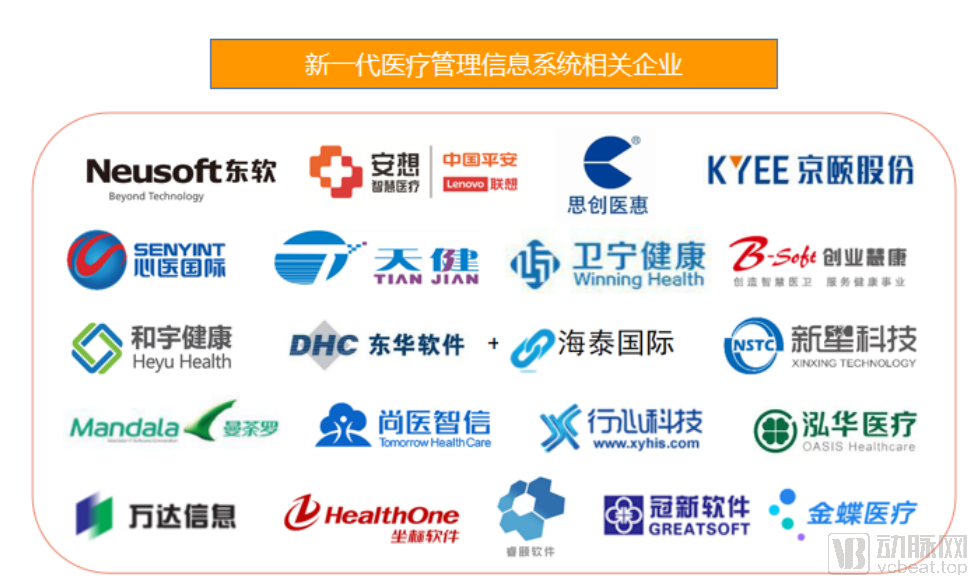
Enterprise Landscape of Next-Generation Hospital Management Information Systems
>>>>
3.1 Prospects Analysis of Hospital Management Information Systems
Since 2000, with the comprehensive development of Hospital Information Systems (HIS), a large number of hospitals have successively purchased related equipment. However, due to the lack of revolutionary changes in system architecture during subsequent development, hospitals have typically adopted a "patchwork" approach to optimize their systems. Under these circumstances, the information systems in many hospitals have been in use for nearly 10 years.
However, with the widespread adoption of the concepts of smart hospitals and internet hospitals, coupled with the integration of emerging technologies, Hospital Management Information Systems (HMIS) have once again become a focal point of attention. This time, however, hospitals rarely mention HMIS as a standalone item in public tenders; instead, they are increasingly incorporated into broader smart hospital construction projects as part of the overall scope. Under this trend, hospitals have put forward new requirements for the capabilities of healthcare IT enterprises, thereby opening up new markets for next-generation healthcare management information systems.
According to data from VCBeat Research Institute, the average investment in smart hospital construction for a single large hospital is approximately RMB 13.88 million, while the average investment in IT infrastructure for a single medical consortium or medical community is approximately RMB 14.63 million. The annual service fee within the industry is typically 5%-8% of the contract value, not exceeding 10%. In 2020, the total market size of next-generation healthcare management information systems in China was approximately RMB 40 billion.
3.2 Research on Tender Information for Smart Hospitals in Public Hospitals
Statistics from the China Government Procurement Network’s bidding data between 2018 and 2020 reveal significant changes in the procurement volume of new-generation hospital management information systems centered on smart hospitals.
From April 2020 to April 2021 (the 2020 statistical period), there were a total of 38 bidding projects for new-generation hospital management information systems centered on smart hospitals, which was comparable to the 36 projects in the 2019 statistical period and significantly higher than the 12 projects in the 2018 statistical period. VCBeat believes that policies related to electronic medical records, interoperability, and smart hospital ratings introduced in 2018–2019 effectively promoted procurement activities by hospitals. However, the outbreak at the beginning of 2020 suppressed hospital spending on public projects, resulting in only a slight increase in the latest statistical data.
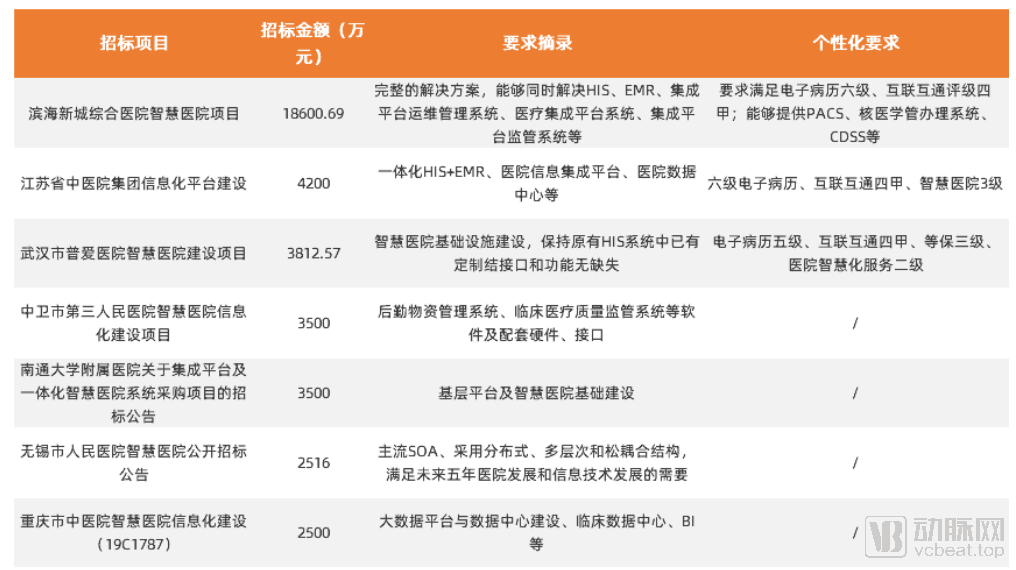
Bidding Data (Partial) for the Construction of Next-Generation Hospital Management Systems in Smart Hospitals from April 2020 to April 2021
Among the 38 procurement projects mentioned above, 58% fall within the budget range of under RMB 10 million. According to the tender documents, these projects primarily focus on the standalone purchase of Hospital Information Systems (HIS) or the establishment of integration platforms. Thirty-nine percent of the projects are in the RMB 10 million to RMB 100 million range, with the majority concentrated between RMB 10 million and RMB 20 million. In addition to HIS procurement, these projects typically involve initiatives such as Electronic Medical Record (EMR) grading, interoperability certification, smart hospital accreditation, and big data center construction. Projects valued at over RMB 100 million are relatively rare. The Binhai New City project, with a total value of RMB 186 million, is divided into four lots. Lot 1, covering smart hospital and data center items, has a budget of RMB 84.68 million; Lot 2, for intelligent application items, has a budget of RMB 35.13 million; Lot 3, for smart hospital management items, has a budget of RMB 38.47 million; and Lot 4, including network and infrastructure items, has a budget of RMB 27.70 million. Each lot imposes stringent requirements on the comprehensive capabilities of bidding enterprises.
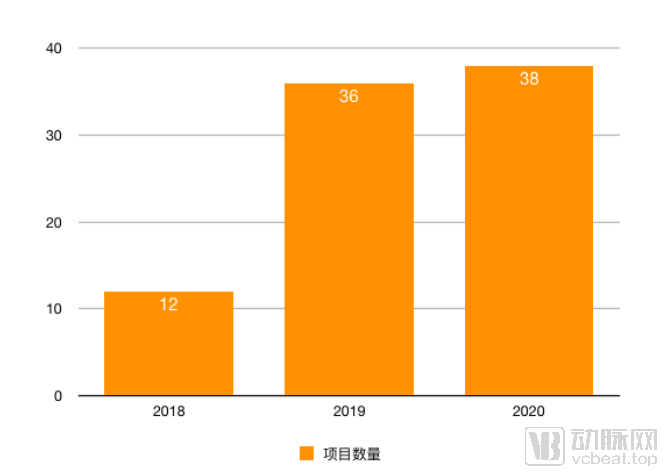
Number of Relevant Targets from 2018 to 2020
In terms of the number of tenders, there was a significant increase in 2019 compared to 2018, with policy factors playing a non-negligible role. The number of tenders in 2020 did not show any marked change. VCBeat believes that this phenomenon was mainly due to the sudden outbreak of the COVID-19 pandemic, which caused hospital tenders to be postponed. As order was restored in 2020, this market is still expected to experience a surge.
Overall, excluding the projects with the highest and lowest unit prices, the average investment in smart hospital construction for a single large hospital is approximately RMB 13.88 million, with the total market size reaching around RMB 20.8 billion.
3.3 Bidding Information and Demand Analysis for the Informatization of Medical Communities, Medical Consortia, and Private Hospitals
Compared with the development of smart hospitals, medical communities and medical alliances are relatively new entities that focus more on infrastructure construction, while the informatization of private hospitals lacks standards and lags behind. VCBeat has reviewed the informatization policies for medical communities and medical alliances, with the specific results shown below.
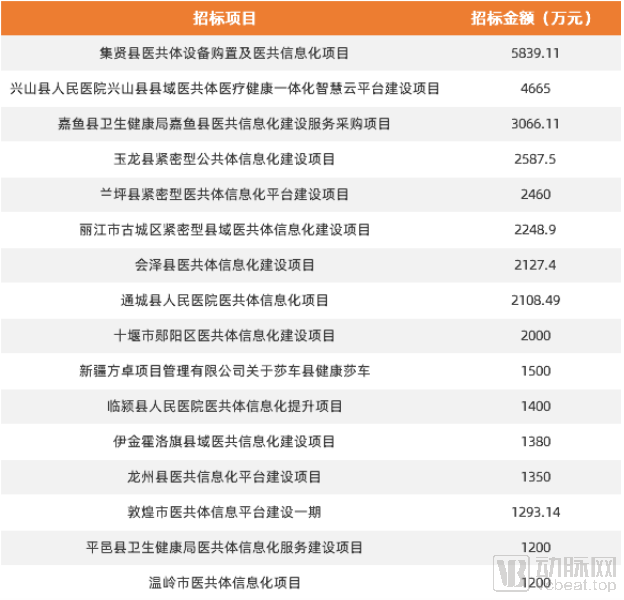
Bidding Data (Partial) for the Construction of Next-Generation Hospital Management Systems under Medical Alliances and Medical Communities, April 2020–April 2021
Unlike tender projects for the construction of smart hospitals in public medical institutions, Hospital Information Systems (HIS) constitute only a portion of the target modules in the development of Medical Alliances and County-level Medical Communities, with costs ranging from RMB 3 million to 10 million. Other modules include remote education platforms and regional public health service systems. According to China’s overall plan, which has designated 567 counties as pilot sites for county-level Medical Community development, the total market size is estimated at approximately RMB 8.3 billion.
Based on the tender documents, most hospitals adopt an on-premises Hospital Information System (HIS) deployment model during their initial infrastructure development, while a minority utilize cloud-based HIS solutions to enhance primary care capabilities within medical alliances and medical consortia.
Private hospitals represent an emerging market with relatively lax regulatory oversight. Compared to procuring software and hardware to build an on-premise Hospital Information System (HIS), cloud-based HIS eliminates the need to pay for electricity costs associated with running local systems, as well as the purchase of infrastructure such as servers, application software, and storage devices. Generally, this model reduces costs by approximately 70% compared to building self-owned data centers. Consequently, there is also a near-billion-yuan market opportunity in the private hospital sector.
From the perspective of traditional development, the hospital management information system (HMIS) industry, which serves as the foundation of hospital informatization, faces a readily apparent ceiling. As the construction of hospital infrastructure is gradually completed, the available market share will inevitably diminish, leading the entire industry into decline.
However, with the advancement of healthcare informatization, the hospital management information system (HMIS) industry has gained not only new growth but also new business models. Under the “platform-based” paradigm, next-generation medical management information systems are facing new opportunities and challenges.
4.1 Development Direction of Next-Generation Healthcare Management Information Systems
The evolution of requirements for next-generation healthcare management systems mirrors the advancement of healthcare informatization. Taking into account multiple factors, including external pressures on hospitals and internal imperatives for development, the future of next-generation healthcare management information systems will exhibit five major trends:
● Meets the integrated construction requirements for clinical-care integration, financial-business integration, and online-offline synergy. Specific applications include centralized radiology image interpretation, ECG diagnostic centers, and cross-campus specimen logistics, which can reduce investment in equipment and personnel, optimize discipline development, facilitate talent cultivation, and achieve homogeneous management across departments.
● Micro-architecture. Business systems should be built on a platform-based architecture to minimize integration complexity and enhance system resilience, thereby enabling a smooth transition when software is replaced in response to changing hospital requirements.
● Meets the needs of medical consortia, medical communities, and internet hospitals. As a large volume of offline services moves online and operations expand from single-campus to multi-campus models, new hospital management information systems must overcome barriers to multi-party information exchange, enabling online appointment scheduling, consultations, and bidirectional referrals.
● Meet the requirements for data connectivity and quality control: The new generation of hospital management information systems should possess efficient data processing and analysis capabilities, and leverage artificial intelligence and other means to conduct formal and substantive quality control across various processes.
● Automated Operations and Maintenance: The continuous expansion of functionalities in Hospital Management Information Systems (HMIS) leads to increasingly complex system architectures. Consequently, once issues arise within the hospital information system, the time required for troubleshooting and resolution correspondingly increases.
4.2 Challenges Facing the Industry
Unlike the medical technologies such as artificial intelligence and big data that have emerged in recent years, the new generation of healthcare management information systems, serving as the foundation for hospital informatization, is characterized primarily by stability. This implies that hospitals seek to implement an IT system that requires no major changes over a period of 10 or even 20 years. Consequently, there are two primary challenges:
I. A New Generation of Hospital Management Information Systems Should Meet the Informatics Needs of the Next Decade
As the foundation of hospital informatization, Hospital Information Systems (HIS) must remain stable and reliable to meet institutional needs over several years. However, the continuous emergence of new policies and models will inevitably drive corresponding iterative upgrades of these systems. In this context, healthcare IT vendors need to abandon the traditional mindset of closed development and strive to make HIS architectures as streamlined, modular, and decoupled as possible to accommodate evolving requirements.
Therefore, the new generation of hospital management information systems should be built on standards, featuring a small core, front-end and back-end separation, object-oriented design, agile development, and integrated continuous delivery and operations, to maximize the flexibility of the entire architecture.
However, a flexible architecture does not imply independence. On the contrary, next-generation Hospital Information Systems (HIS) should adopt a holistic approach with coordinated management, bridging the data gaps between clinical care and departments to effectively enhance patients’ medical experience. “We must remain committed to serving patients and empowering hospitals. This provides a clear criterion for value-based decisions: what benefits patient service is good; an HIS system that continuously enhances the public’s sense of gain, security, and well-being in seeking medical care is truly good. Iterative improvements should be driven by this logic.”
II. Next-Generation Healthcare Management Information Systems Should Develop Pathways to Address Talent Gaps
As hospital information architectures become increasingly complex, the demands for talent in hospital IT departments continue to rise. In some newly built campuses, the number of information systems has exceeded one hundred, and the number of devices has surpassed ten thousand, requiring hospitals to devote substantial resources to monitoring and maintenance. However, the rapidly increasing professional requirements for informatization management are not matched by a proportional increase in the level of attention hospitals pay to their IT departments. Many hospitals are experiencing a shortage of IT personnel, leading to diminished capabilities within their IT departments, which in turn results in the following issues:
1. Difficulty in Leading Hospital Information System Development: Inability to accurately assess the level of hospital informatization, formulate precise development plans for the next phase, or effectively conduct project acceptance testing has resulted in hospitals ceding leadership of information system development to enterprise vendors, thereby losing their voice and decision-making authority in this domain.
2. Increased Operational and Maintenance Costs: Inability to troubleshoot daily faults necessitates frequent requests for vendor intervention, resulting in efficiency losses for the hospital and imposing recurring maintenance costs on the vendor.
3. The full potential of informatization initiatives remains unrealized: As the service requester, hospitals need to accurately articulate their requirements to project providers. However, a shortage of talent makes it difficult for enterprises to identify genuine needs and align development with clinical practice, ultimately resulting in a mismatch between products and workflows, reduced physician efficiency, and a poorer patient care experience.
Jinan People's Hospital stated: Addressing the aforementioned issues requires collaborative efforts from multiple parties, with specific approaches including the following:
1. The hospital administration should place greater emphasis on the Information Technology Department, recruit more specialized IT professionals, and elevate the status of health informatics within the institution;
2. Develop and refine learning and development solutions for personnel in the Information Department, establish a comprehensive talent cultivation system, and improve compensation and benefits for relevant staff;
3. Collaborate with vendors to actively organize relevant informatics training courses, enhancing the capabilities of IT department personnel through practical experience.
The above is an excerpt of the main content of the report. The complete framework of the report is as follows. Scan the QR code to access the mini-program and read the full report for free.
I. Riding the Wave of Digitalization: The New Generation of Hospital Management Systems
1.1 Thirty Years of Development and the Four Stages of Hospital Management Systems
1.2 Driven by Multiple Forces, the Fifth Stage of Healthcare IT Is Poised to Emerge
1.2.1 Policy Drivers
1.2.2 Technological Drivers
1.2.3 Demand Drivers
1.2.4 Environmental Drivers
1.2.5 Summary
II. Delving into the Process: What Is the Value of Next-Generation Healthcare Management Information Systems?
2.1 A Hundred Flowers in Bloom: What Characteristics Should the New Generation of HIS Meet?
2.2 What Issues Must the New Generation of HIS Address?
2.3 Main Architecture of the New Generation Hospital Management System in Large Public Hospitals
2.3.1 Structure of Traditional Medical Management Information Systems
2.3.2 System Architecture of the New-Generation Healthcare Management System
2.4 Cloud HIS Systems Flood into Private Healthcare and Primary Care Facilities under Medical Consortiums
2.5 Three Approaches for Healthcare Institutions to Iterate Their HIS
2.6 Differences in the Construction of New and Old Hospital Management Information Systems
2.7 Real-World Case Studies on the Implementation of Next-Generation Hospital Management Systems
2.7.1 Jinan People's Hospital
2.7.2 A Tertiary Hospital in Southwest China
III. A Market Worth Tens of Billions: Demand from Medical Consortia and County-Level Medical Communities Drives Growth, Making Smart Hospitals the New Competitive Frontier
3.1 Prospects Analysis of Hospital Management Information Systems
3.2 Research on Bidding Information for Smart Hospitals in Public Hospitals
3.3 Bidding Information and Demand Analysis for Informatization in Medical Communities, Medical Consortia, and Private Hospitals
3.4 Corporate Competitiveness Analysis 29
IV. A Flourishing New Generation of Healthcare Management Information Systems 30
4.1 Corporate Landscape
4.2 Representative Enterprises
4.2.1 Neusoft Group: Making Data Flow to Reconstruct the Real World
4.2.2 Anxiang Smart Healthcare: Pioneering a New Generation of Smart Hospital Application Systems
4.2.3 Xinyi International: Cloud HIS Revolutionizes Primary Healthcare 36
4.2.4 Tianjian Yuanda: Building a New Generation of HIS with Middle-End Architecture 39
4.2.5 Heyu Health: “Integrated” Thinking Drives In-Depth Development of Next-Generation Hospital Information Systems
V. Future Development
5.1 Development Direction of Next-Generation Healthcare Management Information Systems
5.2 Challenges Facing the Industry
5.2.1 The new generation of hospital management information systems should meet the informatization needs for ten years
5.2.2 Next-generation healthcare management information systems should establish pathways to address talent gaps