

Specialty Internet Hospital (Andrology) White Paper: Building China's Male Health Pathway through Specialized Perspective and Internet Thinking
As of March 2021, the number of internet hospitals in China exceeded 1,100, the number of mobile health users surpassed 600 million, and the market size exceeded RMB 200 billion. Based on continuous attention to and research on the development of internet hospitals, VCBeat believes that internet hospitals will undergo a transitional shift in their development model from “territorial expansion” to “intensive cultivation.” In the next stage, specialized internet hospitals with deep vertical focus in specific fields will become an important direction for the development of internet hospitals. Therefore, VCBeat has conducted in-depth research on specialized internet hospitals from multiple perspectives, including value assessment, model analysis, market size, department selection, and trend analysis. By collecting extensive industry data through interviews and surveys, VCBeat has released the White Paper on Specialized Internet Hospitals, aiming to provide reference and insights for practitioners in this field. With data support from Shiqiang Internet Hospital, the White Paper also provides a detailed analysis of the current status of specialized internet hospitals in andrology, deeply demonstrating the significant potential and advantages of the andrology sector within the development of specialized internet hospitals.
In the White Paper on Specialty Internet Hospitals, we put forward the following regarding the current development of specialty internet hospitals10 Key Points, Next, we will provide a brief interpretation of the full text of the white paper
1. The specialized internet hospital model, with its deep cultivation of vertical domains, is an important future direction for internet hospitals.
2. Specialized internet hospitals demonstrate high feasibility, sustainability, and derivative value in terms of business model value.
3. In the future, a large number of pharmaceutical companies will leverage their physician-side resources to transform into the specialty internet hospital industry.
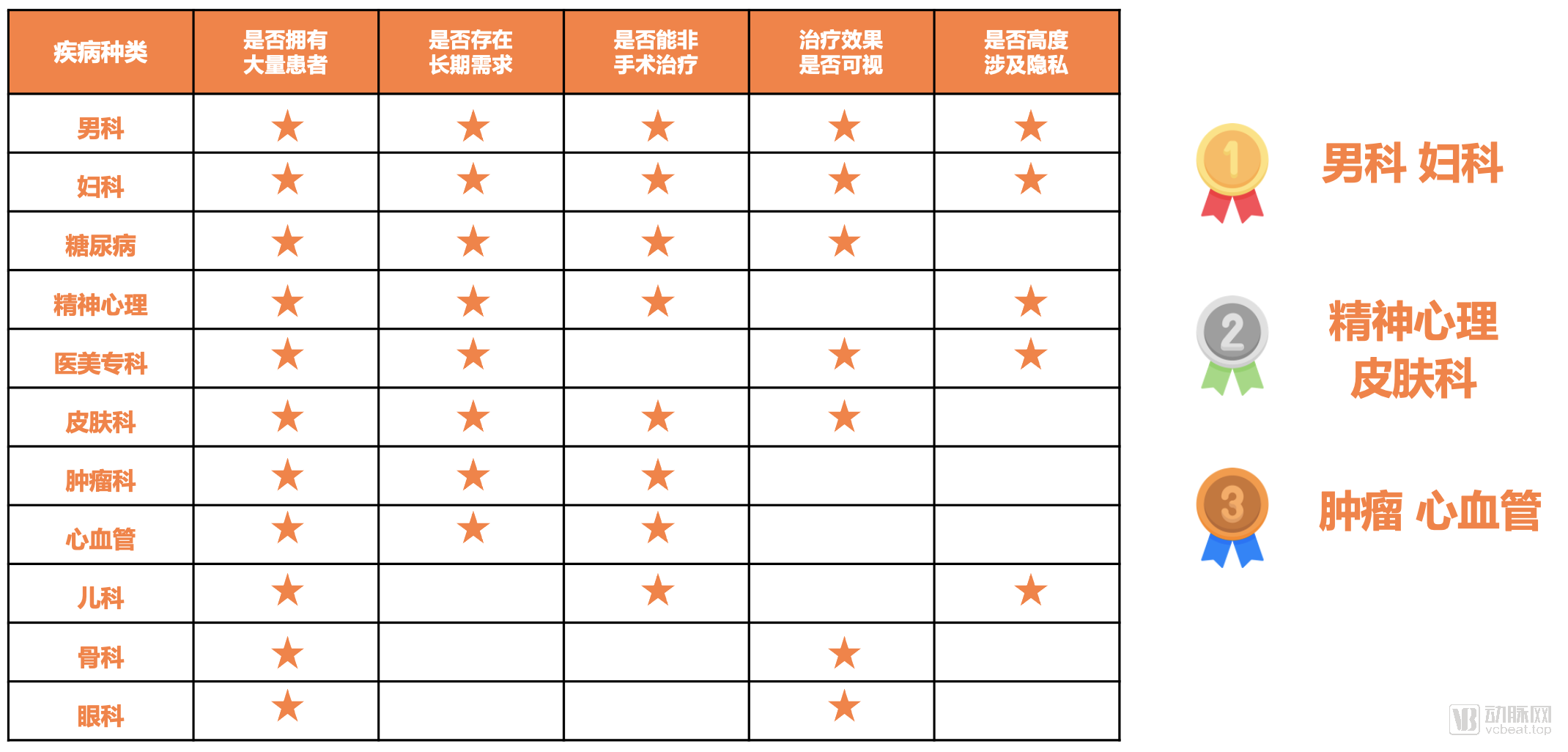
4. Departments launching specialized internet hospitals should possess the following characteristics: a large patient base, long-term demand, non-surgical treatment modalities, visualizable treatment outcomes, and significant patient privacy concerns.
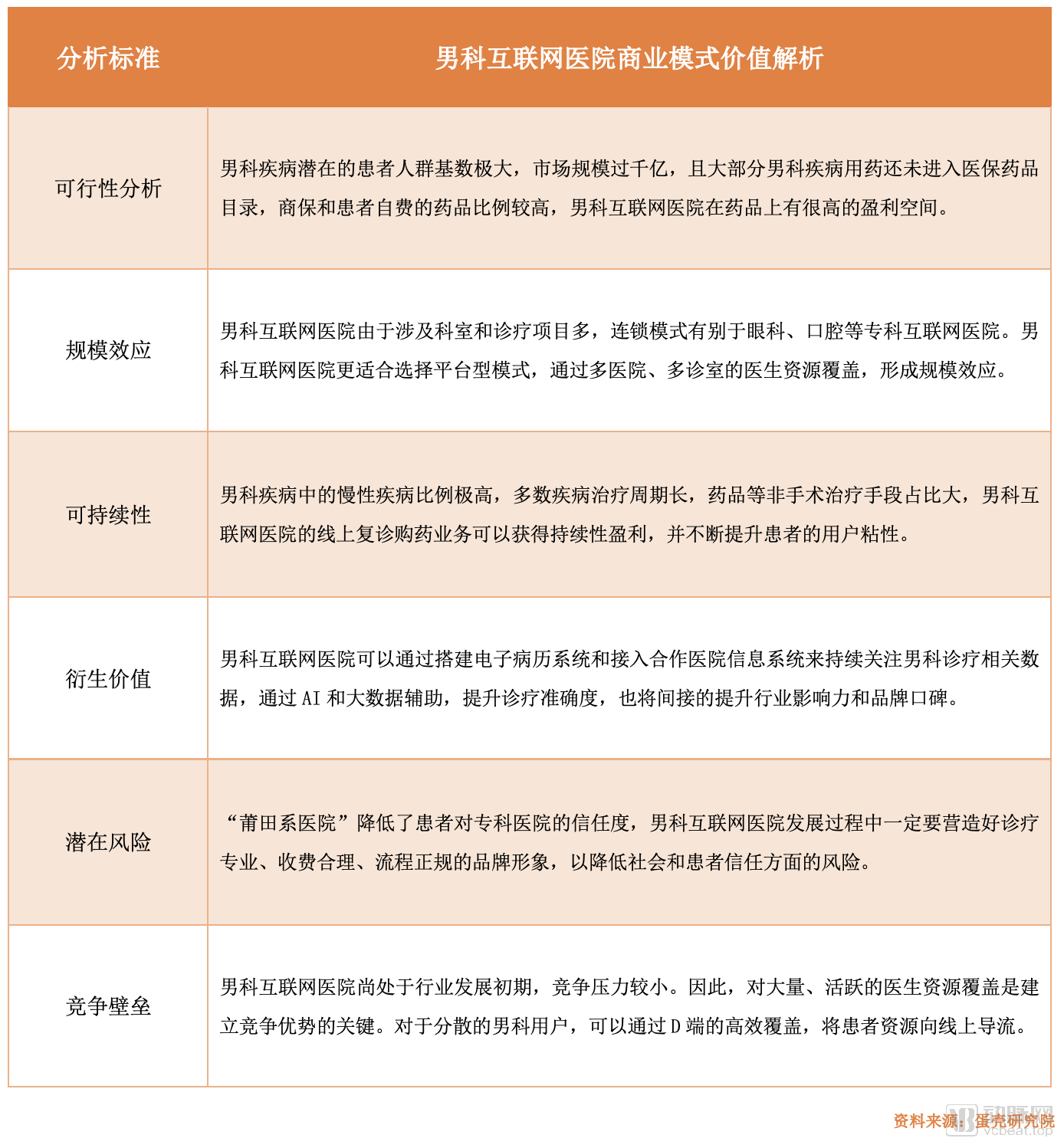
5. The andrology market exceeds RMB 100 billion, yet the industry lacks standardization, a competitive landscape has yet to take shape, and future prospects remain promising.
6. Shiqiang Internet Hospital has significantly enhanced patient stickiness and prescription conversion rates among men’s health patients by leveraging the influence of its physician platform, competitive drug pricing, and an innovative health manager module.
7. Efficient patient management, significant enhancement of professional reputation, transparent clinical income, and a comprehensive portfolio of andrology medications are key reasons why many andrologists choose Shiqiang Internet Hospital.
8. Establishing a closed-loop service system encompassing “medical care, patients, pharmaceuticals, delivery, and insurance” is an essential direction for the future development of specialized internet hospitals.
9. Content marketing is an effective means to enhance the influence of specialized internet hospitals.
10. Future regulatory frameworks for specialized internet hospitals will become increasingly stringent, and compliant online diagnosis and treatment processes are fundamental to mitigating policy risks.
Chapter 1: Specialty Internet Hospitals—Deep Cultivation in Vertical Domains and Future Development Directions of Internet Hospitals
The Social Value of Specialized Internet Hospitals
1Meet the complex specialty care and treatment needs of patients after diagnosis
In China, large comprehensive Grade A tertiary hospitals face persistently high diagnostic and treatment pressures, while the development of specialized hospitals has been relatively slow and lacks momentum. As of 2019, there were only about 8,500 offline specialized hospitals in China (compared to nearly 20,000 general hospitals). The internet hospital model is poised to break this impasse, accelerating the specialization of hospitals and enhancing the influence of specialized hospitals. First, most internet hospitals operate light consultation platforms. Although the revenue-generating capability of these platforms has been widely criticized from a commercial perspective, VCBeat believes that their true value lies in patient triage and referral functions. Online consultation services serve as an effective filter, providing professional online answers to patients who do not need in-person hospital visits, thereby alleviating outpatient pressure on large hospitals. Second, internet hospitals can conveniently and efficiently extend high-quality medical resources to regions with relatively scarce healthcare supplies. Remote online technologies break through the traditional radiation radius of hospitals, effectively expanding outpatient volumes, increasing hospital revenues, and attracting more physician resources. Finally, the online dissemination capabilities of internet hospitals help specialized hospitals rapidly build influence and reputation, reaching more patients with specialized diagnostic and treatment needs. Therefore, to meet the continuously growing demand for specialized care, leveraging superior departmental medical resources to address patients’ core needs, and using “Internet Plus” to expand the reach of medical services constitute the significant social value of specialized internet hospitals.
2Enhancing Doctor-Patient Trust and Establishing an Evaluation System for Value-Based Clinical Services
Unreasonable allocation of medical resources has placed excessive diagnostic and treatment burdens on public tertiary hospitals, hindering adequate communication between doctors and patients and making it difficult to improve mutual trust. In contrast, specialized internet hospitals facilitate the integration of online and offline medical resources, establishing relatively long-term diagnostic and treatment relationships between doctors and patients. This model fosters more thorough communication and higher levels of trust. Furthermore, the value of clinical services provided by doctors in China has long been undervalued. Rationalizing this value is crucial not only for maintaining physicians’ motivation but also for indirectly improving doctor-patient relationships. Due to their revenue structures and public welfare orientation, comprehensive public hospitals find it challenging to significantly adjust service prices. However, the specialized internet hospital model, characterized by longer care cycles and more in-depth services, is better suited to advancing the reshaping of clinical service value. The online evaluation systems offered by specialized internet hospitals not only supervise doctors’ online clinical services but also assess the fair market value of specialized care, thereby contributing to the establishment of a relatively objective system for evaluating the value of clinical services.
3Driving Tiered Diagnosis and Treatment Based on Medical Needs
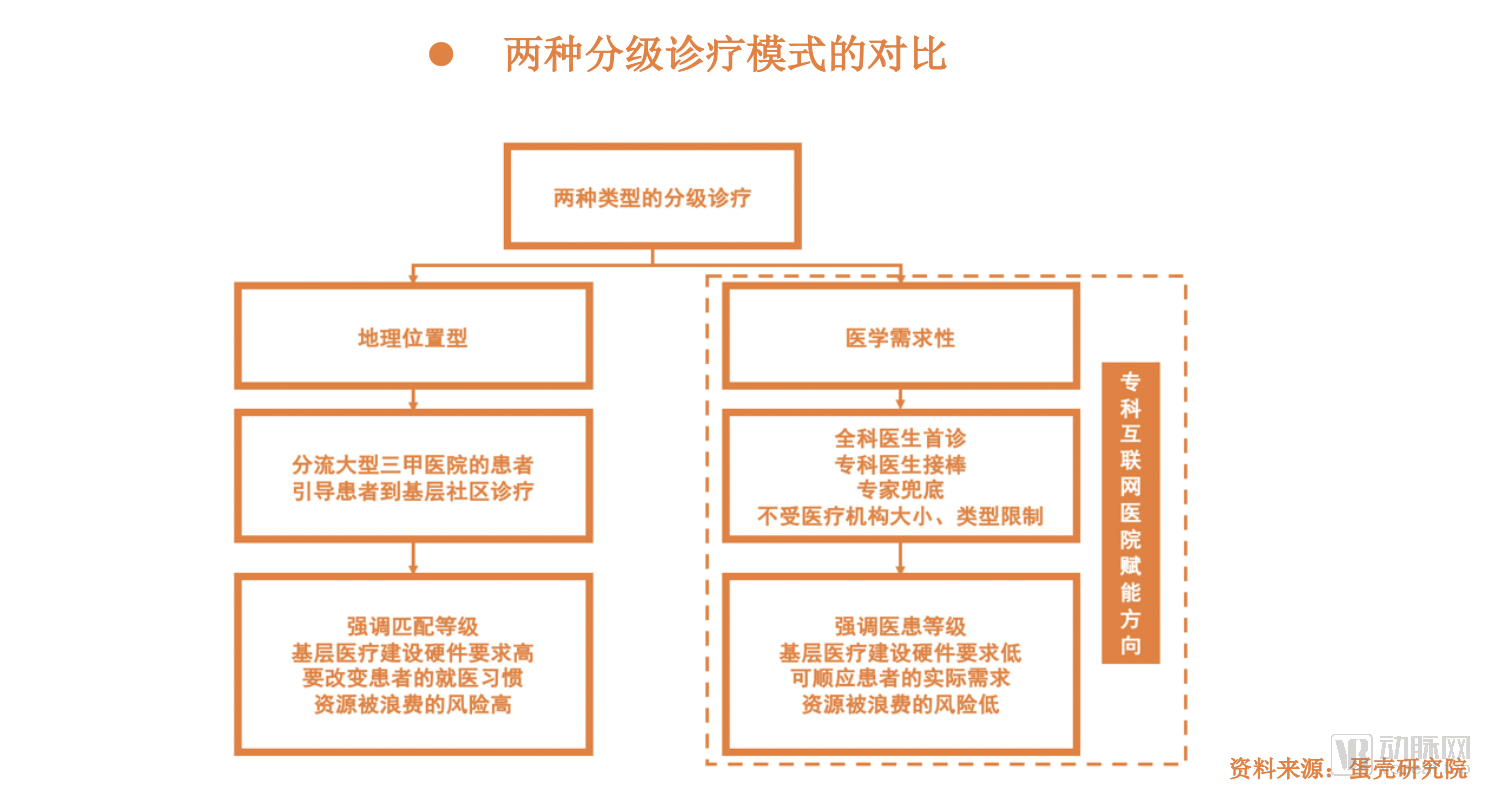
One of the primary causes of pressure on China’s healthcare services is that comprehensive tertiary Grade-A hospitals, which account for less than one-tenth of the total number of medical institutions, handle nearly half of the diagnosis and treatment demand. The entrenched “habit of seeking care at large comprehensive hospitals” not only reduces patients’ access to medical services but also exacerbates the burden on the healthcare system. Forcibly referring patients from tertiary Grade-A hospitals to primary care facilities based solely on geographic location and hospital hierarchy is not only difficult for patients to accept but also carries the risk of wasting medical resources. A more effective approach to achieving tiered diagnosis and treatment is to establish specialized internet hospitals, strengthen specialized disciplines, enhance their influence, facilitate the downward flow of high-quality medical resources, and implement referrals and treatments based on medical needs.
The Instrumental Value of Specialized Internet Hospitals
1Doctor's Side: More Professional Patient Management Tools
Compared to comprehensive internet hospital platforms, specialized internet hospital platforms are designed exclusively for specific medical specialties. The features offered by these platforms are more targeted; for instance, some specialized internet hospitals have introduced answer templates for common specialty-related conditions and quick-input tools for professional terminology, enabling physicians to respond to patients’ basic inquiries with a single click, thereby enhancing the efficiency of online consultations. Furthermore, by maintaining a long-term, vertical focus on a single domain, specialized internet hospital platforms hold advantages in collecting big data within that specialty. This data assists physicians in re-evaluating diseases from both horizontal and longitudinal perspectives, providing a more intuitive understanding of the effectiveness and population applicability of past treatment approaches. It also offers robust evidentiary support for clinical medical research, thereby facilitating physicians’ academic endeavors.
2Hospital Side: More Specialized Department Management Tools
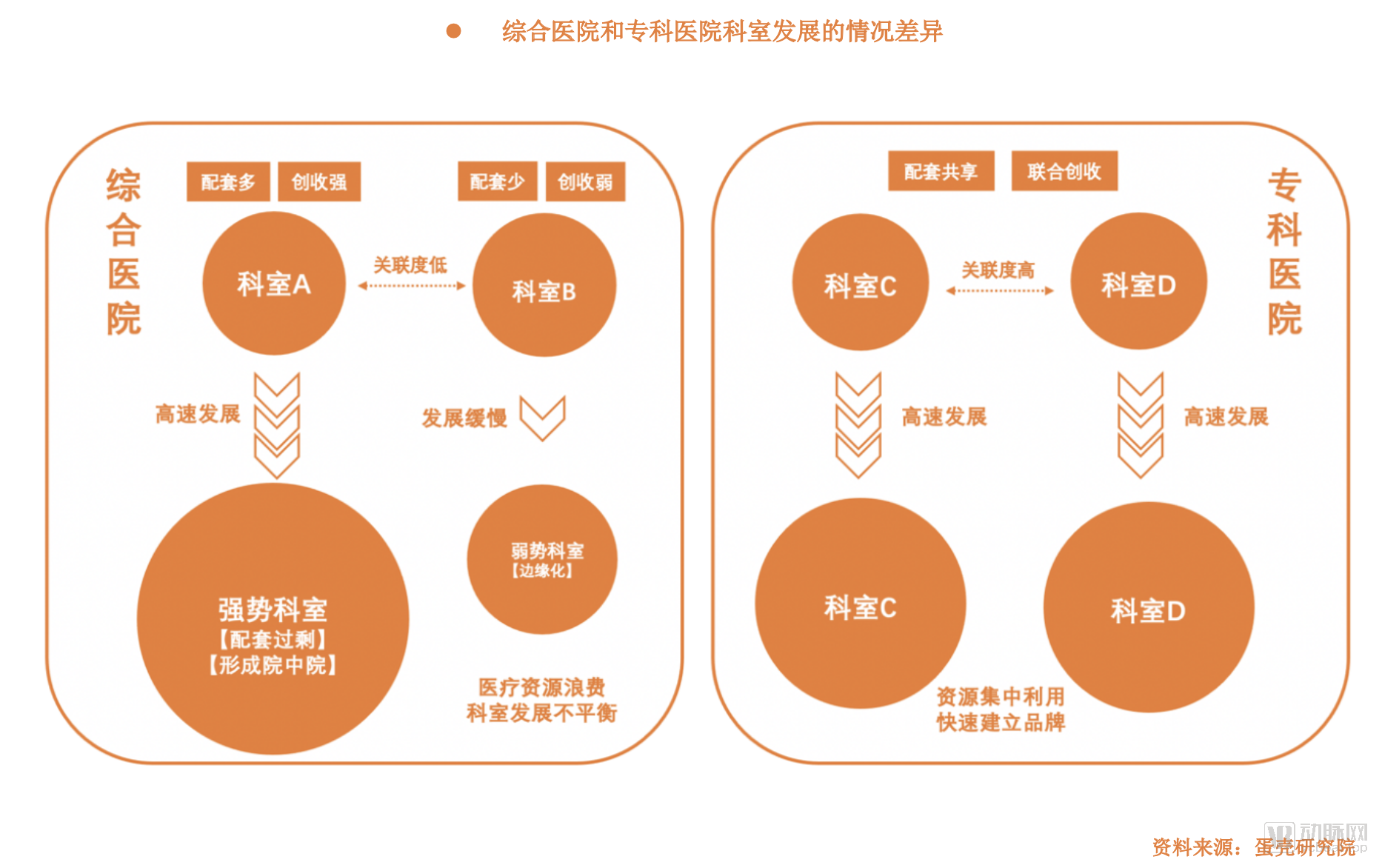
The Internet’s promotion of hospital informatization not only mitigates management issues arising from information asymmetry but also assists hospitals in forecasting and quantifying public demand. Through the digitization of medical data and big data analytics, hospitals can gain intuitive, quantifiable insights into departmental diagnostic and treatment data. This provides strong guidance for subsequent resource allocation and the establishment of specific, quantifiable workload standards, thereby reducing unnecessary waste of medical products and resources while enabling more efficient and rational departmental management.
3Industry Chain Segment: More Focused Resource Integration Tools
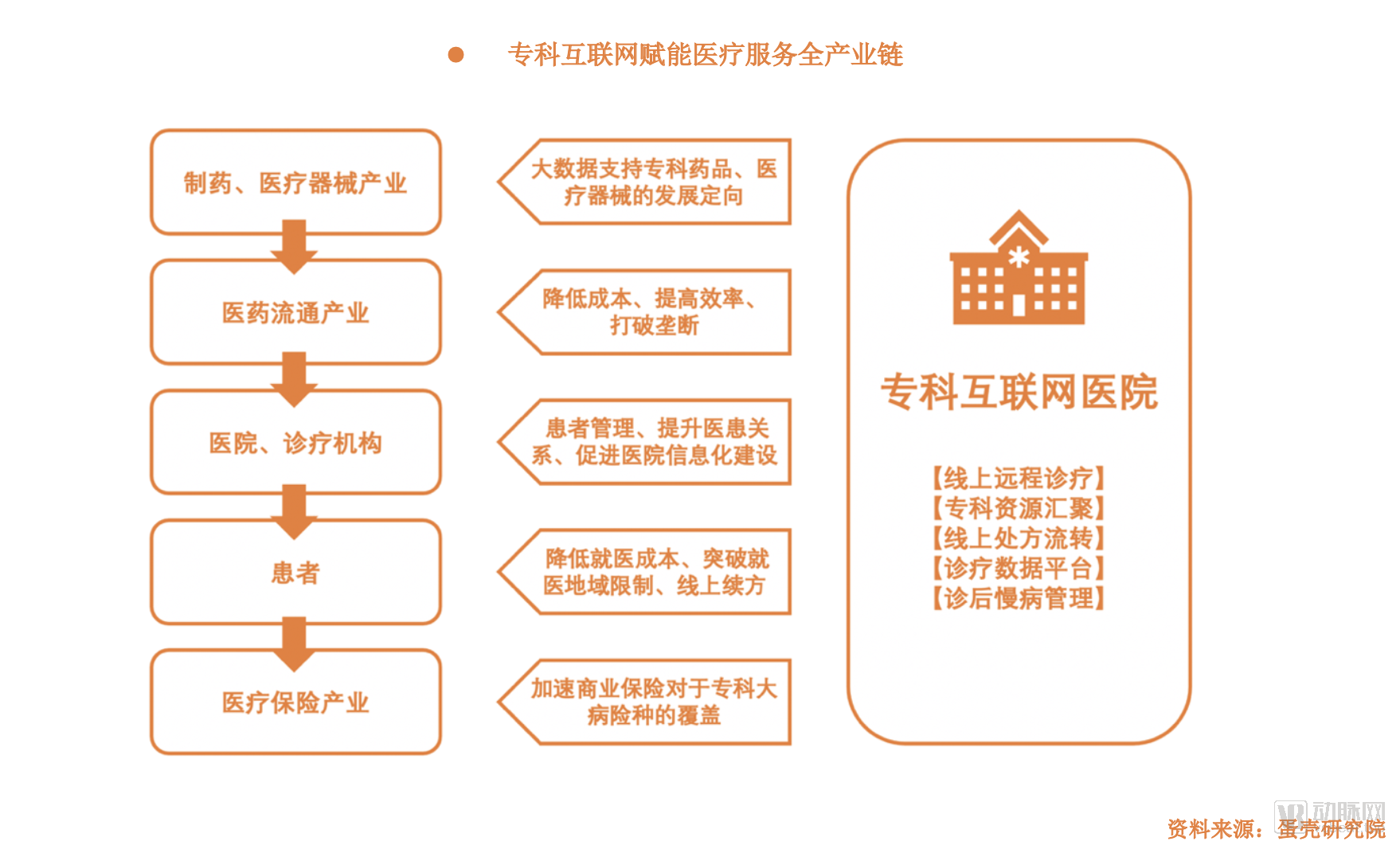
The rise of internet hospitals has driven the development of pharmaceutical e-commerce and facilitated the transformation of pharmaceutical distribution enterprises. Big data support from specialized internet hospitals can effectively assist hospitals in drug statistics, medication management, and procurement forecasting, thereby reducing waste in drug purchasing. For over-the-counter (OTC) drugs, the internet provides a new platform for brand building, with internet marketing and channel innovation giving rise to a new wave of brands. Drug demand is characterized by its sporadic and sudden nature; compared to traditional marketing methods, this requires higher precision and more targeted marketing approaches. Specialized internet hospitals’ deep engagement with patients in vertical fields and their long-term management of chronic disease patients provide an ideal scenario for the marketing of specialized OTC drugs. China’s health insurance market has experienced explosive growth in recent years. However, health insurance currently covers a limited population and faces significant pain points, including severe product homogenization, the exclusion of many patients from coverage due to pre-existing conditions, and misrepresentation by policyholders. The deep integration of big data from specialized internet hospitals with the insurance industry helps transform traditional actuarial models and the entire business value chain of health insurance, making previously uninsurable patients insurable. This enables the formation of a true closed-loop system integrating healthcare, pharmaceuticals, disease management, and insurance.
Value of the Business Model for Specialty Internet Hospitals
1Feasibility Analysis: Clear Demand, Significant Market Potential, and Increased Willingness to Pay Through Medical Insurance Integration
For specialized internet hospitals, patients have clear demands for specialized diagnosis and treatment, while the existing number of specialized hospitals fails to meet the rapidly growing demand, indicating huge market potential for specialized internet hospitals. Given the large base of specialized patients and the increasing demand for specialized care, the number of specialized hospitals is expected to grow rapidly in the coming years. In addition to growth in quantity, patients’ willingness to pay for services provided by specialized internet hospitals is gradually increasing with the integration of basic medical insurance and the expansion of commercial health insurance coverage. Although connecting internet hospitals to basic medical insurance payment has become a major trend, current data show that this sector is dominated by public hospital-led internet hospitals, with enterprise-led ones remaining in the minority. Moreover, as the overarching principle for including internet hospitals in basic medical insurance reimbursement is “cost reduction and efficiency improvement,” it is unlikely for any type of internet hospital to directly benefit from basic medical insurance funds. Nevertheless, integration with basic medical insurance will still promote the improvement of infrastructure for internet hospitals. Once internet hospitals establish complete diagnostic and treatment processes along with effective supervision mechanisms, favorable conditions will be created for the integration of commercial health insurance.
2
Scale Effect: The specialized chain model is clear, expansion difficulty is low, and doctor resources are the bottleneck for growth
Compared to large general hospitals, the chain expansion of specialized internet hospitals can effectively leverage economies of scale. Offline specialized hospitals can be widely deployed without requiring excessive individual scale, while online specialized internet hospitals can attract traffic across regions, rapidly disseminate brand influence through internet effects, and provide a steady stream of patients for offline diagnostic and treatment services. Furthermore, specialized hospitals feature relatively streamlined departmental structures and management systems, resulting in lower initial investment costs and making it easier to achieve economies of scale through rapid growth in facility numbers. However, as high-quality physician resources are difficult to accumulate quickly despite being the core competitiveness of diagnostic and treatment services, the continuous and stable recruitment of physicians is key for specialized internet hospitals to overcome bottlenecks in expansion.
3Sustainability: Specialist patients demonstrate higher treatment adherence
Most patients of specialty-focused internet hospitals have undergone preliminary screening and demonstrate high adherence to specialized diagnostic and treatment services. Specialties such as oncology, cardiology, andrology, and dermatology serve a large proportion of patients with chronic conditions, characterized by prolonged disease courses and sustained healthcare needs. By establishing specialty-focused internet hospitals, these departments can seamlessly integrate online and offline care to cover the entire patient journey. This approach not only improves clinical outcomes but also generates sustainable revenue streams for hospitals.
4Derived Value: Specialized Tracks Facilitate Faster Accumulation of Patient Data and Establishment of Reputation
For specialized internet hospitals, in addition to the direct revenue generated from consultation services and pharmaceutical sales, the rapid accumulation of patients within a vertical domain can yield substantial data value and significantly enhance brand influence. While the medical service sector frequently emphasizes the professional value of physicians, extensive and comprehensive patient data also serves as a critical foundation for advancements in healthcare services. The development of evidence-based medicine relies heavily on clinical data and patient feedback. Specialized internet hospitals can aggregate online and offline diagnostic and treatment data through Electronic Medical Records (EMR) and continuously capture patient feedback. This process not only helps physicians improve diagnostic accuracy but also indirectly contributes to building the reputation of specialized internet hospitals.
5Potential Risks: Medical Malpractice, Policies and Regulations, Information Security, Social Trust
The unique nature of the healthcare industry lies in its direct impact on patient safety; therefore, all healthcare-related sectors must prioritize patient safety and minimize risks associated with medical malpractice. Specialized internet hospitals can leverage their extensive expertise in specific medical fields and facilitate more thorough doctor-patient communication to mitigate the risks of medical accidents. In terms of policy and regulations, recent policies have strongly promoted a tiered diagnosis and treatment system aimed at reducing the siphoning effect of large Grade 3A hospitals. Consequently, large Grade 3A hospitals that attempt to use internet hospitals to further siphon patients may face significant policy risks in the future. Finally, due to the negative public perception stemming from “Putian-system hospitals” and certain private specialized hospitals, specialized internet hospitals face certain social trust risks. Establishing a brand image characterized by professionalism, safety, and reasonable pricing is therefore a critical task for specialized internet hospitals.
6Scalability and Transferability: High Feasibility for Expansion and Transfer in Specialized Tracks
Although the competitive advantage of specialized internet hospitals lies in their vertical coverage and deep cultivation within specific medical specialties, if a specialized internet hospital achieves a relatively mature business model in one specialty track, it will have a higher success rate in expanding and migrating to other specialty tracks under the condition of having sufficient medical resources. The influence of the original brand will also help explore new specialty fields.
7Competitive Moats: Brand, Physicians, and User Resource Pool
Specialized Internet hospitals are currently in a nascent stage of development. However, given the overall growth trajectory of Internet hospitals, specialized Internet hospitals are poised to enter a phase of rapid expansion, accompanied by intensifying competitive pressure. To stand out among numerous competitors, specialized Internet hospitals must establish high barriers to entry in three key areas: brand, physician resources, and patient pools.
1Specialty Internet Hospitals Led by Brick-and-Mortar Hospitals
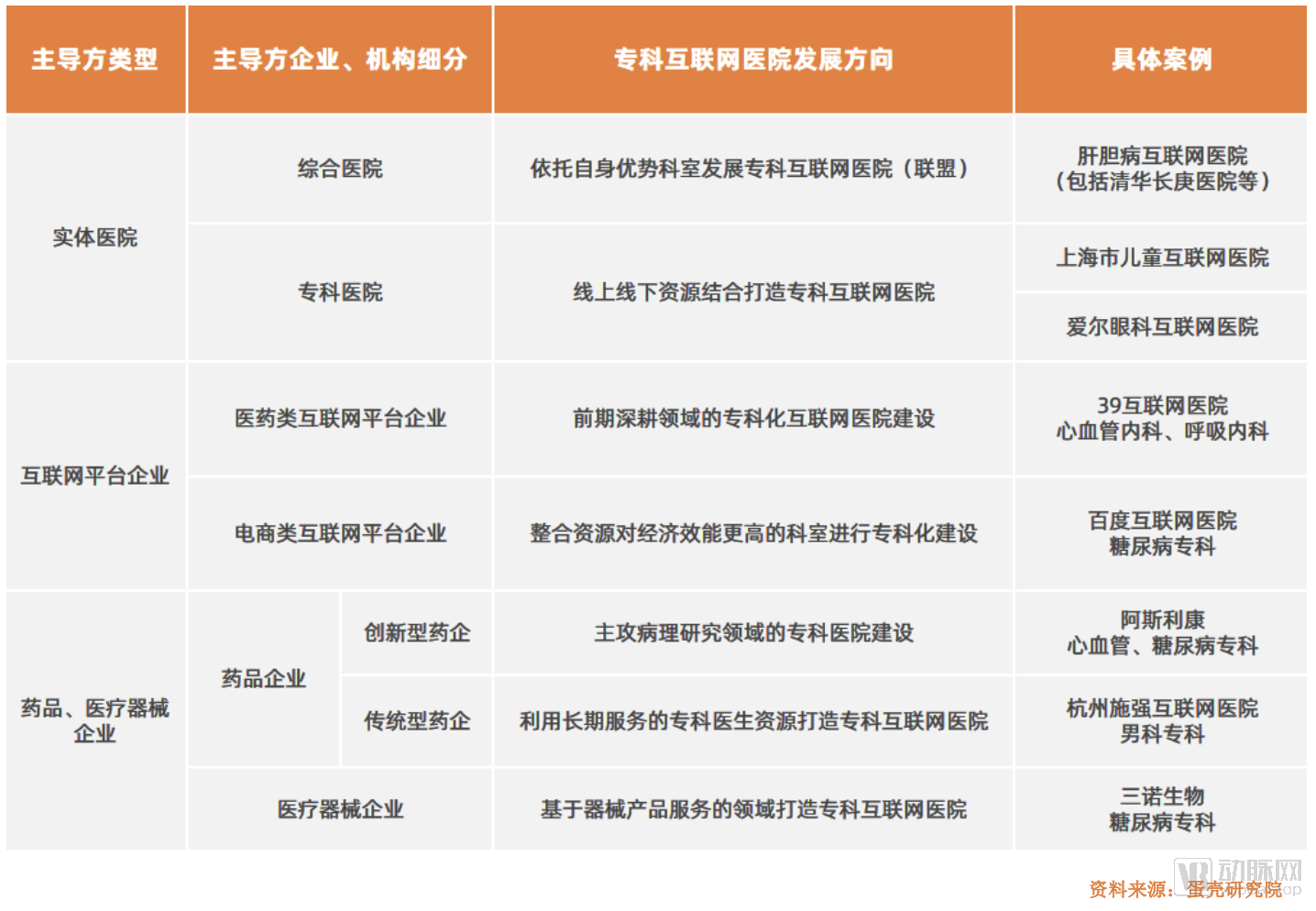
Physical hospitals that operate specialized internet hospitals can be further divided into two types: general hospitals and specialized hospitals.
Most general hospitals have opted to migrate their medical resources online in an undifferentiated manner. Meanwhile, some general hospitals have chosen to leverage their strengths in specialized departments to establish specialized internet hospitals. Given the large scale of most general hospitals and the high difficulty in replicating their models, it is challenging for offline resources to radiate influence synchronously with online presence. Therefore, some general hospitals have chosen to collaborate with their leading departments to form alliances of specialized internet hospitals. These alliances aim to aggregate high-quality medical resources from multiple parties and expand influence online, while leveraging the widespread distribution of member hospitals to achieve integrated online and offline diagnosis and treatment.
2Specialty Internet Hospitals Led by Internet Platform Enterprises
Internet platform companies primarily establish internet hospitals by leveraging their extensive physician networks and their ability to drive patient traffic from the consumer (C-end) side. Most companies initially opt to launch comprehensive internet hospitals; however, due to variations in the allocation of specialist physicians across different platforms, patient volumes tend to diverge among various clinical departments. Departments with more robust diagnostic and therapeutic resources gradually achieve economies of scale, prompting platforms to develop specialized flagship departments through strategic resource allocation.
3Specialty Internet Hospitals Led by Pharmaceutical and Medical Device Companies
The research and development of pharmaceuticals and medical devices exhibit distinct specialty- and disease-specific characteristics. Consequently, most pharmaceutical and medical device companies choose to focus on departments with relatively concentrated resources to establish specialized internet hospitals. These platforms enable better service to physicians and more effective patient management, thereby not only boosting the companies’ drug sales revenue but also promoting the transparency and compliance of physicians’ income. In 2019, Shiqiang Pharmaceutical, which has been deeply engaged in the field of andrology for 25 years, obtained the license for its first internet hospital, marking its entry into the internet hospital sector. In 2020, it launched the Huihui Health platform, leveraging its long-accumulated network of andrology specialists and exclusive pharmaceutical advantages to promote its internet hospital services with a focus on andrology diagnosis and treatment.
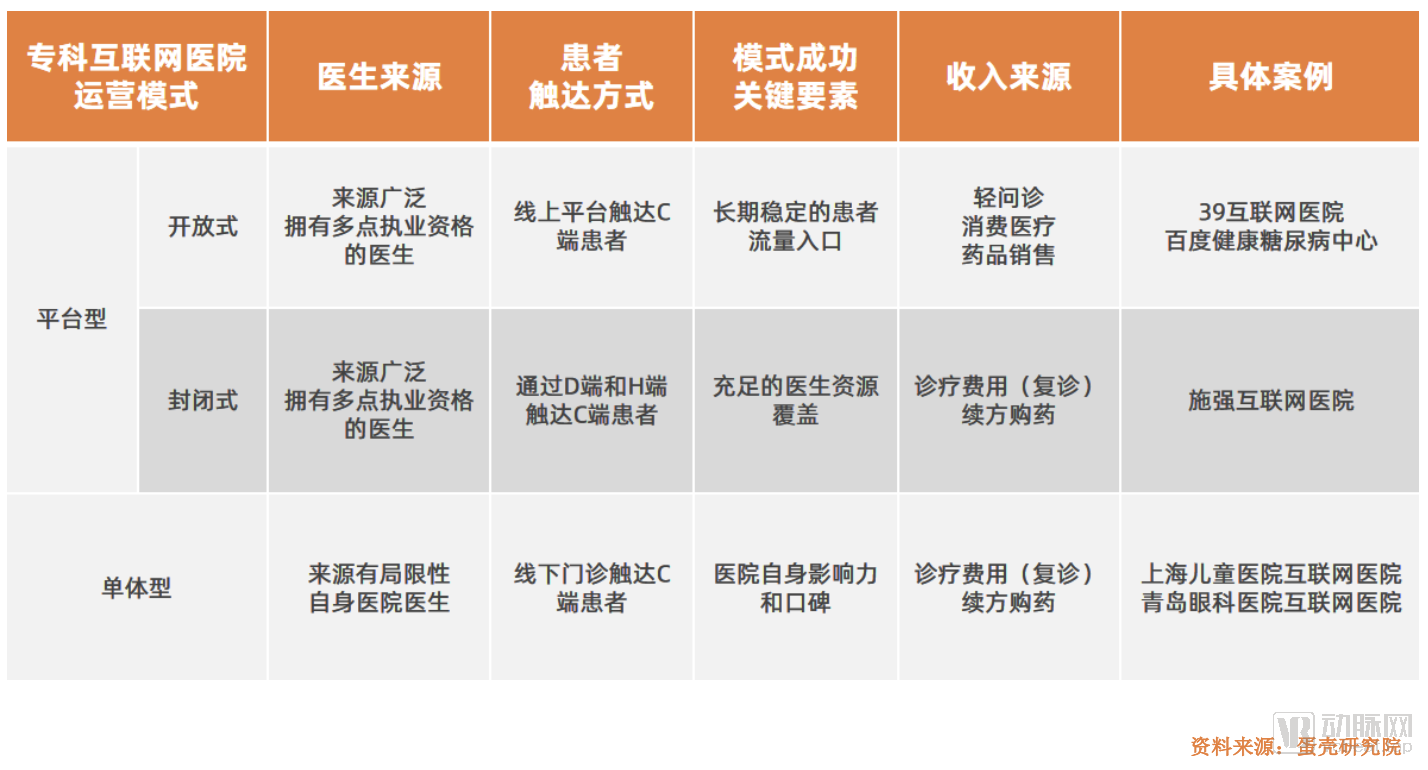
1Single-Specialty Internet Hospital
Specialty-Focused Internet Hospitals: The Preferred Model for Physical Hospitals to Build Their Own Online Specialty PlatformsAt present, the specialty-focused internet hospital is the preferred model for physical hospitals establishing their own online specialty platforms. Physical hospitals build their own internet hospital apps or WeChat service accounts, either by developing in-house technical teams or collaborating with technology development platforms, to serve as platforms for online appointment scheduling, follow-up consultations, and medication purchases. Patient accumulation for such specialty-focused internet hospitals primarily relies on redirecting offline outpatient visits to online channels. Public hospitals have a large volume of outpatient visits, placing significant pressure on physicians, and a substantial proportion of these outpatients are follow-up patients. Therefore, follow-up patients who do not require subsequent offline testing or treatment can conduct online follow-up consultations and obtain prescription refills through specialty-focused internet hospitals. This model helps hospitals alleviate outpatient department pressures, enhance patient management through online services, and increase hospital revenue.
2Platform-Based Specialty Internet Hospital
Platform-based internet hospitals can be divided into two types: open platforms and closed platforms. They differ from single-entity specialized internet hospitals in that their physician base is more extensive and no longer limited to a single hospital.
Open-platform specialized internet hospitals mostly originate from the specialization transformation of comprehensive internet hospitals. These platforms prioritize resource allocation to departments with high patient volumes and strong economic returns, introduce expert teams, and establish specialized centers. Patient acquisition for such specialized internet hospitals still relies on the platform’s own traffic entry points; therefore, the platform must maintain long-term, stable patient referral channels and credibility within the medical field. Currently, the primary revenue sources for open-platform specialized internet hospitals are commissions from online consultations and pharmaceutical sales.
Pharmaceutical companies are typically the primary drivers of closed, specialty-focused internet hospitals. While most pharmaceutical firms struggle to establish large-scale consumer-facing (C-end) traffic channels, their long-term drug sales operations have fostered strong collaborative and trust-based relationships with physicians. Consequently, some pharmaceutical companies leverage their strengths by utilizing robust resources on the physician side (D-end) and hospital side (H-end) to indirectly secure stable conversions of consumer patients (C-end). Closed, specialty-focused internet hospitals place greater emphasis on comprehensive coverage of follow-up consultation processes and long-term prescription renewal and medication purchase services. The core focus of such internet hospitals is to better serve physicians and assist them in effective patient management. Patient traffic generated through the physician channel tends to be more stable, resulting in relatively higher subsequent prescription conversion rates.
Key Elements for the Development of Specialized Internet Hospitals
1Specialty diseases have a large patient base and sustained demand for non-surgical diagnosis and treatment.
The primary prerequisite for the development of specialized internet hospitals is a large patient base and sustained demand for medical consultations. For instance, pediatric and diabetes-focused internet hospitals are currently experiencing robust growth. These specialized conditions are relatively easy to diagnose, affect a large population, and are characterized by recurrence or the need for long-term management. Patients with such conditions have limited need for surgical interventions but high demand for ongoing pharmacological treatment and disease monitoring. Specialized internet hospitals can meet their needs for online follow-up consultations and prescription renewals, thereby reducing non-medical costs for patients. The main development model for specialized internet hospitals involves expanding brand awareness and developing revenue streams such as online cloud pharmacies by continuously cultivating patient trust. In contrast, specialties with smaller patient bases or those primarily reliant on surgical treatments are not well-suited to the development path of specialized internet hospitals.
2Intuitive Visualization of Disease Diagnosis and Treatment Outcomes
Before wearable diagnostic devices and home-based disease testing equipment reach full maturity, internet hospitals will face significant challenges in exerting substantial influence over disease diagnosis and testing. Therefore, at the current stage, the types of diseases diagnosed and treated by specialized internet hospitals must possess a certain degree of visual intuitiveness. After undergoing phased treatment, patients should be able to provide online feedback on their therapeutic progress through images, videos, or verbal descriptions, thereby providing physicians with an evidence base for follow-up consultations and adjustments to treatment plans. Examples include dermatology, andrology, and ophthalmology.
3Specialized Internet Hospitals Focusing on Privacy-Sensitive Conditions Hold Greater Potential
The popularity of online consultations in internet hospitals stems not only from their ability to transcend geographical barriers for patients but also from the enhanced privacy protection they offer for certain conditions. For instance, in specialties such as sexually transmitted diseases, andrology, gynecology, and psychiatry, many patients hesitate to seek medical care due to stigma, leaving a significant portion of patient demand unmet. Specialized internet hospitals can maintain confidentiality throughout the online consultation process, thereby alleviating patients’ psychological burden and the social pressure associated with in-person visits. This unleashed demand for medical services has, in turn, provided specialized internet hospitals with broader opportunities for growth.
Chapter 2: The Online Andrology Hospital—A Promising Sector Held Back by “Embarrassment”
Andrology is a medical specialty centered on men’s health, focusing on diseases related to the male reproductive and urinary systems, similar in concept to gynecology and pediatrics. However, compared with gynecology and pediatrics, andrology remains an emerging discipline both domestically and internationally, with insufficient attention paid to its development. According to institutional statistics, there were only about 3,000 full-time andrologists nationwide in China in 2018. Data from the World Health Organization indicate that the overall prevalence of male reproductive disorders in China is 51%, representing a substantial patient population.
Based on industry surveys and feedback, VCBeat has identified two primary factors contributing to the persistent imbalance between supply and demand in male health diagnosis and treatment. First, male health is a multidisciplinary field encompassing urology, reproductive health and infertility, reproductive medicine, cardiology, psychiatry and psychology, nephrology, and traditional Chinese medicine. Many patients lack clarity regarding the classification of their conditions, leading to the fragmentation of male health services across multiple departments rather than being centralized. Second, public perception often equates male health with reproductive disorders and sexually transmitted diseases. Constrained by traditional stigmas and privacy concerns, many patients in need of male health services hesitate to seek medical attention. This long-term lack of patient data has further slowed the development of andrology.Faced with fragmented departmental diagnostic and treatment demands and concerns over privacy, individual brick-and-mortar hospitals struggle to excel in providing andrology services, whereas the specialized internet hospital model effectively caters to the needs of andrology patients.
Large Patient Base in Andrology, Scarcity of Formal Specialty Resources
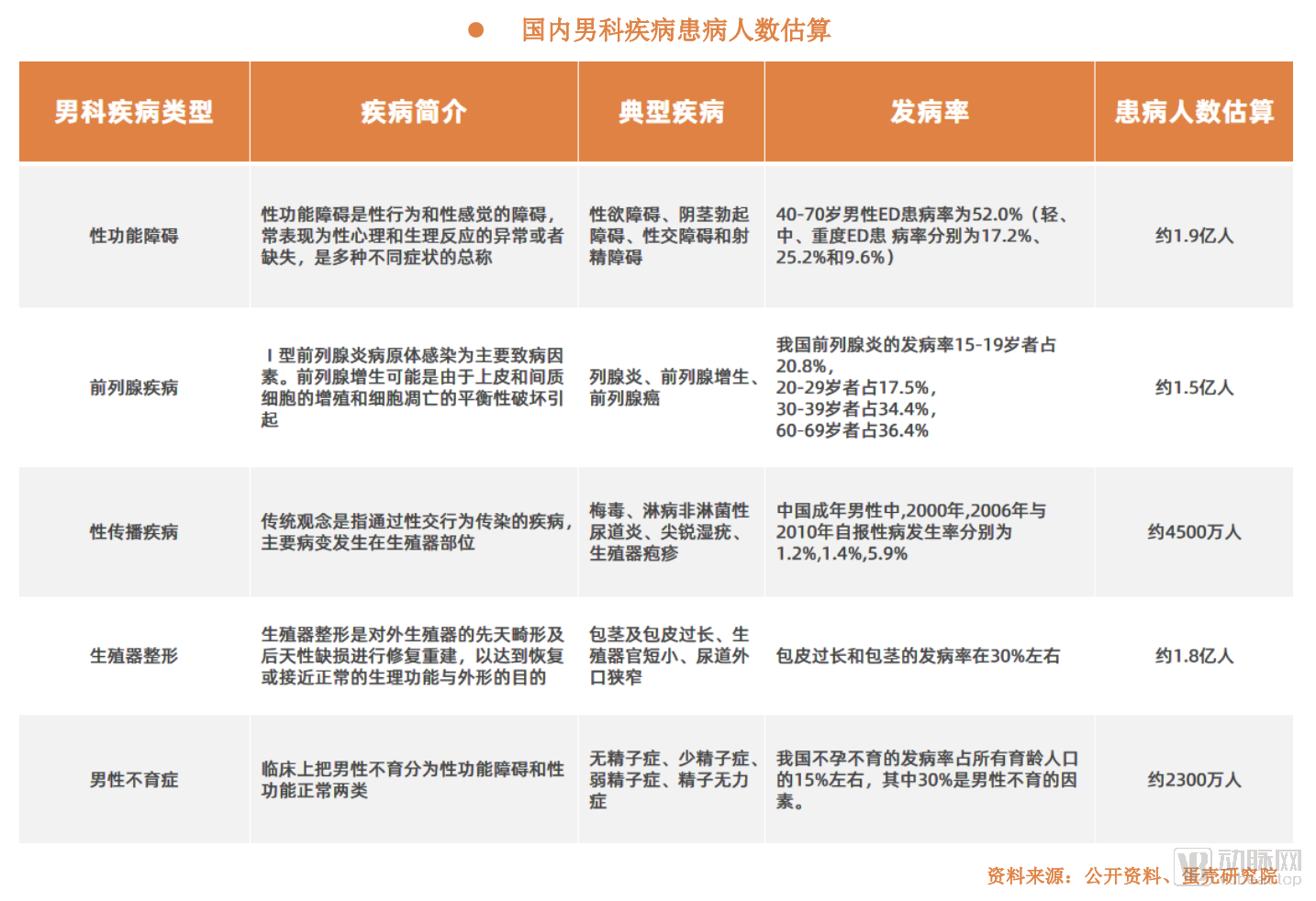
In the fields of sexual dysfunction, prostate diseases, and genital plastic surgery, the number of patients is projected to exceed 150 million each, with the potential demand for andrology diagnosis and treatment surpassing 500 million visits. Overall, the patient population in the field of andrology is substantial and continues to grow. However, data from the andrology clinics on Haodf Online shows that as of November 2020, there were only 392 dedicated andrology clinics in hospitals across China (excluding other clinics that also provide andrology services). Among them, Guangdong Province had the highest number, with 45 clinics; 22 provinces had fewer than 20 andrology clinics. A survey of 25 public Grade A tertiary general hospitals revealed that more than half did not have specialized andrologists on staff, with the majority of andrology care being provided part-time by urologists.
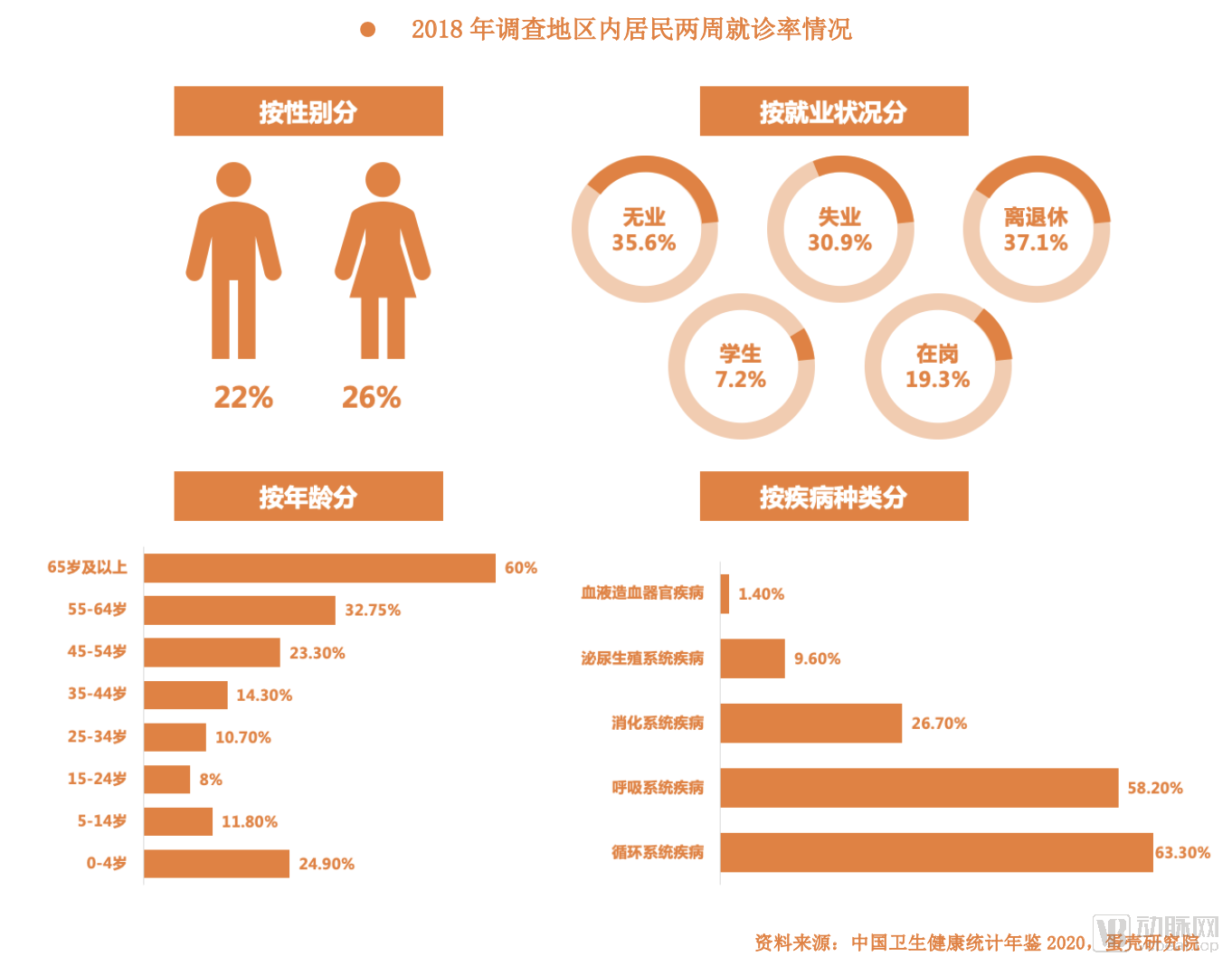
Escalating work pressure and irregular, unhealthy lifestyle habits are the fundamental causes behind the rising incidence of andrological disorders. Furthermore, misconceptions and poor healthcare-seeking behaviors regarding andrology have prevented many conditions from receiving timely treatment, severely jeopardizing the physical health and family well-being of Chinese men. The data below, sourced from the China Health Statistical Yearbook 2020, presents the two-week consultation rates among approximately 250,000 individuals across different regions, reflecting to some extent the timely healthcare-seeking habits of the surveyed population. The data clearly indicates that the rate of timely medical consultation among men in China is lower than that among women, with less than 25% of patients under the age of 55 demonstrating a habit of seeking timely care. Among employed individuals, restricted by working hours, only about 19% are able to seek medical attention in a timely manner. Notably, compared to other common systemic diseases, the timely consultation rate for patients with urogenital disorders is exceptionally low, affecting no more than 10% of those afflicted.
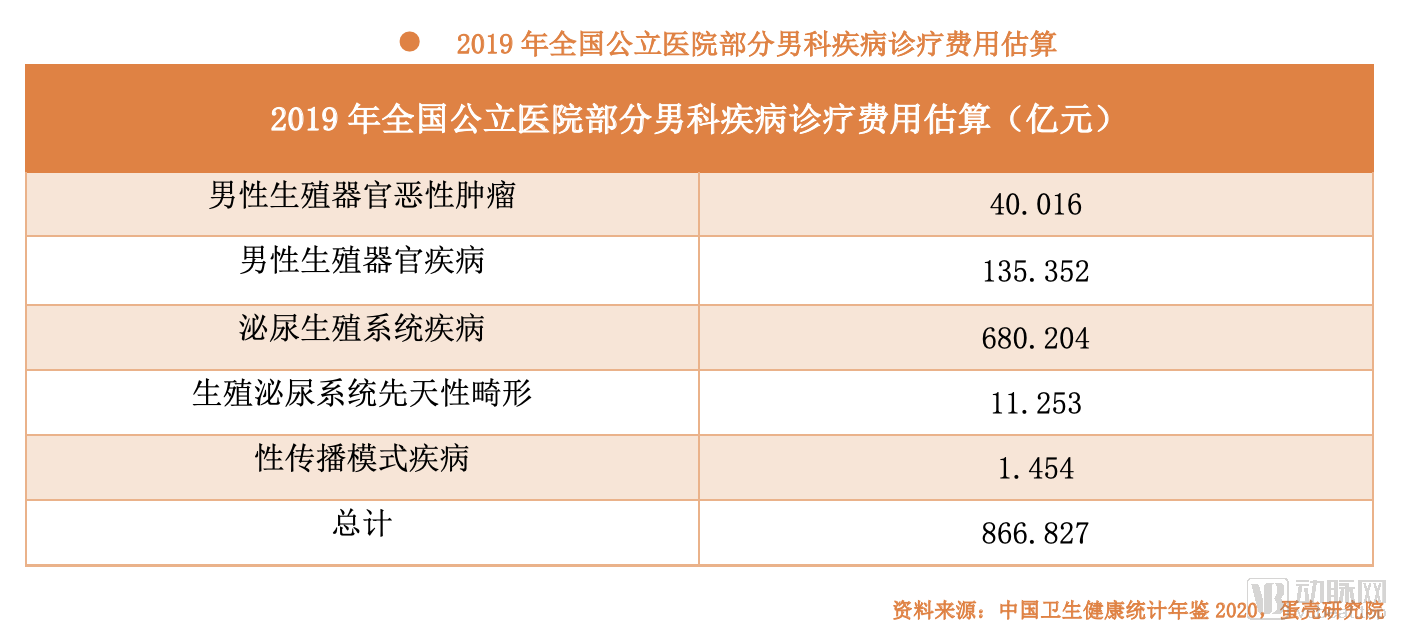
Although the consultation rate for andrology is currently low and medical resources are insufficient, the potential of the andrology-related healthcare market remains enormous. According to statistics on diagnosis and treatment costs in relevant departments of public hospitals across China in 2019, the combined costs for urogenital system conditions and sexually transmitted diseases alone reached RMB 86.68 billion. In reality, andrology also covers other sub-specialties with large patient populations, such as male infertility and sexual dysfunction; thus, the total market size for andrological diagnosis and treatment is projected to exceed RMB 100 billion. However, integrating resources within the field of andrology to address the aforementioned healthcare challenges is a prerequisite for revitalizing this hundred-billion-yuan healthcare market and better serving andrology patients. The specialized internet hospital model may serve as an excellent tool to resolve these dilemmas in andrological care.
Chapter 3: Case Study of Typical Andrology Internet Hospitals—Shiqiang Internet Hospital
The Age Composition of Andrology Patients Is Showing a Trend Toward Younger Demographics
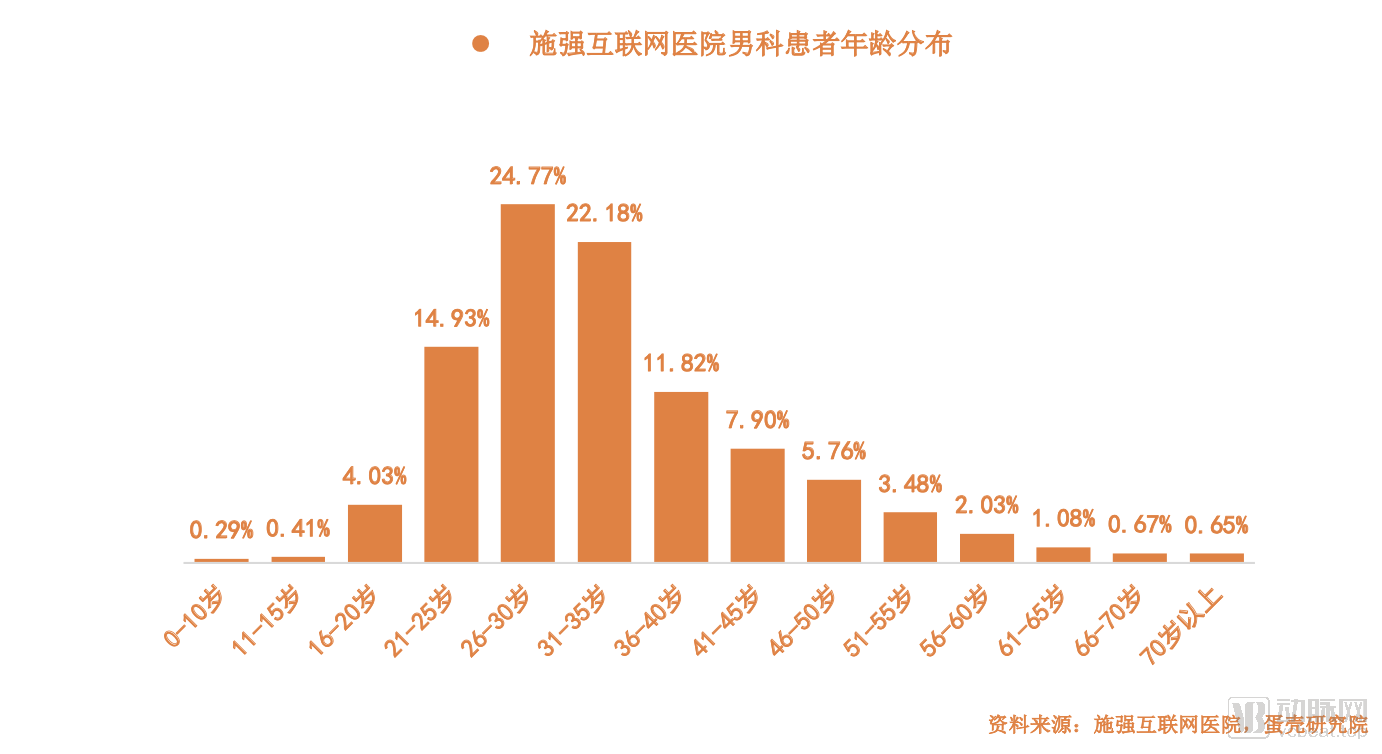
According to data from Shiqiang Internet Hospital, patients aged 26–30 and 31–35 each account for over 20% of the user base in its online andrology department, while those aged 21–25 and 36–40 each exceed 10%. Patients aged 20–40 collectively comprise more than 70% of the total, making them the primary user group and indicating a trend toward younger demographics in online andrology services. In addition to social pressures and unhealthy lifestyles contributing to the earlier onset of andrological conditions, other key factors driving this youthful demographic include high work-related stress among young adults, difficulties in attending frequent in-person follow-up visits, and their proficiency in using digital tools.
Jiangsu, Shandong, Zhejiang, and Guangdong Have the Highest Proportion of Male Andrology Patients
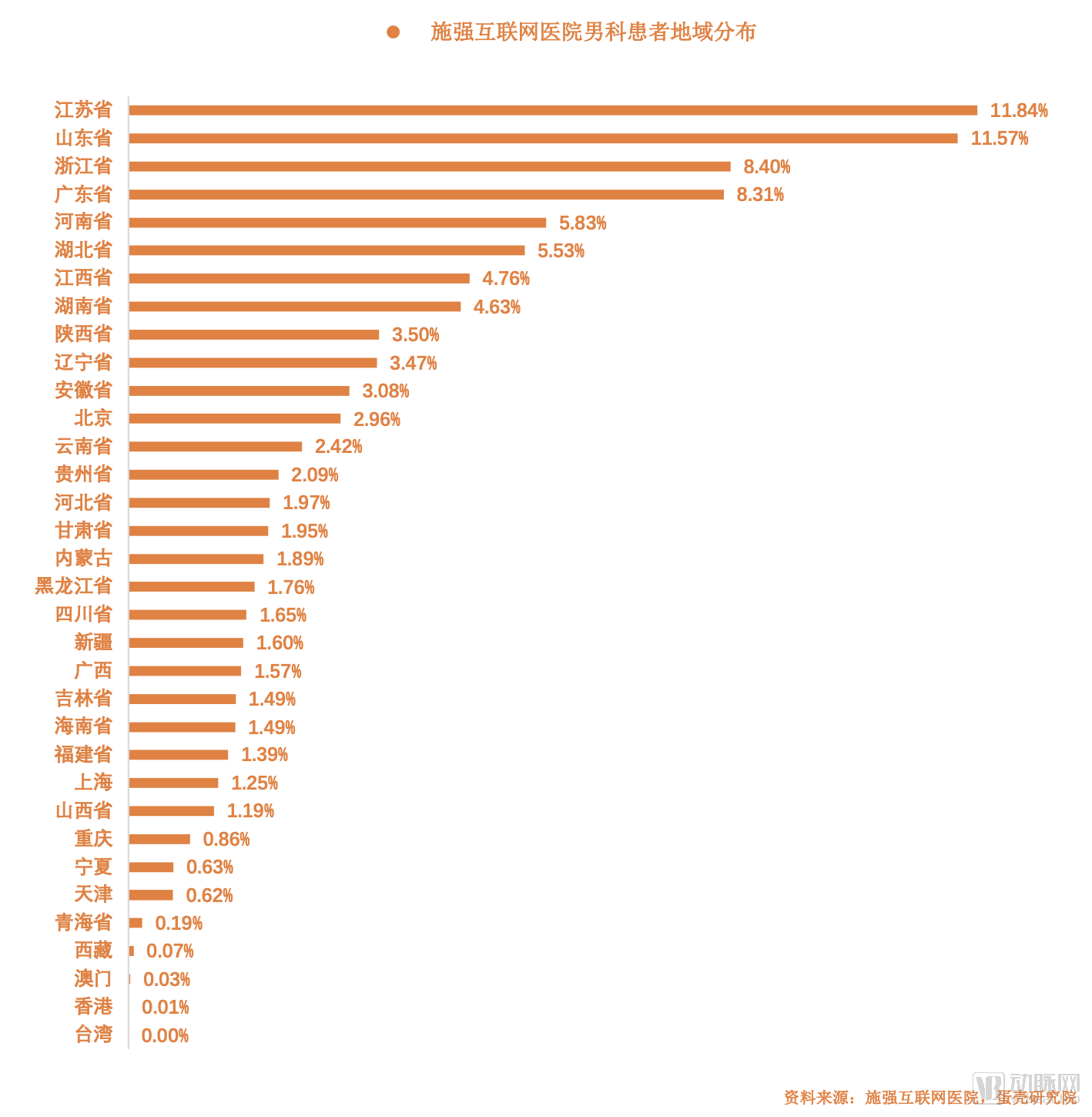
Data from Shiqiang Internet Hospital indicates that the geographic distribution of patients using andrology-focused internet hospitals in China currently exhibits strong regional clustering. The six provinces with the largest patient populations are, in order, Jiangsu, Shandong, Zhejiang, Guangdong, Henan, and Hubei; together, these six provinces account for more than 50% of the national total. Beyond variations in Shiqiang Internet Hospital’s promotional efforts across regions, the geographic distribution of male patients using andrology internet hospitals shows a strong positive correlation with both the number of internet hospitals operating within a region and the number of andrology clinics in hospitals across each province. Therefore, the size of the local patient population, the prevalence of awareness regarding specialized diagnosis and treatment, and the level of acceptance of internet hospitals all influence, to some extent, the development of specialized internet hospitals in a given area.
High concentration of daytime visits, strong patient retention, and high prescription conversion rates
For male patients using Shiqiang Internet Hospital, consultation hours are primarily concentrated between 9:00 AM and 8:00 PM, with the highest frequency occurring from 9:00 AM to 12:00 PM. Notably, even after 5:00 PM—when most outpatient services at physical hospitals have concluded—more than 20% of male patients still utilize online consultations to meet their diagnostic and treatment needs. From the initiation of the consultation to its completion, the total duration of doctor-patient interaction on Shiqiang Internet Hospital averages 254 minutes (including waiting time for both parties). This prolonged, intermittent consultation model is unique to internet hospitals. Patients need not worry about inadequate communication due to restrictions on outpatient hours; within a single consultation period, they may ask follow-up questions an unlimited number of times, fully articulate their condition and needs, and alleviate disease-related concerns. Meanwhile, physicians can provide more targeted diagnostic and treatment plans through thorough communication. This model, which breaks through specific temporal and spatial constraints, significantly enhances trust between doctors and patients, leading to higher patient stickiness and adherence.
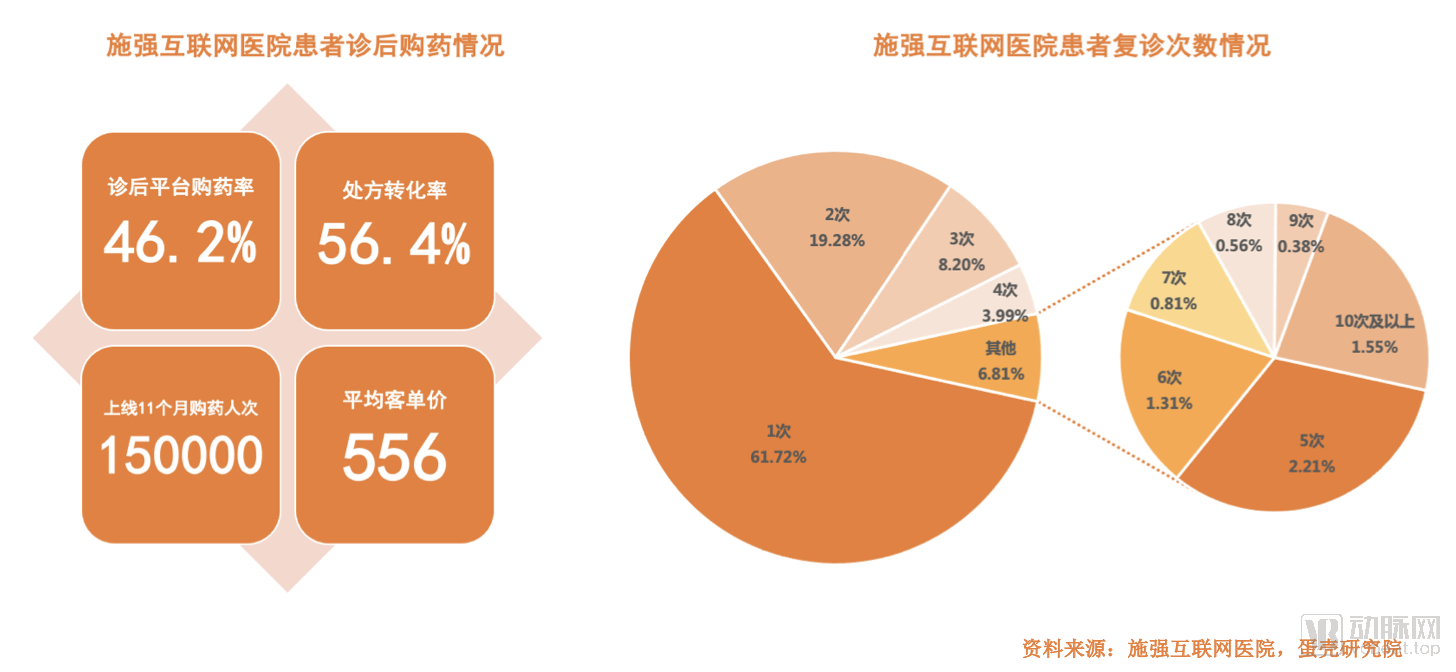
Leveraging the aforementioned advantages of its specialized andrology internet hospital, 46.2% of patients purchased medications on the Shiqiang Internet Hospital platform following online follow-up consultations. Within 11 months of its launch, Shiqiang Internet Hospital recorded over 150,000 online medication purchases, achieving a prescription conversion rate of 56.4% and an average transaction value of RMB 556. In contrast, a certain comprehensive internet hospital reported a prescription conversion rate of 25%, while another large-scale internet hospital platform had a user payment conversion rate of only 2.9%. Furthermore, during the same 11-month period, nearly 40% of patients on the Shiqiang Internet Hospital platform underwent more than two follow-up consultations; approximately 6% had more than five follow-ups, and 1.55% had ten or more. Overall, Shiqiang Internet Hospital’s andrology department demonstrates higher prescription conversion rates and user stickiness than the industry average. Its elevated prescription conversion rate and high volume of repeat consultations are largely attributable to Shiqiang Internet Hospital’s operational model.
Shiqiang Internet Hospital is led by a pharmaceutical enterprise, with its core advantage lying in a large group of doctors who have established long-term collaborations and high levels of mutual trust. Therefore, Shiqiang Internet Hospital has chosen to build a closed, platform-based specialized internet hospital. This model precisely reaches a large number of andrology patients through the physician channel, leveraging doctors’ influence to provide a professional medical platform and online medication purchasing channels for patients who face difficulties in follow-up visits or require long-term treatment and medication, all on a voluntary basis. Furthermore, as Shiqiang Pharmaceutical specializes in medications for andrological diseases, Shiqiang Internet Hospital enjoys a natural advantage in the supply of andrology-related medicines.
Furthermore, VCBeat Research has learned that to improve patient adherence and alleviate psychological stress, Shiqiang Internet Hospital has equipped its platform with “Health Stewards.” For patients, these Health Stewards provide basic consultations on common diseases and psychological counseling, helping patients view andrological conditions correctly. They also regularly collect patient feedback after follow-up visits to enhance the online medical consultation experience. For physicians, Health Stewards preliminarily organize patients’ consultation requests, reducing the workload caused by non-medical information, and assist doctors in guiding patients through online prescription renewals and medication purchases. This allows physicians to focus on core diagnostic and treatment processes, thereby alleviating their work pressure. Shiqiang Internet Hospital requires all on-duty Health Stewards to hold nationally certified Health Manager qualifications. By leveraging a professional support team, this approach improves communication efficiency between doctors and patients, enhances patient medication adherence, and increases physicians’ enthusiasm for online consultations. This model is worth emulating by many other internet hospitals to increase the volume of online follow-up visits.
Physician Profile: Primarily middle-aged physicians, 75% from tertiary hospitals, with extensive experience.
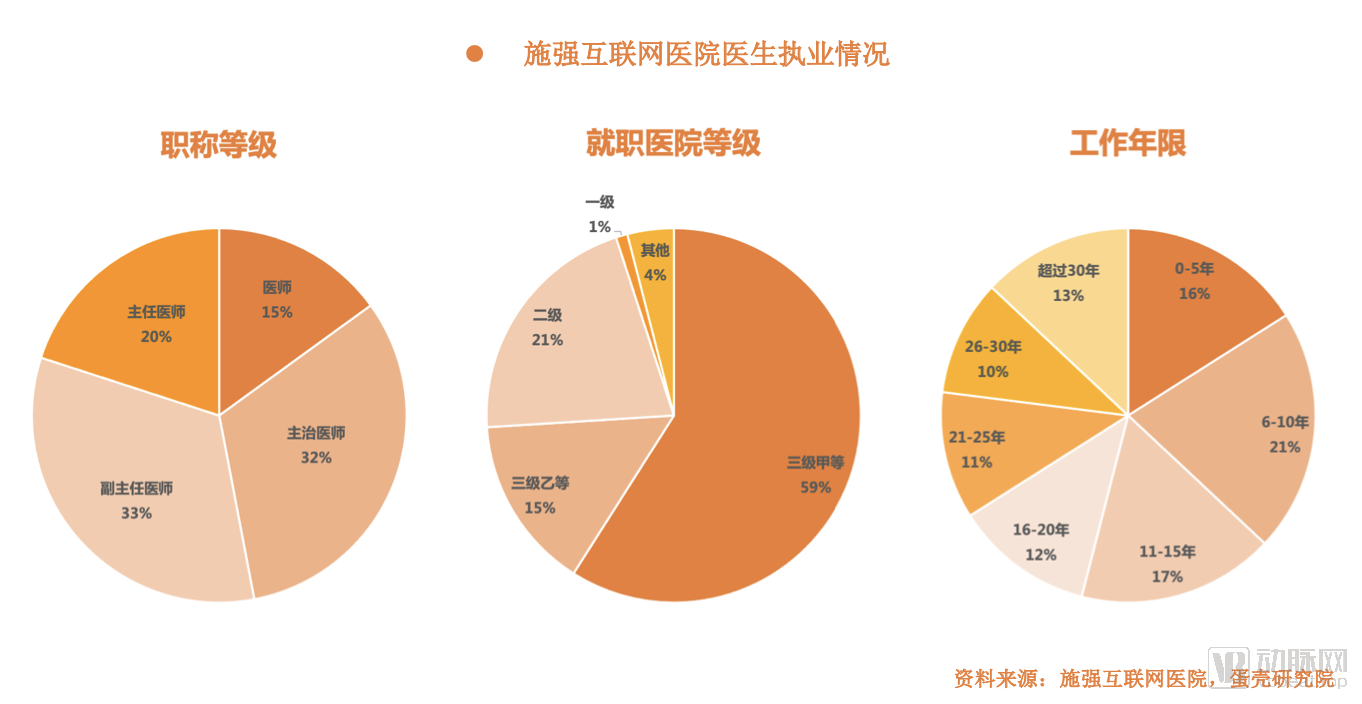
Among the andrologists at Shiqiang Internet Hospital, those aged 31–45 constitute the largest proportion, accounting for more than half of the total, followed by those aged 25–30 and 46–55. The medical team is predominantly composed of middle-aged physicians. This age distribution is closely linked to the open mindset of middle-aged doctors toward embracing internet hospitals. Internet hospitals enable these physicians to easily manage patients and promptly stay updated on their diagnosis and treatment status via mobile apps.
More than 60% of the physicians at Shiqiang Internet Hospital have over 10 years of clinical experience, with approximately 35% having practiced for more than 20 years. The overall extensive experience and high level of diagnostic and therapeutic expertise among these physicians ensure that Shiqiang Internet Hospital can provide male patients with professional, standardized, and personalized treatment plans. Among the physicians at Shiqiang Internet Hospital, 85% hold titles of Attending Physician or higher, with Chief Physicians accounting for as much as 20%. Furthermore, 88% of the physicians are employed by public hospitals, of whom approximately 52% come from Grade A Tertiary (Class III, Grade A) hospitals. These statistics not only demonstrate Shiqiang Internet Hospital’s abundance of high-quality medical resources but also highlight the instrumental value of online andrology platforms. The significant proportion of physicians from public Grade A Tertiary hospitals underscores how such platforms genuinely assist doctors in enhancing patient management.
To explore how pharmaceutical company-led, specialty-focused internet hospitals can attract a large base of active physicians, VCBeat conducted a survey examining why doctors choose Shiqiang Internet Hospital. Based on feedback from the physician side, the following key factors were identified.
Truly Effective Patient Management Tools
Whether an internet hospital platform can truly assist physicians in patient management, enhance doctor-patient trust, and improve patients’ adherence to diagnosis and treatment plans is the primary criterion for physicians when selecting such a platform. The operational model of Shiqiang Internet Hospital and its supportive health steward services are both designed with physicians at the core. Rather than exploiting the physician side to rapidly boost consumer-side patient traffic, the platform leverages resources and technology to facilitate online consultations, streamline communication with patients, and maximize the core value of clinical care.
A Powerful Tool for Enhancing Personal Brand Awareness
Due to the lack of standardization in the andrology diagnosis and treatment market, there has long been a shortage of authoritative and influential specialized platforms in this field. Traditional perceptions have further hindered the promotion of service reputation for andrology care. Consequently, many physicians seek to expand their professional influence through Shiqiang Internet Hospital, an emerging specialized platform for andrology diagnosis and treatment. This demand also signals that Shiqiang Internet Hospital should develop new modules, with promoting high-caliber andrology specialists—characterized by advanced clinical expertise and high-quality service—to consumer-end users as a key future strategic direction.
Sources of Physicians' Transparent Income
Healthcare insurance reforms and volume-based procurement have once again thrust the issue of transparent physician compensation into the spotlight. How to enhance the value of diagnostic and treatment services, enabling physicians to receive reasonable and lawful income commensurate with their heavy workloads, is an urgent social issue that needs to be addressed. It also presents a significant opportunity for internet hospitals to attract high-quality medical talent. Shiqiang Internet Hospital places great emphasis on the value of physicians’ clinical services. VCBeat learned in interviews that Shiqiang Internet Hospital allocates all consultation fees directly to physicians as income. Furthermore, to promote chronic disease management, the platform provides additional compensation to physicians for follow-up visits and prescriptions, regular patient check-ins, and collection of treatment feedback. This model not only encourages physicians to engage in chronic disease management but also boosts their transparent income. As a result, Shiqiang Internet Hospital has successfully attracted a large pool of active physicians.
Professional Team Services
Shiqiang Medicine’s deep cultivation in the field of andrology and its professional services tailored for physicians are also key reasons why many doctors choose to join Shiqiang Internet Hospital and maintain long-term engagement. Compared with broad, multi-disciplinary physician support and services, Shiqiang Internet Hospital offers extensive experience and a high level of specialization in andrological physician services. By understanding the pain points physicians encounter during diagnosis and treatment, the platform provides targeted solutions through team-based services and functional development, thereby assisting physicians in effective patient management.
Comprehensive Andrology Medication Portfolio and Reasonable Pricing
A key reason some physicians choose Shiqiang Internet Hospital is the shortage of medications at their primary practice institutions. To facilitate follow-up medication access for male patients, many doctors recommend that patients conduct online follow-up consultations and purchase medications through Shiqiang Internet Hospital. Leveraging the pharmaceutical resources of Shiqiang Pharmaceutical, Shiqiang Internet Hospital offers physicians a wide selection of male health medications while providing patients with reasonably priced drugs and delivery services.
As a closed-loop specialized internet hospital platform, Shiqiang Internet Hospital has leveraged a dual-engine model comprising a "WeChat Service Account (patient side) + App (physician side)" to create the "Huihui Health" platform. This platform provides diagnosis and treatment services tailored to the usage habits of both patients and physicians. For the patient side, the Huihui Health platform primarily reaches users through WeChat Service Accounts. The decision to use WeChat Service Accounts as the patient-facing platform offers several key advantages: First, the subscription and registration processes are simpler, avoiding difficulties that elderly patients or those less adept at downloading apps might encounter, thereby broadening patient reach. Second, given the relatively low frequency of medical needs, choosing a channel more integrated into patients' daily lives can enhance patient adherence and usage frequency, thus better facilitating chronic disease management. Finally, the diagnosis and treatment service platform built on WeChat Service Accounts boasts cross-system and cross-platform compatibility, ensuring that changes in electronic devices do not result in patient attrition.
For the physician side, Huihui Health has opted for a self-developed app as the tool for patient management. The development of the Huihui Health App (Physician Version) is primarily driven by considerations of centralized patient management and big data integration. The app supports more diverse and complex functional configurations, enabling physicians to understand patient needs more quickly and conveniently, and to provide targeted diagnostic and treatment services. The standalone Huihui Health App platform also allows physicians to separate their personal and professional lives into distinct modules, minimizing disruptions during their rest time. Furthermore, Shiqiang Internet Hospital has equipped the Huihui Health platform with a “Health Steward App” module, which serves as an exclusive work platform for health stewards. This facilitates better coordination between patients and physicians, ensuring that patient needs are addressed while minimizing physicians’ workload. As a result, satisfaction among both patients and physicians can increase simultaneously, truly leveraging high-quality physician resources through superior service to attract and engage more patients.
Chapter 4: Trend Forecast for Specialized Internet Hospitals
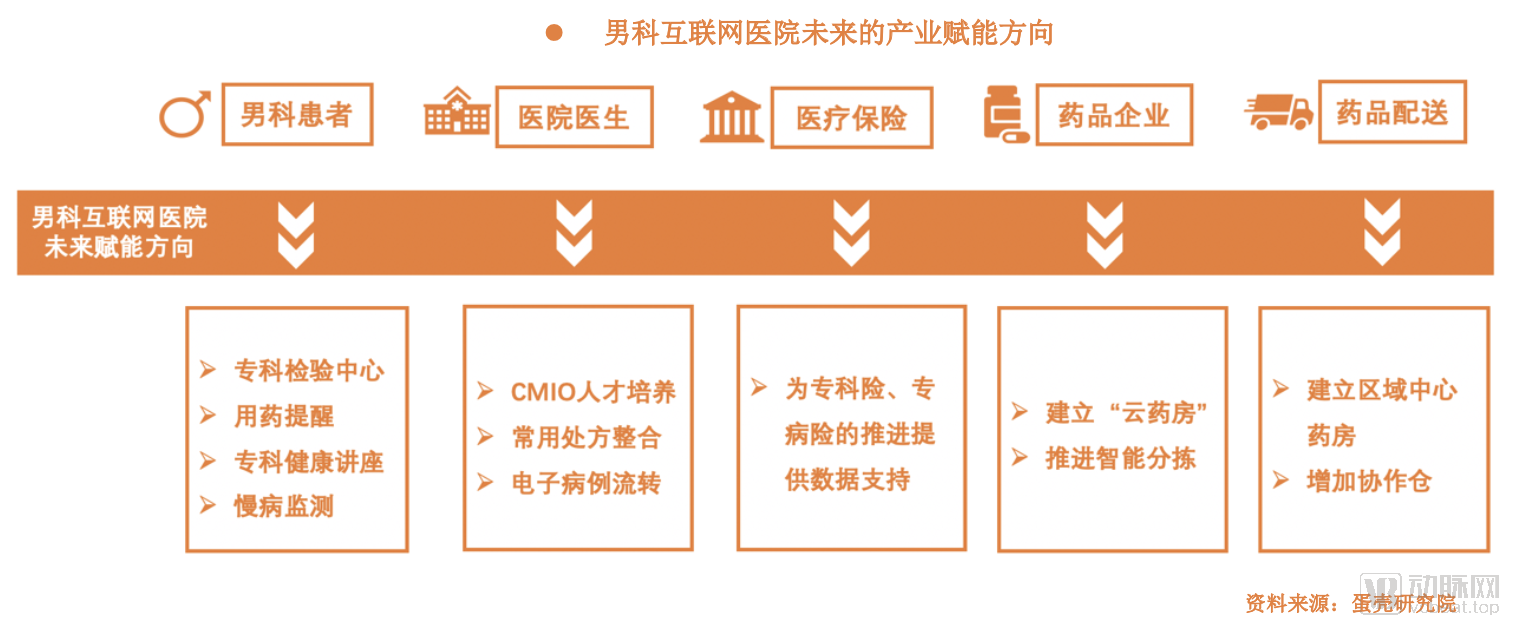
Through an analysis of the current state of the andrology industry and an in-depth study of internet-based andrology hospitals, represented by Shiqiang Internet Hospital, VCBeat has found that integrating multi-party resources and building a closed-loop specialized medical service system encompassing “physicians, patients, pharmaceuticals, insurance, and delivery” is a crucial prerequisite for the robust development of specialized internet hospitals. The distinctiveness of specialized internet hospitals largely stems from their specialty-focused nature. Unlike comprehensive internet hospital platforms, the key to the continuous development and iteration of specialized internet hospitals lies in how effectively they can aggregate and deeply cultivate specialized medical resources.
At the regulatory level, the state will leverage the comprehensive traceability features of internet hospitals to establish a regulatory interface for health administrative departments. All medical institutions providing internet-based medical services and platforms offering such services are required to promptly push, transmit, and back up data to regional comprehensive health information platforms. Health administrative departments will conduct dynamic oversight of internet-based medical practices through this regulatory interface, ensuring that these services are delivered in compliance with laws and regulations, thereby safeguarding medical quality and safety.

Invited Research Team:Shiqiang Pharmaceutical Academic Research and Development CenterAdvisor: Yang Yunfeng; Researchers: Zheng Mengkai, Lu Lishan
The above is an excerpt from the report. The complete framework of the report is as follows. Scan the QR code to access the mini-program and read the full report for free:
Chapter 1: Specialized Internet Hospitals
I. Specialized Internet Hospitals: Deep Cultivation in Vertical Niches and Future Development Directions for Internet Hospitals
II. Value Assessment of Specialized Internet Hospitals: Social Value, Instrumental Value, and Business Model Value
1. Social Value of Specialized Internet Hospitals
2. The Instrumental Value of Specialty Internet Hospitals
3. Value of the Business Model for Specialty Internet Hospitals
III. Analysis of the Business Model of Specialized Internet Hospitals—Diversified Development Directions Under Different Leading Parties
1. Differences in the Leading Parties of Specialized Internet Hospitals
2. Differences in the Models of Specialized Internet Hospitals
IV. Analysis of Key Development Factors for Specialized Internet Hospitals and Department Selection
1. Current Status of the Development of Specialty Internet Hospitals
2. Key Elements for the Development of Specialized Internet Hospitals
3. Department Selection for Specialized Internet Hospitals
Chapter 2: Internet Hospital for Andrology
I. Andrology Internet Hospital—Integration of Multi-Disciplinary Resources Centered on Andrology
II. Analysis of the Current State of the Andrology Industry
1. Large patient base in andrology, scarce resources in formal specialized care
2. Low consultation rates among male patients due to access barriers and privacy concerns
3. The market size of andrology diagnosis and treatment services exceeds RMB 100 billion
III. Value Assessment of Internet Hospitals for Andrology
1. The Social Value of Online Andrology Hospitals
2. The Instrumental Value of Online Andrology Hospitals
3. Value of the Business Model for Online Andrology Hospitals
IV. Key Elements for the Development of Andrology Internet Hospitals
Chapter 3: Typical Case Study—Shiqiang Internet Hospital
I. Patient Profile of Male Andrology Patients at Shiqiang Internet Hospital
1. The Age Distribution of Andrology Patients Is Shifting Toward Younger Individuals
2. Jiangsu, Shandong, Zhejiang, and Guangdong Have the Highest Proportion of Male Andrology Patients
3. Consultations are concentrated during daytime hours, with strong patient retention and high prescription conversion rates
II. Physician Profile of Shiqiang Internet Hospital
1. Basic Information of the Physician
2. Overview of Online and Offline Consultations by Andrology Physicians at Shiqiang Internet Hospital
3. Analysis of the Reasons Why Doctors Choose Shiqiang Internet Hospital
Chapter 4: Trend Forecast for Specialized Internet Hospitals
I. Integrate resources to build a closed-loop service system of “medical care–patients–pharmaceuticals–insurance–delivery,” and secure a leading position in academic discourse
II. Content Marketing Will Become a Key Strategy for Expanding the Influence of Specialty Internet Hospitals
III. Developing an Integrated Specialty Internet Hospital Platform for Service Delivery and Regulatory Oversight

If you wish to connect with companies covered by VCBeat, pleaseFill in the form, our staff will assist you as soon as possible.
Note: Any corporate data mentioned in this article was provided and verified by the interviewees to the analysts. If you have resources to share or wish to contact us regarding reporting projects, pleaseClick the linkPlease fill in your basic information, and we will contact you as soon as possible.
Disclaimer: The intellectual property rights of the content published on VCBeat are exclusively owned or held by VCBeat and related rightsholders. For reprinting, please contact tg@vcbeat.net.