

Beyond BioBAY: Wujiang Emerges as a Rising Hub in Suzhou’s Medical and Health Industry Expansion
Introduction: Currently, from the national level to local governments, active efforts are being made to strategically position and support the development of the healthcare industry. However, how to leverage strengths, mitigate weaknesses, seize development opportunities in the healthcare sector, and inject new vitality into regional economies has become a significant and urgent challenge facing China’s healthcare community. In response, VCBeat conducts an in-depth analysis of outstanding domestic and international case studies, summarizing developmental experiences in terms of industrial positioning, policy support, and industry services, with the aim of providing references for the development of industrial parks in China.
Since time immemorial, literati and poets have never been sparing in their praise of Suzhou. In the verses of Bai Juyi, Suzhou is depicted as “Dreaming of Suzhou at the Yangzhou post station, dreaming of the Flower Bridge and the waterside pavilion”; in the writings of Li Shangyin, it appears as “The city of Maoyuan is picturesque, with tiles on Changmen Gate seeming to flow like water”; and by the time of Fan Chengda, a literary figure of the Southern Song Dynasty, Suzhou was directly compared to paradise, giving rise to the enduring proverb: “Above there is heaven; below there are Suzhou and Hangzhou.”
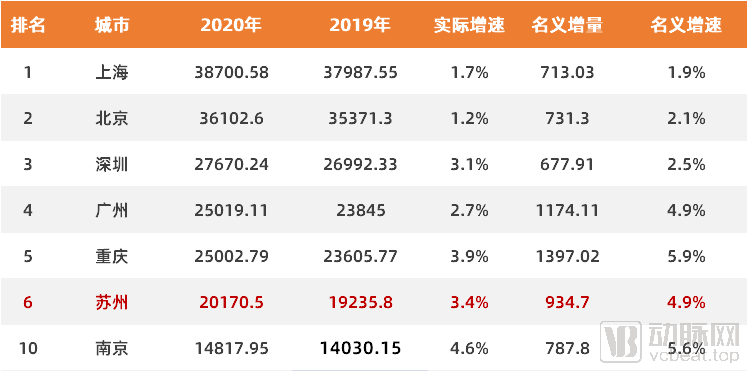
Top 10 Cities by GDP in 2020, data source: National Economic Strategy; chart by VCBeat
Yet “beauty” is but one facet of Suzhou’s multifaceted identity; beyond that, this Jiangnan city boasts a highly developed industrial economy. As the largest economic entity in Jiangsu Province,Suzhou's 2020 GDP Surpassed RMB 2 Trillionnearly RMB 500 billion more than Nanjing, the provincial capital. In the “Top 10 Cities by GDP in 2020” ranking, Suzhou ranked sixth and was the only prefecture-level city on the list, thus earning it the reputation as"China's Strongest Prefecture-Level City"。
Suzhou’s remarkable economic achievements are attributable not only to its own industrial chains but also, to a significant extent, to its extensive layout and outstanding performance in the biopharmaceutical industry in recent years. According to official data, the output value of Suzhou’s biopharmaceutical industry reached RMB 172.8 billion in 2019, a year-on-year increase of 31%. In 2020, this figure surpassed RMB 200 billion, accounting for nearly 10% of the city’s GDP.The biopharmaceutical industry has begun to emerge as a critical link in Suzhou’s economic chain.
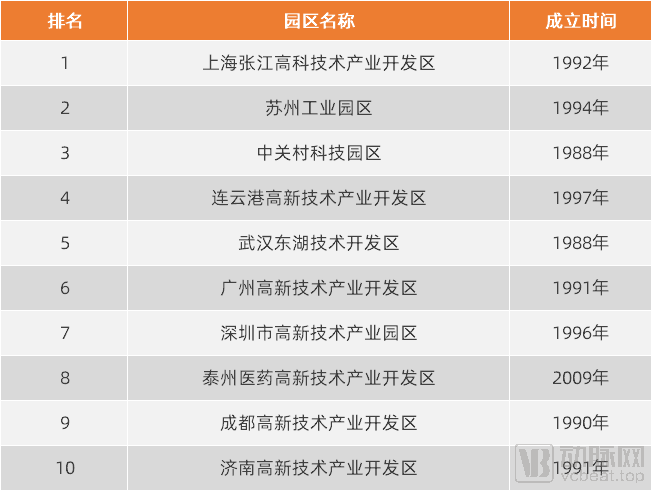
2020 Biopharmaceutical Industrial Park Ranking; Data Source: CCID Consulting; Chart by VCBeat
On this emerging industrial chain, the Suzhou BioBAY (hereinafter referred to as “BioBAY”) is undoubtedly the largest “contributor.”As of now, BioBAY has gathered more than 1,700 related enterprises, with an industrial output value reaching the hundred-billion-yuan level, accounting for over 50% of the city's biopharmaceutical industry. In the recently released "2020 Top 100 Biopharmaceutical Industrial Parks Ranking," BioBAY ranked second, only after Shanghai Zhangjiang Hi-Tech Park.
However, Suzhou is not home to BioBAY alone. Wujiang, located just 30 kilometers away, has also been making significant strides in the medical and health industry. After a period of consolidation and accumulation, its industrial scale has begun to take shape.As of now, more than 100 well-known domestic medical and health enterprises have settled in Wujiang District, among which 21 have been included in Suzhou’s database of leading industries above designated size. Leveraging multiple advantages such as government support, resource integration, production capacity agglomeration, and concentrated development of the ecological chain, Wujiang’s biomedical industry achieved an output value of approximately RMB 4 billion in 2020, becoming a new “growth pole” for Wujiang’s economy.
The development of any industrial cluster is not an overnight success; it encompasses both inevitable trends and contingent circumstances. For Wujiang, is BioBAY, located just a 15-minute drive away, a “blessing” or a “curse”? Do the two stand in opposition? Looking ahead, how will Wujiang strategize its layout in the healthcare sector? What benefits can its existing resource advantages offer to industrial development? In response to these questions, VCBeat will uncover the answers by examining the underlying logic behind the development of Wujiang’s healthcare industry.
In recent years, the Suzhou Municipal Government has attached great importance to the development of the biopharmaceutical industry. It has successively formulated and issued a series of important documents, including the “Guiding Opinions on Accelerating the Cluster Development of Suzhou’s Biopharmaceutical Industry,” the “Several Measures for Accelerating the High-Quality Development of Suzhou’s Biopharmaceutical Industry,” and the “Implementation Plan for Fully Building Suzhou into a Landmark City for the Biopharmaceutical and Health Industries (2020–2030).” These documents explicitly propose benchmarking against and learning from the “Boston experience” in the United States, comprehensively constructing a biopharmaceutical industrial ecosystem with distinct Suzhou characteristics, striving to establish Suzhou as the most competitive and influential domestic landmark for the biopharmaceutical industry within ten years, and enhancing its international reputation.
Driven by concentrated policy support, Suzhou’s biopharmaceutical industry has ushered in unprecedented development opportunities, with BioBAY in the Suzhou Industrial Park being the most representative example. Compared with other biopharmaceutical industrial parks in China, BioBAY started relatively late, butHigh Starting Point, Rapid Momentum, Swift Growth, after just over a decade of development, it has become an emerging force in China's biopharmaceutical industry that cannot be ignored.
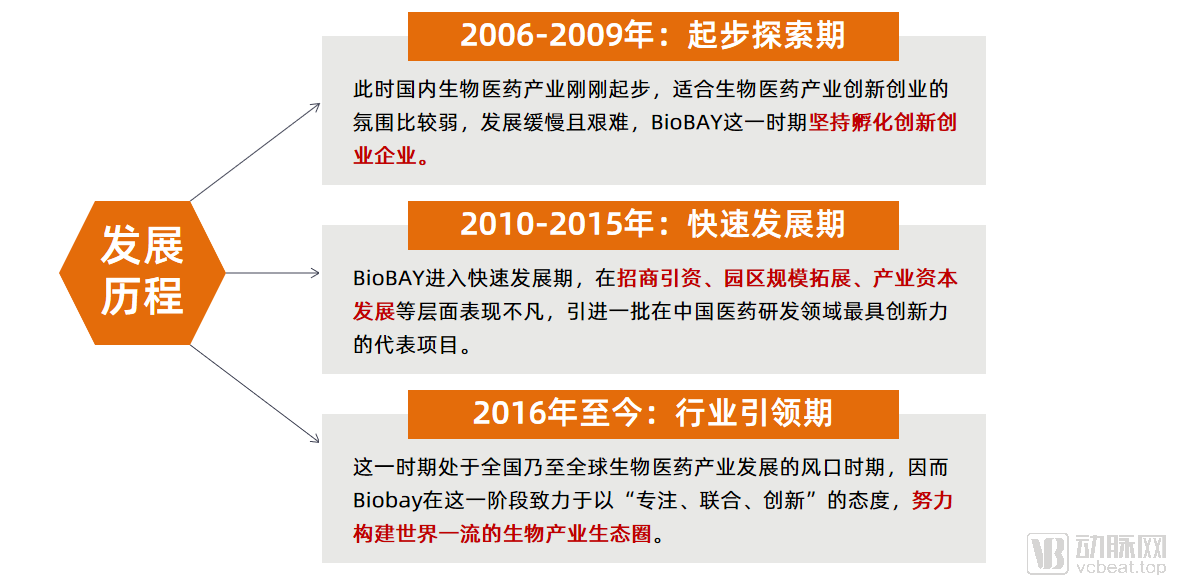
Looking back at the development history of BioBAY, it is not difficult to see that it found the “correct answer” from the very beginning. On June 27, 2007, the Suzhou BioNano Park (the predecessor of BioBAY) held its opening ceremony, officially setting sail for the biopharmaceutical industry.
But on the path forward,The primary issue to address is how to cope with direct competition from Shanghai Zhangjiang Hi-Tech.Geographically, BioBAY is less than 100 kilometers away from Shanghai Zhangjiang Hi-Tech Park, leading to inevitable industrial overlap between the two. On the other hand, unlike BioBAY, which was just getting started, Shanghai had already implemented its “Focus on Zhangjiang” development strategy as early as 1999. Therefore, for BioBAY at that time, engaging in direct competition with Shanghai Zhangjiang Hi-Tech Park would have been akin to “throwing an egg against a rock.”
Based on this, BioBAY has adopted a development strategy that differentiates itself from Zhangjiang Hi-Tech. First, in terms of tenant selection, whereas Zhangjiang Hi-Tech centers on leading domestic and international pharmaceutical companies, BioBAY primarily targets start-ups in biotechnology, focusing exclusively on incubating innovation and entrepreneurship. Second, regarding industrial scope, BioBAY concentrates on three core sectors: drug development, medical devices, and biotechnology. This positioning has remained the cornerstone of BioBAY’s growth over the years.
Similar to BioBAY, Wujiang also faced the awkward situation of direct competition with “leading enterprises” in its early stages. However, there are differences: while BioBAY and Zhangjiang Hi-Tech represent entirely different dimensions, Wujiang is one of the main urban districts of Suzhou City and an important component thereof.
Therefore, for Wujiang, establishing a presence in the medical and healthcare industry is tantamount to “standing on the shoulders of giants,” with this “giant” referring to BioBAY.First, in terms of policy guidance, the multiple key policies formulated by the Suzhou Municipal Government for BioBAY are also applicable to Wujiang, thereby providing the prerequisites for its development;Secondly, in terms of building dimensions, BioBAY’s successful model has provided valuable experience for Wujiang in its strategic layout of the healthcare industry, playing a significant role in driving rapid industrial development;Finally, in terms of industry linkagesCurrently, BioBAY boasts abundant corporate and talent resources. Given Wujiang’s proximity to BioBAY and its rapid development phase, it is inevitable that Wujiang will attract a “flow” of enterprises and talent from BioBAY, thereby continuously increasing its stakes in further industrial extension.
Overall, Suzhou has witnessed rapid development in its biopharmaceutical industry and has successfully incubated BioBAY. However, this is by no means the end goal. Looking ahead, Suzhou, aspiring to become the “China Pharma Valley,” will focus its efforts on the biopharmaceutical sector. Through policy guidance and industrial support, it will promote extensive industrial layout in other regions, including Wujiang, further deepening Suzhou’s “moat” in the biopharmaceutical industry and truly establishing a new landmark for the sector.
What is clearly evident is that the vigorous promotion by the Suzhou Municipal Government and the continuous replication of BioBAY’s successful model have instilled confidence and assurance in Wujiang’s “foray” into the healthcare industry. However, “to forge iron, one must be strong oneself.” In terms of Wujiang’s own capabilities, what inherent “advantages” does it possess for industrial development? And how do these “advantages” empower its industrial growth?
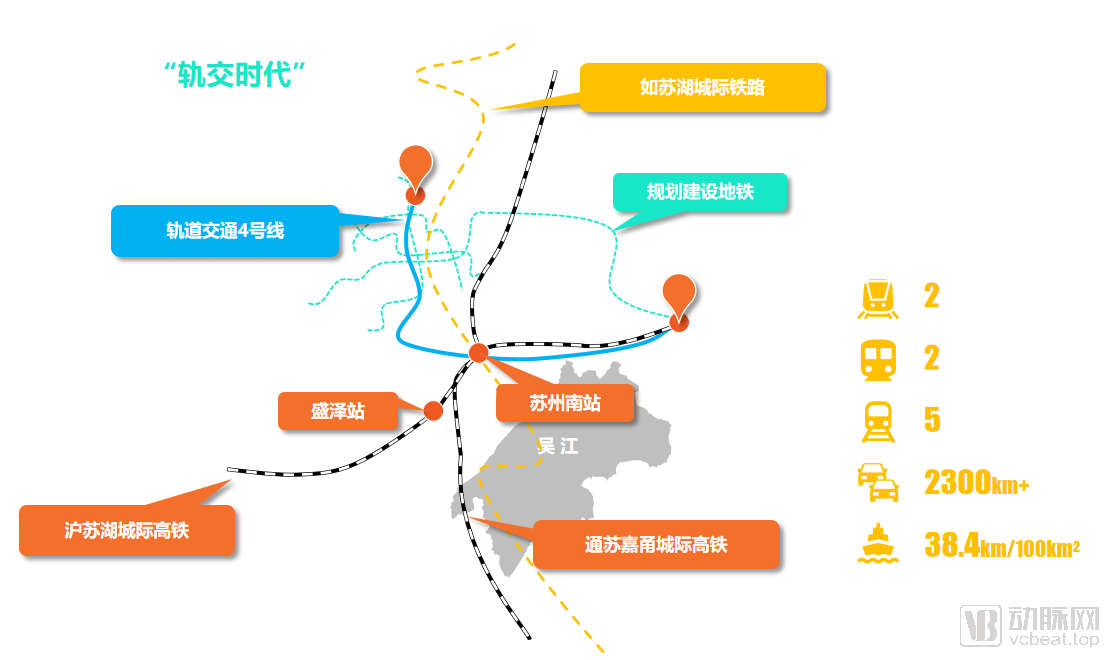
First, the geographical location is superior.Wujiang serves as Jiangsu’s “southern gateway,” bordering Shanghai to the east, Lake Taihu to the west, Hangzhou to the south, and Suzhou’s main urban area to the north, placing it squarely within the core urban zone. In recent years, leveraging the powerful momentum of the integrated development of the Yangtze River Delta, Wujiang has been accelerating its entry into the “rail transit era.” To date, Wujiang is served by two intercity railways—the Shanghai–Suzhou–Huzhou Railway and the Nantong–Suzhou–Jiaxing–Ningbo Railway—as well as two major high-speed rail stations: Suzhou South Station and Shengze Station. Furthermore, Wujiang Metro Line 4 provides seamless connectivity to major transportation hubs in Suzhou, Shanghai, and other cities, while four additional metro lines are currently under intensive planning and construction. Thanks to this comprehensive transportation network, travel from Wujiang takes just 10 minutes to Suzhou’s main urban area, 40 minutes to the Beijing–Shanghai High-Speed Railway stations and Shanghai Hongqiao International Airport, and 90 minutes to West Lake in Hangzhou, with all ports reachable within a two-hour drive.
Transportation serves as the foundational prerequisite for industrial development, and its level of convenience will, to a certain extent, determine whether an industry can achieve sustainable growth. For Wujiang, its geographical location is highly advantageous,Within a two-hour drive from major economic hubs and transportation centers., which plays a significant role in regional economic development and the evolution of spatial patterns.
Second, the industrial foundation is robust.Wujiang has always regarded advanced manufacturing as the foundation of its district development. To date,Four Major Leading Industrial Clusters Have Been Formed: Silk Textiles, Electronic Information, Optical Cables and Fibers, and Equipment Manufacturing, with its polyester filament output accounting for one-eighth of China's total, while its optical fiber and cable output represents over one-third of the national total.
Wujiang District boasts a robust manufacturing foundation and a highly complete industrial chain, which can solidify the upstream and downstream supply chains for the development of the biopharmaceutical industry. Taking equipment manufacturing as an example, advanced production technologies will provide multiple advantages for Wujiang’s layout in the medical device sector, addressing challenges in both production and technology. Meanwhile, in the field of electronic information, integrated platforms supported by cutting-edge technologies such as AI, 5G, and cloud computing will fully empower Wujiang’s development in digital healthcare.
Third, strong innovation capability.Wujiang boasts robust innovation vitality, having ranked first among county-level cities on the Forbes list of China’s Most Innovative Cities for three consecutive years. To date, Wujiang is home to 4 national-level technology business incubators, 10 national-level enterprise technology centers, 5 national-level mass innovation spaces, 111 provincial-level enterprise technology centers, 65 provincial-level engineering technology research centers, and 21 provincial-level mass innovation spaces. In terms of talent pipeline development, Wujiang has implemented reforms for the differentiated allocation of talent policies and continuously advanced the “dual recruitment and dual attraction” initiative. Throughout the year, 108 new projects were introduced. The total talent pool in the district exceeds 330,000, including over 28,100 high-level professionals. This includes 65 national-level talents, 4 provincial “Mass Entrepreneurship and Innovation Teams,” 66 provincial “Mass Entrepreneurship and Innovation Talents,” 102 Suzhou Gusu Leading Talents in Innovation and Entrepreneurship, and 426 Wujiang District Leading Scientific and Technological Talents.
Talent has always been one of the core elements of industrial development, while innovation is the key factor determining whether an industry can maintain stable growth. This is particularly evident in the healthcare sector, which is characterized by high technological barriers. Wujiang attaches great importance to talent cultivation and continuously attracts multidimensional talent from around the world through incentive policies, thereby providing a steady stream of momentum for industrial development.
Fourth, the revenue environment is world-class.Wujiang is a typical representative of the “Southern Jiangsu Model” and also a “leader” in China’s private economy,As of now, Wujiang is home to more than 80,000 private enterprises, which contribute over 60% to the region’s economic growth.Wujiang is home to a number of competitive leading enterprises. Among them, Hengli and Shenghong have been included in the Fortune Global 500, accounting for half of Jiangsu Province’s total. In addition, four companies, including Hengtong and Tongding, are listed among the Top 500 Chinese Enterprises, while five companies, including Yongding, are ranked among the Top 500 Chinese Private Enterprises.
It is evident that Wujiang holds a leading position nationwide, both in terms of the number and quality of enterprises. A key factor contributing to this achievement is Wujiang’s favorable business revenue environment. Wujiang places high priority on economic and industrial development, consistently maintaining an open and inclusive stance. It continues to uphold the fine tradition of “respecting, valuing, and benefiting businesses,” treating the optimization of the business environment as the “lifeline” of high-quality development. With genuine commitment, Wujiang regards enterprises as “family members” and spares no effort to ensure they receive tangible, material benefits.
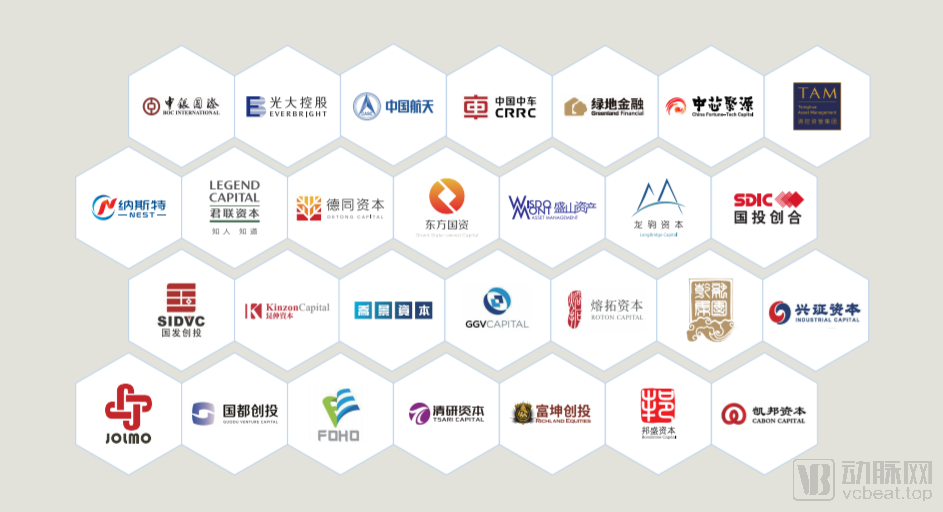
5. A well-developed economic system.Suzhou Bay Oriental Venture Capital BaseBringing together high-quality venture capital funds and other financial investment institutions, branded office and lifestyle service providers, and renowned financial intermediaries, as well as leading enterprises in the new economy and listed companies from both domestic and overseas markets, it aims to become a benchmark for comprehensive financial services within the Yangtze River Delta Eco-Green Integrated Development Demonstration Zone, establishing itself as the nationally recognized “East Taihu Venture Capital Port, South Suzhou Financial Bay.”As of the end of 2020, the base had registered and onboarded 342 financial investment institutions., primarily including Dongfang State-owned Assets, Shengshan Assets, Bank of China International, and Legend Capital, among others, while in terms of registered scale,The base has currently exceeded 80 billion yuan., including supporting funds such as directly managed fund of funds, co-managed fund of funds, linked fund of funds, and policy-oriented direct investment funds.
From any perspective, adequate financial backing is an indispensable condition for industrial development. As Wujiang’s healthcare sector is still in its nascent stage, there is a relatively strong demand for capital. A robust economic system and diversified capital reserves will inevitably provide strong support for its growth.
Examining the advancement paths of outstanding industrial clusters both domestically and internationally, it is evident that the development of an industry must be integrated with local resources. As for Wujiang, although its medical and health industry is still in its nascent stage, it has gatheredMultiple Advantages in Policy, Location, Industry, Environment, and Capital, these advantages are of great significance to industrial development, making Wujiang’s medical and health industry a genuine “high-potential stock.”
As of now, more than 100 biopharmaceutical and general health-related enterprises have settled in Wujiang District, primarily focusing on biopharmaceuticals, medical devices, traditional Chinese medicine decoction pieces, new drug R&D, and pharmaceutical intermediates. Among them, 21 companies have been included in Suzhou’s database of leading industries above designated size, achieving an output value of approximately RMB 4 billion in 2020.
In several key areas, Wujiang’s biopharmaceutical companies have also achieved remarkable accomplishments. For example,Zhonghe BiotechnologySelected for Suzhou’s first batch of 16 potential landmark enterprises under cultivation; among them, its PD-1 monoclonal antibody is the first domestically developed innovative monoclonal antibody drug to obtain marketing approval, a New Drug Certificate, and GMP certification in China, with sales revenue surpassing RMB 300 million within half a year of launch.Nearshore ProteinPrimarily providing raw materials for the preparation of novel coronavirus (SARS-CoV-2) testing reagents, the company achieved a revenue of RMB 180 million in 2020, representing a year-on-year increase of over 400%;Jiecheng MedicalThe J-Valve transcatheter biological heart valve is currently the only transcatheter valve worldwide capable of treating aortic regurgitation, offering a one-stop solution for aortic valve disease.TianxinheProvided mammalian cell culture media, bioreactors, and biopharmaceutical process technologies to domestic biopharmaceutical companies, successfully achieving import substitution;MicroWell BiotechProbiotic products have leveraged their unique advantages in regulating the balance of the human gut microbiota, making significant contributions to China’s nationwide efforts against the epidemic.
However, this is merely the existing foundation, not the endpoint; looking toward the future,Wujiang Still Has Greater “Room for Imagination” in Building Its Healthcare Industry。
First, strengthen the cultivation of key enterprises.Prioritize the development of biologics dominated by antibody drugs, chemical drugs centered on small-molecule targeted therapies and novel formulations, as well as emerging medical devices such as digital diagnostic and therapeutic equipment, health monitoring systems, wearable medical devices, and medical robots. Preferential policies in post-tax incentives, financial support, and complementary regulatory frameworks should be directed toward biopharmaceutical enterprises to promptly alleviate their difficulties and fully support their expansion and strengthening. Efforts should focus on cultivating a cohort of leading companies with revenues exceeding RMB 100 million, RMB 500 million, or even RMB 1 billion, thereby accelerating the formation of clustered competitive advantages.
Secondly, accelerate the development of carrier platforms.Priority will be given to advancing the construction of key platforms, including the Science and Technology Innovation Park in the Development Zone, the Taihu New City Biopharmaceutical Industrial Park, and the Wujiang High-Tech Zone Emerging Industries Park. Centered on pharmaceutical manufacturing, medical devices, and general health, we aim to build a comprehensive industrial chain. We will actively establish biopharmaceutical platforms such as the Genetic Testing Application Center, macromolecular biopharmaceutical testing, clinical medical testing, and formulation production, thereby providing robust support for the clustering of pharmaceutical enterprises in Wujiang.
It is worth mentioning that,Taihu New City Biopharmaceutical Industrial ParkCurrently under planning and construction, the project is poised to become Wujiang’s first specialized park dedicated to the biopharmaceutical industry. Reportedly, the initial phase of the industrial park covers 41.68 mu, with a gross floor area of approximately 30,000 square meters. It will focus primarily on three key sectors: innovative drugs, biotechnology and emerging therapies, and high-end medical devices. The park aims to establish itself as a leading biopharmaceutical hub in the Yangtze River Delta and across China within three years, thereby accelerating the high-quality development of Wujiang’s biopharmaceutical industry.
Finally, we will make every effort to attract future-oriented projects.Leverage the platform advantages of the Integrated Demonstration Zone, capitalize on the spillover effects from biomedical industry hubs such as Industrial Parks and Zhangjiang, actively undertake the relocation of high-quality biomedical enterprises, streamline approval and regulatory measures, and accelerate the attraction of a batch of flagship and leading projects to enhance the depth and breadth of Wujiang’s biomedical industry development.
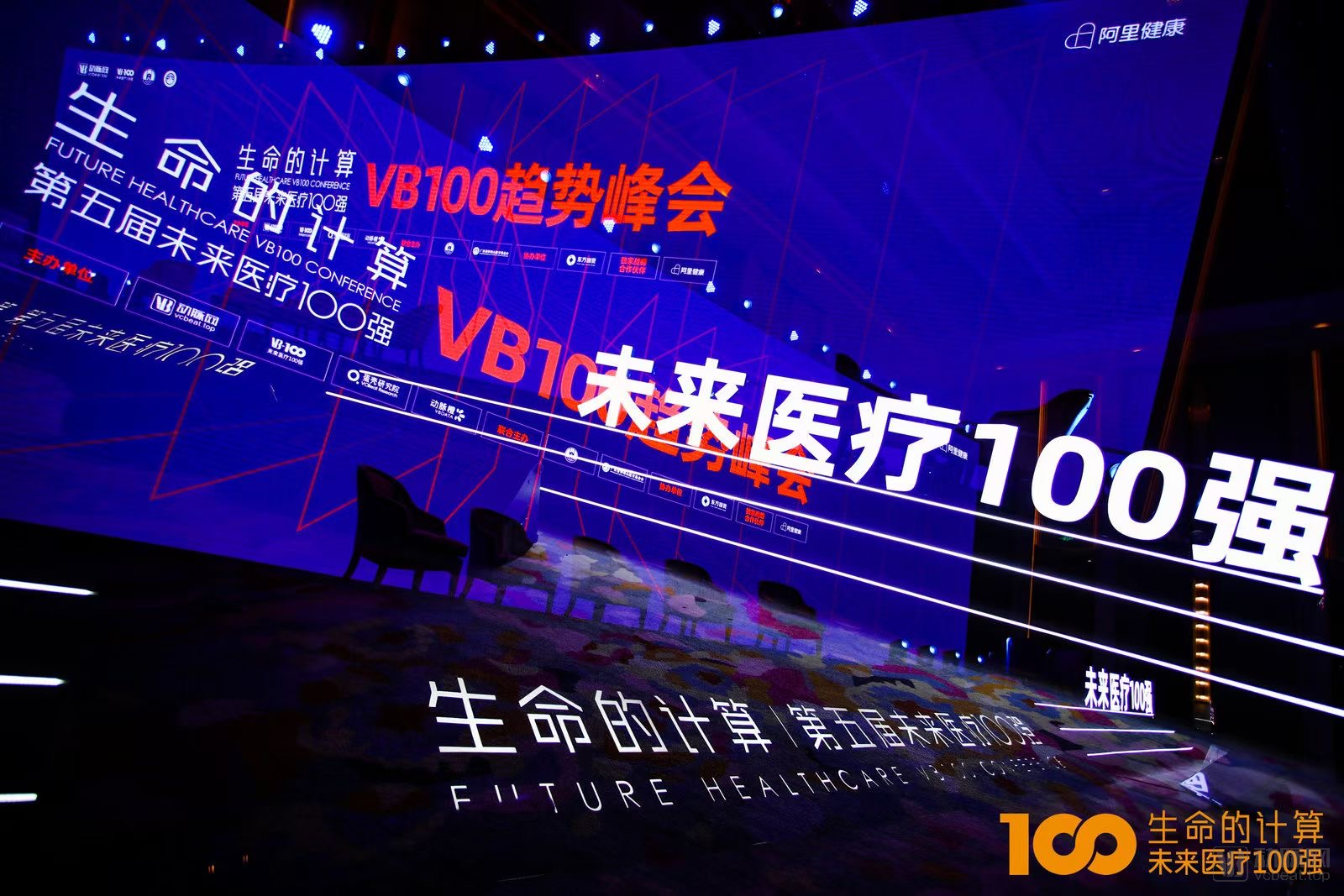
Based on this, the Wujiang government has begun to exert its efforts. From April 16 to April 18, an event hosted by VCBeat, co-hosted by the People's Government of Wujiang District, Suzhou City, and the Zhong Nanshan Medical Foundation of Guangdong Province, with Suzhou Wujiang Dongfang State-owned Capital Investment and Operation Co., Ltd. as a co-organizer, and Alibaba Health as the exclusive strategic partner,“The 5th Future Healthcare Top 100”The conference was successfully held in Wujiang. Themed “Computing Life,” the event brought together 279 prominent guests from China and abroad, with participation from more than 1,000 unicorns and high-potential innovative enterprises, attracting approximately 3,000 attendees. It is currently the largest and most information-rich conference in China’s healthcare sector that integrates industry and capital, and it will help Wujiang build resource advantages for the development of its medical and health industry.
In recent years, with the increasing support in terms of policies and funding, China’s healthcare industry has further demonstrated a trend toward clustered development. As a result, both the national government and local authorities are actively strategizing and supporting the growth of the healthcare sector.
At the national level, regions with strong industrial foundations, robust innovation capabilities, favorable business environments, and high levels of openness are continuously selected to support the establishment of medical and health industrial parks. At the local level, governments across various regions are strengthening top-level design through the integration of regional resources, prioritizing planning, and guiding industrial agglomeration by formulating industry plans and policies, thereby fostering the development of distinctive medical and health industrial parks in different areas.
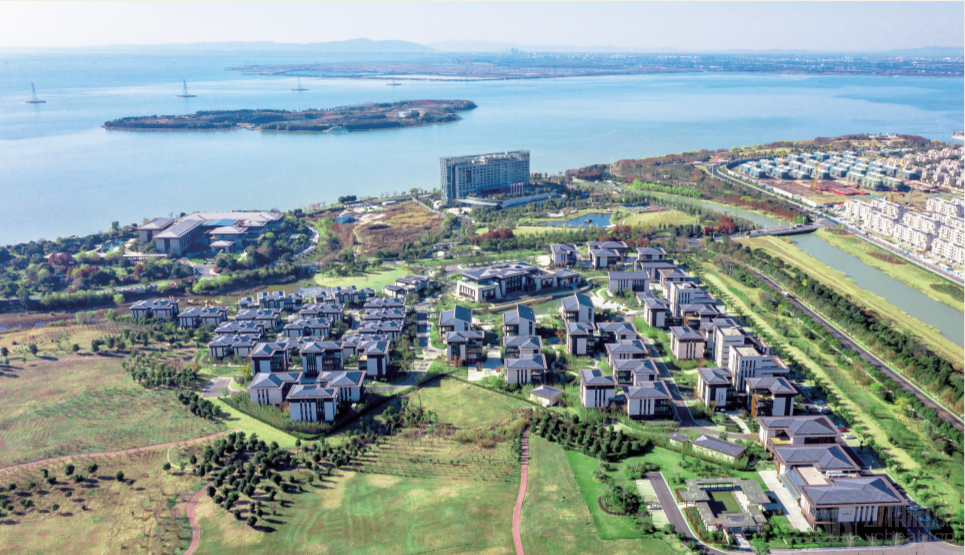
As a pioneer of the national development strategy for the integrated development of the Yangtze River Delta, Wujiang has closely followed Suzhou’s lead, seized opportunities presented by the times, actively implemented decisions and deployments from higher-level authorities, and strictly adhered to relevant directives. It has vigorously promoted the development of the medical and health industry across the district and incorporated it into its regional future development plans.
From the perspective of overall development trajectory, although Wujiang’s medical and health industry is still in its nascent stage and faces significant challenges, the region boasts abundant resources and benefits from the guidance of BioBAY. Therefore, Wujiang’s medical and health sector holds considerable promise and is poised to become the fifth major regional industrial economy—following its four pillar industries of silk textiles, electronic information, optical cables and fibers, and equipment manufacturing—thereby emerging as a new city brand for Wujiang.