

Baiyang Medicine Strategically Enters the Small Nucleic Acid Therapeutics Arena with Investment in SiHe Gene
SicaGene
Oligonucleotide Drug Developer

Baheal Medical
Health Brand Commercialization Platform
The火热的小核酸领域又迎来了新的重磅事件 can be translated as The Booming Small Nucleic Acid Field Welcomes Another Significant Event.
On March 19, Baheal Medical (301015.SZ) announced that the company would invest 27 million yuan in cash in SicaGene, a small nucleic acid innovative pharmaceutical company. After the investment, Baheal Medical will hold 10% of SicaGene's equity and will have the global priority transfer rights for all of SicaGene’s R&D pipelines as well as the priority negotiation rights for commercialization.
As a pharmaceutical enterprise that started with brand commercialization business, Baheal Medical has recently entered the cutting-edge innovative drug and device field through investment, vigorously promoting the development, production, and commercialization of medical innovation achievements. Its strategic path towards transforming into an innovative pharmaceutical company is becoming increasingly clear:
In the field of innovative devices, Baheal Medical has invested in Zap Medical, the parent company of ZAP Surgical Systems, Inc., a global leader in radiotherapy technology.
In the innovative drug sector, Baheal Medical has made significant investments. Through a combination of secondary market subscriptions, investment incubation, and brand-name innovative drug commercialization, Baheal Medical has developed a diversified product portfolio in treatment areas such as bone health, anti-organ fibrosis, and brain metastases in cancer.
Currently, the innovative drug sector of Baheal Medical has covered popular tracks such as RDC and PDC, and is continuously expanding its layout in cutting-edge technology fields based on this. Emerging tracks like small nucleic acids are becoming key areas of focus. SicaGene, which received investment this time, is a biotechnology company focusing on the research and development of a new generation of antisense oligonucleotide (ASO) drugs. As one of the first innovative companies in China to enter the field of ASO drug research and development, SicaGeneIndependently built the first complete original ASO R&D platform in China.`, with the capability to efficiently, cost-effectively, and scalably advance ASO new drug development.`
By acquiring shares in SicaGene, Baheal Medical has further expanded its footprint in the innovative drug sector.
The small nucleic acid track will fully explode in 2026.
Clinical data of small nucleic acid drugs in the weight loss field have been successively announced, and large-scale BD deals by domestic small nucleic acid companies are emerging one after another. These positive developments have boosted market sentiment. China Bio’s billion-dollar significant acquisition and the Hong Kong stock listing of small nucleic acid company Ribo Biotech mark that capital exit channels have been opened. Now, Baheal Medical's investment in SicaGene has further increased the heat in this field.
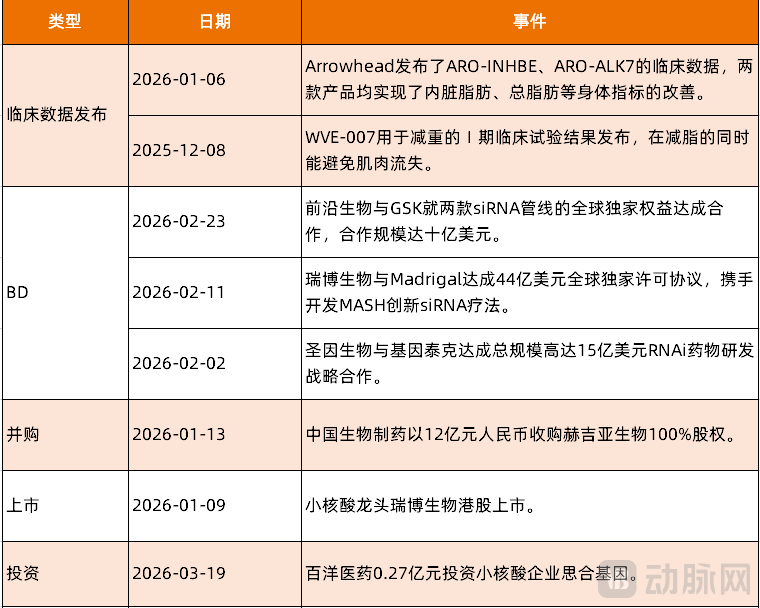
Figure 1. Recent Hot Events in the Small Nucleic Acid Field (Source: VCBeat)
Small nucleic acid drugs are characterized by strong target expansion capabilities, robust R&D extensibility, long-lasting effects, and low propensity for drug resistance. They have been widely recognized as the third wave of innovative drug development following small molecule and antibody drugs. The global market for small nucleic acid drugs is currently experiencing continuous and rapid growth.
Frost & Sullivan's data shows that the global small nucleic acid drug market size has grown from US$2.7 billion in 2019 to US$5.7 billion in 2024, with a compound annual growth rate of 16.29%. Driven by continuous technological advancements, increasing regulatory approvals, and growing clinical validation, it is expected that...The Global Small Nucleic Acid Drug Market Will Accelerate Growth, reaching USD 20.6 billion and USD 54.9 billion in 2029 and 2034 respectively, with a compound annual growth rate of 29.4% from 2024 to 2029 and 21.6% from 2029 to 2034.
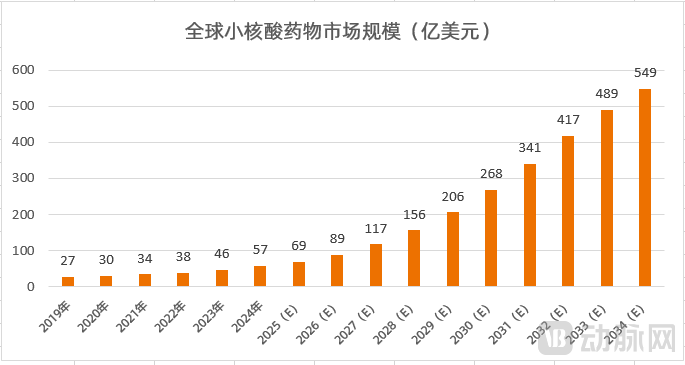
Figure 2. Global Small Nucleic Acid Drug Market Size (Source: Frost & Sullivan)
For Baheal Medical, which is still in the stage of innovative transformation, entering the small nucleic acid track during the window period of industry development is not only a response to the trend but also holds certain forward-looking positioning significance.
Small nucleic acid drugs are diverse, mainly including small interfering RNA (siRNA), antisense oligonucleotides (ASO), and aptamers. They function through different mechanisms, regulating gene expression and protein levels, thereby treating related diseases.
siRNA and ASO are the main development directions in the small nucleic acid field. As of the end of December 2025, a total of 23 small nucleic acid drugs have been approved globally, including 7 siRNA drugs, 14 ASO drugs (of which 2 have been withdrawn), and 2 aptamer drugs (of which 1 has been withdrawn). ASO is the earliest discovered and most approved drug category in the small nucleic acid drug field, with 2, 2, and 1 products approved for marketing in 2023, 2024, and 2025 respectively.
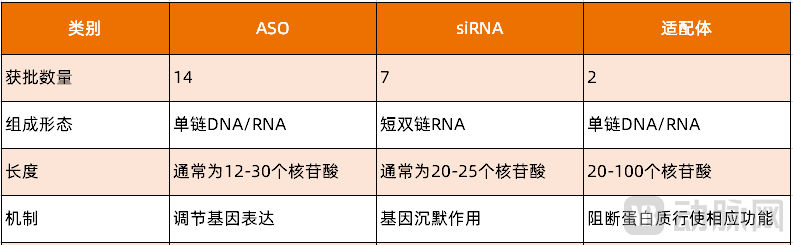
Figure 3. Classification and Characteristics of Small Nucleic Acid Drugs (Source: VCBeat)
ASO is a single-stranded nucleic acid, typically ranging in length from 13 to 30 nucleotides. With a relatively small molecular weight, ASOs can enter cells via self-delivery through endocytosis, showing less dependency on delivery systems. In terms of mechanism, ASO drugs primarily degrade mRNA through the RNase H enzyme or modulate mRNA splicing and translation through steric hindrance, offering diverse mechanisms and broader indications.
Currently, the ASO field is attracting global attention from innovative pharmaceutical companies. According to data from PharmaCube, there are 556 ASO products under research globally that are in active status, among which 103 products have entered clinical trials, and 15 products have advanced to Phase III clinical trials. With continuous technological breakthroughs, ASO drugs, as a core component of small nucleic acid drugs, are gradually expanding from the rare disease domain into broader common disease areas, with the potential to play an even greater therapeutic role in the future.
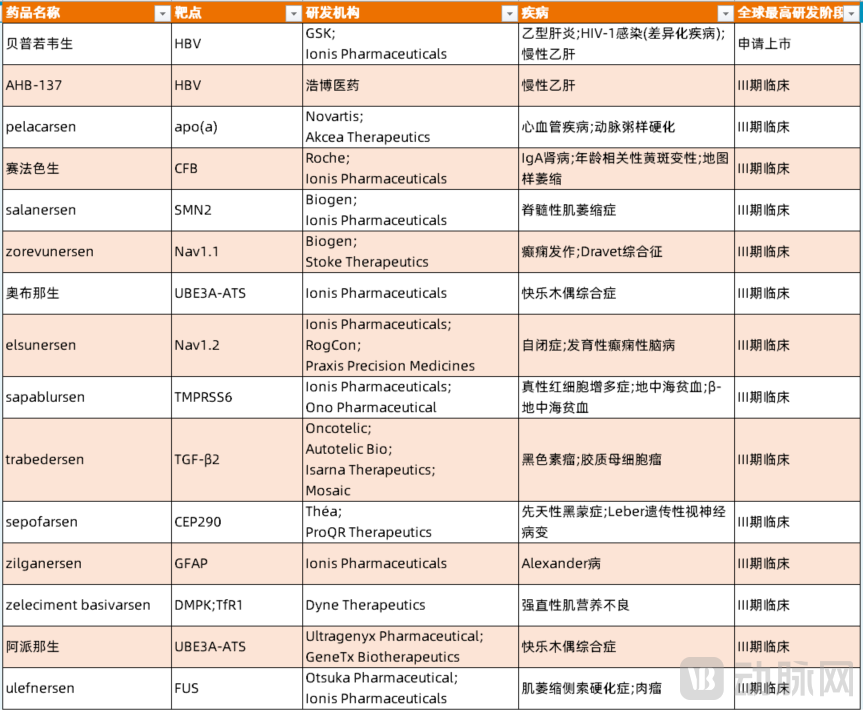
Figure 4. ASO products advanced to Phase III clinical trials (Source: VCBeat)
Relying on original research in the field of ASO drug development, SicaGene has independently built China's first comprehensive original ASO development platform. The core platform includes the world’s first AI algorithm platform for efficient ASO sequence design, an innovative chemical modification platform, and a targeted delivery platform, among others. Based on this platform, SicaGene can efficiently, cost-effectively, and at scale, advance new drug development.
The joining of high-quality talents in the small nucleic acid field has contributed to the successful establishment of SicaGene's ASO R&D platform. As one of the first innovative companies in China to enter the ASO drug development sector, SicaGene's core team brings together senior drug development experts and executives from leading companies in the ASO field, such as BeiGene and Ionis. Leveraging the team’s extensive experience in oligonucleotide drug research and development, clinical trials, registration, and commercialization, SicaGene has been able to build a next-generation ASO drug development platform.
SicaGene's ASO core technology platform provides a guarantee for the smooth progress of the company's innovative pipeline. SicaGene is currently focusing on the research and development of new drugs in areas such as metabolic diseases in the liver, heart failure, and central nervous system diseases. Among them, the SG12 and SG13 pipelines are the most advanced.
SicaGene's self-developed Class 1 new drug SG12 injection for the treatment of chronic hepatitis B has currently received IND approval from the NMPA. For chronic hepatitis B, most existing therapies require long-term or even lifelong medication, with a low proportion achieving "functional cure" (i.e., sustained virological response after discontinuation of the drug). The mechanism of action of ASO drugs is to efficiently inhibit the synthesis of virus-related proteins (such as hepatitis B surface antigen HBsAg) by designing ASOs complementary to key mRNA sequences of the hepatitis B virus. As a cutting-edge technology capable of precise targeting and degradation of specific mRNA,ASO Drugs Provide a New Pathway for Functional Cure of Hepatitis B.
Through deep chemical modification to optimize its molecular activity, safety, and long-acting properties, SG12 injection has demonstrated excellent virus clearance ability and long-term suppression effects in earlier animal experimental models, making it a promising ASO hepatitis B treatment product.
Another product of SicaGene for the treatment of chronic heart failure (SG13) has been selected into the National Key R&D Program for Innovative Drug Development under the 15th Five-Year Plan due to its unique mechanism of action, and is currently in the preclinical research stage. In addition, pipelines applied to the central nervous system and ophthalmology fields are also in the early stages of development.
For Baheal Medical, the significance of this investment in SicaGene lies not only in entering a new track but also in the further extension and validation of its "investment incubation + commercialization" operational model within cutting-edge technology fields. Currently, SicaGene's R&D pipeline is still in its early stages, and Baheal Medical’s industrial layout will achieve resource integration and complementary advantages for both parties, undoubtedly accelerating the progress of SicaGene’s pipeline.
Innovation in the current medical field has entered a stage of global competition, and only innovative projects that can truly optimize clinical scenarios will have greater commercial value. As cutting-edge technologies such as small nucleic acids gradually enter the industrialization phase, Baheal Medical is expected to secure a more advantageous position in the new cycle of innovation.