

Healthy China, Happy Life: Internet Healthcare Summit Held in Hangzhou

The 19th National Congress of the Communist Party of China proposed the implementation of the Healthy China strategy, aiming to provide comprehensive, full-cycle health services to the public and meet their aspirations for a better life. In recent years, internet healthcare has witnessed vigorous growth. The COVID-19 pandemic has significantly accelerated the development of the internet healthcare market, presenting both substantial opportunities and challenges. On April 22, the Internet Healthcare Summit was successfully held in Hangzhou. Themed “Healthy China, Happy Life,” the forum featured in-depth discussions on policy interpretation, case studies, platform development, and the current status and future trends of internet hospital construction, offering strategic insights to support the implementation of the Healthy China initiative and the creation of a better quality of life. The forum also hosted the launch ceremony for the Medical Data Platform across 100 Cities and 1,000 Hospitals, aiming to harness the power of medical big data and promote high-quality development of internet healthcare in China.
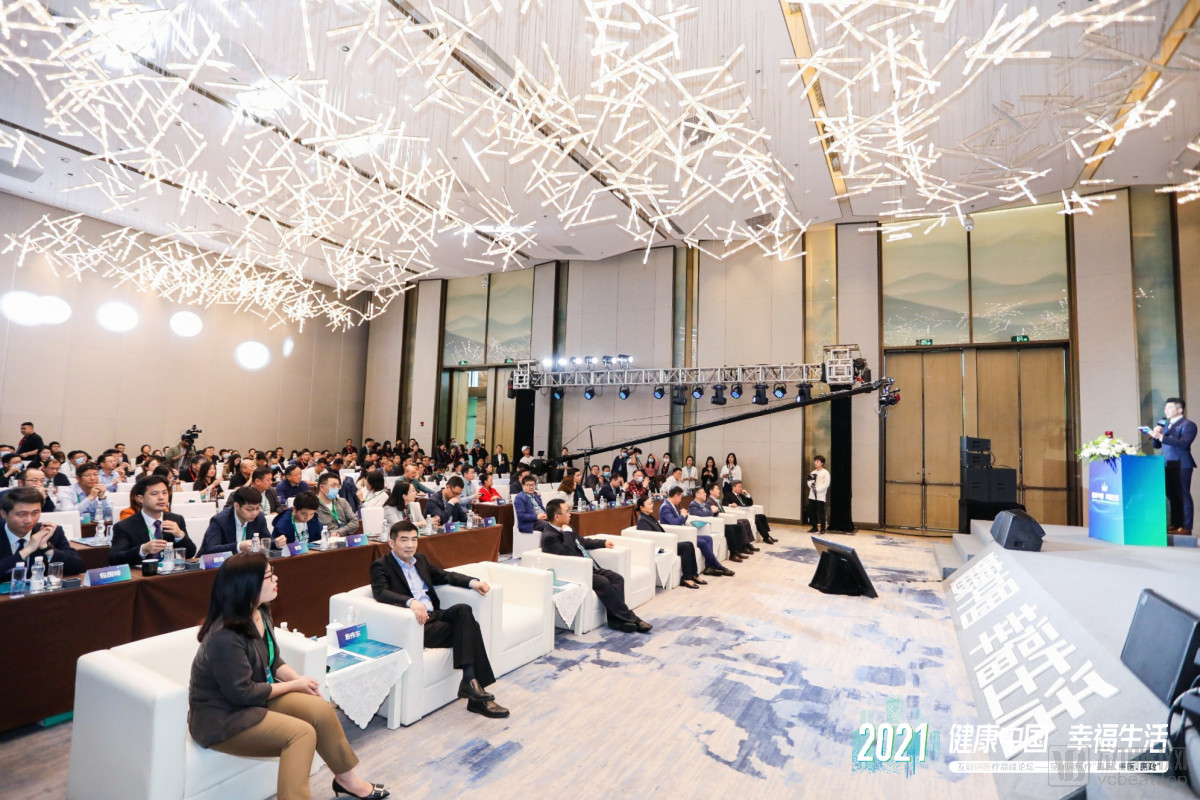
The forum invited Ma Li, former Deputy Editor-in-Chief of People’s Daily and Chairman of the China Internet Development Foundation; Jin Xiaotao, President of the Chinese Society for Health Information and Medical Big Data; Zhang Xiaogang, Counselor to the Gansu Provincial People’s Government and former President of the Affiliated Hospital of Gansu University of Chinese Medicine; Li Zuoqing, Party Secretary of Wuhan Business University; Wang Fuliang, Director of the Department of Industry and Enterprise at the China National Federation of Industrial Economics; Liu Zhefeng, Member of the Party Committee and Deputy Director of the Administration Bureau of Hainan Boao Lecheng International Medical Tourism Pilot Zone; Zou Xiaoping, Vice President of Nanjing Drum Tower Hospital, the Affiliated Hospital of Nanjing University Medical School; Yin Weidong, Director of the Nanjing Health Information Center; and Wu Fang, General Manager of Beijing Yuanxin Medical Technology, among other leaders from regulatory authorities, experts, scholars, and industry professionals in the field of internet healthcare. They engaged in in-depth discussions and analyses on how internet healthcare should implement and adhere to the new development philosophy and integrate into the new development pattern, based on the new stage of development.
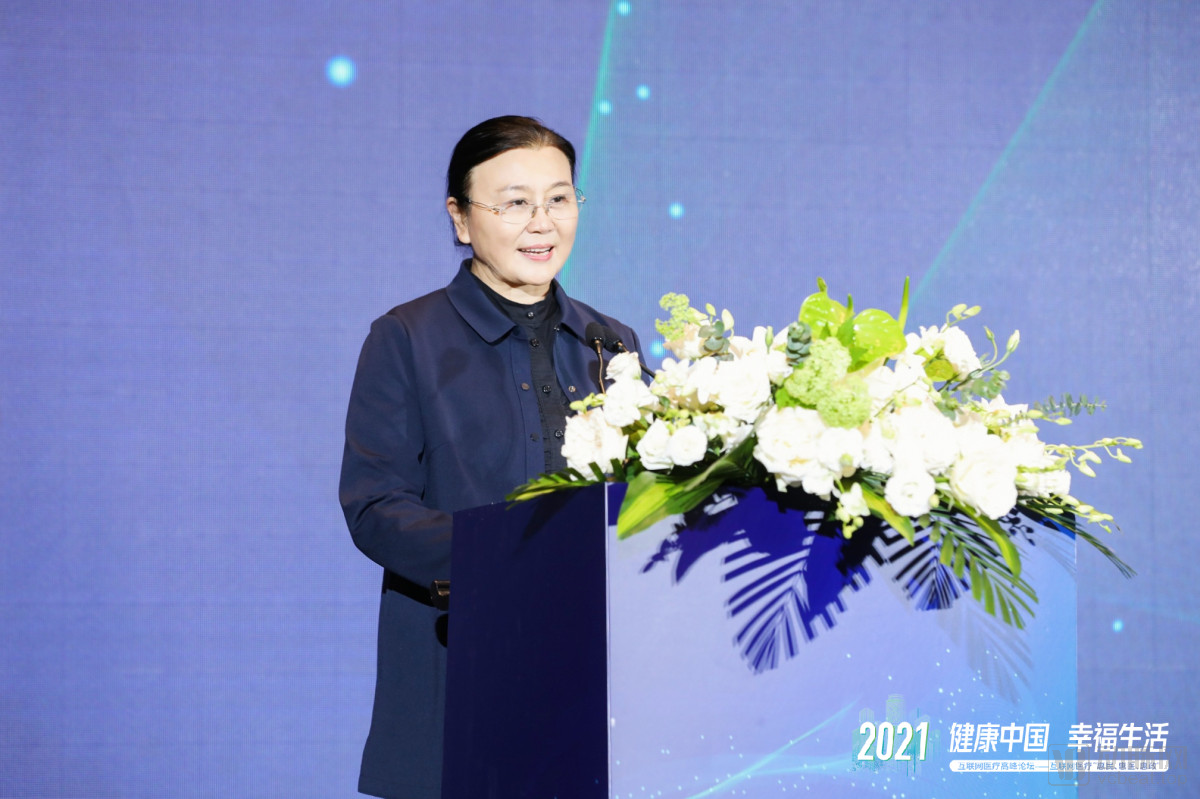
Ma Li, former Deputy Editor-in-Chief of People's Daily and Chairman of the China Internet Development Foundation
Ma Li, former Deputy Editor-in-Chief of People’s Daily and Chairman of the China Internet Development Foundation, stated in his address that to advance internet-based healthcare, it is essential to standardize the medical system and establish effective incentive and constraint mechanisms; to channel high-quality medical resources to the grassroots level, break down geographical barriers, and extend benefits to a broader population; and to leverage big data effectively, unlock its potential, and promote sustainable development.
Jin Xiaotao, President of the Chinese Society for Health Information and Big Data in Healthcare From the perspective of Jin Xiaotao, President of the Chinese Society for Health Informatics and Medical Big Data, various contradictions and challenges are currently hindering the development of internet-based healthcare. He suggests that joint efforts should be made to leverage “Internet Plus” medical and health services and the application of health and medical big data, thereby making positive contributions to building a Healthy China, healthy cities, and a happy life for a healthy population. 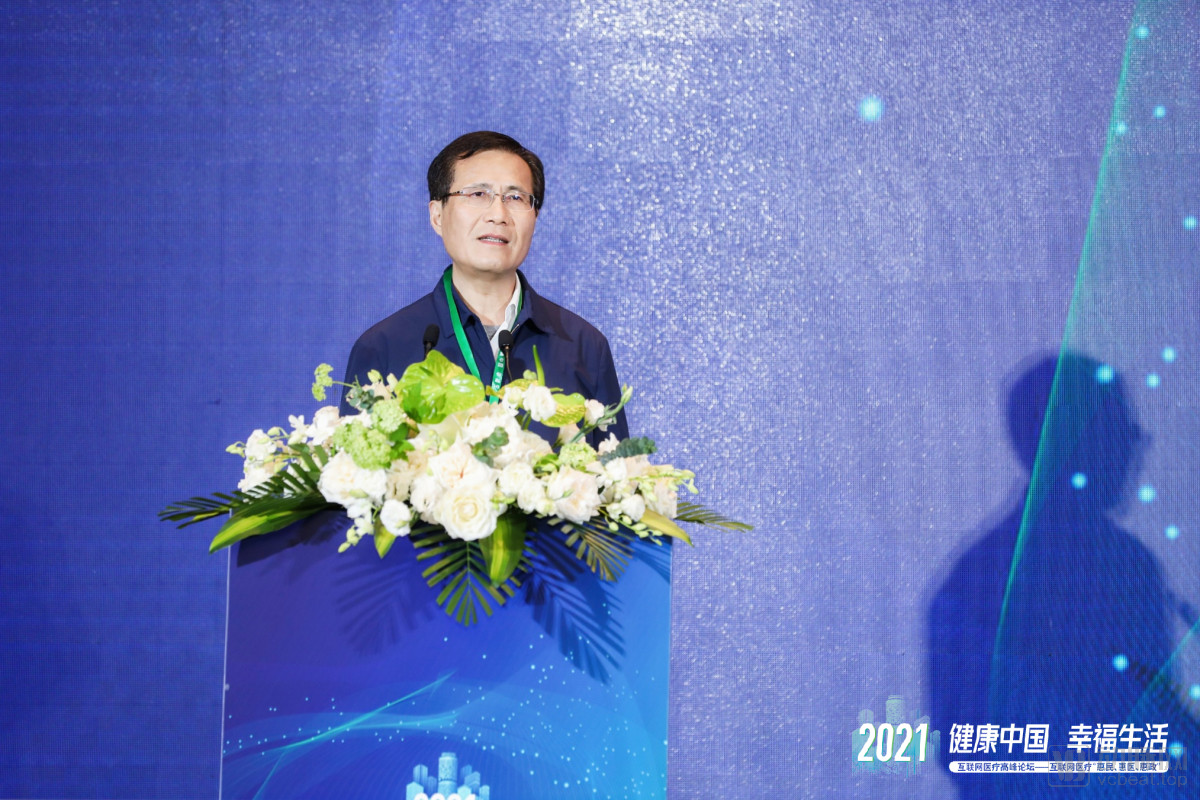
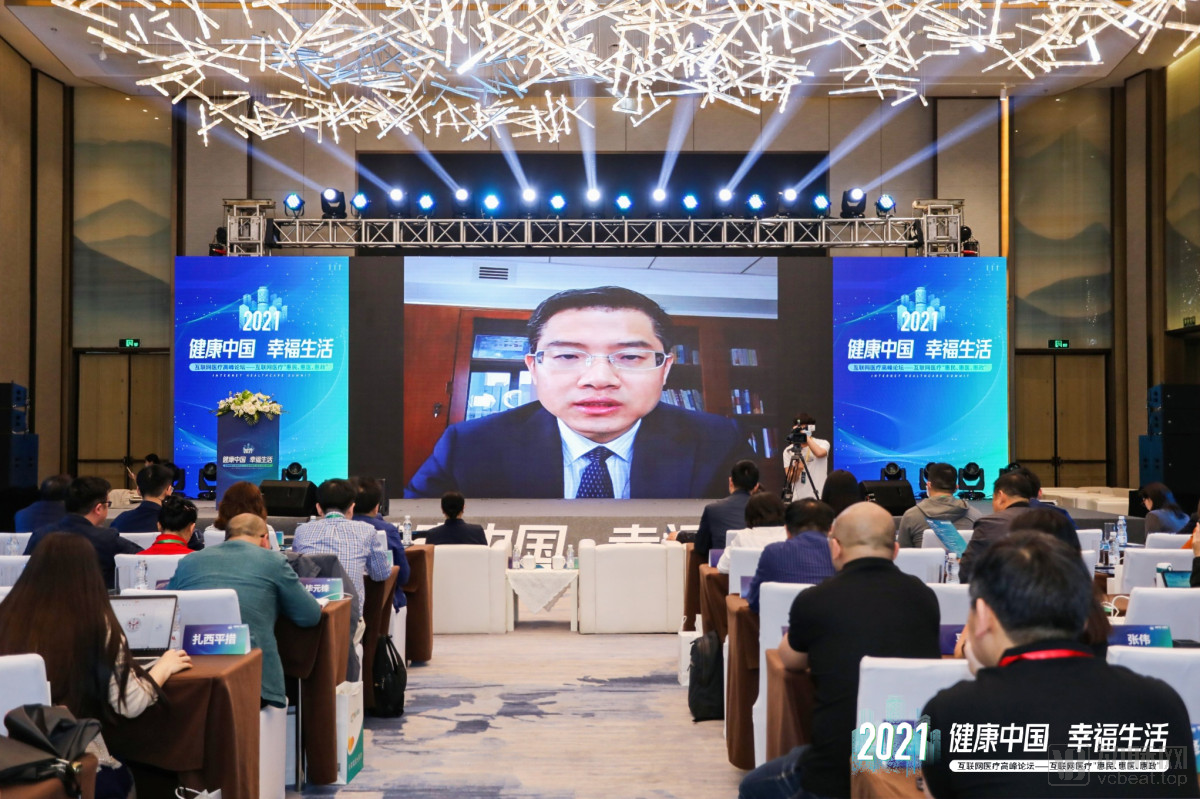
Li Dachuan, Deputy Director of the Bureau of Medical Administration and Hospital Management, National Health Commission
Li Dachuan, Deputy Director of the Bureau of Medical Administration and Hospital Management under the National Health Commission, stated that informatization is a key hallmark and essential prerequisite for the refinement and modernization of medical services and healthcare management. Promoting internet-based medical services holds positive significance for optimizing the allocation of medical resources, improving the efficiency of medical service delivery, and enhancing the public’s experience in seeking medical care.
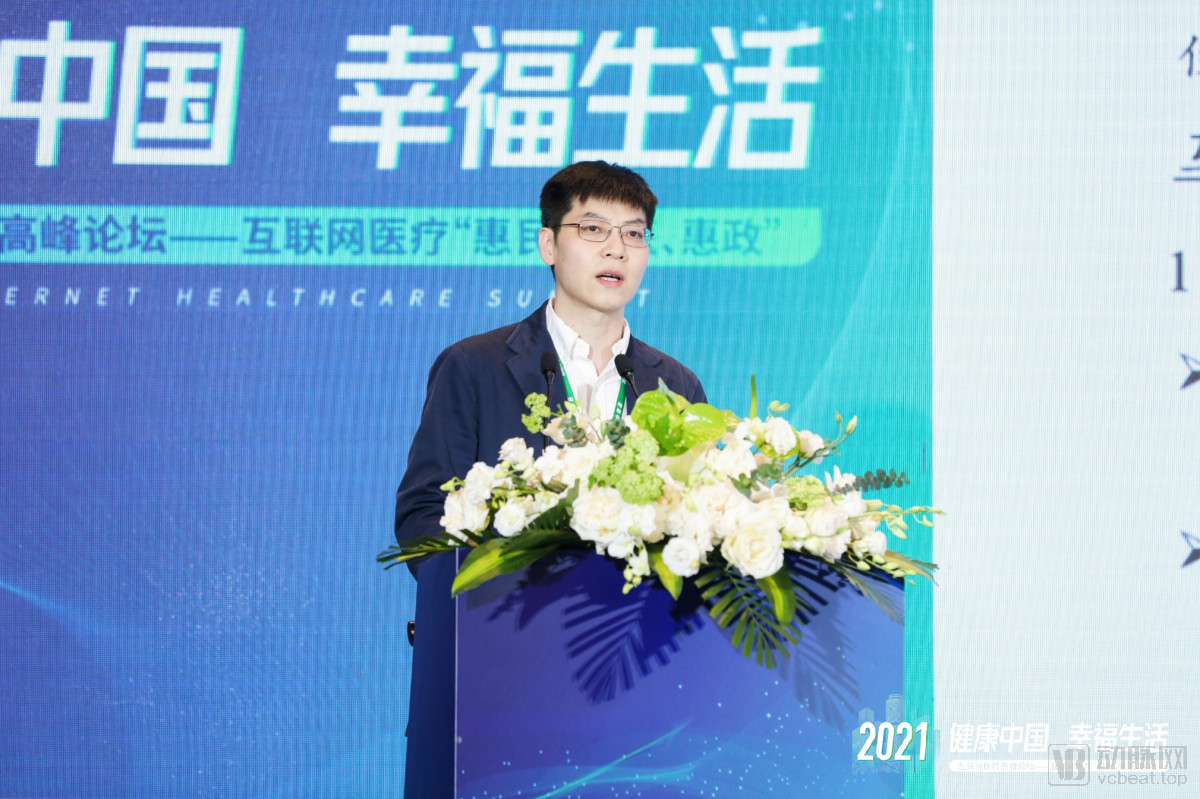
Xu Wei, Deputy Dean of the School of International Pharmaceutical Business, China Pharmaceutical University
The healthy development of internet healthcare relies on guidance from various factors, including corresponding access standards, policy support, and regulatory frameworks. To facilitate a better understanding and mastery of relevant policies, the forum invited Xu Wei, Deputy Dean of the School of International Pharmaceutical Business at China Pharmaceutical University, to provide an interpretation of policies concerning internet healthcare and online medical insurance payment. Dean Xu analyzed internet hospitals from the perspectives of online diagnosis and treatment models and the construction of diagnostic and therapeutic platforms. He also clarified key issues in the development of internet healthcare by examining medical insurance policies, medical insurance payment platforms, and the current state of the pharmaceutical market. In his view, while internet healthcare is poised for robust growth, it is essential to maintain a clear-headed and realistic perspective on its development.
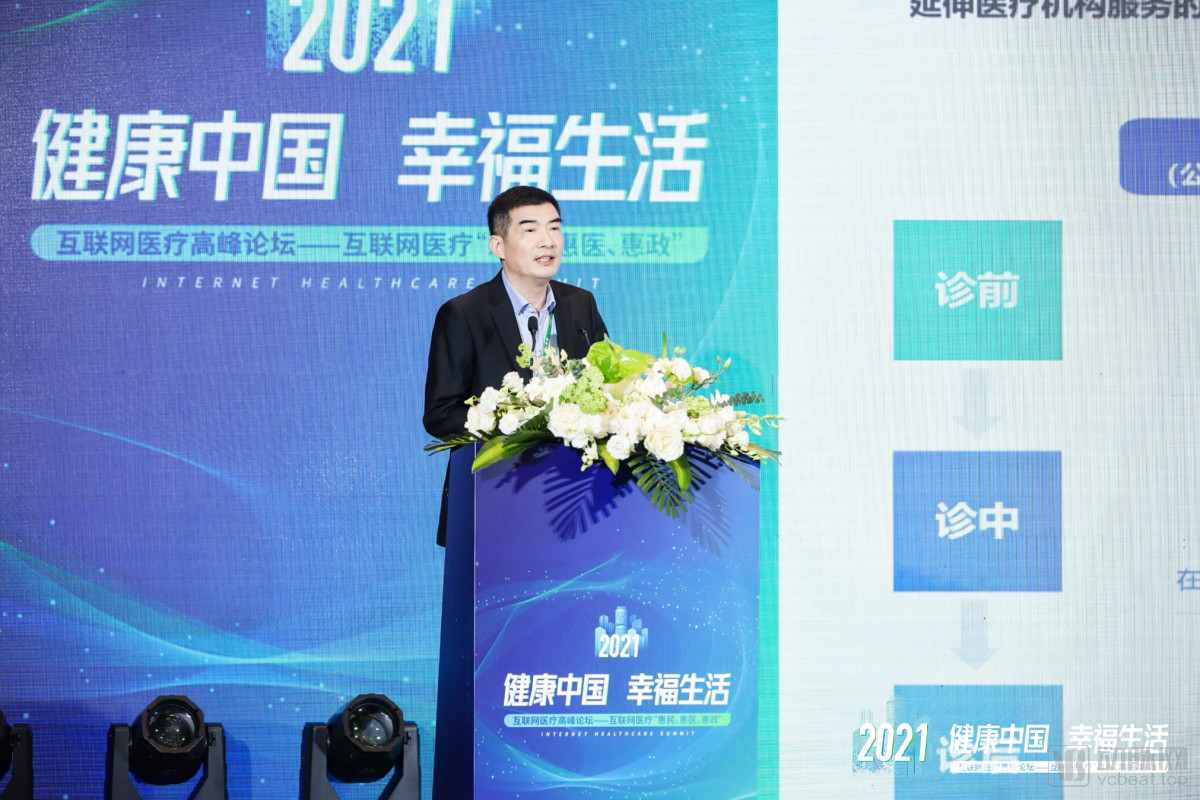
Yin Weidong, Director of the Nanjing Health Information Center
In recent years, Nanjing has continuously strengthened the development of its internet-based medical service platforms, effectively ensuring that data moves more while patients travel less, thereby creating a convenient healthcare environment for patients. The forum invited Yin Weidong, Director of the Nanjing Health Information Center, to share insights on how Nanjing leverages and optimizes existing resources to build a comprehensive smart healthcare ecosystem, providing a model for attendees to learn from and emulate. It is reported that the electronic prescription circulation platform in Nanjing is supported by Yuanxin Technology, achieving integrated management, control, and service delivery for internet hospital services at the regional level.

Roundtable Discussion: Exploring the Construction of Healthy City Platforms
Subsequently, moderated by Xu Shuxiang, former Secretary-General of the China Pharmaceutical News and Information Association, Liu Zhefeng, Party Committee Member and Deputy Director of the Hainan Boao Lecheng International Medical Tourism Pilot Zone Administration; Li Shizhong, Deputy Director of the Medical Administration Division of the Hunan Provincial Health Commission; Wang Ning, Deputy Director of the Medical Management Center of the Jiangsu Provincial Health Commission; Qiu Hongqing, Director of the Laibin Municipal Health Commission; and Li Guangjun, Strategic Director of People’s Medical Data Center, engaged in an in-depth discussion on the construction of healthy city platforms. Director Liu Zhefeng, starting from the case of Boao Lecheng, emphasized that building a healthy city requires close integration of policies, industries, services, and healthy lifestyles. In the view of Director Li Shizhong, the construction of healthy cities should strengthen the application of medical big data to analyze the true needs of the public. Director Wang Ning, whose work focuses on the regulation of internet hospitals, pointed out that internet-based diagnosis and treatment is an emerging field. Many hospitals are overly focused on obtaining the relevant license, while insufficient attention has been paid to studying the inherent operational mechanisms, internal management, and public usage patterns of internet healthcare; therefore, development in these areas should be promoted. Director Qiu Hongqing introduced the progress of healthy city construction in Laibin City, stating that building a healthy city is a comprehensive project rather than merely a matter for hospitals. The goal is to enhance residents’ sense of gain and well-being. Director Li Guangjun shared practices related to the medical sector within the healthy city platform from the perspective of People’s Medical Data Center, specifically including facilitating the onboarding of all medical institutions within regional platforms, promoting the establishment of a unified regulatory platform for regional governments, and advancing full-disease-cycle management for patients within the region.
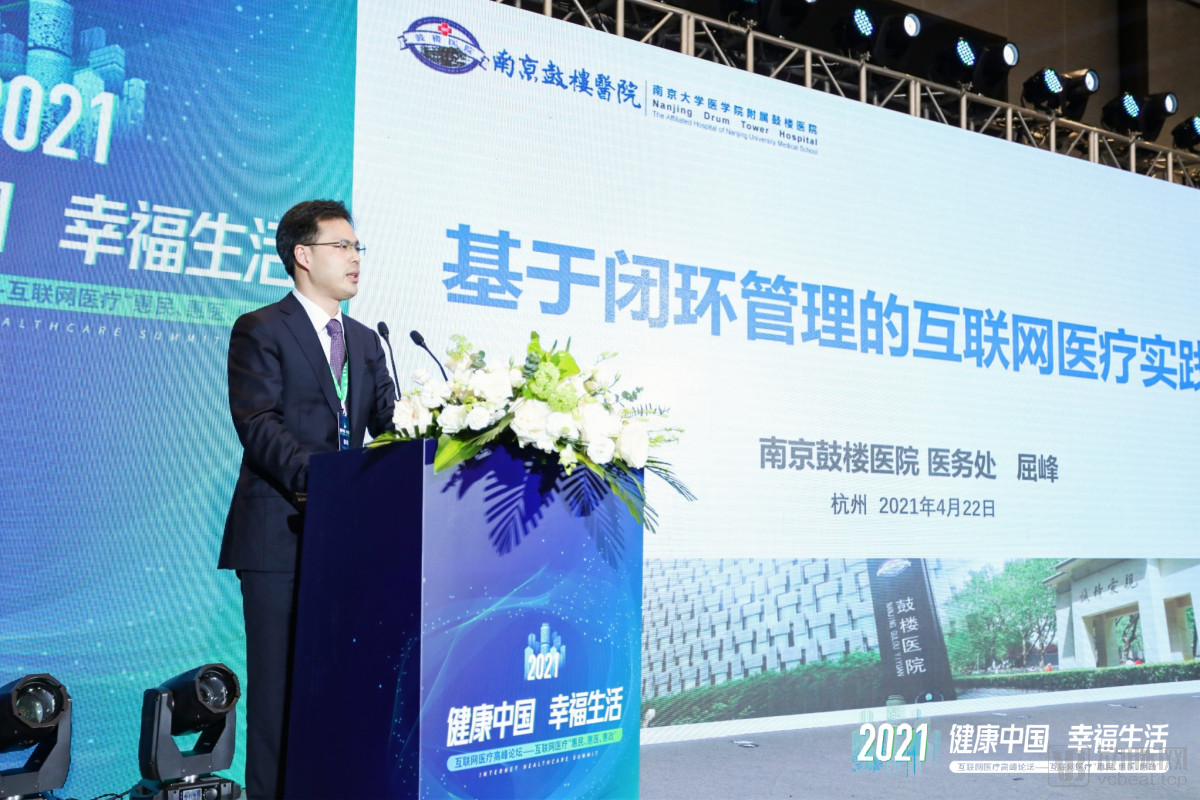
Qu Feng, Deputy Director of the Medical Affairs Department and Vice President of the Internet Hospital at Nanjing Drum Tower Hospital, the Affiliated Hospital of Nanjing University Medical School
In 2020, multiple departments of Nanjing Drum Tower Hospital, the Affiliated Hospital of Nanjing University Medical School, were listed in the “Internet Hospital Rankings” released by the Chinese Academy of Social Sciences. Qu Feng, Deputy Director of the Medical Affairs Department and Vice President of the Internet Hospital at Nanjing Drum Tower Hospital, delivered a themed presentation titled “Building a New ‘Internet+’ Medical Model Based on Closed-Loop Management at Drum Tower Hospital” at the forum. He introduced how Nanjing Drum Tower Hospital has deeply integrated traditional healthcare with internet technologies to create intelligent, efficient, and precise medical services.
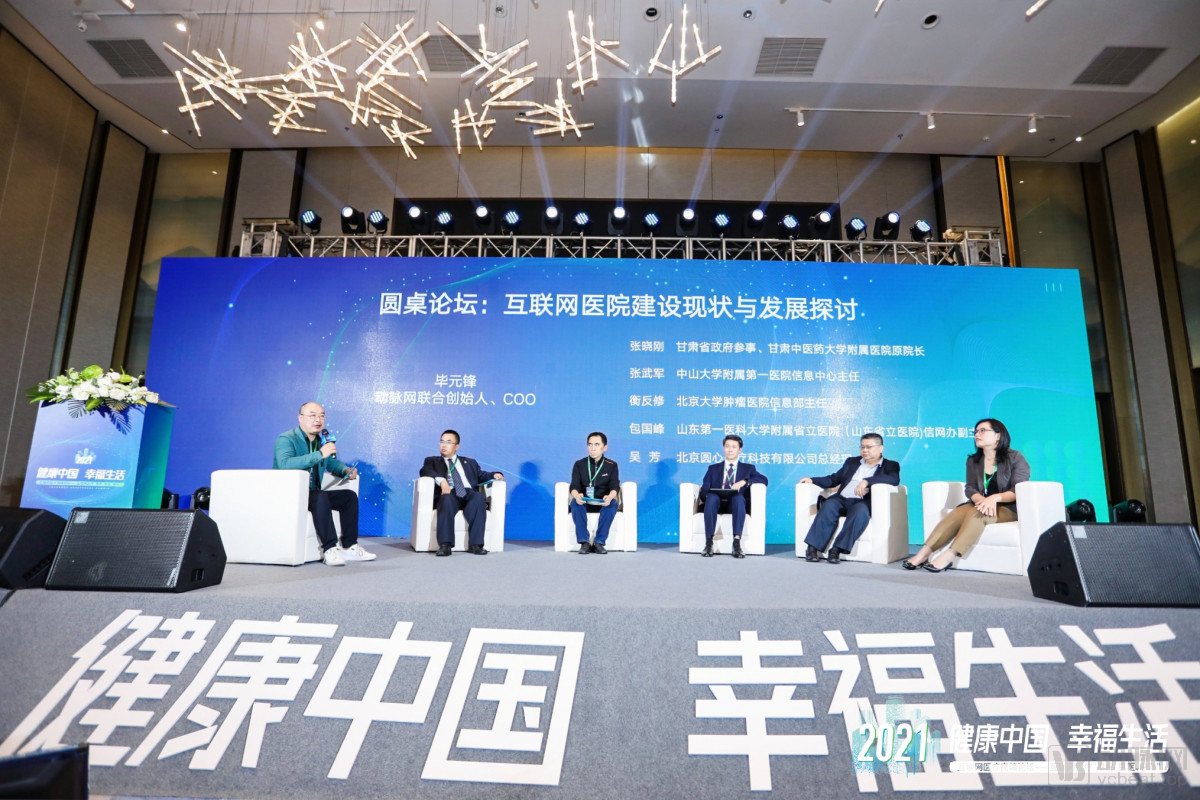
Roundtable Forum: Discussion on the Current Status and Development of Internet Hospital Construction
Next, inCo-founder of VCBeat,COO Bi YuanfengModerated by the session chair, participants including Zhang Xiaogang, Counselor to the Gansu Provincial People’s Government and former President of the Affiliated Hospital of Gansu University of Chinese Medicine; Zhang Wujun, Director of the Information Center at the First Affiliated Hospital of Sun Yat-sen University; Heng Fanxiu, Director of the Information Department at Peking University Cancer Hospital; Bao Guofeng, Deputy Director of the Information and Network Office at the Provincial Hospital Affiliated to Shandong First Medical University (Shandong Provincial Hospital); and Wu Fang, General Manager of Beijing Yuanxin Medical Technology Co., Ltd., engaged in discussions on the current status and development of internet hospitals. Drawing upon practical experiences in hospital development and the application of medical big data, they explored how to seize opportunities and meet challenges within the broader developmental landscape, thereby clarifying the direction and key priorities for internet hospital construction.
The forum has received strong support from Yuanxin Technology. Beijing Yuanxin Technology Group Co., Ltd., founded in 2015, employs nearly 3,000 people and is a leading enterprise in China for medical care, medication, and payment services. Leveraging its deep understanding of the healthcare industry, the company has established innovative diagnostic and treatment pathways, categorized into three major scenarios: “medical care,” “medication,” and “payment,” thereby becoming a leading comprehensive service platform in China integrating these three areas.