

China Launches First AI Standard Database for Pneumonia CT Imaging
On April 24, at the opening ceremony of the 3rd Changbai Mountain Summit Forum on Medical Big Data and Artificial Intelligence, the AI Standard Database for Pneumonia CT Imaging was officially released. Spearheaded by Professor Zhang Huimao from the First Hospital of Jilin University, this initiative was established in collaboration with multiple domestic hospitals and the Zhejiang Qiushi Institute of Mathematical Medicine. This marks China’s first AI standard database for medical imaging of pneumonia.
As is well known, pneumonia is a common and frequently occurring disease of the respiratory system, representing one of the conditions with the highest morbidity and mortality rates worldwide. Community-acquired pneumonia (CAP) is the sixth leading cause of death globally. In clinical practice, physicians must accurately determine the presence or absence of pneumonia and differentiate among pneumonias caused by different pathogens to avoid missed diagnoses and prevent the excessive or irrational use of anti-infective agents.
Therefore, the precise diagnosis and assessment of pneumonia caused by different pathogens are key to its clinical management and constitute a major public health issue affecting the health of the Chinese population. Since March 2020, when the state issued multiple guiding documents and policies on the development of AI-based medical imaging products, a large number of AI solutions for pneumonia have emerged. However, there is currently a lack of cost-effective evaluation methods for these new AI technologies in pneumonia care.
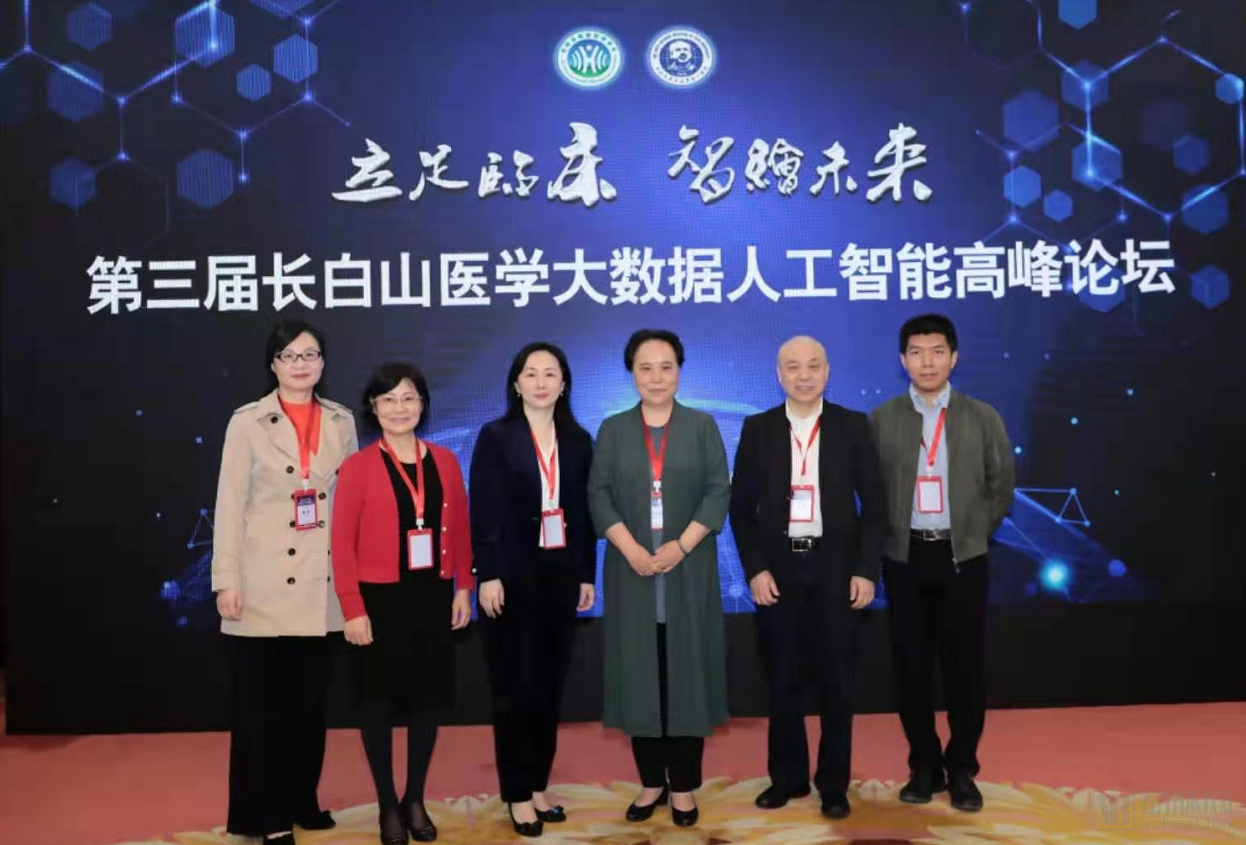
Source: The First Hospital of Jilin University
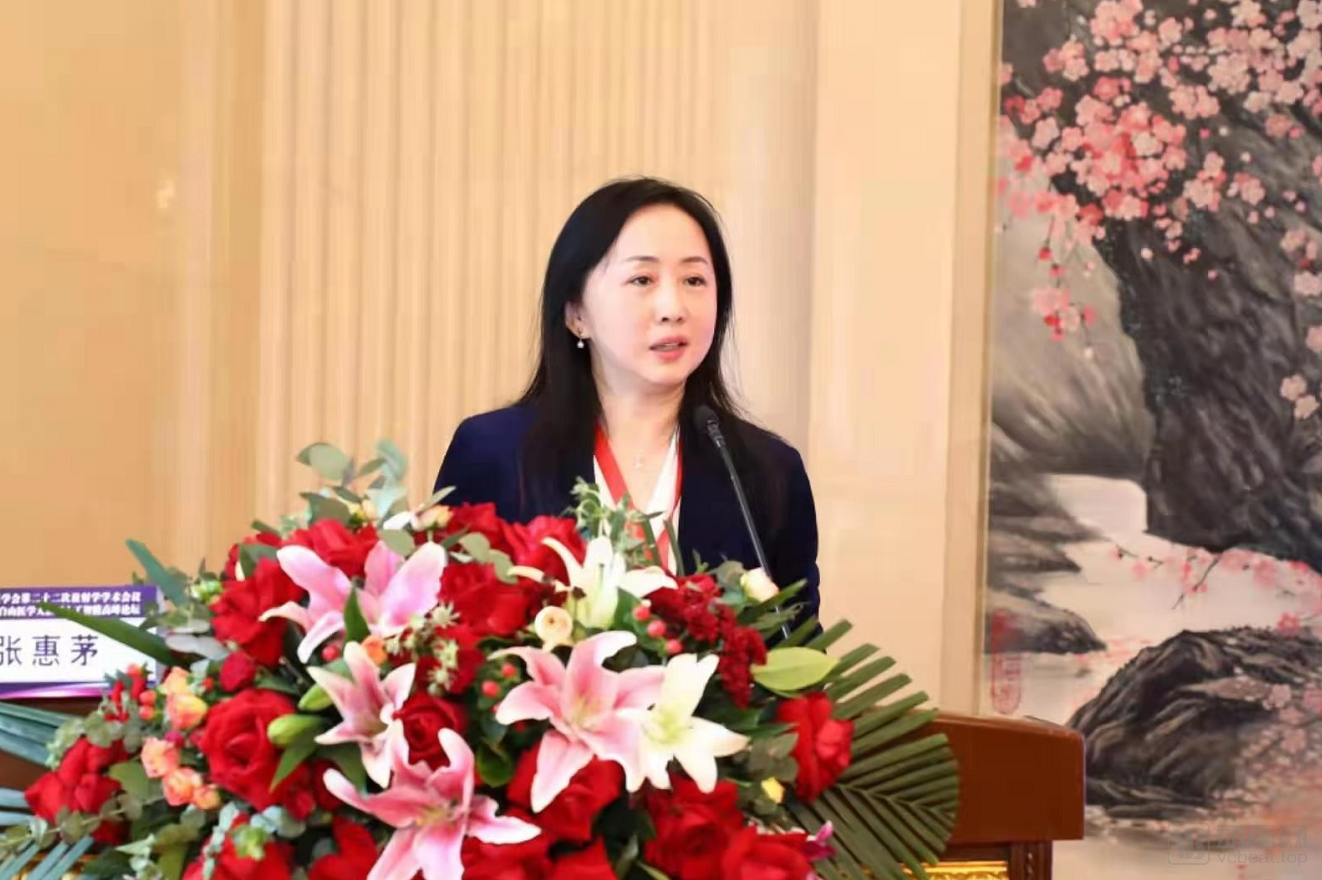
Under the guidance of the Data Governance Working Group of the NMPA Center for Medical Device Evaluation’s Artificial Intelligence Medical Device Innovation Cooperation Platform, led by Professor Kong Dexing, Director of the Institute of Applied Mathematics at Zhejiang University and the Zhejiang Qiushi Institute of Mathematical Medicine, Professor Zhang Huimao’s team from the Department of Radiology at the First Hospital of Jilin University responded to the national call. In collaboration with multiple hospitals across China and the Zhejiang Qiushi Institute of Mathematical Medicine, they officially released the “AI Standard Database for Pneumonia CT Imaging” today.
This database encompasses multiple components, including the distribution, annotation, review, and security management of pneumonia imaging data. It is designed to validate the performance of AI-powered pneumonia solutions, covering tasks such as screening, diagnosis, quantitative assessment, and quality control. By providing a reference framework for the evaluation of additional AI products, this database holds significant historical importance in accelerating the deployment and adoption of medical AI technologies, thereby serving the healthcare industry.
According to the introduction, the Zhejiang Qiushi Institute of Mathematical Medicine is a provincial-level research institution dedicated to addressing major scientific and technological challenges in mathematical medicine and closely related fields—including medical big data, artificial intelligence, and intelligent medical equipment—as well as developing high-tech products. It also serves as a construction unit for the National Health Commission’s Medical Imaging Database.
Regarding the vision for future collaboration, Professor Kong Dexing stated that the Institute will join forces with renowned medical institutions such as the First Hospital of Jilin University, and leading medical AI enterprises such as Zhejiang Deshang Yunxing Medical Technology Co., Ltd. The parties will engage in in-depth cooperation in areas including medical imaging technology, intelligent auxiliary diagnosis and treatment systems for typical diseases, new technologies and models supporting tiered diagnosis and treatment and smart healthcare, as well as medical big data and artificial intelligence. This collaboration aims to provide viable technical means and comprehensive solutions to enhance China’s smart healthcare capabilities and alleviate challenges such as difficult and costly access to medical care. Furthermore, it seeks to contribute advanced technologies, reliable products, and feasible implementation models to support the national strategies for tiered diagnosis and treatment and smart healthcare, thereby making substantial contributions to the Healthy China initiative.