China Digital Therapeutics Industry White Paper: A Comprehensive Analysis from Definition and Classification to Value Proposition
What is digital therapeutics? What value does it offer to different stakeholders in the industry? What are the underlying medical principles? What is the current competitive landscape of the market? Through in-depth research, VCBeat Eggshell Research Institute, together with multiple organizations, jointly established the "Digital Therapeutics Systems Engineering Professional Committee of the China Association for Promotion of Rehabilitation Technology Translation and Development" and co-released the "White Paper on China's Digital Therapeutics Industry," providing comprehensive insights into these questions.
Digital Therapeutics (DTx) isSoftware-Driven, withEvidence-Based Medicine-based intervention protocol, used toTreatment, Management, or Prevention of DiseasesDigital therapeutics can be used either as a standalone intervention or in combination with pharmaceuticals, medical devices, or other therapies. They exert therapeutic effects on patients through information (such as text, images, and videos delivered via mobile applications), physical agents (including sound, light, electrical currents, magnetic fields, and their combinations), and/or pharmaceuticals, with the aim of optimizing patient care and health outcomes.
Software-Driven: Digital therapeutics are software-driven. Software consists of data and instructions organized in a specific sequence, lacks physical form, and includes system software and application software for smartphones and PCs. In digital therapeutic products, software performs functions such as recording, analyzing, and visualizing information, or controlling medical devices, falling within the category of application software.
Evidence-Based Medicine: Digital therapeutics products must belong to evidence-based medicine, rather than empirical medicine, and the effectiveness of digital therapeutics is supported by evidence, including systematic reviews and meta-analyses, randomized controlled trials, cohort study results, etc.
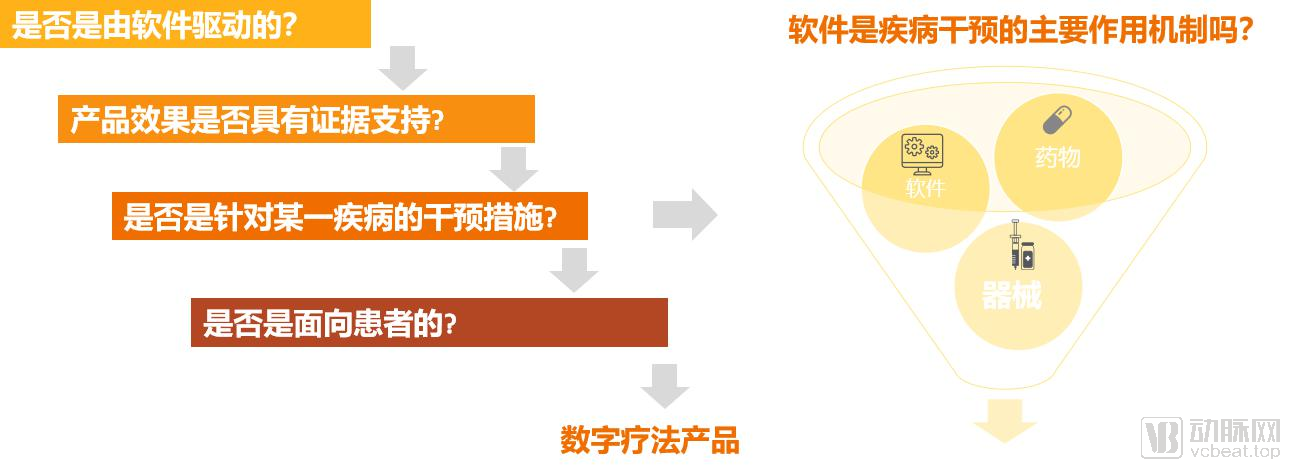
Interventions: Digital therapeutics products can exert a certain influence on patients' health status or the natural progression of diseases, thereby achieving the functions of preventing, treating, or managing specific conditions. Taking diabetes as an example, medical interventions may include dietary modifications, pharmacological treatment, and exercise. Specifically, in the early stages of diabetes, blood glucose levels can be controlled by limiting the intake of fats and starchy foods, quitting smoking and alcohol, and increasing physical activity; in more severe cases, medications such as metformin may be used to manage blood glucose. These measures all constitute medical interventions.
Serving Patients: Digital therapeutics are a form of intervention; therefore, the target recipients or users are patients or their families, rather than physicians. They are not designed to assist doctors with efficient diagnosis, clinical decision-making, or patient information management during disease treatment, such as through auxiliary diagnostic tools, biomarker collection, or monitoring devices.
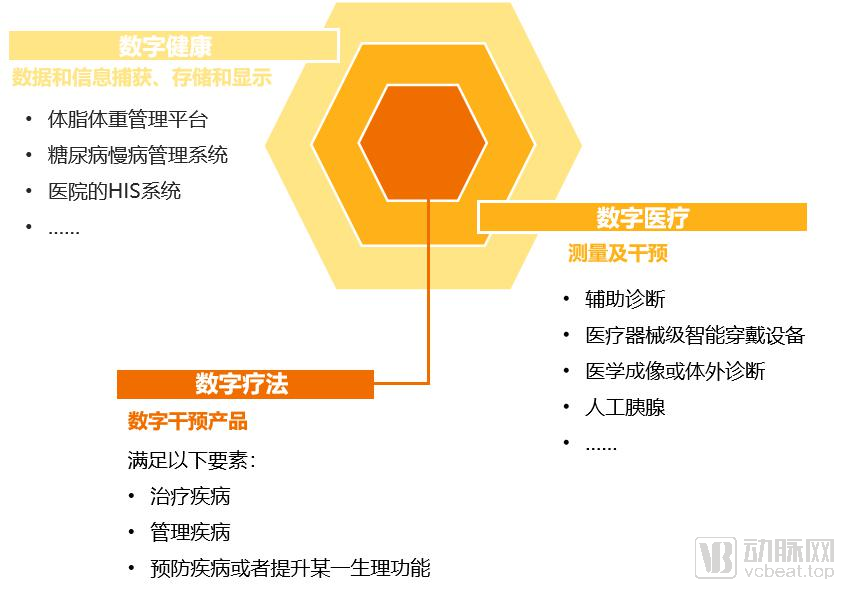
Digital health encompasses technologies, platforms, and systems that intervene in consumers’ lifestyles, health conditions, and other health-related aspects. In contrast to digital health, digital medicine refers to technologies, platforms, or products grounded in evidence-based practices and applicable to medical processes, including digital diagnostics, digital biomarkers, and remote monitoring solutions. Compared with digital medicine, digital therapeutics are primarily software-driven, with a stronger emphasis on patient-centric care, providing preventive, managerial, and therapeutic interventions for specific diseases.
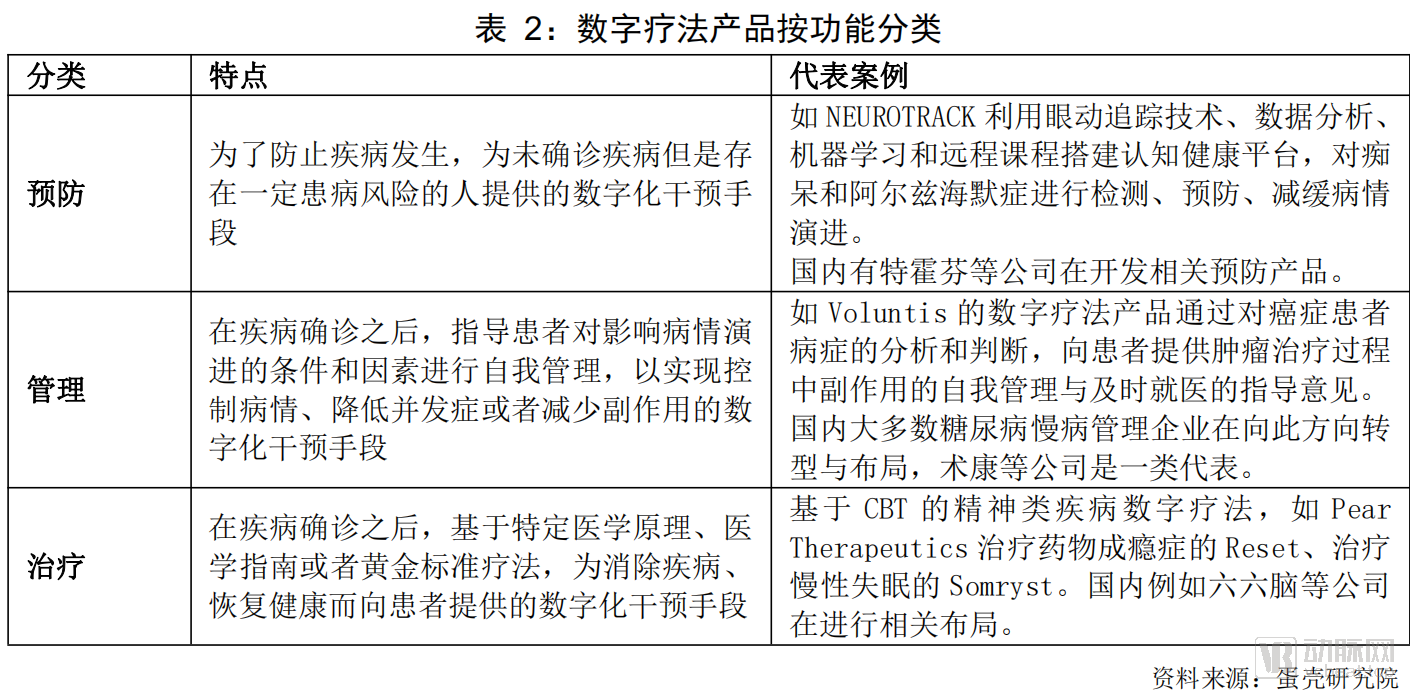
Classification by Function
Digital therapeutics products are categorized by function into three major classes—prevention, management, and treatment—covering three key scenarios in the progression of patients’ conditions.
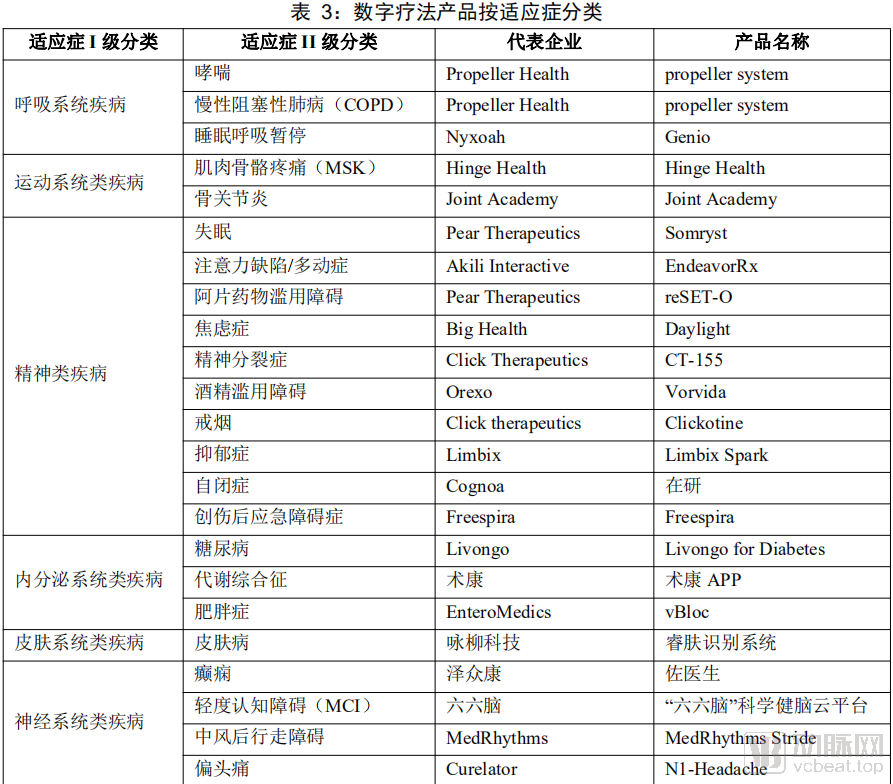
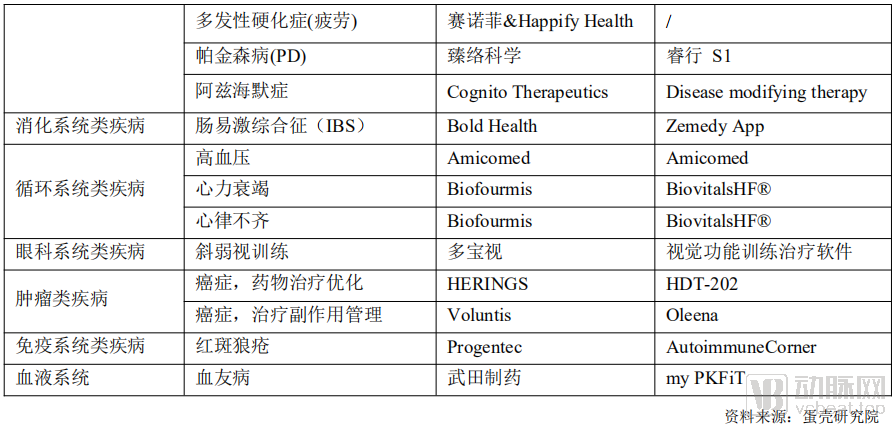
Classification by Indications
Existing digital therapeutics products can be categorized into twelve major classes based on indications, including respiratory diseases, psychiatric disorders, and endocrine system diseases, covering more than 30 specific indications.
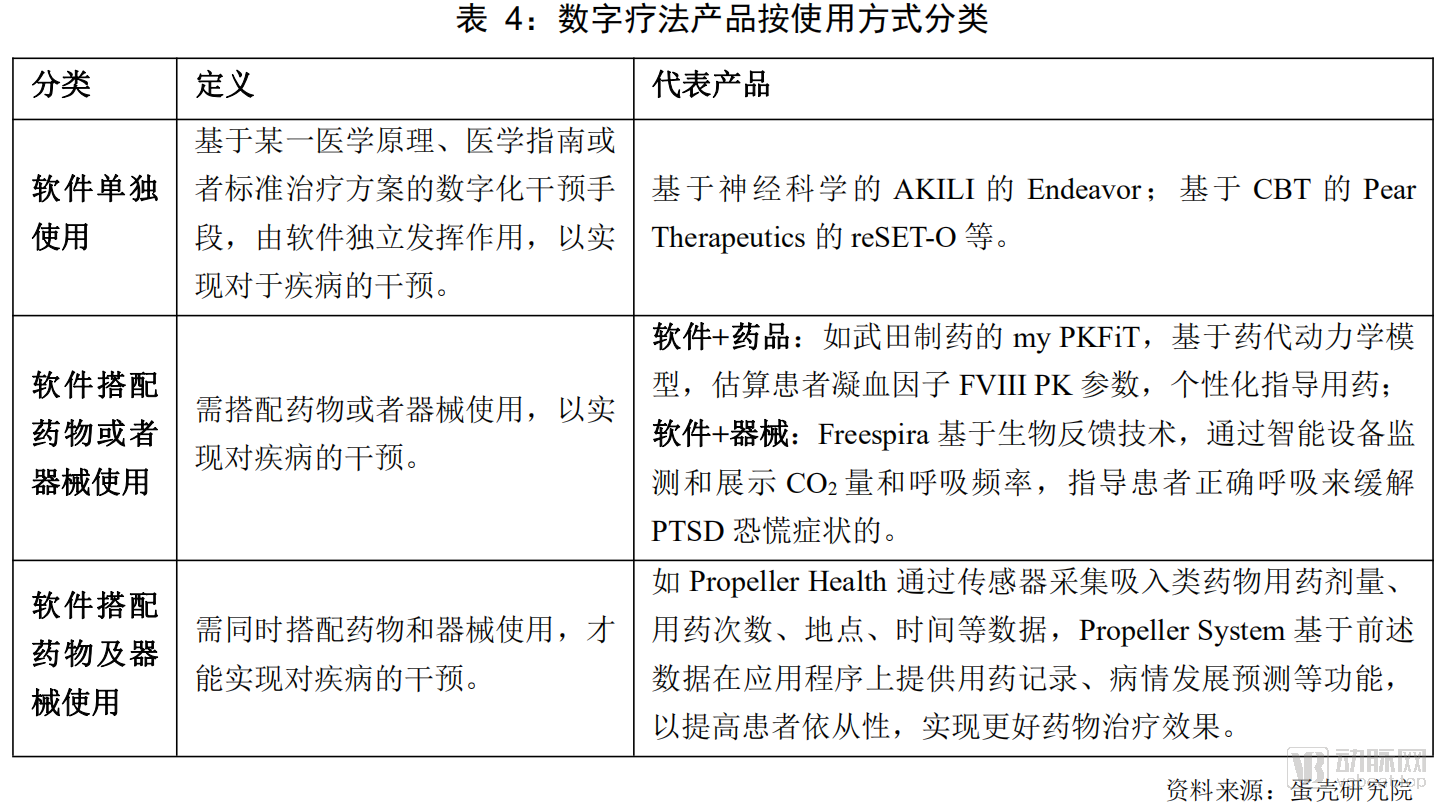
Classification by Usage Method
Based on their mode of use, digital therapeutics (DTx) products can be categorized into three types: software used as a standalone intervention, software used in combination with pharmaceuticals or medical devices, and software used in combination with both pharmaceuticals and medical devices.
Currently, the booming field of digital therapeutics is concentrated in areas where traditional medical approaches have shortcomings. Patients typically face the following challenges during self-management:1. Lack of professional biological and medical knowledge, resulting in insufficient psychological identification; 2. Lack of adequate feedback, incentives, and supervision, making long-term adherence difficult.Digital therapeutics products, by supplementing and optimizing traditional treatment modalities, have delivered significant value to patients, healthcare providers, payers, and pharmaceutical and medical device companies.
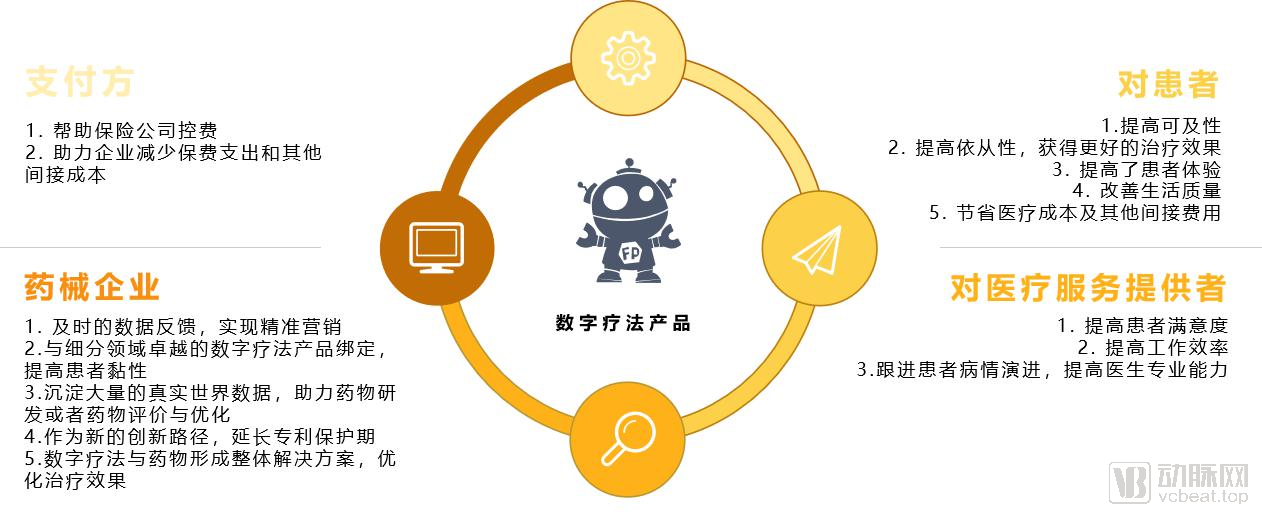
1) Enhance AccessibilityDigital therapeutics products have facilitated the migration of treatment settings and a shift in the entities delivering interventions, thereby improving the accessibility of treatments for psychological and neurological disorders.
2) Improve Compliance. Drive patients to adhere to treatment and achieve better therapeutic outcomes. Digital therapeutics products enhance patient adherence through multiple dimensions, including gamified design, patient education, online doctor-patient interaction, and incentive mechanisms, thereby achieving superior therapeutic effects.
3) Enhance User Experience. In traditional psychotherapy, patients often face the embarrassment of disclosing private information or may unconsciously embellish their accounts, thereby misleading clinicians’ judgments. Digital therapeutics products simulate doctor-patient interactions as digital product modules, which helps to alleviate these issues to some extent.
4) Improve Quality of Life. Digital therapeutics products help patients delay disease progression, reduce complications, and improve their quality of life while living with chronic conditions. For example, Voluntis’ digital therapeutics product, Oleena, helps patients manage side effects during treatment, thereby alleviating the confusion and panic often experienced as the condition evolves, and reducing the burden and fatigue associated with frequent medical visits.
5) Reduce healthcare costs. Digital therapeutics are generally priced lower than outpatient physician consultations, offering greater cost-effectiveness. Moreover, effective disease management helps reduce overall healthcare expenditures.
1) Improve work efficiencyDigital therapeutics can directly intervene in disease, significantly improving efficiency compared to the traditional model that requires physicians to deliver services. Furthermore, physician-facing systems help clinicians track changes in patients’ conditions and their adherence to self-management regimens. Leveraging medical principles and data analytics models, these systems also provide auxiliary diagnostic capabilities and alert physicians to proactively intervene with high-risk patients in a timely manner.
2) Improve patient satisfaction. The digital therapeutics product features a built-in remote interaction module, enabling patients to engage in remote consultations with physicians when they are at high risk, thereby providing them with enhanced access to medical services.
3) Support Academic ResearchDigital therapeutics products collect information spanning multiple dimensions, including patients’ physiological and psychological status, lifestyle, and natural environmental factors. Such data encompass basic patient demographics, disease status, medication use, diet, physical activity, sleep patterns, emotional state, ambient temperature, and humidity. This comprehensive data collection helps enrich clinicians’ understanding of chronic disease progression under varying circumstances, provides more real-world data for clinical research, and thereby enhances physicians’ professional expertise and research capabilities.
1) Help insurance companies control costsDigital therapeutics products can effectively reduce the incidence of complications, control the frequency of acute episodes, or manage disease progression, thereby helping insurance companies meet their cost-containment objectives. This is primarily manifested in three ways: (1) the substitution effect, where software replaces physicians; (2) the optimization effect, which reduces complications and healthcare utilization; and (3) the precision effect, enabling data-driven precise cost control.
2) Reduce employer premium expendituresOn the one hand, certain unhealthy behaviors among employees can lead to an increased risk of disease, prompting insurance companies to require higher premiums from employers or individuals to mitigate these risks. For instance, a research study indicates that in the United States, the labor costs for smoking employees are nearly $6,000 higher than those for non-smoking employees, with employers paying approximately $2,056 more in annual insurance premiums per smoking employee. On the other hand, conditions such as insomnia, musculoskeletal pain, or acute medical episodes can result in increased sick leave. Furthermore, presenteeism (working while ill) can lead to reduced productivity and poor emotional well-being, potentially causing workplace accidents and diminishing the quality of customer service, thereby imposing additional indirect costs on enterprises.
1) Timely data feedback for precision marketingDigital therapeutic products used in conjunction with medications or medical consumables can monitor patients’ consumption of these items through their applications, promptly identify potential needs, and achieve precision marketing via push notifications and merchant delivery services.
2) Bundle medications to enhance patient adherence. Judgment of the evolution of the patient's condition and guidance on medication, exercise, and diet ultimately lead to favorable therapeutic outcomes, fostering high adherence among patients to both digital therapeutics and the concomitant medications used in conjunction with them.
3) Real-World Data: Empowering Drug Development and Evaluation. The integration of real-world data with machine learning-based data analysis enables the construction of disease progression models, which holds significant importance for new drug development.
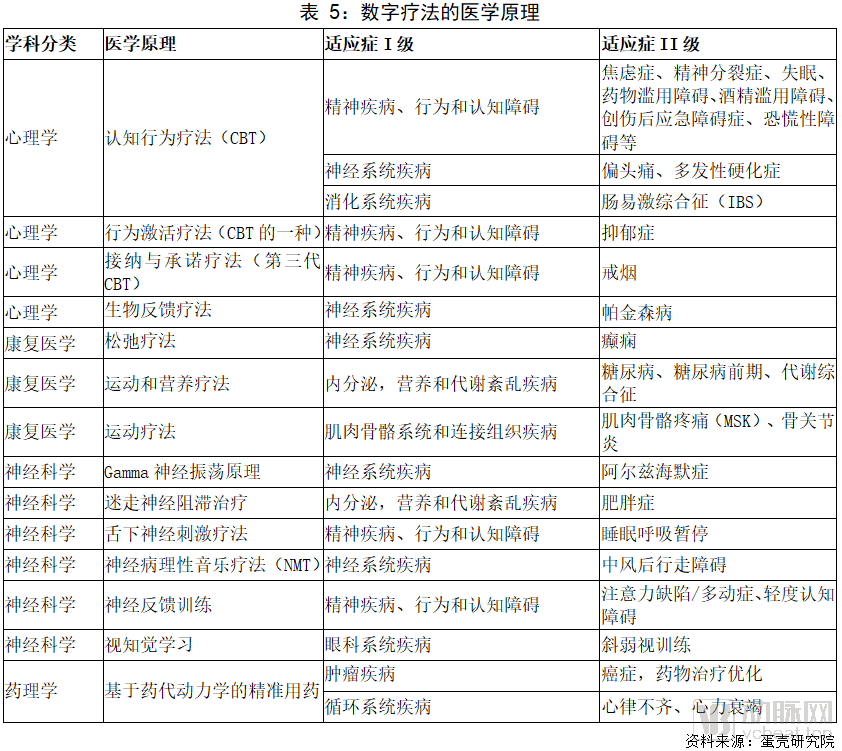
Digital therapeutics are grounded in distinct medical principles tailored to different indications. VCBeat Eggshell Research Institute categorizes digital therapeutics into four major disciplines—psychology, neuroscience, rehabilitation medicine, and pharmacology—encompassing a total of 14 medical principles, such as cognitive behavioral therapy (CBT), biofeedback therapy, and exercise and nutritional therapy.
To help industry practitioners systematically understand the current policy and regulatory landscape for digital therapeutics, VCBeat has divided the regulatory process into three major stages: registration and certification, production and operation licensing, and post-market surveillance. It analyzes the regulatory policies for digital therapeutics in the United States and China from perspectives including regulatory authorities, applicable regulations, and procedural requirements.
The United States has the most mature regulatory and approval framework for digital therapeutics. In recent years, the U.S. Food and Drug Administration (FDA) has continuously streamlined and optimized the registration and certification processes for products demonstrating significant innovation and breakthroughs in technological principles and diagnostic or therapeutic domains. These efforts aim to shorten the approval cycle for such products, enabling patients to access effective treatments at an earlier stage.
Regulatory Authorities
The regulatory registration of digital therapeutics is overseen by the U.S. Food and Drug Administration (FDA), with the specific management of traditional medical devices and Software as a Medical Device (SaMD) products handled by the FDA’s Center for Devices and Radiological Health (CDRH).
Regulatory Standards and Classification
The FDA essentially classifies SaMD products based on established standards. Products with a high safety profile are subject to basic regulatory controls; they may be exempt from 510(k) clearance and can be marketed after completing only device registration and listing with the FDA. Such products are mostly classified as Class I medical devices, representing a very small proportion of digital therapeutics.
Most digital therapeutics products are classified as Class II medical devices and are subject to special regulatory controls. Depending on whether a suitable legally marketed medical device can be identified for substantial equivalence determination, digital therapeutics products will need to apply for either 510(k) clearance (if a predicate device exists) or De Novo classification (if no predicate device exists).
Additionally, some digital therapeutics products are classified as Class III medical devices due to safety considerations. After obtaining 510(k) clearance or De Novo classification, such products must also receive Premarket Approval (PMA) before they can be marketed and sold.
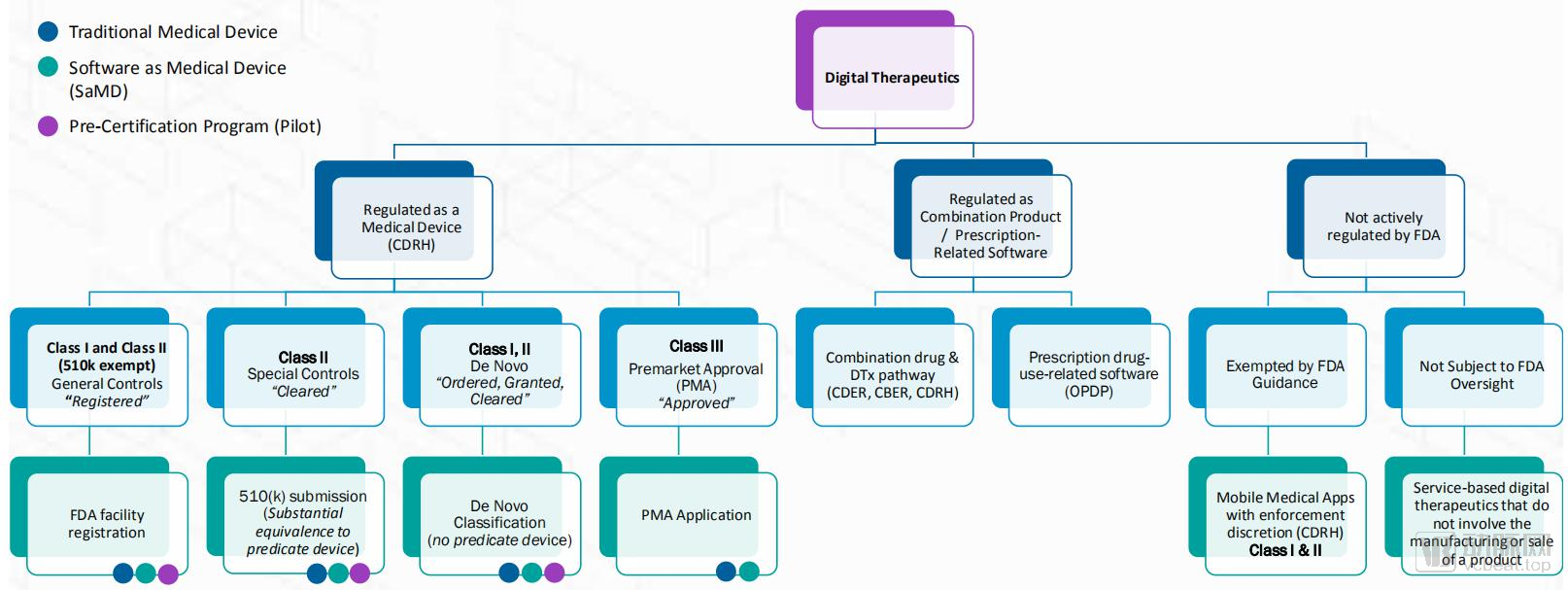
Product Registration and Certification Process
Before medical devices can be marketed in the United States, the following five steps must be completed. The certification process for digital therapeutics products is largely consistent with that for medical devices: 1. Device classification; 2. Selection of an appropriate regulatory pathway; 3. Preparation of necessary documentation for registration and clearance/approval; 4. Submission of registration materials and FDA review; 5. Completion of clearance/approval, establishment registration, and device listing.
Compared with the mature and lenient approval and market access environments abroad, digital therapeutics in China are still in their infancy, with related policies and market conditions remaining immature.
The "Guiding Principles for Technical Review of Mobile Medical Device Registration," released by the China Food and Drug Administration (CFDA) in December 2017, clarified that all standalone mobile medical software or software-plus-hardware systems used for patient management are classified as medical devices, necessitating clear definition of their regulatory scope and requirements. Regardless of whether they are software or hardware manufacturers, entities must submit corresponding registration application materials based on the product characteristics of their mobile medical devices, assess the applicability of the specific provisions outlined in the Guiding Principles, and provide detailed justifications for any provisions deemed not applicable. Manufacturers may also adopt alternative methods that comply with regulatory requirements, provided they furnish comprehensive research and validation data.
In November 2020, the Shukang APP received market approval from China’s National Medical Products Administration (NMPA), becoming the first digital therapeutic in China to be prescribed directly by physicians to patients, thereby ushering in the era of digital therapeutics in the country.
However, compared with countries such as the United States, where digital therapeutics (DTx) are relatively mature, China has yet to provide clear definitions for DTx in terms of its definition, scope, and application scenarios. We can only extract relevant guidance on DTx from selected national and local policies related to internet technologies, medical informatization, smart healthcare, chronic disease management, and electronic products. This indicates that the development of DTx in China is still in its infancy, and neither consumers nor healthcare professionals have a clear and unified understanding of it.
After reviewing 174 digital therapeutics (DTx) companies worldwide, VCBeat’s Eggshell Research Institute has mapped out a comprehensive landscape categorized by indications and medical principles, with detailed analyses of representative cases. Based on current registration standards, only four DTx products have achieved initial regulatory approval in the Chinese market: Shukang, Liuliunao, Zhilan, and Takeda’s myPKFiT. In contrast, Pear Therapeutics alone has secured FDA clearance for three DTx software products in the United States. This report provides in-depth analyses of Pear Therapeutics, Akili Interactive, Liuliunao, and Takeda’s myPKFiT.
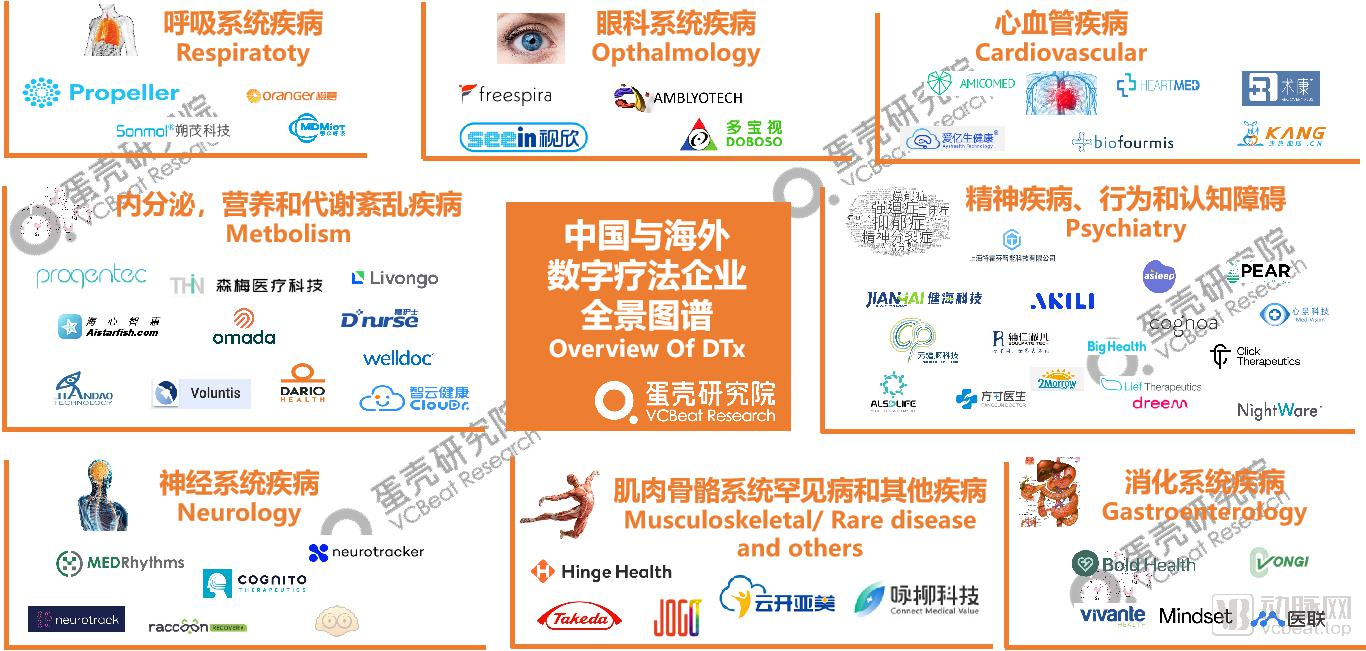

Product Pipeline
Pear Therapeutics has launched three FDA-authorized prescription digital therapeutics (PDTs) in the field of psychiatry, indicated for the treatment of substance use disorder (reSET), opioid use disorder (reSET-O), and insomnia with comorbid depression (Somryst).
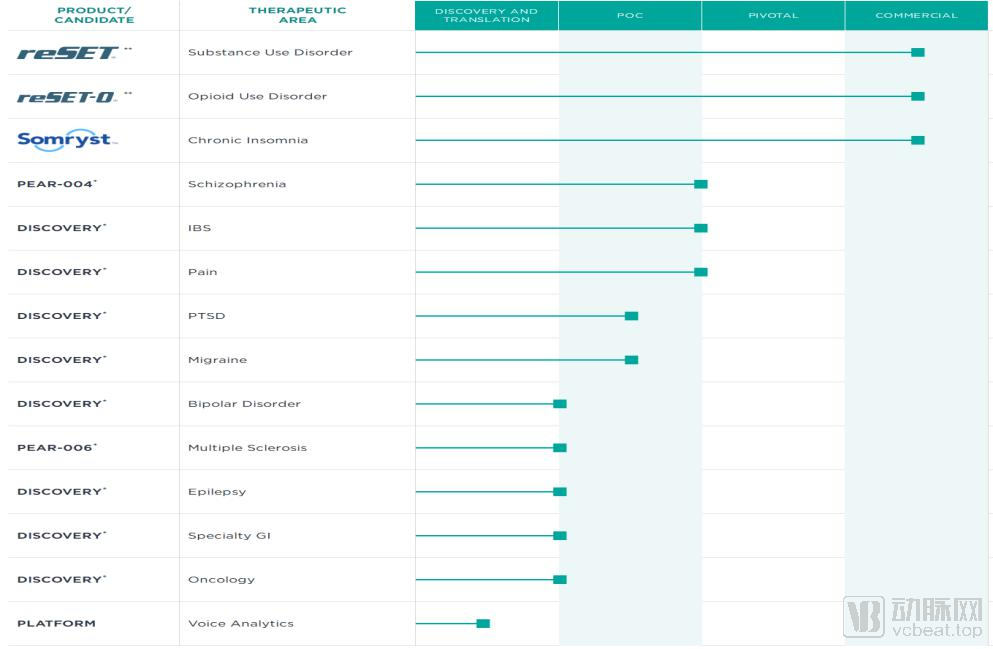
Pear’s pipeline layout reveals that, from the outset, it has focused on brain science, the central nervous system (CNS), and associated symptoms, reflecting a relatively narrow strategic approach and theoretical foundation.
In fact, the underlying logic of most of Pear’s R&D products is based on Cognitive Behavioral Therapy (CBT), which determines that its indications are primarily psychiatric disorders, with limited expansion into other non-psychiatric indications that involve combination therapy with medications. Pear has recognized this limitation and is gradually entering larger market segments, such as oncology management, through collaborations and licensing agreements.
Core Product Analysis: reSET
reSET is the first FDA-authorized prescription digital therapeutic (PDT) for improving substance use disorder. It is a 90-day PDT designed to deliver cognitive behavioral therapy (CBT) as an adjunct to contingency management. The system is indicated for patients aged 18 years and older who are currently undergoing outpatient treatment under the supervision of a clinician.

Market Pain Points: 1. The population of patients with substance use disorders in the United States is substantial, with 80% not receiving effective treatment; 2. Current pharmacotherapies have limited efficacy, making psychosocial and behavioral interventions the primary adjunctive treatments; 3. Access to treatment remains a significant challenge.
Target Population: Indicated for patients aged 18 years and older with substance use disorders who are receiving outpatient treatment under the supervision of a clinician, including those addicted to stimulants, alcohol, cannabis, cocaine, opioids (if not the primary substance of addiction), and other drugs.
Clinical Evidence
Pear’s reSET, reSET-O, and Somryst have demonstrated their efficacy through clinical trials. For instance, key trial data involving 399 patients showed that reSET significantly improved abstinence outcomes and patient retention rates. Meanwhile, randomized pivotal trial data from 170 patients indicated that reSET-O markedly enhanced abstinence outcomes and effectively reduced the need for clinical interventions.
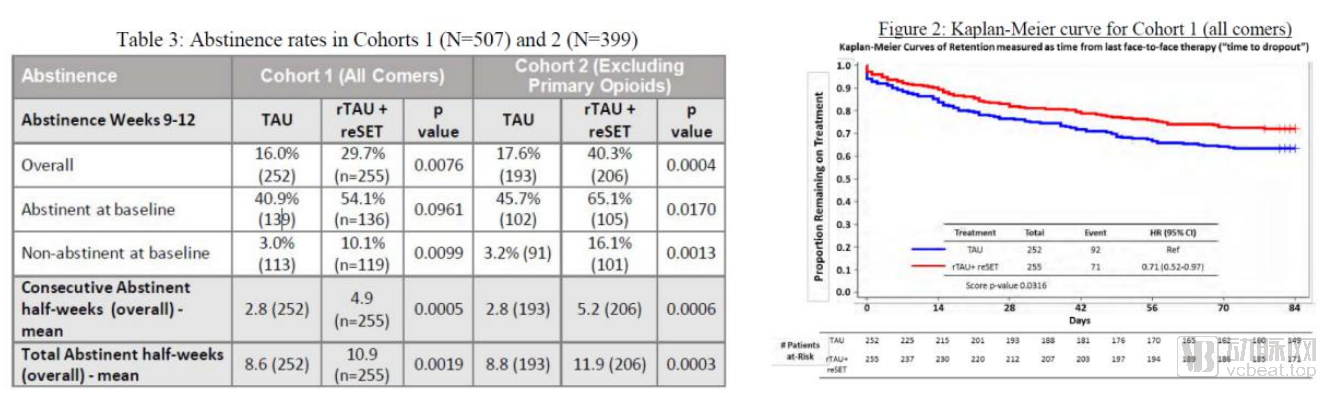
Prescriptions for reSET or reSET-O have been issued by 450 clinics across 32 U.S. states, with over 10,000 patients receiving prescriptions and more than 50,000 course modules completed in total. Additionally, data from two randomized controlled trials (RCTs) on the Somryst product demonstrate significant improvements in sleep latency, wake after sleep onset, and the Insomnia Severity Index among patients following treatment.
Business Model
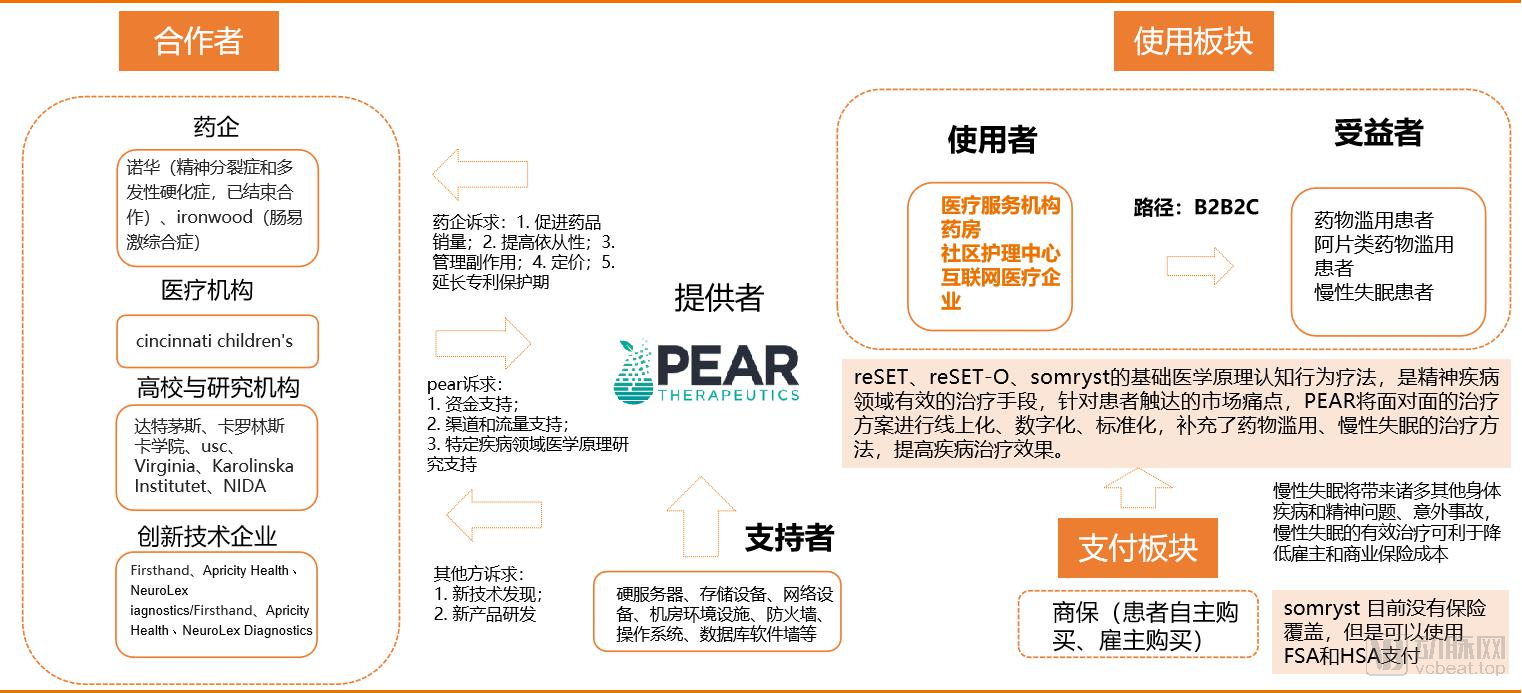
Pear Therapeutics’ business model involves delivering its products directly to physicians via prescription, with physicians serving as the bridge between patients and the product. Additionally, the company collaborates with pharmaceutical firms to enhance treatment adherence, thereby supporting the integrity of clinical trials. By leveraging traditional insurance reimbursement and pharmaceutical distribution channels, Pear Therapeutics facilitates regulatory approval and insurance coverage processes. This approach not only empowers patients to gain a deeper understanding of their conditions but also encourages physicians to become familiar with and willing to prescribe digital therapeutic products.
Core Competitiveness
Advantages:
1. Pear Therapeutics enjoys a significant first-mover advantage (founded in 2013, when the industry was still focused on “digital health” and had not yet shifted toward “digital therapeutics”). The company’s first-mover advantage is closely tied to founder Corey M. McCann’s investment and medical-biology background; his investment expertise has also endowed the project with strong forward-looking vision and exceptional ability to attract capital.
2. Actively engaged with the FDA and became a key member of the first cohort of nine digital therapeutics pilot companies. Each of its clinical studies has drawn significant attention from regulators and the market, setting industry standards;
3. Three commercialized products have been launched to date, covering the two major fields of substance abuse and sleep health. As the first products to market in their respective categories, they have established strong authority during the initial physician promotion phase.
Challenges:
1. Its covered indications are primarily psychiatric disorders and related symptoms caused by mental illnesses. The underlying logic is based on Cognitive Behavioral Therapy (CBT), with relatively limited technological reserves;
2. Pear’s CBT-based product 004 lacked a placebo group in its clinical trials for conditions such as schizophrenia, posing significant methodological challenges. Furthermore, real-world effectiveness is difficult to reflect clinical trial outcomes. The efficacy of the software after discontinuation of related incentives, as well as relapse rates following cessation of software use, have not been adequately demonstrated through rigorous trials.
3. The technical barriers at the product design level have not yet been demonstrated, nor has the broader technical reserve for the pharmacokinetics-based DTx market (optimizing drug efficacy) been reflected.
In recent years, innovation in China’s digital health sector has primarily remained on the periphery of healthcare, focusing on “connectivity” functions such as internet hospitals and chronic disease management. Lacking recognition from evidence-based medicine, companies have competed using internet traffic-driven mindsets and remain heavily reliant on physician resources.
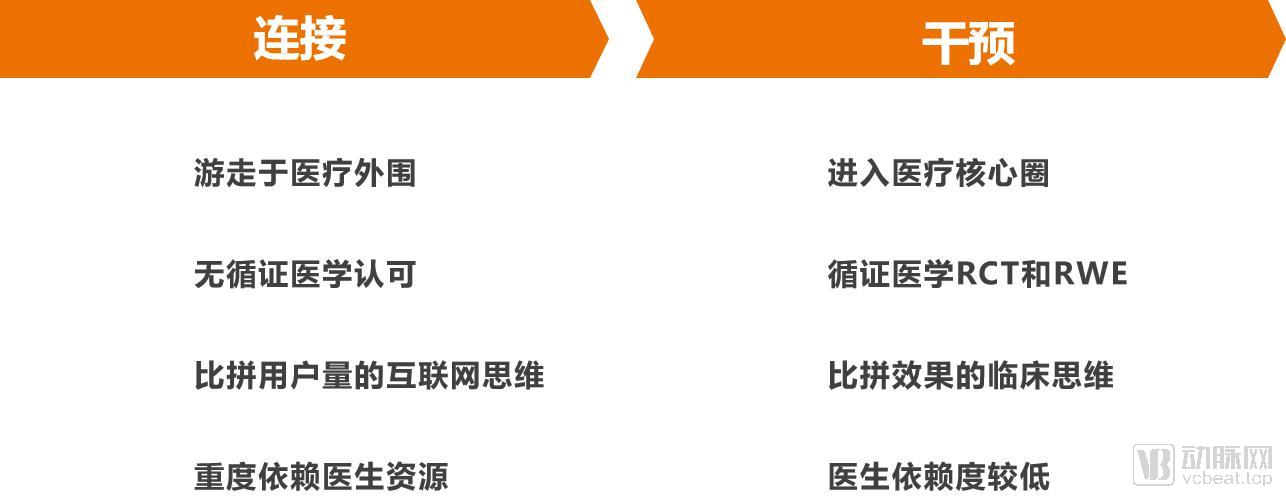
Digital therapeutics are now truly entering the core of healthcare, delivering therapeutic interventions for diseases based on evidence-based medicine, including randomized controlled trials (RCTs) and real-world evidence (RWE). The year 2021 marked the inaugural year of digital therapeutics in China. In this new era, competition will center on clinical thinking that prioritizes efficacy above all else, significantly reducing reliance on physicians.
The use of digital therapeutics software in combination with pharmaceuticals will bring about significant changes to the traditional R&D, production, and marketing approaches of pharmaceutical companies, including:
Transformation of Patient Engagement—Online and Digital Platforms for Direct Patient Reach;
Transformation of Interaction Dynamics: From One-Time Transactions to Sustained Engagement
Transformation of Intervention Models—From Drug Prescriptions to Multi-Modal, Full-Course Interventions; Productization of Solutions (Prescriptions, Medical Orders, and Follow-Up);
The Migration of Academic Authority—From Residing in Experts to Residing in Products (Productization of Experts);
Reconfiguring Competitive Factors—“Switching Medications” Is No Longer Easy. Digital therapeutics represent a new competitive dimension, where the accumulation of doctors, patients, historical data, and information creates substantial switching costs;
Becoming a Core Enabler—Only Data Accumulation Centered on Treatment Can Serve as an Empowering Element That Penetrates the Healthcare Industry Comprehensively;
The Overlooked New Battlefield: The Core Development Strategies of Mainstream Pharmaceutical Companies Include Pipeline Portfolio Construction, M&A of Product Lines and Regional Markets, Vertical Integration into Active Pharmaceutical Ingredients (APIs), Complex Generics and Formulation Innovations, and Digital Channel Partnerships. Currently, the broader market has yet to recognize the strategic significance of digital therapeutics—a classic case of “The Innovator’s Dilemma.”
Although the development prospects for digital therapeutics are very promising, they also face certain challenges, particularly as the industry in China is still in its early stages. These challenges include: an imperfect theoretical foundation; insufficiently significant clinical outcomes; business models that are still being cultivated; intense competition due to a lack of patent protection; relatively low acceptance among physicians; and inadequate infrastructure.
The above summarizes the key findings of this report. Scan the mini-program below to read the full report for free.: