Huoshu Technology Showcases DRG/DIP 2.0 Solution at CHINC 2021, Driving High-Quality Hospital Development in the DRG Era
At the sub-forum on High-Quality Hospital Development in the DRG Era and the seminar on the research project “Evaluation of the Impact of DRG-PPS Implementation on Medical Quality and Improvement of Hospital Refined Management,” held on the afternoon of April 24, dozens of national-level DRG experts and health insurance policymakers engaged in in-depth exchanges with more than 500 hospital administrators from across China, thereby facilitating high-quality development in hospitals.
DRG-PPS Research Forum
# Jointly Discussing the High-Quality Development of Hospitals
Ye Quanfu: High-Quality Hospital Development in the DRG Era
First, Ye Quanfu, Director of the Hospital Management Institute of the National Health Commission and principal investigator of the project, delivered an opening address. He stated that it is essential to fully advance the high-quality development of public hospitals, driven by Diagnosis-Related Group (DRG) reform, to facilitate a transition from scale-driven expansion to a quality-and-efficiency-focused operational model, and from extensive management to refined management, thereby providing the public with high-quality and efficient medical and health services.
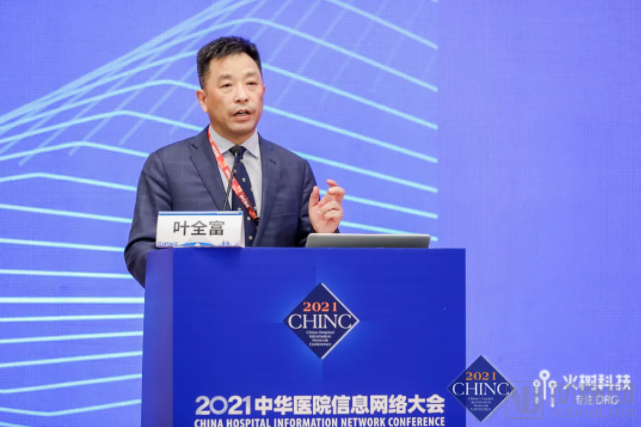
Opening Remarks by Ye Quanfu, Director of the Hospital Management Institute under the National Health Commission
Subsequently, Director Dong Siping and Professor Jiao Jianjun from the Hospital Management Institute of the National Health Commission presented certificates to the first batch of hospitals as member units of the research project.
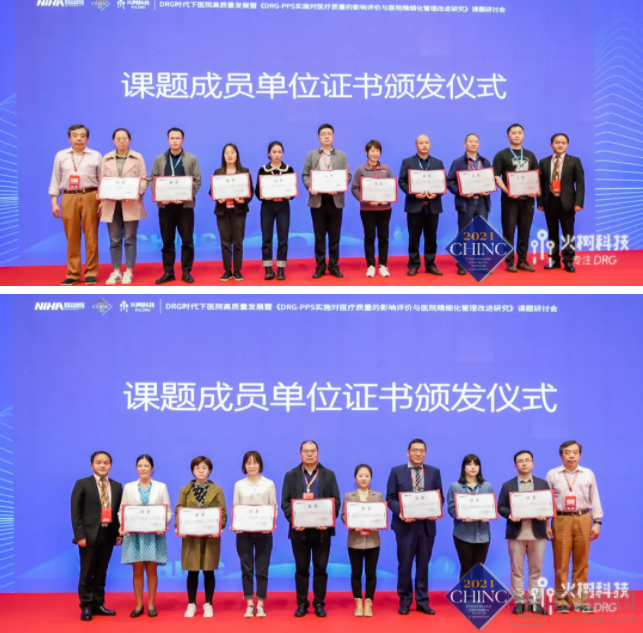
Certificate Awarding Ceremony for Member Units of the Research Project
Dong Siping: Interim Report on Project Progress
As the specific executor of the project, Director Dong presented a phased work report, further clarifying the research objectives. He primarily carried out research in three areas: first, analyzing the impact of DRG on medical quality; second, exploring cost control while ensuring quality to promote refined hospital management under DRG; and third, constructing a hospital evaluation model based on the concept of “value-based healthcare.” Meanwhile, he briefly introduced the progress of the DRG project and outlined the next steps.
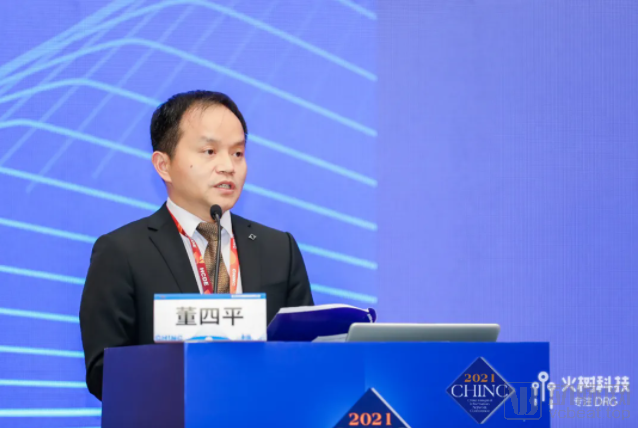
Research Report by Dong Siping, Director of the Department of Medical Policy Research at the Hospital Management Institute of the National Health Commission
Jiao Jianjun: The Front Page of Medical Records and the Medical Insurance Settlement List under DRG Payment Reform
To help everyone correctly understand the front page of medical records, Professor Jiao Jianjun, an expert at the Hospital Management Institute of the National Health Commission, elaborated on the similarities and differences between the medical insurance settlement list and the front page of medical records from several perspectives, including different purposes, functions, and design concepts. He further explained how to correctly fill out the medical insurance settlement list.
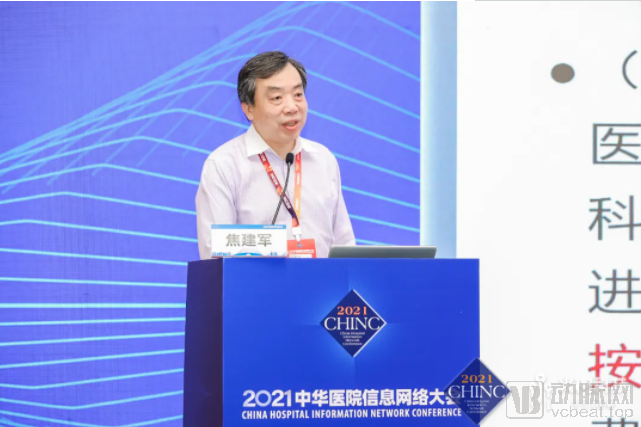
Keynote Speech by Jiao Jianjun, Expert at the Hospital Management Institute of the National Health Commission
Hao Hongshu: Taiwan’s Experience with DRG
Professor Hao Hongshu from the Institute of Hospital Management at Tsinghua University stated that under the promotion of DRG-PPS, one of the main negative impacts on hospitals is their financial status. Patients may face greater difficulties in accessing medical care and might be arranged for early discharge due to their condition. DRG will have an impact on medical safety, quality, and services. He systematically introduced the practices and experiences of implementing DRG in Taiwan.
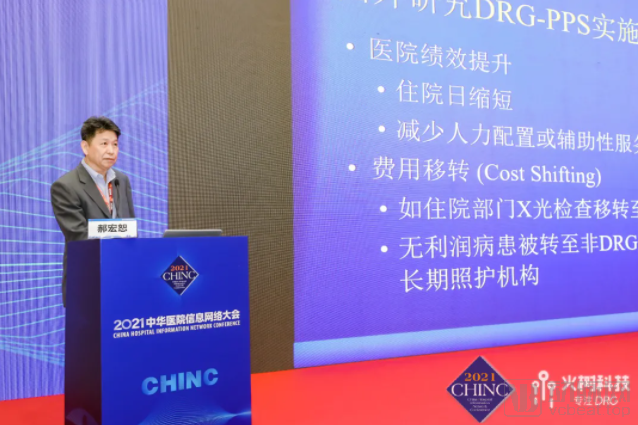
Keynote Speech by Professor Hao Hongshu, School of Hospital Management, Tsinghua University
Zhejiang Model: Pioneering Experience
Insights from Medical Insurance Experts and Industry Leaders
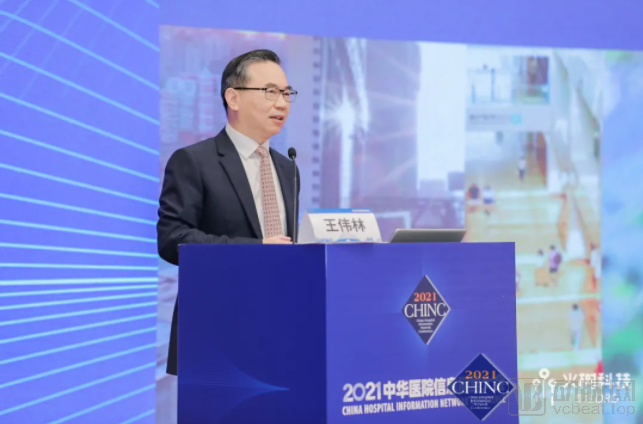
Wang Shaojun: Zhejiang’s Experience in the DRG Payment Pilot Program
Zhejiang Province is among the first batch of provinces in China to comprehensively implement the DRG point-based payment system in the field of medical insurance reimbursement. Wang Shaojun, Deputy Director of the Medical Services Division of the Zhejiang Provincial Healthcare Security Administration, stated that the reform of DRG point-based payment can ultimately achieve a win-win outcome for all three parties: achieving medium- to long-term balance in the revenue and expenditure of the medical insurance fund; ensuring reasonable compensation for hospitals’ medical expenditures, promoting the development of medical technologies, standardizing medical practices, and fostering endogenous motivation to control medical costs; and enabling patients to receive high-quality medical services without an increased financial burden, while making medical insurance payments more convenient.
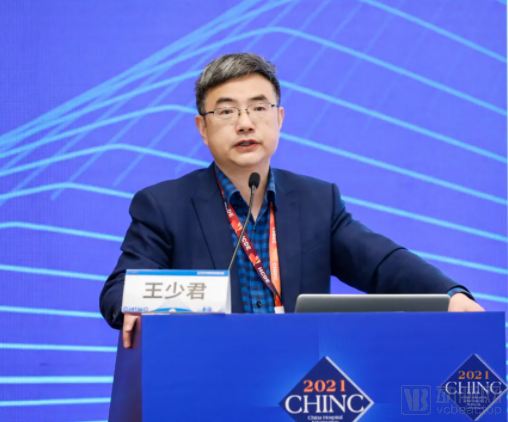
Wang Shaojun, Deputy Director of the Pharmaceutical Services Division, Zhejiang Provincial Healthcare Security Administration: Keynote Speech
Huang He: DRG and Change Management at The First Affiliated Hospital, Zhejiang University School of Medicine
Huang He, President of The First Affiliated Hospital, Zhejiang University School of Medicine, stated that the implementation of Diagnosis-Related Groups (DRG) provides public hospitals with greater assurance, higher quality, and improved efficiency, thereby leading disciplinary development. He systematically introduced the hospital’s practices and experiences in refined management during the rollout of DRG. He emphasized that DRG plays a crucial role in performance management, serving three key functions: first, evaluating the capacity of medical services; second, assessing the effectiveness of medical services; and third, ensuring medical safety.
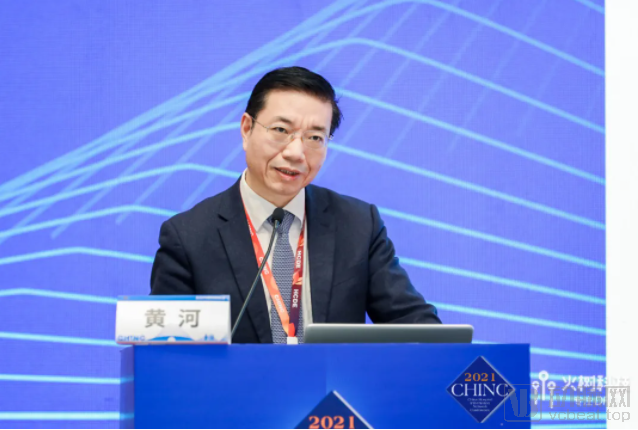
Keynote Speech by Huang He, President of The First Affiliated Hospital, Zhejiang University School of Medicine
National Pilot Program for DRG Reform
Discussing Hot Topics and Sharing Practical Experience
The second half of the conference was moderated by Shao Donghua, Director of the Information Center of the Anhui Provincial Health Commission. Lu Furong, Vice President of the First Affiliated Hospital of Chongqing Medical University, and Song Tao, Co-founder of Huoshu Technology, delivered keynote speeches respectively.
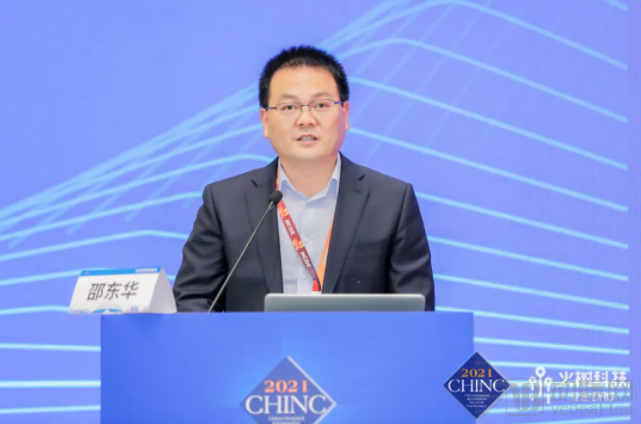
Shao Donghua, Director of the Information Center of the Anhui Provincial Health Commission, Conference Moderator
Lv Furong: Chongqing’s Experience in the DRG Pilot Program
Lu Furong, Vice President of the First Affiliated Hospital of Chongqing Medical University, highlighted four major challenges facing DRG implementation: Coding, as a prerequisite for DRG implementation, affects the quality of medical record front sheets and determines whether cases can be successfully grouped; Timeliness, as the foundation of DRG implementation, hinges on physicians’ signatures, medical record documentation, and overall record quality, which determine whether data can be uploaded on schedule; Cost, as the key to DRG implementation, is tied to safety and quality, which are essential for sustainable development; Indicators, as the core of DRG implementation, if poorly met, will lead to financial losses. Under the DRG-based payment reform, the hospital’s revenue-oriented development model will come to an end, giving way to a cost-centered management model.
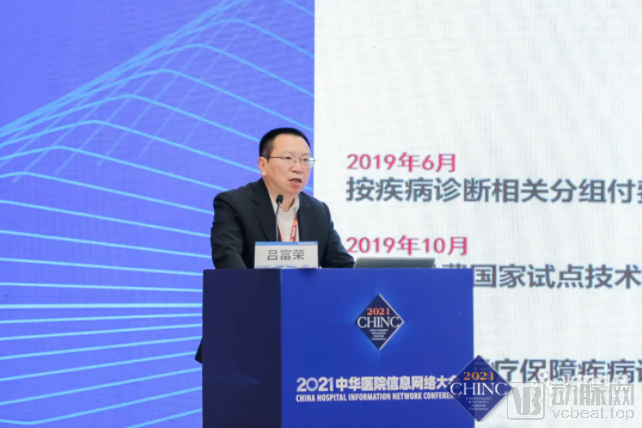
Keynote Speech by Lü Furong, Vice President of the First Affiliated Hospital of Chongqing Medical University
Song Tao: DRG 2.0 Product Empowers High-Quality Hospital Development
Song Tao, Co-founder of Huoshu Technology, introduced that Huoshu’s hospital-side DRG/DIP solution has been iterated to version 2.0. In terms of grouper and medical record rules, the accuracy rate has increased from 90% in version 1.0 to over 95%, enabling precise grouping predictions and assisting clinical staff in more targeted process management. The bureau-side solution supports more than 10 clients, shifting medical record quality control forward to the physician level and integrating multiple payment methods, including DRG, DIP, single-disease settlement, per-diem settlement, and fee-for-service settlement. Consulting services represent another key differentiator for Huoshu compared to other enterprises, offering benchmark comparisons, monthly/quarterly analysis reports, comprehensive support for physicians, management, and functional departments, DRG/DIP system training, and DRG/DIP clinical pathways.
Currently, Huoshu Technology has expanded its presence to over 20 provinces and more than 60 cities across China, covering 65% of the pilot cities for DRG/DIP payment reforms. The company collaborates with more than 150 hospitals and holds a 95% market share in hospital-side DRG solutions in Zhejiang Province, maintaining a significant lead over competitors.
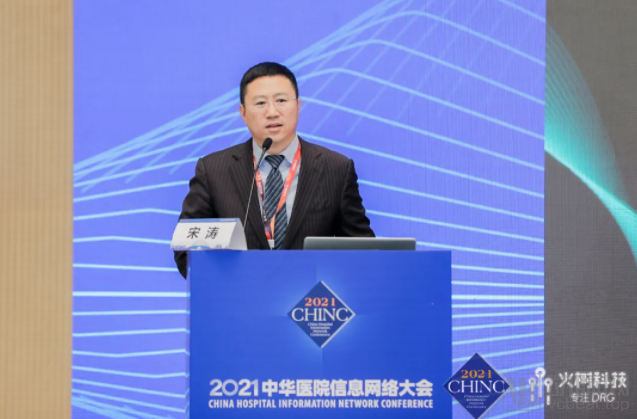
Keynote Speech by Song Tao, Co-founder of Huoshu Technology
At the conclusion of the conference, Zuo Xiuran, Director of the Information Department at Wuhan Central Hospital; Zheng Haiyuan, Director of the Information Department at the Affiliated Hospital of Xuzhou Medical University; Li Bangjun, Director of the Medical Records Department at the First Affiliated Hospital of Dalian Medical University; and Zeng Shidong, Director of the Medical Insurance Office at Xiangtan Central Hospital, as representatives of hospitals participating in the DRG research project, engaged in a panel discussion. They explored how to promote refined hospital management under the dual drive of DRG and big data, as well as the requirements and support that medical insurance and medical records departments provide to information departments and informatization management.
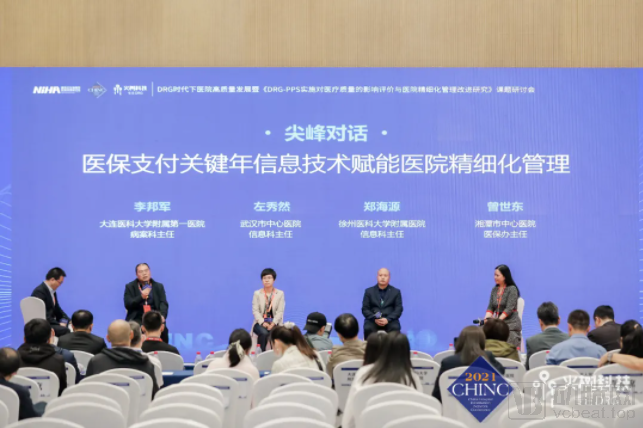
Guest Discussion: Frontier Dialogue
On the afternoon of April 25, Huoshu and the event organizers specially arranged two tour routes to benchmark DRG hospitals, organizing more than 200 conference representatives from major hospitals across China to visit and observe at the Second Affiliated Hospital of Zhejiang University School of Medicine and Hangzhou First People’s Hospital Affiliated to Zhejiang University School of Medicine. Heads of departments including health insurance, medical records, and information technology from both hospitals shared their practical experiences in health insurance management, settlement appeal management, and medical record management under the DRG payment system, and conducted live demonstrations of their DRG information systems.
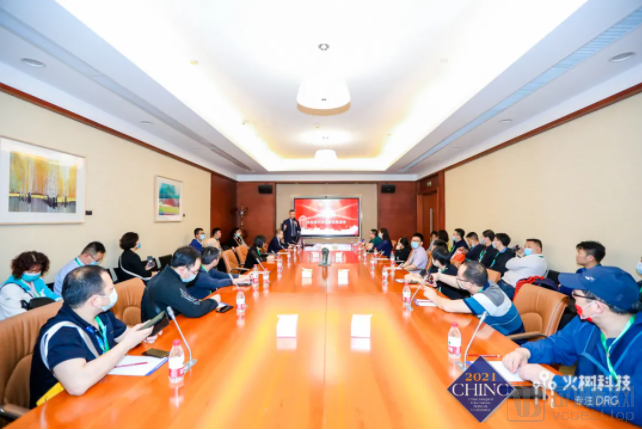
Observation and Exchange at The Second Affiliated Hospital of Zhejiang University School of Medicine
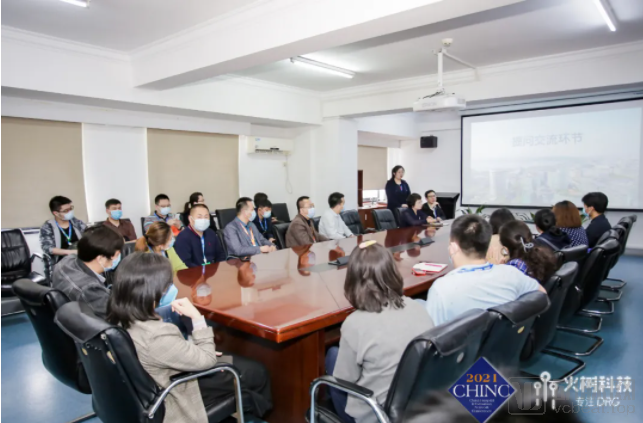
Observation and Exchange at Hangzhou First People's Hospital
At the CHINC conference, Huoshu Technology was honored with the 2020 National Medical AI Innovation Award, showcased its newly upgraded DRG/DIP Solution 2.0 to attendees, and received over 10,000 visitors. Dozens of DRG consulting experts and guests were present on-site to provide answers and engage in exchanges.
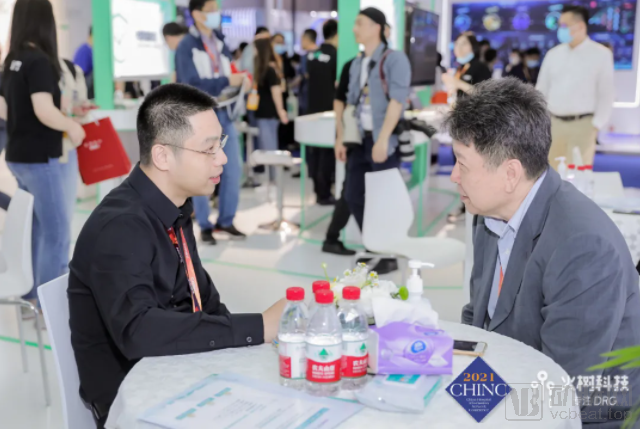
Dialogue Between Zhang Wei, CEO of Huoshu Technology, and Professor Hao Hongshu from the School of Hospital Management at Tsinghua University
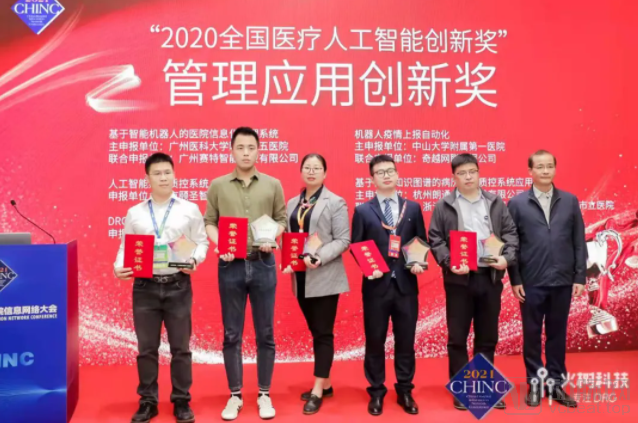
Chen Pulan, Chief Consulting Officer of Huoshu Technology, accepts the award on stage (third from left)