

Prospects and Opportunities of Domestic Innovation in High-Value Medical Consumables: Highlights from the 5th Future Healthcare 100 Conference 2021
From April 16 to 18, 2021, the “5th Future Healthcare Top 100” Conference, hosted by VCBeat, co-hosted by the People’s Government of Wujiang District, Suzhou City, and the Guangdong Zhong Nanshan Medical Foundation, with support from Suzhou Wujiang Dongfang State-owned Capital Investment and Operation Co., Ltd., and featuring Alibaba Health as the exclusive strategic partner, grandly opened in Wujiang, Suzhou.
As a dedicated observer and recorder of the innovative healthcare industry, VCBeat officially launched the Future Healthcare 100 Forum in 2015. Over the past six years, it has grown into a renowned summit in China’s innovative healthcare sector, fostering the integration of industry and capital.
This conference brings together 279 distinguished guests and features 19 forums, focusing on future trends, industry prospects, global perspectives, and venture capital dynamics. The forums include: Summit on Future Healthcare Trends, Summit on Future Healthcare Strategy, International Healthcare Innovation Summit, Future Healthcare Fund Partners (LP-GP) Summit, Forum on Personalized Diagnosis and Treatment, Forum on MedTech and Commercial Health Insurance, Forum on Innovative Practices in Primary Care, Forum on Digital Therapeutics Innovation, Forum on Digital Marketing for Pharmaceutical Companies, Forum on the Development of High-Value Consumables, Forum on Innovative Development of Internet Hospitals, Forum on Translation of Scientific Achievements and Industrial Development, Forum on the Development of the Assisted Reproductive Technology Industry, Forum on Data Intelligence and Payment Innovation, Forum on Innovative Development of Smart Hospitals, Forum on Health Management Innovation, Forum on Digital Drug R&D (ITBT), Forum on Early Cancer Screening, and Forum on Innovation in the Medical Aesthetics Industry.
1Zhu Guoguang, Chief Analyst at Soochow Securities: Non-Surgical Medical Aesthetics Is a Highly Significant Future Direction
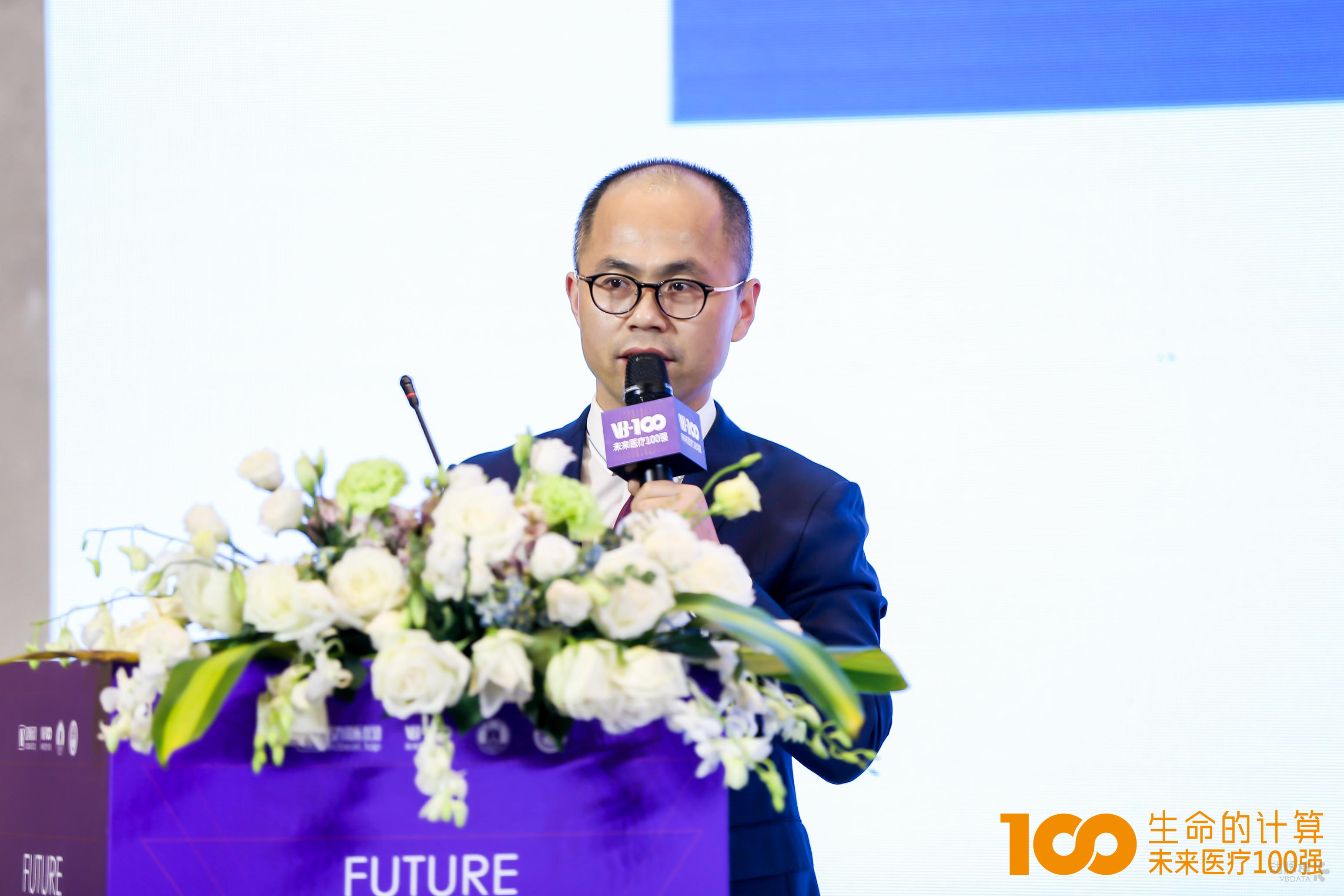
Zhu Guoguang, Chief Analyst at Soochow Securities
Zhu Guoguang, Chief Analyst at Soochow Securities, shared his insights and perspectives on high-value consumables in his speech. From a global perspective, the proportion of medical devices within the health industry has been increasing year by year, with in vitro diagnostics accounting for the largest share. China’s medical device industry is still in its early stages of development, and its growth rate will be affected under the volume-based procurement (VBP) policy. In the future, non-surgical medical aesthetics will become a highly significant direction. The innovation focus for domestic manufacturers of high-value consumables can center on import substitution, incremental innovation, and procedural innovation. Volume-based procurement was anticipated; whether products will be included in future VBP programs depends on the degree of product standardization and the localization rate.
2Jin Lei, CEO of BaiRen Medical: Evidence-Based Medicine Determines the Choice of Prosthetic Heart Valves; Bovine Pericardial Valves Have Become the Mainstream Product
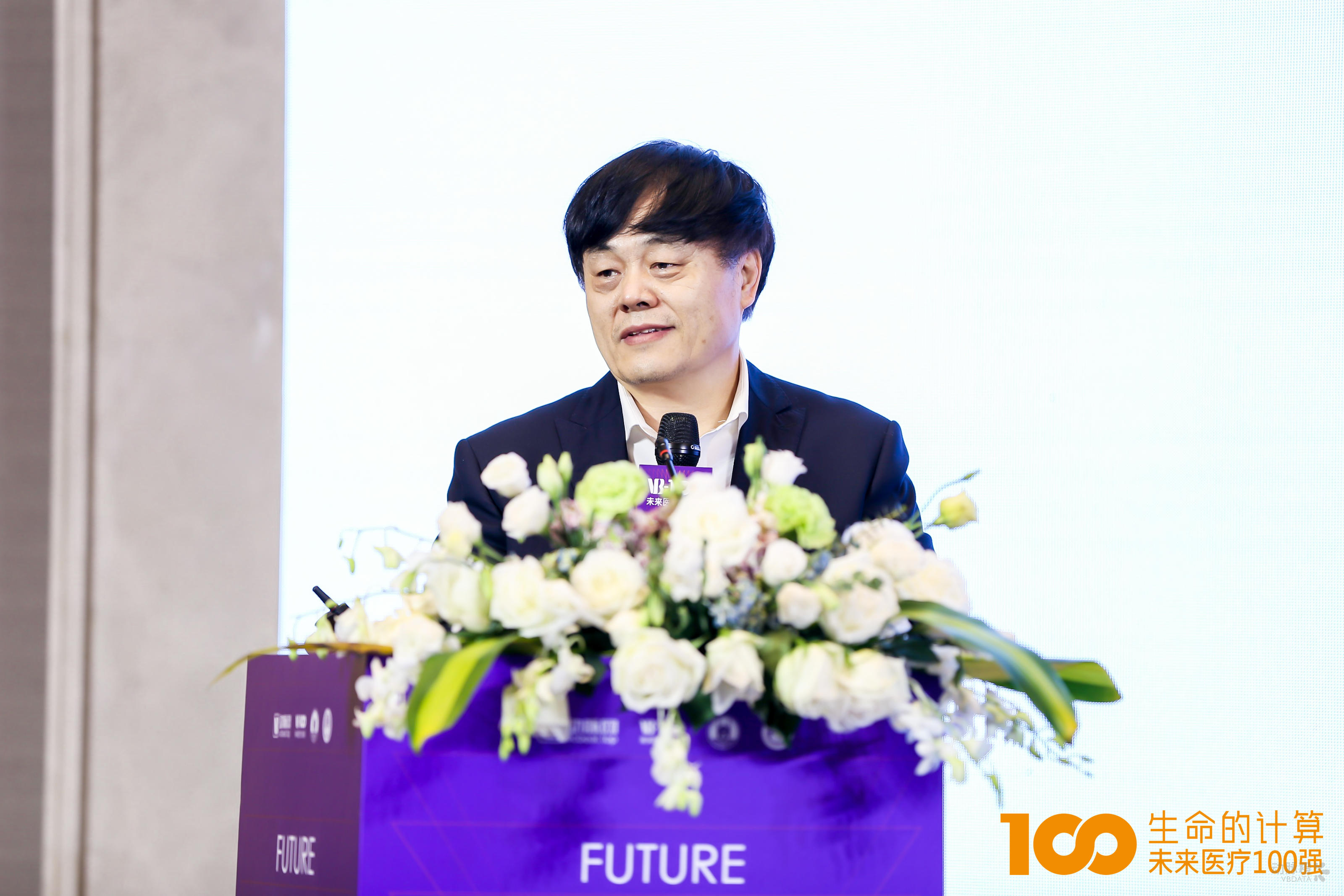
Jin Lei, CEO of BaiRen Medical
At his speech, Jin Lei, CEO of BaiRen Medical, mentioned that in China, patients with heart valve diseases mainly suffer from multi-valve lesions. Artificial heart valves have three basic attributes: functional effectiveness, implantation safety, and long-term efficacy and safety. In China, 80% of patients have been using mechanical valves, but big data shows that bovine pericardial valves are increasingly being used and have become the mainstream product among artificial heart valves. Chinese patients need bioprosthetic valves with better durability. BaiRen Medical launched its first bovine pericardial valve in 2003 and took 20 years to list on the STAR Market.
3Zheng Yuxiao, Head of Strategy and Business Development at Shenzhen Northcore: Industry development primarily revolves around the integration of measurement devices and the integration of consumables.
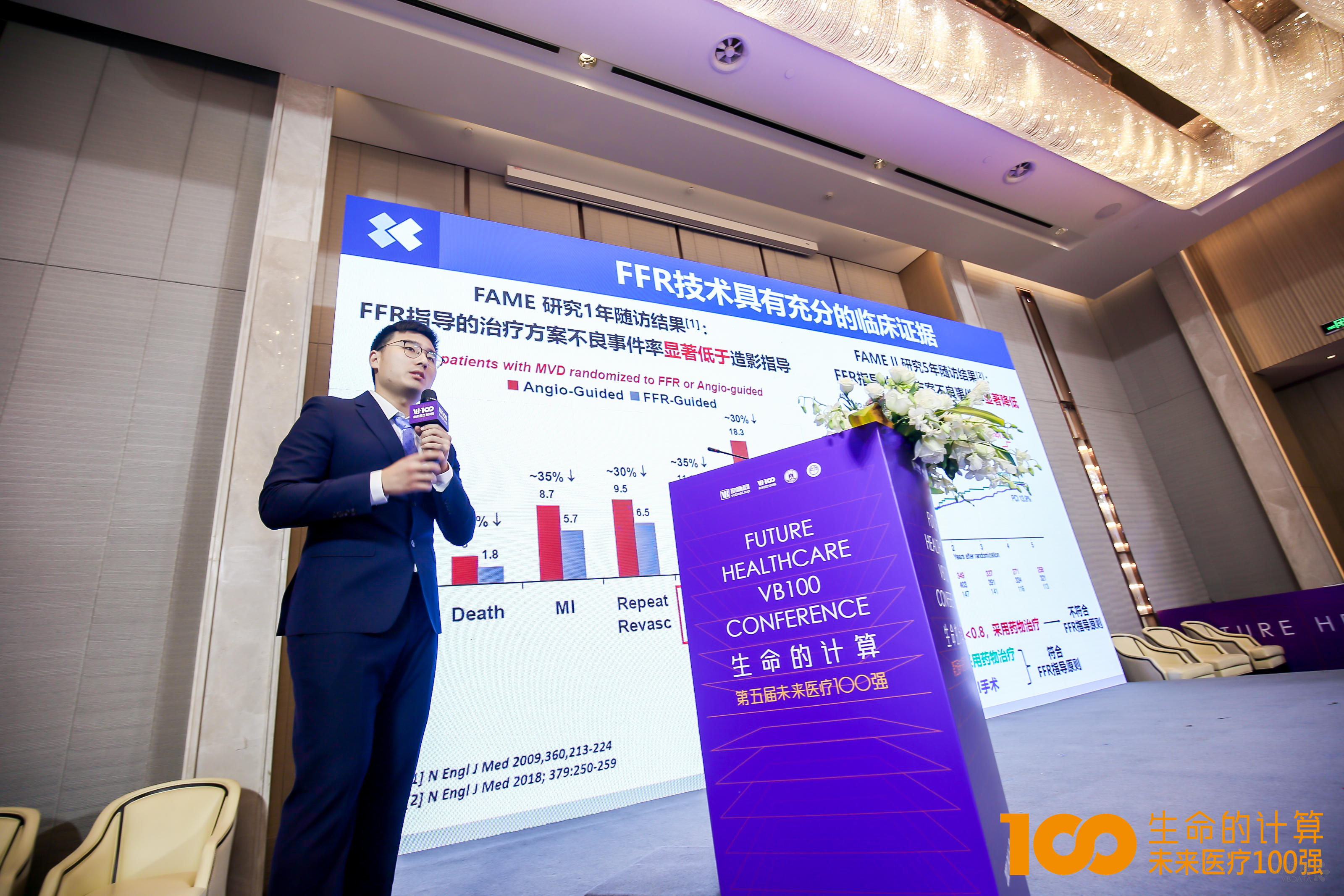
Zheng Yuxiao, Head of Strategy and Business Development at Shenzhen NorthCore
Zheng Yuxiao, Head of Strategy and Business Development at Shenzhen Northcore, stated in his speech that PCI has become the primary treatment for coronary artery disease, while FFR technology is the gold standard for functional assessment of coronary arteries, supported by robust clinical evidence. However, the limitations of FFR measurement tools have hindered the widespread adoption of FFR technology. Therefore, Northcore has introduced a new innovation: a pressure microcatheter for FFR measurement. Intravascular imaging technologies include intravascular ultrasound (IVUS), optical coherence tomography (OCT), and photoacoustic imaging, with IVUS currently being the most widely used in clinical practice. The combined use of IVUS and FFR can optimize the entire PCI workflow.
4Liu Junfeng, Senior Product Manager at Zhenchuang Tongqiao: Can the Neurointerventional Sector Replicate the Success of Cardiovascular Intervention?
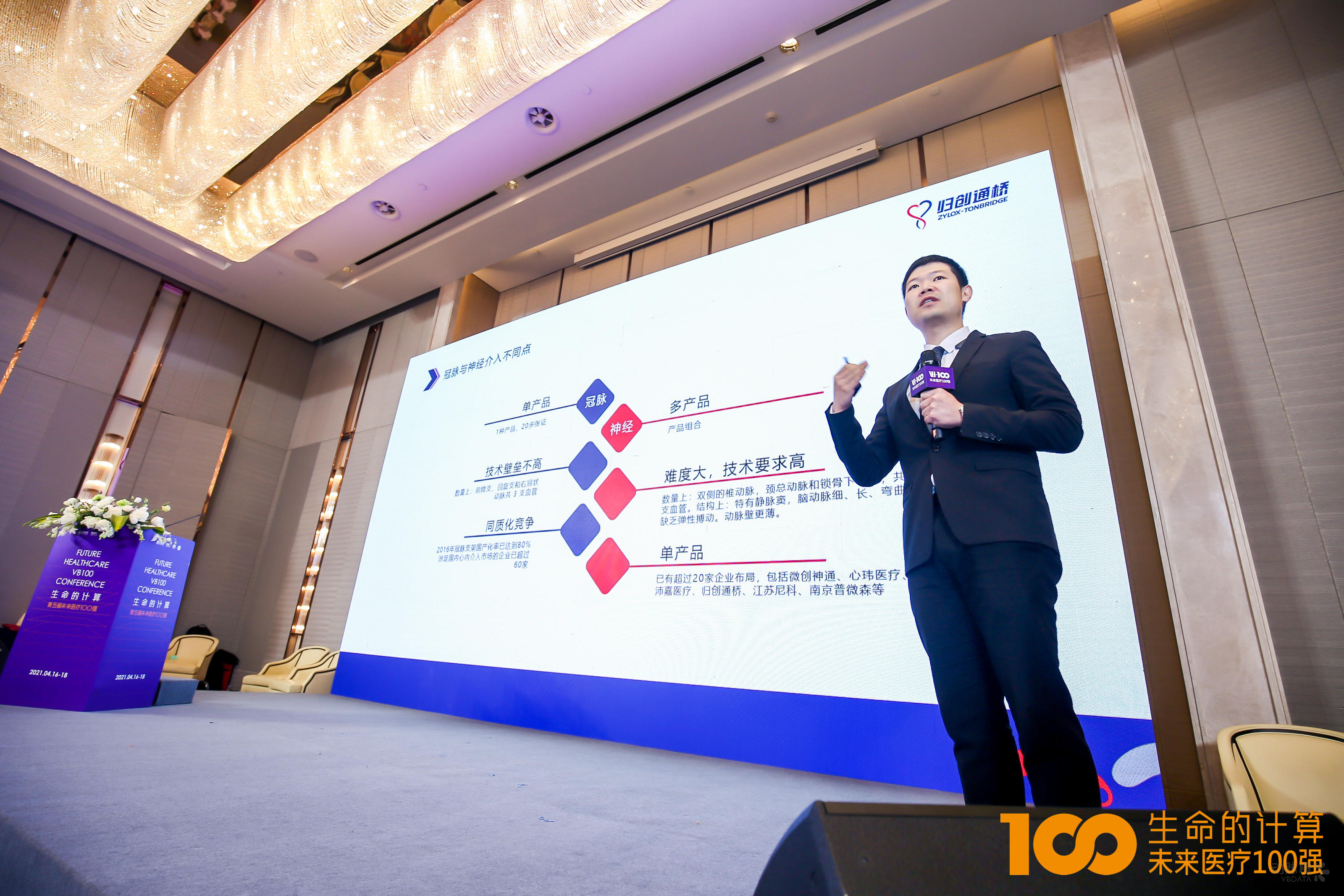
Liu Junfeng, Senior Product Manager at Zhenjiang Tongqiao
Liu Junfeng, Senior Product Manager at TransMed Medical, highlighted three similarities between coronary and neurointerventional fields: large market size, innovative devices, and high investment. Currently, the neurointerventional device market is led by several international medical device companies. While the peripheral interventional device market is also dominated by international players, domestically produced alternatives hold significant growth potential. The key drivers for future market growth are, first and foremost, policy support, followed by technological innovation, and finally, capital investment.
5Li Jianbo, Founder of Demei Medical: Application and Technological Innovation of High-Value Consumables in the Field of Sports Medicine
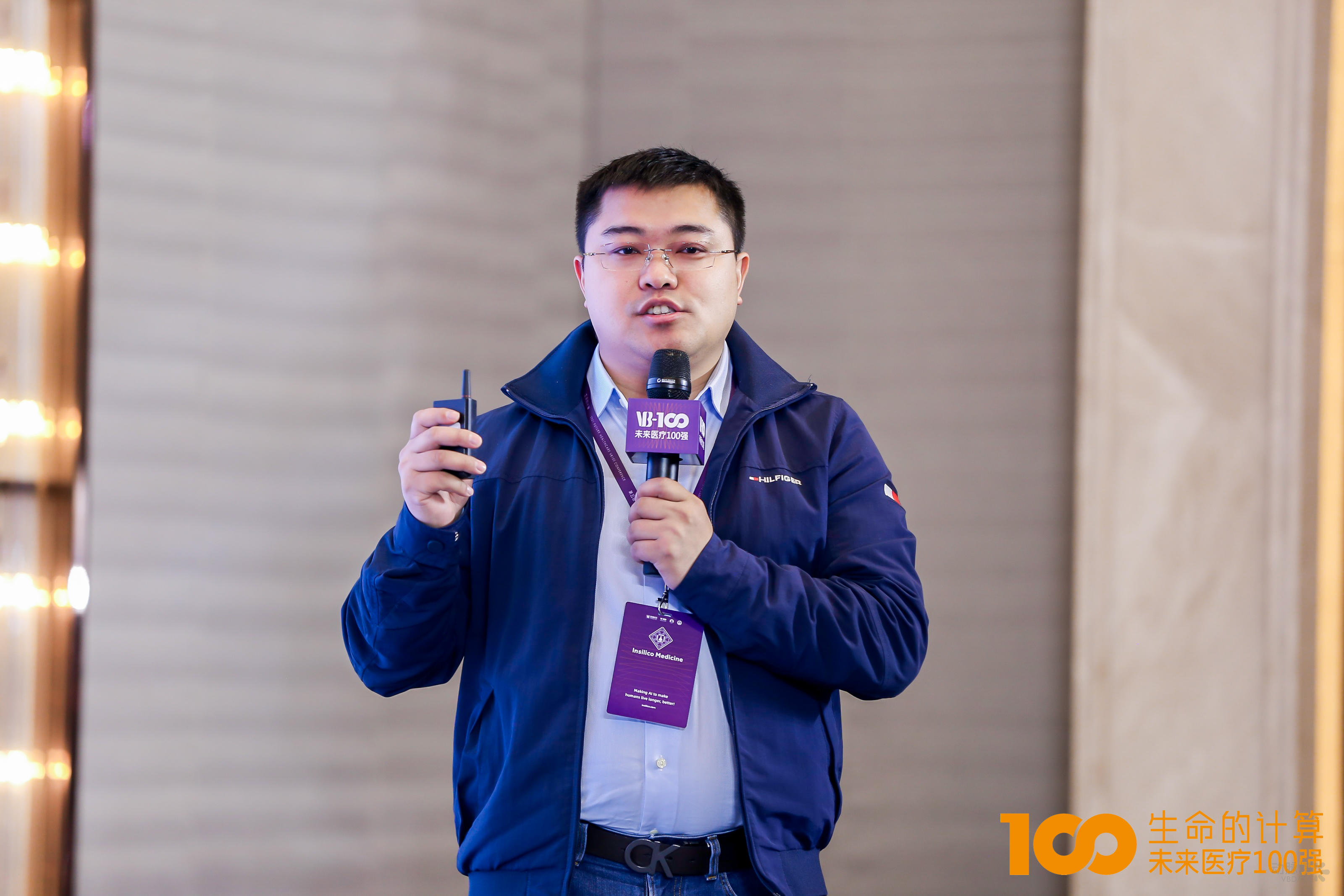
Li Jianbo, Founder of Demei Medical
Li Jianbo, founder of Demei Medical, stated in his speech that orthopedic sports medicine primarily utilizes arthroscopy or minimally invasive techniques to treat trauma or degenerative conditions related to the locomotor system, with a focus on the repair of ligaments, tendons, and soft tissues. Although the sports medicine industry in China is still in its nascent stage, it has garnered widespread societal attention due to the rising incidence of sports injuries and degenerative diseases driven by national fitness initiatives and population aging. In the field of sports medicine, three categories of high-value medical consumables are widely used: disposable instruments, tendon reconstruction devices, and ligament repair devices.
6Shi Yonghui, Managing Director of Medtronic China Fund: The future of globalization will inevitably see Chinese industry leaders expanding overseas; we are optimistic about innovation in China over the next decade.
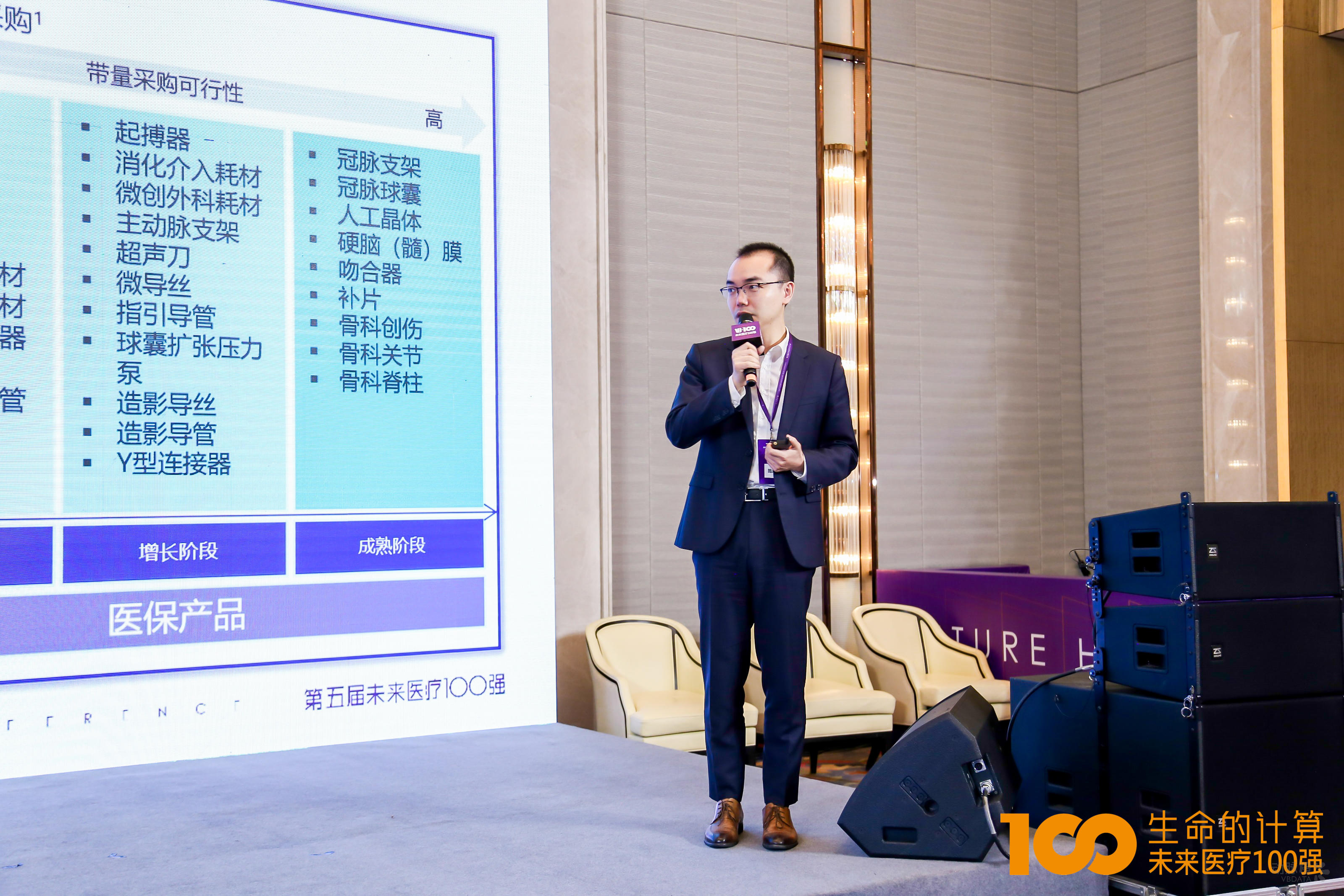
Shi Yonghui, Managing Director of Medtronic China Fund
Shi Yonghui, Managing Director of the Medtronic China Fund, noted in his speech that while capital market enthusiasm for medical device investment remains strong, the industry is under pressure. The domestic medical device market, currently larger in scale than the biotechnology sector, remains highly fragmented. The inclusion of high-value consumables in the national volume-based procurement program in 2020 will drive innovation and create new high-value investment opportunities. In the post-pandemic era, digital health will become a key investment focus, while traditional medical devices will continue to offer significant opportunities.
7Chen Chen, Chairman of Tongxin Medical: Tongxin Medical is Leading Global Artificial Heart Technology
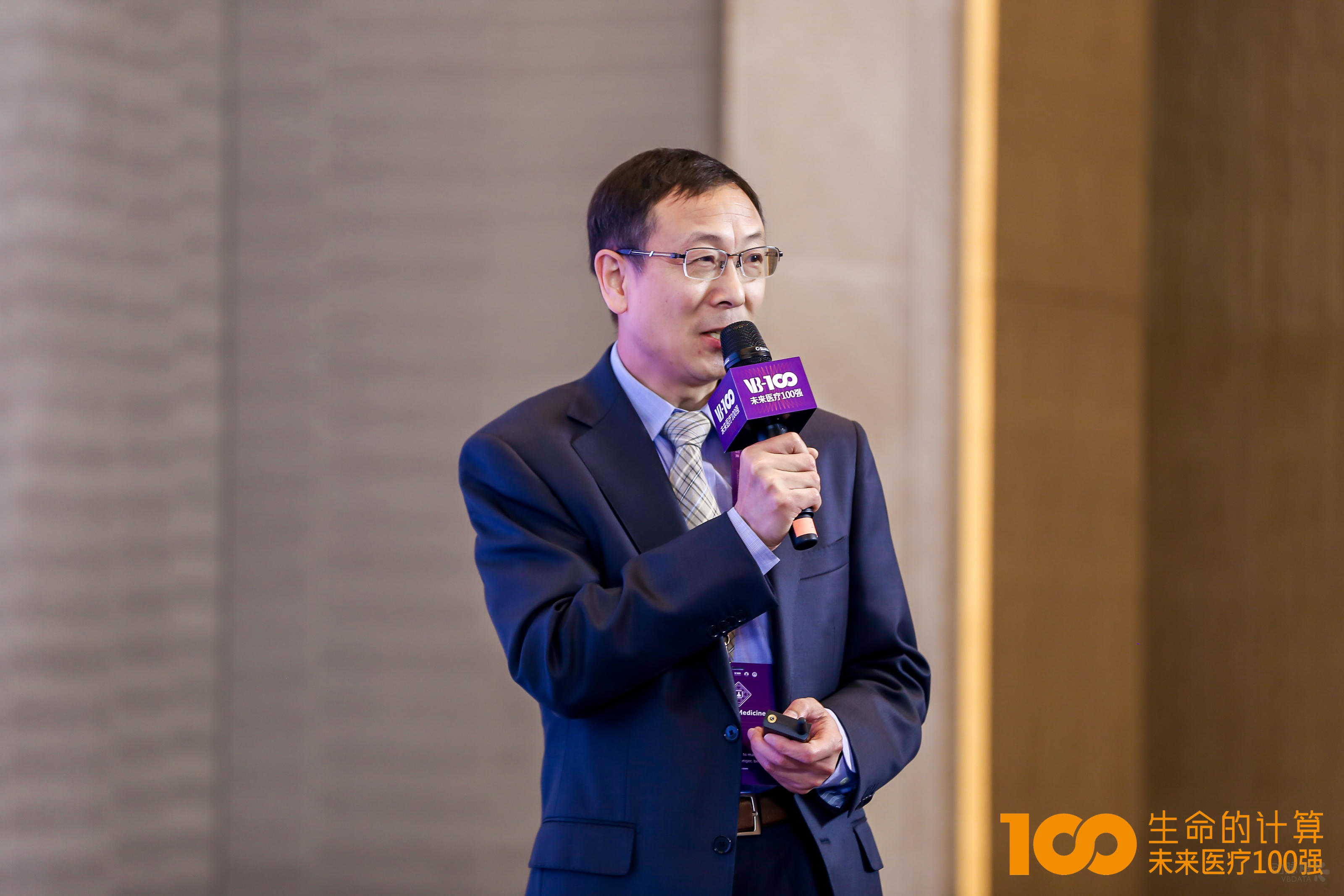
Chen Chen, Chairman of Tongxin Medical
Chen Chen, Chairman of Tongxin Medical, highlighted in his speech that technology is a key factor contributing to the high market concentration in the artificial heart sector, with HeartMate 3 demonstrating significant superiority over HeartMate II. The global VAD market has entered a new phase; since its launch, HeartMate 3 has rapidly gained traction, capturing 80% of the global market by early 2019. Only Suzhou Tongxin and Abbott possess mature fully magnetically levitated VAD technologies. Tongxin Medical has developed an ultra-compact artificial heart, reducing device size while enhancing reliability, resulting in the launch of CH-VAD. CH-VAD has already demonstrated superior performance metrics in terms of implantation invasiveness, infection resistance, reliability, and hemocompatibility.
8Roundtable Discussion
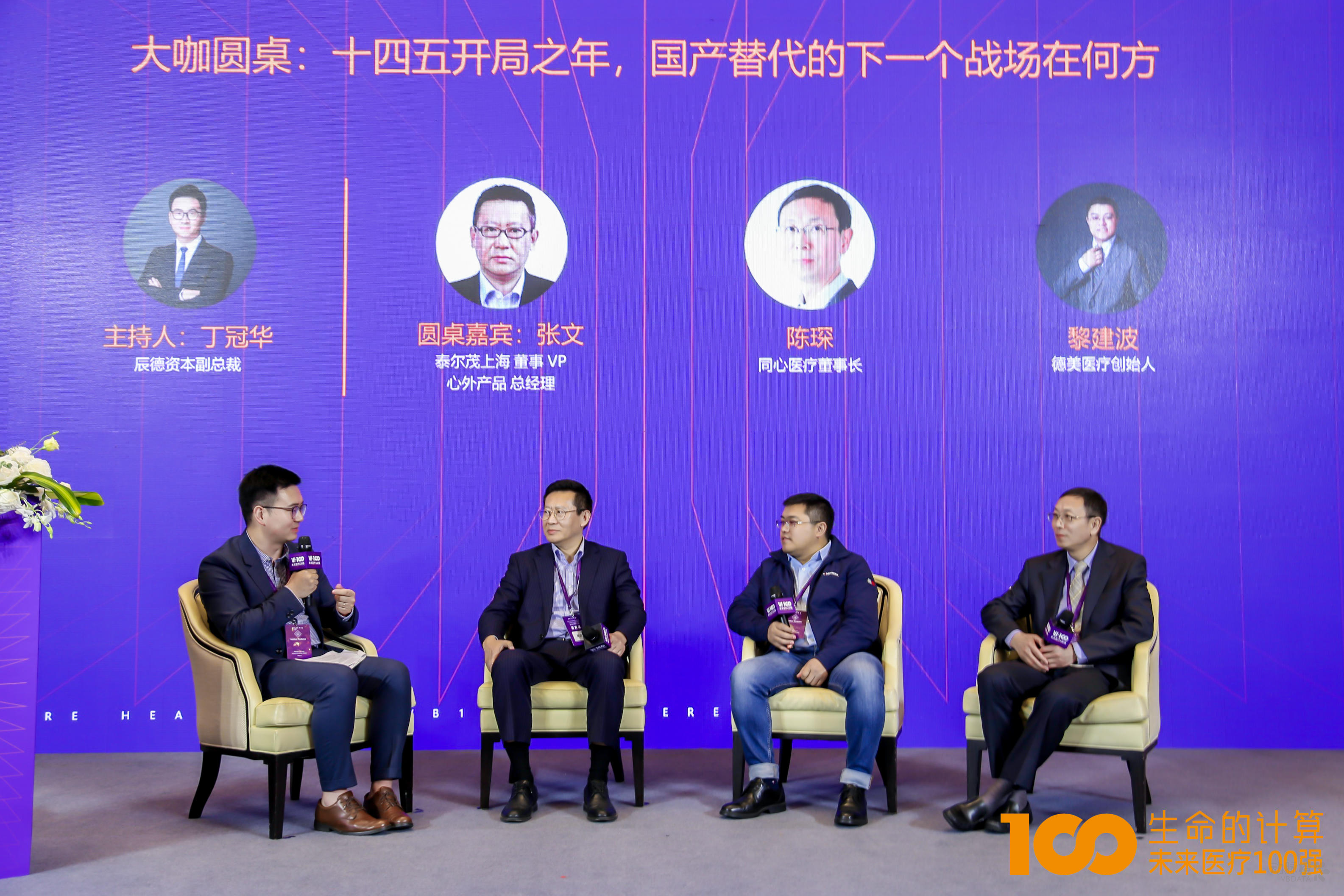
From left to right: Ding Guanhua, Vice President of Chende Capital; Zhang Wen, General Manager of the Cardiovascular Products Division at Terumo Corporation; Chen Chen, Chairman of Tongxin Medical; Li Jianbo, Founder of Demei Medical.
On April 17, 2021, a roundtable discussion themed “In the Opening Year of the 14th Five-Year Plan, Where Is the Next Battlefield for Domestic Substitution?” was successfully held at the 2021 Top 100 Future Healthcare High-Value Consumables Development Forum in Wujiang, Jiangsu. The panelists included moderator Ding Guanhua, Vice President of Chende Capital; Zhang Wen, General Manager of the Cardiovascular Products Division of Terumo Corporation; Chen Chen, Chairman of Tongxin Medical; and Li Jianbo, Founder of Demei Medical. The forum featured in-depth exchanges and discussions on the prospects of domestic substitution in the high-value consumables market and areas of innovation.