

Digital Empowerment and Innovative Development Directions for Primary Healthcare: Insights from the 5th Future Healthcare 100 Summit
From April 16 to 18, 2021, the “5th Future Healthcare Top 100” Conference, hosted by VCBeat, co-hosted by the People’s Government of Wujiang District, Suzhou City, and the Guangdong Zhong Nanshan Medical Foundation, with Suzhou Wujiang Dongfang State-owned Capital Investment and Operation Co., Ltd. as a supporting organizer, and Alibaba Health as the exclusive strategic partner, grandly opened in Wujiang, Suzhou.
As a dedicated observer and chronicler of the innovative healthcare industry, VCBeat officially launched the Future Healthcare 100 Forum in 2015. Over the past six years, it has grown into a renowned conference in China’s healthcare innovation sector, celebrated for fostering the integration of industry and capital.
This conference brings together 279 distinguished guests and features 19 forums, focusing on future trends, industry prospects, global perspectives, and venture capital dynamics. The forums include: Summit on Future Medical Trends, Summit on Future Medical Strategies, International Summit on Healthcare Innovation, Summit for Partners (LP-GP) of Future Healthcare Funds, Forum on Personalized Diagnosis and Treatment, Forum on Health Insurance Technology and Commercial Health Insurance, Forum on Innovative Practices in Primary Healthcare, Forum on Digital Therapeutics Innovation, Forum on Digital Marketing for Pharmaceutical Companies, Forum on the Development of High-Value Consumables, Forum on Innovative Development of Internet Hospitals, Forum on Transformation of Scientific Achievements and Industrial Development, Forum on the Development of the Assisted Reproductive Industry, Forum on Data Intelligence and Payment Innovation, Forum on Innovative Development of Smart Hospitals, Forum on Health Management Innovation, Forum on Digital Pharmaceutical R&D (ITBT), Forum on Early Cancer Screening, and Forum on Innovation in the Medical Aesthetics Industry.
At the Primary Healthcare Innovation Practice Forum held on the afternoon of April 16, keynote speakers including Liao Xinbo, former Deputy Director-General and Inspector of the Guangdong Provincial Health Department; Yu Wenxin, Chief Analyst for the Pharmaceutical Industry at Haitong Securities and Haitong International, and Assistant Director of the Institute; Michael Giuliano, Executive Director of ACHS International; Yan Honghui, Founder of BoHou Medical; Zhang Chenchen, CEO of Mingyi Zhonghe; Jiang Yiru, Co-founder of Yihu Baijia; Jin Lei, CEO of Jianjian Family Doctor; and Gao Lei, Head of the Eagle Business Market in the Commercial and Business Development Department of AstraZeneca, delivered insightful presentations. Meanwhile, roundtable panelists Xie Kai, Partner at Investment Medical Fund; Zhang Suhua, Director of the Institute of Social Medical Organizations at Shanghai Jiao Tong University; Cui Hongyu, General Manager of Innovative Technology in the Omnichannel Business Division of Microsoft (China) Co., Ltd.; Wang Ruifeng, Senior Vice President of Akang Health Group; and Xue Chong, Founder and CEO of Quanzhentong, engaged in a dynamic exchange of diverse perspectives. The session was moderated by Zhang Ying, Executive Director of the Mergers and Acquisitions Investment Department at GF Xinde.
Guests delivered speeches on topics including the current status and opportunities in industry development, challenges faced, and innovative development directions empowered by digitalization. VCBeat has compiled the insightful perspectives shared by the guests.
Liao Xinbo: New Infrastructure for Primary Healthcare in the Post-Pandemic Era
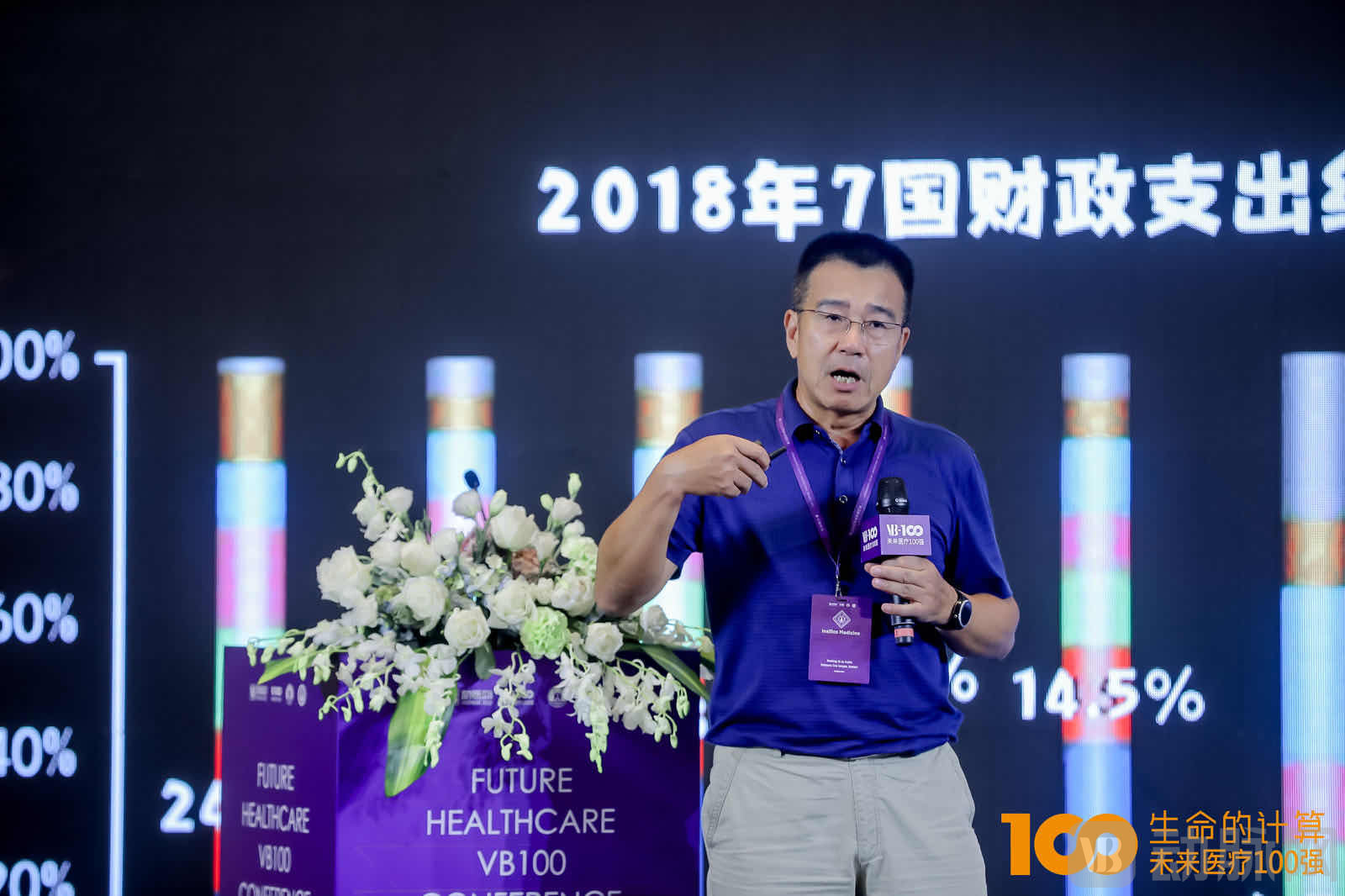
Liao Xinbo, Former Deputy Director-General and Inspector of the Guangdong Provincial Health Department
Broadly defined, the new healthcare infrastructure refers to medical and health-related foundational construction oriented toward public welfare and socio-economic development. This new healthcare infrastructure not only mitigates the potential threats of epidemics but also stimulates consumption and enhances both the quantity and quality of labor supply. Furthermore, components such as medical big data within this “new infrastructure” framework drive cross-industry growth, playing a significant role in ensuring the stable operation of the national economy, promoting high-quality development, and improving public well-being.
During the pandemic, we observed that primary healthcare infrastructure remains inadequate. In terms of government expenditure, our country still ranks relatively low. Therefore, in the future, national investment in healthcare will be increased in three key areas: fulfilling the government’s public service functions, strengthening the public health system, and leveraging technological means to improve efficiency.
New Infrastructure in Primary Healthcare is primarily elaborated from three aspects: First, improving the healthcare service system and strengthening the development of medical personnel. Second, new infrastructure in primary healthcare accelerates the formation of new medical business models. Third, the key to implementing the national strategy for addressing population aging lies in enhancing primary care service capabilities.
Yu Wenxin: A Decade of Pharmaceutical Investment and the Next Ten Years, Along with Opportunities in the Primary Healthcare Market
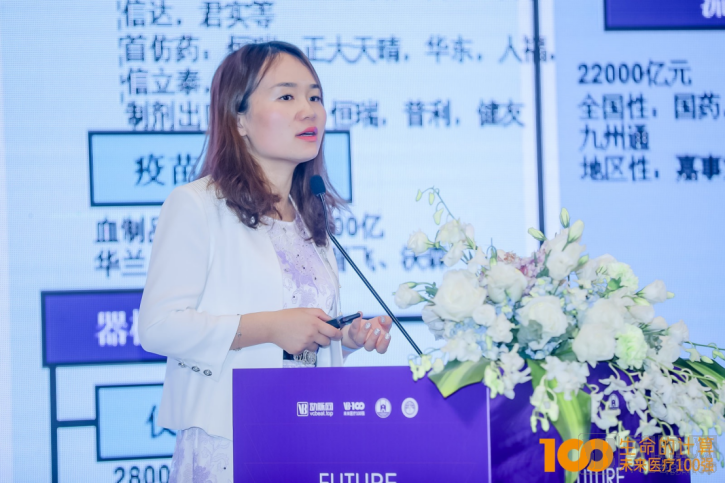
Yu Wenxin, Chief Analyst for the Pharmaceutical Industry at Haitong Securities and Haitong International, Assistant to the Director
Regulatory reforms have enabled China’s pharmaceutical, vaccine, and medical device industries to transition from extensive generic production to genuine innovation. This industrial transformation is unfolding faster than capital markets anticipate. Chinese manufacturing is expanding globally not only in sectors represented by WuXi AppTec, Mindray, and Huawei, but also in the innovative drug industry, which is rapidly approaching world-class standards.
Although primary care companies have not yet appeared on the “Pharmaceutical Industry’s Top Ten Years” list, the market is vast. On the supply side, there is a growing availability of pharmaceuticals, medical devices, and vaccines; on the demand and service sides, primary healthcare institutions are rapidly emerging. Looking ahead to the next 5–10 years, it is certain that primary care companies will make it onto the list.
By 2030, out-of-pocket payments will remain the largest market segment, and the pharmaceutical industry will undergo profound transformation driven by the internet over the next decade. Internet-based solutions, including telemedicine, are breaking down geographical barriers. Previously, many conditions at the primary care level could not be effectively managed; now, however, AI-enabled recognition and remote internet-based diagnostics allow for the interpretation of even complex pathological slides. Furthermore, medical services are gradually becoming free from geographic restrictions, creating substantial market opportunities at the primary care level.
Regulation and cost control will also emerge in the internet healthcare market; connectivity and data-driven internet thinking will permeate every corner of the industry, including the separation of prescribing from dispensing, full-lifecycle health management, and home-based treatment.
Over the decade leading up to 2030, as we envision the future landscape of healthcare, entrepreneurs across various sectors—including health management, outpatient registration, diagnostic testing, treatment and rehabilitation, and academic exchange—have been seizing industry opportunities and addressing pain points from multiple dimensions. We have always held that user value is paramount; any business model capable of effectively resolving these pain points is inevitably a viable and well-established one.
Yan Honghui: Solving the Challenges of Chain Development in Primary Healthcare with a Digitally Led 3P Model
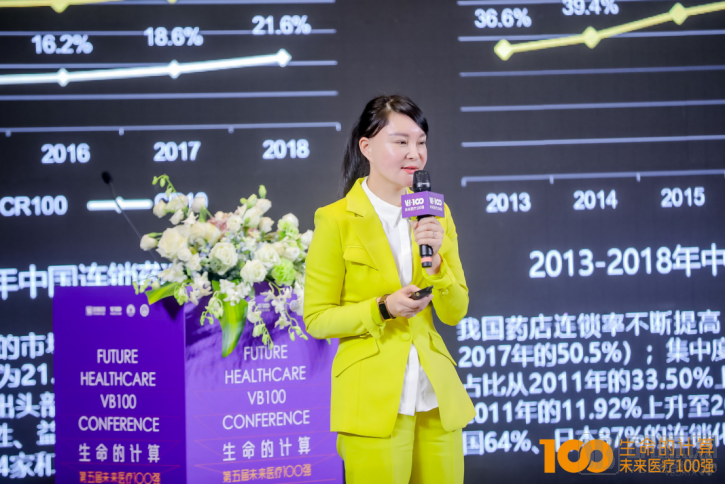 Yan Honghui, Founder of BoHou Medical
Bohou Medical’s vision is to provide Chinese families with convenient, pleasant, and effective medical services. We deliver a new service model that integrates technology, medical expertise, and intelligence, striving to become a builder of new-life communities featuring integrated medical care and elderly care, thereby providing residents and their families with a new paradigm for medical and health services.
What are the actual needs of patients, and what operational challenges exist in business management? We should address these issues from the following aspects:
First, the convenience of time, the effectiveness of physical treatment, the psychological sense of pleasure, and economic balance.
Second, in terms of operations, patients exhibit inherent distrust. Trust is predictive, while satisfaction is outcome-based. We must consider how to bridge the gap between patients’ anticipated distrust and their eventual satisfaction. How can operational efficiency be improved? How can objectivity be achieved? How can sustained profitability be ensured? And how can we encourage continuous follow-up visits?
Third, the healthcare services industry is a professional service sector, and its most critical requirement is talent.
How can chain development break through the challenges of standardization, digitalization, and replicability? In our practice in China over the past few years, we have summarized that leveraging cultural strength, digital capability, and service excellence can enhance an enterprise’s chain operation capabilities, thereby creating a new health management model integrating community, home, and elderly care.
First, in terms of cultural strength, we aim to unite people through the values of “compassion, benevolence, responsibility, and innovation,” cultivate and train them through an internal experiential university with a unique training system, and motivate them via a mechanism that encourages sharing.
Second, we will continuously cultivate a service culture centered on “patients first,” emphasizing how to treat patients like family and provide them with comprehensive physical and psychological care. Most importantly, we will leverage our corporate university to align concepts and values, ensure the continuous improvement of professional skills among specialized talent, facilitate the dissemination of core philosophies, and enhance support capabilities for non-specialized personnel in general operations.
Third, starting with digitalization, we must address patient experience issues, identify patients’ latent needs, and ensure patient satisfaction. By leveraging digital tools to uncover gaps in our service quality, we can provide patients with more convenient services and an enhanced experience.
Zhang Chenchen: Digital Smart Operations Empowerment Service Platform for Primary Healthcare
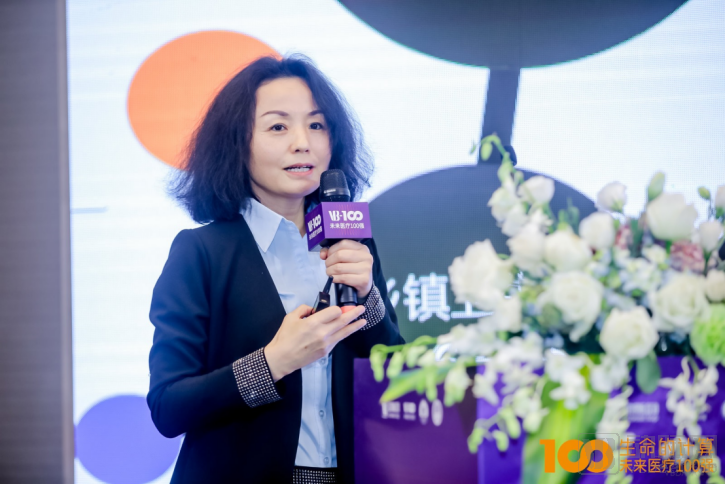
Zhang Chenchen, CEO of Mingyi Zhonghe
The drivers of growth in the traditional primary healthcare market have undergone a transformation from being product- and channel-centric to user-driven.
Driven by its three core pillars—a digital intelligence-enabled innovation service platform, a comprehensive product matrix, and integrated solutions—Mingyi Zhonghe leverages digital technologies to reshape the organizational models for value delivery, creation, and transaction in the pharmaceutical, testing, and health sectors. By enabling smart connectivity, diversifying scenarios, integrating omnichannel operations, and shortening commercial pathways, the company focuses on the continuous engagement of target audiences to build branded private-domain traffic pools and value assets. This approach helps enterprises effectively reduce customer acquisition costs, enhance promotional efficiency, and ultimately drive profit growth.
Mingyi Zhonghe’s deployment in core healthcare service scenarios is essentially comprehensive. This all-encompassing approach covers in-hospital and out-of-hospital settings, online and offline channels, as well as digital, smart, and even e-commerce-enabled environments, where we are implementing in-depth strategic layouts. These initiatives represent a digital, informational, and e-commerce-driven upgrade of traditional services—spanning consultation, diagnosis, screening, treatment, medication, post-treatment rehabilitation, disease management, and even education and training—thereby ensuring that our services are truly convenient and authoritative.
By decentralizing high-quality, premium resources from the upstream medical sector—through multi-site physician practice, tiered diagnosis and treatment, and remote consultations—we can effectively empower both industrial enterprises and upstream medical providers to support primary care. This facilitates the informatization and digital upgrading of primary healthcare, enhances patient trust, and ultimately enables patients to access high-quality resources, services, and products.
Jiang Yiru: Building an All-Scenario Digital Platform to Enhance Patients’ Lifetime Value
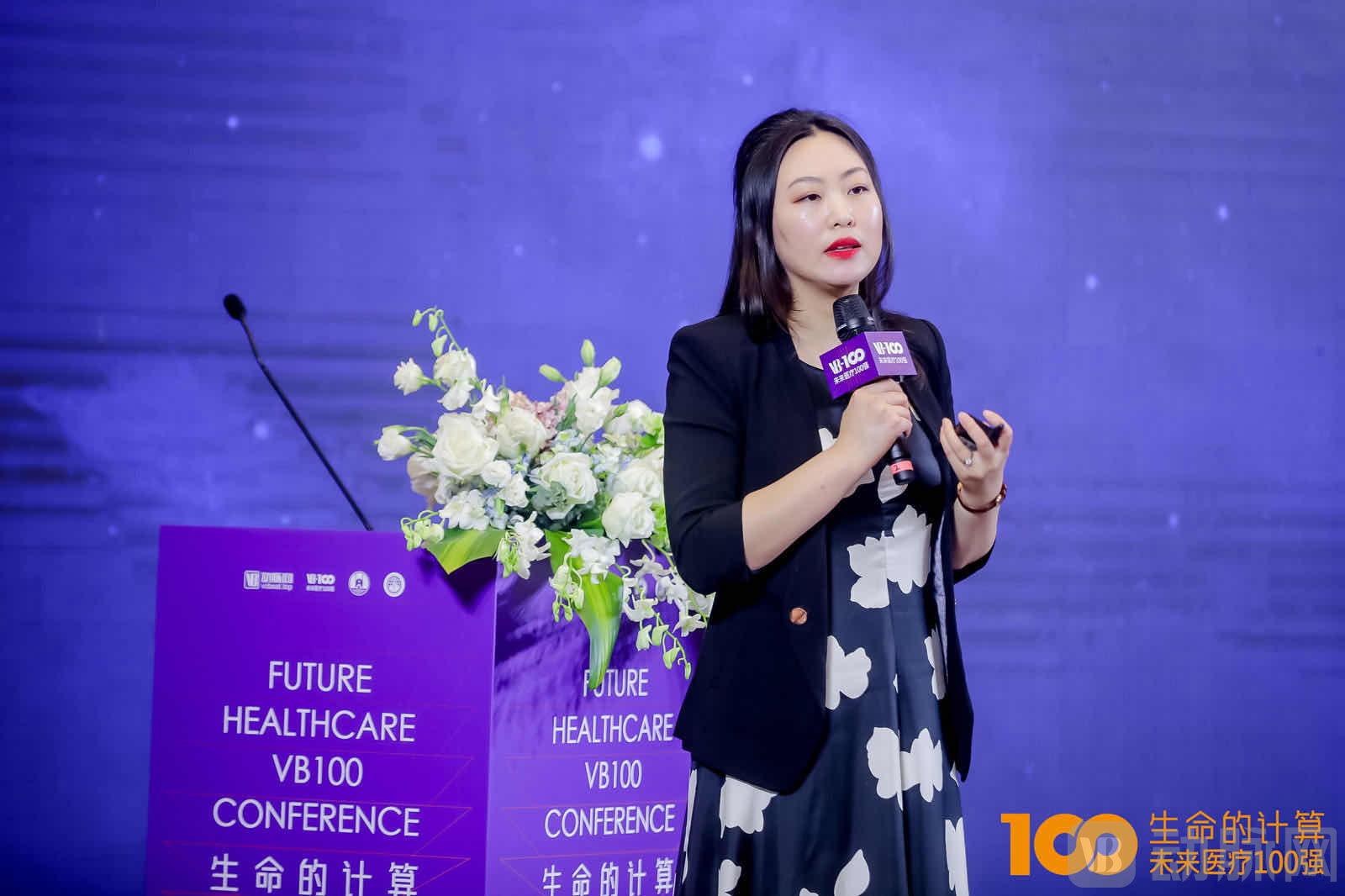
Jiang Yiru, Co-founder of Medical and Healthcare Baijia
The construction of the Yihu Baijia primary care specialty digital platform encompasses multi-channel online and offline connectivity, integrated hardware and software infrastructure, professional medical and nursing teams accessible at patients’ doorsteps, and trusted chain outpatient clinics. Yihu Baijia empowers its four-tier offline service model through digitalization, deeply unlocking customer value while actively leveraging digital tools to expand service channels and meet the needs of high-frequency users. This approach establishes a model integrating hardware, platforms, analytics centers, and mobile IoT front-ends, creating a unified software-and-hardware service platform.
To proactively deliver services to patients, enhance care through multidisciplinary nursing and diagnostic and treatment approaches, and meet patients’ needs for home-based diagnosis and treatment as well as post-treatment care, we have explored and established a digital platform tailored for primary healthcare. Our digital platform consists of five components:
First, empower the information collection and analysis systems for daily operations within stores.
Second, the online membership system.
Third, home-based services.
Fourth, intelligent clinical decision support systems.
Fifth, Online Store.
To enhance patient acquisition, we have introduced a new membership management system across our acquisition channels. By integrating tiered membership levels and benefits with various online and offline marketing strategies, we convert positive word-of-mouth into loyal members. Within this framework, patients are gradually nurtured and transformed into "Health Ambassadors," who voluntarily and proactively recommend our services to their families and friends.
Amid the surge in chronic disease patients and China’s aging population, the demand for home-based elderly care has become increasingly prominent. To support elderly care at the primary healthcare level, we have developed a suite of platforms, including an Intelligent Monitoring Center, an Intelligent Early Warning and Analysis Center, and a Health Management Center. By integrating numerous IoT devices, we transmit data to the smartphones of seniors, their family members, and healthcare providers, enabling them to monitor seniors’ activities, status, and health conditions in real time through digital information systems. We also offer a medical-centric service package, under which doctors and nurses regularly visit patients’ homes to provide diagnosis, treatment, and basic nursing care, while nurse assistants and rehabilitation therapists deliver in-home rehabilitation and nursing services, helping patients and the elderly address their long-term care needs.
Jin Lei: Focusing on Digital Empowerment to Bridge the “Last Mile” of Primary Healthcare
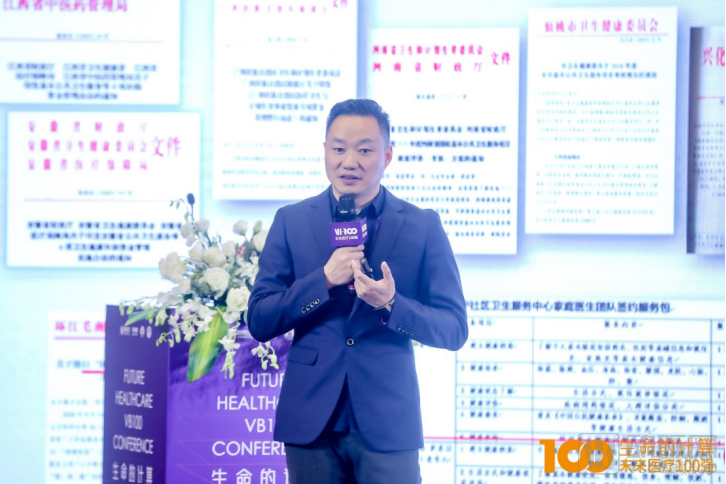
Jin Lei, CEO of Jianjian Family Doctor
The deficiency in digital capabilities is a pressing real-world pain point that 90% of primary-level public health checkups urgently need to address, constituting the most significant bottleneck in grassroots health examinations. Jianjian Family Doctor has developed a comprehensive digital empowerment solution for public health checkups, encompassing a digital platform, digital hardware, mobile digital examination vehicles, and digital operations.
The digital platform can be understood as a tool serving primary health centers, Health Commissions, and residents. It is also a data platform integrating collection, general services, and application. Starting from the acquisition of public health examination data, it enables data interoperability, which encompasses connectivity between hardware and the platform, as well as interconnectivity between the platform and assessment platforms at all administrative levels across provinces and municipalities nationwide.
Digital health examination vehicles help township health centers extend their services to rural areas, nursing homes, and communities. Centered on the seven standardizations of the examination vehicle, the offerings include a modification system, identity recognition system, accessory solutions, temperature control solutions, onboard health education solutions, water purification solutions, waste liquid discharge solutions, and in-vehicle laboratory equipment retrofitting solutions.
To support digital operations, we have developed six standardized management systems. These include a business operation system tailored for health checkups, and a service ordering system designed for use by community health centers. The suite also encompasses an operational skills system used by frontline staff—covering everything from initial notifications to post-examination result delivery—as well as a data synchronization system and an operations management system for vehicle dispatch and fleet management.
Jianjian Family Doctor leverages its “Collection-Connectivity-Utilization-Service” data cloud platform to deeply integrate the IoT system for public health examinations, enabling mobile services and digital operations for both the digital examination vehicles that bridge the “last mile” and the “6+7” standardized service framework. The implementation outcomes have far exceeded industry standards and client expectations, boosting examination efficiency fivefold while achieving full-process automation, paperless workflows, and zero manual intervention.
Gao Lei: Innovation · Collaboration — Integrated Solutions Empowering Primary Healthcare
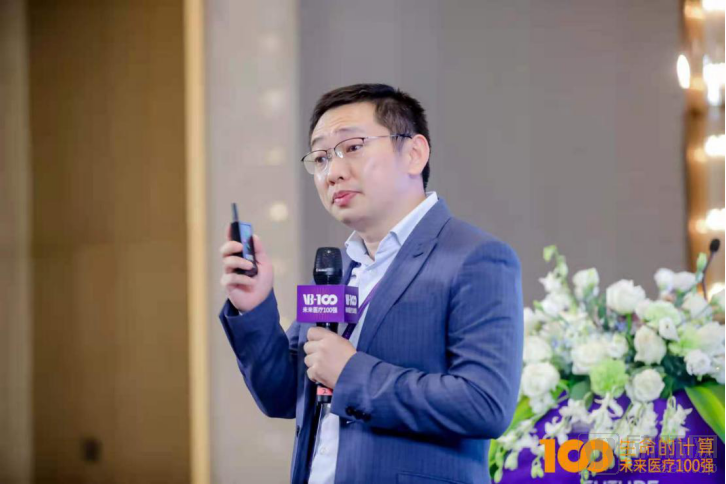
Gao Lei, Head of Feiying Business Marketing, Commercial & Business Development Department, AstraZeneca
My first thought on primary healthcare is humility, and my second is respect. We are contributing to bridging the “last mile” gap in this medical sector—a gap resulting from national policies, as well as various economic and cultural factors—thereby helping ensure that our country does not fall behind others.
Third is the hardship. It becomes evident that the primary healthcare sector is not highly profitable, with relatively low profit margins and slow returns on investment. There is no room for markups on pharmaceuticals at the primary care level, so non-pharmaceutical sales should be deprioritized for now. Government subsidies, including per-capita funding and overall compensation, are disproportionately low compared to basic income and expenditures. The only area warranting future research remains non-pharmaceutical sales, specifically in diagnosis and treatment. Data clearly shows that diagnostics in primary healthcare have been largely overlooked.
Proximity is an inherent advantage of primary healthcare, but having such an advantage does not automatically translate into tangible outcomes. Primary care providers often overlook a critical issue: operations—specifically, how to make your services known to patients. By leveraging new technologies to visually and intuitively show patients their health status, you can create an experience that fosters immense trust among local residents in your institution.
The future development of primary healthcare is far from easy; it relies on extensive operational management and requires a team, along with other partners, to continuously optimize and refine these processes. This represents our secret and our diligence. Ultimately, as Marx stated, “the essence of man is no abstraction inherent in each single individual. In its reality it is the ensemble of the social relations.” Thus, everything ultimately comes down to people. Whether we are willing to undertake this endeavor is the key determinant of whether our industry, or this niche community, can succeed in doing it well.
Roundtable Discussion: How to Create a New Landscape in Primary Healthcare? Exploring a New Ecosystem of Collaboration
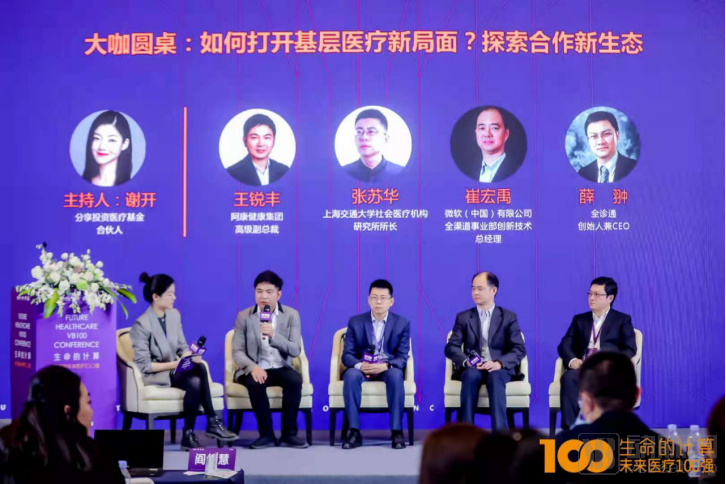
From left to right: Xie Kai, Partner at Fenxiang Investment Medical Fund; Wang Ruifeng, Senior Vice President of Akang Health Group; Zhang Suhua, Director of the Institute of Social Medical Organizations at Shanghai Jiao Tong University; Cui Hongyu, General Manager of Innovative Technology, Omnichannel Business Unit, Microsoft (China) Co., Ltd.; and Xue Chong, Founder and CEO of Quanzhentong.
Key Levers for Empowering Primary Healthcare
Empowering Primary Healthcare: A Holistic ApproachFrom the perspective of actionable levers, empowering primary healthcare requires the adoption of informatization tools, the application of artificial intelligence and the Internet of Things (IoT), robust supply chain support, and supportive policies. These elements form a comprehensive strategy; to holistically empower primary healthcare, none of these components can be overlooked.
We have summarized the following key levers for strengthening primary healthcare: first, supply chain optimization, platforms suited to business models, and the integration of multi-party resources. Furthermore, as community health centers or primary care institutions, it is most critical to effectively address patient care needs and resolve the challenge of talent development within primary healthcare facilities. In addition, new approaches and tools should be employed to reinforce primary healthcare, with the government playing a coordinating role in this process.
The Balance Between General Practice and Specialized Care
From a physician’s perspective, there is no contradiction. Every doctor’s professional development follows a path from general practice to specialization, but each must cultivate distinct areas of expertise. Without such specialized strengths, it is difficult to stand out. As long as a physician has unique competencies, there will always be significant room for growth in the market. Furthermore, medical services should align with public needs, which vary by region. Whether in general practice or specialized care, both the public and local governments prioritize the availability of medical resources that address urgent local healthcare demands.
From a business perspective, there are more success stories in specialized care, but general practice offers greater future opportunities. General practitioners can also pursue specialization in areas such as pain management and gynecology. However, the true value of primary care lies not in purely consumer-driven categories that can experience rapid explosive growth. Instead, general practice follows a more gradual and challenging path; yet, once this foundation is solidly established, it can serve as a connector to a wide range of healthcare services and resources.
Future Development Directions
In this era, everyone is exploring different development and business models. As a research institution or a think tank for national healthcare reform, we are keen to conduct in-depth analysis and research with companies of various forms and types. The COVID-19 pandemic last year not only reshaped the future international landscape but also brought about significant changes to China’s future healthcare system. During the pandemic, the state recognized the critical care and emergency rescue capabilities of Grade A tertiary hospitals and other large medical institutions. Consequently, substantial funding and support have been provided for the development of these major Grade A tertiary hospitals in the post-pandemic period. Over the next 5–10 years, there will definitely be a large-scale expansion of the public hospital system and major Grade A tertiary hospitals. The overall framework for coordinated development with public hospitals has largely been established. Within this broader context, more meaningful business models will continue to evolve.
Over the past two years, Microsoft has been making significant strides in cloud computing, artificial intelligence, and the internet. From an industry perspective, the healthcare sector has emerged as a key strategic focus for Microsoft. Whether it involves supply chain management, diagnostics, or empowering primary care through medical platform companies, Microsoft is committed to collaborating with stakeholders to strengthen primary healthcare services.
Software service companies with limited hardware capabilities tend to seek collaborative opportunities involving PUCT devices, therapeutic protocols, and medical devices suitable for primary care settings, thereby jointly empowering grassroots clinics and primary healthcare facilities.