

The Development Opportunities of Medical Insurance and Commercial Health Insurance: Insights from the 5th Future Healthcare 100 Summit
From April 16 to 18, the “5th Future Healthcare 100” Conference kicked off in Wujiang, Suzhou. The event was hosted by VCBeat, co-hosted by the People’s Government of Wujiang District, Suzhou City, and the Guangdong Zhong Nanshan Medical Foundation, with support from Suzhou Wujiang Dongfang State-owned Capital Investment and Operation Co., Ltd., and Alibaba Health as the exclusive strategic partner.
The conference features three main forums: the Trends Summit, the Strategy Summit, and the International Medical Innovation Summit; as well as 16 sub-forums: the Personalized Diagnosis and Treatment Forum, the Digital Therapeutics Innovation Forum, the Health Insurance Technology and Commercial Health Insurance Forum, the Primary Care Innovation Practice Forum, the Pharmaceutical Digital Marketing Forum, the High-Value Consumables Development Forum, the Internet Hospital Innovation Forum, the Scientific Achievement Transformation and Industrial Development Forum, the Assisted Reproductive Technology Industry Development Forum, the LP-GP Summit, the Data Intelligence and Payment Innovation Forum, the Smart Hospital Innovation and Development Forum, the Health Management Innovation Forum, the Digital Pharmaceutical R&D (ITBT) Forum, the Medical Aesthetics Industry Innovation Forum, and the Early Cancer Screening Forum.
At the Medical Insurance Technology and Commercial Health Insurance Forum held on the morning of April 16, Cai Jiangnan, Executive Chairman of Shanghai Chuangqi Health Research Institute; Zhang Boyuan, Executive Director of Life Capital; Feng Hao, General Manager of the Innovative Payment and Patient Services Division at Medbanks Health; Guang Yao, Founder and CEO of Xiaoyusan Insurance Brokers; Li Shuo, Co-founder and COO of InsureGeek; Ding Haochuan, Co-founder and Chairman of UPlus Health; Jiao Long, COO of Knowledge Vision; and Peng Xuan, CEO of Yuanxin Huibao, attended the event and delivered insightful speeches. Jiang Guanjun, Partner at Mingde Actuarial, served as the moderator.
Guests delivered speeches on topics such as healthcare insurance reform policies, the current status and opportunities of industry development, and the direction of innovative development in the industry. VCBeat has compiled the guests' insightful viewpoints.
Cai Jiangnan: Interpretation of Medical Insurance Reform Policies under the 14th Five-Year Plan
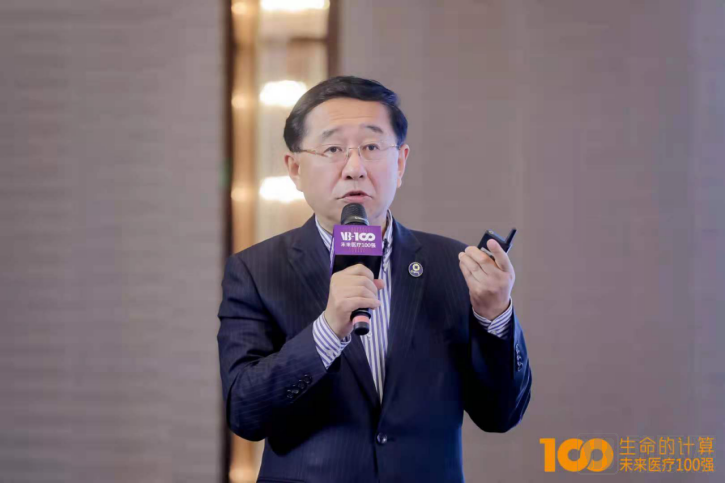
Cai Jiangnan, Executive Chairman of the Shanghai Chuangqi Health Research Institute
The "Opinions on Deepening the Reform of the Medical Security System" outlines the "four modernizations" of medical security governance: socialization, rule of law, standardization, and intelligentization, while emphasizing the integrity, systematicity, and synergy of the coordinated development of healthcare, medical insurance, and pharmaceuticals.
This document covers not only the government-run social health insurance but also the entire payment system comprising commercial health insurance and medical assistance, forming a multi-tiered security system. It primarily includes four mechanisms: benefit coverage, financing and operation, healthcare payment, and fund supervision, as well as two support systems: pharmaceutical and medical service supply, and healthcare security services.
Regarding the benefit guarantee mechanism, first, outpatient medical expenses should be included in the pooled fund of the basic medical insurance fund, and the individual accounts for employees must be reformed. Second, the benefit list system of the medical security framework should strengthen coverage for critical illnesses and medical assistance, while also emphasizing the accelerated development of commercial health insurance.
Regarding Fundraising Operations: First, establish a benchmark contribution system for basic medical insurance. Second, optimize the structure of individual contributions and government subsidies. Third, implement multi-channel fundraising policies to address the medical burden associated with an aging population. Fourth, elevate the level of pooling; initially, funding was pooled at the county level, but it will be advanced to the provincial level, with the ultimate goal of achieving national-level pooling of medical insurance funds.
Regarding payment mechanisms, first, the dynamic adjustment of the National Reimbursement Drug List (NRDL) has become clearly evident. The list of reimbursable new drugs is now adjusted annually, incorporating those with high clinical value while removing those with low value. Second, innovative contractual management for medical insurance should be implemented, with designated healthcare institutions supporting internet-based innovative models. Third, reform of payment methods is also a currently critical measure.
Regarding fund supervision, the use of big data analytics and unannounced inspections has revealed severe misuse of funds in public hospitals. The medical insurance credit system is currently being implemented for pharmaceutical and medical device companies participating in volume-based procurement (VBP). Once violations are identified, their credit ratings will be downgraded, which may affect their future eligibility to participate in VBP for pharmaceuticals.
Supply-side reform in pharmaceutical and healthcare services involves two key aspects: one is direct settlement, and the other is establishing a market-oriented price formation mechanism for drugs, medical insurance, and consumables. This latter aspect is still under exploration, focusing on how to truly achieve market orientation rather than relying entirely on administrative pricing.
Optimizing medical security and public administration is also highly significant for commercial insurance. Currently, the national health insurance administration system in China is highly fragmented, with each funding unit operating its own administrative framework. Advancing the standardization and informatization initiatives led by technology companies, fostering innovation in health insurance governance, and promoting corporate governance structures within health insurance agencies imply that government-run health insurance may undergo commercialization and marketization. This represents a revolutionary shift in self-interest for the government.
Medical insurance is playing an increasingly significant role. Mechanisms for fair and moderate benefit coverage, robust and sustainable financing and operation, effective and efficient payment, and stringent and powerful fund supervision will all drive supply-side reforms in pharmaceutical and medical services and optimize public management and services for medical security. Furthermore, payer reforms will serve as a critical guiding force for the development of the healthcare industry, making the enhancement of the value of medical services and products a core competitive advantage.
Zhang Boyuan: Unprecedented Changes in a Century—New Opportunities in the Health Insurance and Smart Healthcare Integration Landscape
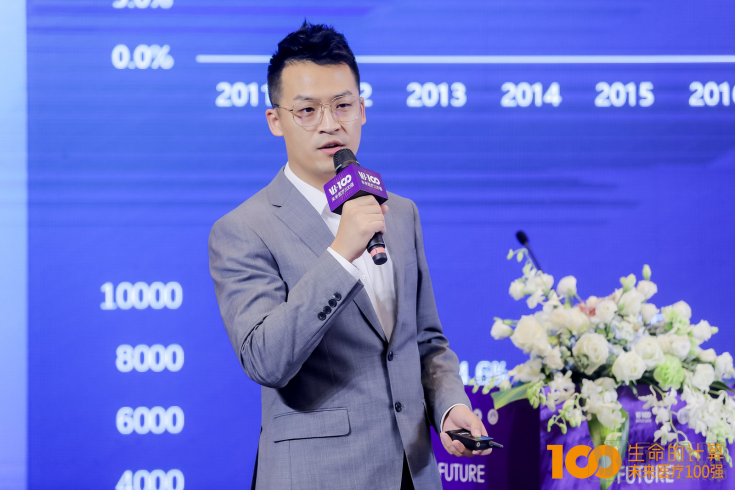
Zhang Boyuan, Executive Director of Life Capital
The primary drivers behind Life Capital’s growing focus on the health insurance and smart healthcare sectors are several major trends:
First, the aging trend;
Second, second, regarding the problems existing in China's healthcare payment system;
Third, the pressure of medical insurance overdraft.
The Major Trend of Medical Insurance Deficits Will Unlock Trillions in Market Opportunities for Health Insurance and Smart Healthcare.
Under this logic, the industry trends we observe are:
1. The future development of China's health insurance sector is inseparable from the delivery of medical services, and the interaction of medical services is likely to become one of the most critical competitive factors in this sector;
2. In the future, smart healthcare and health insurance will undoubtedly develop in synergy, with health insurance undergoing upgrades driven by the digitalization and technological advancement of healthcare.
We will focus on the more promising and interesting business trends:
1. A New Cross-Industry Model: Restructuring Benefit Distribution and Addressing Inherent Challenges in the Insurance Industry Through Cross-Sector Approaches.
2. The track of “exchanging materials for pricing,” also known as the payer’s track, serves as the underlying platform spanning the entire healthcare and insurance industries.
Feng Hao: Universal Coverage, Worry-Free Payments
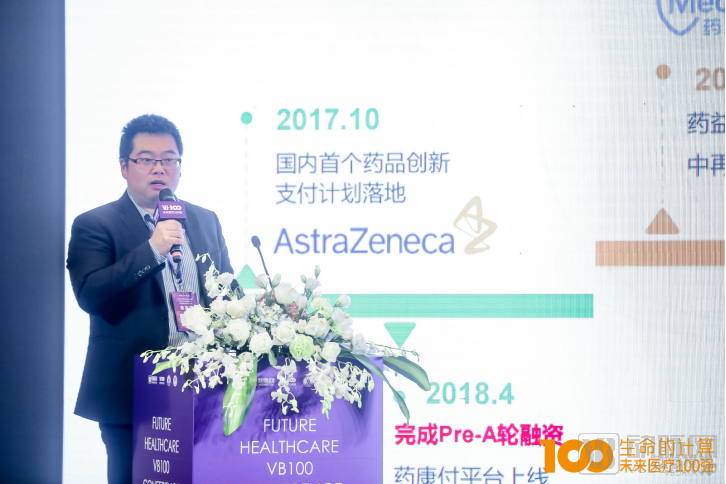
Feng Hao, General Manager of the Innovative Payment and Patient Services Division at MedXin Health
First and foremost, the mission and vision of Weixin Health are centered on ensuring that everyone has access to healthcare coverage without financial burden. Our strategic positioning aims to become a payer complementary to social insurance.
Different payers and payment systems should address the diverse healthcare needs of the population. If basic medical insurance serves as a broad-coverage, foundational safety net—primarily providing catastrophic coverage to prevent poverty caused by illness—we believe that, with the increasing availability of innovative therapies, a more diversified payment system will emerge, comprising commercial health insurance, supplementary medical insurance, and out-of-pocket payments by patients.
The population with health needs can be broadly categorized into two groups: the healthy population on the left and the diseased population on the right. While medical needs are more prevalent among those with diseases, why do we also discuss the healthy population? There are several perspectives to consider. Under the conventional risk-pooling framework, patients are generally unable to purchase commercial insurance because a certainty of risk cannot leverage the necessary financial mechanisms. To address this issue, the core solution lies in healthy individuals purchasing insurance while they are still well, thereby securing coverage against future uncertainties. Furthermore, if patients participate in the pool and contribute to covering the costs for those already afflicted, this could potentially become a viable approach to resolving the challenges faced by patients. In the long term, what should be the boundary between commercial insurance and basic medical insurance? We believe that innovative drugs represent at least one tangible and visible area for such delineation.
Regarding the increasingly popular urban insurance, we have also observed several trends:
First, the trend toward corporate partnerships is becoming increasingly evident, with greater reliance on support from local governments to expand the overall insured population.
Second, it will break the established commercial insurance practice of excluding coverage and denying claims; once the investment issue is resolved, the government and other stakeholders will also put forward corresponding requirements.
Third, we have witnessed effective collaboration between the government and third parties, facilitating the successful implementation of highly innovative products.
Amidst the national deepening of healthcare security system reforms and the establishment of a multi-tiered healthcare security framework, Magnesium Trust (MediTrust) developed numerous innovative solutions in 2020 targeting both patients with a wide range of diseases and healthy individuals, thereby contributing to the enhancement of the multi-tiered healthcare security system.
In the individual health insurance sector, Medbanks Health has become the largest partner and payer for pharmaceutical insurance. In the area of individual out-of-pocket expenses, the Yaokangfu platform has emerged as China’s largest patient benefits platform, aiming to provide diverse coverage for pharmaceutical costs to Chinese patients. As a supplement to social security, commercial insurance will gradually expand along two dimensions: extending coverage from oncology to broader therapeutic areas, and addressing the diversified needs ranging from healthy individuals to patients.
Guangyao: The Integration of Commercial Insurance Development and the Healthcare Industry
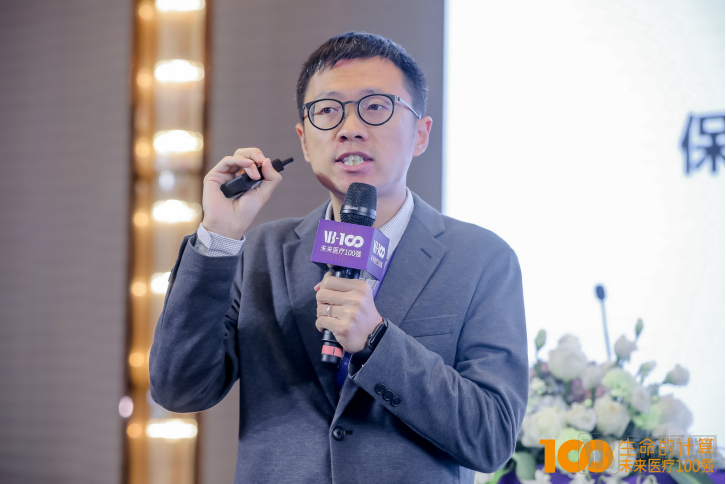
Guangyao, Founder & CEO of Xiaoyusan Insurance Brokers
Commercial insurance products are categorized into property insurance and personal insurance. Personal insurance is divided into three categories: life insurance, health insurance, and accident insurance. The two core categories of health insurance are critical illness insurance and medical insurance.
Currently, health insurance is closely tied to national medical insurance policies. Within China’s system, commercial insurance serves as a supplement to public medical insurance; however, health insurance products are far from enabling direct billing and still fall short of functioning as true healthcare payers. Xiaoyusan Insurance Brokerage is collaborating exclusively with primary insurers and reinsurers to customize life and health insurance products, distributing them via online channels, and exploring the integration of the insurance and healthcare industries.
The core financial logic of insurance is that an individual’s or patient’s annual income and expenditure curves are volatile. The fundamental principle of commercial insurance lies in whether purchasing insurance can reduce the variance of these cash flow curves through stable premium payments, thereby transforming highly fluctuating income and expenditures into relatively smooth ones.
Health insurance will inevitably evolve toward a service-oriented model, but the transition will be arduous. We invite colleagues with insights and needs in health insurance to join us in exploring how to bridge the gap between health insurance, commercial insurance, and medical services more quickly and effectively, so that appropriate solutions can be identified for the right time and scenario.
Li Shuo: Building a “Healthcare + Insurance Payment” Closed Loop by Starting with High-Frequency Health Insurance

Li Shuo, Co-founder & COO of Insurance Geek
The proportion of out-of-pocket expenditure in China’s healthcare spending is relatively high. In contrast to the United States and Europe, where the majority of individual medical expenses are shifted to commercial health insurance and social health insurance, respectively, China is likely to adopt a hybrid model combining both approaches.
Various national policies are supporting the development of health insurance, with explicit mentions of supplementary medical insurance becoming increasingly frequent in recent years. National policies are also promoting the deep integration of health insurance with healthcare services. Notably, many of these supportive policies for deep integration specifically target high-frequency health insurance products and high-frequency medical behaviors.
In actual health insurance sales, the scale of high-frequency medical services is shown to be very large. First, looking at various types of health insurance, critical illness insurance has the largest scale with even greater premium volume. Within health insurance, particularly short-term one-year health policies, million-yuan medical insurance had a market size of approximately RMB 55 billion in 2020, whereas supplementary medical insurance—referred to as high-frequency, low-amount health insurance—reached nearly RMB 240 billion in 2020. If the per-capita coverage for million-yuan medical insurance among Chinese residents corresponds to a market size of only several tens of billions of yuan, supplementary medical insurance already amounted to RMB 240 billion last year.
Bolstered by healthcare policies, the trillion-yuan health insurance market is accelerating its growth, with commercial health insurance poised to become both a gateway for pharmaceuticals and a key payer. InsurGeek leverages the power of data to help enterprises enhance human resource productivity and drive digital transformation in HR, while also integrating more deeply with healthcare to explore a closed-loop system combining health services and medical payments. In summary:
First, we are entering the market through high-frequency medical services. We aim to leverage these high-frequency medical services to establish a closed loop between healthcare and insurance.
Second, we serve over 7,000 corporate clients, with a focus on facilitating the digital transformation of their human resources functions. As such, we have deep insight into the health management services these enterprise customers require.
Third, we have access to claims data, including high-frequency medical claims data. We aim to integrate these data with health management to enhance health services and further upgrade commercial health insurance.
Ding Haochuan: Digital Health Service Operators Empower Commercial Insurance Innovation

Ding Haochuan, Co-founder & Chairman of UJia Health
The share of health insurance within the entire life insurance sector has risen from 7.1% a decade ago to 24.5%. This trend clearly indicates that commercial health insurance is increasingly gaining consumer recognition and acceptance in terms of its substitutability for medical payments and regional risk coverage. Consumers’ understanding and perception of health insurance are also undergoing profound, subtle changes, as reflected in several aspects:
First, purchase intention has significantly increased.
Second, greater emphasis is placed on health protection. There are three factors that influence consumers' decision to purchase health insurance: (1) Health coverage. (2) Company strength. (3) Health management.
Third, there is a growing preference for customization; individuals of different ages, geographic regions, income levels, and disease profiles have customized needs for coverage content and services.
Fourth, an increasing number of consumers are paying closer attention to the overall health management process. They expect insurance-related services to be readily accessible when needed, delivering effective outcomes and a positive user experience, while also providing enhanced future coverage benefits.
In response to shifting consumer demands, and driven by market, product, and policy factors, the deep integration of health “insurance” and health management “services” has emerged as a new development opportunity. Implementing the deep integration of products and services as a high-level corporate strategic initiative may be influenced by three aspects:
I.Market Challenges. Currently, there are over 4,000 health insurance products available on the market, with severe homogenization; health services have become a key differentiator in competitive strategy.
II.Within the ecosystem, the value of commercial health insurance as a payer is limited; only by engaging deeply in medical services and health management can the value chain be further extended and challenged.
III.Favorable Policy Environment. Measures for the Administration of Health Insurance (Revised): Integrates health insurance products with health management services, stipulating that the allocated cost of such services shall not exceed 20% of net premiums. Regulatory requirements under Document No. 83 (2020): (1) Health management becomes an integral component of insurance products; (2) Health management services may be sold separately and recognized as revenue by insurance companies; (3) Insurance companies adopt a “product + service” model as their core strategy, with marketing expenses increasingly directed toward health management services.
Guided by these shifts, Youjia Health has been positioned since its inception as a dedicated healthcare service operator. It boasts a comprehensive service operations platform and three differentiated health management advantages: one-stop triage, multi-dimensional curated selection, and self-operated services, supported by a middle-office tailored for commercial health management and an intelligent recommendation engine.
Jiao Long: Data Assetization of Health Insurance and Big Data-Driven Integration of Medicine, Insurance, and Healthcare

Jiao Long, COO of Knowledge Vision
China has established a multi-tiered healthcare security system primarily composed of basic medical insurance, supplementary medical insurance, and commercial health insurance. Social medical insurance and social security play a dominant role, while commercial insurance serves as the most critical supplement to basic medical insurance, with health management services emerging as the key breakthrough point.
Health management primarily encompasses two aspects: the first is enhancing health levels and preventing diseases, while the second involves providing medical services and rehabilitation management for patients during their illness. There are three key elements to building a comprehensive health management system:
First, segment the target population. Only through such segmentation can we achieve broader coverage of individuals with chronic diseases, those in a sub-health state, and those with critical illnesses, thereby expanding the customer base.
Second, data analytics capability is the core of the entire health management system. In particular, the analysis and utilization of effective clinical data form the foundation for delivering personalized health management services and serve as the basis for user segmentation.
Third, as the trend of basic medical insurance covering essential needs and commercial insurance covering critical illnesses becomes established, commercial health insurance must engage in deep collaboration with pharmaceutical and medical device companies in key areas—particularly oncology—to achieve outcomes-based health management.
To achieve innovation in medical insurance products, future explorations should focus on patient-centered directions and healthcare models.
I. Personalized Health Management. Personalized health management is primarily presented in the form of health reports. The first step in personalizing health management is to digitize health information by structuring physical examination reports, pathological diagnosis reports, genetic testing reports, and other data provided by clients, thereby intuitively displaying disease-related information for patients.
II. Personalized Health Recommendations: Conduct risk assessments for abnormal indicators identified in client reports, evaluate potential health risks, and provide testing recommendations and health advice; deliver targeted health guidance based on the patient’s tumor type, tumor stage, biomarker expression profile, genetic mutation status, and medical history, to help control disease progression and improve physical condition.
3. Comparative Analysis of Different Treatment Regimens: Based on the patient pool, identify specific tumor subtypes and provide clinical performance data for different treatment options for patient reference.
Peng Xuan: The Impact on and Opportunities for the Industry Behind the Increasing Standardization of Urban Inclusive Insurance
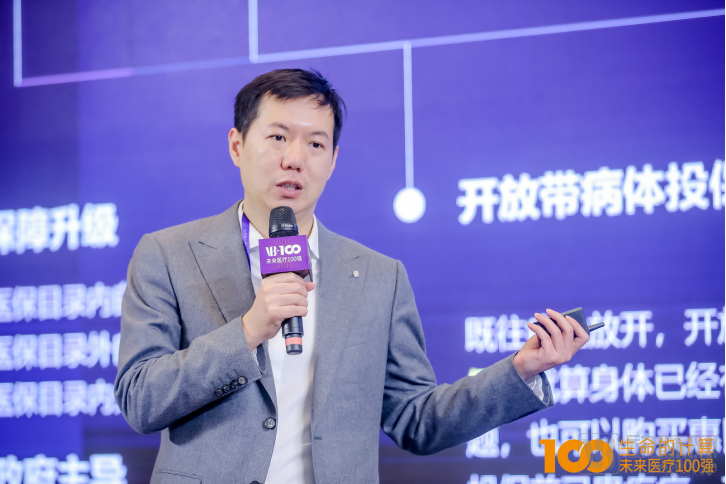
Peng Xuan, CEO of Yuanxin Huibao
In early 2020, a model of “inclusive supplementary medical insurance” rapidly swept across cities in China. This model was implemented on a city-by-city basis, led by local government agencies (such as the Healthcare Security Administration), with commercial insurers providing standardized products targeted at participants in the basic medical insurance scheme. It gained widespread adoption due to its advantages of ultra-low premiums, high coverage limits, and no restrictions on age or health status. By December 2020, various types of “Huiminbao” plans had covered more than 140 cities in China, with total enrollment exceeding 25 million people.
Across China, there is a growing shift toward the “commercial insurance + basic medical insurance” model, which offers five major benefits to the National Healthcare Security Administration:
First, in the future, the basic medical insurance fund will not need to draw from its principal. Instead, operating on a model similar to urban mutual aid and led by the government, every yuan invested can help cover costs for items outside the scope of basic medical insurance, including medications and treatments that are either not covered or cannot be included in the reimbursement list.
Second, medical insurance can also provide targeted support to industries.
Third, the general public has a strong sense of gain.
Fourth, urban consumption capacity will be effectively unleashed, which will also significantly boost the political achievements of the governing administration.
Against the backdrop of the principle that “insurance should prioritize protection,” coupled with the updating of health insurance products, customers’ demand for protective coverage has increased. On the other hand, health management services also serve as a manifestation of product differentiation, thereby enhancing product competitiveness.
Innovation is the future direction of healthcare. In which directions should genuine commercial health insurance evolve? My perception is that insurers are increasingly prioritizing user engagement, health management, and pre- and post-insurance services, while leveraging technological tools for pricing. Currently, insurers are determining the product direction for the entire industry, with many developing forward-looking new products.
We believe that there are still significant opportunities in future health management. Health management and health services are definitely not just about integrating some simple services from various providers for insurance companies to use. The combination of health management, high-quality medical services, and service guarantees has gradually become a new model for health insurance. What we are doing now is:
First, agents must become health managers and possess a strong health philosophy and a high level of knowledge.
Second, there must be a relatively intelligent AI management assistant. While AI facilitates precision medicine, it further drives innovation in healthcare service models and health management. Smart devices enable real-time, dynamic monitoring of health data and provide routine, refined guidance.
Third, in the era of “Internet Plus,” the development of internet hospitals has provided patients with diversified services such as video consultations and intelligent triage, enabling them to access medical care anytime and anywhere, thereby improving healthcare efficiency and reducing costs.