

IT and BT Convergence Accelerates: Digital Technologies Reshaping the Pharmaceutical World
The digitization of life and the biologization of digital technology are undoubtedly the two most significant themes in the field of pharmaceutical R&D in the 21st century. Information Technology (IT) and Biotechnology (BT) will converge at an unprecedented pace. Pharmaceutical R&D represents the vital lifeline and core value of every pharmaceutical company. Rapidly advancing digital technologies, such as artificial intelligence, big data, and machine learning, are swiftly reshaping the entire medical landscape. Undoubtedly, digital technology will emerge as the most innovative driving force in this field during this century.
On the afternoon of April 18, 2021, the 5th Future Healthcare Top 100 Conference · Digital Pharmaceutical R&D (ITBT) Forum, co-organized by VCBeat and Wuyuan Capital, was successfully held.
The forum was moderated by Zeng Ying, Entrepreneur in Residence (EIR) at 5Y Capital. Participating guests included Jing Xutian, Managing Director at 5Y Capital; Wen Shuhao, Co-founder and Chairman of XtalPi; and Ma Dong, Partner at Taimei Medical Technology, who served as forum speakers. Other attendees included Ma Dong, Partner at Taimei Medical Technology; Li Yang, Co-founder and Chairman of ReviR; Li Chengtao, Founder and CEO of Star Pharmaceutical; Lai Caida, CEO and Co-founder of METiS Pharmaceuticals; Chen Hang, Co-founder and CEO of Xingkangyuan Biology; Wen Wen, Founder and CEO of Huanyi Biology; Tan Yan, Founder and CEO of Unknown Biotech; Wang Yuchong, Founder and CEO of ChenAn Biology; Ji Xuwo, Founder of Purui Benchmark Technology; Qian Weiwen, Deputy General Manager of Wugan Pharmaceutical; and Hao Han, Senior Researcher at VCBeat Research Institute.
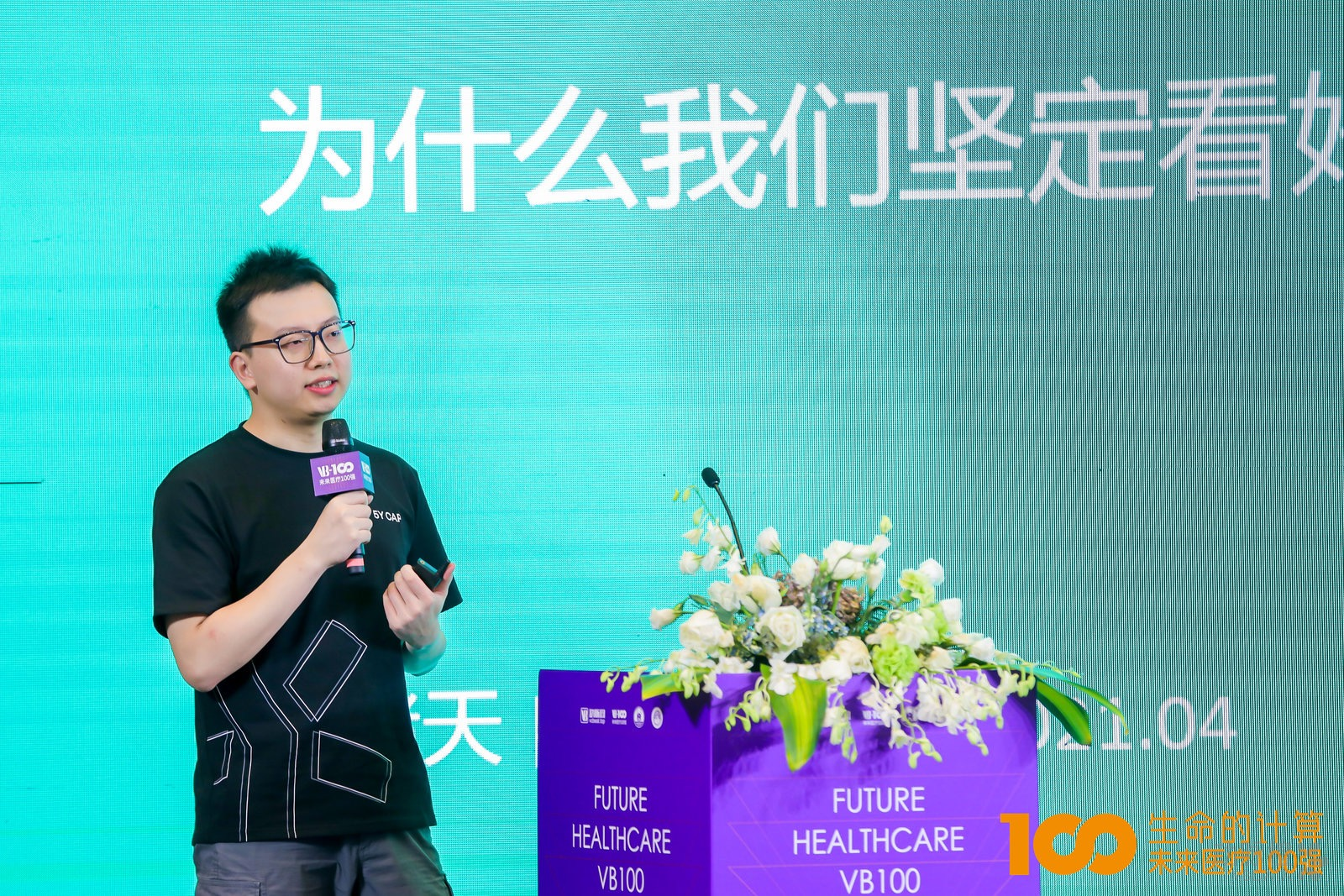
Jing Xutian, Managing Director at Wuyuan Capital
Jing Xutian, Managing Director at Wuyuan Capital, stated that the “anti-Moore’s Law” has emerged in the field of traditional new drug R&D, with the pharmaceutical industry undergoing a transformation from “labor-intensive” to “technology-driven and automated.” Information technologies such as bioinformatics, computational physics, artificial intelligence, and machine learning are not only rapidly changing the way drug molecules are discovered but have also given rise to entirely new therapeutic areas. Furthermore, benefiting from the information technology revolution and China’s healthcare system reforms, significant transformations and opportunities also exist in China in the stages following drug discovery, including development, distribution channels, and medical services.
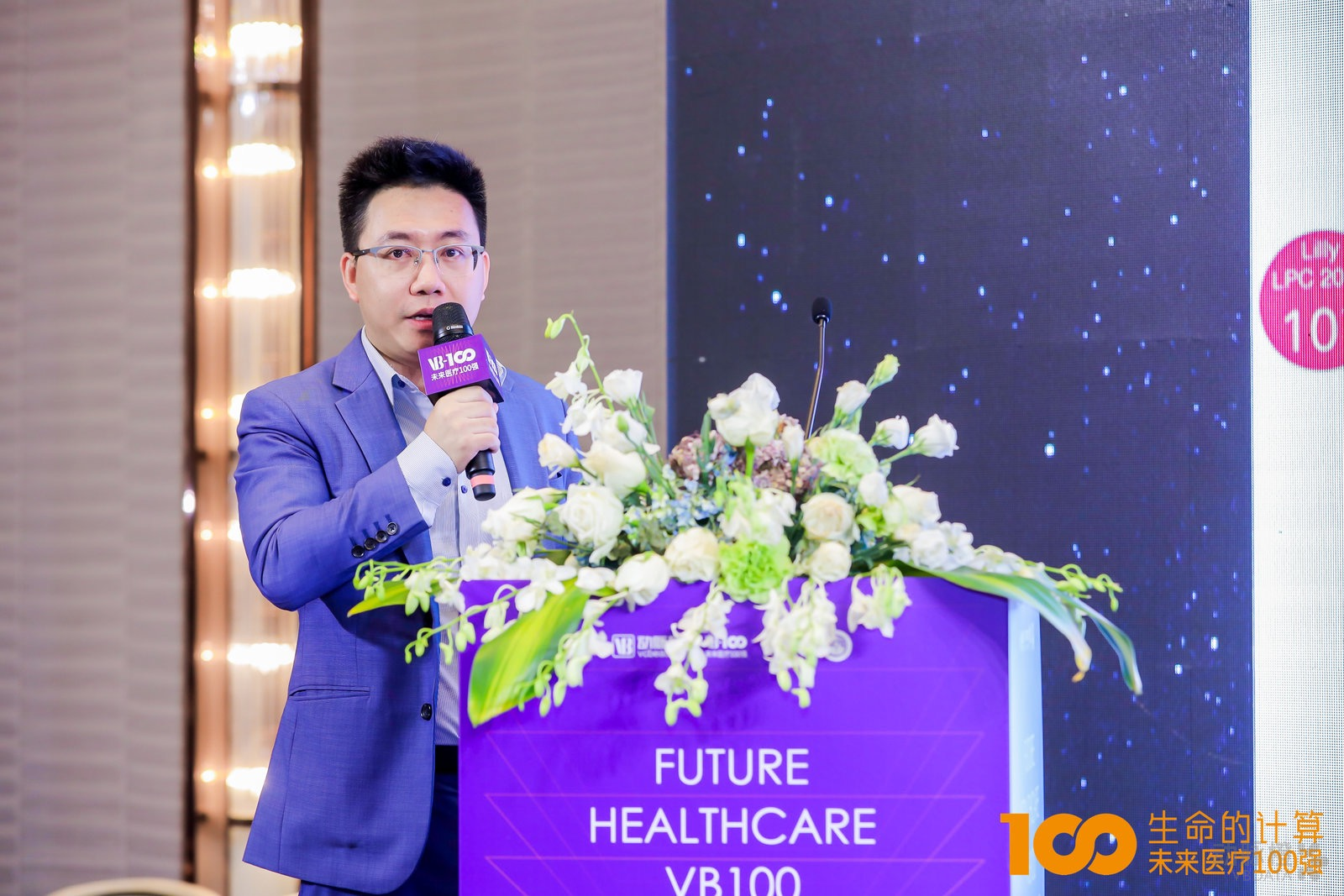
Wen Shuhao, Co-founder and Chairman of XtalPi
Wen Shuhao, Co-founder and Chairman of XtalPi, mentioned in his speech that the current inefficiency and high costs of drug development require a new paradigm to provide solutions. Artificial intelligence, centered on “sharing” and “connectivity,” brings immense computational power, offering an appropriate pathway to address challenges in drug development. The essence of AI-driven drug development lies in opening up the industry; XtalPi aims to leverage artificial intelligence and computational power to more efficiently create medicines needed by patients.
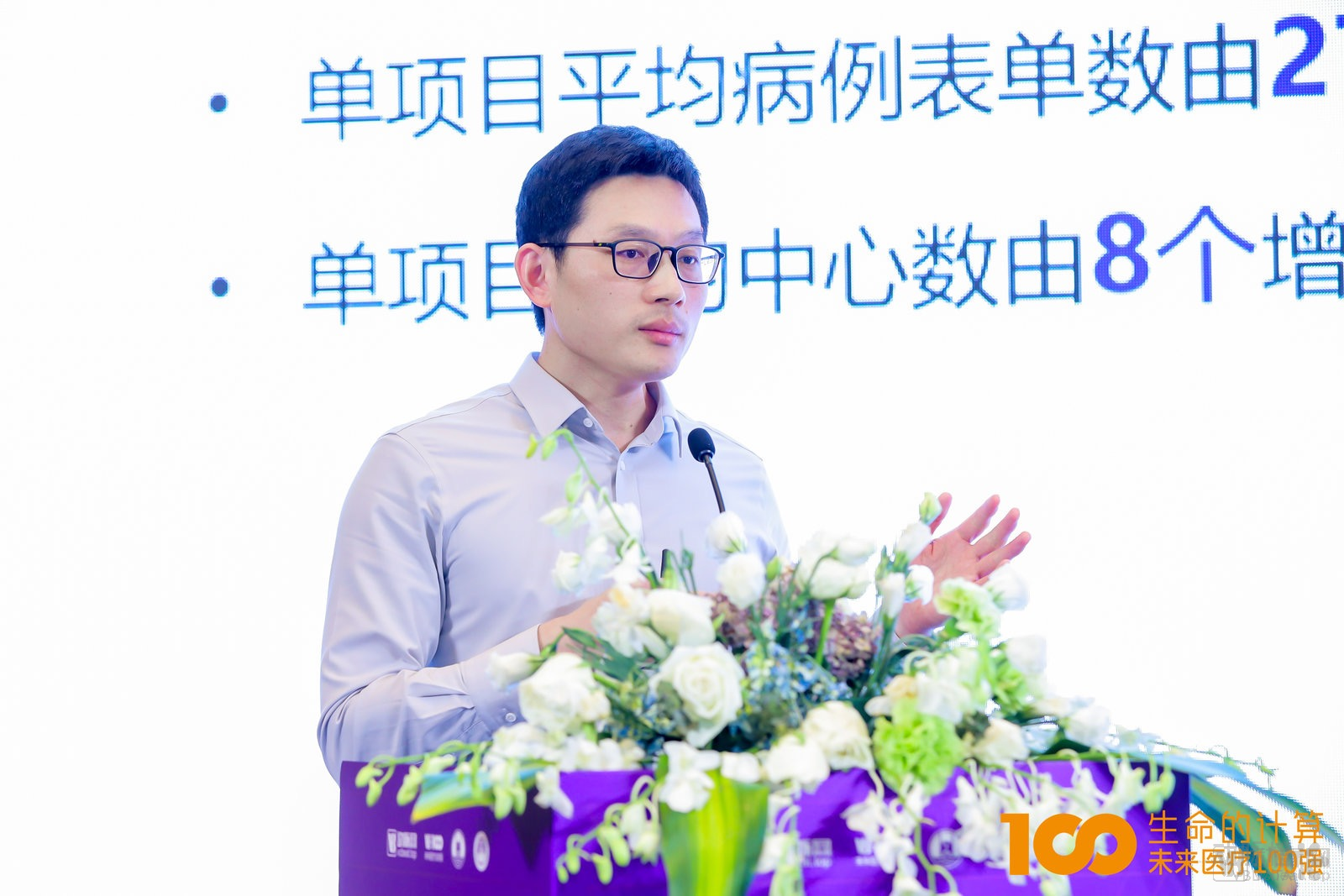
Ma Dong, Partner at Taimei Medical Technology
Ma Dong, a partner at TaiMei Medical Technology, noted in his speech that while the complexity of new drug clinical development continues to rise and regulatory policies are being strengthened, the digitalization of the pharmaceutical industry remains at a relatively low level. The digital transformation of pharmaceutical R&D has evolved through stages of localization, digitization, platformization, and ecosystem integration. The core value of R&D digitalization lies in supporting the formulation, implementation, and adjustment of R&D strategies, as well as enhancing operational efficiency and performance in R&D.
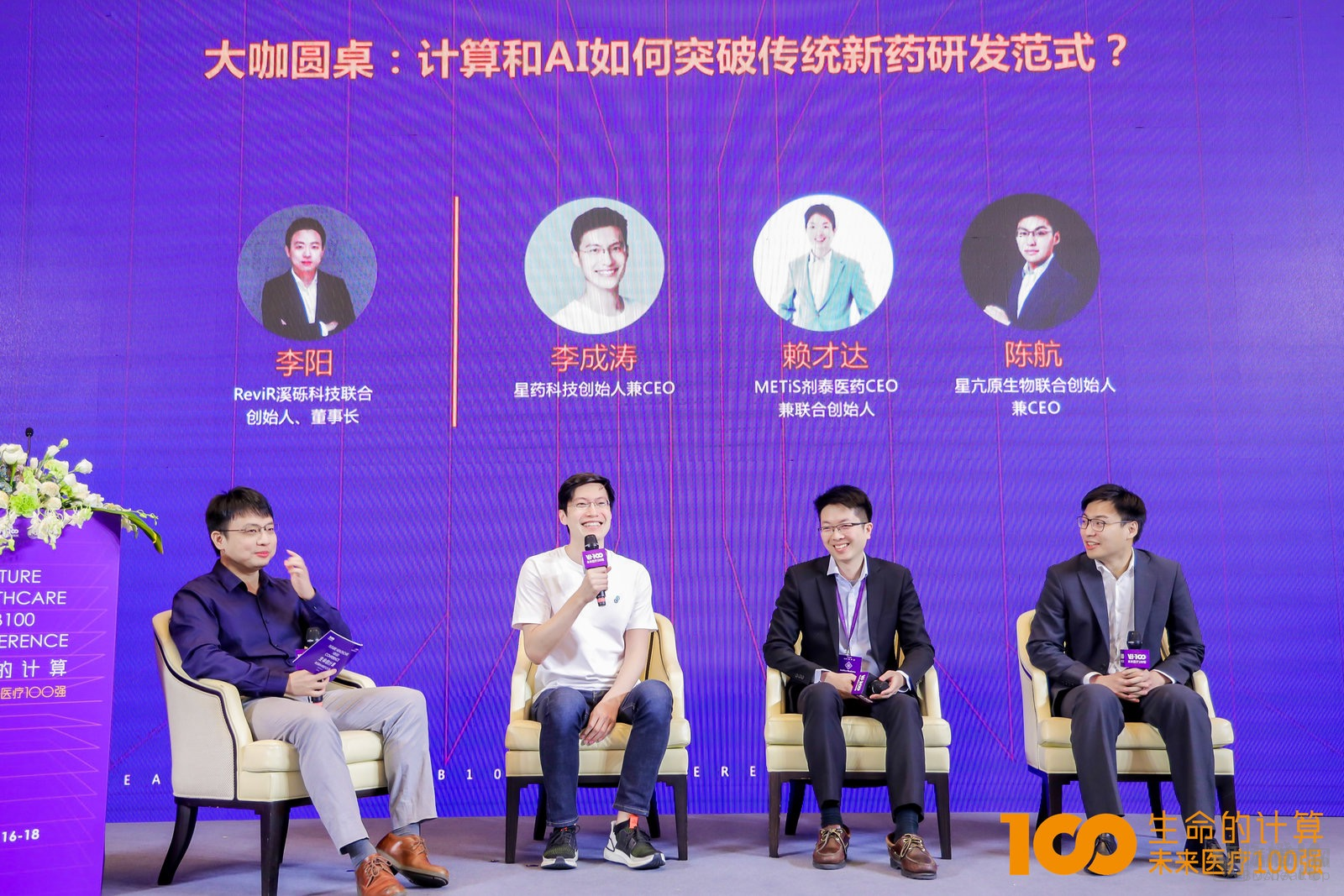
Li Yang, Co-founder and Chairman of ReviR; Li Chengtao, Founder and CEO of Xingyao Technology; Lai Caida, CEO and Co-founder of METiS Medicine; Chen Hang, Co-founder and CEO of Xingkangyuan Bio
Panelists included moderator Li Yang, Co-founder and Chairman of ReviR; Li Chengtao, Founder and CEO of Star Pharmatech; Lai Caida, CEO and Co-founder of METiS Pharmaceutical; and Chen Hang, Co-founder and CEO of Xingkangyuan Bio. The panelists discussed the topic, “How Can Computing and AI Break Through the Traditional Paradigm of New Drug Development?” Key discussion points included perspectives on AI-driven drug discovery; the critical factors for collaboration with pharmaceutical companies, namely efficiency, differentiation, and further breakthroughs beyond the boundaries of expert knowledge; criteria for interdisciplinary talent required by enterprises; the current development stage of their respective companies; and future outlooks.
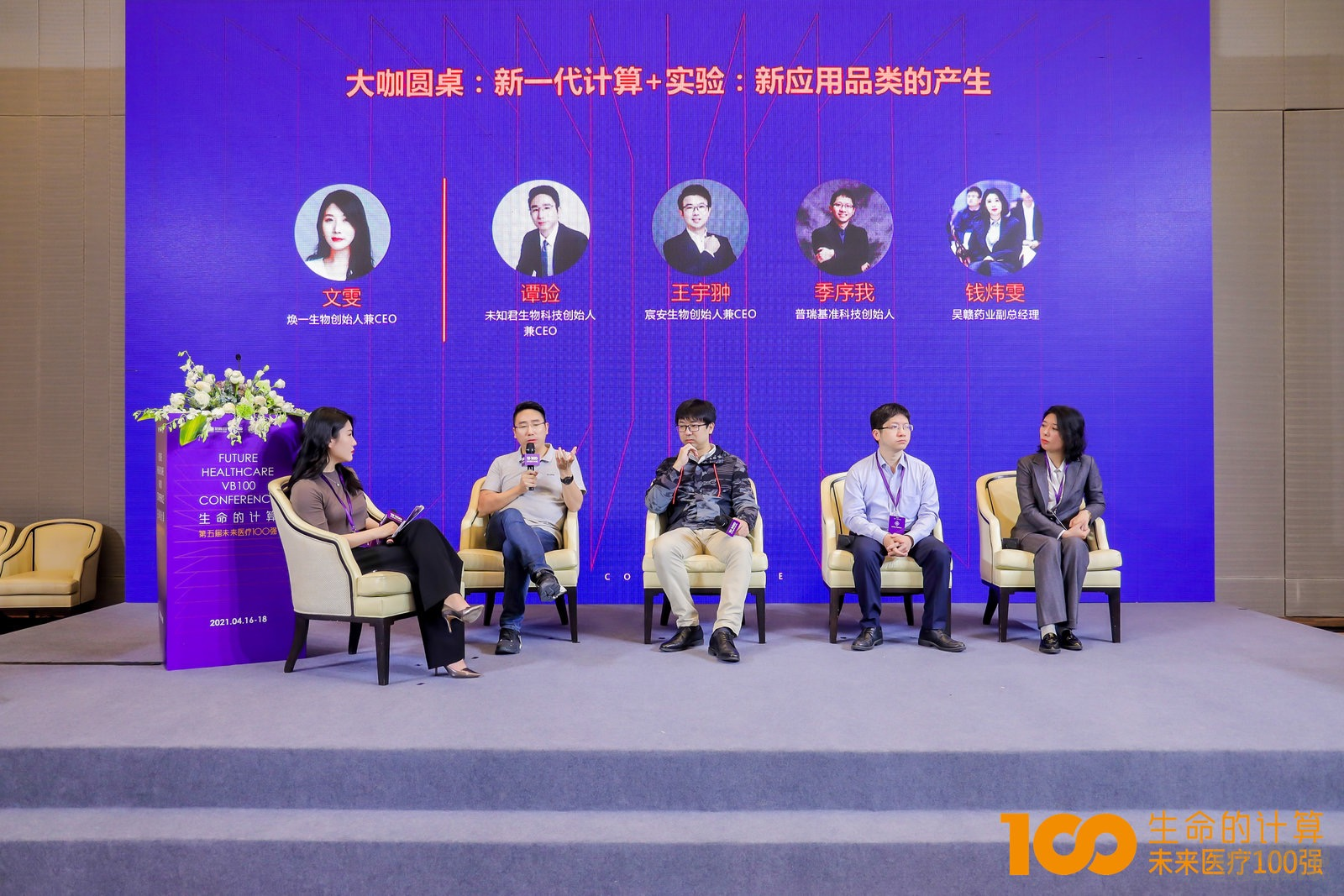
Wen Wen, Founder and CEO of Huanyi Bio; Tan Yan, Founder and CEO of XBiome; Wang Yuchong, Founder and CEO of ChenAn Bio; Ji Xuwo, Founder of PreciGene; Qian Weiwen, Deputy General Manager of Wugan Pharmaceutical
The panelists included moderator Wen Wen, Founder and CEO of Huanyi Biotechnology; Tan Yan, Founder and CEO of Xbiome; Wang Yuchong, Founder and CEO of Chengan Biology; Ji Xuwo, Founder of Purui Benchmark Technology; and Qian Weiwen, Deputy General Manager of Wugan Pharmaceutical. They engaged in a discussion on the theme “Next-Generation Computing + Experimentation: The Emergence of New Application Categories.” Key topics covered included: the application of next-generation computing and experimental technologies by each representative company; challenges encountered in transitioning from academic research to entrepreneurial engineering; the aspects most highly recognized by clients or partners; insights and experiences in talent recruitment; and product models for the next 5–10 years.
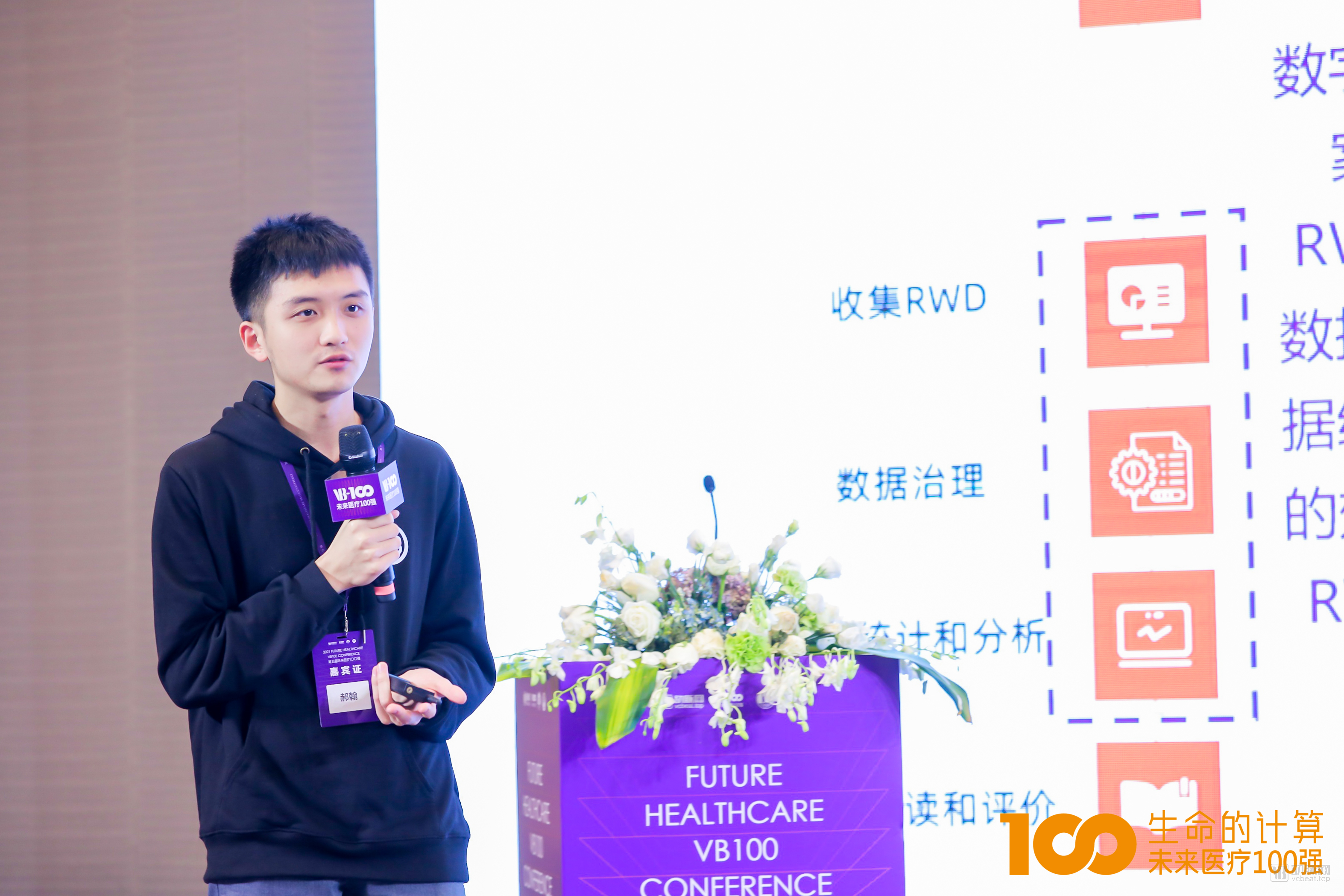
Hao Han, Senior Researcher at VCBeat Eggshell Institute
Hao Han, Senior Researcher at VCBeat’s Eggshell Research Institute, provided an interpretation of the report. He stated that real-world study (RWS) is a clinical research methodology that involves mining real-world data to generate real-world evidence. The report offers an in-depth analysis of the developmental trajectory of the real-world sector, outlines the implementation process of real-world studies, and explores the distinct entry points and value propositions for various industry stakeholders. It highlights the specific application scenarios and significant value of real-world studies under the new paradigm of pharmaceutical and medical device research and development.