

Waterdrop Advances Toward Becoming China's UnitedHealth Group with IPO Filing
As a crucial component of the multi-tiered medical security system, China’s commercial health insurance industry has experienced explosive growth since the deepening of healthcare reforms, with the national government frequently introducing favorable policies to support its development. Relevant data show that last year, the premium volume of China’s commercial health insurance reached RMB 800 billion, with a compound annual growth rate far exceeding that of the national basic medical insurance, making it one of the key pillars of the current medical security system.
Against this backdrop, supporting the development of a multi-tiered medical security system has become a key focus for the government, industry, and academia. On April 28, the 13th Healthy China Forum, hosted by the People’s Daily Health Client and the Health Times of the People’s Daily Newspaper Group, opened in Beijing. At this year’s conference, the parallel forum themed “Medical Security” drew significant attention from participants across various sectors.
Li Linkang, Deputy Director of the Expert Committee on Diagnosis, Treatment, and Security for Rare Diseases under the National Health Commission and Director of its Office, as well as Vice President of the Chinese Hospital Association, attended the forum. In his remarks, he stated, “Healthcare security is closely tied to the vital interests of the public and constitutes a fundamental livelihood project. Establishing a multi-tiered security system requires the concerted efforts and shared responsibility of the government, enterprises, society, and individuals alike.”
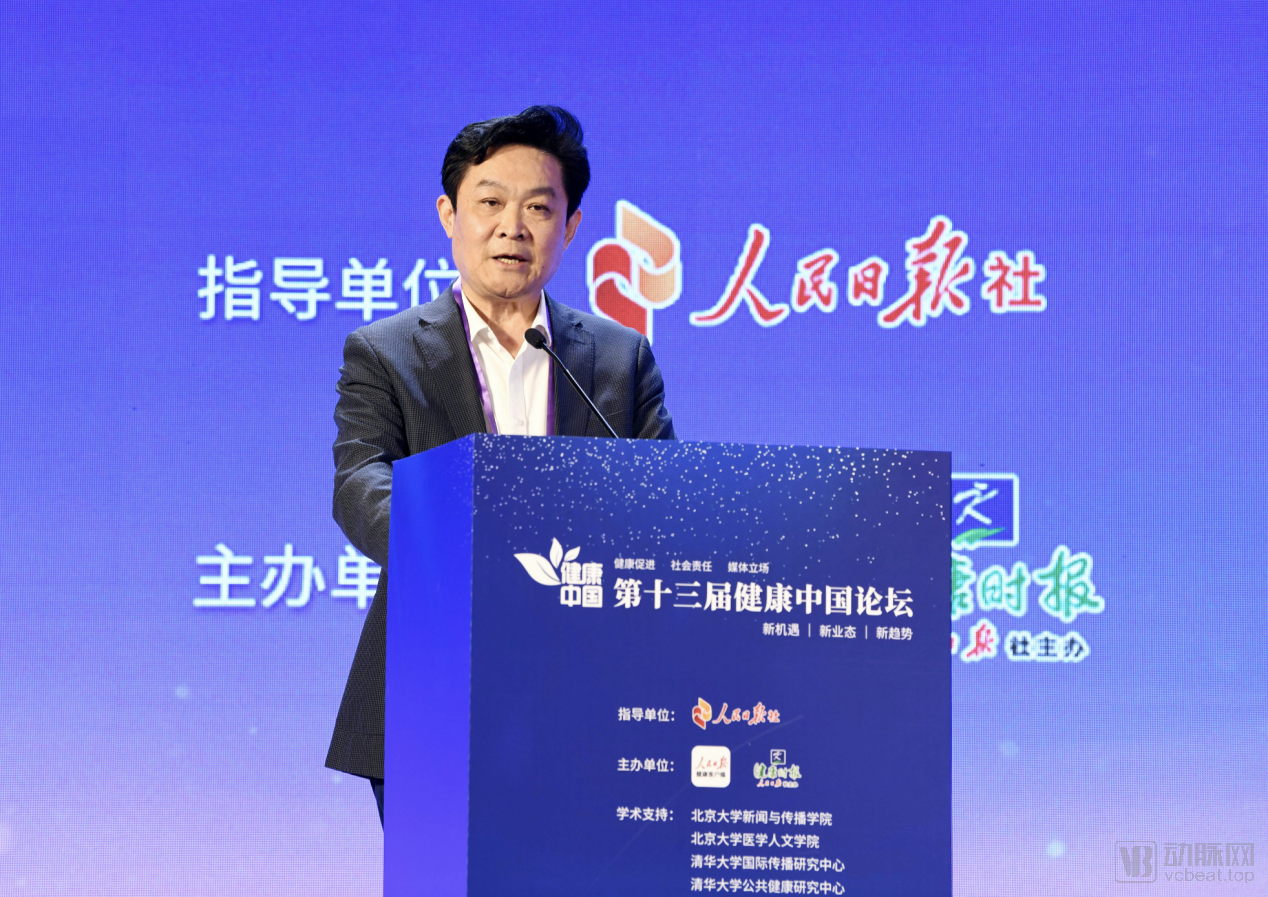
(Li Linkang, Deputy Director of the Expert Committee on Diagnosis, Treatment, and Security for Rare Diseases under the National Health Commission and Director of its Office; Vice President of the Chinese Hospital Association)
As an invited guest, Shen Peng, founder and CEO of Waterdrop Inc., shared in detail the company’s explorations and initiatives in the fields of insurance coverage and health services. By compiling the speaker’s remarks and analyzing the current state of the industry, VCBeat seeks to outline Waterdrop’s business logic and strategic considerations in supporting the development of a multi-tiered medical security system.
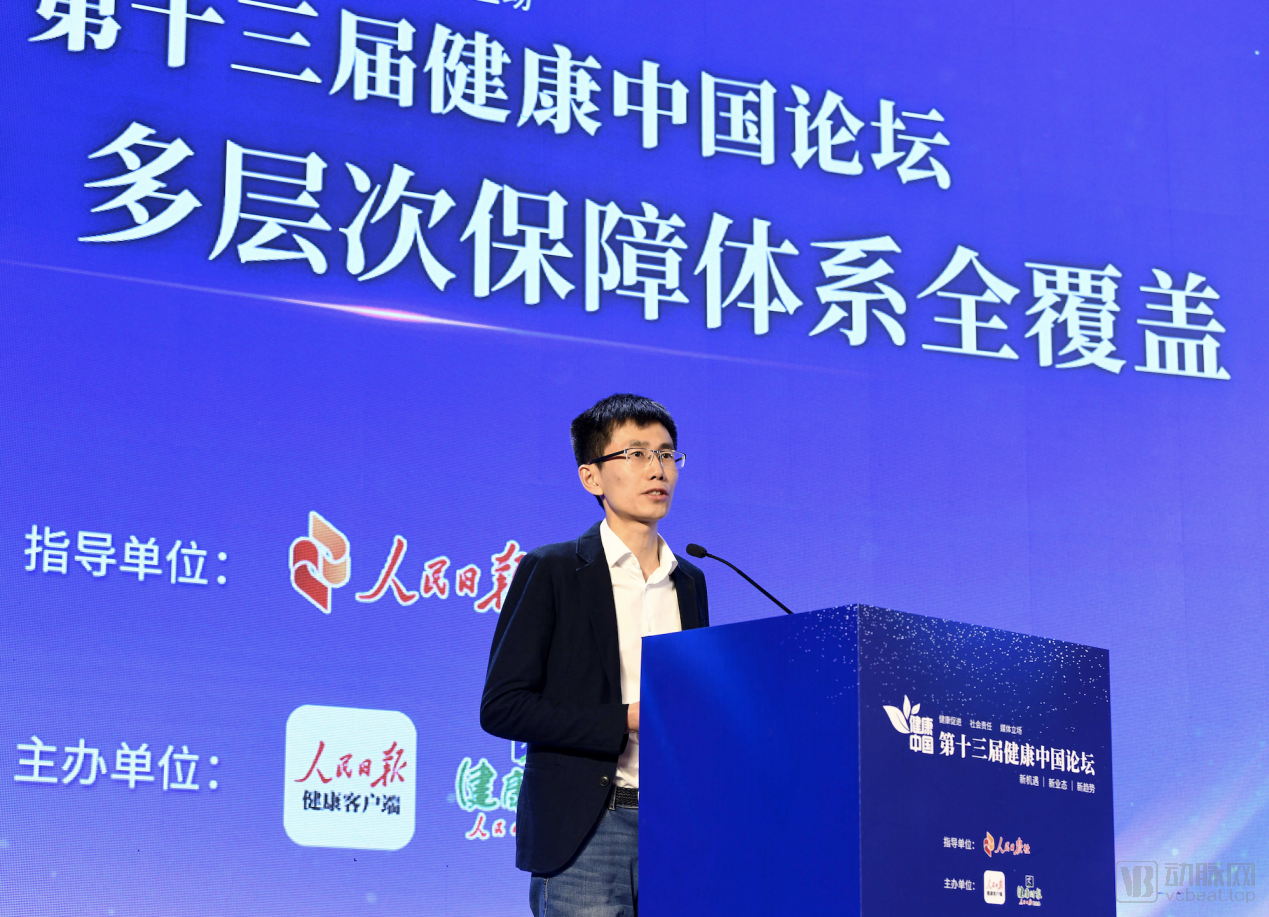
(Shen Peng, Founder and CEO of Shuidi Inc.)
Building an Insurance Coverage and Health Services Network to Create a Chinese Version of UnitedHealth
“As China’s leading insurance and health services technology platform, Waterdrop’s mission is to ‘leverage internet technology to ensure broad access to affordable healthcare and safeguard hundreds of millions of families.’ We aim to collaborate with partners to build a Chinese counterpart to UnitedHealth Group, enabling Waterdrop users to access higher-quality diagnosis and treatment at lower costs,” said Shen Peng at the conference.
To this end, Shuidi Inc. has built an extensive insurance protection and health service network through medical fundraising, an insurance platform, and a health service platform, providing users with health protection solutions and thereby contributing to the development of a multi-tiered medical security system.
Specifically, Shuidi Inc. is exploring four key areas:
First, a multi-tiered healthcare security exploration led by government oversight with the participation of Shuidi. By supplementing the basic healthcare security system with medical assistance and charitable donations, it covers out-of-pocket expenses beyond medical insurance for patients with serious illnesses who face financial difficulties, thereby preventing poverty caused or exacerbated by illness.
Second, key medical institutions participate in exploring multi-tiered medical security and in-hospital services, with comprehensive corporate support. By partnering with health commissions, hospitals, and public welfare organizations across China, we leverage collaborative efforts to build a multi-tiered medical security system and provide patients with comprehensive in-hospital services.
Third, commercial health insurance is being explored as a supplement to the multi-tiered medical security system, helping patients in financial difficulty cover the cost of medications not included in basic medical insurance. Through a premium adjustment mechanism and regular updates to the drug formulary, patient needs are continuously met.
Fourth, the exploration of special medical assistance for rare diseases helps to fill the gap in treatment costs for patient groups. Waterdrop, in collaboration with the Beijing Pain Challenge Public Welfare Foundation, has launched a rare disease medical assistance project under the guidance and support of local health commissions, medical insurance bureaus, and other relevant government departments. As of February 2021, the project had provided assistance to 901 patients, with total aid exceeding RMB 12 million, covering 30 provinces, municipalities, and autonomous regions across China, and encompassing 58 different rare diseases.
Through four major explorations, Shuidi Inc. has gradually become a robust supplementary force in building China’s multi-tiered medical security system.
During the roundtable discussion, Zhu Jun, Party Secretary of Peking University Cancer Hospital, stated that to ensure adequate protection, we must implement the “Three Auspicious Safeguards.” In the event of illness, the state provides basic medical insurance, which serves to reassure patients, provide peace of mind, and act as a safety net. Additionally, there is social support, where we leverage various societal resources to offer assistance. This is akin to water droplets: each individual is a single droplet, but when these trickling droplets converge, they form rivers, lakes, and seas of love. Ultimately, individuals must first secure their own protection and assume primary responsibility for their health.
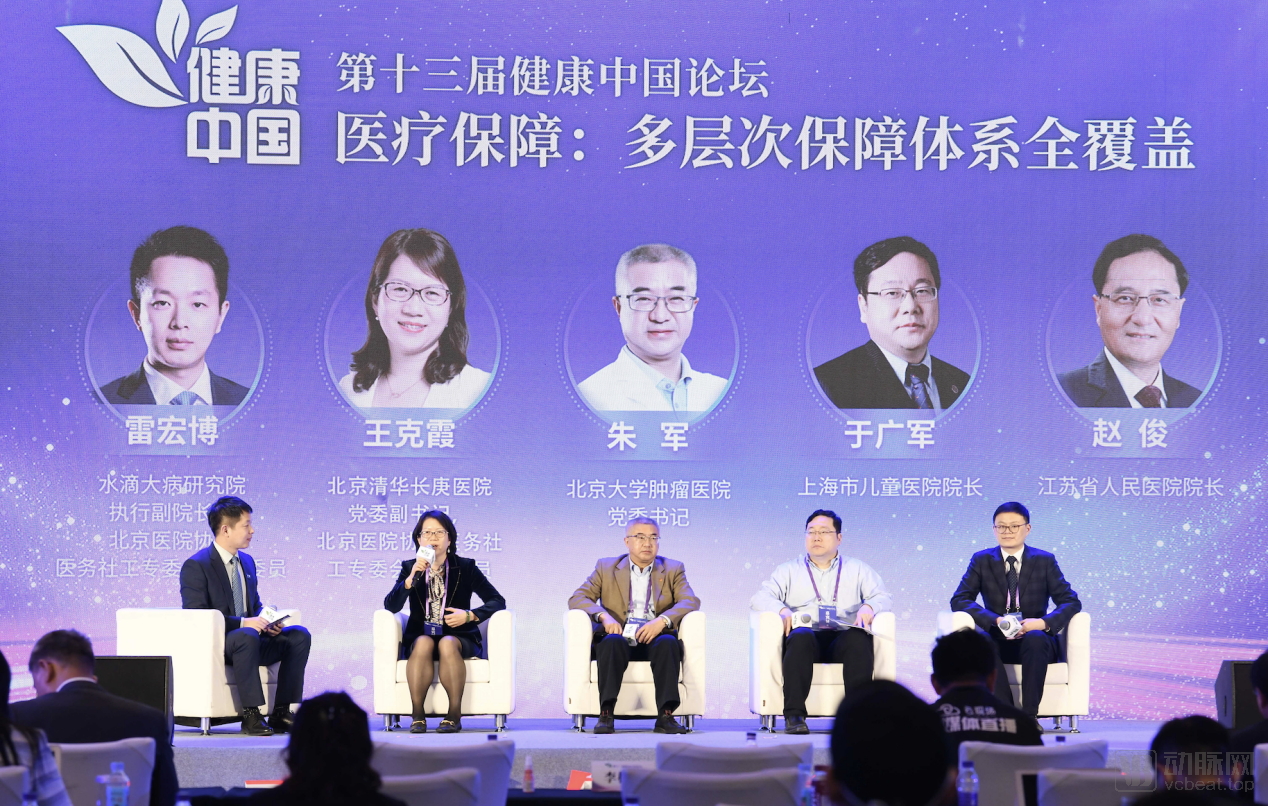
(Roundtable Discussion: Medical Assistance for Needy Patients Supported by the Medical Social Work System)
It is worth noting that UnitedHealth Group, the U.S.-based benchmark company for Shuidi Inc., is a constituent of the S&P 500 Index. Its stock price has increased more than 15-fold over the past decade, and its current annual revenue exceeds $240 billion. UnitedHealth’s business model primarily comprises two segments: insurance coverage and health services, a structure similar to that of Shuidi Inc.
In the commercial health insurance sector, Shuidao’s online insurance brokerage platform, Shuidao Bao, has partnered with 62 domestic insurance companies to offer more than 200 cost-effective insurance products. As of December 2020, Shuidao Bao had accumulated over 79.4 million insured users and generated more than RMB 20 billion in first-year premiums.
In addition, in terms of fundraising for critical illnesses, as of December 2020, Shuidichou had provided services to more than 1.7 million patients with serious diseases. Over 340 million people had donated a cumulative total of more than RMB 37 billion through the platform, resulting in over 1.1 billion acts of charitable giving.
Moreover, last year, Waterdrop Company prioritized the development of its health management platform, “Shuidi Haoyaofu” (Waterdrop Good Medicine Pay). Leveraging a network of specialty and innovative drug pharmacies across China, the platform utilizes payment tools such as pharmaceutical benefits, efficacy insurance, and medical finance to provide comprehensive services—including health services and diversified medical payment options—in the key areas of specialty and innovative drugs, chronic disease medications, and rare disease treatments. This approach aims to address patients’ challenges in accessing necessary medications. In response to limited local healthcare resources and patients’ insufficient disease-related knowledge, Shuidi Haoyaofu regularly delivers patient education content through its platform and manages patient communities, thereby building a full-lifecycle health management platform.
Currently, Haoyaofu has partnered with more than ten renowned pharmaceutical companies both domestically and internationally, as well as over 1,400 DTP (Direct-to-Patient) pharmacies. It has cumulatively served more than 100,000 patients, helping them save up to RMB 20 million in medical expenses.
It can be seen that Waterdrop Inc. has established its insurance protection and health services network, and is now entering a phase of accelerated growth.
In light of Waterdrop’s recent filing for an initial public offering (IPO) with the New York Stock Exchange, it is evident that the company has identified a clear path toward achieving its goal of becoming the “Chinese UnitedHealth.” Along Waterdrop’s journey, millions of Chinese families are bound to benefit. As Shen Peng stated, Waterdrop aims to help economically disadvantaged patients achieve treatment outcomes worth RMB 120,000 or more from their hard-raised medical funds of RMB 100,000. How this will be accomplished remains to be seen, but we believe Waterdrop can deliver the optimal solution.
At the parallel forums of this conference, the People’s Daily Health Client and the Health Times of the People’s Daily will join hands with mainstream public Grade A tertiary hospitals across China to launch the “People’s Relief” initiative. By fully leveraging the central media’s role in guiding public opinion and the mobilization and organizational capabilities of social institutions, and combining the advantages of Shuidi Inc.’s internet technology platform and philanthropy platform, the initiative will provide relief services to patients with serious illnesses facing financial hardship. This effort aims to support hospitals in implementing the Action Plan for Improving Medical Services and promote systemic innovation, technological innovation, model innovation, and management innovation.
In other words, leveraging its internet technology and traffic advantages, Waterdrop Inc. helps the “People’s Relief” program reach patients with serious illnesses more conveniently and precisely.
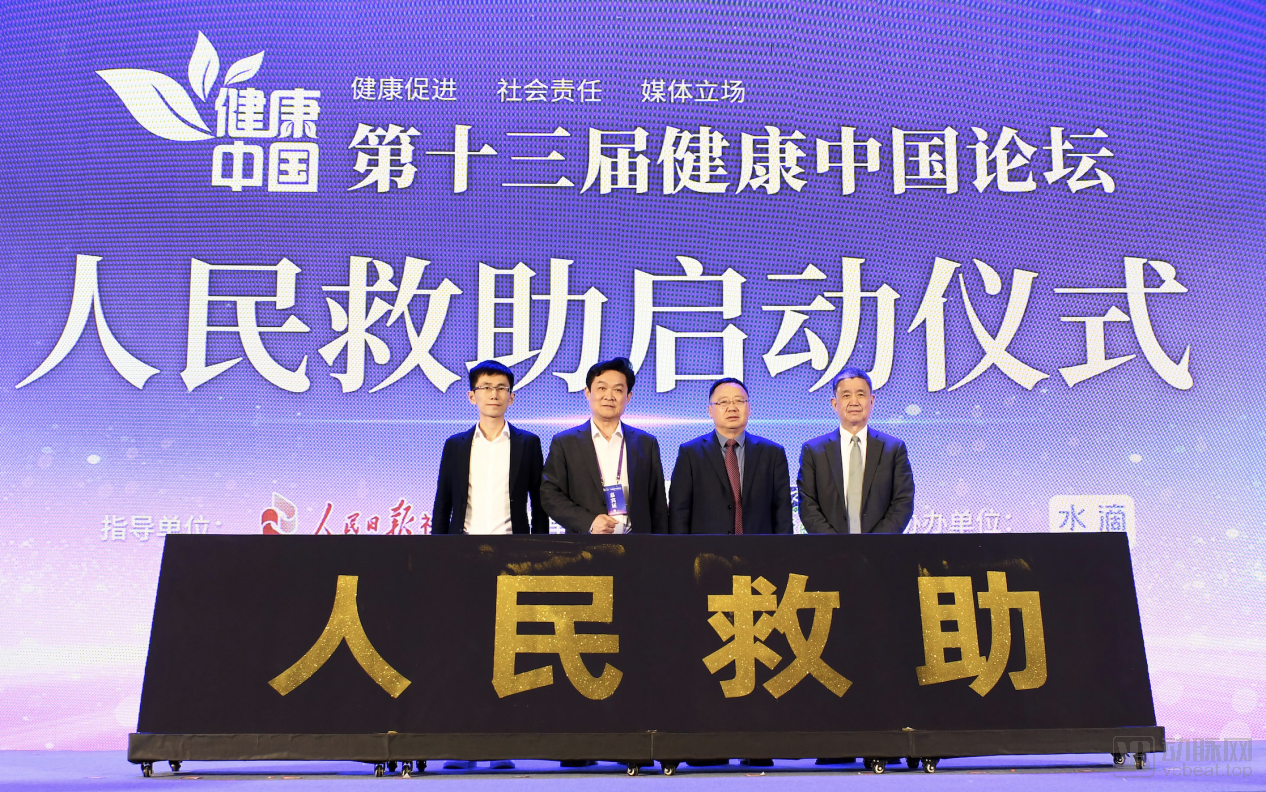 (“People’s Aid” Project Launch Ceremony)
According to a report released by the Medical Data Center of Shuidi Critical Illness Research Institute, diseases affecting fundraisers span a wide range of conditions, primarily including malignant tumors, acute trauma, and chronic diseases. Among these, malignant tumors account for 34%, acute trauma accounts for 30.7%, with the remainder comprising chronic diseases, rare diseases, and other conditions. In terms of medical expenditures, the total treatment costs for 71.4% of patients exceed 50% of their household income; medication costs account for more than 30% of total treatment expenses for 67.6% of patients; out-of-pocket medication expenses represent over 40% of total medication costs for 68% of patients; and 46.4% of patients discontinue medication directly due to financial burden. Financial pressure has become one of the most significant barriers to medication adherence for patients.
Survey results also indicate that the three primary factors restricting patients’ medication access are limited medical expertise, restricted accessibility, and constrained affordability. In light of the key characteristics of patients on the Shuidi platform and leveraging the platform’s own capabilities, interventions focusing on patient education, medication accessibility, and payment discounts are employed to influence patient decision-making.
In the future, the “People’s Aid” project will actively engage in social practices to build a multi-tiered protection system beyond basic medical insurance. It will mobilize and standardize the orderly operation of social fundraising, critical illness assistance, and social work services within hospitals, thereby establishing a new model of multi-party collaborative assistance. This approach aims to aid impoverished patients while fostering harmonious doctor-patient relationships.
In summary, it is evident that while Shuidi Inc. continues to strengthen its competitive moat, it is also actively fulfilling its social responsibilities by leveraging its technological advantages, which will undoubtedly bring greater value and significance to society. Therefore, we have reason to believe that as more innovative enterprises follow this path forward, a new healthcare ecosystem is rapidly emerging.