

Data Intelligence and Payment Innovation Forum: Payment Innovation Transformation under the Context of Healthcare Big Data [VB100]
On April 17, 2021, the Data Intelligence and Payment Innovation Sub-forum of the 5th Future Healthcare Top 100 Conference, co-hosted by VCBeat and Weilai Capital, kicked off at the Amoi Hotel in Wujiang, Suzhou.
The forum invited distinguished guests including Tan Jianfeng, Member of the National Committee of the Chinese People's Political Consultative Conference, Honorary President of the Shanghai Information Security Industry Association, and President of the Information Technology Chamber of Commerce under the Shanghai Federation of Industry and Commerce; Zhao Yang, Partner at Weilai Capital; Yin Xin, Chief Business Officer at By-Health; Xiang Liang, Founder and General Manager of Shuming Technology; Xia Yu, Founder of Dekai Pharmaceutical; Kang Kai, Founder and CEO of Xiyou Health; Li Yue, Head of Medical Innovation at Waterdrop Medical; Wei Zijun, CEO of the Private Domain Operations Center at Dianran Brand; and Xu Bingyu, Founder and CEO of Huamei Haolian.
The forum featured discussions on security challenges in big health data, how data intelligence is ushering in a new era of health insurance marketing, the journey of digital exploration, and innovation in the medical device ecosystem alongside scenario-based transformations amid major shifts in the pharmaceutical industry, offering a comprehensive interpretation of future trends in healthcare. VCBeat (WeChat ID: vcbeat) has summarized the insightful perspectives shared by the guest speakers.
Tan Jianfeng: "Data Security Challenges in the Digital Transformation of the Big Health Industry"
 Member of the National Committee of the Chinese People's Political Consultative Conference, Honorary President of the Shanghai Information Security Industry Association,
Tan Jianfeng, President of the Shanghai Federation of Industry and Commerce Information Technology Chamber of Commerce
As the Digital China initiative advances, the value of data is being continuously explored and demonstrated. Big data has become a new factor of production and a critical strategic resource. Through in-depth mining and application, big data has been widely adopted across medical institutions, elderly care facilities, pharmaceutical platforms, insurance companies, and health management platforms. While the development of the Internet has made our lives more convenient, precise, and efficient, data research indicates that higher convenience often correlates with lower security. Consequently, data security has emerged as a key issue in the current development of big data in healthcare.
The 14th Five-Year Plan and the Outline of Long-Range Objectives Through the Year 2035 highlight accelerating digital development and building a Digital China, with strengthening cybersecurity protection serving as a critical component in driving this digital transformation. The 14th Five-Year Plan explicitly calls for reinforcing big data security safeguards, ensuring national data security, and enhancing personal information protection. Currently, we face two major challenges regarding data security amid the digital transformation of the broader healthcare industry:
First: After big health enterprises migrate their data to the cloud, the open multi-tenant cloud environment fails to effectively address traditional data security issues such as hacker attacks, database exfiltration, and SQL injection; instead, these risks are amplified.
Second: Big health data involves a large amount of personal privacy information. How can data sharing and exchange be achieved while fully protecting sensitive privacy data?
At this year’s Two Sessions, the concept of a “National Data Bank” was proposed, suggesting that critical data with non-renewable and unique characteristics—such as biometric data, DNA data, health data, and medical records—should be centrally managed by the state. We are witnessing continuous policy improvements, and we are confident that, in an era of digital information that is healthy, safe, and effective, the new strategy for the big health industry will evolve toward higher quality development.
Zhao Yang: “New Payment Models, New Entry Points, and New Ecosystems in the Healthcare Industry”
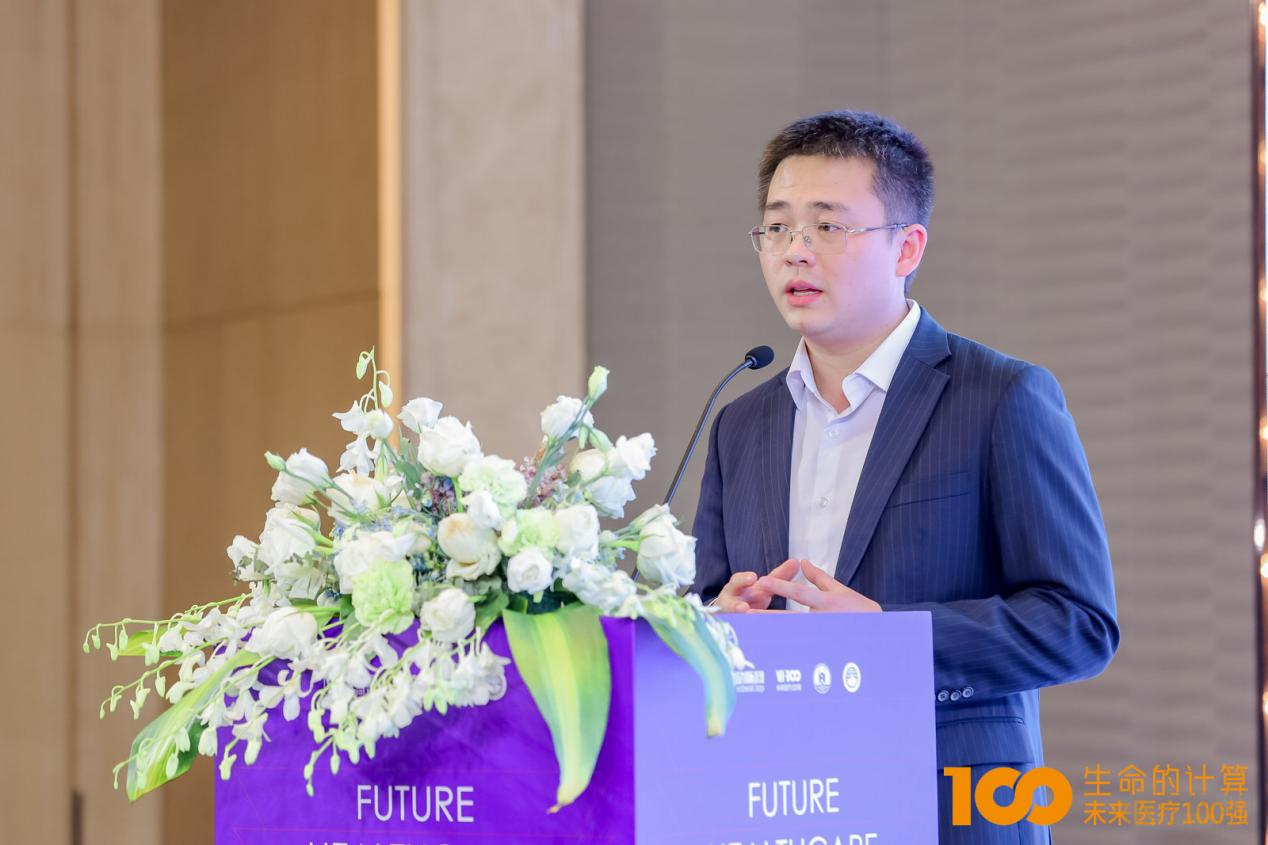
Zhao Yang, Partner at Weilai Capital
The new traffic entry points in the healthcare industry represent the most critical investment direction for future investments. China’s traffic market landscape is undergoing a shift, with new traffic channels such as information feed media, private-domain media, and offline scenarios rapidly developing. The internet of the past connected us all; today, the online decision-making journey has changed. Consequently, our focus has shifted from merely connecting users to a deeper emphasis on understanding their decision-making pathways.
Consumer decision-making can no longer be completed independently within a single app or one or two scenarios. As products become increasingly complex, our decision-making paths grow longer. We must shift from the past “product-centric” approach to the current “human-centric” model, starting by uncovering users’ latent needs and examining their decision-making journeys. When we treat the user decision journey as the focal point for analysis and optimization, we find that user experience and the operation and mastery of the supply chain play core roles in this process.
In the new traffic environment, enterprises will exhibit novel industrial forms. Over the past decade, the development of new mobile internet infrastructure, coupled with the growth of China’s pharmaceutical and medical device industries in recent years, has established a highly robust supply chain system. This enables the rapid fulfillment of all customized demands or new product requirements. The new mobile internet infrastructure serves as a high-speed highway, supporting business model and technological innovations by our innovation teams. New teams no longer need to “reinvent the wheel”; by focusing on building their core competencies, they can leverage existing technologies to generate excess profits.
Reviewing the development history of China’s economy, shifts in traffic sectors have occurred many times. Some were driven by technological advancements, while others were linked to generational transitions. Each shift in traffic sectors has given rise to new industry giants and business models, while also introducing new potential risks and challenges. At present, we believe there are two core challenges:
First: Speed and Capital. In the new traffic environment, a company’s competitive advantages can be rapidly amplified; differences in user experience can create a gap of hundreds of times between a company and its competitors in the short term. This requires not only rapid development on the part of enterprises, but also swift decision-making by investment institutions, as well as fast deployment of resources and high efficiency across the industrial chain.
Second: Private-domain operations. We should devote more energy and capabilities to managing private-domain traffic, engaging in thoughtful analysis, and recognizing that the healthcare industry is fundamentally characterized by low-frequency, essential-demand services.
We must effectively manage our private-domain traffic, as the operation of user assets will serve as the sustained driving force for future growth in the healthcare market.
Yin Xin: "By-Health's Digital Exploration Journey"
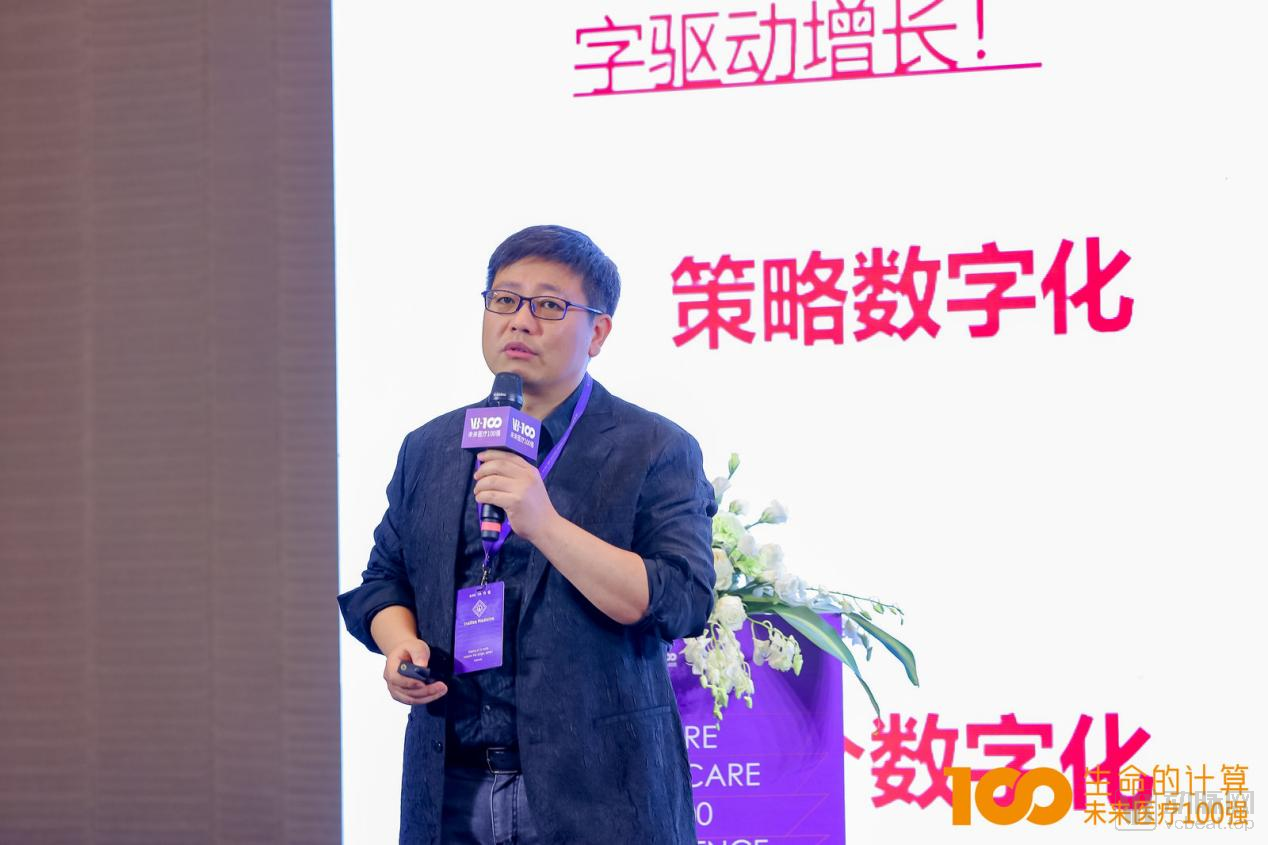
By-Health Chief Commercial Officer Yin Xin
As a leading enterprise in the health supplement industry, By-Health focused on offline channels prior to 2016 and formally entered the e-commerce sector in 2016. Benefiting from its forward-looking digital strategy, the e-commerce revenue of By-Health’s main brand quadrupled between 2016 and 2020. In fact, intensifying investment in e-commerce digitalization has become a new imperative for the health supplement industry. Here, we briefly share our journey of digital exploration:
First, digitalization of strategy: We conduct in-depth digital resource analysis for each category and build out every category based on core analytical insights, enabling us to achieve profound and thorough penetration and make significant progress in digitalization.
Second, digitalization of brand marketing: Through digitalization, we digitize all brand assets and consumer assets, develop different products for different age groups, and turn fan consumption into the driving force of brand e-commerce;
Third, media digitalization: Establish a multimedia traffic delivery middle platform to systematically optimize media placement plans in real time. By leveraging accumulated historical big data from both front-end and back-end systems, automate content creation. This evolution from digital to intelligent represents a leap from version 1.0 to 3.0;
Fourth, Member Digitization: Integrate membership systems across core platform stores to enable automatic points accrual.
Starting from the business and consumer perspectives, we focus on the three core pillars of people, products, and scenarios. By leveraging digital tools to guide business optimization, we ultimately ensure the improvement of key performance indicators, effectively implement digitalization, and drive growth through data.
Xiang Liang: “Data Intelligence Ushers in a New Era of Health Insurance Marketing”
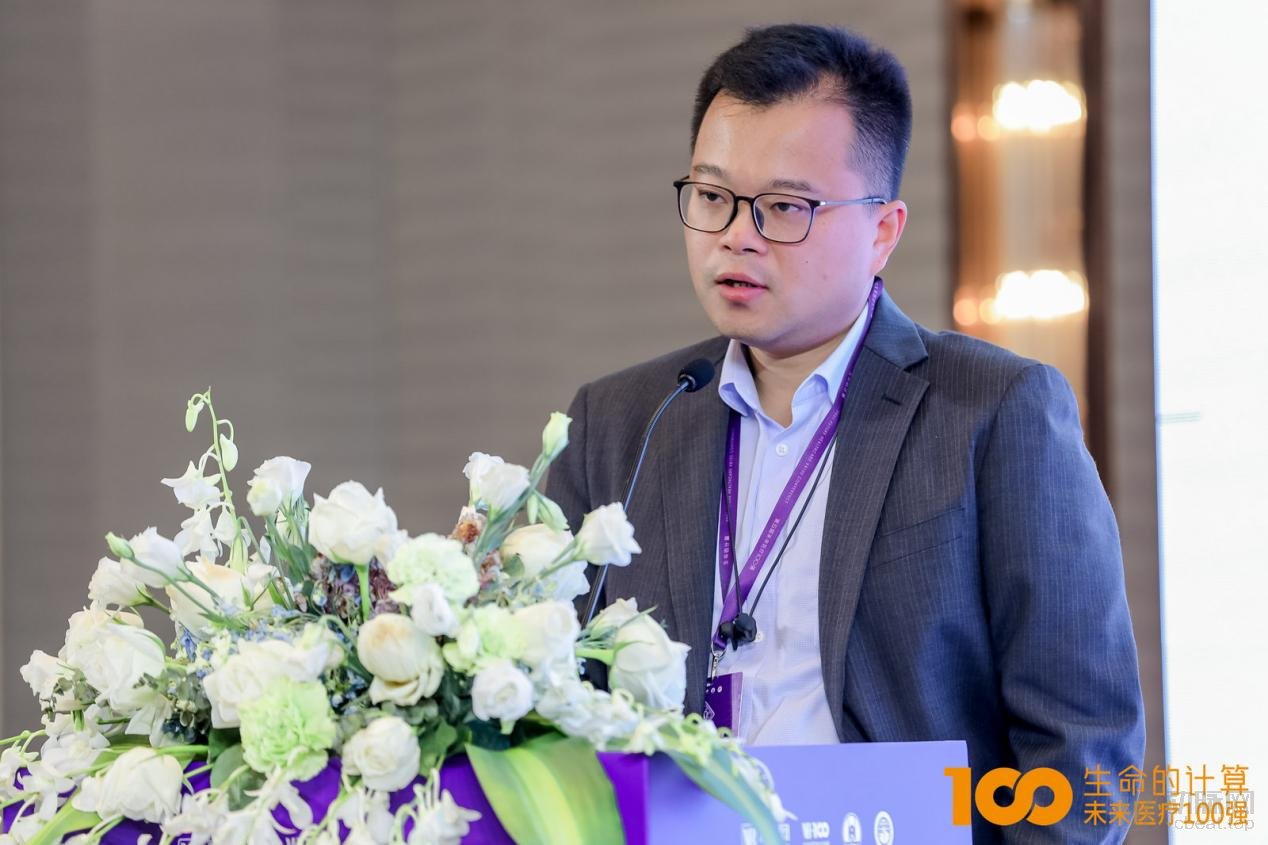 Xiang Liang, Founder and General Manager of Shuming Technology
As economic growth slows, population aging intensifies, and residents’ living standards improve, China’s basic medical security system will face a long-term predicament of expenditures exceeding revenues. The pooled accounts for employee basic medical insurance are projected to break even in 2025, while those for resident basic medical insurance are expected to do so in 2022. Against this backdrop of sustained severe pressure, commercial health insurance may become a key measure to supplement the gaps in basic medical coverage.
Market research indicates that once per capita GDP surpasses $10,000, all countries experience a surge in health insurance demand. Currently, the pain points in this industry are: first, excessively high customer acquisition costs; and second, insufficient scale. The core solution proposed to insurance companies is to accelerate the development of private-domain traffic pools.
Shuming Technology is an AI algorithm company whose core business focuses on predicting and commercializing user behavior in the insurance and broader health sectors. The core technology of our platform lies in integrating multi-source data to guide business operations through data-driven solutions, leveraging artificial intelligence algorithms to analyze and predict user consumption behavior, and employing AI-powered pre-decision models to facilitate the digital transformation of marketing for insurance enterprises.
We help companies systematically analyze their existing user base at scale, supporting algorithmic models that process tens of billions of data points. By enabling them to view their users from a new perspective, we optimize their tag pools and facilitate timely engagement with the right customers.
Our goal is to help users obtain products at lower prices and with better-matched needs; building a bridge between both sides is our next vision.
Xia Yu: “Innovative Payment Models Fuel the Development of Digital Healthcare”
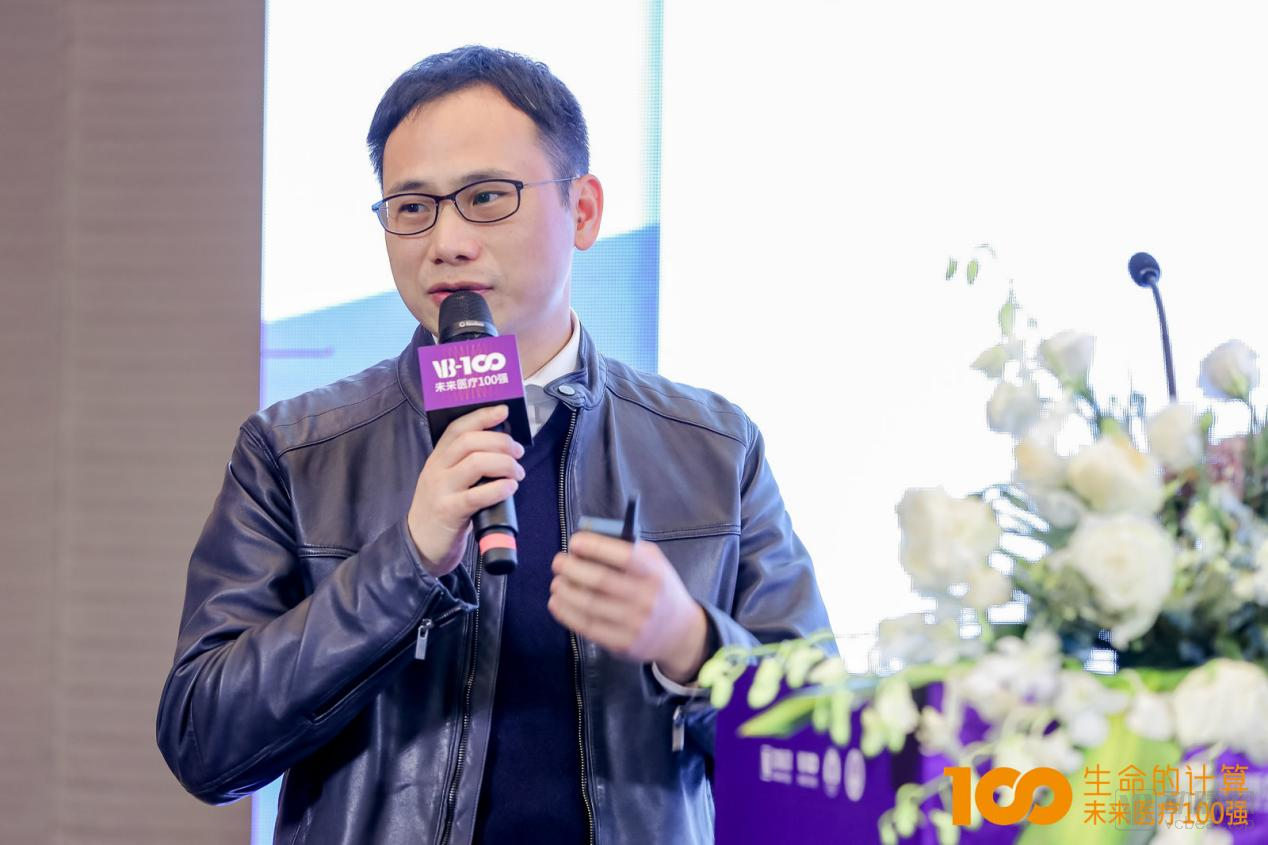
DeKai Pharmaceutical Founder: Xia Yu
Driven by favorable policies, technological advancements, and heightened health awareness among residents, China’s internet healthcare sector has maintained a high growth rate with a CAGR exceeding 30% in recent years. The pandemic has reshaped users’ online and offline behaviors, further accelerating the rapid development of internet healthcare.
Currently, we are placing greater emphasis on leveraging internet technologies to advance pharmaceutical commerce and marketing. Digital technologies can enhance the efficiency of drug distribution. In 2020, the transaction volume of pharmaceutical e-commerce approached RMB 160 billion. Changes in transaction channels within the existing market have strengthened industrial integration and addressed issues related to drug accessibility. Moving forward, the sector will continue to evolve toward lower costs and greater accessibility.
The entire value chain of China’s pharmaceutical market is at a turning point, shifting toward innovative products and more effective solutions. Industry consolidation will further expand among market participants—including distributors, retailers, and medical device manufacturers—forming a closed-loop ecosystem integrating healthcare, pharmaceuticals, and services.
Commercial health insurance serves as an important supplement to the social medical insurance system and represents an innovative payment mechanism. Health insurance is an effective tool for managing medical expenses, reducing costs, and enhancing the value of pharmaceuticals.
Kang Kai: “Medical Device Ecosystem Innovation and Scenario Transformation Amidst Major Shifts in the Pharmaceutical Industry”
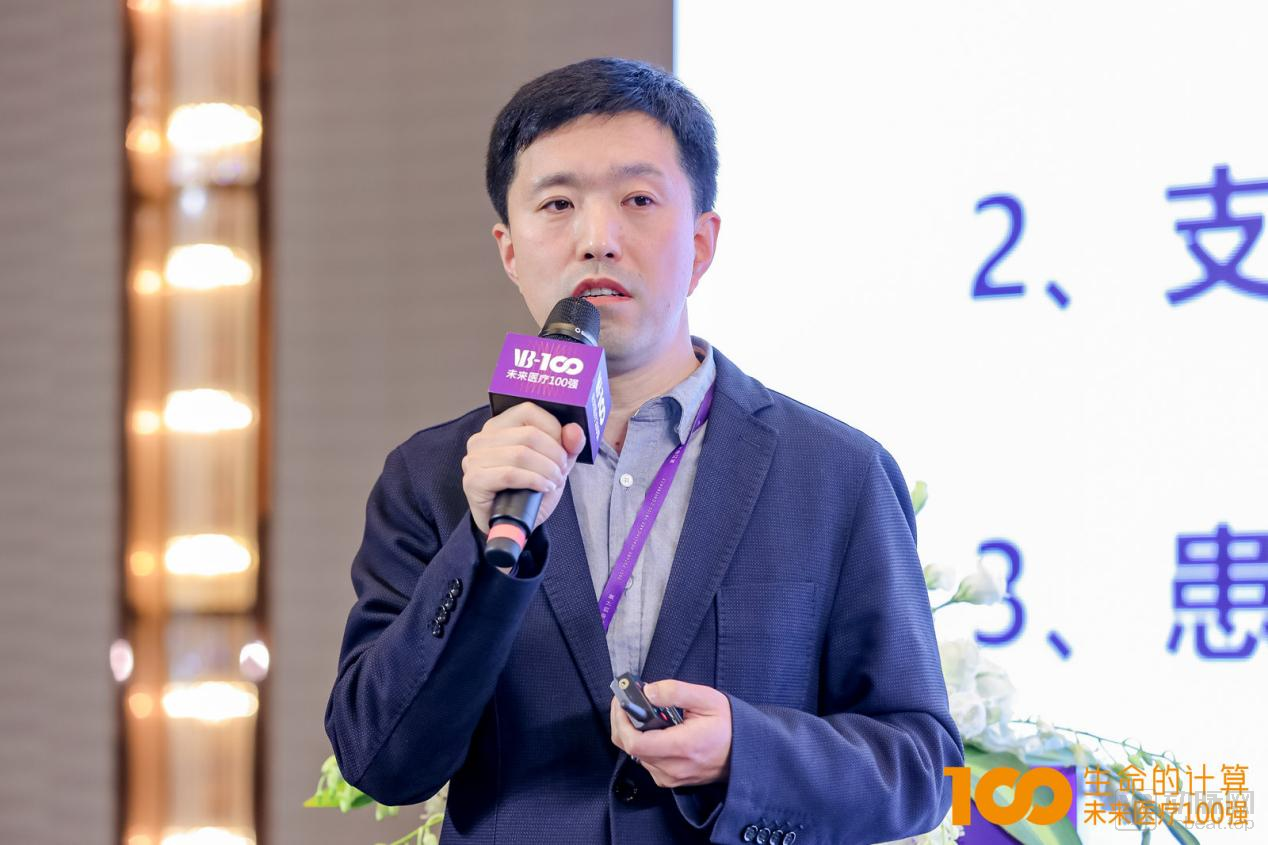
Kang Kai, Founder and CEO of Xiyou Health
A wealth of data indicates that China has finally ushered in a major opportunity for its pharmaceutical industry. I summarize the drivers behind this transformation as three key forces propelling change across China’s pharmaceutical sector:
1. I believe that all reforms in public hospitals are driving a trend: the “de-functionalization” of hospitals, with a gradual return to their fundamental public-welfare nature; the outward shift of hospital functions and the expansion of care settings beyond traditional hospital walls; and a transition in payment models from basic medical insurance to commercial health insurance;
2. Continuous Upgrading of User Demands: From Treating Existing Diseases to Preventive Care.
3. Equal Emphasis on Treatment Outcomes and Service Experience: Greater Focus on Humanistic Care;
4. Integration of New Products Driven by Scientific Research and R&D: Social capital is injecting vitality into the medical device sector, while the distribution channel has become a bottleneck for development, encompassing aspects such as supply chain management and patient education.
Changes and Opportunities Brought by This Major Trend:
1. Corporate Strategic Thinking: Shifting from Fragmented Competition to Integrated Win-Win Cooperation;
2. Business Management Mindset: Shifting from a Product-Centric Approach to a User-Needs-Centric Approach;
3. Scenario-Based Opportunities: Significant Increase in the Value of Medical Devices.
The challenge we currently face is not a shortage of high-quality products in the market, but rather the lack of accessible pathways and channels for consumers to discover these products. We aim to leverage hospital-based channels, combined with our own retail and service networks, to serve as efficient conduits for these brands to rapidly reach their target users. The future of medical devices lies in enhancing quality of life and transforming health through technology.
Li Yue: “Explorations in Payment Based on Shuidi’s Millions of Precision Patients”
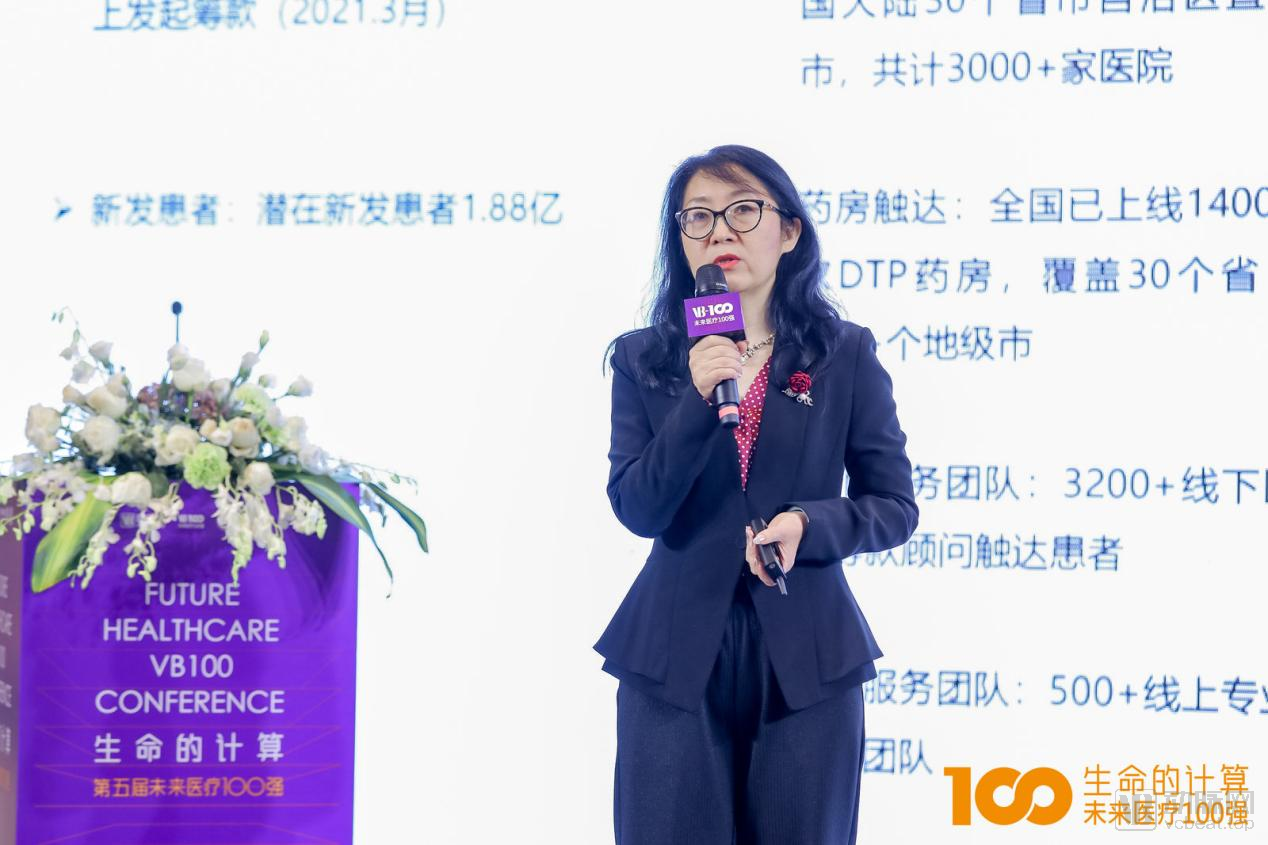
Li Yue, Head of Medical Innovation at Shuidi Medical
Shuidi Inc. is China’s leading provider of personal medical financing solutions, with a mission to safeguard hundreds of millions of families.
In accordance with the State Council’s initiatives to deepen healthcare security system reforms and establish a multi-tiered healthcare security framework, China aims to fully build by 2030 a healthcare security system anchored by basic medical insurance, underpinned by medical assistance, and supported by the coordinated development of supplementary medical insurance, commercial health insurance, charitable donations, and mutual medical aid. To create a comprehensive supplementary medical payment system, Shuidi has formed an integrated four-in-one model encompassing commercial insurance, fundraising, and medical services.
Survey results indicate that the three primary factors restricting patients’ medication access are limited medical capabilities, restricted accessibility, and constrained affordability. In light of the key characteristics of patients on the Shuidi platform and leveraging the platform’s inherent capabilities, interventions focus on patient education, medication accessibility, and payment discounts to influence patient decision-making. This approach aims to establish a comprehensive payment protection system integrating out-of-pocket payments, charitable donations, and multi-party co-payment, thereby building a holistic health management platform covering the entire patient lifecycle. Currently, the company operates commercial insurance services through Shuidi Mutual Aid and the Shuidi Insurance Mall, alongside its corporate social responsibility initiatives, Shuidi Crowdfunding and Shuidi Charity. These offerings provide users with a personal health protection system comprising “pre-event coverage” and “post-event assistance,” serving over 330 million independent paying users across the entire platform.
Wei Zijun: “Private Domain Digitalization Empowers the New Wave of Healthcare Consumption”
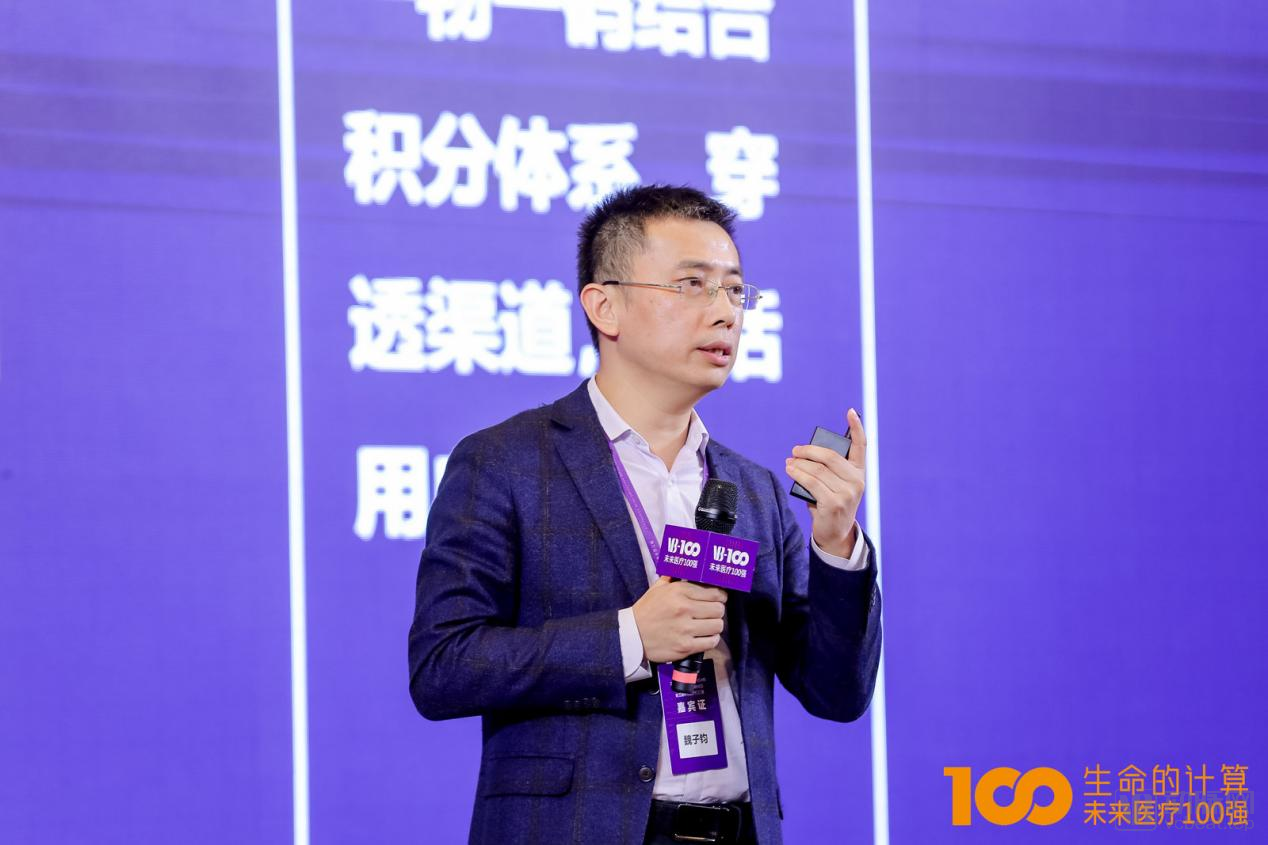
Wei Zijun, CEO of Dianran Brand’s Private Domain Operations Center
As the industry evolves, I have found that the healthcare sector’s capacity for deep resource accumulation far exceeds that of the fast-moving consumer goods (FMCG) sector. The challenge we face today is how to leverage private-domain traffic and technology to achieve a marketing upgrade in healthcare services.
Currently, the consumer goods sector is undergoing a “land grab” for mobile internet traffic, leveraging WeCom-based private domain ecosystems. In this wave, brands with strong brand recognition, a massive user base, and extensive customer touchpoints will emerge as the biggest winners.
From the perspective of “new consumption,” the shift from healthcare to consumer-oriented services is a prevailing trend. While maintaining the seriousness inherent to healthcare, it is essential to focus on niche product categories, achieve closed-loop operations, and integrate data systems—distinctive considerations when building private-domain traffic in the healthcare sector. Therefore, I believe that by leveraging proven expertise from the consumer goods industry, we can significantly enhance performance in the healthcare-to-consumer track. We provide clients with comprehensive solutions encompassing system integration, branded private-domain traffic operations, precise user engagement within private domains, and end-to-end supply chain management for private-domain merchandise.
Xu Bingyu: “Practices in Building a Chinese-Characteristic Upgraded Version of UnitedHealth Group”

Xu Bingyu, Founder and CEO of Huamei Haolian
When discussing health insurance, UnitedHealth Group in the United States is an inevitable reference. The company currently has a market capitalization of approximately $350 billion, with its business primarily divided into two segments: health insurance and health management. Its model cannot be directly replicated in China due to differences in health insurance coverage, hospital bargaining power, and the types of primary insurance products. We observe that while China’s health management services industry holds immense potential, health insurance poses specific challenges for companies operating in this sector. First, companies are required to provide innovative, end-to-end health management services and comprehensive solutions. Second, they must possess the capability to deliver services through an extensive and professional medical service network. Third, they need to leverage digital empowerment to enhance medical service capabilities.
Huamei Haolian’s Commercial Advantages in Addressing These Three Pain Points: The company operates a directly managed medical network, providing insurers with an end-to-end platform covering customer acquisition, product design, risk control, and post-service support. Additionally, it maintains official partnerships with leading domestic and international medical networks to ensure service compliance, stability, and continuity.
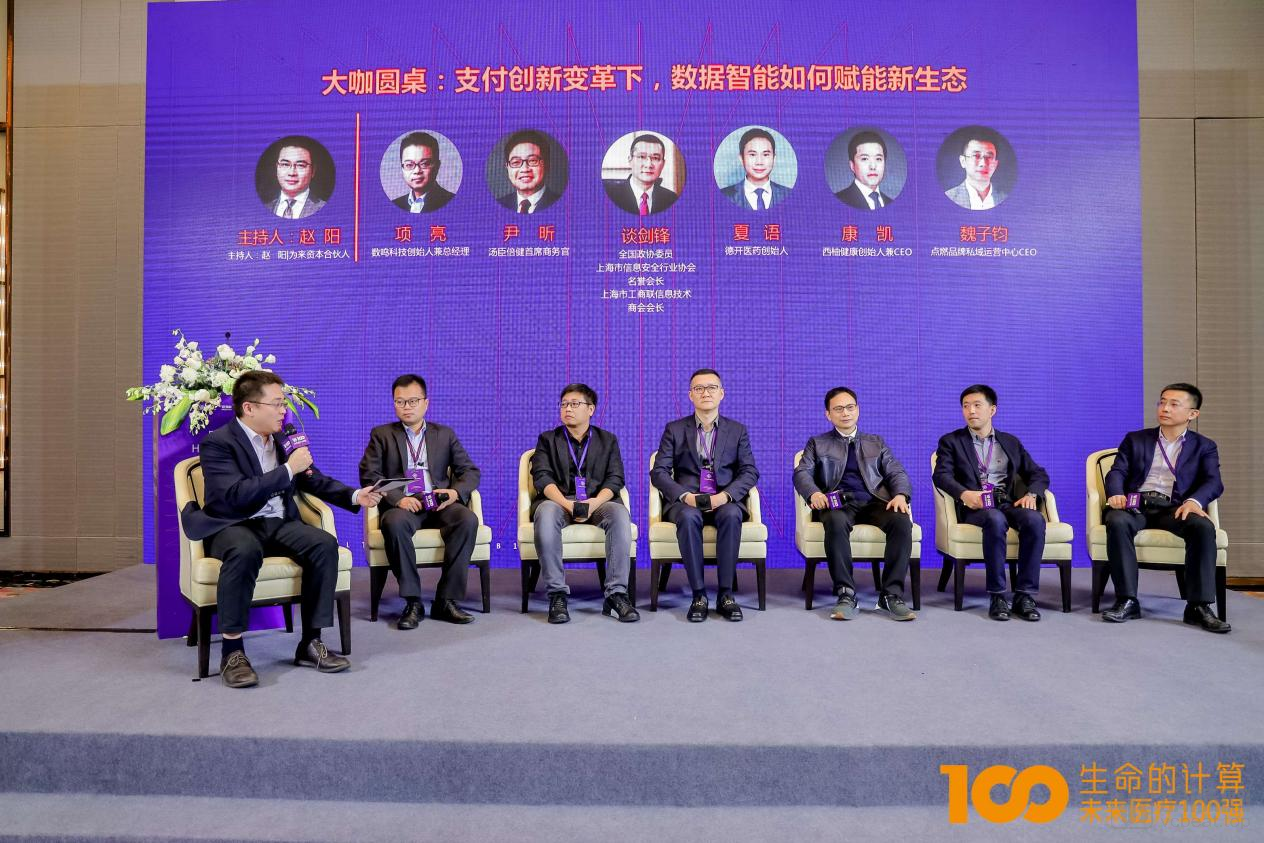
At the close of the forum, Zhao Yang, Partner at Weilai Capital; Tan Jianfeng, Member of the National Committee of the Chinese People's Political Consultative Conference, Honorary President of the Shanghai Information Security Industry Association, and President of the Information Technology Chamber of Commerce under the Shanghai Federation of Industry and Commerce; Yin Xin, Chief Commercial Officer of By-Health; Xiang Liang, Founder and General Manager of Shuming Technology; Xia Yu, Founder of Dekai Pharmaceutical; Kang Kai, Founder and CEO of Xiyou Health; and Wei Zijun, CEO of the Private Domain Operations Center at Dianran Brand, engaged in a roundtable discussion centered on “How Data Intelligence Empowers the New Ecosystem Amidst Payment Innovation and Transformation.” They explored the development and impact within their respective fields under the combined variables of shifting traffic patterns and payment innovations, as well as the future opportunities and risks facing the industry.
Xiang Liang, Founder and General Manager of Shuming Technology, believes that traffic in the current big health sector is showing trends toward concentration, higher entry barriers, and monopolization. These changes impose higher demands on enterprises: on one hand, companies need to leverage technological innovation to continuously upgrade their products; on the other hand, they must adapt their own transformations to keep pace with market changes.
Yin Xin, Chief Commercial Officer of By-Health, shared that companies currently need to build their own data platforms, integrate with underlying data systems to enable data feedback loops, and simultaneously develop their own traffic operation capabilities to gradually accumulate their private domain traffic.
Xia Yu, founder of Dekai Pharmaceutical, believes that in addition to online internet traffic, there is still significant potential for offline channels to reach and tap into healthcare-related user flows. Currently, payment mechanisms remain in a very early 1.0 stage, with the vast majority of health-related expenses still paid out-of-pocket. We should focus on establishing connections at both ends: individual medical insurance accounts and pooled public medical insurance funds. Commercial health insurance products that deeply integrate user acquisition with payment solutions will gradually fill the new market space created by adjustments in the current public medical insurance system.
Kang Kai, Founder and CEO of Xiyu Health, holds two key viewpoints. First, precise traffic is critical; there is significant value in cleaning data and acquiring customers with precision to help pharmaceutical companies accurately identify their target users. Second, to deeply leverage traffic, it is essential to establish new dimensions or integrate more scenarios to capture user attention and enhance user stickiness.
Wei Zijun, CEO of the Brand Private Domain Operations Center, shared that there are 29 touchpoints between a brand and its users, necessitating effective strategies to revitalize traffic. Furthermore, operations should adopt a “soft-hard” integration approach: the backend must be “hard,” transforming extensive user behavior data into templates, algorithms, and ultimately controllable structured outputs; while the frontend must be “soft,” requiring highly sensitive operational practices that engage users in deep content interactions. The paramount North Star metrics are user engagement and customer lifetime value (CLV).
With this, the Forum on Data Intelligence and Payment Innovation has successfully concluded. As the construction of Digital China deepens in practice, the value of data continues to be explored and realized. Big data has become a new factor of production and an important foundational strategic resource. Its application in the healthcare industry is becoming increasingly profound. We believe that, through the joint efforts of regulators and innovators, the industry will usher in new changes, new growth, and a new ecosystem amidst the shifting landscape of traffic entry points.