

Personalized Medicine Forum: Genetic Testing Powers Precision Healthcare as the Era of Personalized Diagnosis and Treatment Dawns
On April 16, 2021, the Sub-forum on Personalized Diagnosis and Treatment of the 5th Future Healthcare Top 100 Conference, co-hosted by VCBeat and GeneInsight, kicked off at the Le Méridien Suzhou Bay Hotel. The conference centered on topics related to the genetic testing industry, providing a comprehensive analysis of future trends in personalized diagnosis and treatment.
The conference invited a total of 16 guests, including Wang Liang, Founder and CEO of GenePlanet; Zheng Xiaowei, General Manager of Greater China for Agilent Technologies’ Diagnostics and Genomics Group; Yang Shuang, Executive Vice President of BGI Group; Jin Ge, Founder and CEO of Randong Medical Group; Zhang Yong, Chief Scientist at Yuanguji and Visiting Professor at the Guangzhou Institute of Respiratory Health; Cao Xinwei, Deputy General Manager of AccuraGene; Wang Jin, Co-founder of Qitan Technology; Nie Junwei, Deputy General Manager of the Life Sciences Division of Vazyme; Wu Kai, Partner at Sinovation Ventures; Guo Feng, Founder and CEO of Zhenzhun Bio; Zheng Wei, Deputy General Manager of the East China Region of KingMed Diagnostics; Ji Pengxiang, Vice President of Commercial Applications at ChenAn Biological; Meng Xin, Product Director of Huawei Cloud’s Healthcare AI Agents; Wang Chunxiao, Deputy General Manager of TumorGenes; Wang Tao, CTO of Ripro Technology; and Ms. Luo Liwei, Partner and Chief Analyst at GenePlanet.
In recent years, there has been a growing number of investors, investment funds, and entrepreneurs engaging in personalized diagnosis and treatment. However, the industry continues to face several challenges: What is the future trajectory of genomics? How can research findings from genetic testing be translated into clinical benefits for patients? How can integrated diagnosis and treatment be effectively implemented? How can precise monitoring of disease outcomes be achieved? And how can production costs be reduced while improving the detection sensitivity of reagents? Addressing these issues, 16 renowned healthcare industry executives engaged in in-depth discussions on topics including personalized diagnosis and treatment, digital health, disease monitoring, digital PCR, and single-cell technologies at the Personalized Diagnosis and Treatment Forum of the 5th Future Healthcare Top 100 Conference.
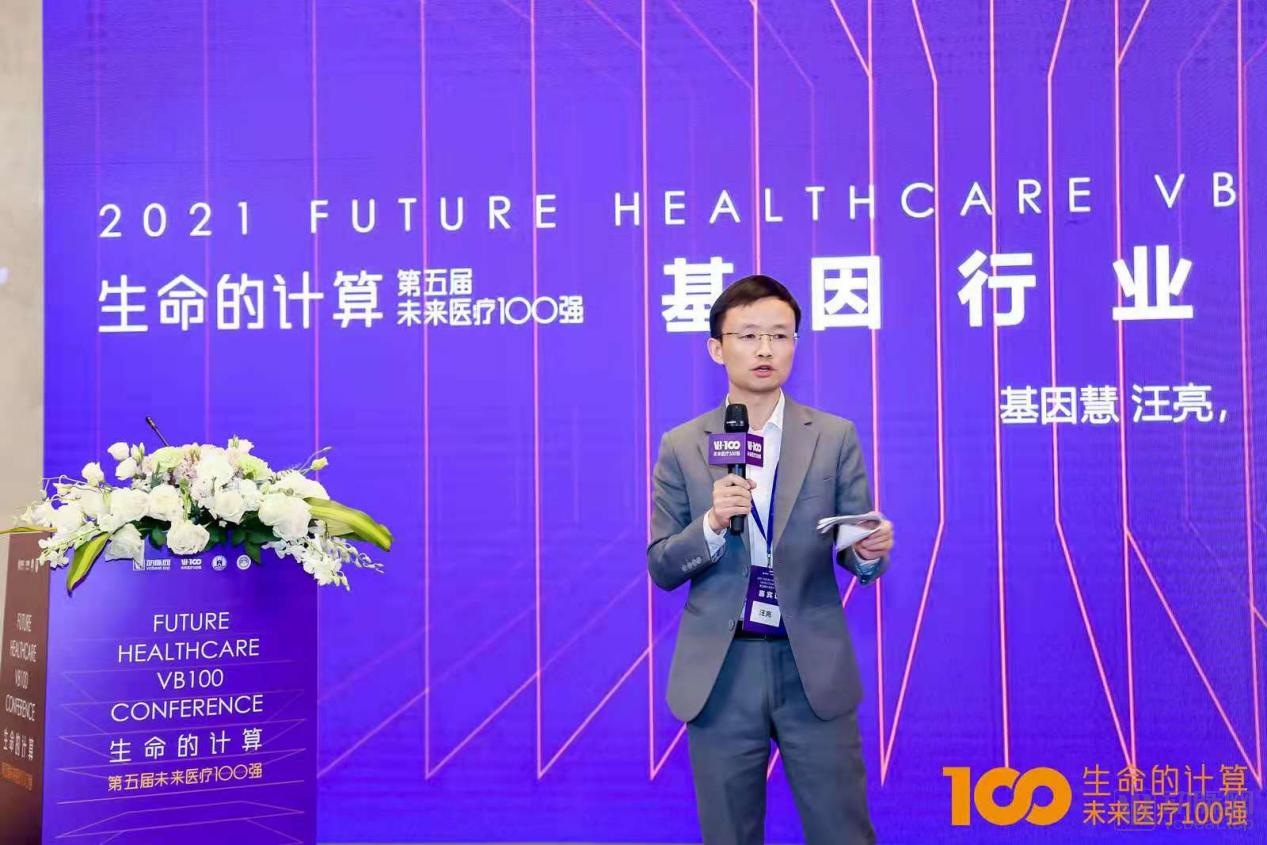
Wang Liang, Founder and CEO of GeneHui
The genetic testing industry has experienced a turbulent five-year period, moving from the investment boom of 2016–2018 to a brief downturn in 2019 due to the capital winter and other factors, before returning to the spotlight last year. The innovation-driven development strategy proposed by the state in the 14th Five-Year Plan has injected strong momentum into the development of the medical industry. Life and health, genetics, and biotechnology have been accorded strategic status in China’s 14th Five-Year Plan, signaling that the genetic testing industry is poised to enter a golden age.
So, what is the genomics industry, and why does it have such a promising development outlook? I will analyze this from the following aspects.
From the perspectives of definition and positioning: The definition of the gene industry is dynamic, but its positioning remains unchanged, as it has become a strategic industry in the 14th Five-Year Plan.
From a technical perspective: Technologies in the genomics industry are continuously evolving, each with its corresponding application scenarios. From early techniques such as FISH, chip-based mass spectrometry, and PCR to high-throughput sequencing, and now to single-molecule sequencing and nanopore sequencing, these technologies offer complementary applications.
From an application perspective: gradually expanding from NIPD to promote our standardized and regulated diagnostic products → early cancer screening → infectious diseases and infections → molecular breeding. The applications of genetics are becoming increasingly widespread.
From the perspective of development prospects: The entire gene industry remains fundamentally unchanged, driven by two national strategic resources—public welfare and the new economy. On one hand, genomics serves public welfare, encompassing health, public health, genetic ID cards, biobanks, and biological breeding. On the other hand, beyond being a new track for innovative drug development, the integration of genomics with medical AI agents, artificial intelligence (AI), 5G, and biotechnological advancements will inevitably give rise to a new concept known as “Bio-Intelligence,” which is projected to reach a scale more than ten times that of AI. Additionally, a new term, “Digital Life and Health,” may emerge, wherein genomics, together with numerous biotechnologies, constitutes the new infrastructure for life and health.
Given the promising future of the genetic industry, what key areas should our genetics company currently focus on, and how can we build core competitiveness?
We identify five major tracks and directions in this field: first, gene monitoring for scientific research; second, genetic diagnosis for clinical applications; third, gene therapy; fourth, data storage capacity; and fifth, integration with other industrial technologies. In the future, genomics will expand to proteomics, evolving into comprehensive multi-omics life sciences. Consequently, integration with intelligent manufacturing, informatization, wearable devices, 5G, and blockchain is inevitable. Such convergence can be applied to the following areas, including cancer prevention, chronic disease management, biopharmaceutical R&D, health check-ups, molecular breeding, and biosafety related to biodiversity.
Furthermore, we believe the most significant aspect or core focus lies in leveraging multi-modal data from genomics and biotechnology to empower clinical diagnosis and treatment, new drug development, general health and wellness, breeding programs, and other applications.

Jin Ge, Founder and CEO of Rendong Medical Group
As genetic testing enters its second phase, digital healthcare has become a focal point. Some argue that this second phase represents a turning point; so, how can this inflection point be leveraged to achieve industrial breakthroughs? In general, the industry can shift its focus from genetic monitoring at the diagnostic and therapeutic stages to early screening, thereby breaking through traditional service boundaries and achieving industrial breakthroughs by providing patients with comprehensive, full-chain management.
When it comes to our service ecosystem, people used to assume that, as a healthcare company, our primary customers were physicians. Even though we publicly stated that we are patient-centric, the shifting demographics of both physicians and patients now require us to clearly define patients as our core customers, with physicians serving as our channel.
The term "new customer base" does not refer to an increase in the number of individuals we serve, but rather to new shifts in their characteristics. For instance, physicians have adopted fresh perspectives on scientific research, translational medicine, and the management of patient relationships and engagement volume. Additionally, within the realm of critical illnesses, the proportion of out-of-pocket expenses borne by patients has risen.
Therefore, from our perspective, the opportunities for restructuring in the field of critical illness treatment in China over the next 20 years are based on the following four points:
I. Changes in the demographic profiles of physicians, departments, and patients; shifts in professional expertise, patient experience with healthcare services, and payment mechanisms.
II. Changes in New Technologies. Sequencing and high-end molecular-based innovative business models have injected new momentum into industry development.
III. China’s labor costs and clinical translation costs are relatively lower than those abroad. China boasts a robust talent supply and strong research capabilities, with clinical physicians demonstrating high willingness and competence in translational research. The abundance of Grade A tertiary hospitals in China facilitates access to patients at lower costs, all of which will facilitate the translation of scientific research products.
4. Resource allocation is gradually becoming platform-based. Within the digitalization process, the system for building networks of renowned and academically leading physicians may slowly shift away from reliance on top-tier configurations within public hospitals, leading hospitals, and hospitals integrating industry, academia, research, and clinical practice, toward a platform-based model. With the redistribution of physician resources, the aim is to achieve integrated diagnosis and treatment, ultimately benefiting both patients and the healthcare industry.
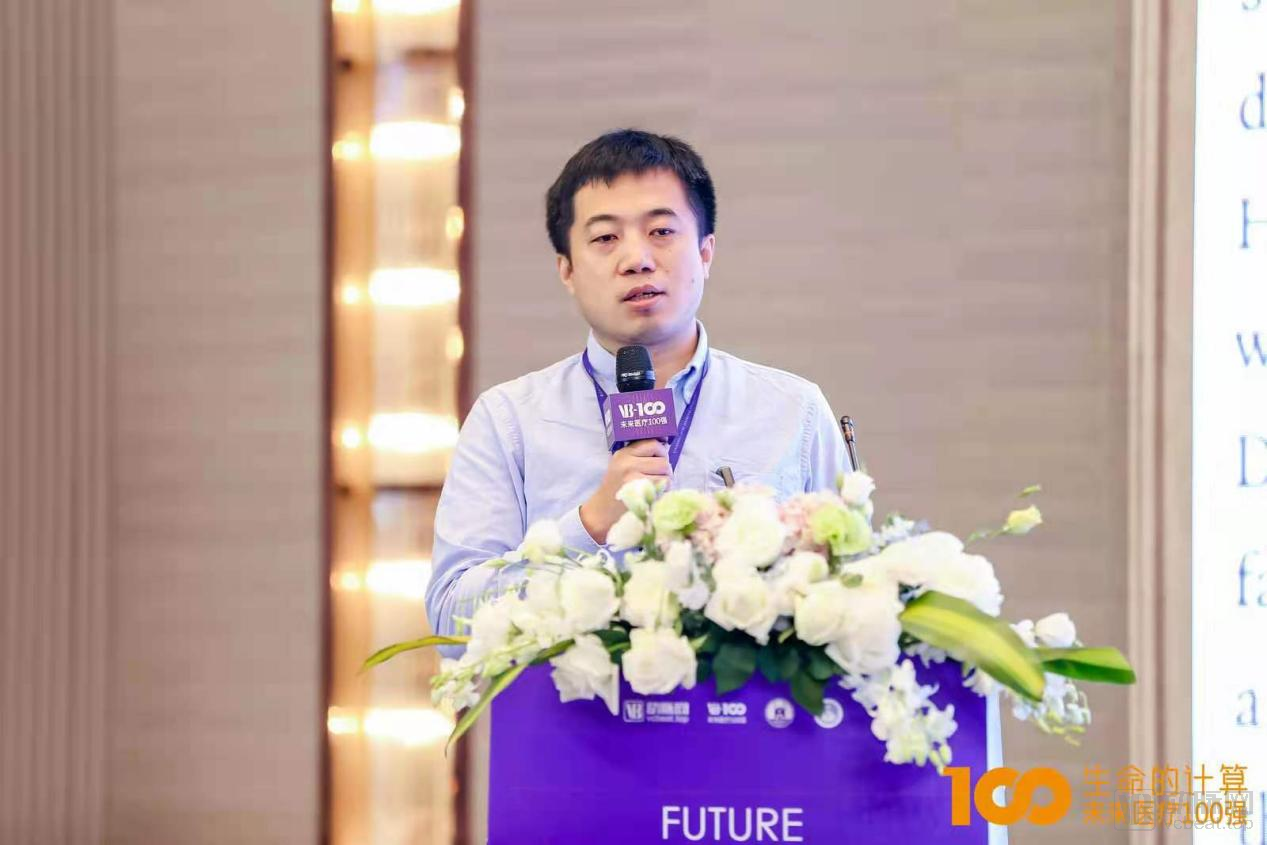
Zhang Yong, Chief Scientist at Yuanguji and Visiting Professor at the Respiratory Research Institute
While the pandemic has caused significant disruption, it has also spurred robust growth in the biotechnology industry. Many emergency medical facilities and clinical solutions have emerged in response to major outbreaks; thus, such large-scale epidemics have exerted a substantial impetus on the entire healthcare sector, including medicine and biology.
This epidemic has also given me some new insights into the healthcare industry. Below are my reflections:
The first consideration is that basic research and drug development need to be conducted more in-depth. Our fundamental understanding of these infectious diseases and other conditions remains insufficient, and drug development is indeed highly challenging. We are exploring whether artificial intelligence and high-throughput methods can be applied to drug development.
The second consideration concerns future vaccine development. There are numerous approaches and a vast array of technical platforms for vaccines. Currently, China primarily relies on inactivated vaccines, but many other strategies are being explored globally. Regarding the current COVID-19 vaccines, it is widely recognized, even by those not specialized in antibody research, that antibody levels essentially drop to negligible levels within six months. While there is no definitive logical consensus, this pattern suggests the need for repeated booster doses. How to address this issue and how to prevent such a scenario in future vaccine development are key areas worthy of our attention.
The third consideration is the digital revolution in healthcare. In pursuing precision medicine, this could serve as a new entry point or integration hub, potentially involving data monitoring, data analysis, or data infrastructure development.
The fourth consideration pertains to management processes. Within the framework of key systems, there are numerous areas for improvement and enhancement in policies and management, offering significant potential for further exploration.
Five final thoughts on the genetic monitoring we are currently discussing. As COVID-19 testing has gained significant momentum, more participants have joined this field. For instance, we are also engaged in monitoring respiratory-related infections.

Cao Xinwei, Deputy General Manager of Ruixun Biotechnology
For those of us in the technology-driven industry, technology is undoubtedly important. However, the clinical problems it solves and the social and economic benefits it generates are even more critical. Today, we will explore digital-based technologies from the following perspectives: first, the definition and advantages of digital PCR; second, the primary clinical positioning and development prospects of digital PCR.
First: Definition and Advantages of Digital PCR
Definition: Digital PCR refers to the partitioning of a sample into a vast number of individual reaction units, ensuring that each well contains only a single template molecule.
Advantages of Digital PCR: ① Enables absolute quantification. ② High reaction sensitivity. ③ Broad market prospects.
2. Primary Clinical Positioning and Development Prospects of Digital PCR
1. Microbial sepsis infection. Sepsis is also known as blood poisoning. In China, there is a high annual incidence of new sepsis cases, accompanied by substantial treatment costs. Currently, blood cultures are used for the diagnosis and management of these patients; however, two major issues persist: first, the detection rate is very low, and second, the turnaround time for testing is prolonged. Therefore, it is essential to improve diagnostic efficiency.
Currently, genomic sequencing is also widely used for the identification of sepsis. The data from digital PCR show a high concordance with genomic sequencing results, with a match rate exceeding 90%. In the future, for such sepsis patients, digital PCR should be employed as the first-line test due to its rapidity in identifying certain microorganisms. If potential pathogens remain undetected, genomic sequencing can then be performed as a follow-up to screen for additional microbial infections. Therefore, we believe this represents a highly significant direction for future clinical applications.
2. Cancer, with a primary focus on leukemia. This section mainly introduces the monitoring of chronic myeloid leukemia (CML).
Unlike other forms of leukemia, 95% of patients with chronic myeloid leukemia (CML) harbor a single genetic alteration: the BCR-ABL fusion gene. Therefore, BCR-ABL serves as the most critical biomarker for CML. Our earliest data were derived from monitoring minimal residual disease (MRD) in hematologic malignancies. What is the indicator for MRD? It refers to quantifying the remaining burden of cells carrying the BCR-ABL mutation after completion of CML therapy.
The presence of this gene indicates abnormal white blood cells. Assessing the number of residual cells after treatment completion defines the significance of minimal residual disease (MRD) in evaluating therapeutic efficacy. Quantitative fluorescent PCR can achieve a detection limit of one in 10,000 copies. Only digital PCR technology can reach MR5.0, corresponding to a sensitivity of one in 100,000. We believe that digital PCR will undoubtedly bring more breakthroughs in the future.

Ji Pengxiang, Vice President of Commercial Applications at ChenAn
Beyond the fierce competition of genetic testing in clinical applications, single-cell technologies are also shining brightly in clinical practice. What is the significance of higher resolution for clinical care? This has become a question for us to consider.
Why is single-cell resolution necessary? Because advancements in observational tools drive progress in medicine. The challenges currently faced in clinical practice, such as tumors, hematologic disorders, and autoimmune diseases, are often highly heterogeneous, highly dynamic, and complex systemic conditions. Therefore, we require high-throughput, multiparametric single-cell technologies to help us understand the onset and progression of diseases, as well as the changes that occur throughout the entire diagnosis and treatment process.
The single-cell technology platforms currently available can be broadly categorized into three main types: sequencing-based platforms represented by 10x Genomics, microfluidics-based platforms represented by Adaptive Biotechnologies, and mass cytometry (CyTOF) platforms represented by Fluidigm and our company, ChenAn Bio. Each single-cell technology platform has its own advantages, disadvantages, and specific applications. The reason ChenAn Bio has chosen the mass cytometry platform is that it can serve as a clinical diagnostic platform due to its low cost and high throughput. More importantly, it can be applied to a wider range of clinical diagnosis and treatment scenarios across more medical departments.
What are the specific advantages of mass cytometry platforms in clinical applications? As a next-generation flow cytometry technology, mass cytometry utilizes time-of-flight mass spectrometry to detect metal-labeled antibodies, thereby offering up to 135 detection channels. Currently available metal-labeled antibodies enable the simultaneous measurement of up to 50 parameters per cell, whereas conventional fluorescence-based flow cytometry is typically limited to fewer than 20 parameters. This represents its most significant advantage. Taking hematological diagnosis, the most prevalent clinical application of flow cytometry, as an example, the mass cytometry platform allows for the assessment of a broader panel of markers from a single blood sample. For clinical practice, this not only conserves precious samples but also reduces costs associated with reagents, time, and labor. Furthermore, due to the absence of spectral overlap inherent in fluorescence-based methods, no compensation is required, resulting in improved accuracy compared to traditional techniques.
Mass cytometry, characterized by its high-throughput, single-cell, and multiparametric capabilities, is driving innovative clinical applications. For the first time, this technology has enabled a systematic understanding of the composition and diversity of tumor cells and immune cells within the tumor microenvironment. These biological insights and immunological profiles will significantly advance our comprehension of tumor immunity and foster progress in cancer immuno-diagnosis and therapy. In the context of cancer immuno-diagnosis and treatment, mass cytometry can not only identify patients suitable for immune checkpoint inhibitor therapy but also provide safety assessments, efficacy monitoring, and therapeutic guidance during CAR-T and TCR-T treatments.
As a high-resolution single-cell technology platform, mass cytometry can provide us with novel insights. These insights can not only enhance the efficacy of existing applications but also give rise to more innovative applications. This is precisely the type of technological platform required for clinical diagnosis and treatment. We believe that future advancements in single-cell technologies will offer new perspectives for clinical diagnosis and therapy.
At the conclusion of the forum, four guests—Mr. Guo Feng, Founder and CEO of Zhenzhun Bio; Mr. Zheng Wei, Deputy General Manager of KingMed Diagnostics’ East China Region; Mr. Zheng Xiaowei, General Manager for Greater China at Agilent Technologies’ Diagnostics and Genomics Group; and Mr. Nie Junwei, Deputy General Manager of Vazyme’s Life Sciences Division—centered their discussion around “How Are Production Digitalization and the LDT Window Reshaping the Landscape of Molecular Diagnostics?》held a roundtable discussion on the theme; five guests, including Mr. Wang Jin, Co-founder of Qitan Technology; Mr. Yang Shuang, Executive Vice President of BGI Group; Mr. Meng Xin, Product Director of Huawei Cloud Medical Agent; Mr. Wang Tao, Deputy General Manager and CTO of Hangzhou Ruipu Gene; and Ms. Wang Chunxiao, Deputy General Manager of Tushu Gene, participated under the title “《Integration of BT and IT: How to Compliantly Leverage Life Big Data and Empower Product R&D?》held a roundtable discussion on the topic.