

How Smart Hospitals Can Seize Opportunities and Achieve Efficient Development: Insights from the 2021 Future Healthcare 100 Summit
As a dedicated observer and chronicler of the innovative healthcare industry, VCBeat officially launched the Future Healthcare 100 Forum in 2015. Over the past six years, it has grown into a renowned conference in China’s innovative healthcare sector, celebrated for fostering the integration of industry and capital.
Over the course of three days, the conference hosted 19 forums, bringing together 279 distinguished guests to focus on future trends, industry prospects, global perspectives, and venture capital dynamics. The forums included: Summit on Future Healthcare Trends, Summit on Future Healthcare Strategy, International Summit on Healthcare Innovation, Summit for Partners (LP-GP) of Future Healthcare Funds, Forum on Personalized Diagnosis and Treatment, Forum on Health Insurance Technology and Commercial Health Insurance, Forum on Innovative Practices in Primary Healthcare, Forum on Digital Therapeutics Innovation, Forum on Digital Marketing for Pharmaceutical Companies, Forum on the Development of High-Value Consumables, Forum on Innovative Development of Internet Hospitals, Forum on Translation of Scientific Achievements and Industrial Development, Forum on the Development of the Assisted Reproductive Technology Industry, Forum on Data Intelligence and Payment Innovation, Forum on Innovative Development of Smart Hospitals, Forum on Health Management Innovation, Forum on Digital Pharmaceutical R&D (ITBT), Forum on Early Cancer Screening, and Forum on Innovation in the Medical Aesthetics Industry.
On April 18, VCBeat and JD Health jointly hosted the Smart Hospital Innovation Development Forum. Attendees who delivered insightful speeches included Yin Hong, Deputy Director of the Education, Health, and Sports Bureau (Medical Security Bureau) of Xixian New Area, Shaanxi Province, and Director of the Xixian New Area Public Health Management Center; Mr. Ren Xianqing, Vice President of the First Affiliated Hospital of Henan University of Chinese Medicine; Wei Xuejie, Vice President of Xuzhou Mining Group General Hospital; Wang Dongyuan, General Manager of Smart Healthcare at JD Health; Zhou Zanhe, Founder and Chairman of Heyu Health; Ye Xin, Deputy Dean of the Beijing Research Institute of E-Linkone; Liu Mingyan, General Manager of Healthy Cities at JD Health; Dr. Ni Kefeng, Senior Vice President of Lianzhong and oncologist; Zhao Hongwei, Senior Researcher at VCBeat; and Chen Yusi, Senior Investment Manager at GGV Capital. The event was moderated by Zheng Yufen, Founder of Yueyin Medical Fund.
Guests delivered speeches on topics such as the construction of smart hospitals and their future development. VCBeat has compiled the guests’ insightful viewpoints.
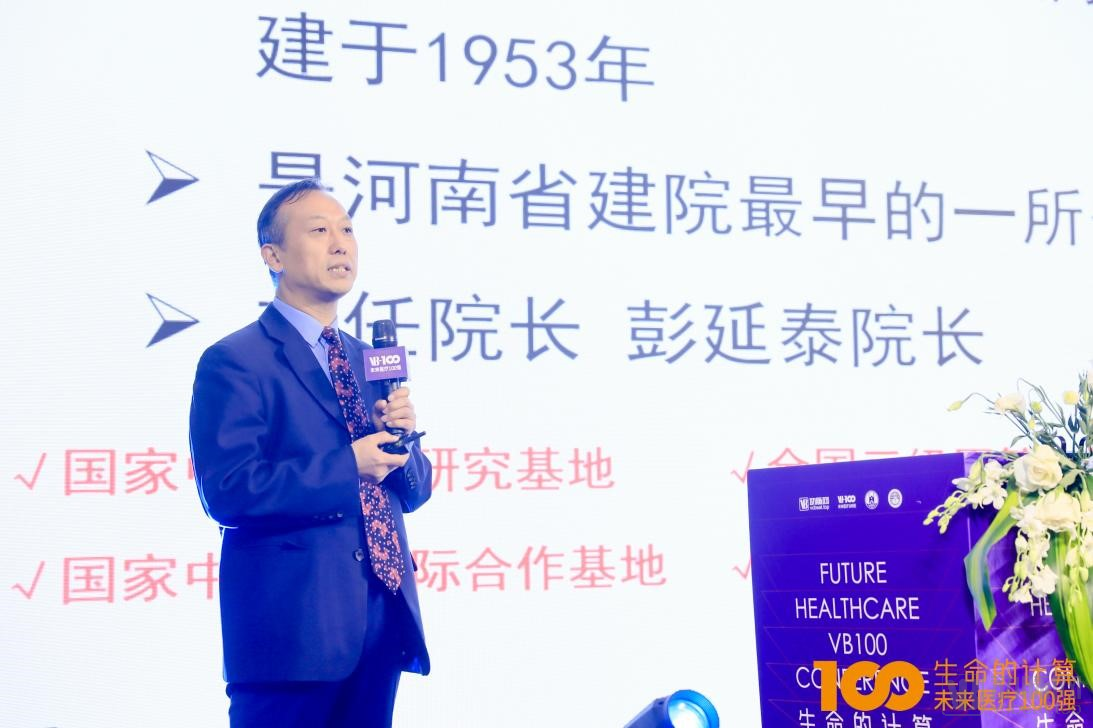
Ren Xianqing, Vice President of the First Affiliated Hospital of Henan University of Chinese Medicine
It must be acknowledged that the development of traditional Chinese medicine (TCM) hospitals, particularly in terms of informatization, lags behind that of Western medicine hospitals. We recognize that technological advancement and informatization initiatives require substantial financial investment.
In light of the successive issuance of three key documents in China—the Interim Measures for the Administration of Internet-Based Diagnosis and Treatment, the Opinions on Improving Pricing and Medical Insurance Reimbursement Policies for “Internet+” Medical Services, and the Notice on Effectively Providing Internet-Based Diagnosis and Treatment Consultation Services During Epidemic Prevention and Control—our hospital, the First Affiliated Hospital of Henan University of Chinese Medicine, has established an in-depth partnership with JD Health. This collaboration leverages our hospital’s qualifications, brand reputation, platform architecture design, and physician resources, while JD Health provides substantial support, including the construction and maintenance of the information platform as well as operational services related to online promotion. Our partnership offers numerous advantages:
First, the hospital's strengths: specialized department advantages and expert advantages.
Second, it has achieved the infusion of JD.com’s brand advantages and technological strengths.
I believe that internet-based initiatives like JD Health are designed to support the development of our hospital. First, from a structural perspective, an internet hospital represents the digitization of medical consultation processes and healthcare services, marking a shift from a provider-centric model to a patient-health-centric model. We have also achieved an integrated online-offline hospital framework, enhancing the efficiency of both medical service delivery and healthcare resource allocation.
At the platform level, we focus on three key aspects: first, information security; second, personalized services; and third, distinctive features of Traditional Chinese Medicine (TCM). Supported by the JD.com platform in terms of information services, we have implemented secure access controls, an independent architecture, and a regulatory platform, all of which ensure the security of both the system and patient data. Regarding platform security, we have deployed facial recognition technology. Patients are required to log in using their real identities with mandatory facial verification. Additionally, physicians’ accounts are protected through SMS verification and facial recognition. Our physicians undergo CA (Certificate Authority) authentication, and all prescriptions are subject to electronic review.
We have also incorporated distinctive features, such as the entry of traditional Chinese medicine (TCM) prescription templates, including historical prescriptions and classic formulas, as well as TCM-specific consultation content. We have made advancements in the four diagnostic methods of TCM—inspection, listening and smelling, inquiry, and palpation. Specifically, for inspection diagnosis, we have implemented image capture functionalities for tongue coating and facial complexion.
In the future, we envision establishing an internet hospital within a medical consortium. The development of this internet hospital is not merely aimed at facilitating online consultations for patients; rather, it seeks to attract patients to our institution and, through the future internet hospital, realize the national goal of tiered diagnosis and treatment.
Wei Xuejie, Vice President of the General Hospital of Xuzhou Mining Group
Smart management is a crucial component of the "three-in-one" framework for building smart hospitals, integrating smart management, smart medical care, and smart services. A major challenge in managing medical and nursing care, particularly concerning quality, lies in the management of quality-related data. The most fundamental issue is whether the basic data provided by electronic medical records (EMRs) are accurate. Additionally, it remains critical to determine whether medical and nursing quality data can be interconnected and shared across various departments and extracted in a timely manner.
Our data application serves to control our medical care. Overall, within medical care management, we can achieve real-time extraction and control of all our medical care data, providing the most fundamental support for the application of data across our entire healthcare system.
For hospital management and healthcare enterprises, this is also a relatively critical component. Regarding human resource management—including workforce planning, personnel administration, performance evaluation, and onboarding of new staff—we, as hospital administrators, enable the interconnectivity of data across overall hospital resource management and general hospital operations. This facilitates data sharing among various departments.
Finally, from the perspective of decision-makers, how can we leverage human resources to best suit the hospital and its departments—including staffing levels, quality, and allocation—to achieve refined management? The goal of smart management is to realize refined and intelligent hospital management; this is the objective that smart management aims to achieve. New concepts, methods, and pathways for smart hospitals include comprehensive perceptual connectivity, deep integration and resource sharing, as well as intelligent services.
Ensuring the health of the public and providing high-quality services is the shared goal of all present. The ultimate objectives pursued by enterprises, medical institutions, and health administrative authorities are aligned. Whether through corporate engagement or coordination among medical institutions, integration and resource sharing are essential to achieving the overarching goal of building a socially oriented healthcare system.
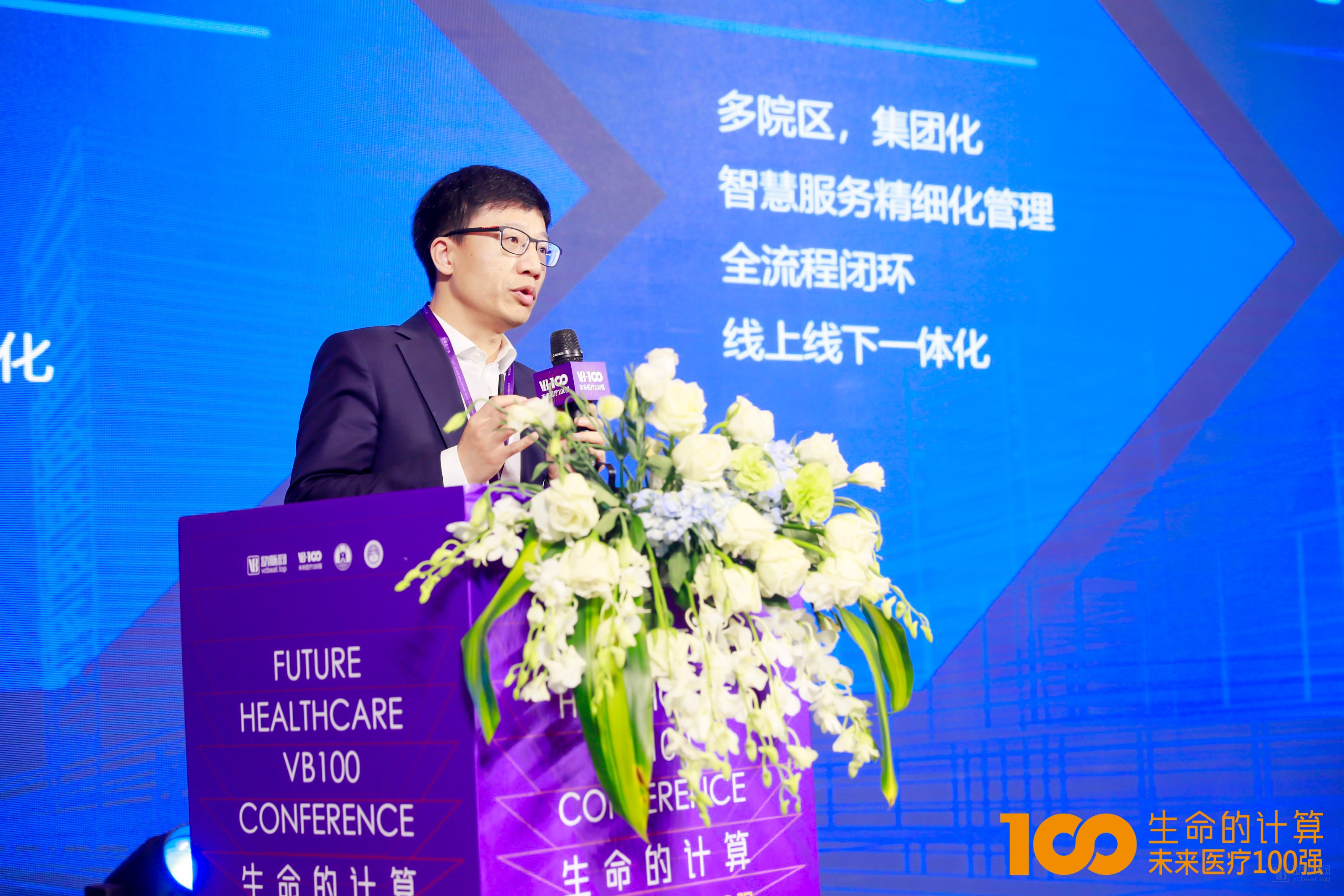
Ni Kefeng, Ph.D. in Oncology
From the perspective of the evolution of business architecture in healthcare data, integration centered on hospitals’ core operations places greater emphasis on breaking down internal data silos. This enables a closed-loop, refined management of the entire smart hospital service process, as well as online-offline integration. It also facilitates the development of county-level and prefecture-level medical communities and medical consortia, promotes tiered diagnosis and treatment, and achieves integrated county-wide resource sharing and data-driven scientific decision-making for oversight.
Over the past two years, Lianzhong has invested heavily in research and development to build Saam, a cloud-native reusable service platform. Its underlying architecture follows a “3+2” model. This model is primarily underpinned by cloud-native technologies, including containerized continuous delivery, microservices, and DevOps capabilities, which support and enhance the system. Driven by business needs, it enables a refined middle platform that integrates business data awareness and AI. Coupled with the “Qingniao” front-end approach, this structure delivers an improved user experience. On the left side, we have developed the “Honghu” R&D Middle Platform, which achieves integrated self-control throughout the R&D process. On the right side, we have built the “Baize” Delivery Middle Platform, enabling integrated operations and maintenance management during the entire product delivery lifecycle. Through these technologies, we are gradually constructing an interconnected, intelligent digital health cloud ecosystem.
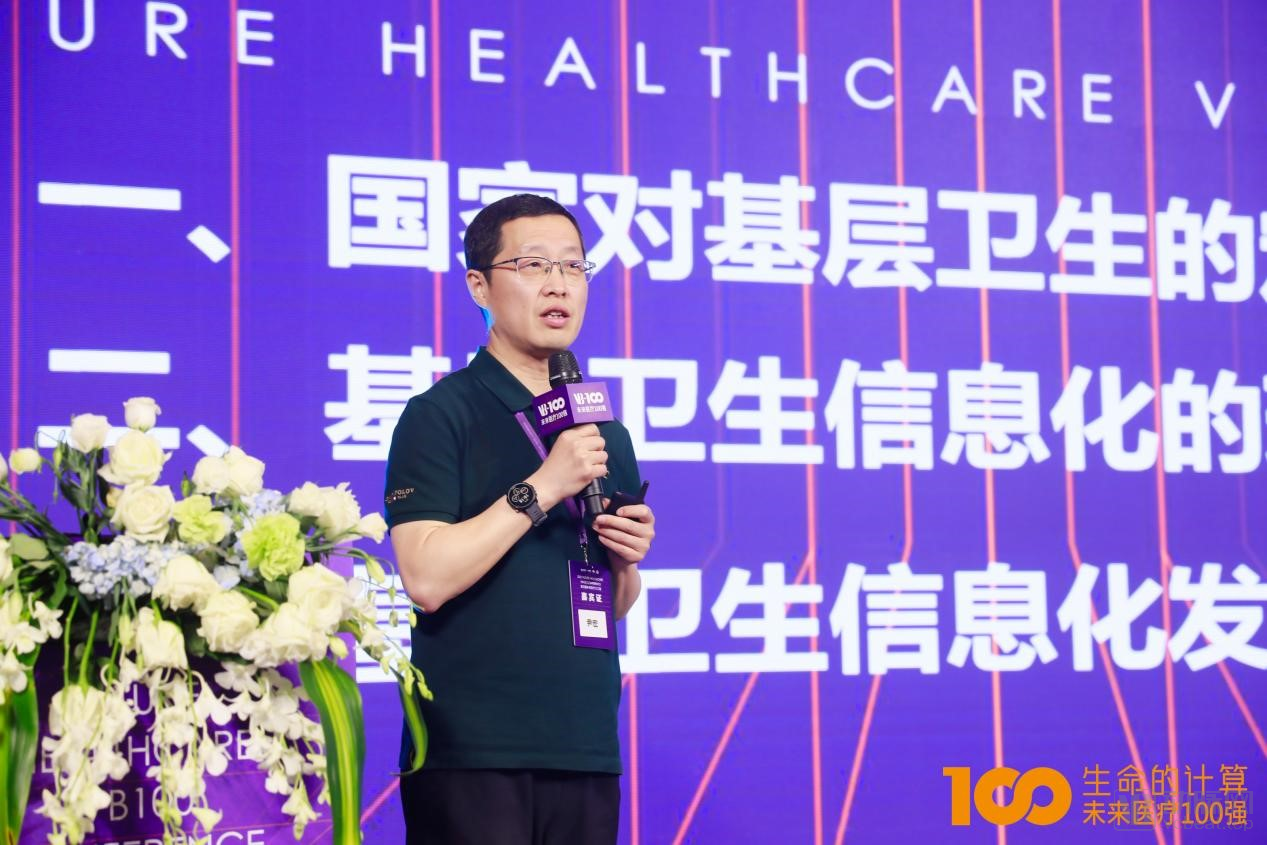
Yin Hong, Deputy Director of the Education, Health and Sports Bureau (Medical Security Bureau) of Xixian New Area, Shaanxi Province, and Director of the Public Health Management Center of Xixian New Area
Primary healthcare institutions currently undertake two key tasks: one is basic medical services, and the other is basic public health services. Basic medical services traditionally refer to clinical care. The lack of further enhancement in IT products supporting primary healthcare systems has caused many problems for the delivery of primary care. Second, software designed for basic public health services, which covers full-lifecycle health management, lacks continuity. Third, there is insufficient coordination between basic medical services and basic public health services, and their interoperability remains a significant challenge. Xixian New Area has currently implemented four measures:
First, we must solidify the foundation by advancing the development of the National Population Health Information Platform. Currently, we are establishing the overall framework. In addition to building the foundational data platforms and application software for health informatization, our core focus is to promote the construction of regional health information systems.
Second, prioritize functional enhancement. We are currently driving the establishment of a cloud-based Hospital Information System (HIS) framework, with its core objective being to achieve full coverage of all primary healthcare institutions.
Third, by reallocating the funds saved, further feedback is provided to the healthcare system to incentivize its sustained engagement in this initiative.
Fourth, promote precise assessment of basic public health services. We utilize the entire information system to assess their data.
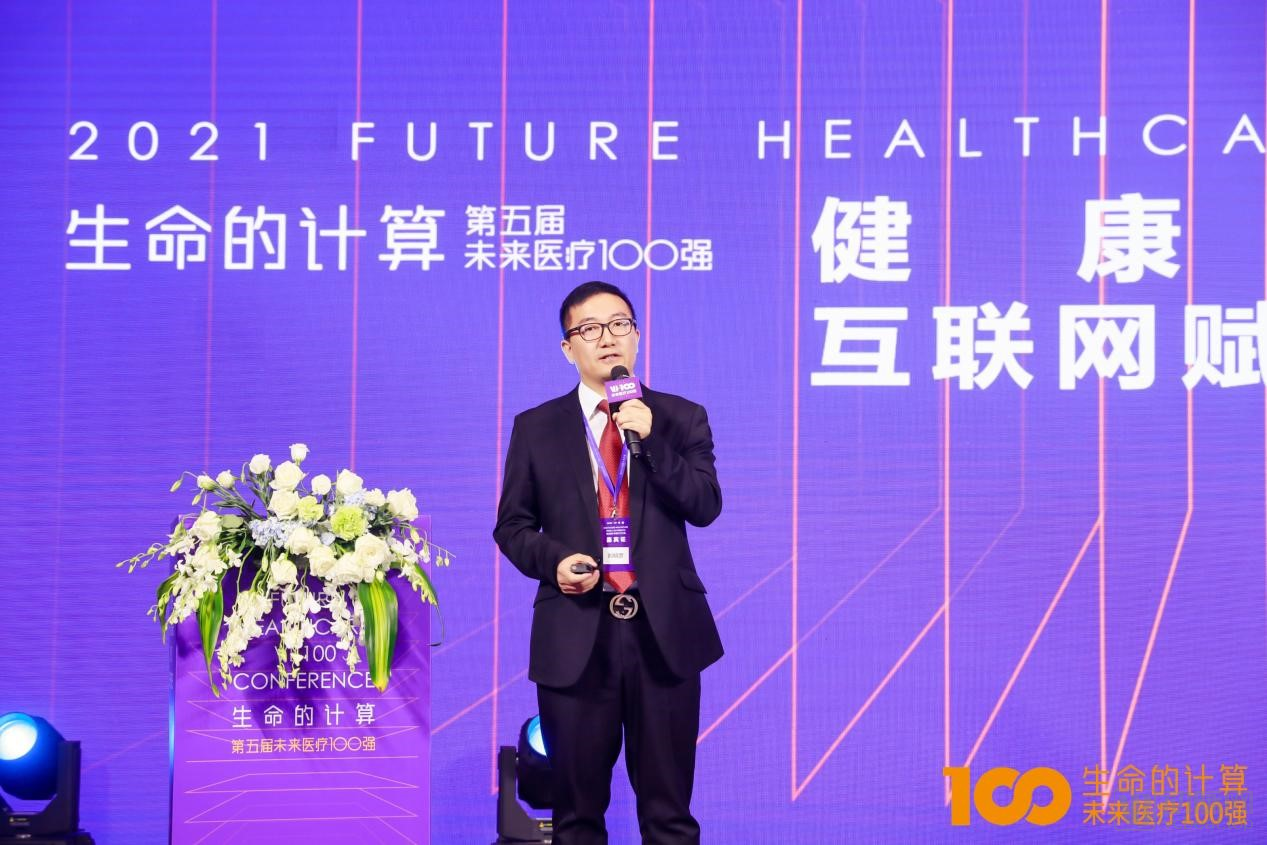
Liu Mingyan, General Manager of JD Health’s Healthy Cities Division
Future scenarios will be driven by the core demands of consumer-facing (C-end) users. Such scenarios possess three characteristics:
First, proactivity, which differs significantly from the passive nature of hospitals; second, accessibility. In China, while large hospitals are relatively efficient on a global scale, our focus is on accessibility right at our fingertips, allowing us to enjoy technology-driven healthcare whenever we desire. This level of accessibility is what we anticipate for future health services; third, continuity. Currently, storing all data within a single medical institution tends to be fragmented. In the future, our health scenarios should be continuous.
We hope that future scenario development will be built upon our Smart Community and Health Brain platforms to establish a proactive health management model. Guided by residents’ health needs, we will digitally connect all hardware within home settings, leveraging data intelligence to deliver truly accessible, proactive services to the public.
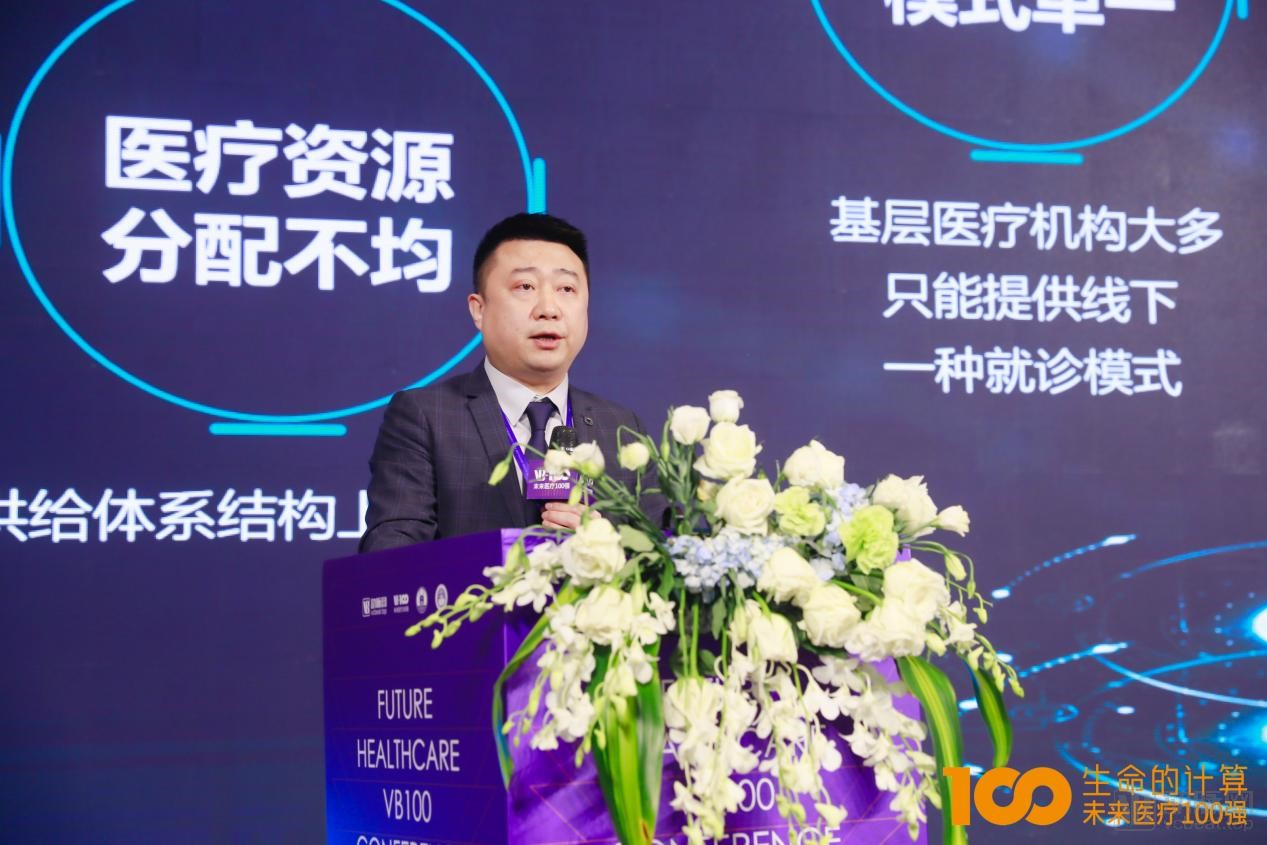
Zhou Zanhe, Founder and Chairman of Heyu Health
As the largest healthcare service system in China, primary healthcare institutions play a pivotal role in advancing the nation’s medical and health services. However, there remains a significant gap between their current service capacity and the public’s healthcare needs, primarily manifested in the following aspects:
1. Uneven distribution of medical resources. High-quality medical resources are primarily concentrated in tertiary hospitals, while primary healthcare institutions lack skilled medical professionals and advanced medical equipment.
2. Monolithic healthcare service delivery model. Due to uneven resource allocation and staff shortages, the simplistic healthcare service model at the primary care level fails to meet the public’s growing demand for medical services, a problem that is particularly pronounced in remote and impoverished areas.
3. Healthcare workers exhibit uneven professional competence and rely on relatively primitive work models, as they have long been burdened by tedious medical and public health tasks, which directly undermines the quality and effectiveness of primary healthcare.
So, how do we address these issues? The construction plan for medical consortia is mainly divided into three steps:
1. Improve the information systems of grassroots medical institutions to enable medical management for each member unit, develop unified business software, and establish provincial and municipal two-level centers as well as data exchange and business control platforms. Only by unifying informatization data standards can we achieve an efficient, interconnected, resource-sharing, and business-collaborative informatization management system.
2. Upgrade and revamp the information systems of secondary and tertiary hospitals. The primary tasks include establishing a Hospital Information System (HIS) based on a microservices architecture, decomposing complex application logic into multiple microservices. This approach facilitates efficient business management while addressing complex business exchanges, meets the requirements for flexible deployment, and supports convenient horizontal scaling of services.
3. Establish an information platform for the medical consortium, with construction content comprising three components: infrastructure, application systems, and support systems.
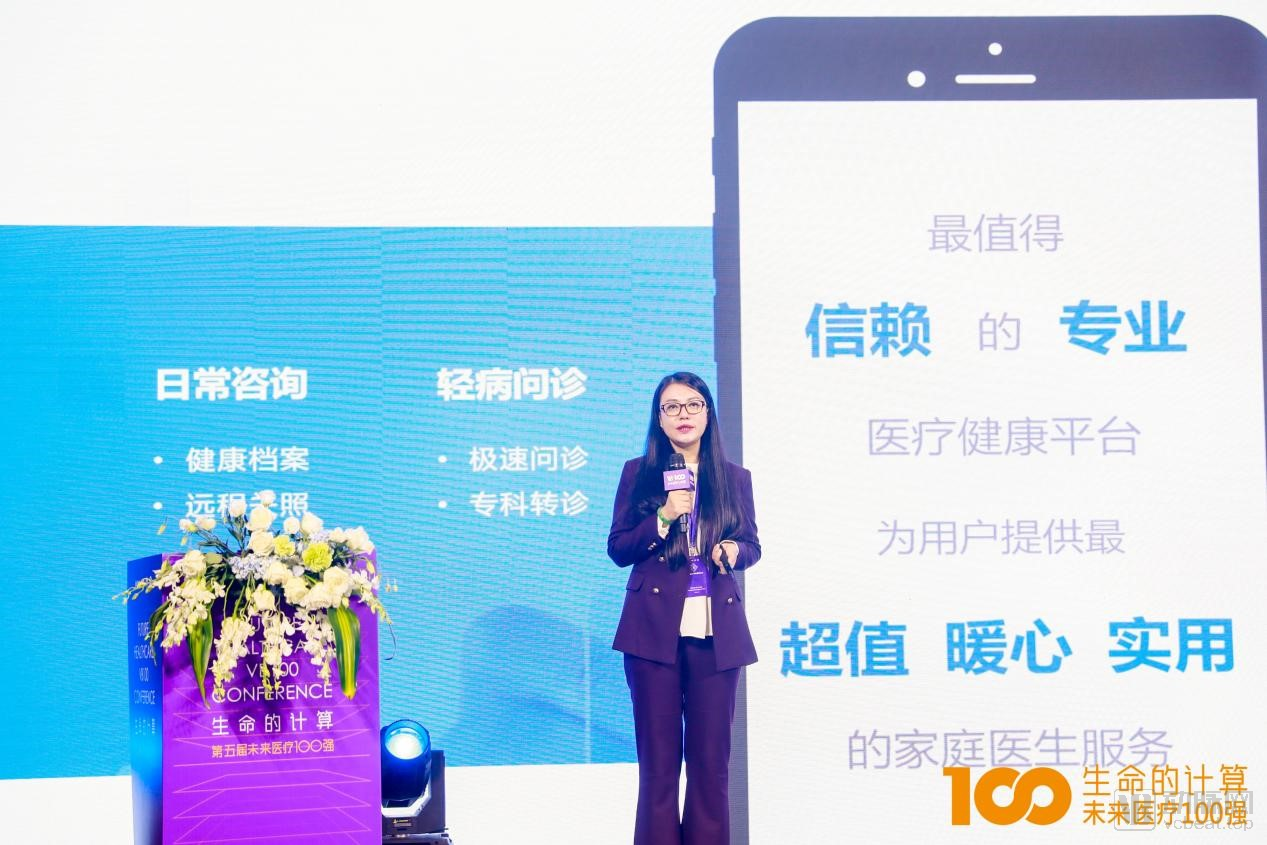
Wang Dongyuan, General Manager of Smart Healthcare at JD Health
At the core of smart healthcare lies the electronic medical record (EMR). When building EMR systems, we divided the process into three phases. In the first phase, we standardized clinical workflows and promoted specialized, specialty-specific documentation for EMRs. The second phase focused on intelligent decision-making. The third phase aimed to normalize scientific research activities.
We aim to collaborate with our partners to build an ecosystem. JD.com provides an internet hospital platform, JD Pharmacy, supply chain capabilities, family doctor services, and comprehensive service support. By partnering with governments and hospitals, we encourage all partners within the ecosystem to integrate their specialized, vertical applications into JD’s platform, jointly creating a new healthcare ecosystem. No matter how far technology advances, love remains its ultimate destination; healthcare cannot be separated from humanistic care.
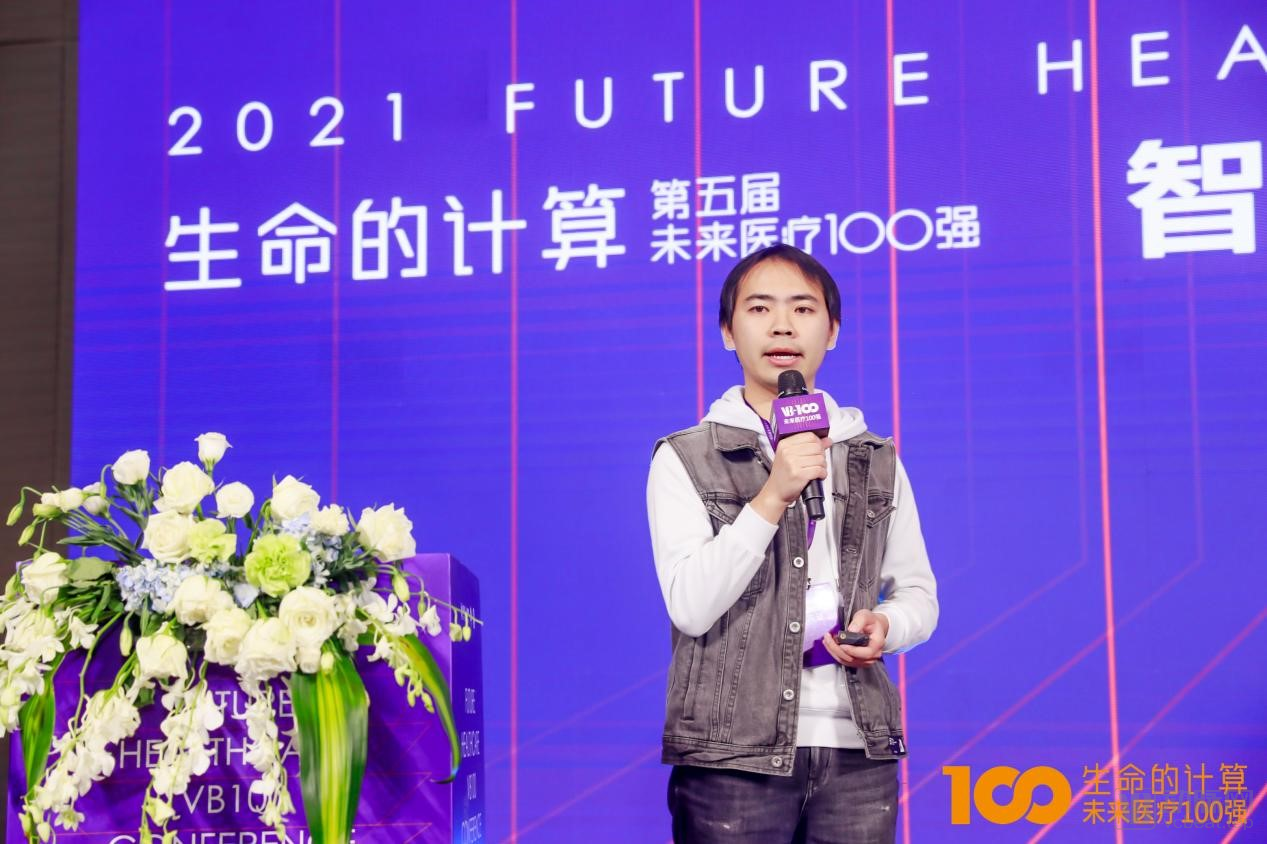
Zhao Hongwei, Senior Researcher at VCBeat
Five Major Trends in Market Opportunities: First is integrated construction, which includes integration of medical and nursing services, financial integration, and more. Second is micro-architecture, a model emphasized by many enterprises today; although systems are becoming increasingly complex, the architecture must be simplified enough for physicians to understand. Third is meeting the requirements of internet hospitals, medical communities, and medical alliances. Fourth is data connectivity and autonomous control, with autonomous control encompassing both substantive and formal aspects.
Finally, two questions are raised. The first question is how to build a system that meets the needs of temporalization and informatization, which may require us to redesign the database and every level of the application layer. The second question concerns the talent gap in equity structure within enterprise and hospital information departments; for enterprises, this may necessitate recruiting more professionals who possess expertise in both healthcare and information technology.
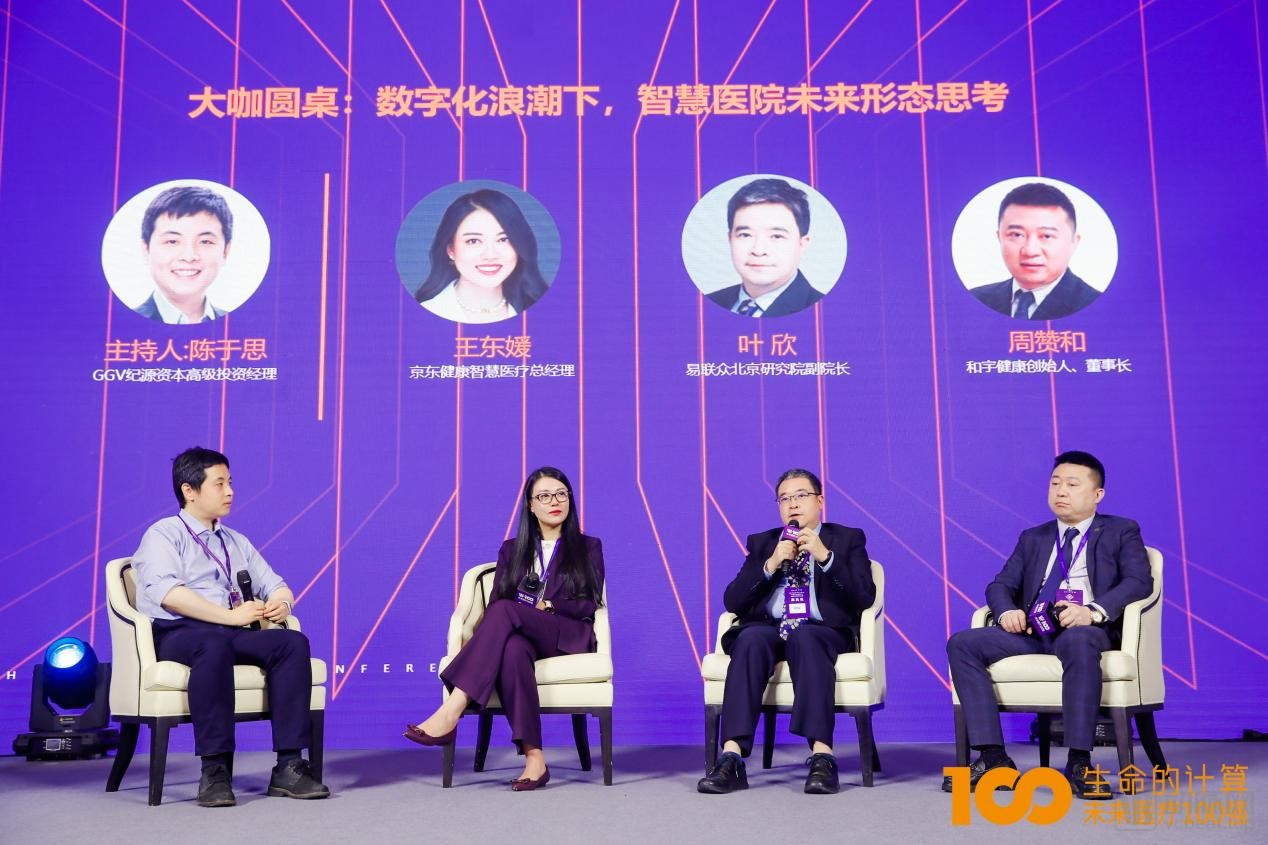
Chen Yusi, Senior Investment Manager at GGV Capital; Wang Dongyuan, General Manager of Smart Healthcare at JD Health; Ye Xin, Deputy Dean of the Beijing Research Institute of E-Lianzhong; and Zhou Zanhe, Founder and Chairman of Heyu Health
From the initial focus on informatization to today’s Hospital Information Systems (HIS) and Picture Archiving and Communication Systems (PACS), what emerging opportunities will be created in the field of smart hospitals? Which niche sectors deserve greater attention and effort? Amidst the opportunities of the times, policy support, and future challenges, how can smart hospital innovation seize these opportunities to achieve efficient development? In this forum’s expert roundtable session, four distinguished guests were invited to discuss the future landscape of smart hospitals.
Zhou Zanhe, Founder and Chairman of Heyu Health, believes that the recent issuance of smart management policy documents requires hospital information systems to extend beyond hospital walls. This includes data exchange and business integration with regional and even provincial platforms, thereby better serving residents throughout their entire life cycle through various means. At the same time, this trend presents numerous opportunities for health IT enterprises. For instance, only by increasing investment in internet applications, 5G technology, and the Medical Internet of Things (MIoT) can companies meet the demands for medical technical services in the new era.
Wang Dongyuan, General Manager of Smart Healthcare at JD Health, shared her vision for future scenarios. She believes that in the future, patients may be able to record their routine physiological data through wearable devices and transmit it to their family doctors via various digital means. Family doctors and community-level primary healthcare institutions would consolidate this data at the grassroots management level. In the event of an alert, patients would be notified immediately and could seek in-person care at hospitals promptly. This approach would effectively realize the national tiered diagnosis and treatment system.
Ye Xin, Deputy Director of the Beijing Research Institute of E-Lianzhong, believes that behind the convenient services enjoyed by the public lies a set of complex designs, rigorous standards, and a highly comprehensive supporting system. Such service scenarios for the public will expand further in the future. This aligns with the overall industry trend, which extends beyond online-to-offline integration and covers the entire patient journey from pre-diagnosis to diagnosis and post-diagnosis. In fact, with the broader adoption of applications, data interaction is evolving from single-page to multi-page interfaces. Through internet-based services, hospitals are engaging in more extensive interactions with third-party service providers. Ultimately, we return to the core concept that “Software as a Service (SaaS).” Therefore, the software provided by the medical IT industry is increasingly focused on delivering convenient services to patients, as well as serving healthcare professionals, medical administrators, and government agencies.
Finally, Chen Yusi from GGV Capital, the roundtable moderator, summarized that there is still a certain shortage of medical resources on the supply side, especially considering China's large population and uneven economic development. However, we believe that with the development of the Internet and medical informatization, as well as the large-scale application of wearable devices, smart healthcare and smart hospitals will experience significant explosive growth in the future.