

Trizen Health's CEO Xue Chong Redefines Primary Healthcare as Decentralized Care

Trizen Medical
Digital One-Stop Solution Provider
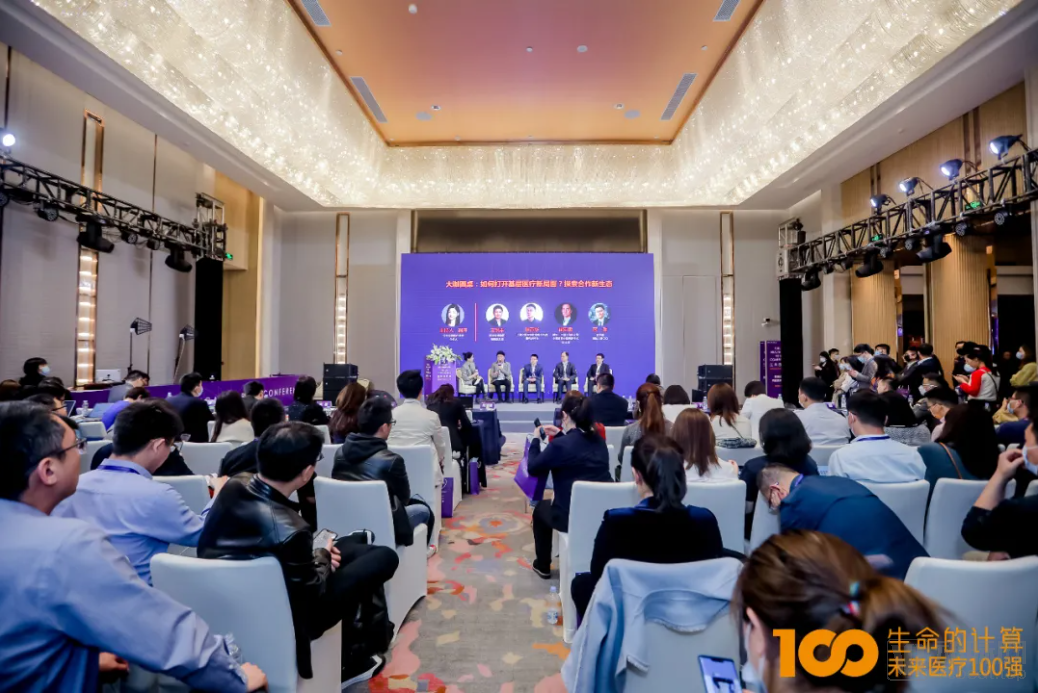
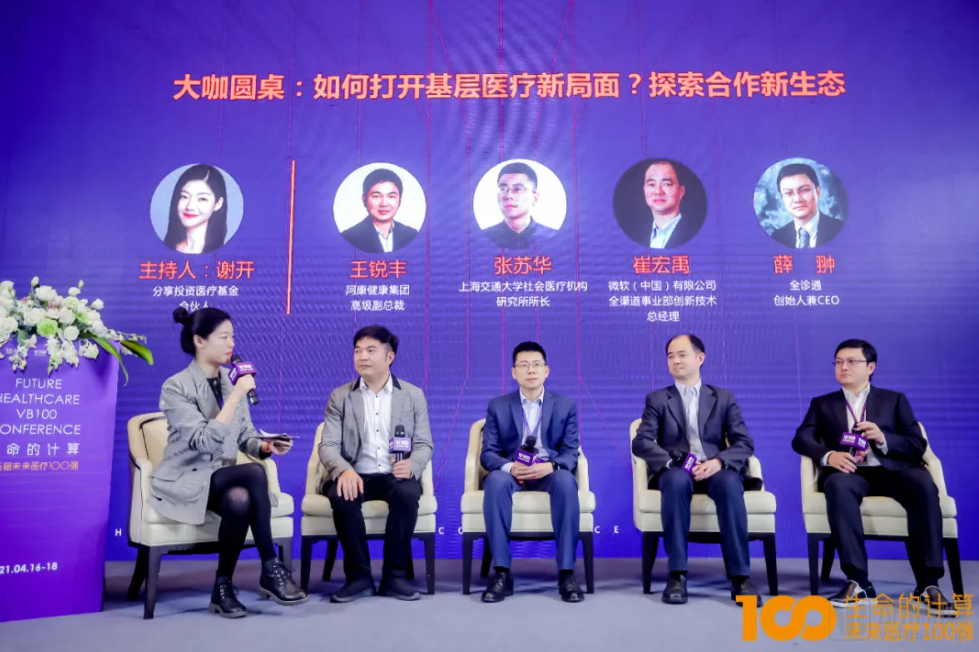
This year marks the beginning of the 14th Five-Year Plan period, bringing new changes to the primary healthcare sector. Against this new industrial backdrop, how can the primary healthcare market achieve win-win outcomes? How can more opportunities for collaboration be fostered?Below are the remarks by Dr. Xue Chong, Founder and CEO of All-In-One Clinic, at the Top 100 Future Healthcare Roundtable Forum:
All-In-One Clinic provides medical SaaS (Software as a Service), with its product essentially being a Cloud HIS (Cloud Computing-Based Hospital Information System). It currently serves approximately 10,000 small and medium-sized healthcare institutions.Primary healthcare, as we define it, refers to medical institutions at the level of Tier 1 hospitals and below.
Many pharmaceutical companies also classify secondary hospitals as primary care institutions. However, in some developed regions of China, secondary hospitals have become quite large in scale, with some handling over one million outpatient visits annually. Moreover, many counties or county-level cities in China have populations in the millions, comparable to major cities in certain European and American countries. It is difficult to define the central hospital in such a city as part of primary care; it can only be said that it remains relatively underdeveloped at a certain stage of development.
All-In-One Clinic serves a broad client base ranging from rural health clinics to primary hospitals, and its integrated cloud-based Hospital Information System (HIS) can meet nearly all of their functional requirements.
“Grassroots healthcare” is also a term with distinct Chinese characteristics. In the United States, the closest equivalent would be “Primary Care,” though it cannot be strictly referred to as “grassroots healthcare.”
From my personal perspective, the distinction between primary healthcare and the medical services provided by higher-level hospitals or secondary-and-above hospitals lies in their service models: primary care operates on a decentralized model, whereas hospitals resemble a centralized service model.Which of these two service models is better? This is not a question of superiority or inferiority, as the two are complementary. It can only be said that each model is more suitable for specific scenarios and demonstrates greater viability at different times.
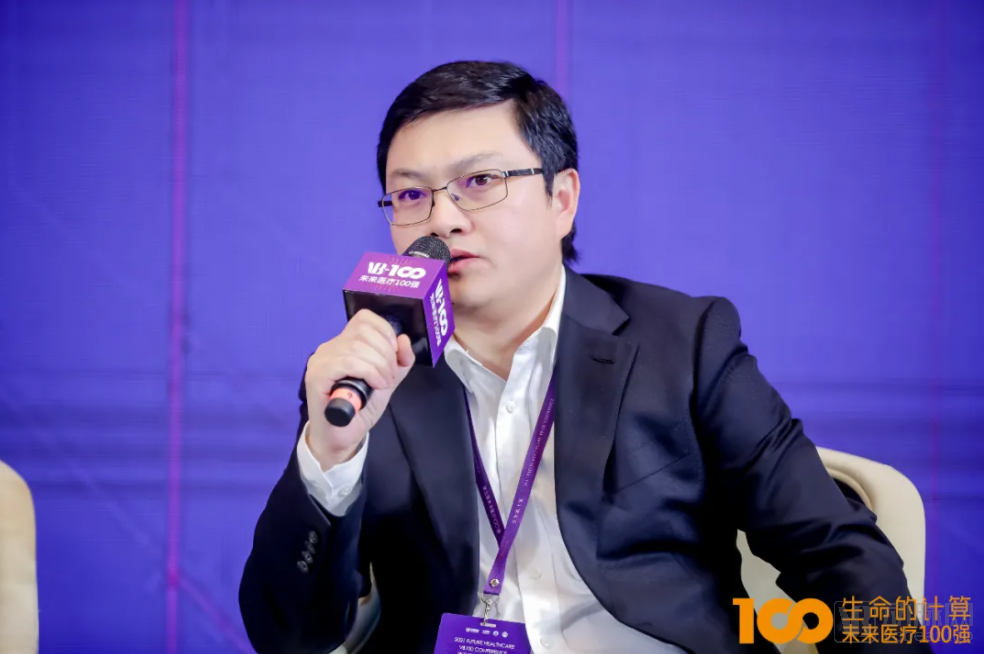
"Primary care appears to be in a difficult position at present. Do decentralized services still hold promise? This is the pressing question we currently face."
Primary care institutions must enhance their service capabilities to meet the demands of decentralized healthcare, thereby retaining more patients within their service radius. This is a key objective that primary care must strive to achieve.
The most significant challenge lies in the inadequate infrastructure of primary healthcare institutions. Can third-party diagnostic laboratory services provide timely logistics support? Can AI capabilities help primary care physicians avoid diagnostic and treatment errors? Can pharmaceuticals be delivered as promptly as they are to large hospitals? Is it possible to access scarce medications available in the market? Infrastructure development aims to ensure the timely supply of such high-quality medical resources to primary healthcare institutions.
Supply can be centralized, but services must be decentralized and localized; only in this way can primary healthcare remain viable.
Therefore,The infrastructure to be built now is not a highway, but a digital transformation solution. It first requires digitizing patients' health status, and then digitizing medical services, management, and supply chains around patient health management and treatment.Our SaaS solution aims to digitize the entire service workflow of primary healthcare, connect high-quality medical resources, and enhance decentralized service capabilities, thereby retaining local residents within these service points.
Building infrastructure is an arduous yet highly meaningful endeavor; we must make it happen rather than watch it decay.Centralized supply indeed has its advantages, yet the public’s demand for nearby decentralized medical services remains widespread. Due to the convenience and timeliness of decentralized services, we remain optimistic about primary healthcare.
3. Engaging in Primary Healthcare
Choose a Small but Comprehensive General Practice or a Vertically Differentiated Specialty?
A phenomenon that may go unnoticed is the decline in the number of family physicians in the United States in recent years. This era is characterized by strong centralization capabilities, driven on one hand by increasingly advanced transportation infrastructure, and on the other by the widespread availability of the internet, which has made it convenient to access medical information and schedule appointments. Additionally, certain large-scale medical devices are better suited for centralized service models. In China, it can be observed thatThe number of rural health centers is declining, while the number of clinics is increasing, with growth primarily driven by consumer-oriented medical services such as medical aesthetics, dentistry, and traditional Chinese medicine clinics.
The grassroots healthcare market in China currently stands at approximately RMB 800 billion, accounting for less than 20% of the nation’s total healthcare expenditure. If new medical technologies can be effectively deployed to empower grassroots healthcare institutions, I believe it is possible to retain a portion of this market share; achieving a one-fifth share is highly feasible.
Although the medical institutions served by All-In-One Clinic are all below the level of Tier-1 hospitals, they provide comprehensive services across all categories. At the primary care level, there are various specialties, including Traditional Chinese Medicine (TCM), Western medicine, dentistry, and medical aesthetics. Among these, medical aesthetics and dentistry are more consumer-oriented sectors, which are highly mature and numerous in first-tier cities. In contrast, county-level towns and third- and fourth-tier cities have a relatively higher number of Western medicine institutions. Proportionally, dental clinics account for at least 30%-40% of the total in first-tier cities. According to our statistics, among the clients we serve, dental clinics in first-tier cities constitute approximately 40%.However, in county-level cities, Western medicine institutions account for nearly half of the total, followed by traditional Chinese medicine, dental care, and medical aesthetics; in some county-level cities, there may not be a single medical aesthetics institution.
From a commercial perspective, there are more success stories in specialized fields; sectors such as ophthalmology, dentistry, and traditional Chinese medicine have given rise to chain giants, making it easier to achieve scale. In contrast, no large-scale chain institutions have yet emerged in the general practice sector. Nevertheless, I remain optimistic about general practice, believing that it will offer greater opportunities in the future.
General practice can also opt for specialized services. Currently, there are numerous specialties available for such specialization, including pain management, gynecology, and rheumatology and immunology.However, to truly unlock the value of primary care, I believe it should not be limited to purely consumer-oriented medical services; rather, it should focus on managing daily minor and acute conditions as well as providing effective chronic disease management. Currently, there are individual general practice clinics in China that operate with exceptional proficiency, generating annual revenues exceeding RMB 10 million, with each county typically hosting one or two such clinics.
With the continuous innovation and development of POCT (point-of-care testing) devices, the Internet is closely linking decentralized healthcare with centralized healthcare. By diligently managing chronic diseases for nearby patients and providing daily medical care to surrounding residents, general practice still holds significant potential to be tapped.