

Forum on the Development of Assisted Reproductive Technology Industry: Leveraging Innovation to Strengthen China's Domestic ART Sector
As a dedicated observer and chronicler of the innovative healthcare industry, VCBeat officially launched the Future Healthcare 100 Forum in 2015. Over the past six years, it has grown into a renowned summit in China’s innovative healthcare sector, facilitating the integration of industry and capital.
Over the course of three days, the conference hosted 19 forums, bringing together 279 distinguished guests to focus on future trends, industry prospects, global perspectives, and venture capital dynamics. The forums included: Summit on Future Healthcare Trends, Summit on Future Healthcare Strategy, International Summit on Healthcare Innovation, Summit for Limited Partners and General Partners (LP-GP) in Future Healthcare Funds, Forum on Personalized Diagnosis and Treatment, Forum on Health Insurance Technology and Commercial Health Insurance, Forum on Innovative Practices in Primary Healthcare, Forum on Digital Therapeutics Innovation, Forum on Digital Marketing for Pharmaceutical Companies, Forum on the Development of High-Value Consumables, Forum on Innovative Development of Internet Hospitals, Forum on Translation of Scientific Achievements and Industrial Development, Forum on the Development of the Assisted Reproductive Technology Industry, Forum on Data Intelligence and Payment Innovation, Forum on Innovative Development of Smart Hospitals, Forum on Health Management Innovation, Forum on Digital Pharmaceutical R&D (ITBT), Forum on Early Cancer Screening, and Forum on Innovation in the Medical Aesthetics Industry.
At the Assisted Reproductive Technology Industry Development Forum held on the afternoon of April 17, Li Shanguo, President of the Shanghai Association for Eugenics and Healthy Birth and the Maternal and Child Health Care Association; Hu Bo, Founder and Chairman of Ciming Boao International Hospital; Sun Chunguang, Co-founder of Haoyunbang; Shi Anjie, Senior Researcher at VCBeat; and Lin Xiaozhen, Chairman of Weituo Bio, attended the event and delivered insightful speeches. Lu Qinchao, Founding and Managing Partner of Danlu Capital, served as the moderator.
Forum participants, ranging from upstream manufacturers to end-service providers, conducted multi-perspective industry analyses and shared application experiences and typical success stories, offering fresh insights and solutions for the development of the assisted reproductive technology (ART) industry over the next decade. VCBeat (WeChat ID: vcbeat) has compiled the highlights of the speakers’ perspectives.
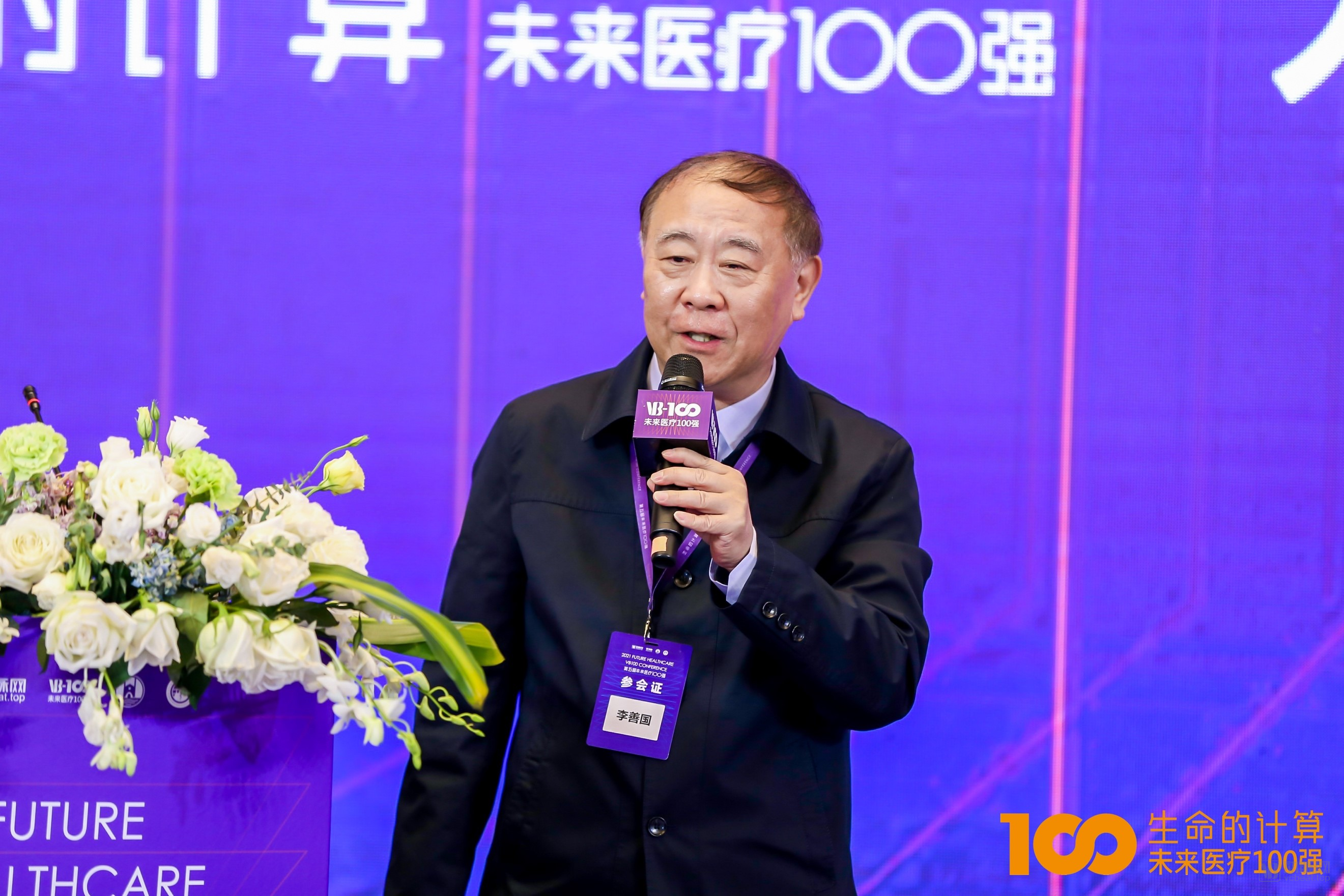
Li Shanguo, President of the Shanghai Association for Science in Eugenics and Healthy Childbearing and President of the Maternal and Child Health Care Association
Since the former Ministry of Health issued China’s first relatively systematic legal and regulatory document in the field of assisted reproduction, the Measures for the Administration of Human Assisted Reproductive Technologies, in 2001, policy oversight and regulation in this sector have generally become increasingly stringent.
The “Notice of the Ministry of Health on Strengthening the Planning, Establishment, and Supervision and Management of Human Assisted Reproductive Technologies and Human Sperm Banks,” issued by the former Ministry of Health in May 2007, explicitly stated that human assisted reproductive technologies and human sperm banks are high-tech health applications subject to restricted use. They shall be established strictly in accordance with development plans, and the commercialization and industrialization of these technologies are strictly prohibited.
Following the comprehensive cleanup and rectification of medical institutions providing assisted reproductive technology (ART) services in 2013, the National Health and Family Planning Commission issued multiple regulatory documents, further raising the approval criteria for establishing ART facilities and the eligibility requirements for obtaining qualifications to perform various human assisted reproductive technologies.
According to the “Guiding Principles for the Allocation Planning of Human Assisted Reproductive Technology (2015 Edition)” issued by the National Health and Family Planning Commission in May 2015, newly established assisted reproductive technology services shall be allocated in tertiary general hospitals, tertiary maternal and child health care hospitals, or tertiary obstetrics and gynecology hospitals.
In June 2019, the National Health Commission issued the “Measures for Random Inspections of Assisted Reproductive Technology” and the “Several Provisions on Strengthening the Management of Assisted Reproductive Technology Service Institutions and Personnel,” aiming to strengthen interim and ex-post supervision of assisted reproductive technology services, prevent risks associated with the application of assisted reproductive technology, enhance regulatory effectiveness, and promote compliant practice by assisted reproductive institutions in accordance with laws and regulations, thereby leading to a continuously tightening policy and regulatory environment.
The Biosecurity Law was adopted by vote on October 17, 2020, and officially came into effect on April 15, 2021. The law clarifies the important status and principles of biosecurity, establishes basic systems for the prevention and control of various biosecurity risks, and constructs the “four beams and eight pillars” of a comprehensive, end-to-end biosecurity risk prevention and control framework.
In 2020, the state issued the second edition of the National Guideline Design Plan. The document highlights several key points, including principles for formulation, safety guidance, layout, and prudence, and introduces calculation methods based on the resident population size and the quality of population services. In addition, amendments to the Criminal Law have explicitly incorporated provisions penalizing illegal transplantation involving gene-edited human embryos, as well as animal or human embryos related to gene cloning. Although reproductive applications are not explicitly mentioned, this technology is closely associated with assisted reproductive technologies.
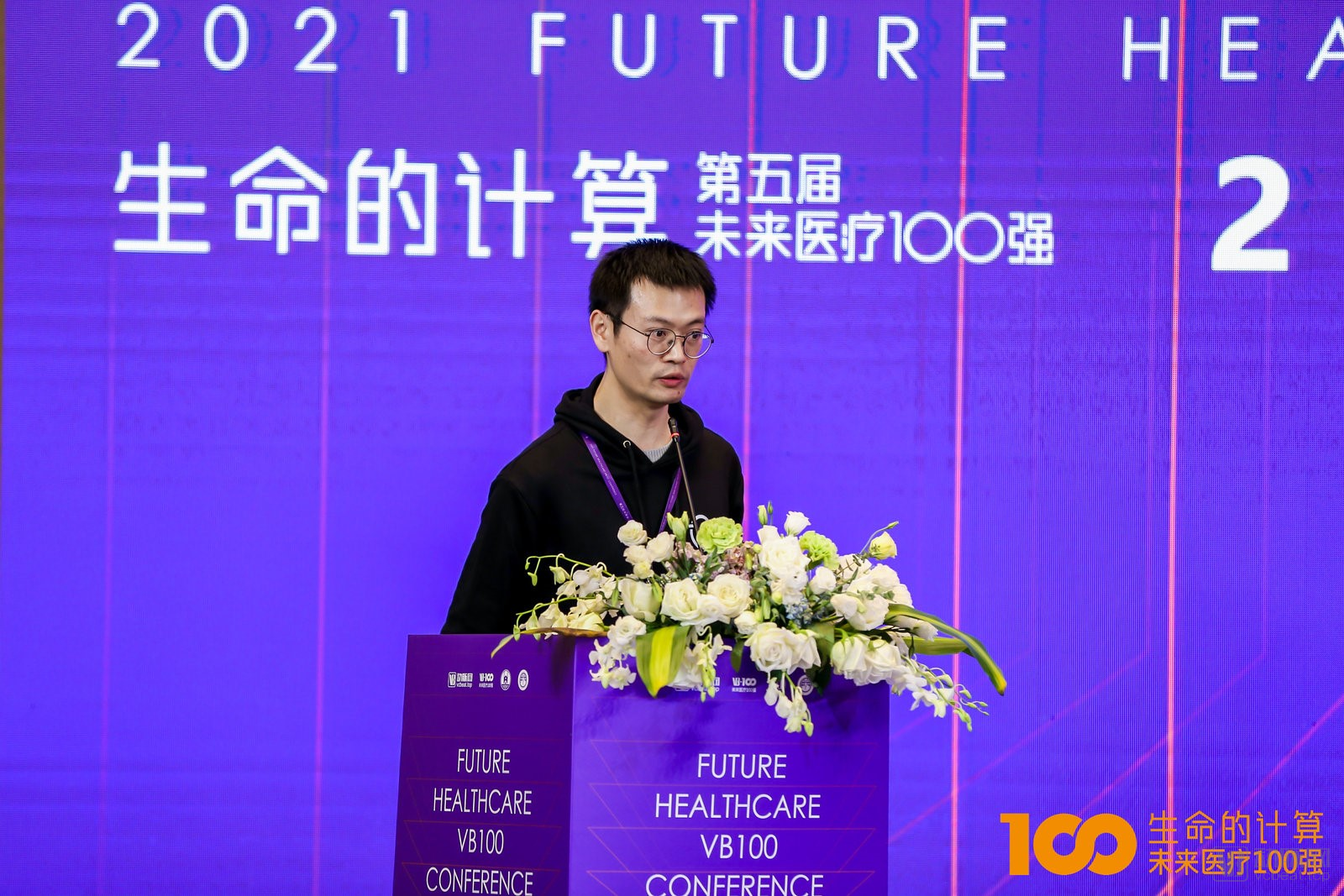
Shi Anjie, Senior Researcher at VCBeat
9.6 Million Infertile Couples and a CNY 375.2 Billion Supply-Demand Gap Highlight the Blue Ocean Potential of the Assisted Reproductive Technology Market
Uneven Distribution of Assisted Reproductive Services: Abundant Resources in Eastern Provinces, Scarcity in Central and Western Regions, with Public Institutions Accounting for 90%
Strong import dependence for assisted reproductive technology (ART) devices and pharmaceuticals: 95% of high-value ART consumables and 80% of ART drugs rely on imports.
The domestic substitution of medical devices for assisted reproductive technology follows a three-step approach: substitution of tubing, substitution of reagents exempt from clinical trials, and substitution through clinical trials. The substitution of pharmaceuticals for assisted reproductive technology centers on the replacement of ovulation-inducing drugs.
Upstream providers of pharmaceuticals and medical devices for assisted reproduction enhance the service capabilities of downstream assisted reproduction medical institutions through forward-looking empowerment. Centered on technology platform development, this empowerment matrix extends to IT infrastructure construction in laboratories, PGD qualification applications, training of laboratory technical personnel, establishment of standard operating procedures (SOPs) for medical services, development of cloud-based consultation and referral platforms, and expansion of resource collaboration.
New medical infrastructure, underpinned by the internet, artificial intelligence, the Internet of Things (IoT), big data, and 5G, builds the digital ecosystem foundation for the assisted reproductive technology (ART) industry chain.
Private assisted reproductive technology (ART) medical institutions will establish differentiated competitive barriers through operational management and channel development, coexisting harmoniously with public ART medical institutions.
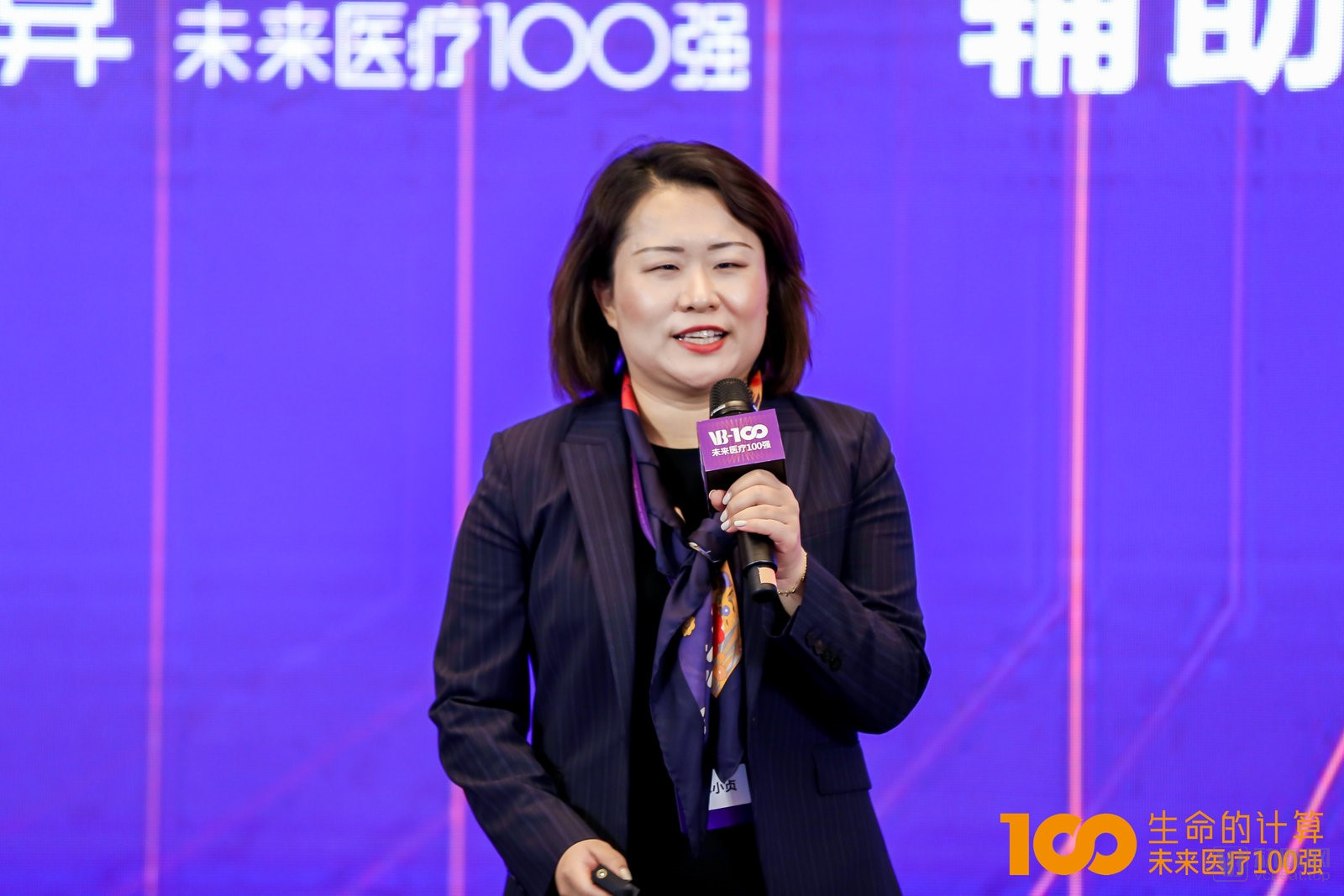
Lin Xiaozhen, Chairman of Weituo Biotech
WeiTuo Biotech, established in 2015, is currently the only Chinese-made ART brand to have simultaneously obtained regulatory certifications from the U.S. FDA, the EU CE, and China’s NMPA. The company primarily provides one-stop technical services and products for assisted reproductive technology laboratories, including reagents, consumables, and equipment.
As an international brand, the first step toward achieving localization is to expand overseas. Assisted reproductive technology (ART) is a globalized industry, but how can we successfully go global? Two key measures are required.
First, companies must intensify their registration and R&D efforts within a short timeframe to ensure their products promptly meet foreign regulatory standards and obtain U.S. FDA registration certificates.
Second, our products must offer superior after-sales support and service compared to imported foreign products in order to win over overseas markets.
As part of Vito Biotech’s global strategy, we aim to strengthen in-depth engagement with local partners through meticulous market cultivation. The company is gradually building its brand image overseas by means of training programs and localized promotion initiatives. Amidst intense international competition, we continue to drive technological innovation, achieving leading positions in the United States, Sweden, and Japan.
How can we leverage our localization advantages in China to drive the “domestic circulation” strategy? First, strengthen collaboration with Chinese researchers and prioritize clinical and scientific evidence in marketing efforts, letting data speak for itself. For after-sales service and education/training, adapt and implement the experience accumulated overseas to the Chinese market. Meanwhile, place equal emphasis on both online and offline training programs.
Over the next five years, we believe innovation will be a key driver in the development of medical devices for assisted reproductive technology (ART). Most ART laboratories currently rely on manual operations, with all procedures performed by hand by laboratory specialists. This approach is not only labor-intensive but also makes it difficult to ensure standardization and accuracy. Therefore, we anticipate that the future direction of ART lies in automation, leveraging microfluidic chip and AI technologies to replace manual handling of ART products through automated equipment, thereby addressing labor shortages in ART laboratories. Additionally, AI technologies can assist healthcare professionals with certain tasks, such as embryo grading.
I believe that for ART medical device manufacturers, the most fundamental requirement is compliance. At WeTuo Bio, we are not only committed to establishing a strong foothold in China but also to leveraging our Chinese brand’s leadership role globally, thereby contributing to the reputation of Chinese brands. We remain steadfast in our original commitment to responsibility toward patients and healthcare professionals, striving forward with determination. Localized manufacturing is an inevitable trend in the ART industry, and we hope more industry peers will join us in contributing to the development of the assisted reproductive technology sector.
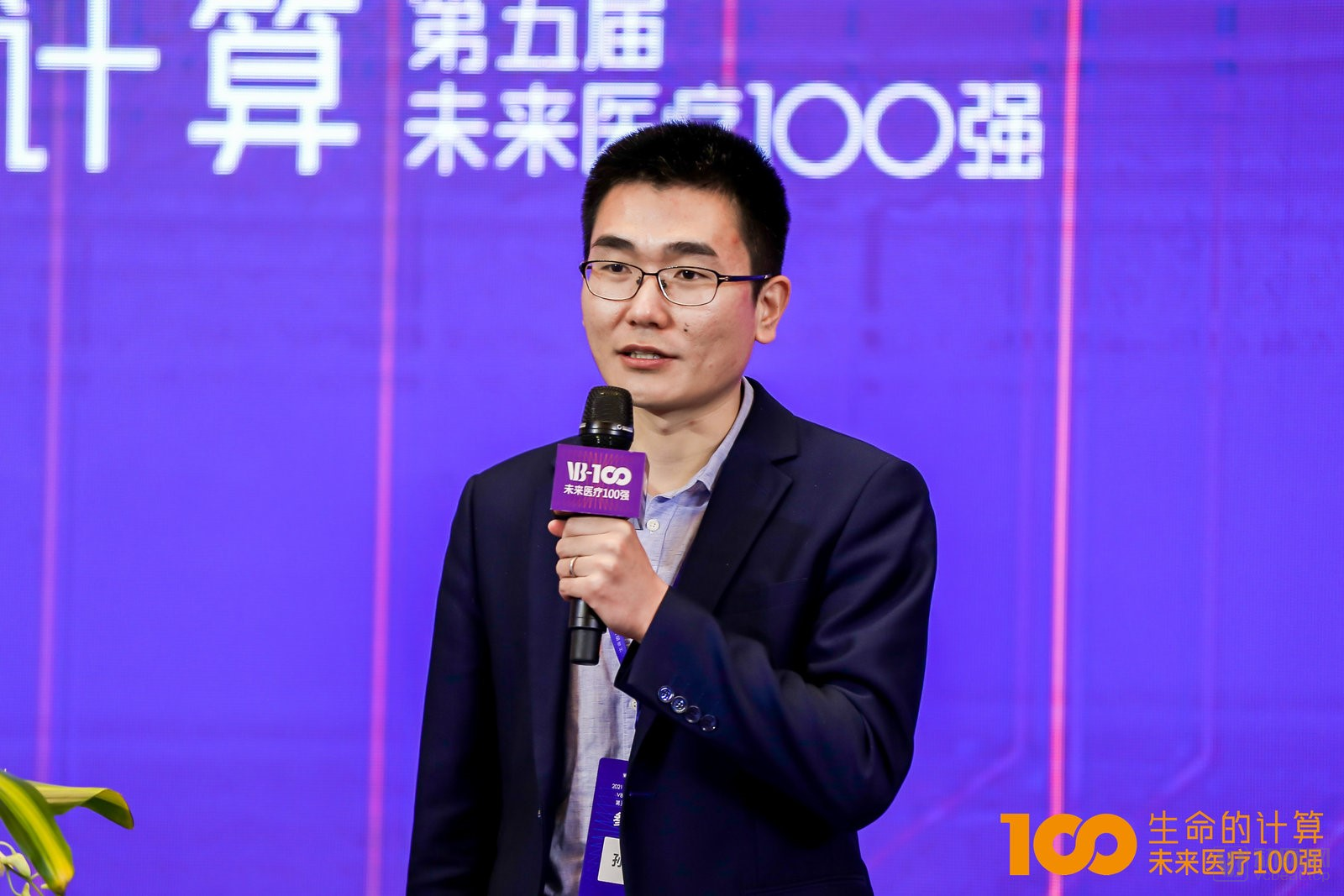
Sun Chunguang, Co-founder of Haoyunbang
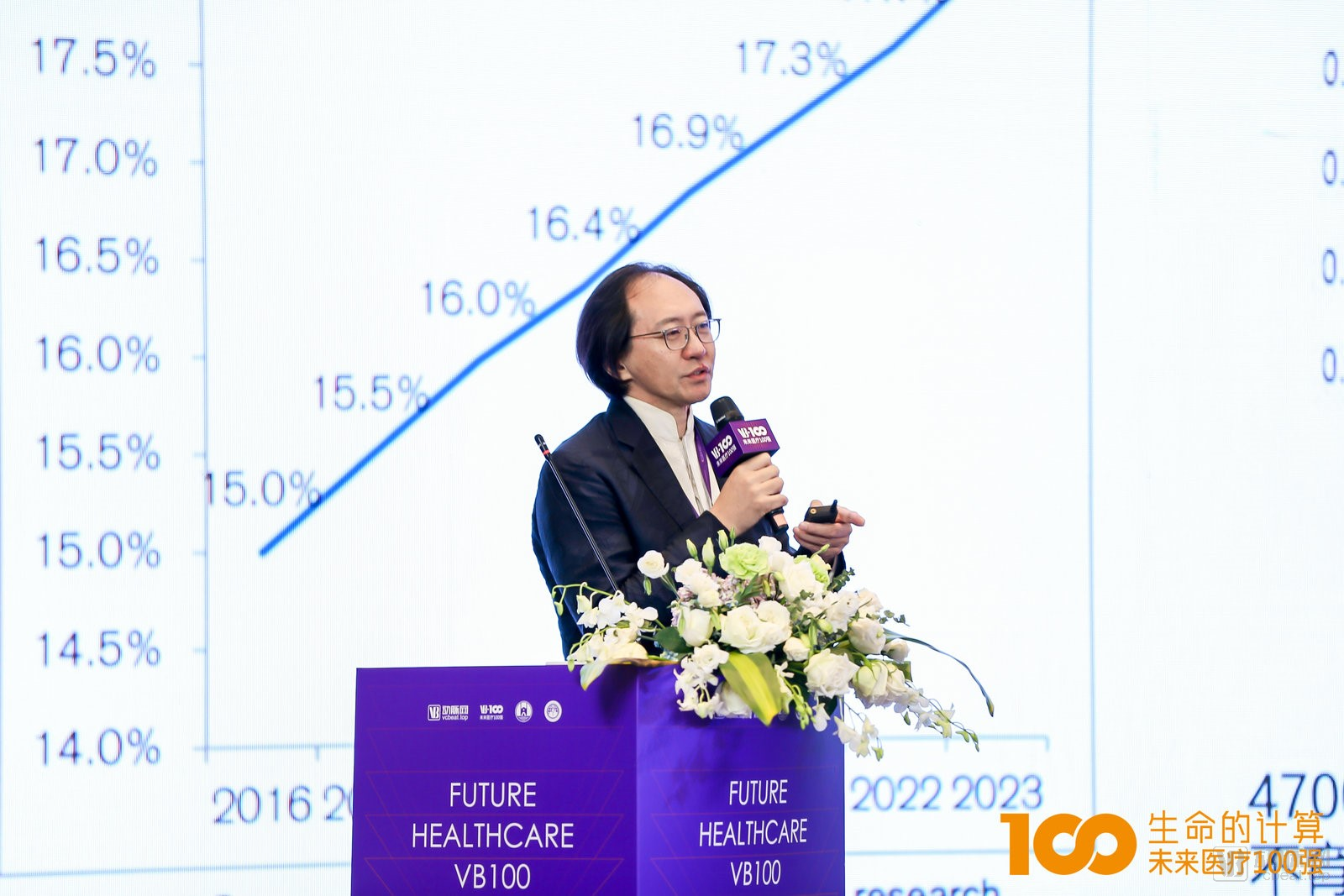
According to the “Report on the Current Status of Infertility in China,” jointly released by the China Population Association and the National Health and Family Planning Commission, the number of individuals affected by infertility in China exceeds 40 million, meaning that one in every eight couples faces infertility issues. Moreover, due to factors such as environmental pollution, delayed childbearing age, and increased life stress, the number of infertile couples continues to rise. Survey data indicate that the prevalence of infertility in China is projected to increase from 16.0% in 2018 to 18.2% in 2023, which will also drive sustained growth in the overall market size of the reproductive health industry.
Infertility is a unique chronic condition, and its diagnosis and treatment process can be emotionally draining and arduous. We hope Haoyunbang can clearly deliver two key values. The first is to truly solve the problem by helping clients achieve pregnancy—more precisely, enabling them to conceive more quickly while ensuring safety and health. The second value is companionship: we aim to provide warm, empathetic services that accompany clients through this extraordinary journey of personal growth and healing.
Traditional internet healthcare systems primarily serve hospitals by facilitating appointment scheduling, payments, and post-consultation follow-ups, essentially catering to the expansion needs of healthcare providers. Purely online platforms can only address lightweight services such as consultations and remote diagnoses, but they fail to fundamentally resolve patients’ underlying health issues. Only by establishing a physical offline presence, integrating high-quality medical resources, and offering a diverse range of innovative products can the supply of premium healthcare services be ensured, thereby delivering dual improvements in both clinical outcomes and patient experience for consumers.
Establishing physical outpatient clinics is a significant initiative for Haoyunbang’s offline expansion, but it is not the only one. Delivering a full-chain service within a single region—comprising specialized reproductive medicine outpatient care, a minimally invasive gynecological surgery center, and a top-tier reproductive center—to cover every stage of patients’ preconception journey through an innovative service model, represents Haoyunbang’s core objective in building a closed-loop physical healthcare ecosystem.
Hu Bo, Founder and Chairman of Ciming Boao International Hospital
How Does Brand Building Empower the Assisted Reproductive Technology Industry?
Brands uphold human heritage; the trillion-yuan sector demands industry brands, while the industry supports branding—seeking distinctive brand identity.
Physicians and technology have become core elements in the healthcare industry. Under the direct leadership of Academician Gu from Nantong University, the current chairman of the Clinical New Technology Committee of the Chinese Medical Doctor Association, our association is fully committed to the translation and promotion of new technologies, including poverty alleviation initiatives. We will make full use of available resources to effectively promote quality control technologies, insurance-related technologies, and other advancements.
The most critical aspect of empowering international brands lies in fostering collaboration with key stakeholders and projects to drive in-depth promotion. We welcome investment funds with global resources to join us. In accordance with the Party Secretary’s directives, Hainan will develop a “rope ladder” framework and establish a maternity town that provides comprehensive services across the preconception, prenatal, and postpartum stages.
In addition, we are committed to anti-aging research and applications using stem cells, aiming to establish a new hallmark for China’s consumer healthcare sector. We have achieved significant success with the renowned Chinese health examination model, and we look forward to jointly exploring new models in consumer healthcare. We also firmly believe in collaboratively building brand influence within the assisted reproductive technology industry.
As assisted reproductive technology continues to advance, China’s ART capabilities are empowering fertility.

Lu Qinchao, Founding and Managing Partner of Danlu Capital
Market opportunities we see, such as the current high incidence of infertility and state policies encouraging childbirth, are all favorable developments.
The assisted reproductive technology (ART) market is also experiencing robust growth, with import substitution and domestication of products emerging as the dominant trend in the future.
Upstream pharmaceuticals and medical devices will experience rapid growth, driven by domestic substitution. We place significant emphasis on the global market; the assisted reproductive technology (ART) sector holds substantial potential with a highly diverse product portfolio, although no single product category has yet achieved massive scale in terms of business model development.
In the upstream pharmaceutical sector, the key international player is Merck, which has launched GnRH agonists and iron-support therapies. In China, the major players include Livzon Pharmaceutical, Hybio Pharmaceutical, GenSci Pharmaceutical, and Xinju Pharmaceutical, whose products hold significant competitive advantages. In terms of medical devices, specialized instruments such as catheters, oocyte retrieval needles, sperm aspiration needles, and micro-instruments are utilized. From an investment perspective, not all segments represent viable targets. Class I medical devices require certification, while Class II devices are relatively easier to certify, resulting in lower barriers to entry and a higher risk of imitation. Therefore, we prefer to invest in Class III products, which present higher entry barriers. The midstream sector features various business models, including distribution channels, service operators, and "Internet Plus" platforms. The downstream sector is primarily composed of hospitals and clinics, where market leaders have already emerged. Many chain institutions with growth potential are considering capitalization strategies.
When evaluating investment institutions, we also consider three segments: upstream, midstream, and downstream. For each segment, we assess the number of product categories, the potential for domestic substitution, the magnitude of market growth, and whether the compound annual growth rate (CAGR) exceeds 30%. We carefully evaluate specific sub-sectors, with a particular focus on technological breakthroughs, such as automated equipment, integrated automation of consumables for culture and screening, and how fourth-generation sequencing enhances genetic disease monitoring.
Overall, our investment strategy can be centered on three key points:
First, evaluate the sector: determine whether this sub-sector is a red ocean or a blue ocean, and assess its future growth potential.
Second, we evaluate the company’s own products and technologies, assessing their advancement within the field and the uniqueness of their offerings. We also consider whether they have the potential to rank among the top players in their specific niche. Furthermore, we are discussing with institutional partners the possibility of establishing an incubation center focused on assisted reproduction and stem cells, aiming to nurture more new products, integrate industry resources and capital, and help these ventures achieve faster growth.
Third, apart from track selection and the lack of uniqueness in the company’s technology, we place significant emphasis on the management team, with a final strong focus on valuation.