Pharmaceutical E-commerce Revolution Driven by User Demand: China Pharmaceutical E-commerce Industry Research 2021
In recent years, the pharmaceutical industry has witnessed continuous policy innovations, ranging from the consistency evaluation of generic drugs and the revision of the Drug Administration Law to centralized volume-based procurement of pharmaceuticals and reforms in medical insurance payment mechanisms. Meanwhile, the pandemic-driven shifts in doctor-patient behavior have profoundly impacted pharmaceutical branding and drug distribution channels, while relevant authorities are accelerating the implementation of “Internet + Healthcare.” It is evident that China’s pharmaceutical and healthcare sector is undergoing profound transformation.
The rise of internet technology has transformed traditional interaction models across various industries, a trend that is also evident in the development of the pharmaceutical sector. As users seek more convenient and efficient medication purchasing experiences, pharmaceutical e-commerce has emerged in response. Born out of user demand, pharmaceutical e-commerce will continue to evolve alongside changing consumer needs. Amidst this dynamic development, how far has pharmaceutical e-commerce come, and what stage has it currently reached?
To better analyze the current state of China’s pharmaceutical e-commerce industry and explore future innovative models, VCBeat Research Institute has partnered with JD Health. Through user surveys and market data analysis, and drawing on relevant research methodologies and theories, we have conducted an in-depth review of the industry’s development trends in recent years and summarized its future trajectory. This effort culminates in the release of “The Pharmaceutical E-Commerce Revolution Responding to User Needs: 2021 Study on China’s Pharmaceutical E-Commerce Industry,” aiming to provide reference and insights for the sector’s continued growth.
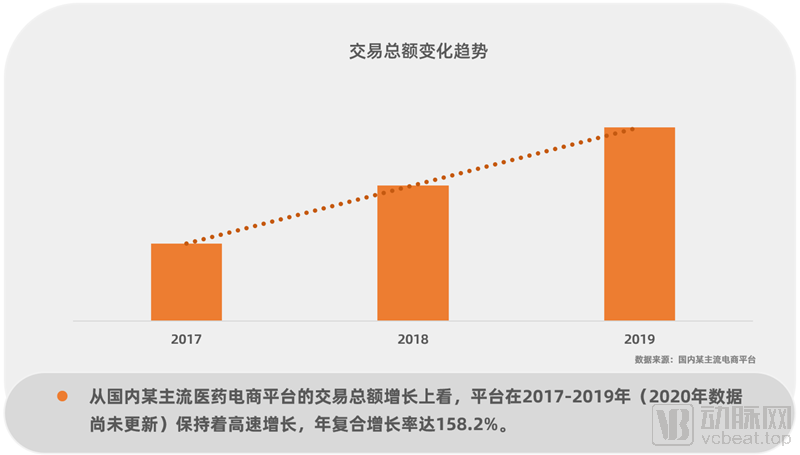
As an emerging channel for pharmaceutical consumption in the internet era, e-pharmacy has experienced years of rapid growth. The continuous expansion of the e-pharmacy market signifies users’ acceptance of this new model of purchasing medications online.From the current development trends, the market size of pharmaceutical e-commerce continues to maintain a strong growth momentum and will not subside in the short term.
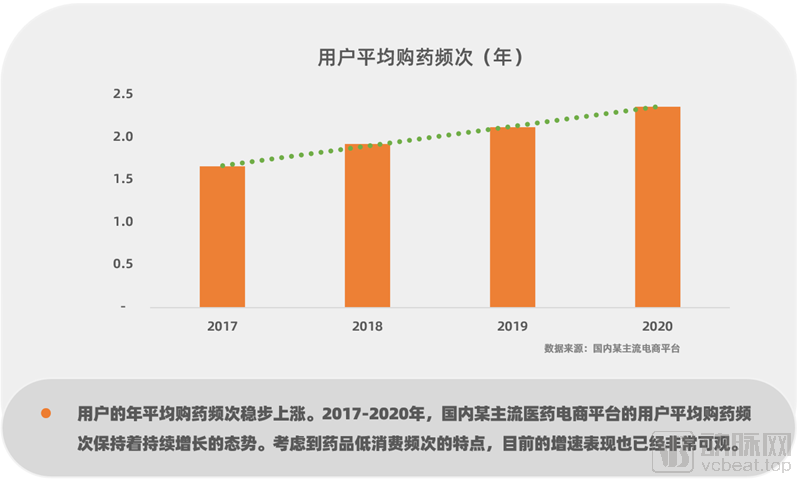
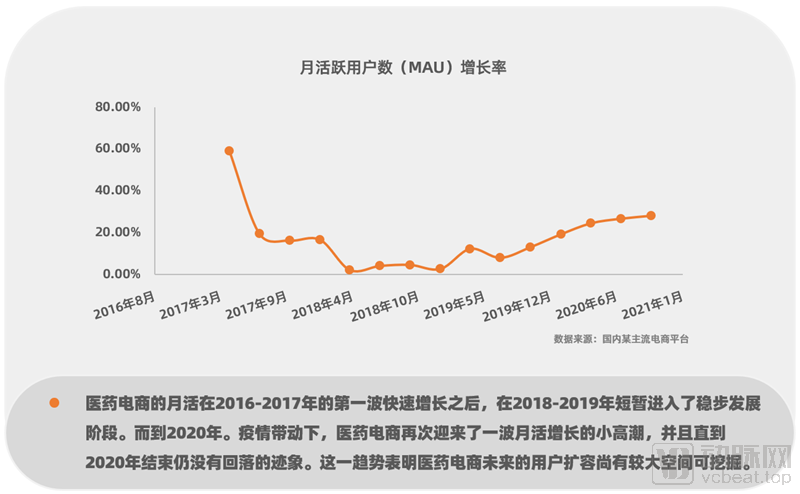
The key driver behind the growth in market size is the continuous rise in user activity. The average annual purchase frequency of the platform’s existing user base has steadily increased, while new users have continued to flock to e-commerce platforms—a trend that was particularly pronounced during last year’s pandemic. With substantial sales volume and traffic, pharmaceutical e-commerce has become a pivotal component of China’s drug distribution sector.
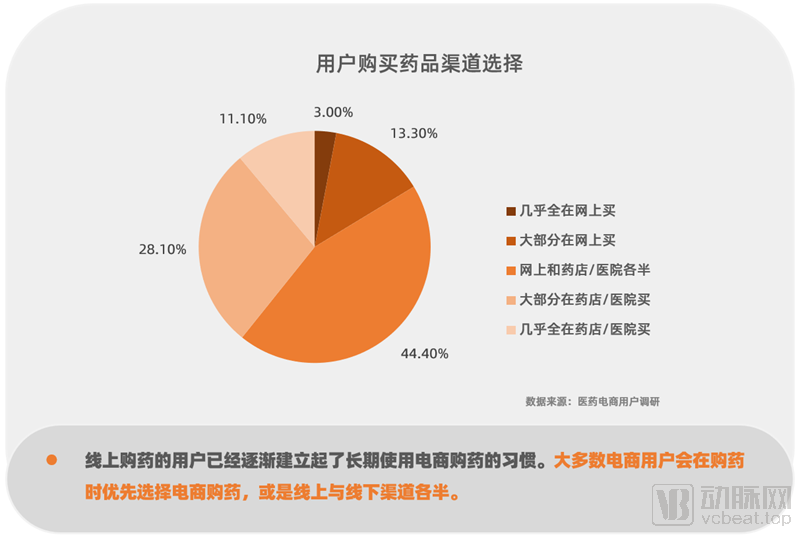
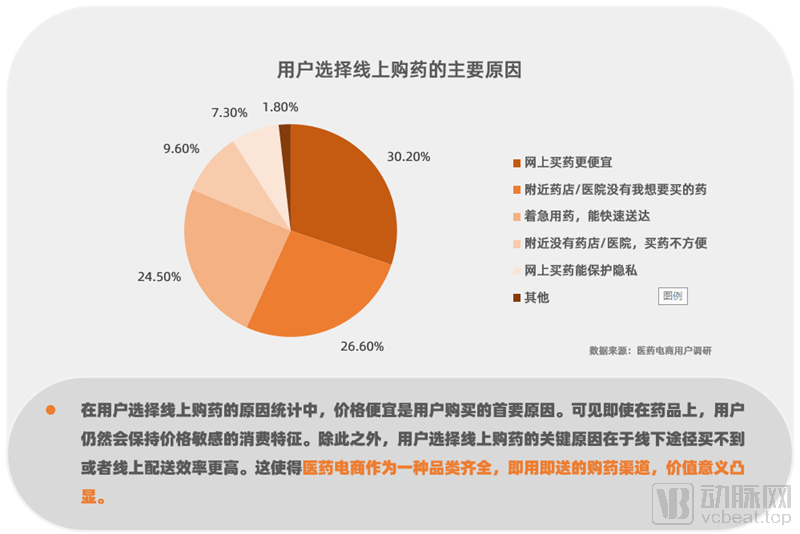
With the development of the pharmaceutical e-commerce industry, a large number of users have gradually established the habit of purchasing medicines primarily through pharmaceutical e-commerce channels.A key reason for the rapid rise of the online pharmaceutical industry in recent years is that it not only provides services equivalent to those offered by offline pharmacies, but also meets user needs that offline channels cannot fulfill, particularly in“Fast”and“Whole”To sustain long-term growth, pharmaceutical e-commerce platforms will continue to prioritize these two core competitive advantages.
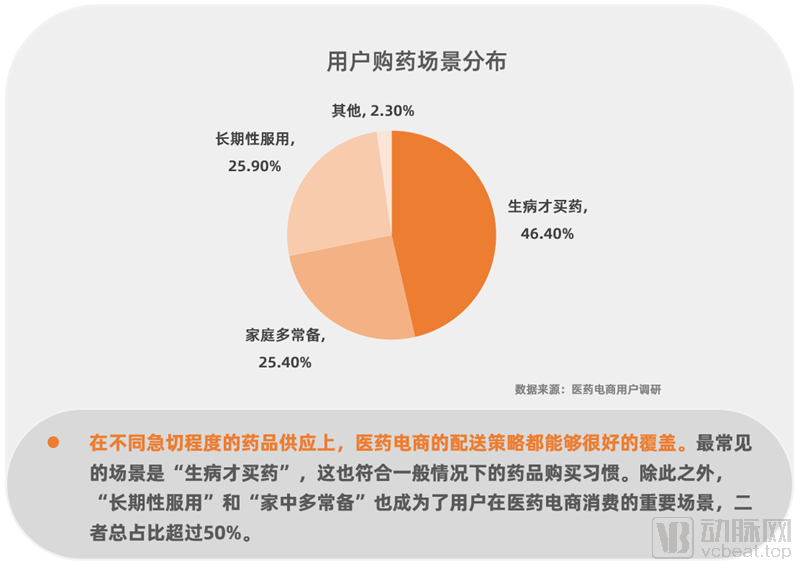
Regarding “speed,” the current online-to-offline (O2O) operational model of pharmaceutical e-commerce is already sufficient to meet users’ medication delivery needs. Users can flexibly choose their method of obtaining medications based on the urgency of their needs.This flexible and dynamic operational strategy has enabled pharmaceutical e-commerce to achieve full-scenario coverage.
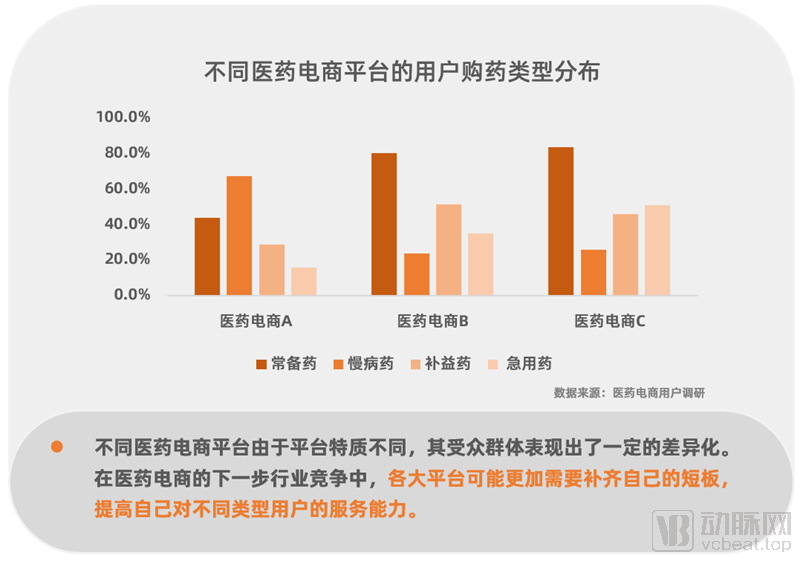
Therefore, the key issues that pharmaceutical e-commerce platforms need to consider are focused on“Whole”Above.
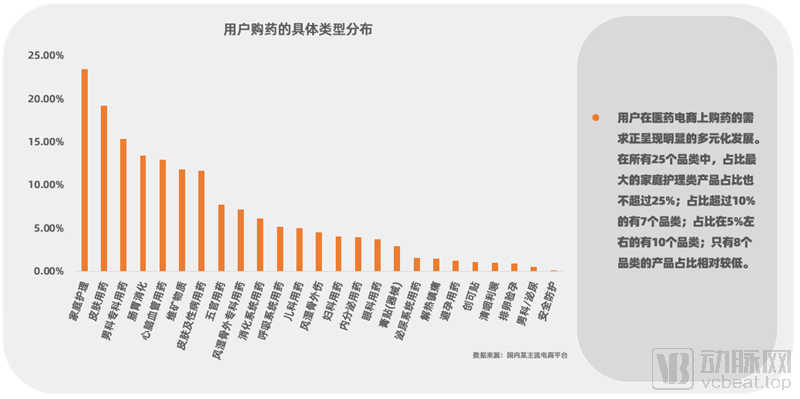
As users’ trust in pharmaceutical e-commerce continues to grow, more consumers are choosing to purchase medications through online pharmaceutical platforms. The expansion of the user base has led to a more complex composition of consumer groups, resulting in a diversified distribution of user needs. This diversification is reflected not only in the scenarios under which users purchase medications but also in the types of medications they buy. Therefore, against this backdrop,Pharmaceutical e-commerce platforms must expand toward comprehensive category coverage to fully address the diverse medication purchasing needs of different user groups.
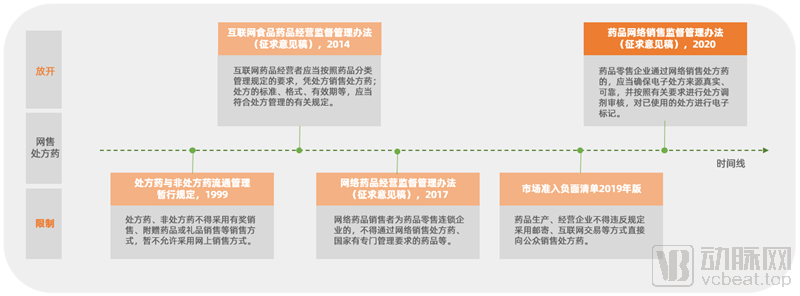
In the past, pharmaceutical e-commerce failed to achieve full-category coverage, with policy uncertainty being one of the contributing factors. While compliance requirements for OTC products are already well-defined, policies regarding prescription drugs shifted toward “openness” and were clearly defined in the Measures for the Supervision and Administration of Online Drug Sales (Draft for Comments) issued after the pandemic.If this regulation is formally implemented in the future, the market for online sales of prescription drugs will be fully liberalized, driving further expansion of the pharmaceutical e-commerce market and ushering in a true era of comprehensive product availability.
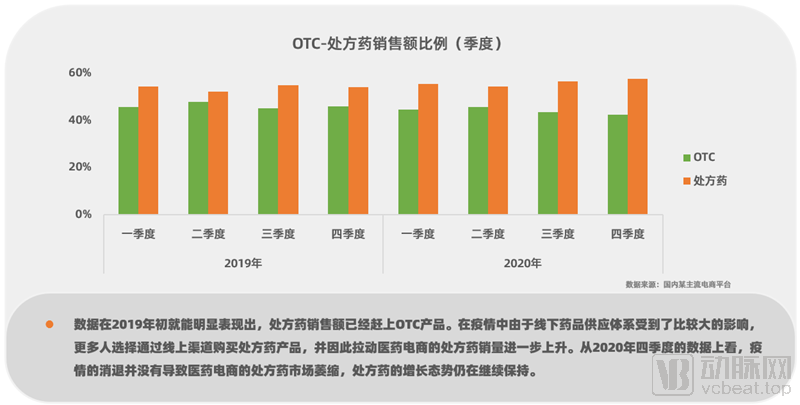
Although policies have not yet been fully clarified, market feedback has been highly positive. Consumer expectations for the industry represent its future direction and have strengthened the industry’s resolve to enter the vast prescription drug market. In the course of pharmaceutical e-commerce platforms’ exploration of online prescription drug sales, users have demonstrated a very positive attitude toward purchasing prescription medications online.Online sales of prescription drugs have reached parity with OTC products, creating a synergistic effect that is jointly accelerating the development of the pharmaceutical e-commerce industry.
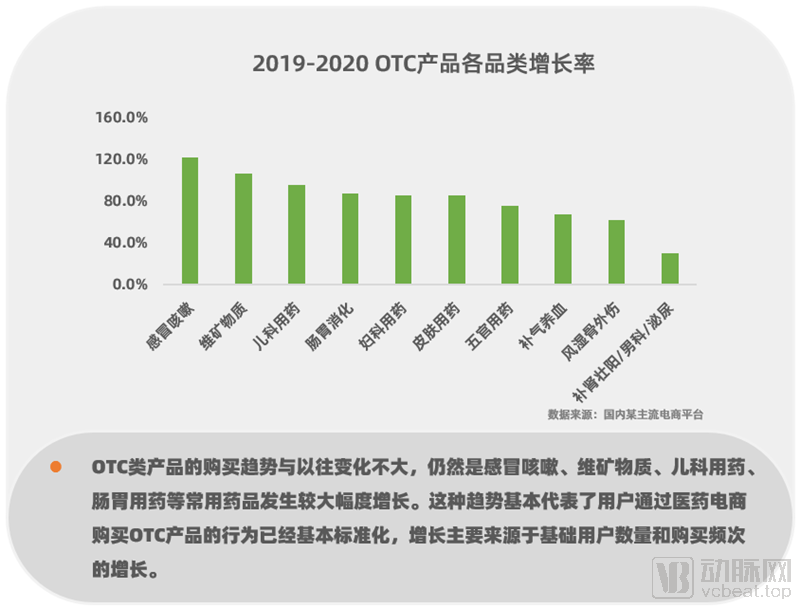
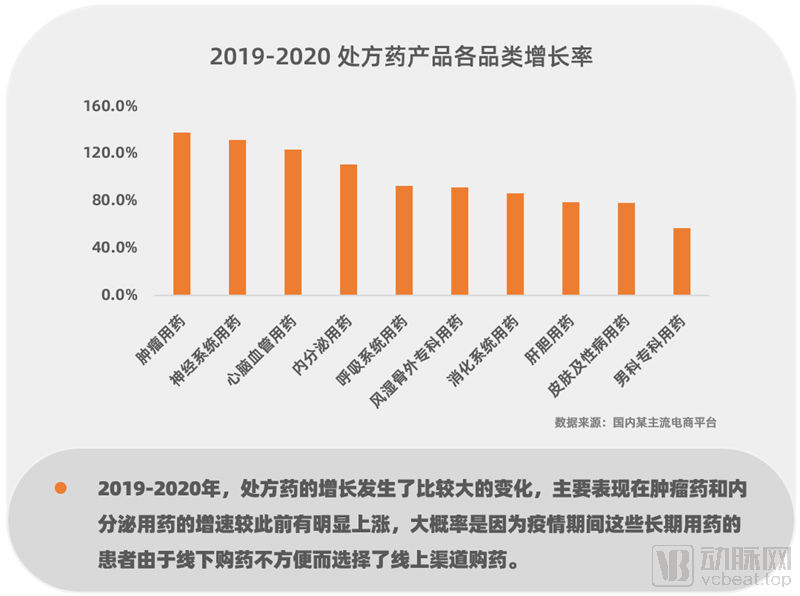
Years of market education have led to steady growth in the over-the-counter (OTC) user base for pharmaceutical e-commerce. Sales of OTC products have consistently risen in tandem with the expansion of this user base. In contrast, many prescription drug users only became aware of pharmaceutical e-commerce channels due to the pandemic, subsequently developing the habit of purchasing medications online.In the future, the OTC market will continue to serve as a “stabilizer,” ensuring the long-term, stable growth of pharmaceutical e-commerce; meanwhile, the prescription drug market offers even broader room for development.
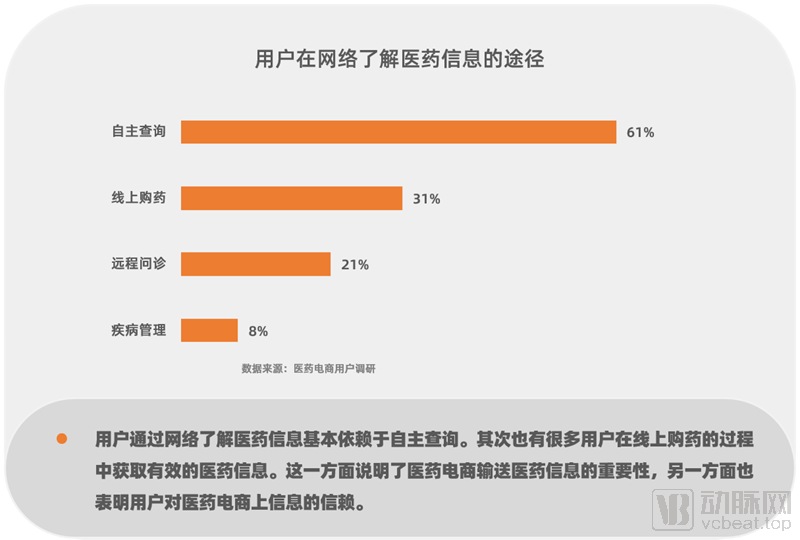
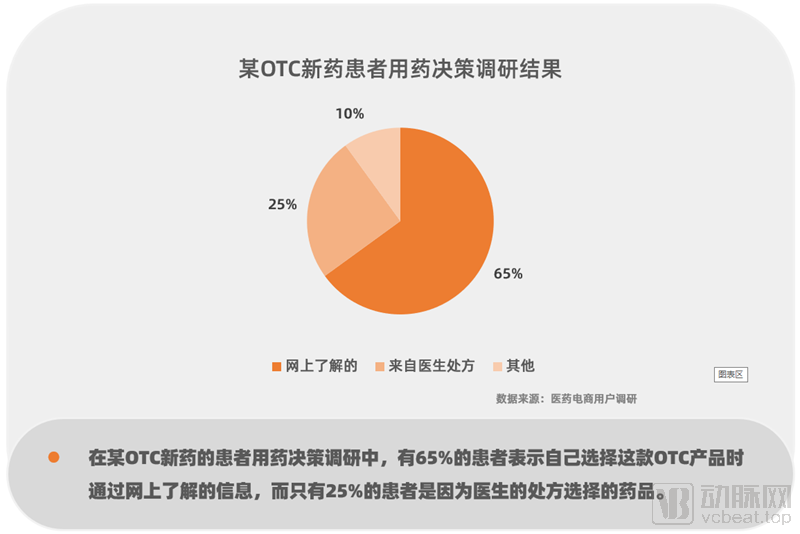
In the realm of over-the-counter (OTC) products, consumers are accustomed to selecting medications through self-diagnosis; only a small fraction consult a physician prior to purchase and obtain OTC drugs based on medical prescriptions. Consequently, the extent of consumers’ knowledge regarding medication-related information becomes critically important.
E-commerce platforms for pharmaceuticals can play a complementary role in patient education regarding OTC products, guiding patients to adopt correct health concepts and select OTC products that suit their needs.
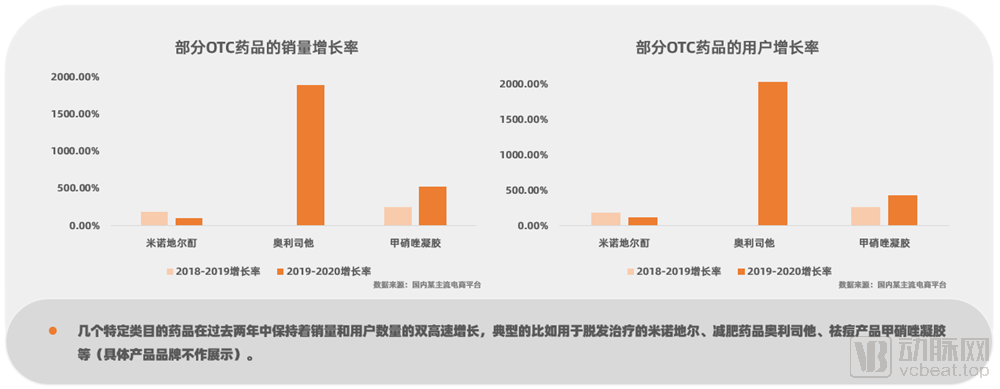
Historically, the development of the pharmaceutical industry has been driven by hospitals or offline retail markets. With the emergence of pharmaceutical e-commerce, online marketing of over-the-counter (OTC) drugs and the unique attributes of digital platforms have given rise to specialized trend-driven categories, such as those for hair loss, weight management, and acne treatment. The rapid growth of these specific categories has, in turn, positively influenced the development of various subcategories across the omnichannel landscape of pharmaceutical e-commerce, thereby driving continuous expansion of the overall market size.
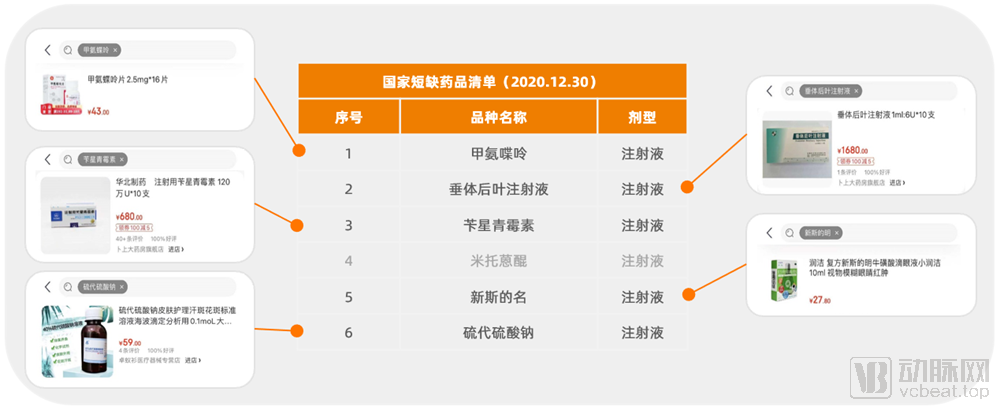
Online channels have demonstrated significant advantages in the supply of specific prescription drugs. For instance, the Notice on the National List of Shortage Drugs issued by the National Health Commission at the end of 2020 highlighted six critical shortage drugs. In April 2021, our search on the app of a mainstream pharmaceutical e-commerce platform revealed that five out of these six drugs were effectively available on the platform.
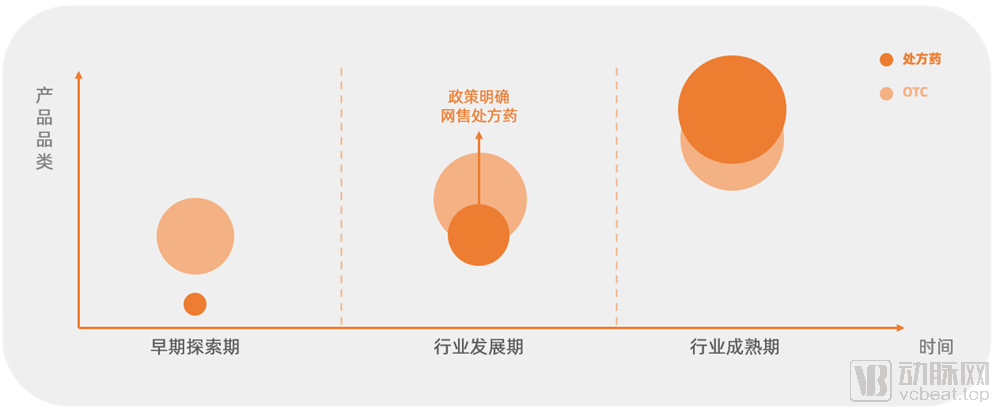
From the perspective of China's pharmaceutical sales structure, prescription drugs have always dominated the market. If regulations governing the online sale of prescription drugs are formally clarified in the future, pharmaceutical e-commerce will rapidly expand during its growth phase and quickly advance to maturity. The prescription drug category within pharmaceutical e-commerce will diversify rapidly, establishing a comprehensive, full-category pharmaceutical supply system.
Based on past sales performance in the pharmaceutical e-commerce sector, consumers have generally demonstrated a willingness to embrace the convenience of purchasing prescription medications online. Therefore, upon the completion of industry expansion,The composition of the pharmaceutical e-commerce industry will evolve to align with the offline pharmaceutical market, forming a drug supply structure skewed toward prescription drugs.
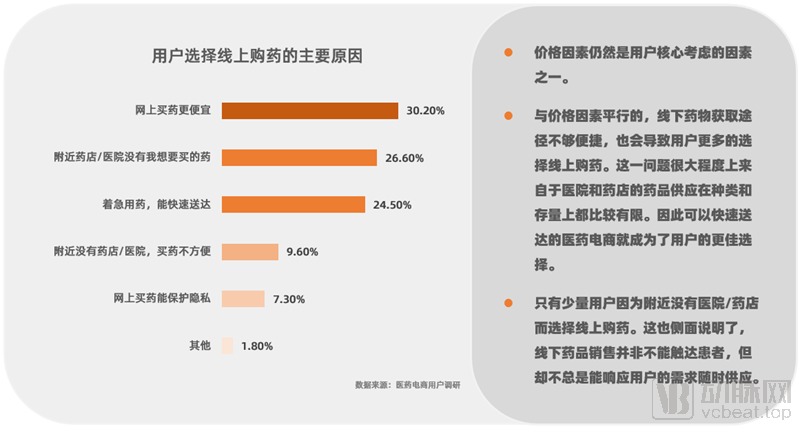
Comprehensive product offerings have become an obvious fundamental trend in pharmaceutical e-commerce. However, a complete product range is merely the foundation for service upgrades in this sector. As users’ medication purchasing activities shift massively online, accompanying diagnostic and therapeutic services must also transition online to meet user needs for medication guidance.Therefore, pharmaceutical e-commerce platforms need to further enhance their service capabilities to meet users’ broader healthcare needs.
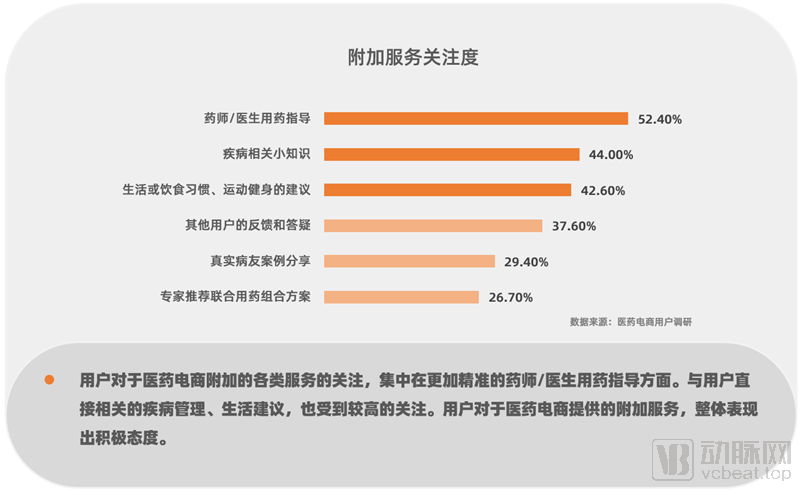
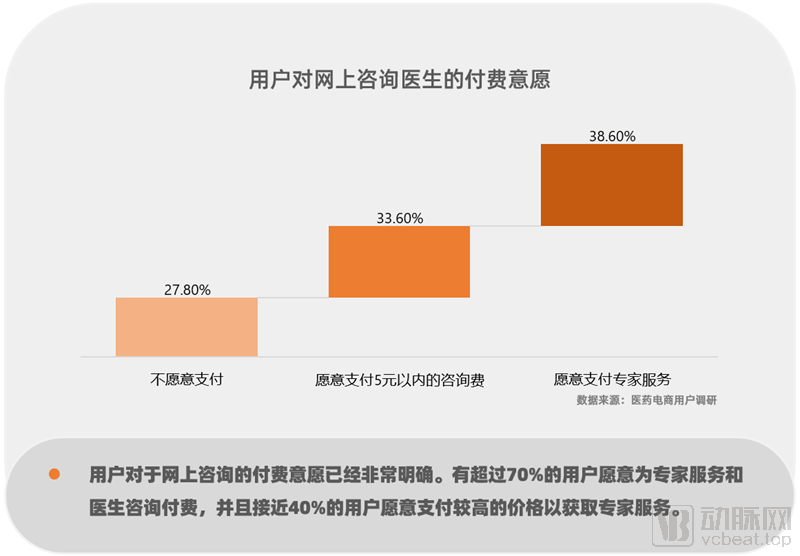
Following the trial by fire of the pandemic, user acceptance of online medical consultations has significantly strengthened. This acceptance is reflected not only in the increased utilization of online consultation services but also in users’ willingness to pay for such services. According to current user survey data,Most users of pharmaceutical e-commerce platforms are willing to opt for online consultations and are prepared to pay for such services.
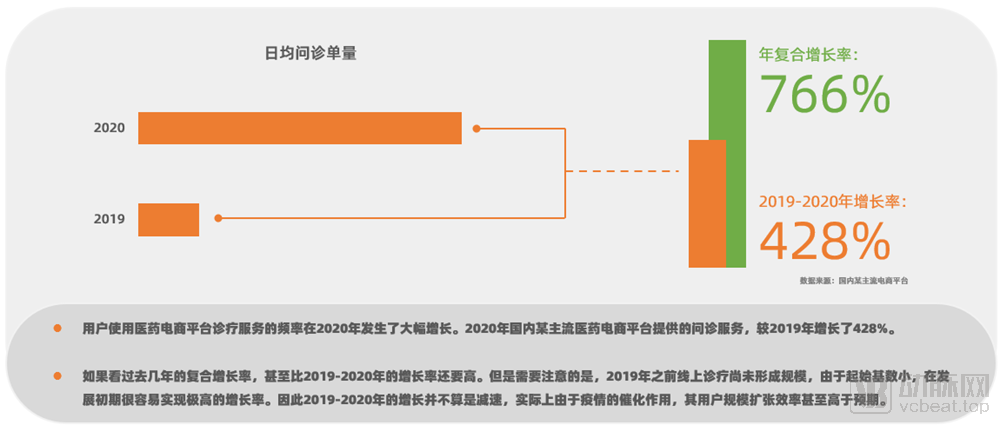
Data feedback clearly indicates that user acceptance of online consultations translated into actual consultation volumes during the 2020 pandemic. The 2020 outbreak drove rapid growth across the entire internet healthcare industry. During the pandemic, pharmaceutical e-commerce platforms not only shouldered the responsibility of ensuring medication supply but also accommodated a substantial surge in online consultation demand, pushing consultation volumes to a new milestone.
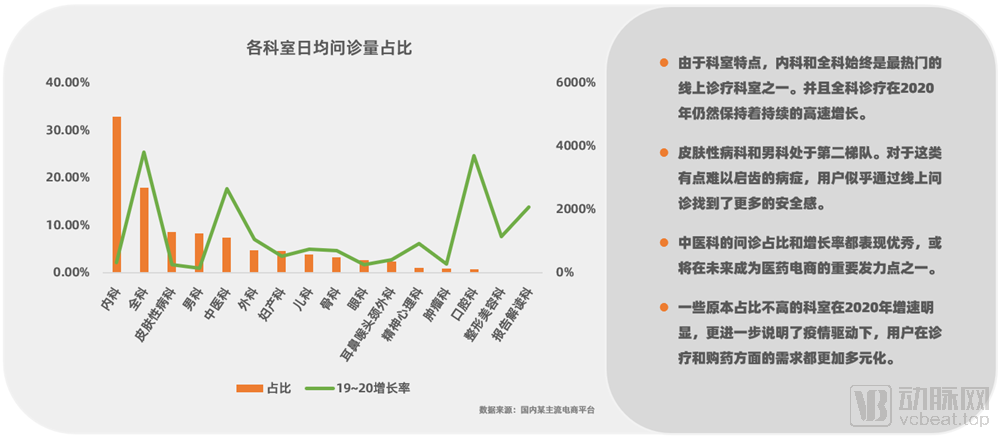
Users’ demand for online medical consultations is relatively comprehensive, rather than being confined to specific specialties. Specialties that are easier to serve or hold a comparative advantage in the online setting have already absorbed a substantial volume of consultation requests, while those with historically lower shares have also witnessed significant growth in consultation volumes. These trends indicate that the potential demand for online medical consultations addressable by pharmaceutical e-commerce platforms has not yet been fully unleashed, leaving considerable room for future growth.
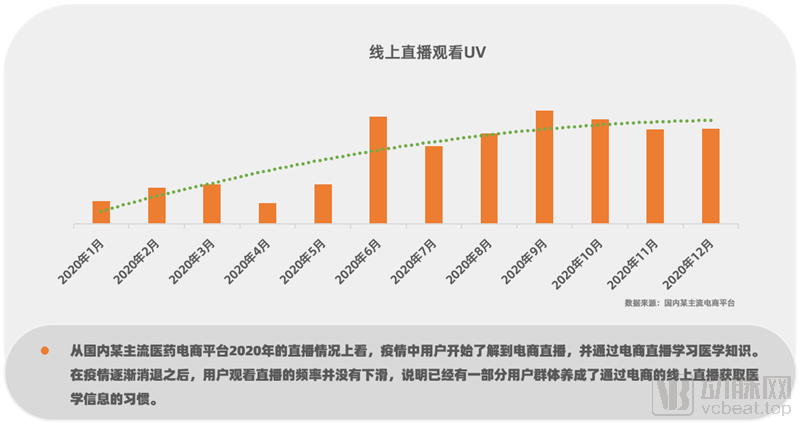
Also established during the pandemic was the habit of a broad user base acquiring medical information. In 2020, an increasing number of users joined the ranks of those obtaining medical knowledge through online channels, including but not limited to watching live streams and reading articles. The information-acquisition habits formed by users will further translate into platform stickiness.
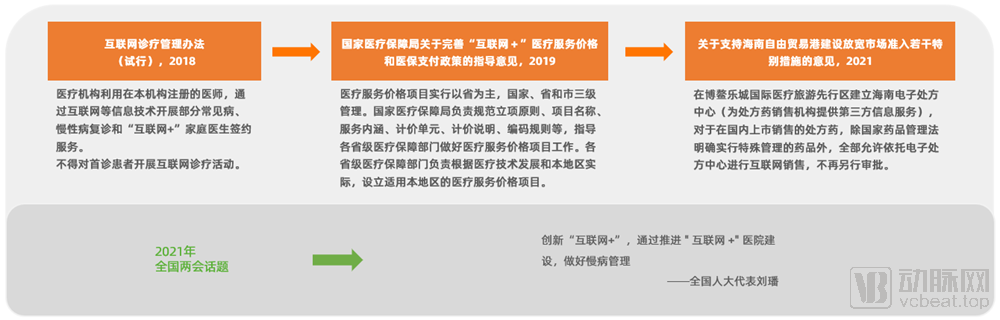
In internet-based medical consultations, patients undergoing follow-up visits benefit the most. These patients have already received an initial assessment and preliminary diagnosis from their physician during the first visit, making it relatively easier to monitor the progression of their condition. In many cases, their subsequent medication regimens remain largely unchanged. Therefore, follow-up consultations are more amenable to being conducted online. Through online communication alone, physicians can generally grasp the patient’s disease progression and issue follow-up prescriptions electronically.
Policies also primarily regulate internet-based medical services to the follow-up consultation stage. Since the 2018 release of the Administrative Measures for Internet-Based Diagnosis and Treatment (Trial), it has been emphasized that “internet-based diagnosis and treatment activities shall not be conducted for first-visit patients.” However, the pandemic has generated substantial demand for online medical consultations.Internet-based follow-up consultations are accelerating the formation of a standardized system, with the overall market continuing to expand.
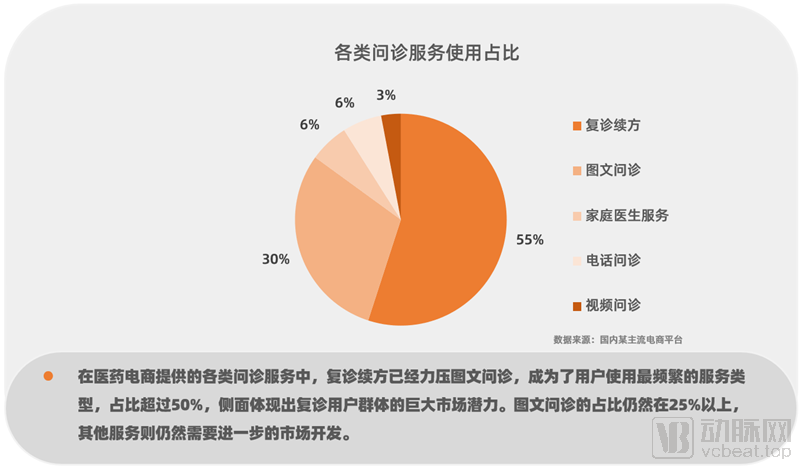
From a practical clinical perspective, follow-up patients have already benefited from the convenience of online consultations and prescription renewals, and an increasing number of such patients are leveraging this channel for long-term chronic disease management, demonstrating that a system built upon clinical care and pharmaceutical supplyA New Model of Professional Service-Oriented Pharmaceutical RetailIt has gained widespread recognition among follow-up patients and may become a major development direction for pharmaceutical e-commerce in the future.
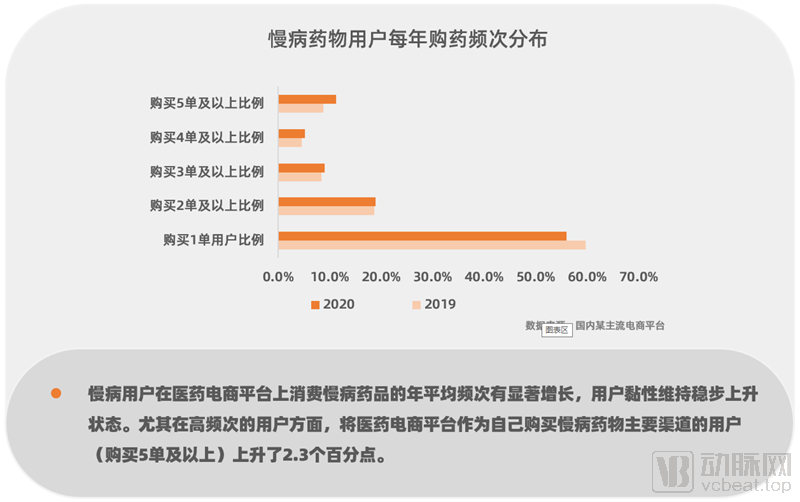
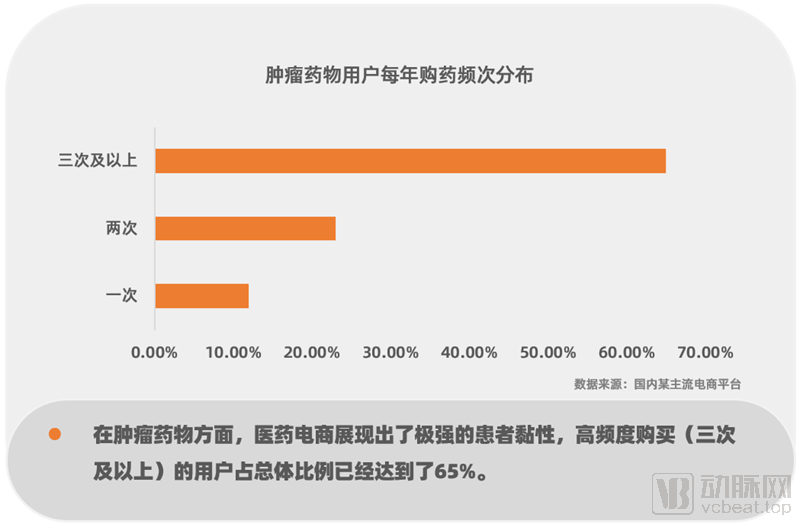
Patients with chronic diseases constitute a significant proportion of those returning for follow-up visits. Most patients with chronic diseasesThe reliance on pharmaceutical e-commerce platforms continues to rise steadily., demonstrating a significant increase in user stickiness. Taking users of oncology drugs as an example,More than half of cancer patients who purchase medications through pharmaceutical e-commerce platforms have chosen these platforms as their primary channel for buying drugs.
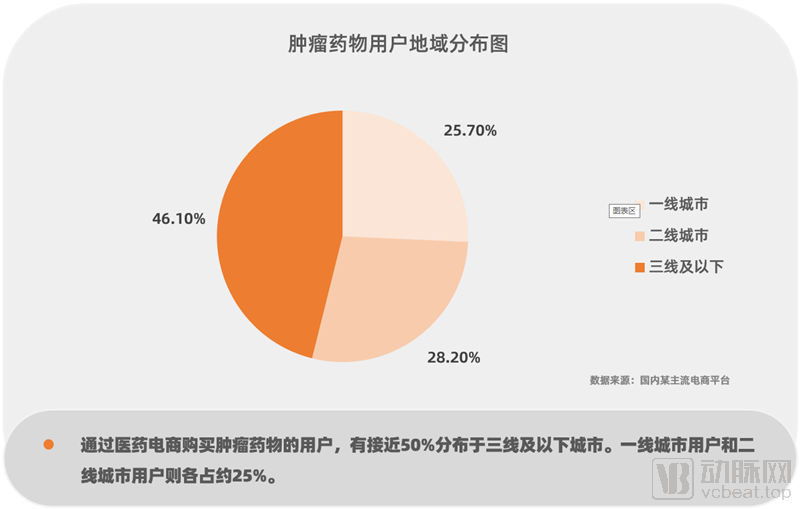
Among users purchasing oncology drugs via pharmaceutical e-commerce platforms, nearly half are from third-tier cities and below. Novel and specialty drugs, typified by oncology medications, have long been neglected in primary healthcare settings, where many such drugs lack a stable supply. However, the demand for these novel and specialty drugs in primary care is actually no less than that in first- and second-tier cities. At this juncture,The low geographic constraints of pharmaceutical e-commerce make it highly promising in regions with limited medical resources or where offline follow-up visits and medication purchases are inconvenient.
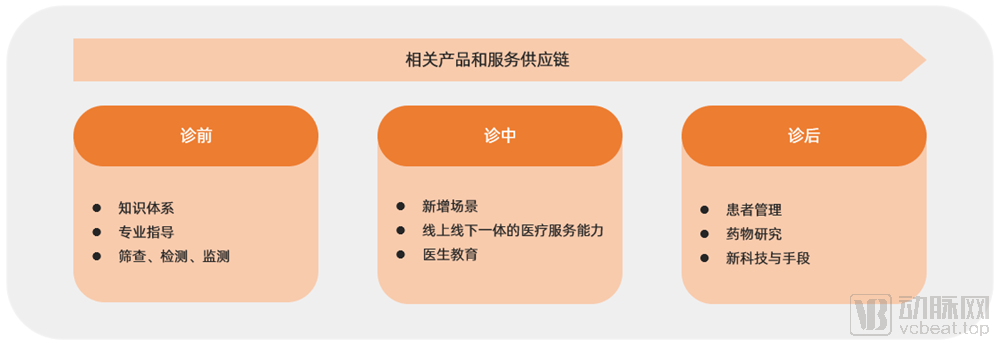
The integration of online medical consultations has expanded the services offered by pharmaceutical e-commerce platforms beyond mere medication sales and delivery. A new model centered on patients has emerged, characterized by end-to-end coverage across the “pre-diagnosis, during-diagnosis, and post-diagnosis” stages, built around the supply chain of pharmaceutical products and services.Professional Service-Oriented Pharmaceutical Retail.
The emergence of this new model has enhanced the medication purchasing experience for a broad user base with diverse needs to varying degrees. For over-the-counter (OTC) products, which lean toward self-diagnosis and treatment, patient education and the dissemination of accurate health concepts via platforms can effectively improve the accuracy of users’ self-diagnosis and treatment. In the realm of prescription drugs, online channels have established communication links between doctors and patients, providing significant support particularly for follow-up visits.
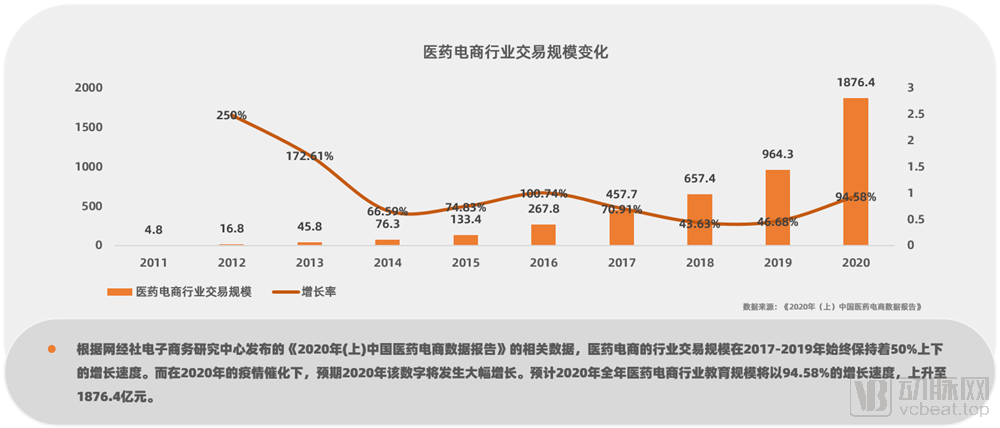
The pent-up market demand fully unleashed during the 2020 pandemic, coupled with a complete diagnostic and treatment chain formed through integration with clinical care processes, drove the transaction volume of the pharmaceutical e-commerce industry to surpass the RMB 100 billion mark and approach RMB 200 billion. Pharmaceutical e-commerce has gradually demonstrated its economies of scale, building a communication bridge between patients and healthcare providers. Beyond the diagnostic and treatment chain,Pharmaceutical e-commerce platforms are also beginning to explore collaborations with upstream partners, working directly with pharmaceutical companies to achieve precise and efficient digital marketing.
The highly diverse patient population accumulated by pharmaceutical e-commerce platforms enables coverage of the indication-specific populations for most pharmaceutical products.
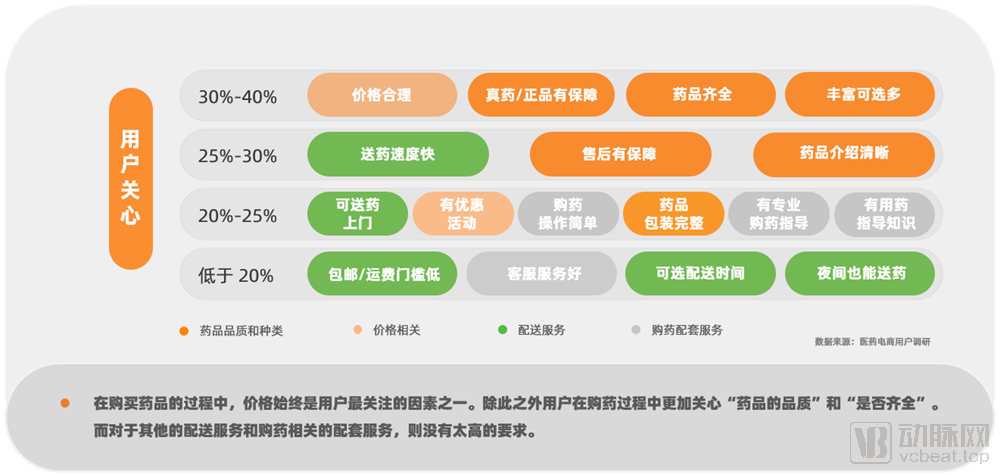
From the user’s perspective, beyond this, consumers are more concerned with “drug quality” and “product completeness” during the medication purchasing process. Direct collaboration with pharmaceutical companies can expand the drug coverage of e-pharmacy platforms while providing stronger assurance of drug quality.From the perspective of pharmaceutical companies’ needs, policy impacts and shifting user demands are driving increasingly intense industry competition, prompting pharmaceutical enterprises to undergo digital marketing transformation.
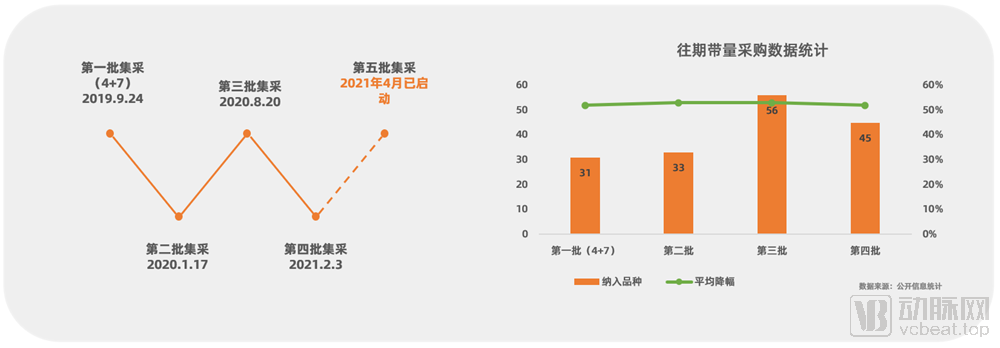
As volume-based procurement (VBP) initiatives continue to expand, competition within the generic drug sector has intensified. VBP has further squeezed profit margins for domestic generic pharmaceutical manufacturers, heightening the industry’s imperative for cost reduction and efficiency improvement. Since the launch of the first round of centralized procurement (covering the “4+7” cities), China has successively conducted four rounds of such programs. The fifth round is already on the agenda and may surpass the third round to set a new record for the scale of centralized procurement in China. Centralized procurement has gradually become routine, with drug price reductions remaining relatively stable while the number of included products has shown a steady increase.
In centralized procurement to date, the significant number of originator drugs failing to win bids has become a key factor enabling the pharmaceutical e-commerce industry to enter the main battlefield of centrally procured products.After being excluded from the national reimbursement list, originator drug products have lost their competitive edge within the insurance-covered market and urgently need new sales channels to maintain sales volume. The rapidly growing pharmaceutical e-commerce industry has become the optimal choice for these originator drugs.
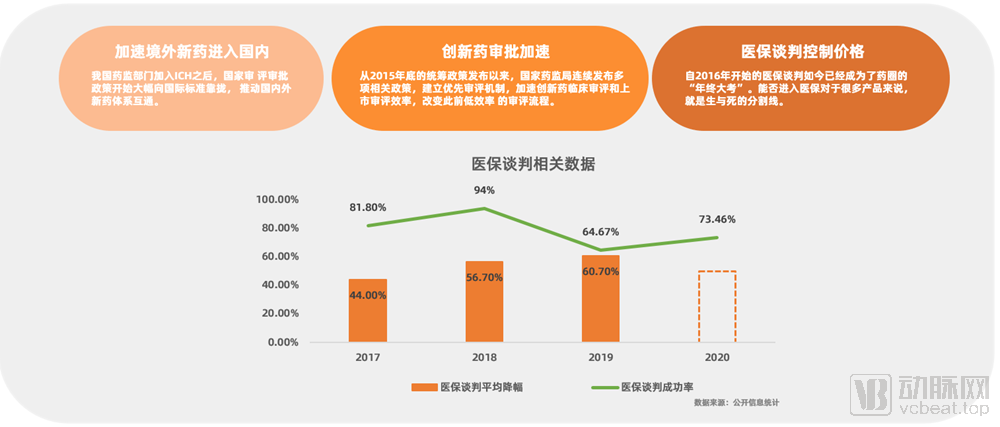
Following the overall acceleration of drug review and approval processes, innovative drugs in China have entered a new stage of development. In recent years, as products previously backlogged in the approval pipeline have gradually gained approval, 10 Class 1 innovative drugs and 58 imported original research drugs were approved for marketing in 2019. Additionally, the continuous implementation of national medical insurance negotiations has partially compressed the gross profit margins of innovative drugs, thereby creating a strong demand for enhanced pharmaceutical marketing strategies.Innovative drugs that have entered the market in large volumes are generally seeking more diverse promotional channels, and pharmaceutical e-commerce is undoubtedly the most powerful online channel.
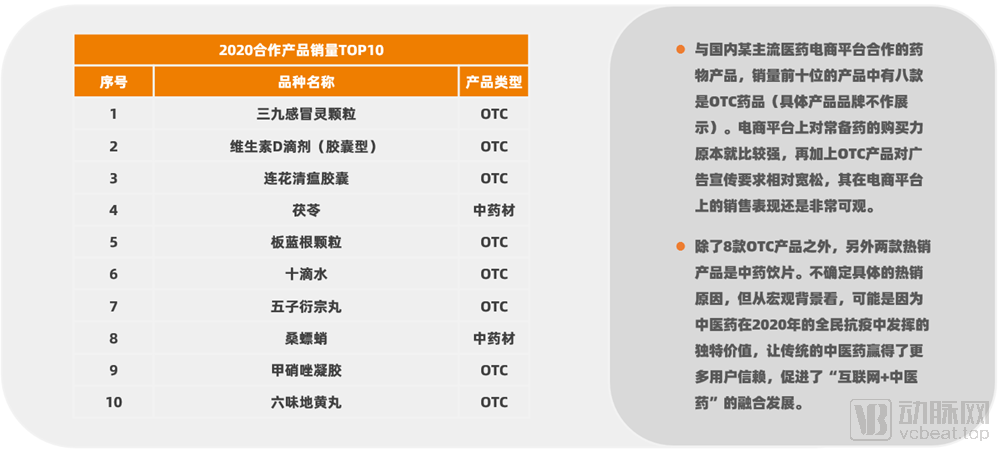
In the OTC product sector, the collaboration mechanism between pharmaceutical e-commerce platforms and enterprises has become relatively mature. With clear regulations governing online sales of OTC products and years of development, a stable partnership model has largely been established.Future collaborations in the OTC sector will continue to serve as a driving force for the sustained growth of pharmaceutical e-commerce., continuously providing users with high-quality, affordably priced conventional pharmaceutical products. Meanwhile, certain product categories that are significantly impacted by policy changes and urgently require "cost reduction and efficiency improvement" have become the new foundation for bilateral cooperation.
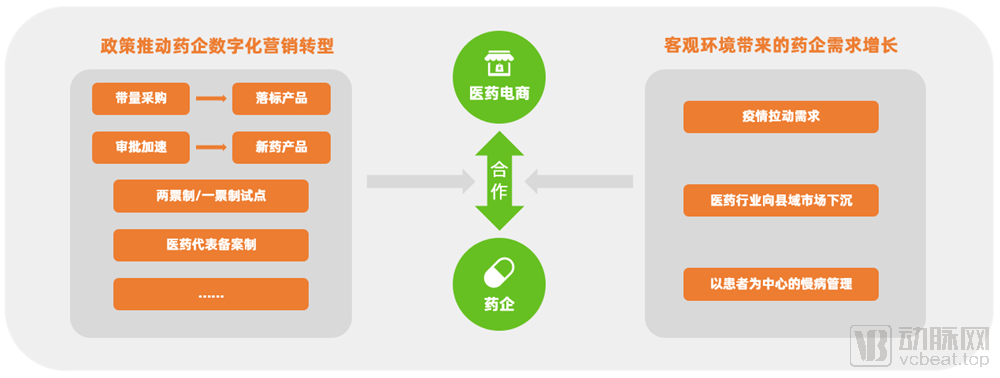
Guided by a series of policy factors, the pharmaceutical industry has begun to awaken to the imperative of cost reduction and efficiency enhancement. With the onset of the pandemic and the penetration of pharmaceutical companies into lower-tier markets, digital marketing upgrades centered on cost reduction and efficiency enhancement have officially become a key objective in the development of the pharmaceutical industry.
As the core channel for online pharmaceutical distribution, pharmaceutical e-commerce leverages its large user base to serve as a digital gateway for pharmaceutical companies. It helps these enterprises establish their own online marketing channels, which integrate with their existing marketing models to create a synergistic promotional effect through online-offline collaboration.
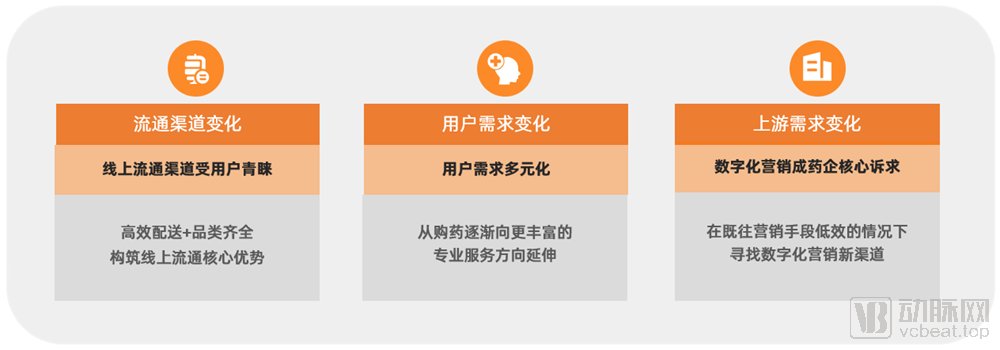
The pharmaceutical e-commerce sector emerged in response to user needs, is now evolving due to these demands, and will continue to prioritize them in the future.
As a core online distribution channel, the fundamental advantage of pharmaceutical e-commerce lies in its efficient delivery and comprehensive product assortment, delivering a high-quality medication purchasing experience characterized by both speed and completeness. This constitutes the foundational basis of pharmaceutical e-commerce and will remain a sustained focus in the future. Beyond medication purchases, users have generated demand for professional services related to diagnosis and treatment. Consequently, a new model of service-oriented pharmaceutical retail that integrates the entire diagnosis and treatment workflow will become the industry standard. Pharmaceutical manufacturers, positioned within the drug supply chain, are proposing new marketing requirements aimed at cost reduction and efficiency enhancement; these needs will be accommodated by pharmaceutical e-commerce platforms, thereby establishing a new channel for digital marketing.
With Supply Chain Digitalization and Intelligence as the Lever, the Era of All-Category Products Arrives
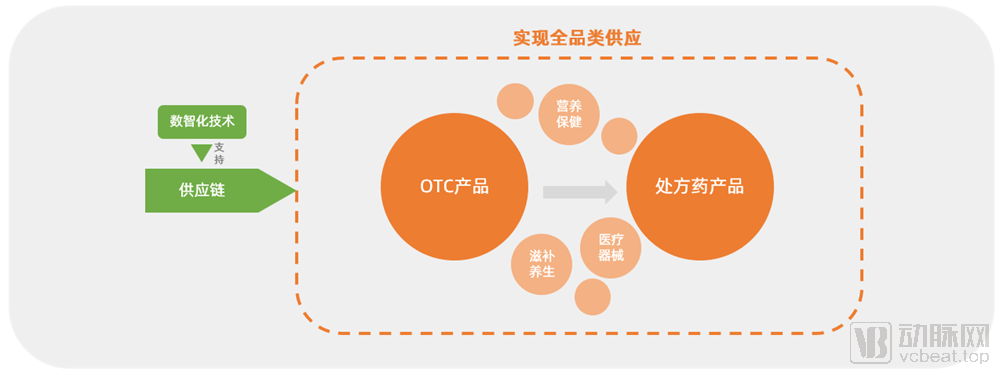
In the future, with the establishment of regulations for the online sale of prescription drugs, the prescription drug market accessible to pharmaceutical e-commerce will be rapidly unlocked, leading to a swift expansion of its market space. Meanwhile, leveraging the overall enhancement of social resources and technological capabilities such as supply chains and big data, the pharmaceutical supply chain will undergo comprehensive and efficient integration and upgrading towards specialization, digitalization, and intelligence.Leveraging upgrades in digital and intelligent technologies, pharmaceutical e-commerce will establish a more robust supply chain system, thereby supporting the accelerated expansion of the full spectrum of drug categories.
The New Model of Professional Service-Oriented Pharmaceutical Retail Will Become the New Industry Trend
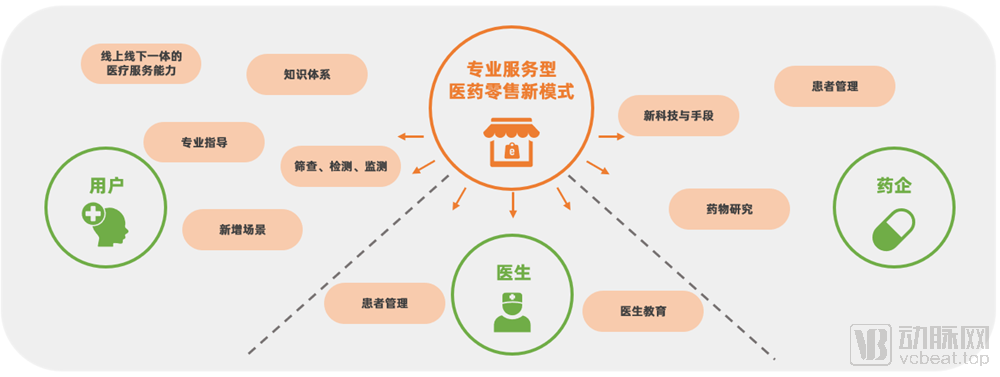
With the emergence of the first core user base for pharmaceutical e-commerce, users have begun to demand more than just medication purchases. In previous business models, pharmaceutical e-commerce platforms had already established their capabilities in drug supply and distribution. However, new user demands have focused on online consultation services, aiming to achieve a seamless integration between medical consultations and drug purchases through these platforms. Based on user needs, pharmaceutical e-commerce has developed a new model that encompasses diagnostic and treatment services, drug supply, and drug delivery.
In the future, this new model of professional service-oriented pharmaceutical retail and marketing will become the “standard configuration” for the pharmaceutical e-commerce industry, consistently providing solutions centered on user needs. This new model will also continue to address emerging user demands, offering comprehensive healthcare protection through a long-term, sustainable service philosophy.
Pharmaceutical Companies Prioritize E-Commerce Channels, Making Digital Marketing Upgrades Imperative
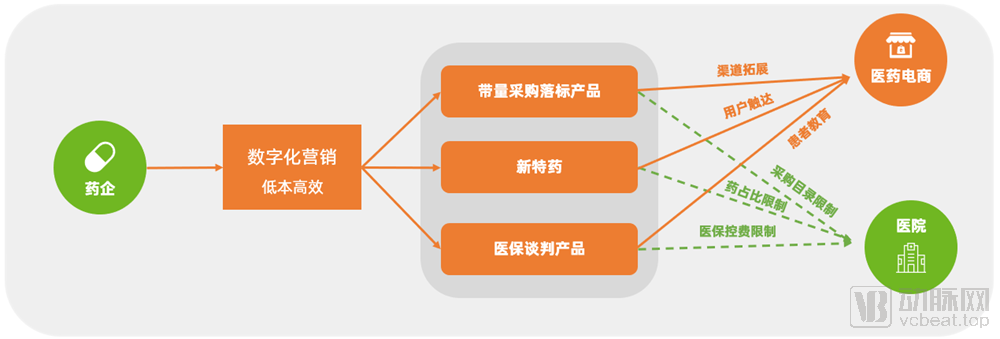
Drug profit margins have been repeatedly squeezed, placing pharmaceutical companies under increasingly severe pressure to control costs. The traditional marketing model, centered on face-to-face promotion by medical representatives, can no longer meet the core needs of pharmaceutical enterprises today. As a result, digital marketing has become an inevitable choice for their development.
In the course of implementing digital marketing strategies, pharmaceutical companies are increasingly recognizing the importance of e-commerce channels. For products sold through out-of-hospital channels, pharmaceutical e-commerce can provide tailored solutions to reach new users and expand into new distribution channels.
In the future, as an increasing number of pharmaceutical companies articulate their core needs for digital marketing, collaboration between pharmaceutical e-commerce platforms and drug manufacturers will deepen further, creating synergies to serve both healthcare providers and patients.
The above is an excerpt from “The Pharmaceutical E-Commerce Revolution in Response to User Needs—China Pharmaceutical E-Commerce Research Report 2021.” Scan the mini-program code below to access the full report.