

The Investment Outlook of the Aesthetic Medicine Industry and the Future Path for Service Providers: Insights from the Future Healthcare 100 Summit
As a dedicated observer and recorder of the innovative healthcare industry, VCBeat officially launched the Future Healthcare 100 Forum in 2015. Over the past six years, it has grown into a renowned summit in China’s innovative healthcare sector, fostering the integration of industry and capital.
Over the course of three days, the conference hosted 19 forums, bringing together 279 distinguished guests to focus on future trends, industry prospects, global perspectives, and venture capital dynamics. The forums included: Summit on Future Medical Trends, Summit on Future Medical Strategy, International Summit on Healthcare Innovation, Summit for Limited Partners and General Partners (LP-GP) in Future Healthcare Funds, Forum on Personalized Diagnosis and Treatment, Forum on Health Insurance Technology and Commercial Health Insurance, Forum on Innovative Practices in Primary Care, Forum on Digital Therapeutics Innovation, Forum on Digital Marketing for Pharmaceutical Companies, Forum on the Development of High-Value Consumables, Forum on Innovative Development of Internet Hospitals, Forum on Translation of Scientific Achievements and Industrial Development, Forum on the Development of the Assisted Reproductive Technology Industry, Forum on Data Intelligence and Payment Innovation, Forum on Innovative Development of Smart Hospitals, Forum on Health Management Innovation, Forum on Digital Pharmaceutical R&D (ITBT), Forum on Early Cancer Screening, and Forum on Innovation in the Medical Aesthetics Industry.
On April 18, VCBeat and Mingfeng Capital jointly hosted the Medical Aesthetics Industry Innovation Forum. Jin Xuekun, Founding Partner of Mingfeng Capital; Chen Long, Head of Investment at Imeik; Li Xingdong, Founder of Damai Micro-needle Hair Transplantation Global Chain Hospitals; Liu Hongyu, Operations Director and Chief Traffic Officer of Lanshi Technology; and Jiang Lin, Founder of Qinglan Bio, attended the event and delivered insightful speeches. Hu Xuan, Senior Analyst at VCBeat, served as the moderator.
Guests delivered speeches on topics such as innovation, development, and future trends in the medical aesthetics industry. VCBeat has compiled their insightful perspectives.
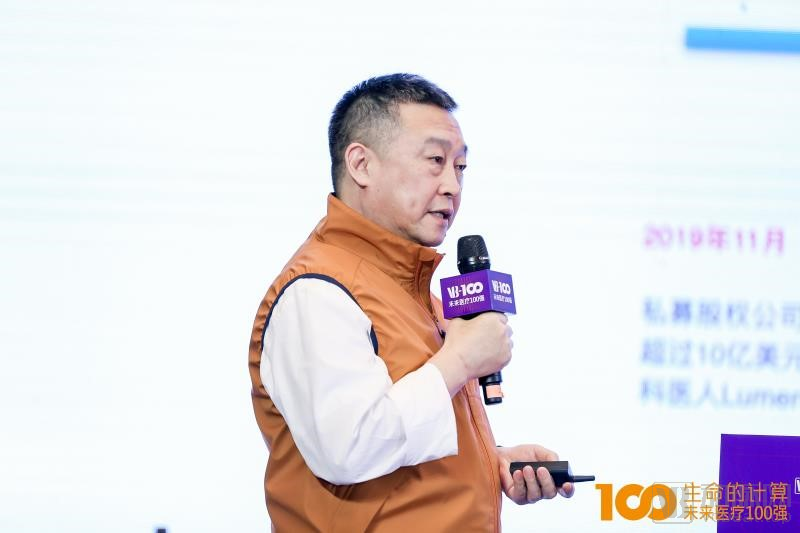
Jin Xuekun, Founding Partner of Mingfeng Capital
What are the driving forces for future development? I believe that over the next five to ten years, the true drivers will remain materials and technology. This year marks a cross-generational milestone for the medical aesthetics industry, with the official national approval of non-hyaluronic acid dermal fillers. This development is highly beneficial for industry growth and for meeting diverse consumer needs. While each material has its unique advantages, we aim to generate incremental value and inject fresh vitality and momentum into the industry’s development. From a materials perspective, the future direction will undoubtedly focus on regenerative products.
Currently, all available interventions fall into the categories of injectables, transdermal delivery systems, topical applications, and energy-based devices (EBD), which primarily leverage technologies such as microfabrication and microfluidics. The future trend will undoubtedly evolve from simple contour enhancement toward holistic aesthetic optimization, reflecting a pursuit of more sophisticated beauty. A single minor material innovation has the potential to transform the entire landscape of aesthetics. I eagerly anticipate the emergence of more regenerative materials in this field.
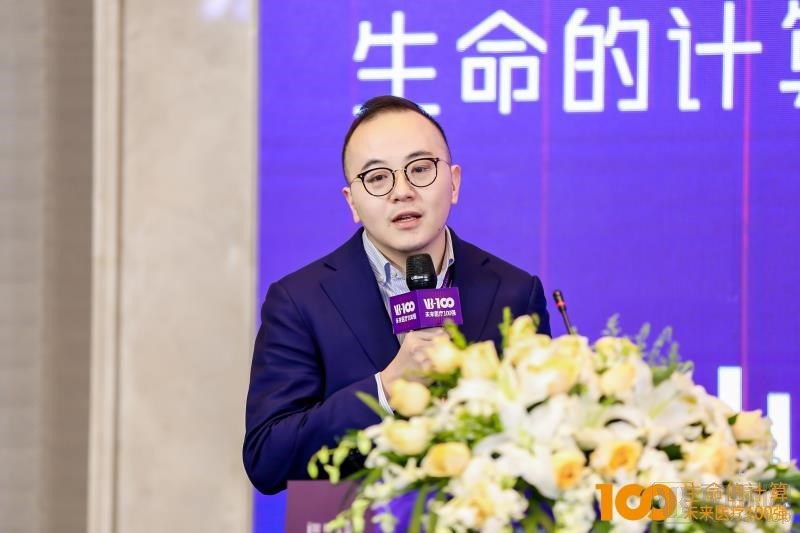
Chen Long, Head of Investment at Imeik
We believe that medical aesthetics differs somewhat from biological beauty treatments. Medical aesthetics primarily employs surgical procedures, pharmaceuticals, medical devices, and other invasive or traumatic medical techniques to restore and reshape human facial features and physical contours. Medical aesthetic practices require healthcare institutions to hold a valid Medical Institution Practice License, practitioners to possess qualified Physician Certificates, and injected products to be certified by the National Medical Products Administration (NMPA). In contrast, lifestyle beauty treatments mainly utilize manual techniques, non-invasive instruments, cosmetics, and skincare products to provide non-traumatic care for the body’s surface.
Medical aesthetics is broadly categorized into surgical and non-surgical procedures, with the latter enjoying greater public acceptance. Through extensive user engagement, we have observed that consumers typically follow a progressive adoption path: they initially opt for energy-based devices, then proceed to injectable treatments, thereby embracing non-surgical procedures overall, before finally considering surgical interventions.
We believe that the competitive advantages of leading enterprises are reflected in four aspects:
First, develop a rich and differentiated product portfolio. Currently, the market space for homogeneous products is limited. In five years, dermal fillers without botulinum toxin will not sell, nor will botulinum toxin without dermal fillers. The consumer healthcare sector follows a “blockbuster product” logic; therefore, manufacturers need to establish a strategy for creating blockbuster products. This involves empowering medical institutions and implementing continuous consumer education to help these institutions reduce customer acquisition costs.
Second, non-invasive and minimally invasive medical aesthetic procedures are gaining popularity among consumers. There is a growing demand for comprehensive treatment planning, and the introduction of structured product portfolios represents the future direction of industry development.
3. Holistic Beauty: Harmonizing Internal and External Health
Fourth, leading enterprises require good products + quality education + effective marketing.
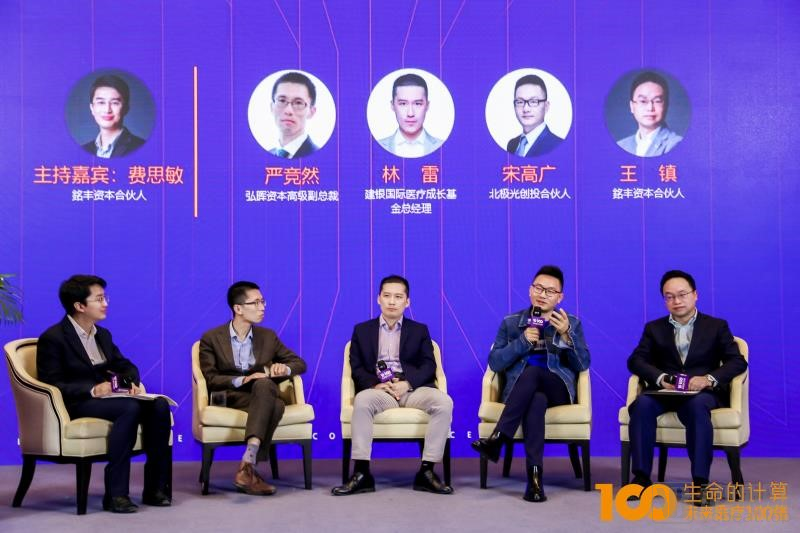
From left to right: Fei Simin,Mingfeng Capital Partner; Yan Jingran, Senior Vice President of Honghui Capital; Lin Lei, General Manager of CCB International Healthcare Growth Fund; Song Gaoguang, Partner at Northern Light Venture Capital; Wang Zhen, Mingfeng Capital Partner
When it comes to investments in the medical aesthetics industry, the upstream sector has undoubtedly been the hottest over the past two years. Amidst the opportunities of our time, what new trends are emerging? What are the core driving forces? In the keynote panel discussion of this forum, five distinguished guests were invited to explore investments in the upstream segment of the medical aesthetics industry.
Wang Zhen, a partner at Mingfeng Capital, believes that the upstream segment of the medical aesthetics industry will primarily focus on three areas in the future:
First, the trend in the medical aesthetics industry shifting from fillers to regenerative therapies is irreversible. Hite, as a core product, is a regenerative therapy, and more such products will emerge in the future.
Second, the most critical aspect of the medical aesthetics sector is breakthroughs in core foundational technologies. Given the sufficiently large consumer base and market size, it is advancements in materials that will drive new product innovations; therefore, we must pay close attention to the emergence of novel biomaterials.
Third, products that expand in alignment with future trends will achieve greater breakthroughs.
Song Gaoguang, a partner at Northern Light Venture Capital, stated that from a technical perspective, achieving breakthroughs in materials themselves is relatively difficult and requires a longer development cycle. Currently, certain pharmaceutical and biological technologies can be integrated into medical aesthetics products. This technological integration can establish certain barriers to entry and facilitate the rapid emergence of blockbuster products in the short term, making it a key sector of focus. Furthermore, some lipid-lowering products, which inherently fall within the pharmaceutical domain, are increasingly transitioning toward the medical aesthetics space. These products are drawing significant attention from professionals in the pharmaceutical and biotechnology sectors.
Yan Jingran, Senior Vice President of Honghui Capital, stated that the successive approvals of new ingredients and novel product forms in recent years have created significant incremental growth in the market, drawing heightened attention from both investment firms and the industry at large. He believes that as public interest grows, the sector will attract increasing visibility and resources, including greater capital infusion, talent acquisition, and participation from the technology industry, thereby propelling the entire industry onto a path of rapid development.
Lin Lei, General Manager of CCB International Medical Growth Fund, believes that a strong company must possess the capability to operate within an industrial ecosystem. It should establish barriers for its products through technological processes and patents, while also achieving a clear market positioning. Without robust product technology, promotion becomes challenging. Furthermore, although there are numerous existing channels—such as offline agents, distributors, third-party platforms, and live streaming—the most critical trend is the rising cost of traffic and the increasing number of consumer choices, which necessitate higher investment costs. The key challenge for enterprises is how to allocate appropriate spending to achieve the highest possible return on investment.
In conclusion, Fei Simin, Partner at Mingfeng Capital, summarized that, driven by core macroeconomic logic and the demands of the medical aesthetics sector, clients are increasingly taking the initiative to pursue a more comfortable and beautiful lifestyle. Therefore, we firmly believe that the industry’s overall development will continue to improve.
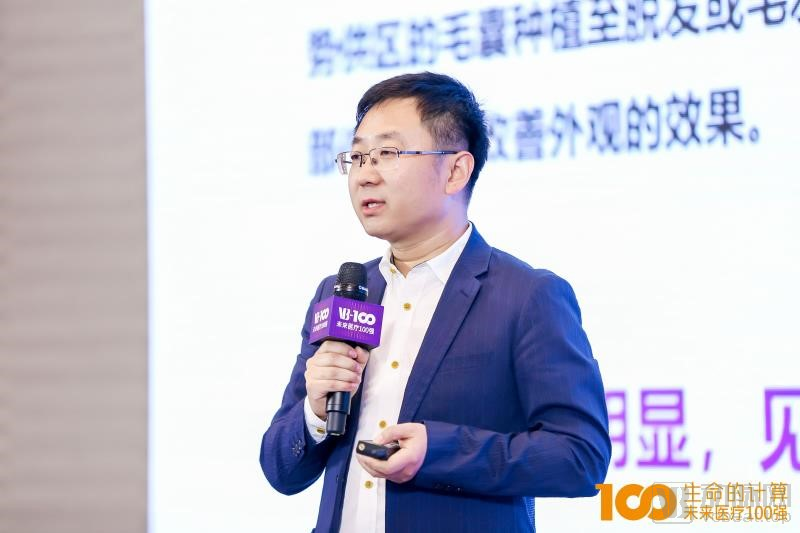
Li Xingdong, Founder of Daimai Micro-Needle Hair Transplant Global Chain Hospitals
What opportunities lie ahead for China’s hair transplant market? I believe the entry of capital will accelerate the industry’s rapid development and drive significant leaps forward. Many existing treatment modalities remain in a fragmented state, with each provider touting their own solutions. I think it is essential to revitalize the entire industry chain and energize both upstream and downstream sectors to spur comprehensive growth.
Hair transplantation falls under consumer healthcare, which necessitates standardized, replicable, and controllable medical services. While hair transplantation is currently a hot sector, I believe the broader hair care market holds even greater potential in the future. Advancing the hair care industry chain requires collaborative efforts from industry peers and capital investors. There is clear market demand; as society progresses and living standards improve, individuals’ pursuit of aesthetic enhancement continues to escalate.
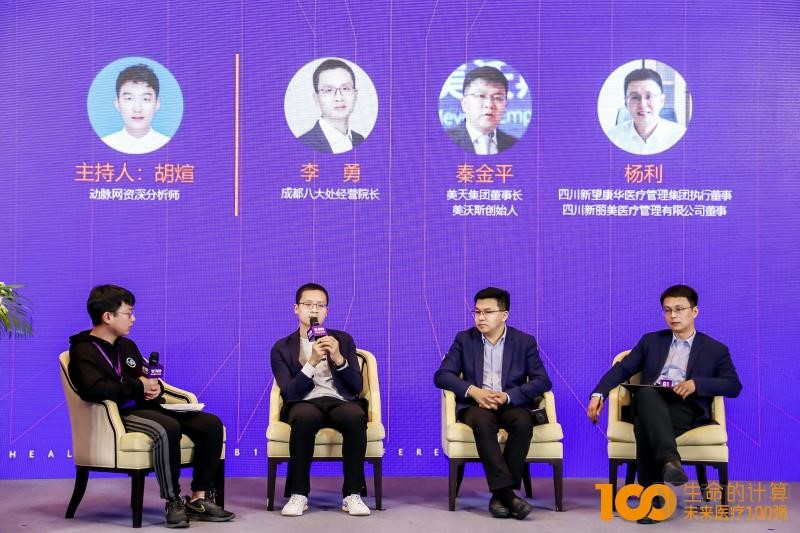
From left to right: Hu Xuan, Senior Analyst at VCBeat; Li Yong, Executive Director of Chengdu Badachu Hospital; Qin Jinping, Chairman of Meitian Group and Founder of MedWorth; Yang Li, Executive Director of Sichuan Xinwang Kanghua Medical Management Group and Executive Director of Sichuan Xinlimei Medical Management Co., Ltd.
As one of the most closely watched segments within the medical aesthetics industry, China is now home to more than 10,000 medical aesthetics service providers. Alongside the rapid growth in the number of these institutions, various challenges have emerged to varying degrees. In this forum’s expert roundtable session, four distinguished guests were invited to discuss key issues facing medical aesthetics service providers, including business strategy, industry trends, and capitalization.
Yang Li, Executive Director of Sichuan Xinwang Kanghua Medical Management Group and Sichuan Xinlimei Medical Management Co., Ltd., stated that there are two core reasons for investing in the medical aesthetics sector. First, demand for medical aesthetics has shifted from being a luxury or discretionary expense to a routine consumption item. Second, the state has strengthened regulatory requirements for the medical aesthetics market in recent years. A notable characteristic of changes on the demand side is the rapid growth of the medical aesthetics industry, with young customers aged 20–30 accounting for more than 20% of the market.
Li Yong, Operating Dean of Chengdu Badachu, believes that the development trends of medical aesthetic service institutions in the next 3-5 years mainly have three aspects. First, large and comprehensive strong brand institutions and small and beautiful micro-institutions focusing on niche businesses may gradually become mainstream; second, institutions that can truly combine plastic surgeons, including medical beauty doctors, professionally and commercially, may run faster; third, institutions that can achieve chain operations and multi-regional layouts may go further in the future.
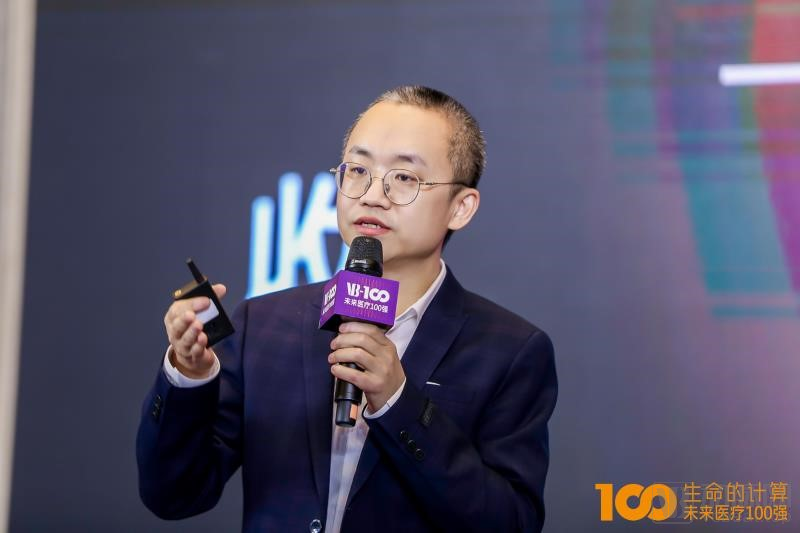
Liu Hongyu, COO and Chief Traffic Officer of Lanshi Technology
How can we leverage platforms or operational systems to help clients achieve success? In our interactions with clients, we have observed that the operational challenges faced by all medical aesthetic institutions converge on two major themes: revenue growth and efficiency improvement. First, when it comes to revenue growth, traffic is an unavoidable consideration. From the perspective of high-traffic environments, there are two types of traffic: public domain traffic and private domain traffic. I believe that future operational strategies will primarily focus on a hybrid traffic model centered on private domain traffic, supplemented by appropriate acquisition of public domain traffic.
Secondly, medical aesthetics cannot be standardized in terms of technology or aesthetics. However, our customer journey design, service system, and pain management can be standardized. Standardized processes can leverage systems to rapidly improve efficiency.
I have always believed that tools alone do not empower users; it is the combination of operational methodologies and strategic thinking behind their use that delivers ultimate results. The so-called “empowerment” offered by SaaS software involves reverse-engineering proven operational practices from past experience and embedding them into the product, thereby enabling continuous upgrades and iterations.
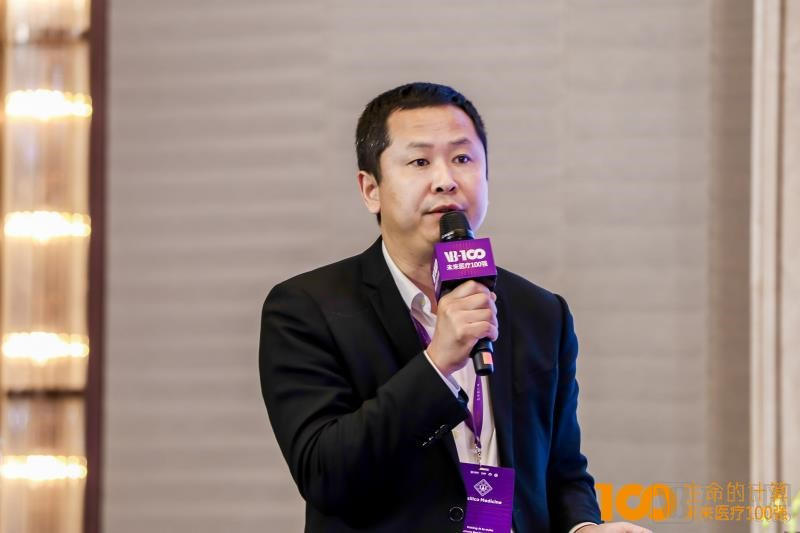
Jiang Lin, Founder of Qinglan Bio
Filler-based aesthetic medicine products are becoming increasingly scarce, while regenerative products are on the rise. Microneedle drug delivery technology aligns with this regenerative approach, promoting the skin’s intrinsic ability to restore its function.
The drug delivery mechanism of dissolving microneedles involves fabricating the drug directly into needle form. These needles penetrate the stratum corneum to reach the epidermis, which is the shallowest hydrating layer of the skin containing interstitial fluid. The interstitial fluid is absorbed into the needles and drug films, causing them to dissolve, thereby facilitating the transdermal delivery of the active ingredients.