

Li Yanhong, Shi Yigong, E Weinan, Dong Chen, and Tan Weihong Highlight Breakthroughs as Bio-Computing Industry Takes Off
On May 10–11, the inaugural China Biocomputing Conference was held at the Suzhou International Expo Center, co-hosted by Biotoptree, China’s first life sciences platform company driven by bio-computing technology, and Bohe Innovation, an innovation incubation center dedicated to the convergence of IT and BT. The conference invited more than 50 experts and scholars, including six academicians, and over 40 executives from biopharmaceutical companies to share their insights. More than 1,500 attendees participated in person, while the live stream on the first day attracted over 512,000 online viewers.
The conference centered on “How to Define Biocomputing,” exploring the topic from multiple dimensions, including industry demands, current status and challenges, and development drivers, thereby establishing the distinct perspective that “Biocomputing = New Data × New Algorithms.”
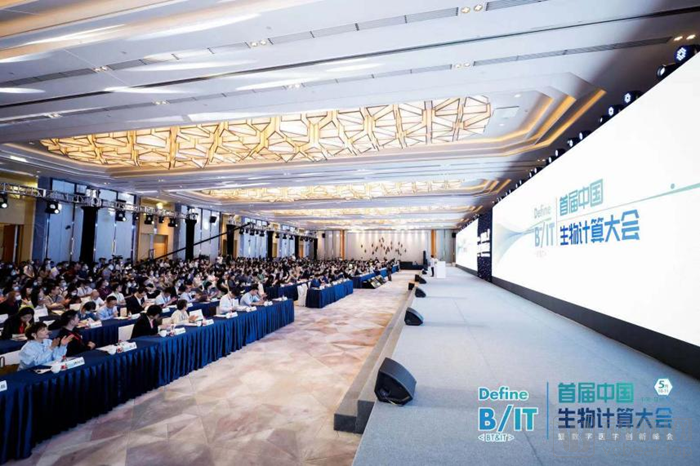
On the morning of May 10, at the conference venue, Xu Kunlin, Member of the Standing Committee of the Jiangsu Provincial Party Committee and Secretary of the Suzhou Municipal Party Committee, stated in his address that he was delighted to gather with distinguished guests by the scenic Jinji Lake to jointly launch the inaugural China Bio-Computing Conference and share cutting-edge achievements. He noted that Suzhou is closely monitoring the new round of industrial revolution, focusing on strengthening strategic emerging industries. Industries such as next-generation biotechnology, nanotechnology, and artificial intelligence are flourishing, attracting numerous national-level talents and gradually forming a complete industrial chain covering the infrastructure, technology, and application layers of artificial intelligence. He expressed hope that the conference would deepen communication and exchange, take the lead in exploring the “intersection” of integrated development between biotechnology and information technology, accelerate the creation of a “new blue ocean” for the bio-computing industry, promote mutual benefit and win-win outcomes, and further empower Suzhou’s concerted efforts in innovation-driven development.
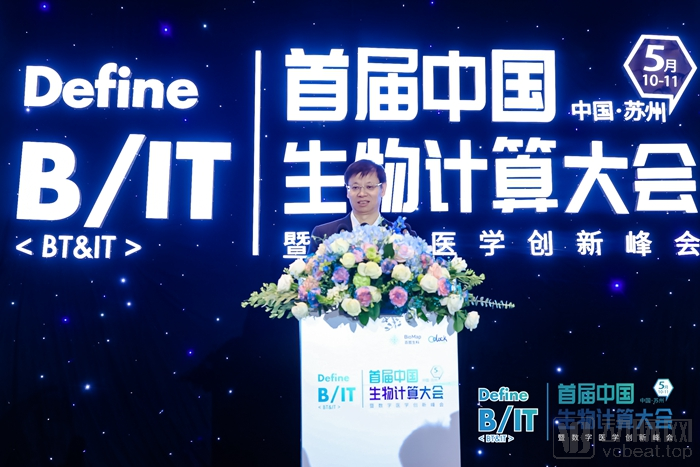
Xu Kunlin, Member of the Standing Committee of the Jiangsu Provincial Committee of the Communist Party of China and Secretary of the Suzhou Municipal Committee of the Communist Party of China
The conference invited over 100 industry scientists, opinion leaders, senior government officials, and corporate partners from the field of biological computing to jointly define biological computing from multiple dimensions, including industry needs, drivers, current challenges, and future prospects. The following are excerpts from the viewpoints presented at the main forum:
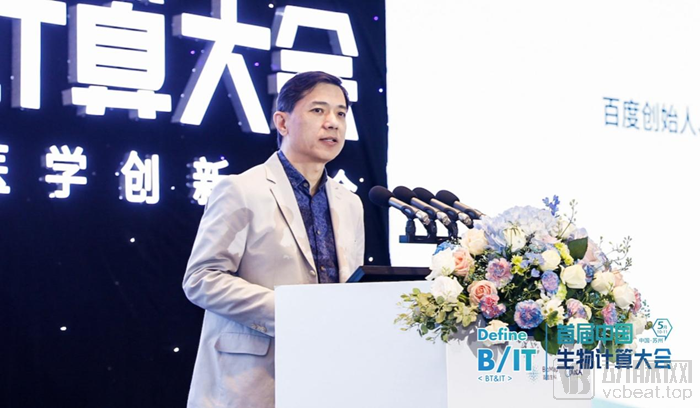
Robin Li, Founder, Chairman and CEO of Baidu, and Founder and Chairman of BioMap
The evolution of the internet bears a striking resemblance to the development of biological computing: the growth in internet search volume is correlated with three factors—the number of internet users, the average time spent online per user, and the total number of web pages in existence;There are also three key indicators in the field of biological computing: human data derived from genomic research, knowledge accumulated during new drug development, and emerging machine learning algorithms. Their rapid growth has jointly facilitated the value creation of biological computing for humanity.
Li Yanhong stated, “Biocomputing is a discipline characterized by the deep integration of biology and computing. We aim to cultivate a cohort of pharmaceutical companies that integrate biological and computational technologies. By leveraging vast amounts of biological data, we can consolidate all experimental findings into a unified knowledge graph, thereby transforming drug discovery from a ‘needle-in-a-haystack’ challenge into a systematic, guided process. This will accelerate the development of first-in-class innovative drugs and bring benefits to human health and well-being. Furthermore, by employing AI technology, we can shorten drug R&D timelines, reduce adverse drug reactions, and alleviate the substantial medical burden on patients.”
The Development of the Biocomputing Industry Requires Synergy Between the Ecosystem and the Industrial Chain“, one or even a hundred companies may be far from enough. We hope to work with scientists and entrepreneurs to build an open innovation ecosystem for biological computing, exploring the uncharted territories of biological science.”
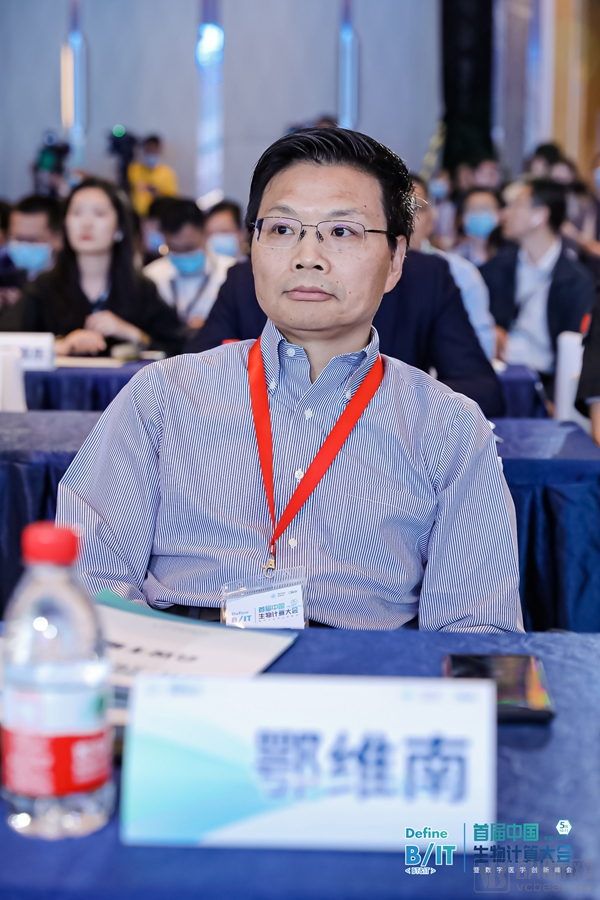
Academician E Weinan, Dean of the Beijing Institute for Big Data Research
Scientific computing encompasses two major themes: the first is the handling of physical models. The primary models in science, such as Newton's equations, aerodynamics, elasticity theory, electromagnetic field theory, and quantum mechanics, all originate from physics. Before the advent of effective mathematical methods, scientists significantly simplified these models to address practical problems. In other words, although we have identified the fundamental principles, these theories are not always feasible for practical applications.
The advent of electronic computers introduced a series of numerical methods, including the finite difference method, the finite element method, and spectral methods, enabling humanity to directly apply fundamental principles to solve practical problems for the first time in history. Problems in many fields, such as structural mechanics, aerospace engineering, weather forecasting, and petroleum exploration and production, can now be addressed using these fundamental principles. These same principles can also be applied to the design of bridges, buildings, and aircraft.
The second major theme in scientific computing is data processing. Taking images as an example, there are three primary tasks: first, imaging (inversion), which involves reconstructing internal structures from experimental instrument data; second, image processing (including noise removal, segmentation, and inpainting); and third, image recognition. The first two problems are two-dimensional, whereas the third is a high-dimensional problem.
From a mathematical perspective, these three steps address high-dimensional problems: the first involves high-dimensional function approximation, the second deals with high-dimensional probability density, and the third solves the Bellman equation in an ultra-high-dimensional space.
E Weinan stated, “From my perspective,"The biggest challenge in scientific computing is integrating physical models with mathematical models. Deriving data from models and obtaining more effective models from data. Today, by combining machine learning with scientific computing and high-performance computing, we are driving the development of next-generation scientific software."
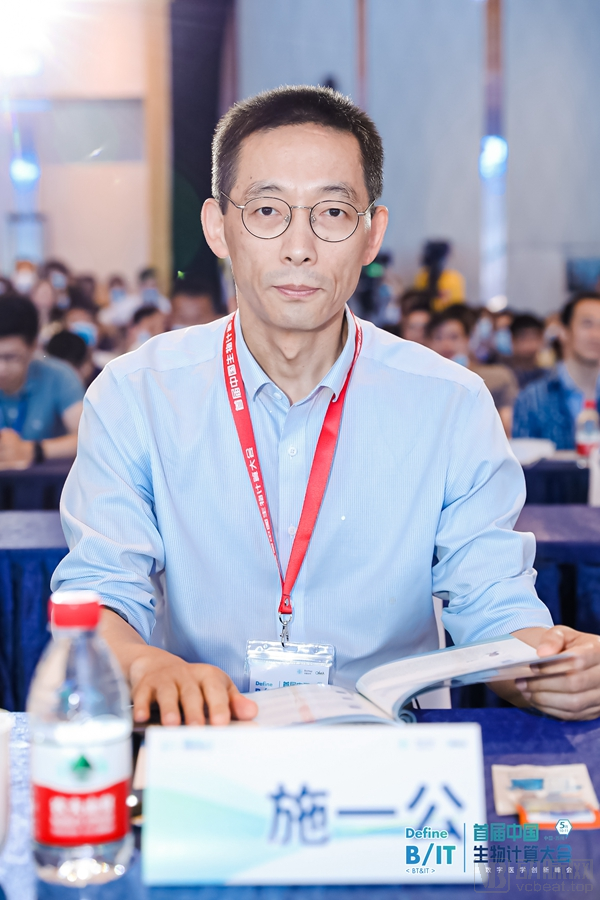
Structural biologist and President of Westlake University, Yigong Shi
Macro-scale biocomputation is not merely a rigid calculation based on formulas, templates, and deduction. Life science is not a fixed methodology but rather a broad field; at the macro level, it encompasses ecology, evolution, forestry, agriculture, zoology, and botany, while at the micro level, its hundreds of branches extend into areas such as pharmacy and molecular medicine.
In the early 20th century, the emergence of protein gel technology brought about a transformation in life sciences. Proteomics emerged in the late 20th century, and the development of monoclonal antibodies in 1975 sparked a series of revolutions, leading to Nobel Prizes and a hundred-billion-dollar antibody drug market. Breakthroughs in computing have revolutionized our understanding of the microscopic world; perhaps the next revolutionary leap will leverage computers and artificial intelligence to introduce new methods for observing the microscopic realm.
AI-driven predictions in proteogenomics far surpass human performance. Moreover, AI is set to penetrate deeper into fields such as medical image analysis, proteomics, innovative drug design, and health big data analytics, extending even to urban brain systems, healthy transportation, and smart mobility.
Shi Yigong stated, “All current artificial intelligence methods are based on the mastery of past knowledge. How can we break through existing learning capabilities and transcend cognitive limitations? I hope that AI can guide humans to proactively explore the unknown, rather than humans guiding AI with existing knowledge. I also hope that AI can penetrate various fields and facilitate advancements in the pharmaceutical sector.”
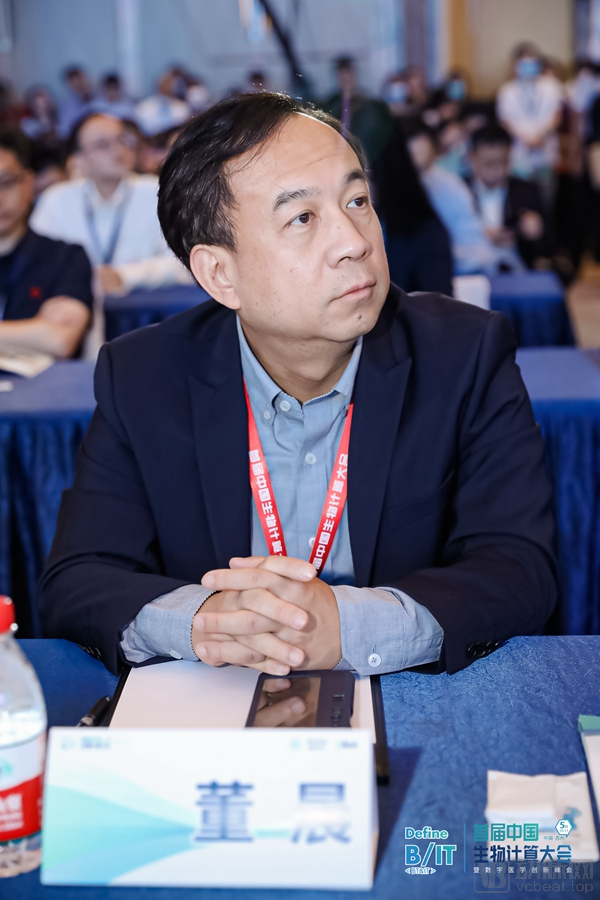
Academician of the Chinese Academy of Sciences, Founding Director of the Shanghai Institute for Immunotherapy Innovation, and Professor at Shanghai Jiao Tong University School of Medicine, Dong Chen
Immunology is the fastest-developing discipline within the entire field of medicine, closely linked to a wide variety of human physiological phenomena and diseases. From a pharmaceutical perspective,Immunological methods and immunotherapy for immune-mediated diseases have long been a dynamic sector within the biopharmaceutical industry; in 2019, five of the top ten best-selling drugs worldwide were immunotherapies.
Last year, the outbreak of the COVID-19 pandemic significantly heightened public awareness and understanding of immunity. In reality, population diversity dictates varied immune responses to SARS-CoV-2, and this issue of heterogeneity remains inadequately addressed. Professor Chen Dong conducted the world’s first study on T-cell immune responses within the immunome last year, which encompassed both acquired immune antibodies in recovered patients and somatic cell-mediated immune responses.
Healthy individuals can recover from SARS-CoV-2 infection, a process driven by cellular immunity. However, patients with severe disease exhibit significant defects in their cellular immune responses. Leveraging these differences in immune response can guide the assessment and development of vaccines. Beyond infectious diseases, chronic conditions also pose substantial threats to human health, many of which are closely linked to the immune system, such as pollen allergies, anti-tumor immune responses, and hepatitis.
Among them,Tumor immunotherapy is gradually becoming a core focus of R&D in oncology: by equipping T cells with specific recognition molecules, they can be enabled to identify tumors. Furthermore, modulating negative or positive regulatory molecules on T cells can further enhance their activity.
Current therapeutic approaches advocate enhancing immunity by blocking negative regulatory molecules of T cells; however, this strategy faces challenges such as a high incidence of adverse reactions and low response rates.In light of these challenges, how can diverse data types be leveraged through biocomputing and AI methodologies to optimize clinical trial design? Effectively utilizing various parameters to elucidate the mechanisms of immunological regulation constitutes the core issue we aim to address.
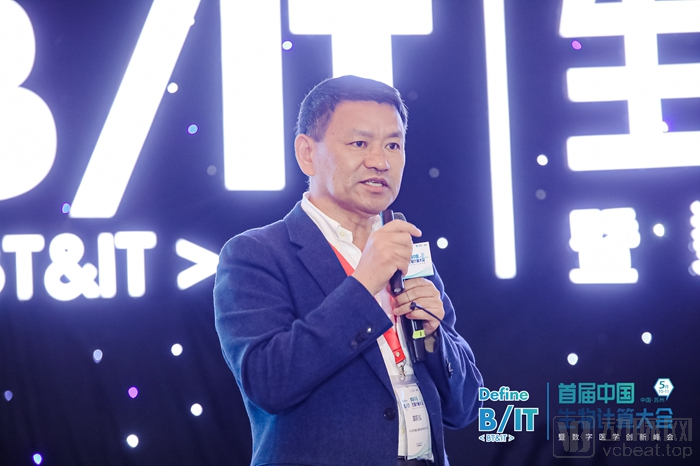
Academician of The World Academy of Sciences (TWAS), and Director of the Institute of Basic Medicine and Cancer, Chinese Academy of Sciences, Academician Tan Weihong
Parametric feature maps are key to efficient disease diagnosis and treatment, giving rise to various omics disciplines such as genomics, proteomics, cytomics, spatiotemporal omics, and molecular probe omics.
How to Obtain Multiple Parameters: This Issue Has Been Partially Resolved.How to extract valuable insights from the obtained parameters is the key focus for future development. Human diseases are characterized by complexity and diversity, necessitating diagnosis and treatment based on massive datasets and multi-parameter representations to achieve more accurate outcomes. Only through effective analysis of data acquired from multiple parameters can diseases be classified into distinct subtypes, thereby enabling targeted therapies.
The diagnosis of future diseases will inevitably involve the identification and quantitative measurement of molecular characteristics of multiple biomarkers.fixed,Leveraging artificial intelligence and data science to generate precise diagnostic maps that characterize disease subtypes, thereby providing transformative technologies for next-generation precision diagnosis.
Molecular subtyping of diseases based on big data is a prerequisite for precision medicine. Effective interpretation of these parameters requires the development of molecular recognition tools, integration of multi-omics information such as proteins and nucleic acids, and the advancement of novel data algorithms. High-throughput methodological research based on these parameters is being conducted, exemplified by an emerging technique: mass cytometry (CyTOF). This mass spectrometry-based approach combines the high-speed analytical capabilities of flow cytometry, enabling the simultaneous acquisition of multiple parameters within a single laboratory setting, with over 100 parameters measurable in a single experiment.
Tan Weihong stated, “Future disease diagnosis and treatment will require the acquisition of multiple parameters, followed by data processing to enable pattern-recognition-based diagnostics and therapeutics, thereby ushering in a new era of development for future disease management.”
Traditional pharmaceutical development typically follows a decade-long cycle, leveraging capital and technological investments to create blockbuster drugs for specific diseases. With the increasing establishment of personalized diagnosis and treatment protocols,Precision diagnosis and precision treatment will gradually advance in the future. Empowered by AI technology, this progress will lead to significant reductions in both cost and time.
Today, AI-empowered personal health solutions (such as wearable devices) enable individuals to proactively engage in health management and contribute data. For instance, a U.S.-based app facilitates active participation by both patients and physicians, leveraging an open model to drive AI-driven data applications that deliver R&D and diagnostic value for pharmaceutical companies and hospitals in the healthcare and life sciences sectors. The integration of AI into healthcare has had a positive impact on disease diagnosis and target research.
Currently, technology is limited to integrating AI with existing targets for structural calculations and functional predictions. In the future, the ability of AI to facilitate personalized drug development—tailoring therapeutics to individuals—may represent another new opportunity for AI advancement.
Tumors are governed by multiple regulatory mechanisms. A comparative analysis of transcriptomic and proteomic heterogeneity across various cancer types reveals that the expression of a subset of genes and proteins is highly consistent, particularly among metabolic genes involved in carbohydrate, amino acid, and fatty acid metabolism. However, consistency is lower and correlation weaker in aspects such as RNA splicing. This necessitates integrated multi-omics analysis to elucidate the associated complex landscapes and address these challenges.
Multi-omics requires comprehensive data as the foundation for research, combined with AI technologies for high-throughput analysis. By centering on data to establish fundamental cognitive frameworks and knowledge graphs, a search engine can be built upon this infrastructure to serve as an engine for novel drug discovery.
By leveraging public data and collaborating with research institutions, we generate certain scarce data points within the knowledge graph, establish an internal closed-loop system for functional validation, address deficiencies in ambiguous or uncertain contexts, and build a comprehensive data chain. This closed-loop infrastructure, combined with algorithmic engines, will have a positive impact on the discovery and diagnosis of many diseases.
The conference concluded with the launch of the Immune Atlas Excellence Program and the signing of alliance agreements. BioMap signed contracts with more than 30 inaugural ecosystem partners, including leading pharmaceutical R&D enterprises such as Viva Biotech and Harbour BioMed; AI-driven drug discovery companies such as SuZhi Bio and Yudao Bio; computational drug design platforms such as DP Technology and SuiKun Intelligence; frontier omics companies such as Biotree and Purui Benchmark; and multinational pharmaceutical giants such as the Merck Innovation Center.
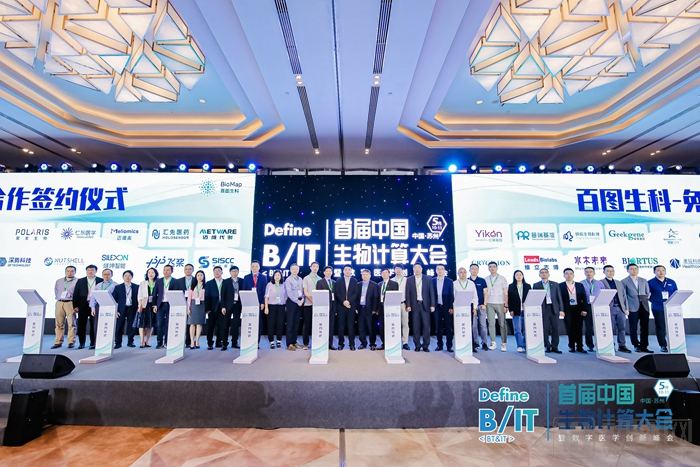
Through this Bio-computing Ecosystem Initiative, Baidu Life Sciences will contribute its core proprietary bio-computing engine, extensive in-house data resources, and RMB 1 billion in funding subsidies. In collaboration with ecosystem alliance partners, the company aims to advance the mapping of the immune atlas. The “Immune Atlas Excellence Program” is expected to support a cohort of high-quality translational medicine research projects in the future. By uniting leading experts in frontier biotechnology, drug development specialists, and clinical professional teams, the program seeks to establish an internationally leading “Immune Atlas.” This initiative will systematically explore the complex immune mechanisms underlying diseases such as cancer, autoimmune disorders, and aging, thereby enabling more efficient target discovery and drug design.