

Chen Dong: The Integration of Biocomputing and Medical Challenges Is the Next Critical Growth Frontier for Drug Discovery and Scientific Advancement
Gene therapy and cell therapy are transforming traditional approaches to cancer treatment, even bringing new hope for survival to many patients with advanced-stage disease. However, life phenomena are exceedingly complex, and our current understanding still leaves many questions about the internal mechanisms of living organisms unanswered. With its powerful deep learning capabilities and ability to integrate and analyze data, artificial intelligence (AI) has entered the spotlight, seeking answers by synthesizing vast amounts of biological data. What sparks will fly at the intersection of life sciences and AI? What new horizons will AI open up for the biological world?
On May 10, the inaugural China Bioinformatics Conference kicked off by the Jinji Lake in Suzhou, co-hosted by Bioto Life Sciences, China’s first life sciences company driven by bioinformatics technology, and Bohe Innovation, an innovation incubation center dedicated to the convergence of IT and BT. Centered on the theme of “BT & IT,” experts from academia, industry, research, and investment explored topics such as the definition and boundaries of bioinformatics, as well as the significance of AI for biological data, from various perspectives.
Among them,Dong Chen, Academician of the Chinese Academy of Sciences, Founding Dean of the Shanghai Institute for Immunotherapy Innovation, and Professor at Shanghai Jiao Tong University School of MedicineDelivered a presentation titled “Innovations in Immunotherapy: From Bench to Bedside,” and shared perspectives on the future development of bio-computing from an immunological standpoint.
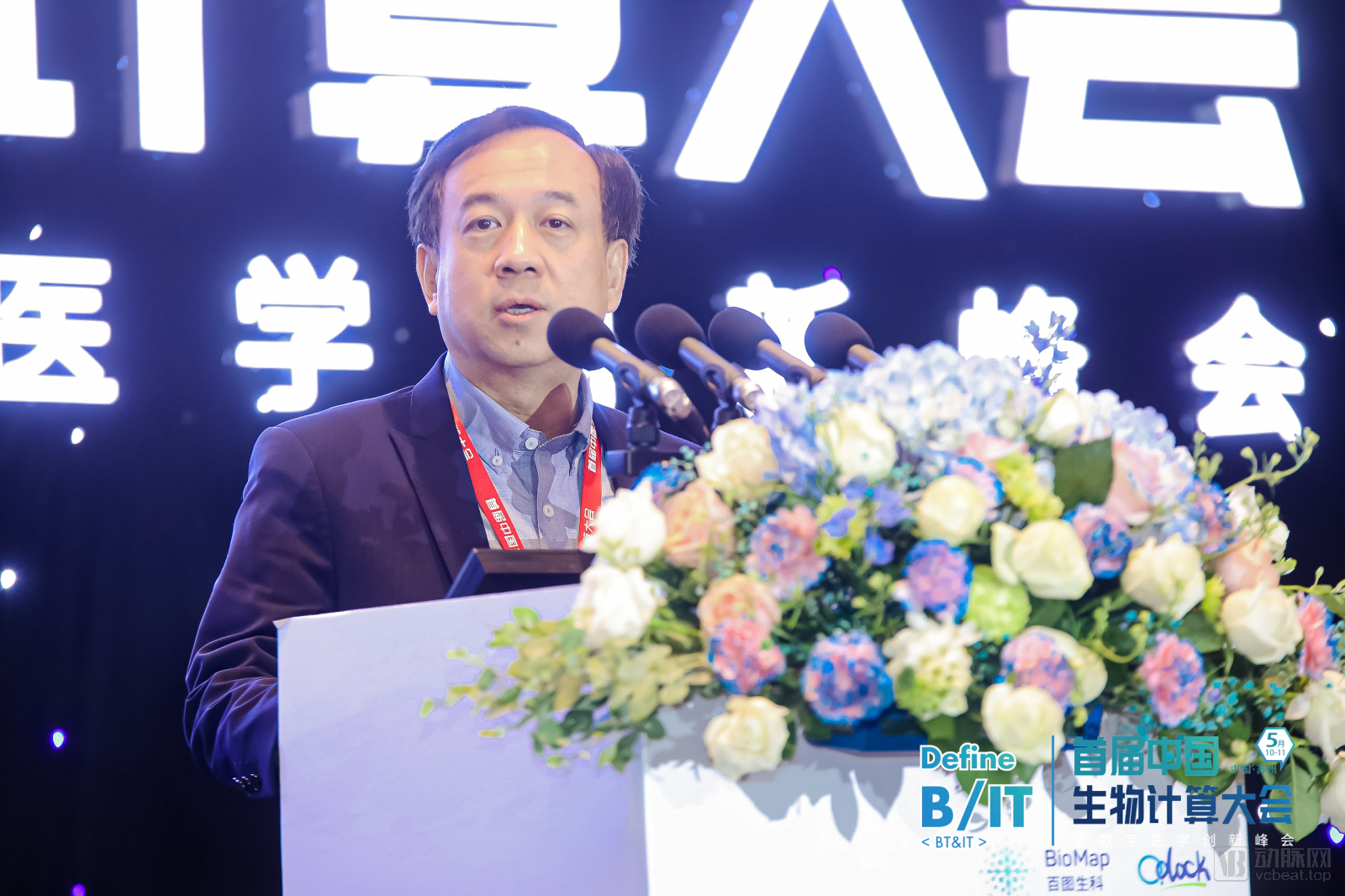
The following is a transcript of Academician Dong Chen’s speech, with edits by VCBeat that preserve the original meaning:
Hello everyone. Biological computation represents a methodological advancement and improvement, with the ultimate goal of safeguarding public health. As an immunologist, I returned to Tsinghua University with Professor Gong Yi in 2011. Over the past decade, I have been contemplating how to advance fundamental immunology research in China and facilitate the clinical translation of immunological findings. This process has coincided with the increasing integration of biological computation into scientific research and our daily lives.
Today, I will briefly share some concepts in immunology with you. I will also discuss how bioinformatics can help us elucidate the underlying principles and diversity of immunology in the future. I am delighted to see the launch of an immune atlas initiative at BioMap’s conference today. I look forward to continuing our collaboration with BioMap in this area, and I hope that more of my students will join your team.
Immunology is a discipline that bridges theoretical heights with practical applications, encompassing a vast array of theories. It has also been one of the most rapidly advancing fields within medicine over the past decades, given its close relevance to diverse human physiological processes and diseases.The onset and progression of numerous diseases are attributed to immune system dysregulation and pathology.
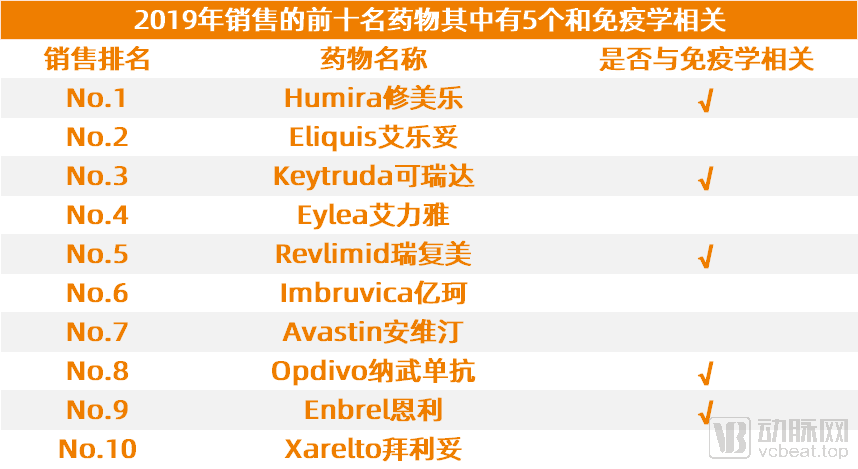
From a pharmaceutical perspective,Immunization methods and immunotherapies for immune-mediated diseases have long been a highly dynamic sector within the biopharmaceutical industry; in 2019, five of the top ten best-selling drugs worldwide were related to immunology.Recently, immune cell therapy has also emerged as a novel treatment modality, garnering widespread attention.
# What Is Immunity All About?It is hard to imagine that humans could have evolved to the present day without an immune system. If those of us here did not have robust immunity, it would be difficult for us to sit together unmasked. Last year, the outbreak of the COVID-19 pandemic propelled a significant leap in public attention to immunity and in the level of immunological knowledge among the general population. In general, the human immune system has evolved highly sophisticated mechanisms to combat external pathogens. There are many issues worthy of our attention at both the cellular and molecular levels.
With the outbreak of the COVID-19 pandemic, SARS-CoV-2 emerged as a novel virus to the human body. It exhibits a significant characteristic: it exerts a “selection” pressure on the population. The vast majority of individuals infected in Wuhan were asymptomatic, while a subset developed symptoms and received confirmed diagnoses. Among those with confirmed cases, only approximately 20% progressed to mild or severe disease, with some resulting in death. What underlies this phenomenon?
In fact, the question of how the diversity within our population precisely determines our varied immune responses to SARS-CoV-2 remains poorly understood. This is undoubtedly linked to genetic backgrounds and numerous other factors. In the future, artificial intelligence or machine learning may be able to predict whether an individual is susceptible or resistant to this type of virus or other pathogens, as well as identify who is likely to experience adverse reactions to vaccines and who is not.Only through in-depth studies of both healthy individuals and patients can we discover these patterns.
Last year, our team conducted the world’s first study on T-cell immune responses within the immune repertoire, examining both acquired neutralizing antibodies and cellular immune responses in recovered patients. In individuals who recover from infection, humoral immunity and cellular immunity act simultaneously and synergistically to combat the virus. However, our research on patients with severe disease revealed that while their humoral immune responses remained intact, they exhibited significant defects in cellular immunity. We hope that these observed differences in immune responses across different populations will guide the evaluation and development of vaccines.
Currently, we are also collaborating with several vaccine manufacturers to further monitor immune responses in vaccine recipients. Immune responses vary among individuals; for instance, some recipients may experience drowsiness for one to two days or even develop a fever after vaccination, while others remain asymptomatic.This all requires us to employ bio-computing-based approaches to synthesize and extrapolate from existing experimental data. Therefore, I believe thatThe development and further enhancement of future vaccines will undoubtedly require the involvement of AI and biocomputing.
In addition to infectious diseases, humans are increasingly affected by chronic diseases, which have become a major socioeconomic burden. Many chronic diseases are associated with the immune system; some can be categorized as resulting from excessive immune responses, such as pollen allergy (hay fever), certain anti-tumor immune reactions, and hepatitis.
Tumor immunology has increasingly become a core focus of R&D in oncology, with tumor immunotherapy emerging as the fourth pillar of cancer treatment, alongside the three traditional modalities.The ultimate cure of late-stage cancer patients through tumor immunotherapy represents an unprecedented discovery in the history of humanity’s fight against cancer. Tumor immunotherapy is increasingly becoming a mainstream treatment modality.
Currently, there are two main approaches to cancer immunotherapy. The first involves equipping T cells with “eyes” to enable them to recognize tumors. The second focuses on modulating negative or positive regulatory molecules of T cells to further enhance their activity. The pioneers of this second approach were the two scientists who received the 2018 Nobel Prize in Physiology or Medicine: James Allison from the United States and Tasuku Honjo from Japan.
For patients,The current therapeutic approach advocating “enhancing immunity by blocking negative regulatory molecules of T cells” faces numerous challenges.First, some patients experience adverse reactions, such as enteritis, myocarditis, and dermatitis. These conditions cannot be predicted by clinicians, necessitating further data and analysis to draw more definitive conclusions. Second, there is the issue of low response rates. How can we clinically identify which patient subgroups respond to PD-1 inhibitors and which do not? Although data are accumulating, robust conclusions have yet to be established.
What types of immune checkpoints or other targets should we pursue for drug development and effective treatment? In the future, will it be possible to further stratify patients across different tumor types and administer distinct therapies based on their individual immune profiles in response to drugs?
We aim to conduct more in-depth analyses in translational medicine research on tumor immunology in the future, enabling more precise patient stratification.Zemin has conducted extensive work to assess the status of cells within the tumor microenvironment, enabling predictions of which therapeutic interventions patients are more likely to respond to, thereby effectively improving patient cure and response rates.This is also a very important area that we hope machines and AI will help us humans to study in the future.
The same principle applies to the field of chronic diseases. We have observed that different immunosuppressants yield varying therapeutic outcomes in different patients, with population heterogeneity far exceeding the capacity of current theoretical frameworks to address.
T cells can modulate inflammatory responses in diverse immune reactions and immunological diseases. Based on the types of inflammatory responses or T cell lineages, T cells can be classified into distinct subsets. Helper T cells play a pivotal role in our immune system as key regulators of anti-infective immunity, particularly against bacterial and fungal infections, and also contribute significantly to chronic autoimmune diseases. In 2005, our laboratory discovered the TH17 subset of helper T cells, a finding that rapidly became a major focus for drug development efforts across leading pharmaceutical companies.
In 2008, human interleukin-17 (IL-17) blocking antibodies entered clinical trials. It was found that this drug was effective against three major categories of diseases: psoriasis, ankylosing spondylitis, and rheumatoid arthritis. However, there was also variability in therapeutic response among patients with different conditions—the antibody drug demonstrated high efficacy in psoriasis, achieving cure rates in over 90% of patients, whereas it was effective in only 50% of patients with ankylosing spondylitis.
We are interested in whether genomic data on genetic background can predict which patients will respond to this drug and which will not. It is also worth further investigating the underlying mechanisms and whether there are detection methods capable of identifying these patient subgroups.
Based on this, I recently came to Shanghai to establish the Shanghai Institute for Innovation in Immunotherapy, aiming to effectively integrate basic research findings with clinical challenges. By investigating the underlying mechanisms of diseases, we seek to conduct further analyses on patient populations and disease conditions that currently do not benefit from existing pharmacological interventions.
In clinical practice, corticosteroids remain the mainstay of treatment for many diseases, indicating a lack of in-depth research and understanding of the underlying immunological mechanisms. In light of this, we urgently aim to leverage various types of data through bioinformatics and AI-driven approaches to optimize clinical trial design, fully utilize diverse parameters, and elucidate the mechanisms of immunological regulation.
The extensive integration of biological computing with medical issues should be the next significant growth point for drug development and scientific progress.It may not be the “only” factor, but I believe it is critically important. I also hope that we can collectively foster an ecosystem and collaborate to advance technologies and R&D in biocomputing grounded in translational medicine and human diseases.
Finally, thank you once again for the opportunity to share here. Thank you all!