

Airi Medical Advances Complex Tumor Care Through International Multidisciplinary Committee and MDT Model
“Developed countries, including the United States, have technical levels in tumor diagnosis and treatment that are not significantly different from those in China. However, the five-year survival rate for cancer patients is 50%-60% in developed countries, while it is only 30%-40% in China.” Shi Anli, President of the Rehabilitation Branch of the Chinese Anti-Cancer Association, made this remark on the current survival status of cancer patients at the inauguration ceremony of the “International Multidisciplinary Senior Special Committee on Complex Cancer Cases.”
Why Is There a Stark Disparity in Five-Year Survival Rates Among Cancer Patients Despite Comparable Technical Proficiency? On one hand, “developed countries in Europe and America have implemented institutional safeguards to ensure that healthcare institutions adopt measures such as early detection, early diagnosis, and early treatment, thereby improving therapeutic outcomes.” On the other hand, “clinical medicine in countries like the United States is evolving toward ‘multidisciplinary precision medicine,’ where cancer patients are often managed collaboratively by physicians from multiple specialties,” enabling personalized diagnosis, treatment, and disease management, which has effectively enhanced the five-year survival rates for cancer patients.
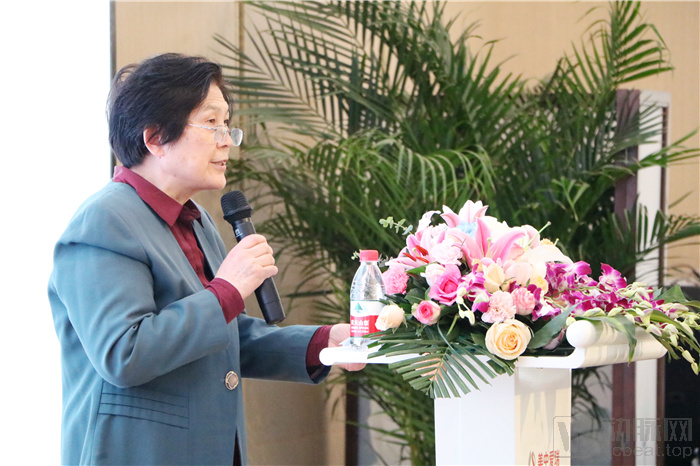
Shi Anli, President of the Rehabilitation Branch of the China Anti-Cancer Association
With the release of the “Healthy China 2030” Planning Outline, national policy has placed greater emphasis on improving public health, prompting hospitals to prioritize patient medical services and provide meticulous in-hospital health management. However, under the current system, patients are often left unsupervised during the longer-term post-discharge phase outside the hospital setting. Reduced adherence in this outpatient context can lead to suboptimal recovery outcomes for cancer patients, or even unnoticed disease progression.
Driven by the aforementioned reasons, Beijing Meizhong Airui Cancer Hospital (hereinafter referred to as “Meizhong Airui”), which was established in 2017 and commenced operations in January 2021, has initiated reforms starting from top-level design aspects such as institutional framework, patient care processes, and performance evaluation.Core: Full-Course Diagnosis and Treatment Model Based on Multidisciplinary Team (MDT) Collaboration, restructured the diagnosis and treatment system with a focus on patient outcomes, aiming to promote the development of China’s oncology treatment ecosystem by introducing international standards in cancer care.
At the conference, US-China AiRui and UPMC (University of Pittsburgh Medical Center) established a strategic partnership and launched the International Multidisciplinary Senior Committee on Complex Oncology Cases. This initiative aims to pool oncology expertise from China and the United States to address the diagnostic and therapeutic challenges posed by difficult and complex malignant tumor cases. While advancing the standard of care for such challenging oncology cases, US-China AiRui also enables more Chinese patients with critical and complex cancers to access advanced U.S. oncology research achievements, treatments, and pharmaceuticals without leaving the country.
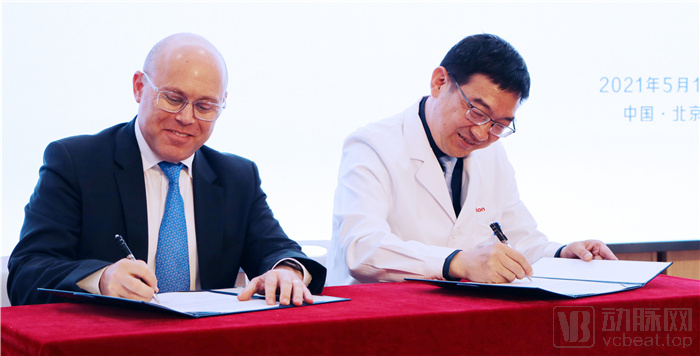
Left: Shijie Peng, Senior Vice President of UPMC International and President of China Region; Right: Dr. Zhonghuang Xu, President of US-China iCancer Hospital
Why Establish an International Multidisciplinary Senior Committee for Complex Oncology Cases?
As President Shi Anli stated, “No two cancer patients have identical treatment plans.” Ensuring that patients, particularly those with complex and refractory cases, receive personalized diagnosis and treatment alongside standardized care has become an urgent issue requiring careful consideration. Historically, patient care was primarily led by the physicians in the department where the patient initially registered. Even for patients with complex and refractory tumors, although multidisciplinary expert consultations were convened by hospital departments, such collaborations were often limited to a few specialties focusing on treatment planning, lacking comprehensive feedback, evaluation, and follow-up for subsequent therapy.
The MDT (Multidisciplinary Team) collaborative care model, newly constructed by US-China RuiAi from a top-down design perspective, ensures its implementation at the institutional level. Under this model, Dr. Xu Zhonghuang, President of US-China RuiAi, points out that patients’ disease progression and test results are meticulously documented and organized. “At every time point, the symptoms exhibited by the patient and the corresponding test results are fully accessible and traceable,” he states, adding that every physician participating in the MDT is accountable for the diagnosis and treatment plan adopted for the patient. Given the inherently prolonged treatment course for oncology patients, US-China RuiAi’s MDT model spans the entire lifecycle of patient care, distinguishing itself from the one-time expert consultation models commonly practiced in other hospitals.
However, the MDT model serves merely as a foundation. Clinical practice guidelines and expert consensus statements typically cover the diagnosis and treatment of only about 80% of patients, leaving approximately 20% with complex and refractory cases outside their scope. In situations where guidelines fail to provide reasonable and effective recommendations, how to deliver personalized, beyond-guideline diagnostic and therapeutic services to patients has become an inevitably contentious issue. The original intention behind establishing the International Multidisciplinary Senior Committee for Complex Oncology Cases was precisely to address such challenges. For Xu Zhonghuang, its existence is not solely aimed at advancing the diagnosis and treatment of complex oncology cases, but more importantly, at promoting self-regulation within the industry.
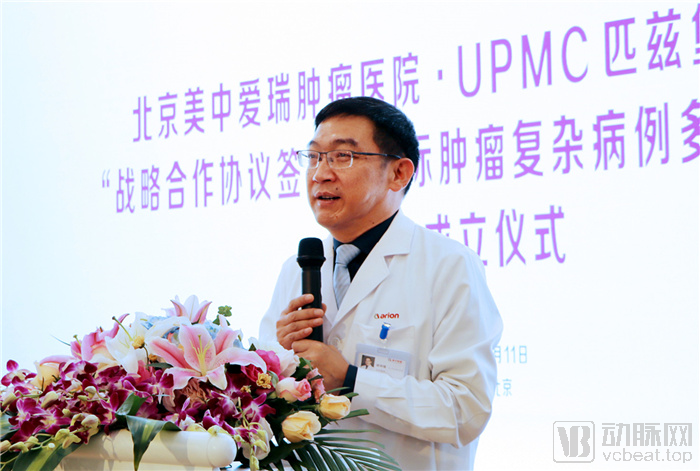
Xu Zhonghuang, President of US-China Aierui Cancer Hospital
It is necessary to provide a brief introduction to UPMC (University of Pittsburgh Medical Center), which has signed a strategic agreement with Meizhong Airui. Founded in 1893, UPMC is one of the largest academic medical centers in the United States. Currently, it provides healthcare services to millions of patients and families across more than 40 hospitals worldwide. UPMC hospitals have also been repeatedly ranked among the best hospitals in the nation by U.S. News & World Report.
It is worth noting that UPMC is a comprehensive healthcare system encompassing disease prevention, primary care, specialty treatment, critical care, rare diseases, and cutting-edge clinical trials. Its oncology care has earned an international reputation for excellence. At its core is the UPMC Hillman Cancer Center, one of the largest cancer treatment networks in the United States and an NCI-designated Comprehensive Cancer Center and clinical trials site. In addition to operating more than 70 oncology outpatient and radiation/chemotherapy centers across the United States, UPMC has expanded its reach into Europe, with multiple world-class radiotherapy and surgical centers in Italy and Ireland.
The professional expertise of UPMC has injected new momentum into the establishment of the Special Committee on Complex Oncology Cases. The decision to form this committee was driven primarily by several factors: the growing complexity of cancer treatment necessitates multidisciplinary collaboration; the rapid and continuous updates in oncology knowledge require constant vigilance; improved patient survival rates have led to an increasing demand for later-line therapies; there is a lack of sufficient clinical evidence for the treatment of some patients; and large-scale systematic clinical research data are scarce for certain rare tumors.
The establishment of the special committee will help clarify patient diagnosis and staging, select safe and reasonable treatment plans based on the latest clinical evidence, and ultimately benefit patients. Institutions such as Meizhong Airui and UPMC will further promote the improvement of clinical medical research levels by treating complex and difficult cases, thereby further aiding in patient diagnosis and treatment.
How to Achieve Personalized Diagnosis and Treatment on the Basis of Standardized Care?
How, then, do overseas institutions provide targeted, personalized diagnosis and treatment for patients with complex and challenging conditions? Professor Min Sun from the Division of Medical Oncology at the University of Pittsburgh Medical Center (UPMC) pointed out to VCBeat that expert consensus and disease guidelines serve as the cornerstone of diagnostic and therapeutic plans during patient care. Over the past decade, UPMC has developed and refined a comprehensive set of “Oncology Clinical Pathways,” covering 95% of cancer types. To facilitate physicians’ access to these guidelines, UPMC has integrated the “Oncology Clinical Pathways” into its electronic health records (EHR), thereby maximizing guideline accessibility.
“Oncology Clinical Pathways” features 36 disease-specific expert committees composed of oncology specialists from leading medical institutions. Each quarter, these committees update the “Oncology Clinical Pathways” based on the latest clinical evidence, thereby promoting real-time, standardized cancer care. The “Oncology Clinical Pathways” have been adopted by more than 2,300 oncologists across 50 medical institutions nationwide. Despite their broad coverage and detailed content, a significant number of cancer patients in clinical practice still fall outside the scope of these guidelines. How do UPMC or physicians in the United States provide personalized care for such patients?
Professor Sun Min pointed out that, first, the Clinical Pathways for Oncology list clinical trials available for patient participation right at the outset of diagnosis and treatment, allowing physicians to consider enrollment in clinical trials at any stage throughout the process. Second, the Clinical Pathways for Oncology specifically provide an “off-pathway option,” detailing specific chemotherapy regimens, thereby enabling physicians to select treatments outside the guidelines based on individual patient conditions. If neither clinical trials nor the “off-pathway option” prove effective, patients may access compassionate use medications under a written consensus among the physician, the U.S. Food and Drug Administration (FDA), and the pharmaceutical manufacturer. Throughout this process, it is essential to ensure informed patient consent regarding drug characteristics, side effects, and dosage adjustments, safeguarding the rights and interests of all parties through appropriate institutional mechanisms. With informed patient consent, physicians may administer off-guideline therapies to deliver personalized diagnosis and treatment.
US-China Airui and UPMC have jointly established a Multidisciplinary Advanced Special Committee for Complex Oncology Cases. This initiative aims to address technical shortcomings and enhance the diagnosis and treatment of patients with complex oncological conditions. Additionally, it seeks to incorporate advanced international experience to provide patients with superior personalized diagnostic and therapeutic services. Furthermore, the MDT model implemented under the auspices of the Special Committee will play a supervisory and guiding role.
In Xu Zhonghuang’s view, the greater emphasis on standardization in China’s healthcare sector in the past stemmed from the fact that clinical practice standardization still fell far short of established benchmarks. However, this should not hinder the development of personalized diagnosis and treatment. Following the collaboration with UPMC, US-China Aierui will further advance the standardization of clinical practices, for instance, by integrating clinical guidelines and literature databases into electronic medical record systems, thereby enabling physicians to access the latest oncology treatment guidelines at any time. Additionally, with patient-centered care in mind, US-China Aierui’s dedicated case managers will explain the treatment plans proposed by the Multidisciplinary Team (MDT) to patients.
The inaugural special committee comprises more than 20 top oncology experts from China and the United States. Professor Min Sun from the Division of Medical Oncology at the University of Pittsburgh Medical Center (UPMC) was elected as the inaugural chair, while Dr. Zhonghuang Xu, President of Beijing US-China Aierui Cancer Hospital, serves as vice chair. The committee will facilitate academic exchanges when addressing complex and challenging oncology cases. As part of their collaborative plan, the multidisciplinary team (MDT) at US-China Aierui will hold regular online video conferences with three UPMC oncology experts to analyze and discuss difficult cases, formulate multidisciplinary diagnostic and treatment recommendations, and implement these plans through the US-China Aierui MDT team.
The collaboration with UPMC extends beyond these initiatives. Based on mutual needs, UPMC and US-China Aier will exchange personnel for academic visits, physician training, and other activities. Furthermore, when effective diagnostic and therapeutic options are lacking domestically, US-China Aier can facilitate overseas referrals for patients. Through the establishment of new pharmacological bases and research centers, as well as a multidisciplinary senior committee for complex oncology cases, US-China Aier can also provide patients with access to novel and specialized medications. Both parties will not limit their scope to the diagnosis and treatment of diseases; instead, they will offer comprehensive services encompassing social support, physiological nutrition, and psychological counseling. This approach aims to better implement the Multidisciplinary Team (MDT) development model and serve every cancer patient more effectively.