

APTBIO Establishes Innovation Research Institute and Academician Expert Workstation with RMB 45 Million in Research Grants
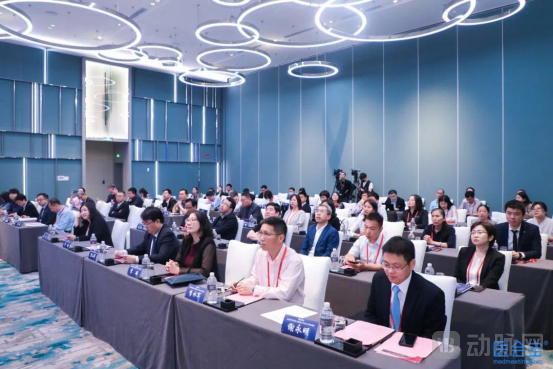
On May 14, 2021, the launch ceremony for the “Establishment of the Innovation Research Institute and Unveiling of the Academician and Expert Workstation,” hosted by Shanghai Zhongke New Life Biotechnology Co., Ltd., was held at the Courtyard by Marriott Shanghai Zizhu. Zhongke New Life invited Academician Li Lin from the Chinese Academy of Sciences, Guan Xiaojun, Member of the Standing Committee of the Minhang District Committee of the Communist Party of China and Deputy District Mayor, and Liao Kan, Deputy Director of the Shanghai Institute of Nutrition and Health, Chinese Academy of Sciences, to provide guidance. The event also welcomed numerous guests from academic research institutions, biopharmaceutical companies, hospitals, medical testing laboratories, and instrument and equipment manufacturers—including Danaher Life Sciences, SCIEX China, Thermo Fisher Scientific (China) Co., Ltd., Bruker Daltonics China, and Hangzhou Newlan Technology Co., Ltd.—to jointly witness this significant milestone.
Concurrently, a strategic signing ceremony with partners and an online live-streamed roundtable discussion on mass spectrometry-based multi-omics technologies were held during the conference. APExBIO also launched the “Torch Program,” providing a total of RMB 45 million in research grants across two initiatives, to solicit collaborative projects in China focused on multi-omics studies of clinical tumor samples and multi-omics research on traditional Chinese medicine.
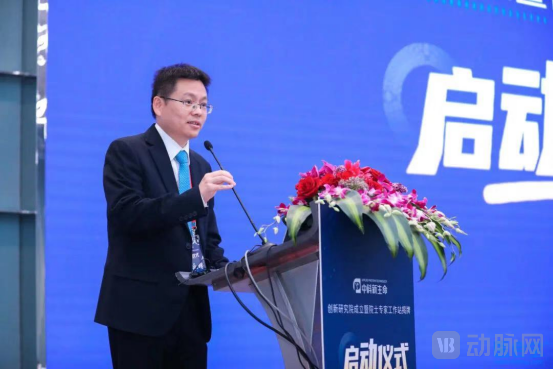
Xie Yongming, Deputy General Manager of APExBIO, presided over the event.
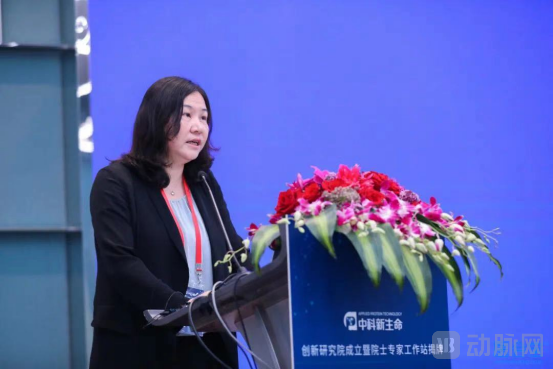
Ms. Chen Wei, Chairwoman and General Manager of APExBIO, delivered the welcome address on stage.
Over its 17-year development, APExBIO has accumulated substantial expertise and achieved a qualitative leap in both workforce size and product service capabilities, successfully establishing a multi-omics integrated analysis platform centered on the research and application of mass spectrometry technology. The establishment of the “Innovation Research Institute” by APExBIO addresses the urgent need to expand research and applications in precision medicine. With support from the Chinese Academy of Sciences and various levels of local government, the company has been approved to set up an “Academician and Expert Workstation.” This initiative aims to foster new breakthroughs for APExBIO in industry-academia-research collaboration, the introduction of high-level talent, the development of major projects, scientific and technological exchange, and the commercialization of scientific achievements.
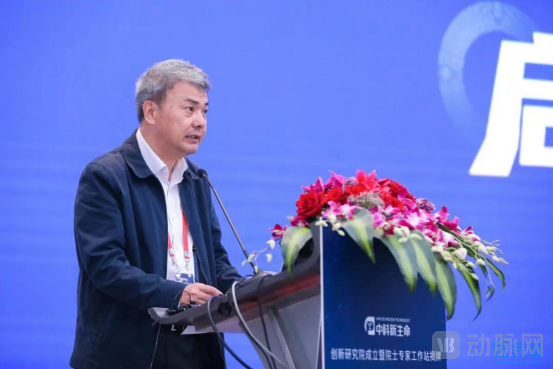
Academician Li Lin of the Chinese Academy of Sciences Delivers a Speech at the Inauguration Ceremony of the “Innovation Research Institute”
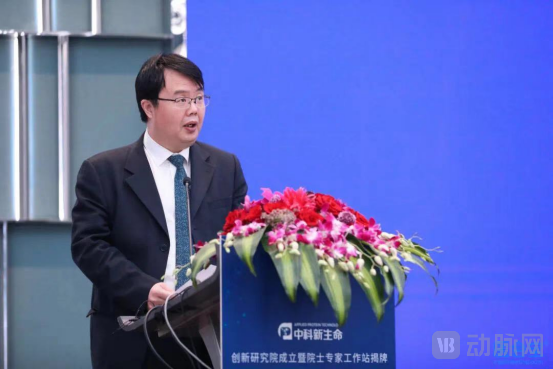
Mr. Guan Xiaojun, Member of the Standing Committee of the Minhang District Committee of the Communist Party of China and Deputy District Mayor, delivered a speech at the inauguration ceremony of the “Innovation Research Institute.”
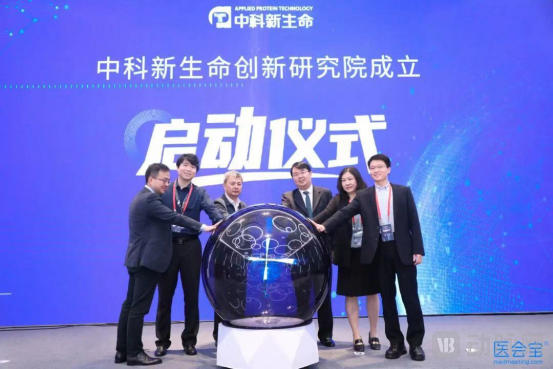
Inauguration Ceremony of the “Innovation Research Institute” of APExBIO
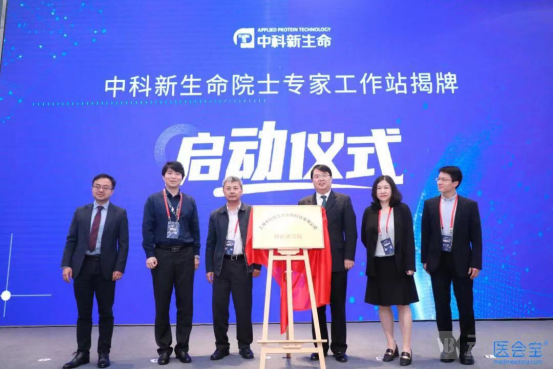
APTBio’s “Innovation Research Institute” Unveiled
Academician Li Lin of the Chinese Academy of Sciences, Guan Xiaojun, Member of the Standing Committee of the Minhang District Committee of the Shanghai Municipal Communist Party of China and Deputy District Mayor, Professor Ding Chen from the Human Phenome Institute at Fudan University, Liu Sanhong, Distinguished Professor at the Interdisciplinary Research Institute of Shanghai University of Traditional Chinese Medicine, Ms. Chen Wei, Chairman and General Manager of Shanghai Zhongke New Life, and Ruan Hongqiang, Deputy General Manager, jointly unveiled the plaque for the inauguration of the “Innovation Research Institute” of Zhongke New Life.
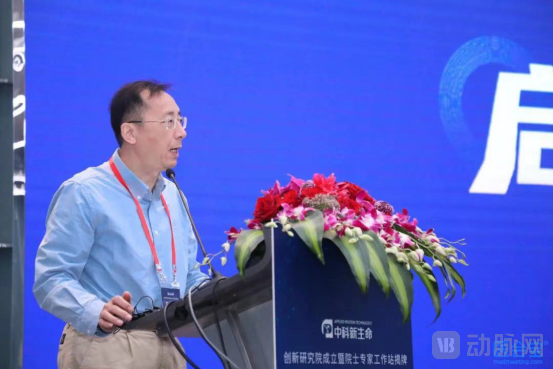
Deputy Director Liao Kan of the Shanghai Institute of Nutrition and Health, Chinese Academy of Sciences, Delivers Opening Remarks
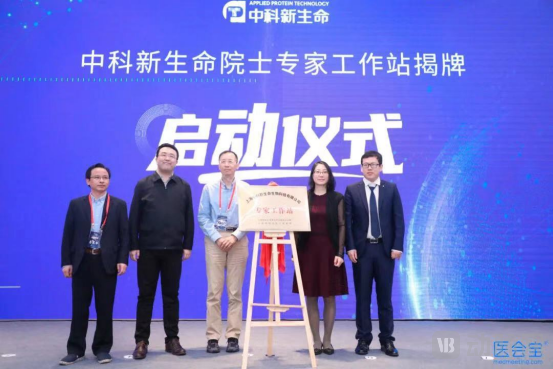
Unveiling Ceremony for the Academician and Expert Workstation
Liao Kan, Deputy Director of the Shanghai Institute of Nutrition and Health, Chinese Academy of Sciences; Ms. Li Li, Director of the Minhang District Science and Technology Commission; Professor Wu Jiarui, Deputy Director of the Center for Pharmacovigilance and Rational Use of Chinese Medicine at Beijing University of Chinese Medicine; Professor Zhan Xianquan from Shandong First Medical University; and Li Pengpeng, Deputy General Manager of the Technology Service Division of Shanghai Zhongke New Life Biotechnology Co., Ltd., jointly unveiled the plaque for the Academician and Expert Workstation.
At the event, two renowned domestic biopharmaceutical companies were present and signed a strategic cooperation agreement to foster their friendly partnership.
A total of 45 million yuan was invested to fund two "Xinhuo Program" projects
APTBIO also launched two major research funding initiatives under the “Xinhuo Program,” soliciting collaborative projects across China in the fields of multi-omics research on clinical tumor samples and multi-omics research on traditional Chinese medicine.
Xinhuo Program: Multi-omics Research Support Program for Clinical Tumor Samples
APTBIO will launch the “Multi-Omics Research Support Program for Clinical Tumor Samples,” leveraging multi-omics technologies such as proteomics and metabolomics to drive new advancements in tumor research, with the goal of achieving early tumor prediction, prevention, and precision treatment. Over a five-year period, APTBIO plans to allocate RMB 30 million in research funding to solicit collaborative projects across China. For selected projects, APTBIO will provide funding support ranging from a minimum of 20% to a maximum of 50% of the project budget. This support covers study design, sample processing, mass spectrometry analysis, data analysis, machine learning, and in-depth data mining.
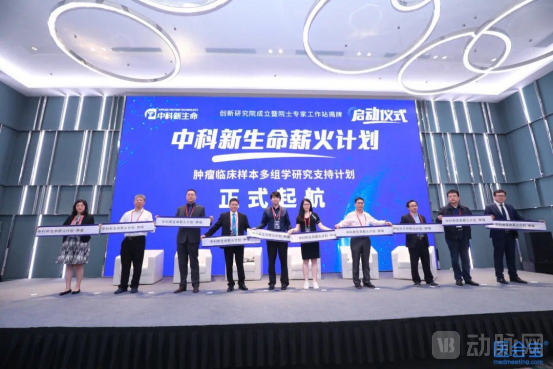
Ribbon-Cutting Ceremony for the APExBio “Passing the Torch” Program: Multi-Omics Research Support Initiative for Tumor Clinical Samples
APTBIO Launches “Multi-Omics Research Support Program for Traditional Chinese Medicine”The program aims to leverage multi-omics technologies, including proteomics and metabolomics, to further advance research on Traditional Chinese Medicine (TCM) and contribute to its enhanced application in clinical treatment. APTBIO plans to invest a total of RMB 15 million in research funding over the next three years to solicit collaborative projects across China. For selected projects, APTBIO will provide funding support ranging from 20% to 50% of the total project budget. The support covers experimental design, sample processing, mass spectrometry analysis, data analysis, and in-depth data mining.
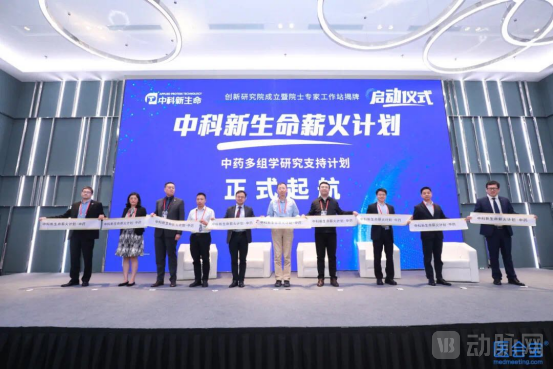
Ribbon-Cutting Ceremony for the TCM Multi-Omics Research Support Program under APExBIO’s “Passing the Torch” Initiative
Mr. Xie Yongming, Deputy General Manager of Biotree, moderated the first half of the roundtable discussion. Professor Ding Chen from the Human Phenome Institute at Fudan University, Professor Huang Chaolan, Director of the Center for Precision Medicine Multi-omics Research at Peking University Health Science Center, Director Li Shuijun from the Laboratory of Shanghai Xuhui Central Hospital, Professor Zhan Xianquan from Shandong First Medical University, and Mr. Bo Tao, Application Support Director of the Chromatography and Mass Spectrometry Division of Thermo Fisher Scientific China, shared their insights and experiences on the prospects and challenges of applying mass spectrometry-based multi-omics technologies in the clinical diagnosis and treatment of cancer.
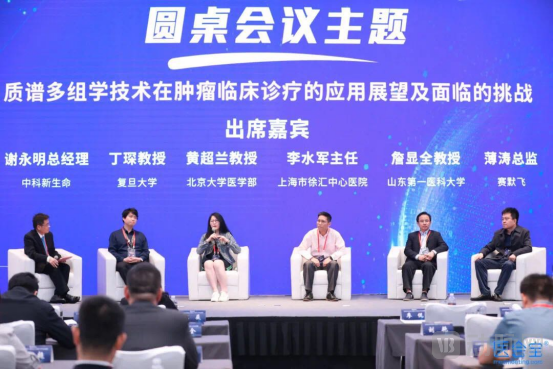
Roundtable Discussion: Prospects and Challenges of Mass Spectrometry-Based Multi-Omics Technologies in Clinical Oncology Diagnosis and Treatment
Professor Huang Chaolan stated: "In the future, mass spectrometry-based proteomics will become increasingly important. Based on my personal research in tumor biomarkers, we have already been able to identify certain biomarkers through proteins. In the future, where conditions permit, proteins should be integrated with upstream genomics and downstream metabolomics to form a more comprehensive and precise biomarker system."
Director Li Shuijun stated: "Mass spectrometry holds immense potential. Through our extensive prior research, we have been continuously exploring its capabilities, and it is becoming increasingly vital in clinical diagnosis and application. However, integrating the data and results generated by mass spectrometry into clinical practice remains a future challenge."
Mr. Ruan Hongqiang, Deputy General Manager of ABT (Shanghai) Biotechnology Co., Ltd., moderated the second half of the roundtable discussion. Professor Liu Sanhong from the Interdisciplinary Research Academy of Shanghai University of Traditional Chinese Medicine, Professor Wu Jiarui, Deputy Director of the Center for Pharmacovigilance and Rational Use of Chinese Medicines at Beijing University of Chinese Medicine, Associate Researcher Yang Tao from the Institute of Liver Diseases at Shuguang Hospital Affiliated to Shanghai University of Traditional Chinese Medicine, and Mr. Guo Lihai, Technical Application Director of SCIEX China, shared their insights and experiences on the research applications and future prospects of mass spectrometry-based multi-omics technologies in the field of Traditional Chinese Medicine.
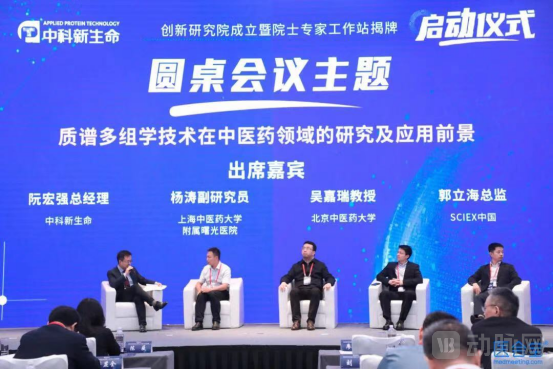
Roundtable Discussion: Research and Application Prospects of Mass Spectrometry-Based Multi-Omics Technologies in the Field of Traditional Chinese Medicine
Associate Researcher Yang Tao stated: "Traditional Chinese Medicine (TCM) is a highly complex subject. Mass spectrometry plays an extensive and crucial role in the field of TCM due to its considerable complexity. The material basis of TCM is multi-layered, making quality control and efficacy control significant challenges. Through mass spectrometry technology, we can perform precise qualitative analysis of the components in TCM."
Professor Wu Jiarui stated: In the context of life sciences and big data strategies, traditional Chinese medicine (TCM) needs to integrate with the field of life sciences, and TCM pharmacology serves as the intersection between TCM and life sciences. From a research perspective, the integration of multi-omics—including proteomics, transcriptomics, and genomics—with TCM, as well as with the efficacy basis and pharmacology of TCM, represents an important pathway for the inheritance of TCM. Multi-omics plays a significant role in the inheritance and innovation of TCM theory and clinical practice.
The Inauguration of the Innovation Research Institute and the Unveiling Ceremony of the Academician and Expert Workstation at APExBIO Have Been Successfully Concluded. APExBIO has not only established a multi-omics integrated analysis platform centered on the research, development, and application of mass spectrometry technology but also built a translational medicine and precision medicine commercial platform driven by mass spectrometry data. Today, with the establishment of its Innovation Research Institute and Academician and Expert Workstation, APExBIO aims to achieve new breakthroughs in advancing industry-academia-research collaboration, attracting high-level talent, developing major projects, facilitating scientific and technological exchanges, and promoting the transformation of scientific achievements. The Corporate Innovation Research Institute will fully leverage the supporting and leading role of the team of academicians and experts in corporate innovation activities, integrate resource advantages from all parties with independent innovation capabilities, and continuously deepen the mechanism for industry-academia-research cooperation. Seizing this opportunity, APExBIO will accelerate the pace of transforming scientific and technological achievements, striving to become a research and development center and industrial base for China’s life and health sector, thereby leading and actively promoting the development of China’s life and health industry.