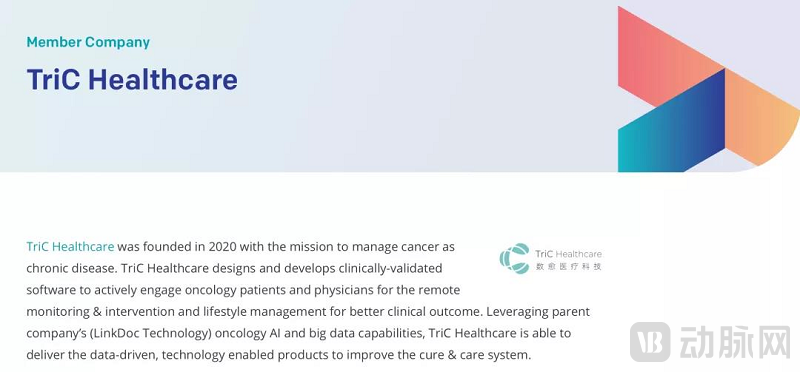
TriC Healthcare, Subsidiary of LinkDoc, Becomes China's First and Only Oncology-Focused Certified Member of the Digital Therapeutics Alliance
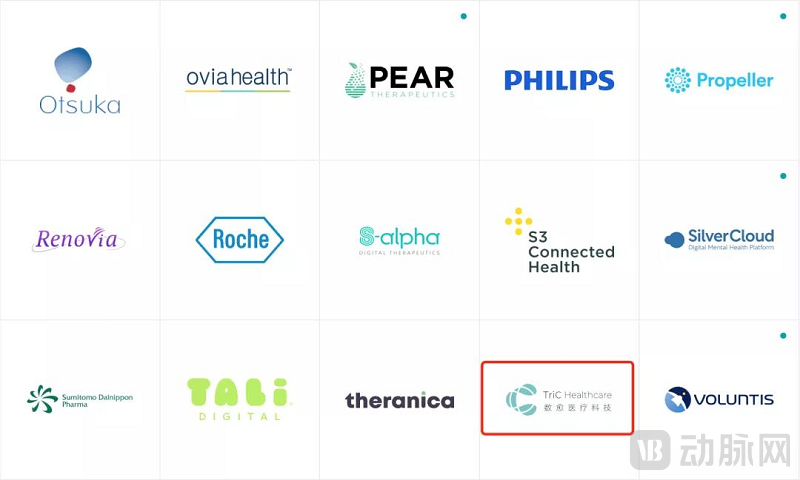
On May 14, the official website of the Digital Therapeutics Alliance (DTA) updated its latest list of certified members. TriC Healthcare, a subsidiary of LinkDoc, was included in the list, becoming one of the first certified members from China and the only member enterprise in the domestic oncology field.
As the world’s first professional association dedicated to digital health, DTA provides expert consensus and industry development guidelines for academic research in the global digital health sector, the formulation of regulatory review standards for Digital Therapeutics (DTx), and clinical treatment or adjunctive therapies. It is committed to transforming global healthcare by advancing digital health.
It is worth noting that the Digital Therapeutics Alliance (DTA) is renowned in the industry for its rigorous membership review system. To date, it has certified 49 member organizations globally, including AKILI, Pear, Propeller, Welldoc, and Shuyu. Among the Chinese enterprises applying for certification this time, Shuyu had been established for only four months and passed the review after its initial formal communication with the DTA. This achievement reflects Shuyu’s profound understanding of digital therapeutics research.
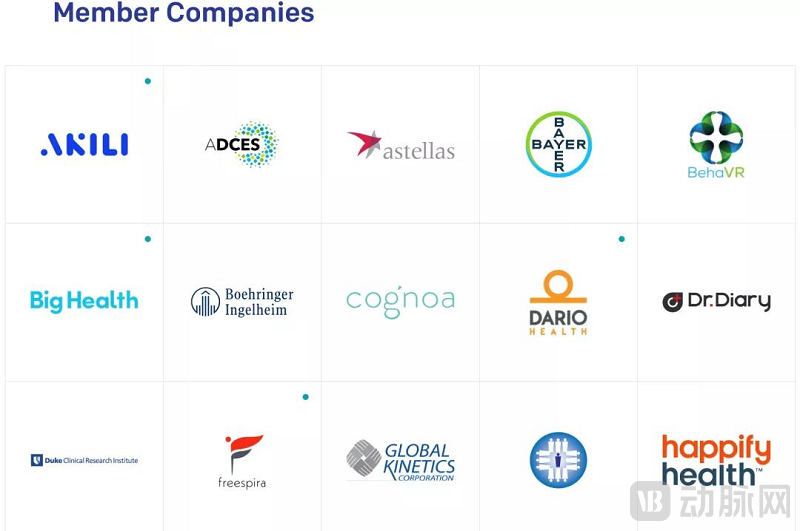
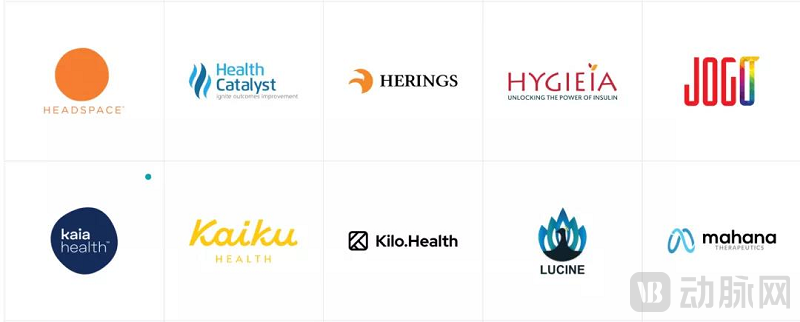
Certified Members Listed on the DTA Official Website as of May 14, 2021 (Not All Shown Above)
“Digital Therapeutics” was first proposed in 2015. According to the Digital Therapeutics Alliance (DTA), digital therapeutics are evidence-based therapeutic interventions driven by software programs to prevent, manage, or treat a disorder. They can be used independently or in combination with medications, devices, or other therapies.
Unlike general health management apps, digital therapeutics (DTx) products abroad are commonly software-based solutions, or software-hardware combinations, whose safety and efficacy have been validated through clinical trials. Unlike traditional pharmaceuticals, DTx offers greater safety and accessibility, as patients can access these interventions simply using a smartphone or tablet. Digital therapeutics can be applied across multiple scenarios, including disease prevention, treatment, and out-of-hospital management. By targeting specific disease areas and patient populations, DTx provides personalized intervention plans that enhance patient adherence, thereby achieving better therapeutic outcomes. Leveraging big data and advanced algorithms, digital therapeutics can continuously upgrade and iterate to improve their “efficacy,” ultimately leading to better prognoses for patients.
2020 was a breakout year for digital health. Driven by the pandemic-induced surge in demand and favorable policy support, digital health entered a fast track of development.
Zero-Ke ShuYu has also taken the lead in exploring and implementing digital therapeutics in the field of oncology.
Currently, there is an urgent clinical demand for innovative oncology drugs and treatment regimens. This necessitates not only the provision of effective treatment plans by physicians within hospitals, along with innovations in diagnosis and therapy, but also extended care outside hospital settings to improve patients’ rehabilitation experiences, enhance their quality of life, and optimize healthcare payment mechanisms.
To this end, Shuyu has established an out-of-hospital patient management platform that provides comprehensive out-of-hospital treatment management—including oral medication tracking, documentation of adverse drug reactions, monitoring of physical symptoms, psychological counseling, and professional medical intervention—as well as out-of-hospital rehabilitation management encompassing rehabilitation support, nursing care, dietary planning, psychological counseling, and follow-up examination scheduling. This initiative aims to enhance tumor patients’ understanding of medication adherence in the context of precision therapy, while also addressing challenges related to accessibility and distance in seeking medical care. By improving patient engagement in out-of-hospital follow-ups and repeat visits, the platform ultimately seeks to improve survival outcomes.
Building on the foundation of an out-of-hospital patient management platform, the design and application of digital therapeutics products also require support from real-world data and related clinical studies, an area in which LinkDoc-Shuyu has accumulated substantial experience.
In June 2019, LinkDoc’s digital health team, in collaboration with the Chinese Medical Affairs Conference (CMAC) and senior industry experts, authored and released China’s “E-PRO White Paper” (Electronic Patient-Reported Outcomes), promoting the application of medical data across the entire patient lifecycle. In April 2021, the National Medical Products Administration’s Center for Drug Evaluation (CDE) issued the “Guiding Principles for Real-World Data to Generate Real-World Evidence (Trial)”. LinkDoc participated in the drafting of this national-level guideline as the sole “external expert institution.”
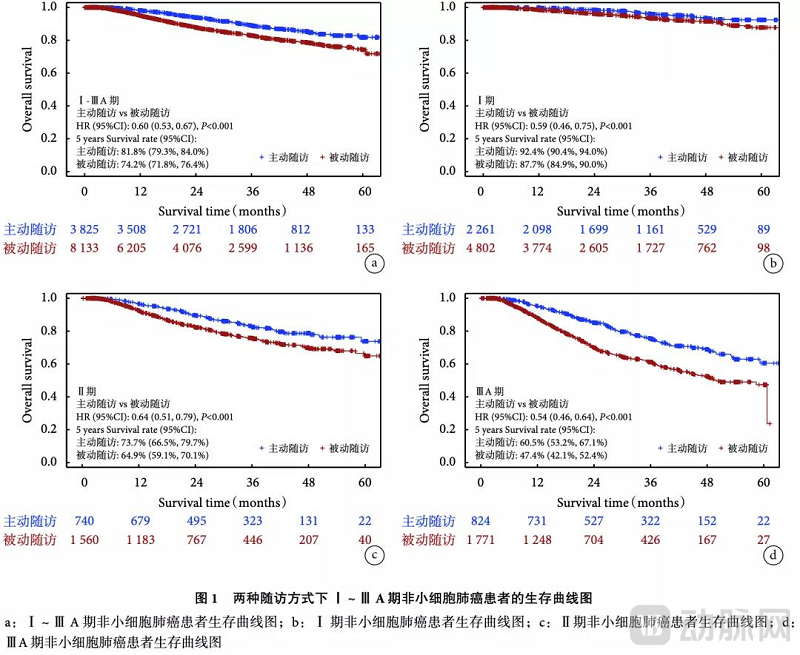
In May 2021, the LinkDoc-Shuyu Digital Therapeutics Model achieved a milestone in clinical evidence-based research. Led by Professor Sun Daqiang from the Department of Thoracic Surgery at Tianjin Chest Hospital, and Professor Chen Pingyan from the Hainan Institute of Real-World Data and the Department of Biostatistics at Southern Medical University, the first domestic multicenter, observational, large-sample (11,958 cases) long-term follow-up study of postoperative patients with stage I–IIIA non-small cell lung cancer (NSCLC) yielded significant results: active participation in follow-up care increased the survival rate of stage I–IIIA NSCLC patients by 81.8%, which was not only higher than the 74.2% observed in passive follow-up but also demonstrated more pronounced survival benefits for stage IIIA patients. The active follow-up design employed in this study was based on the digital therapeutics logic of LinkDoc-Shuyu, which encompasses patient re-examinations, medication management, adverse event handling, psychological support, and compassionate care.
Meanwhile, as clinical evidence-based practices steadily advance, LinkDoc-Shuyu has also begun to exert force in product R&D and the implementation of commercialization projects.
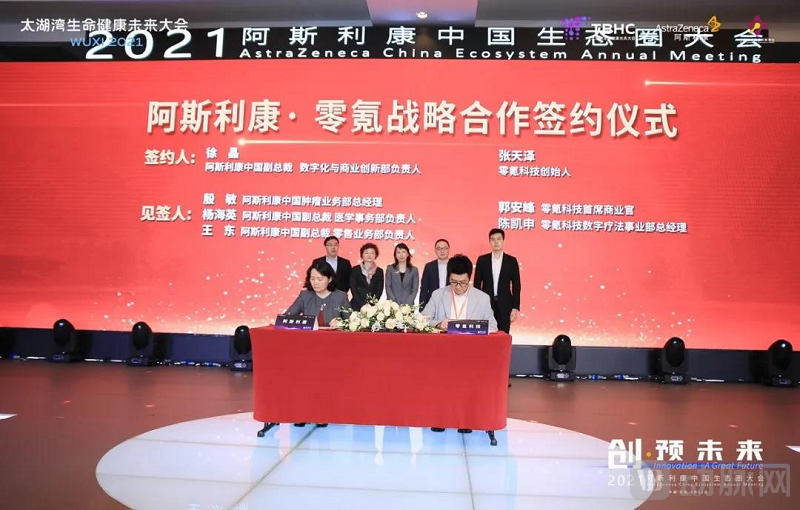
Recently, LinkDoc Technology and AstraZeneca signed a strategic cooperation framework agreement. The two parties will combine AstraZeneca’s expertise and insights in evidence-based medicine for lung cancer and the diagnostic and treatment needs of patients and physicians with LinkDoc’s digital health management platform. By integrating their respective channels and clinical resources, they aim to provide patients with full-lifecycle services, including precise patient education, doctor-patient interaction and communication, follow-up care, pharmaceutical services, and rehabilitation support. This collaboration will enable experts and physicians to precisely reach and manage patients, thereby facilitating the implementation of integrated diagnostic and therapeutic solutions. On this basis, the partners will explore the application of digital therapeutics in various scenarios, such as disease treatment and out-of-hospital management, and jointly develop digital therapeutic products for lung cancer patients to deliver better treatment outcomes.
As a result, Shuyu has become one of the first Chinese companies, and the only domestic enterprise in the oncology field, to be certified as a member by the Digital Therapeutics Alliance (DTA). In the future, Shuyu will represent Chinese enterprises in the DTA’s monthly working discussions, engaging with counterparts from Asia-Pacific, Europe, and North America on topics such as policy and regulations, medical value, and insurance reimbursement. This milestone not only demonstrates that Shuyu has gained recognition from the world’s leading academic research institutions and peers in the digital health sector, but also provides it with cutting-edge international theoretical guidance and practical experience for building an innovative business model that fosters a win-win ecosystem among physicians, patients, payers, and pharmaceutical companies.
Driven by this momentum, Shuyu will further center its value proposition on patient benefit, guided by value-based healthcare and underpinned by medical evidence, to build an integrated, full-lifecycle management solution based on digital therapeutics. Leveraging the LinkDoc oncology big data platform and artificial intelligence, it will provide data-driven services for cure and care improvement, continuously upgraded through technological and product iteration. This approach offers physicians effective tools for managing patients throughout their lifecycle, provides payers such as public health insurance and commercial insurers with a basis for rational expenditure decisions, and supplies pharmaceutical companies with an out-of-hospital channel for feedback on precise therapeutic dosing. Ultimately, it delivers accurate and timely out-of-hospital treatment interventions and refined management for oncology patients, adhering to the mission of “managing cancer as a chronic disease” and striving to enhance survival benefits for patients in China.