

JD Health's 'JD Family Doctor' Service: A Strategic Healthcare Gateway Gaining Momentum
May 19 is World Family Doctor Day.
As the gatekeepers of public health, family doctors promote initial consultations at the primary care level, laying the foundation for the implementation of tiered diagnosis and treatment. However, at the grassroots level, family doctors are often overburdened by the excessively large population they serve, making it difficult to provide comprehensive and targeted health services. The involvement of third-party internet healthcare platforms is changing this status quo—while users gain access to high-quality medical and healthcare services, they also receive more personalized health management services.
In August 2020, JD Health officially launched its family doctor service product, “JD Family Doctor.” For JD Health, the goal is to “leverage JD Health’s capabilities to cultivate new health concepts and a health ecosystem for the Chinese population, enabling them to access daily health management and medical services through family doctor services, thereby embracing a new healthy lifestyle.”
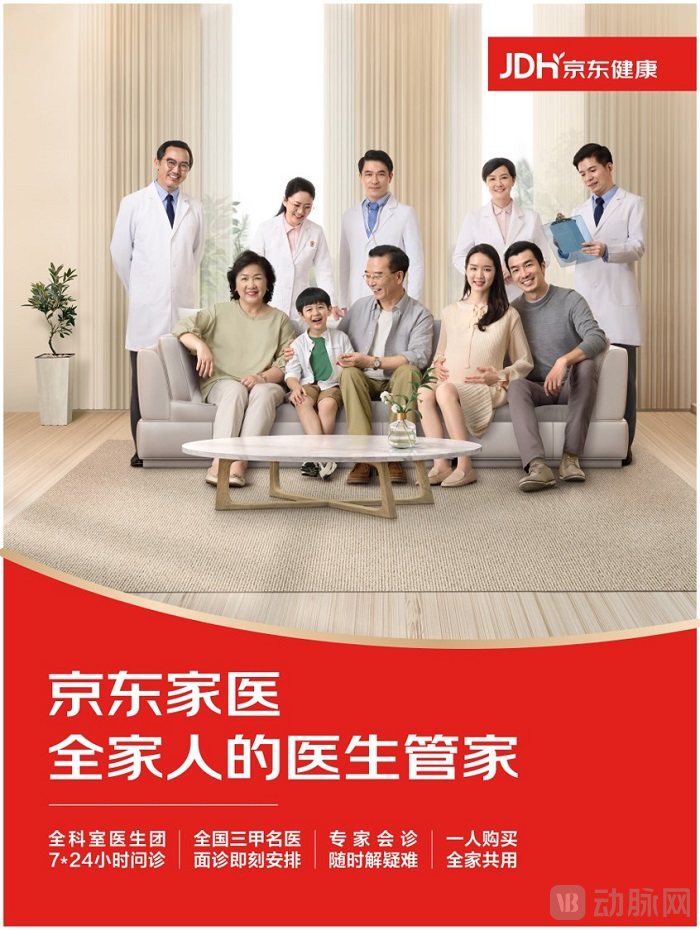
Now, nine months later, as “JD Family Doctor,” which is highly expected to become a model and benchmark for the family doctor industry, how has it explored the development of family doctor services, and what new plans will there be in the future? VCBeat interviewed Lu Nan, General Manager of JD Health’s Family Doctor Department, in an attempt to find answers.
Internal Resource Integration: Enriching the Product Portfolio in Niche Segments and Collaborating with Specialty Centers to Enhance Service Capabilities
JD Health has long been planning to develop products that can penetrate home health scenarios. As one of the first platform-based internet hospitals in China to obtain an internet hospital license, “JD Health Internet Hospital” has attracted as many as 110,000 doctors to join its platform. The average daily number of online consultations exceeded 100,000 throughout 2020. JD Health aims to provide its superior internet medical resources to consumer-end users, and the surge in demand for online consultations during the pandemic highlighted the potential for developing related products.
In August 2020, JD Health launched the “JD Family Doctor” service. By providing health consultation advice and health management guidance, as well as addressing minor ailments and common illnesses for users anytime and anywhere, the service aims to achieve disease prevention and prevent minor conditions from progressing into serious diseases. The development of “JD Family Doctor” can be divided into two aspects: first, enriching its product portfolio to cater to different user groups; second, collaborating with specialized centers to enhance the depth of diagnosis and treatment services.
1. Enriched Product Portfolio
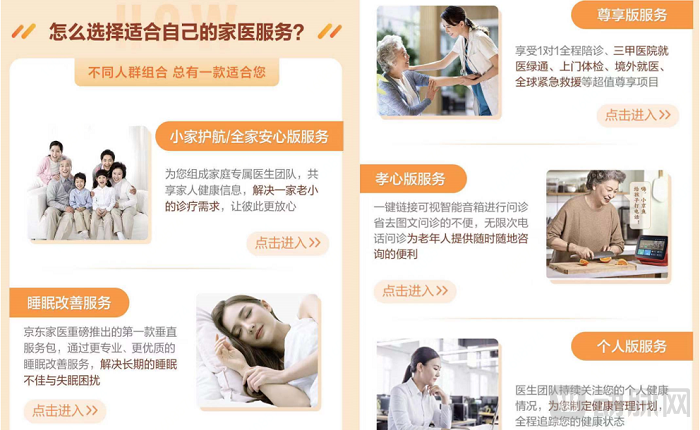
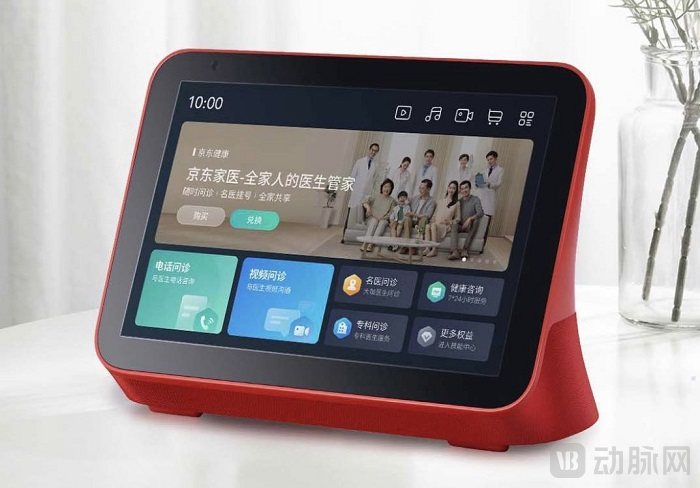
In January this year, JD Health launched a new version of its family doctor service product, “JD Family Doctor,” specifically tailored for the elderly population—the “JD Family Doctor Filial Piety Edition.” The most significant difference from the original version is that it fully considers the inconvenience elderly users face when typing text on smartphones. By leveraging smart speakers, it upgrades the communication format from primarily text and images to primarily phone calls or video consultations.
“JD Family Doctor” Filial Piety Edition is not the only product tailored to a specific demographic. “JD Family Doctor” has also launched sleep care services targeting individuals with sleep disorders. Lu Nan stated, “Our future product offerings will continue to become more refined and diverse. For instance, we will develop products for different age groups, such as the elderly and children, as well as solutions for various disease categories, including chronic diseases, postpartum rehabilitation, and neurological health. In each of these niche segments, we will introduce more targeted products.”
As JD Family Doctor enriches its product portfolio, integration with smart hardware devices has become a crucial component. For instance, the “Filial Piety” edition of JD Family Doctor is integrated with smart speakers, while its sleep-related products are paired with wearable devices such as smart bands to enable real-time monitoring of users’ sleep.
For Lu Nan, “in many established scenarios, the integration of ‘JD Home Doctor’ services will give rise to a wide range of new applications and enhance service capabilities within existing scenarios.” The effects are evident: smart speaker devices, previously used to provide information services and entertainment resources, have extended into new health-related scenarios through their integration with the “JD Home Doctor” product.
2. Collaborate with specialty centers to serve users
When delivering services, family physicians, acting as general practitioners, often lack specialized expertise. Supplementing the specialist care continuum is therefore crucial for JD Family Doctor to provide high-quality services. Through its exploratory efforts, JD Health has pioneered an innovative internet-based healthcare model for specific diseases and specialties, focusing on the integrated development of prevention, treatment, and rehabilitation within these specialized fields. Currently, it has established 21 specialty centers, including the Heart Center, Otolaryngology Center, Traditional Chinese Medicine Center, and Respiratory Center, and has onboarded nearly 100 authoritative experts and renowned physicians, such as Academician Han Demin, Professor Hu Dayi, Professor Gao Sihua, and Professor Lin Jiangtao.
“When family doctors are unable to resolve health issues or their medical technical capabilities fall short of residents’ expectations or requirements, specialist centers can seamlessly integrate to complement the capabilities of family doctors.” Through collaboration with specialist centers, concerns about the limited capabilities of family doctors have been alleviated. Meanwhile, the operational synergy between family doctors and specialist centers ultimately enables “JD Family Doctor” to provide patients with both primary care and specialized medical services, thereby meeting users’ unique healthcare needs.
In fact, “JD Family Doctor” can also collaborate with other business segments of JD Health to provide users with comprehensive services. Leveraging its strengths in the pharmaceutical supply chain, JD Health had more than 20 million stock-keeping units (SKUs) in its retail pharmacy business by the end of last year, with over 12,000 third-party merchants on its online platform. It operates 14 dedicated pharmaceutical warehouses and more than 300 non-pharmaceutical warehouses nationwide, with an omnichannel presence covering over 300 cities across China. These advantageous pharmaceutical supply chain resources also enable “JD Family Doctor” to offer unique pharmaceutical care services unavailable from competitors.
External Empowerment: Connecting Smart Hardware and Insurance Manufacturers to Deepen Grassroots Services
While delivering high-quality health and medical services directly to consumers, “JD Family Doctor” has not rested on its laurels. Instead, it has sought new avenues to expand its service ecosystem by partnering with smart hardware manufacturers to enhance that ecosystem. Furthermore, it leverages products such as health insurance to shift health management services upstream, ultimately driving an overall improvement in the industry’s development level, including that of primary-care community family physicians.
1. Expand the smart hardware ecosystem
As previously mentioned, the “JD Family Doctor” service has been integrated as a standard module into smart speakers and smart bands. In fact, JD Family Doctor is also collaborating with more manufacturers of intelligent medical wearable devices to achieve integration between its services and smart healthcare products. This strategic move takes into account the current reality that chronic disease management primarily occurs outside hospital settings. It is reported that over 100 types of intelligent health monitoring devices have already been connected to the “JD Family Doctor” service.
Integration with smart medical monitoring devices, such as smart glucose meters, enables users to automatically upload data directly to their health records after use, addressing the historical lack of data in chronic disease management. It also facilitates timely alerts when abnormal data is detected. Furthermore, integration with hardware such as smart speakers is effectively transforming usage scenarios, allowing the elderly population to easily access health services through simplified operations. JD Family Doctor is currently collaborating with manufacturers of smart monitoring devices to explore how to manage data and deliver health services for multi-user scenarios involving these devices in both home and public settings.
The gradually expanding smart hardware ecosystem will further enhance the service system of “JD Home Doctor,” enabling patients to seamlessly access health management services provided by “JD Home Doctor” from the moment they begin using smart devices.
2. “Jia Yi Bao” – Opening Up Service Capabilities to the Insurance Industry
In May, JD Health partnered with Fosun United Health, JD Allianz Insurance, and other insurers to jointly launch “Jia Yi Bao,” a managed-care health insurance service. Centered on disease prevention and health improvement, the service integrates health insurance with JD Health’s medical services and health management capabilities, providing families with a one-stop, lifelong medical healthcare service and health protection solution.
From a product perspective, “Jia Yi Bao” encompasses a comprehensive product matrix, including family health management and million-yuan medical coverage, as well as lifelong health medical services and critical illness protection. By leveraging health promotion, health management services, and medical intervention plans, JD Health reduces users’ risk of disease onset and slows disease progression. Meanwhile, “Jia Yi Bao” enhances users’ sense of gain in their health experience, thereby increasing patients’ initiative in purchasing insurance.
Underpinning this is the service capability of JD Health’s family doctor program. It is also worth noting that JD Health itself has not ventured into the insurance industry, thereby maintaining a relatively neutral position. JD Health places greater emphasis on delivering family doctor-led health management services with assured quality. According to Lu Nan, achieving a closed-loop value chain for health insurance business hinges on whether health management enterprises possess cost-control capabilities—which ultimately depends on whether JD Health’s family doctors can effectively implement user disease prevention and health management measures.
JD Health, leveraging its robust medical resources, has established a comprehensive health service network through the launch of 21 specialized centers and its “Family Doctor” service, which covers scenarios ranging from daily consultations and minor ailment diagnoses to complex and critical care, as well as health management. The introduction of “Family Medical Insurance” has delivered richer and more diverse insurance value to society and users at large, while the deep integration of this health insurance product with JD’s “Family Doctor” health services opens up even greater possibilities for future innovation.
3. Digital and Intelligent Upgrading of Primary Care Family Physicians
Whether expanding ecosystem collaborations with smart hardware manufacturers or jointly developing “Home Medical Insurance” products leveraging robust health management capabilities, such initiatives will further enhance public awareness of family doctors. However, given the current limited number of family doctors, how can their services be made more accessible to a broader audience?
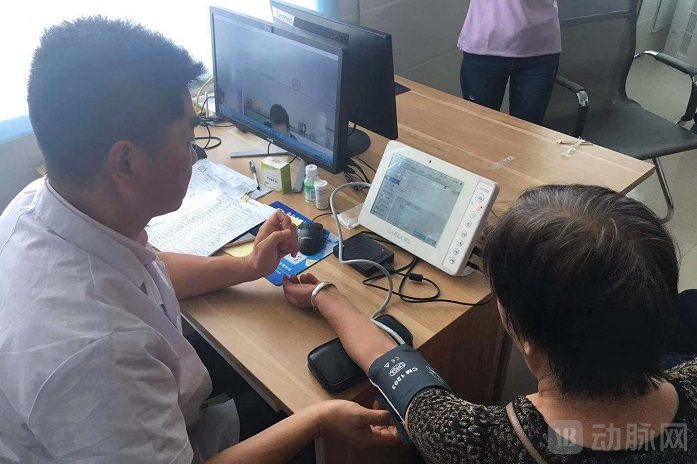
For community family doctors originating from primary healthcare services, enhancing their capabilities is particularly crucial. This will help optimize the allocation of medical resources, provide convenient health management services to community residents, and promote the improvement of healthcare service quality. Since its inception, JD Health has sought to complement the primary care family doctor service system through its “JD Family Doctor” initiative. Its prior strategic partnership with the Haizhu District People’s Government in Guangzhou, which established the “Healthy Haizhu” model for “Internet + Family Doctor” services, can be regarded as a tangible implementation of this effort.
Due to a lack of technology and management tools, primary care family physicians originally had a very limited service radius and number of households under their care. However, by leveraging JD Health’s multi-tiered medical service capabilities—specifically the “JD Family Doctor + Specialty Center” model—and providing tools for remote consultations, online medication purchases, health management, and rehabilitation management, the service quality and work efficiency of community-based family physicians have been effectively improved. Relying on the offline primary healthcare system, this ultimately forms an integrated online-offline service model that is more conducive to delivering health services.
Serve as the key service lever and access point for JD Health
“As a strategic-level product of JD Health, ‘JD Family Doctor’ will also be one of the most core products in the future. ‘JD Family Doctor’ will become an important lever for JD Health’s service-oriented products and a key entry point for its services,” said Lu Nan.
Regarding the future development plan for “JD Family Doctor,” “we will first further enhance its medical services, advance the standardization of physician services, and solidify the foundation of our business; second, JD Health will continue to deliver family doctor service capabilities to grassroots communities and scenarios with urgent needs for such services, such as day care centers, thereby continuously improving the level of primary healthcare.”
JD Health, firmly believing that family doctors represent the future trend, is accelerating development in this field through proactive strategic investments. Lu Nan also stated that “JD Family Doctor” collaborates with local medical associations to strengthen the training and cultivation of family physicians, thereby increasing their numbers. By enhancing the platform’s service capabilities, JD Health has improved both the quality and efficiency of family doctor services, enabling these practitioners to expand their service capacity while maintaining high standards of care.
In fact, through continuous exploration of scenarios such as smart hardware, health insurance, and primary healthcare, JD Health has gradually integrated its core capabilities in internet healthcare, consumer healthcare, and smart healthcare. By providing comprehensive online and offline full-process management covering health screening, disease prevention, consultation, treatment, and rehabilitation, JD Health delivers meticulous care to users. Leveraging its own superior medical resources to provide trustworthy health management services, JD Health has also extended its focus from individual health management scenarios to family-wide health management.
JD Health, committed to becoming the “premier health steward for all,” appears to be steadily advancing in line with its initial roadmap for “JD Family Doctor.” How will JD Health further leverage “JD Family Doctor” to strengthen its health services in the future? Only time will tell.