

China's First Expert Consensus on Online Diabetes Management Released with Yilian's Support to Standardize Digital Chronic Care
On May 20, 2021, the “Chinese Expert Consensus on Online Diabetes Management via Internet Hospitals” (hereinafter referred to as the “Consensus”), jointly initiated and formulated by more than ten authoritative experts in China—including Professor Xiao Xinhua from the Department of Endocrinology at Peking Union Medical College Hospital and Professor Guo Lixin from the Department of Endocrinology at Beijing Hospital, with the Chinese Geriatric Health Care Association’s Diabetes Professional Committee taking the lead and Medlinker participating—was officially released. This is the first expert consensus in China on online diabetes management via internet hospitals, aiming to promote safer, more standardized, efficient, and convenient online diabetes management, and to advance the overall level of such services.
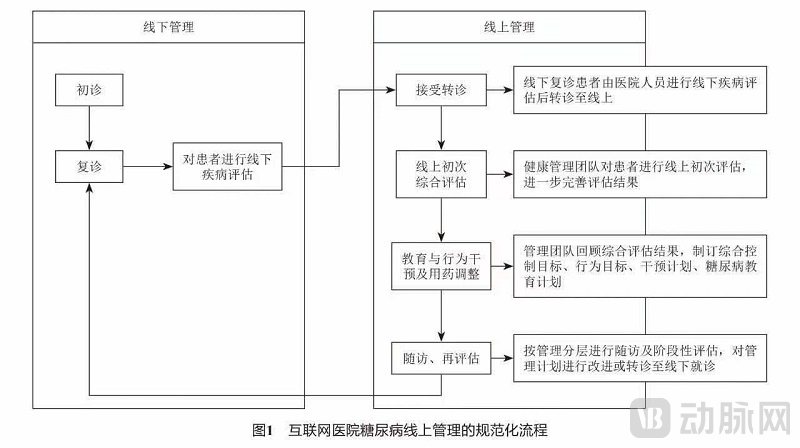
The development and release of this Consensus represent a milestone achievement in the advancement of online diabetes management. The Consensus engaged more than ten authoritative experts with extensive frontline clinical experience to provide standardized and detailed guidance on key issues in online diabetes management, offering practical support to physicians practicing online, mitigating risks associated with remote care, and safeguarding patient safety and rights.
Li Mingyi, Vice President and Secretary-General of the China Health Care Association for the Elderlystated: “For the first time, this year’s Government Work Report proposes promoting the standardized development of ‘Internet + Healthcare,’ signaling that the state will drive the internet healthcare industry onto a track of standardized and sustainable growth. This requires our association, enterprises, and individuals to align with national policies and jointly promote the healthy development of the industry. We hope that the release of the Consensus will facilitate better integration of online and offline medical resources, further unleashing the supportive and service-oriented role of internet hospitals in diabetes prevention and control.”
As one of the most common chronic diseases, diabetes is managed in clinical practice through a framework known as the “Five Carriages”: diabetes education, dietary therapy, exercise therapy, pharmacological treatment, and self-monitoring of blood glucose. Apart from regular hospital follow-up visits and medication adjustments, the majority of diabetes management occurs outside the hospital setting, which falls beyond the scope of traditional care models.
Prof. Xiao XinhuaThe introduction states: “Online diabetes management via internet hospitals shares the common features of chronic disease management in such settings while also incorporating characteristics specific to diabetes care. By leveraging smart devices such as intelligent glucometers, blood pressure monitors, and wearable bands, online diabetes management enables comprehensive patient data monitoring. It also breaks down traditional barriers of time and geography associated with offline care, allowing patients to receive high-quality medical services without leaving home. Meanwhile, healthcare professionals can utilize smart information technologies and fragmented time slots to more conveniently provide lifecycle management for patients. Therefore, this online management model, which integrates intelligence, efficiency, convenience, accessibility, and continuity, serves as an effective extension of offline clinical care.”
Diabetes requires long-term, effective control; relying solely on physicians is insufficient to achieve sustained glycemic targets. The Consensus explicitly calls for the collaborative participation of an online diabetes management team. The core staffing configuration includes endocrinologists, physician assistants, and health managers. Endocrinologists are responsible for medical decision-making, while physician assistants and health managers support physicians by maintaining comprehensive health records, managing data collection, and monitoring patients in daily operations. This division of labor alleviates the burden on physicians, enhances management efficiency, and maximizes overall management effectiveness. Where resources permit, the team should also include professionals such as psychological counselors, dietitians, and exercise rehabilitation specialists.
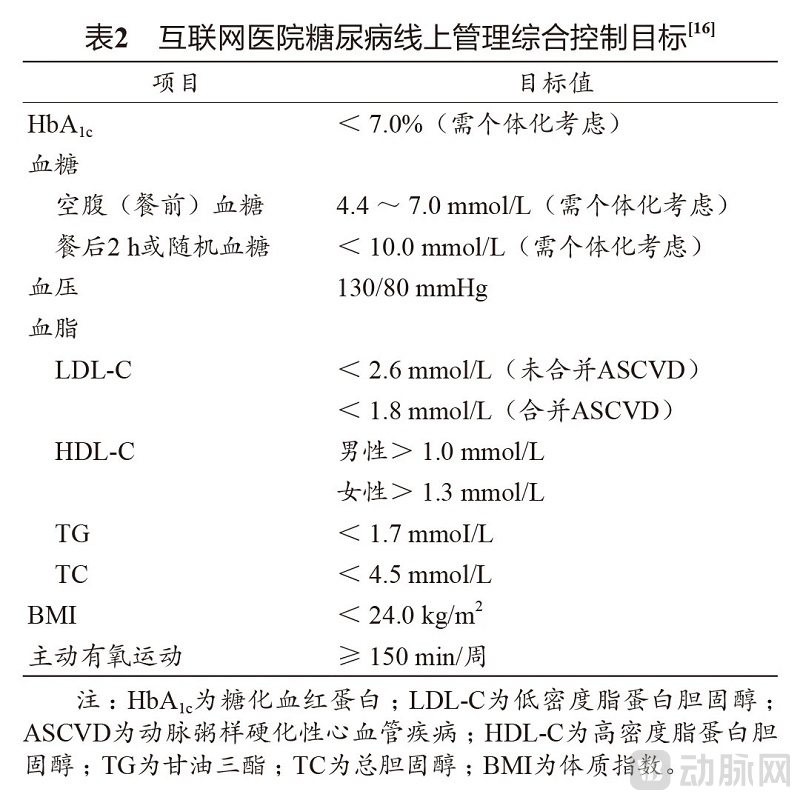
As a practitioner and builder of internet-based chronic disease management, Medlinker actively contributes its expertise to promote the standardized development of online diabetes management in internet hospitals. Liu Chunmei, Vice President of Medlinker, stated, “With years of deep engagement in chronic disease management, Medlinker has accumulated extensive and robust clinical evidence across multiple chronic conditions, including diabetes, and has validated multidisciplinary standard operating procedures (SOPs) for chronic disease management. We are honored to have played an in-depth role in the formulation of the Consensus. From broad-spectrum chronic disease management to full-cycle management of individual diseases, Medlinker remains committed to a rigorous medical development strategy. We pioneered a multi-role operational model within the industry, empowering physicians and serving patients, striving to build a complete closed loop encompassing prevention, diagnosis, treatment, and rehabilitation, thereby taking genuine responsibility for patient outcomes.”
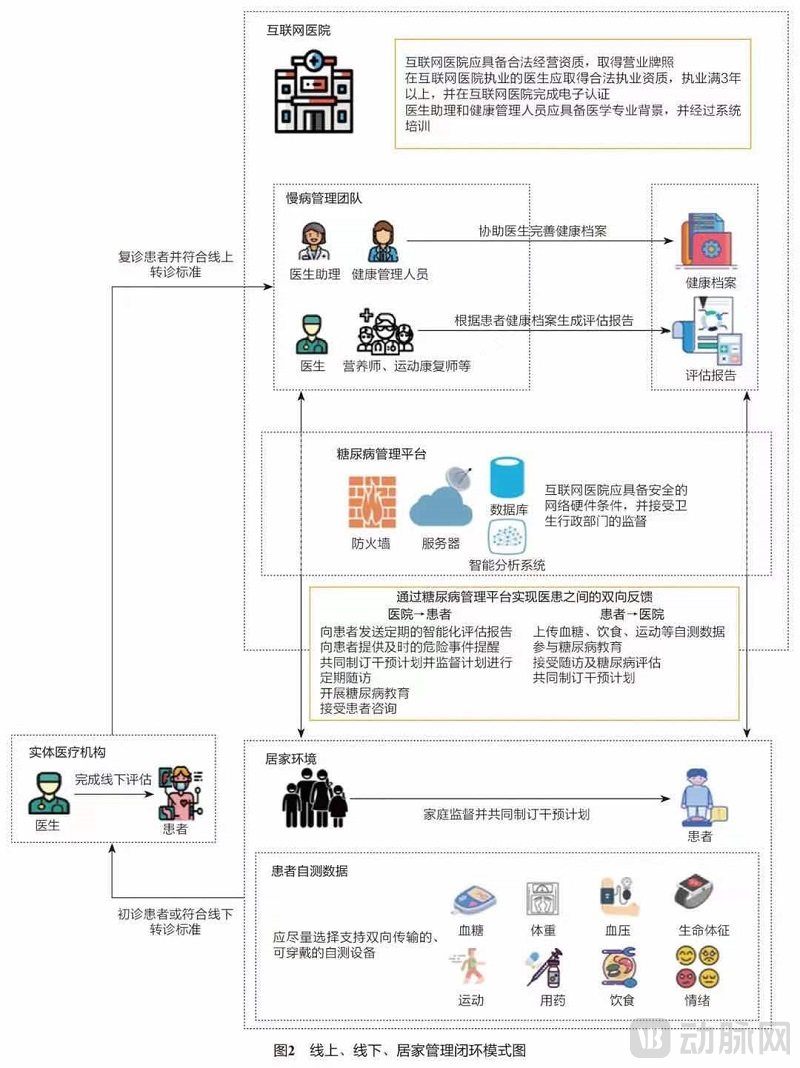
With the continuous deepening of China’s healthcare reform and the rapid development of internet-based healthcare, particularly in the wake of the COVID-19 pandemic, the state has consistently sent positive signals from a top-level design perspective to encourage online management services for chronic diseases. The formulation of this “Consensus” is based on the rapidly growing trend of online management via internet hospitals, with a particular focus on challenges encountered in clinical practice and corresponding countermeasures. As internet-based healthcare and related disciplines continue to evolve, clinical evidence accumulates and enriches, and clinical research is conducted in greater depth, this “Consensus” will keep pace with the times and undergo continuous improvement and updates.