

AiHui Health Files for IPO: Building an 'Internet + Healthcare' Management Closed Loop via Smart Ward Bedside Internet and Mobile Health Screening
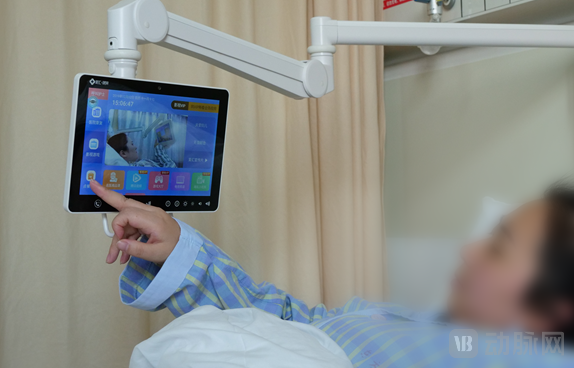
From a first-principles perspective, Aihui HealthBased on Smart Ward Operations, through“Bedside Internet Services”Addressing the "Three No's" (boredom, helplessness, and resignation) among inpatients to enhance their hospitalization experience. By leveraging bedside multimedia terminals, we provide inpatients with clinical care pathway management and medical services such as diagnostic and treatment information, hospital payment processing, and health education, as well as lifestyle services including film and television entertainment, insurance, caregiver assistance, food ordering, and a health products marketplace; meanwhile, through“"Internet Healthcare Business"Achieved full integration of mobile health examinations, online consultations, and health management; assisted hospitals in establishing and operating internet hospitals; and provided mobile health examination services to industrial and mining enterprises across China.
Thus, a unique business model exclusive to Aihui Health has been established:Internet-based services at hospital inpatient bedsides and mobile health examination services for industrial and mining enterprises provide precise, high-retention user acquisition channels for out-of-hospital health management. These initiatives aggregate previously served users onto out-of-hospital or post-examination health management platforms. Driven by precise medical and health data, and leveraging the established trust from prior interactions, they deliver targeted, continuous health consultation and health consumption services to users with health management needs.“Aihui is not a traditional healthcare IT vendor. We leverage the Internet and the Medical Internet of Things (MIoT) to enhance hospitals’ informatization and intelligence, improve their efficiency and services, and break down physical barriers between in-hospital and out-of-hospital settings, enabling individuals with health management needs to access high-quality health services anytime, anywhere,” said Zhu Diwu, Co-founder, Chairman, and CEO of Aihui Health, on the company’s positioning.
In January 2016, the State Council issued the Outline of the “Healthy China 2030” Plan, calling for the provision of high-quality and efficient medical services, “centering on patients, strengthening humanistic care in medical services, and promoting the harmonious development of doctor-patient relationships.” Guided by national policies, Zhu Diwu and the founding team established Shanghai Aihui Healthy Technology Co., Ltd. (abbreviated as “Aihui Health”) in 2016, adhering to their original aspiration of leveraging high-tech innovations such as the Internet and the Medical Internet of Things to transform hospitals, thereby infusing greater warmth and dignity into the processes of birth, aging, illness, and care. Since then,Aihui Health is rooted in the hospital inpatient setting, aiming to enhance hospitals' operational management and profitability, improve service quality and efficiency for medical staff, and optimize the inpatient experience for patients.
As an emerging “Internet + Healthcare” company based on smart ward services, and furthermore as a high-tech enterprise,Aihui Health serves hospitals, doctors and nurses, patients and their families, industrial and mining enterprises, pharmaceutical manufacturers, insurance companies, and various content providers (such as video, gaming, and advertising). Its unique business model has no fully comparable counterpart in the current “Internet Plus Healthcare” industry. “But this is precisely the true meaning and essence of entrepreneurship: creating new business models to address long-standing pain points in the industry.” Therefore“Entrepreneurship and Innovation” are the most defining imprints and labels of the Aihui Health team.
“Serial entrepreneurs” is a major hallmark of the Aihui Health team.
Before embarking on his entrepreneurial journey, Zhu Diwu worked in the financial sector for many years. He previously served at Deutsche Bank’s Hong Kong branch as Head of Asia-Pacific Commodities Investment Research and Director. He also held positions at Goldman Sachs, including Managing Director in Hong Kong, General Manager of Goldman Sachs Gao Hua in Shanghai, Head of China Investment Research, and Co-Head of Asia-Pacific Commodities Investment Research.
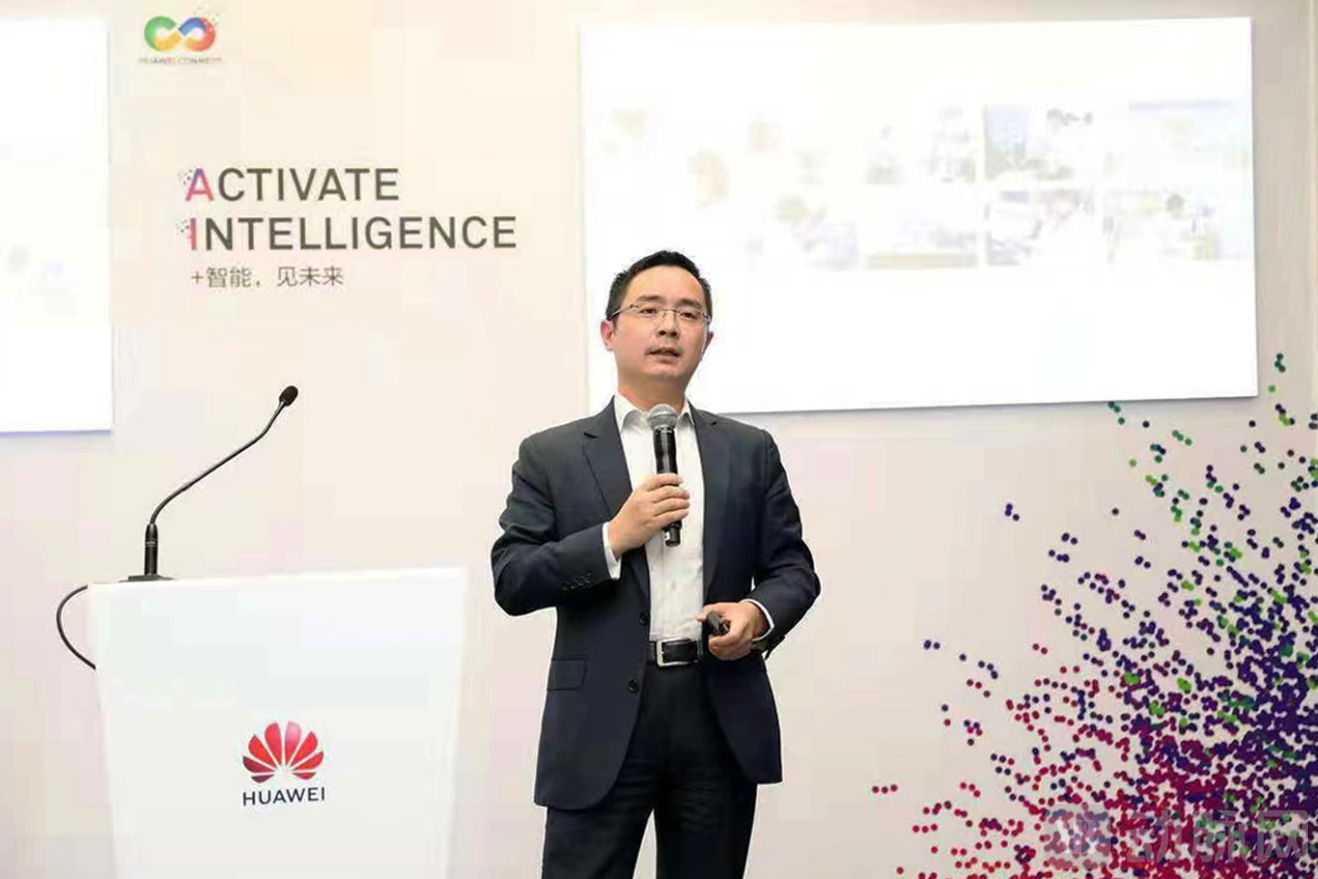
“My decision to embark on a cross-industry entrepreneurial venture stems from my original aspiration to transform hospitals and improve the hospitalization experience for people in China. Fortunately, we have a highly professional team with strong execution capabilities, where we create together and achieve mutual success. I am deeply grateful to my team,” said Zhu Diwu when introducing his team.The entrepreneurial management team of Aihui Health primarily hails from renowned domestic and international enterprises such as Goldman Sachs, Deutsche Bank, Roche Pharmaceuticals, Tencent, Huawei, Wanda Medical Information, Neusoft, and Kyee.“Many members of the core team have successful entrepreneurial experience.” As a technology enterprise, technical personnel account for more than half of the workforce at Shanghai Aihui Healthy Technology Co., Ltd.’s Shanghai headquarters.
“Continuous Innovation and Breakthroughs” is another hallmark of the Aihui Health team.
Aihui Health has always adhered to“Technology + Content” Dual-Driven Innovation Model, has remained focused on healthcare services for the past five years; meanwhile, benefiting from keen insights into and grasp of industry development trends, Aihui Health has continuously pursued business innovation. Since its early entrepreneurial stages to the present, it has successively establishedFour Core Businesses: Comprehensive Smart Ward Solutions Based on Medical IoT Technology, Bedside Internet Services, Mobile Health Checkups and Post-Examination Health Management, and Out-of-Hospital Health Management with a Precision Health Data CenterFour Parts.
“The four business segments function like interlocking gears: driving one causes the others to rotate in tandem. The service workflows originate from inpatient care for hospitalized patients and their families, as well as mobile health check-up services for employees of industrial and mining enterprises. Ultimately, these served patients, family members, and check-up participants are directed to an out-of-hospital/post-check-up health management platform, where high-quality health management services are continuously delivered, driven by precise medical and health data.” This is how Zhu Diwu describes the close interconnection among Aihui Health’s business operations.
To align with the company’s business development needs, Aihui Health has fostered internal and external synergy by continuously optimizing and restructuring its internal organizational framework. This has resulted in three business divisions corresponding to its four core business areas: the Smart Ward Division, the Bedside Internet Division, and the Internet Healthcare Division. Each division has established comprehensive management and execution teams, operating independently while maintaining collaborative cooperation. In terms of business scale, as of now,Aihui Health operates more than 120 Grade III Class A hospitals across 40 cities in 19 provinces throughout China, with nearly 60,000 Aihui Warm Screen terminals deployed. By the end of 2021, it is expected to cover over 220 hospitals in 55 cities.
Over the past five years, Aihui Health has closely monitored market demands, boldly embraced trial and error, and continuously achieved innovation and breakthroughs in its business operations. The overall business development process can be divided into three stages:
2016-2018:Based on the hospital inpatient department,Delivering Medical Care and Bedside Internet Services Through an Integrated Smart Ward Solution of Hardware and SoftwareBedside internet services include insurance purchase, caregiver hiring, film and television entertainment, catering, supermarkets, and other related services for patients and their families at the bedside. These services meet the living needs of hospitalized patients and have shown strong business growth. Currently, Aihui Health's smart ward business and bedside internet services have been implemented in more than 120 hospitals across China. Precise personalized services can be provided for different departments, disease groups, and other targeted populations.
2019–2020:Riding the wave of smart hospital development, Aihui Health partners with Huawei,Further deepened and expanded the smart ward business.In the inpatient department setting, leveraging internet and medical Internet of Things (IoT) technologies has not only improved patients’ hospitalization experience but also helped hospitals enhance their management standards as well as the efficiency and quality of medical and nursing care. Particularly following the introduction of national assessment standards for smart hospital construction and in the post-pandemic era, demand for smart ward development within the hospital system has increased significantly. In the first four months of 2021, Shanghai Aihui Healthy Technology Co., Ltd. engaged in business negotiations and project implementation with more than 40 hospitals across China.
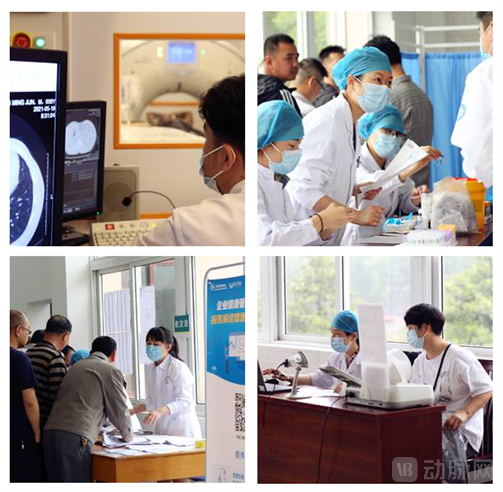
After May 2020:During the challenging period of the COVID-19 pandemic, Aihui Health leveraged its unique advantages to complete a B-round financing of tens of millions of RMB from Haichuang Medical Investment in May 2020. Subsequently, it established a deep strategic partnership with Haichuang Medical Investment to expand its mobile occupational health examination services for China’s industrial and mining enterprises (such as coal companies, steel plants, and cement plants). Leveraging its substantial strength and offline hospital resources, Haichuang Medical Investment provides Aihui Health with professional medical examination teams and mobile examination vehicles. In turn, Aihui Health utilizes its proprietary technological advantages to achieve systematic and intelligent online management of mobile examinations, while ensuring the effective implementation of mobile examination services for industrial and mining enterprises through its strong business development and operational capabilities. More critically,Aihui Health effectively integrates health management and health intervention services into physical examination operations, providing industrial and mining enterprises with the "Employee Health White Paper." This assists companies in effectively managing employee health status, helps prevent occupational diseases, thereby reducing employee health risks, and ultimately enhancing corporate operational efficiency.
In 2021, Aihui Health planned to vigorously develop its out-of-hospital health management business, anticipating a new breakthrough in mobile physical examination services by year-end, with the number of individuals served increasing to 50,000.Currently, Aihui Health has established long-term partnerships with major domestic industrial and mining enterprises, including Anhui Conch Cement Group, China National Building Material Group, Pacific Quartz, and Conglin Aluminum. These collaborations have effectively addressed two key pain points for these enterprises: providing on-site health examinations to save work time, and extending service scenarios by offering continuous health management and consulting services for employees.
The national advocacy for hospitals to shift from being “treatment-centered” to “patient-centered” will be a very slow process. During this process,Aihui Health will continue to leverage new technologies and applications to help transform hospitals and improve the healthcare experience for people in China.
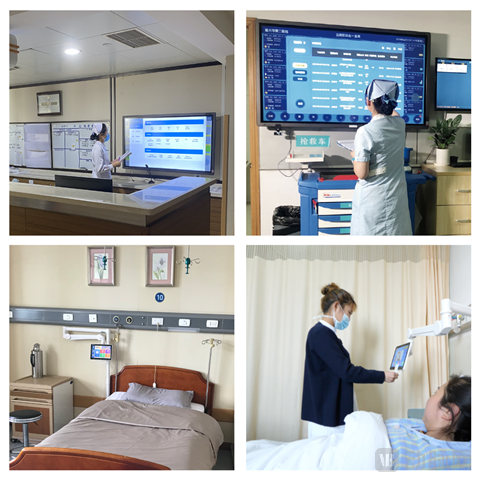
For instance, anyone who has stayed in a hospital’s inpatient department can relate to the feelings of “boredom, helplessness, and resignation” experienced during hospitalization. However, the heavy workload of healthcare professionals often prevents many patient needs from being met in a timely manner. Many of these pain points can now be effectively addressed through new technologies and applications.Aihui Health’s bedside internet service solutions, including clinical pathway management and clinical nursing pathway management, can simply and efficiently help patients understand the various medical and rehabilitation procedures during their hospital stay, providing them with significant reassurance.
Zhu Diwu believes that the construction and development of smart hospitals in China are still at a relatively early stage. Since 2019, when the state began to emphasize the improvement of hospital intelligence from a policy perspective, the momentum for smart hospital construction has been positive. “Judging from the industry landscape presented at this year’s CHINC and other major conferences, enthusiasm and market interest in the development of internet hospitals and smart hospitals are very high.” In the evolution of medical services, progress requires dual drivers: policy and technology. With the gradual implementation of 5G and the impetus provided by the COVID-19 pandemic in 2020, the healthcare service industry is poised to face unprecedented opportunities for development.It is expected that the construction of smart hospitals in China will enter a period of rapid development over the next 5–10 years.
Furthermore, the development of smart hospitals requires a step-by-step approach.First, it is necessary to achieve information interoperability and manage patient data throughout the entire care continuum; second, to realize the “Internet of Everything” for in-hospital medical devices and ensure their efficient management.“Currently, the HIS, LIS, and PACS systems in most hospitals are not interoperable, resulting in data silos. To address this issue, it is essential to leverage platforms and technologies to achieve interconnectivity of medical information. Only on this foundation can the supply, construction, and operation of medical consortia deliver true value.”
“The smart hospital sector is neither a consumer-facing (To C) business scenario nor a purely enterprise-facing (To B) one. As hospitals provide essential health and life services to every citizen, their industry characteristics make it difficult to achieve full marketization rapidly. Therefore, capital-intensive ‘cash-burning’ strategies for market expansion are not suitable for the smart hospital industry. Instead, we remain patient and steadfast, continuously refining our products and services, delivering high-quality support to every hospital and enterprise partner, and helping hospitals enhance the efficiency and quality of their services.”
Looking ahead,Aihui Health plans to enter 500 hospitals across China in 2023, with the number of operated hospital beds reaching 500,000. According to the company, Aihui Health will achieve profitability in 2021.The company is currently undertaking a new round of financing to accelerate the development of its out-of-hospital and post-examination health management business, aiming to serve the aggregated population with health needs generated by its bedside internet services and mobile physical examination offerings, by providing data-driven health management services based on precise medical and health data.
Finally, reflecting on what Aihui Health has been doing over the past five years, Zhu Diwu remarked with emotion: “Whenever we recall the anxious and helpless patients we have witnessed in hospitals across China, along with their various unmet health needs, our team is filled with a strong sense of responsibility and mission. We hope to contribute our modest efforts,”"Transforming hospitals incrementally to improve the inpatient experience for people in China, helping high-quality medical resources break through geographical and temporal barriers, serving more people, enabling greater access to premium healthcare, and infusing warmth and dignity into every stage of life—from birth and aging to illness and care."