

Xiaomi Bear Children's Hospital Files IPO Prospectus: Building a Distinctive Rehabilitation System and Three-Tier Diagnostic-Service Platform as a Long-Term Pediatric Health Partner
Born with hope, Xiaomi Bear cultivated optimism, courage, and resilience amidst fragility, ultimately achieving success. The Xiaomi Bear depicted in the children’s hospital mural comes alive in the children’s imaginary kingdom, soaring through the skies, diving into the seas, and journeying through the four seasons.
We are no strangers to such fairy tales, even finding them clichéd, yet they are a true reflection of life, especially in hospitals.
Source: Xiaomi Bear Children's Hospital
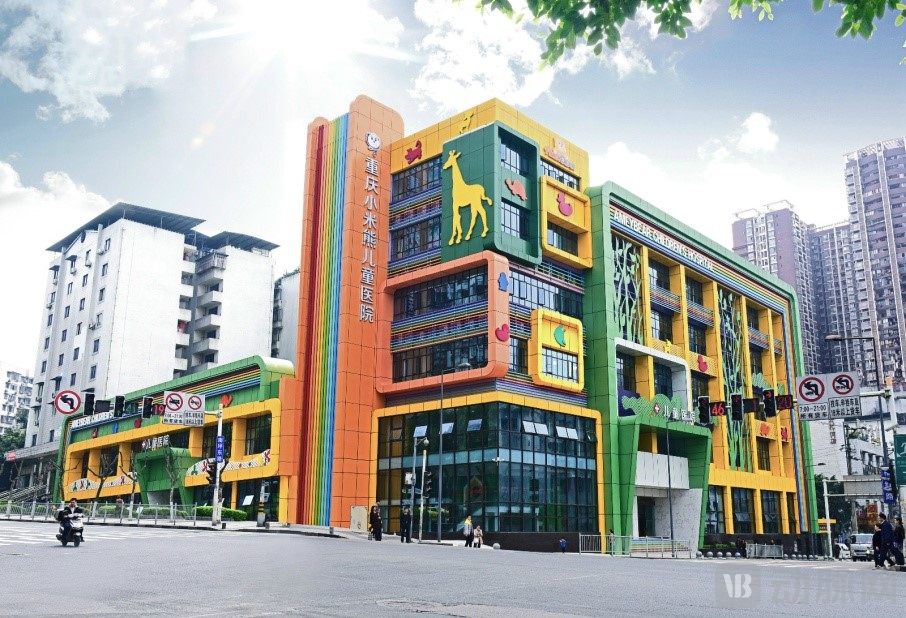
Xiaomi Xiong Children's Hospital (hereinafter referred to as "Xiaomi Xiong") was founded in Chongqing in 2018. It is a national Level II modern specialized children's hospital jointly initiated by multiple pediatric experts from Grade A tertiary hospitals, and it is also a Sino-foreign joint venture children's hospital.
From Obstetrics and Gynecology to Pediatrics: Creating Superior Medical Products
According to Mr. Su Jianqing, founder of Xiaomi Xiong,The combination of the original intention to create a good medical product and the promising prospects of the pediatric sector led to the establishment of Xiaomi Bear.
On the one hand, with the relaxation of the two-child policy and the rising incidence of pediatric diseases, there is substantial market demand for pediatric hospitals. On the other hand, the pediatric sector features high entry barriers, significant operational risks, and a shortage of physicians. However, successfully navigating these challenges can help establish a strong competitive moat.
To develop Xiaomi Bear into a high-quality medical product, he and his team visited nearly all the authoritative pediatric hospitals across China. After nearly six months of investigation, they began preparing for the development of Xiaomi Bear.
In terms of basic infrastructure, Xiaomi Bear boasts comprehensive facilities and a professional team.
In terms of hardware, the hospital currently has an operating area of 10,000 square meters and 99 licensed beds. The second phase of construction is underway, with an expected area of 7,000 square meters. Pediatrics relies heavily on medical equipment; Xiaomi Bear is equipped with advanced diagnostic and treatment devices, including Siemens MRI, CT, DR, MasterScreen pulmonary function testing system, and GE S7 ultrasound diagnostic system.
In terms of departmental structure, Xiaomi Bear boasts a comprehensive configuration, featuring specialized outpatient clinics for neurological disorders, behavioral and developmental disorders, and psychiatric and psychological conditions. It also offers departments including Pediatric Internal Medicine, Pediatric Surgery, Ophthalmology, Stomatology, Dermatology, Traditional Chinese Medicine (TCM), and Preventive Healthcare, with complete services for vaccination and child health care.
In terms of talent, Xiaomi Bear employs nearly 300 staff members, comprising both medical and operational teams. According to Mr. Su Jianqing, he and the operations team have over a decade of experience in the obstetrics and gynecology sector, with extensive familiarity in hospital management and significant exposure to pediatrics. Furthermore, most founding members of Xiaomi Bear are pediatric specialists from Grade A tertiary hospitals, boasting profound expertise in pediatrics. Currently, the hospital has established a well-structured physician team with a complete hierarchical framework.
Building Core Barriers: A Dual Focus on Physicians and Departments
Chongqing boasts abundant pediatric medical resources, which is why Xiaomi Bear chose to establish its presence there. However, in a city like Chongqing, where pediatrics is well-developed, competitive pressure is also significant. In response to this competition, Xiaomi Bear has adopted a differentiation strategy, avoiding direct confrontation with dominant departments and instead focusing on areas with high growth potential that have not yet received sufficient attention, thereby cultivating its own distinctive strengths.
Abundant Physician Resources, Continuously Expanding the Three-Tier Talent Pipeline
In pediatrics, “whoever commands physician resources rules the field.” Backed by Chongqing,Currently, Xiaomi Bear has established a three-tier talent hierarchy led by national-level experts, guided by municipal-level experts, and implemented by hospital-level experts.Among the current experts, 12 hold senior professional titles, 18 hold associate senior professional titles, and 12 hold intermediate professional titles.
Among them, Hospital Director Tan Qiu and Technical Advisor Wang Xingyong have both been engaged in clinical pediatrics for over 30 years. They serve respectively as Vice President of the Chongqing Pediatric Physicians Association, Deputy Chairman of the Pediatrics Professional Committee of the Chongqing Association of Integrative Medicine, Member of the Chongqing Pediatric Medical Quality Control Expert Group, and Chairman and Vice Chairman of the Pediatric Physicians Alliance under the Chongqing Society of Maternal and Child Health.
All key departments are led by renowned pediatric specialists from Southwest China or at the municipal level.For instance, the autism division of the Rehabilitation Department is overseen by Shao Zhi, a renowned expert in Southwest China. He provides technical guidance on a weekly basis, ensures quality control over the rehabilitation process and therapeutic outcomes, and assists the hospital in establishing a scientific team training system.
Talent acquisition is a critical issue that hospitals must address to ensure sustainable development. Since its inception, Xiaomi Bear has been continuously attracting talent across China. Currently, in alignment with its future strategic layout, Xiaomi Bear is establishing connections with pediatric experts in provinces and municipalities such as Beijing, Shanghai, and Guangzhou.
Differentiated Development: Building a Distinctive Pediatric Rehabilitation System
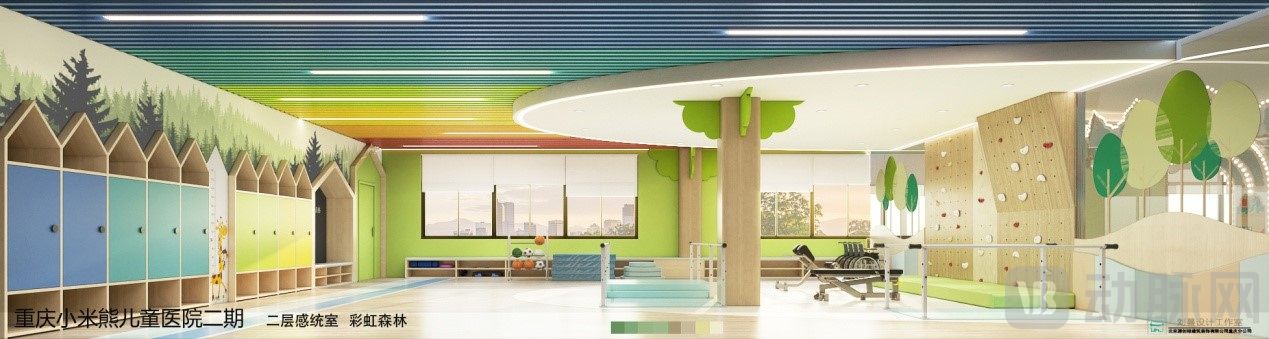
Xiaomi Bear’s Differentiated Development Targets Pediatric Rehabilitation.Pediatric Rehabilitation Department is a specialty department of Xiaomi Xiong., and it is also a key focus for its sustained efforts in the future.According to reports, the Department of Rehabilitation accounts for more than half of Xiaomi Bear’s revenue. In addition, the ongoing Phase II construction project is primarily aimed at expanding home-based ward services for rehabilitation diagnosis and treatment. The home-based wards under construction will introduce foreign models, which will be localized and implemented in practice.
Source: Xiaomi Bear Children's Hospital
Focusing on rehabilitation therapy itself, the Department of Rehabilitation at Xiaomi Bear provides therapeutic interventions for conditions stemming from neurological, behavioral, and psychiatric/psychological disorders, such as autism spectrum disorder, attention-deficit/hyperactivity disorder (ADHD), and depression. In this field, Xiaomi Bear is recognized as a leader in Chongqing and across China, particularly in the area of pediatric psychiatric and psychological rehabilitation, where market offerings remain relatively scarce.
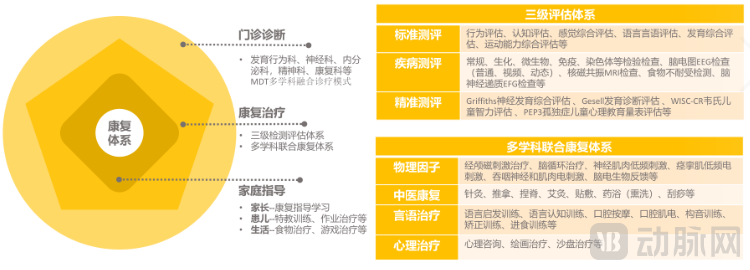
Rehabilitation is not merely a department, but rather a comprehensive system.Xiaomi Bear’s rehabilitation system comprises three tiers: outpatient diagnosis, rehabilitative therapy, and home-based guidance. In contrast to the single-intervention approach adopted by some hospitals or rehabilitation institutions in the market, Xiaomi Bear achieves comprehensive coverage of the entire rehabilitation process.
Source: Xiaomi Bear Children's Hospital
According to Mr. Su Jianqing, one particularly memorable case occurred in 2018, shortly after the hospital was established. A mother from out of town brought her three-year-old child, who had not yet begun to speak, to Chongqing for medical treatment. After approximately one week of therapy at the Rehabilitation Department of Xiaomi Bear, the child spoke for the first time, calling out “Mama.” This outcome served as a significant encouragement for Xiaomi Bear during its early days of operation.
Online + Offline: Building a Platform-Based Service Network
In addition to its distinctive rehabilitation system, the internet hospital is another highlight of Xiaomi Bear. The Xiaomi Bear Children's Internet Hospital was included in its development plan since the establishment of the institution, but due to the impact of the epidemic, it was officially launched in June 2020.Xiaomi Xiong is Chongqing’s first private internet hospital and China’s first private pediatric internet hospital.
Currently, Xiaomi Bear Children’s Internet Hospital primarily supports offline operations by providing a cloud-based diagnostic system and a health e-commerce platform, which include services such as appointment scheduling, online consultations, online follow-up visits, and remote consultations. According to reports, the development and operation of these two online systems are meeting expectations, with one-third of all appointment registrations and payments at the hospital being processed through the Internet Hospital.
Its intelligent follow-up system and cloud-based referral system are currently under development. The intelligent follow-up system primarily serves rehabilitation and chronic disease management, while the cloud-based referral system is a tiered diagnosis and treatment platform centered on Xiaomi Bear. In Xiaomi Bear’s strategic plan, the organic integration of online and offline services represents the future direction for hospital development, and the internet hospital will become a key instrument in strengthening Xiaomi Bear’s core competitiveness.
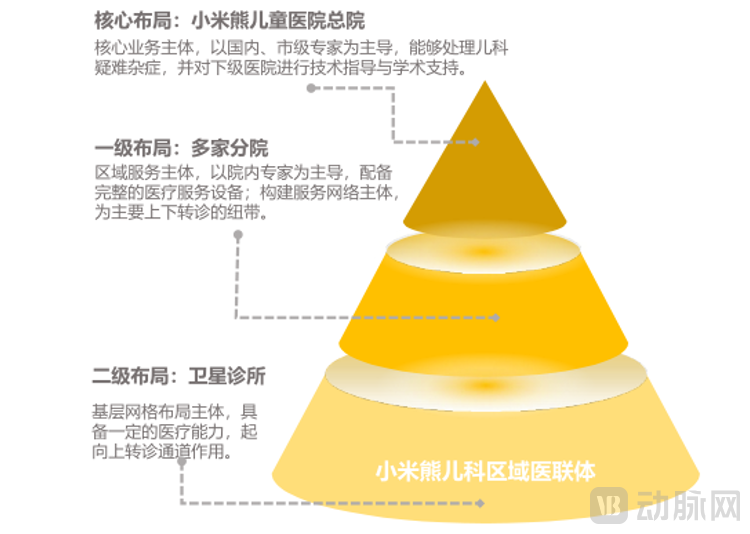
Specifically,Xiaomi Bear envisions building a “1+3+15+1” regional diagnosis and treatment service network, forming an internal “medical consortium” with a three-tier layout. At its core is the Xiaomi Bear Children’s Hospital main campus, supported by three branch hospitals below it, and further extended to 15 satellite clinics. Through online integration and transmission via its internet hospital, the system enables triage services and sustained patient referral flows.From community clinics to branch hospitals and main hospitals, from common illnesses to complex and rare conditions, Xiaomi Xiong is a long-term companion for children’s health.
Source: Xiaomi Bear Children's Hospital
In the long term, Xiaomi Bear aims to further expand its scale on the foundation of its internal three-tier structure. By leveraging diverse collaboration models, it seeks to attract more doctors, clinics, and pediatric hospitals to join, thereby establishing a broader diagnostic and therapeutic collaboration platform.
EspeciallyInAgainst the backdrop of the national promotion of multi-site practice for physicians, Xiaomi Bear hopes to collaborate with doctors to build a platform that achieves a win-win outcome.Therefore, it welcomes doctors to join through various models, such as practicing at internet hospitals, becoming equity partners, or establishing their own studios.
Accelerating the Pace: The Story of Xiaomi Bear Continues
Xiaomixiong’s philosophy isEverything for the Children, Quality First, Service First.Data serves as evidence of the implementation of our philosophy. In terms of patient visits and revenue at Xiaomi Bear, although there was a significant impact from the pandemic in 2020, full recovery has been achieved this year, surpassing the same period in 2019. Especially regarding the number of rehabilitation training sessions, despite the influence of the epidemic, there has still been a continuous growth trend.
This year, Xiaomi Bear has demonstrated strong growth momentum. In 2021, the number of patient registrations is projected to increase by 24% compared with 2019 and by 75% compared with 2020; the number of rehabilitation training sessions in 2021 rose by 69% from 2019 levels and by 42% from 2020 levels; and operating revenue for 2021 is expected to reach RMB 100 million, representing a 52% increase over 2019 and a 92% increase over 2020.
Regarding future development, Xiaomi Bear has a clear vision.In the short term, fundraising is planned to accelerate the completion of Phase II construction and establish the platform’s three-tier system. From a long-term perspective, Xiaomi Xiong aims to expand its presence across China.
Mr. Su Jianqing, the founder, stated, “Over the past three years, the hospital has gradually moved onto a positive development trajectory, and our confidence has grown with each passing day.” Xiaomi Xiong is striding forward, writing its own story.