

WeDoctor's Liao Jieyuan at the 5th World Intelligence Congress: Digital Transformation as the Engine to Reshape Healthcare Management and Service Models
“Mobile hospitals” reaching rural fields, nurses providing home visits by appointment for patients with limited mobility, Tianjin-based hospitals offering online services to overseas patients, and intelligent systems automatically issuing epidemic alerts… On May 21, at the Smart Health and Medical Care Summit of the 5th World Intelligence Congress, attendees presented such visions.
This is a microcosm of the development of “Internet + Healthcare.” In just over a year, China’s internet healthcare industry has undergone tremendous changes catalyzed by the pandemic. The medical service system and patient care models are being reshaped, refreshing people’s understanding of “seeking medical advice and treatment.”
In his opening remarks, Yu Xuejun, Deputy Director of the National Health Commission, stated that the pandemic has significantly spurred demand for information technology in the healthcare sector, leading to the vigorous emergence of new technologies, new business models, and new platforms. The integration of “Internet + Healthcare” has accelerated comprehensively, gradually shifting from an “optional” feature to a “mandatory” one, and from being a “nice-to-have” to providing “critical support.” It has become an essential component of medical services, offering the public a better and more convenient experience in accessing healthcare.
As Chairman and CEO of WeDoctor Group, China’s largest digital healthcare platform, Liao Jieyuan has played an indispensable role over the past decade in advancing the development of internet-based healthcare in China. In 2015, WeDoctor established China’s first true internet hospital in Wuzhen, significantly promoting the standardized adoption of “Internet + Healthcare.”
At the forum, Liao Jieyuan noted that in April 2018, the General Office of the State Council issued the "Guiding Opinions on Promoting the Development of 'Internet + Healthcare'," which established the "main axis" for the development of internet-based medical services, pharmaceuticals, and health insurance. The outbreak of the pandemic in 2020 further accelerated the growth of "Internet + Healthcare." He recalled that when the epidemic suddenly struck, WeDoctor urgently launched the "Real-Time Assistance Platform for COVID-19" on Chinese New Year's Eve, recording over 11 million visits in a single day on January 26, 2020. One month after Wuhan went into lockdown, as more than 400,000 patients with severe chronic diseases faced the risk of medication interruption, WeDoctor was commissioned by the National Healthcare Security Administration to establish an internet hospital in Wuhan within 36 hours. This platform provided online follow-up consultations, electronic prescriptions, health insurance reimbursement, and home delivery of medications to patients with severe chronic conditions. After WeDoctor successfully pioneered the integration of online follow-up consultations, medication purchases, and health insurance reimbursement in Wuhan, the "Guiding Opinions on Advancing 'Internet +' Health Insurance Services During the Prevention and Control of the COVID-19 Epidemic" was subsequently issued.
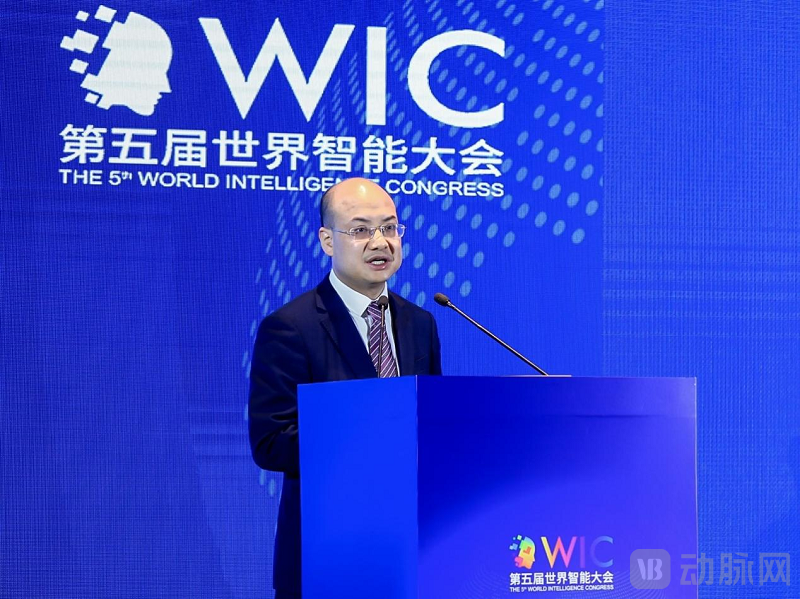
“The most challenging six months of the pandemic brought more breakthroughs to the ‘Internet + Healthcare’ industry than the previous six years.”Liao JieyuanIt is indeed thought-provoking. Internet healthcare, which had long been “groping in the dark,” has finally come to the fore and even emerged as a new “hotspot.”
It is reported that during the pandemic prevention and control period, the number of internet-based consultations at hospitals under the administration of the National Health Commission increased 17-fold year-on-year, while some third-party internet service platforms saw a more than 20-fold increase in consultation volume compared to the same period.
At the local level, efforts to promote internet-based healthcare have been spared no effort. Cao Xiaohong, Vice Mayor of the Tianjin Municipal People’s Government, introduced that as one of the first batch of demonstration cities selected for the “Internet + Healthcare” initiative, Tianjin has actively established an “Internet + Regional Smart Healthcare” service system, built a unified platform for “Internet + Healthcare,” and formed the Tianjin Primary-level Digital Health Community, thereby providing the public with integrated online and offline medical services... As of April 2021, 33 medical institutions in Tianjin offered online consultation services, with cumulative consultations exceeding 2.6 million and follow-up visit services surpassing 360,000人次.
In June 2020, General Secretary Xi Jinping pointed out in his speech at the 14th meeting of the Central Commission for Comprehensive Deepening Reform that great importance should be attached to the application of new-generation information technology in the medical and health sector, so as to reshape management and service models, optimize resource allocation, and improve service efficiency. This has charted the course for the development of digital healthcare and the broader medical and health industry.
“Internet hospitals are not merely about providing online consultations and delivering medications to patients’ homes; they require an internet-centric mindset and the use of digital tools to achieve integrated online-offline coordination.”Zhang Jianning, Party Secretary of Tianjin Medical University General HospitalPossesses unique insights into leveraging the Internet to innovate hospital management and service models.
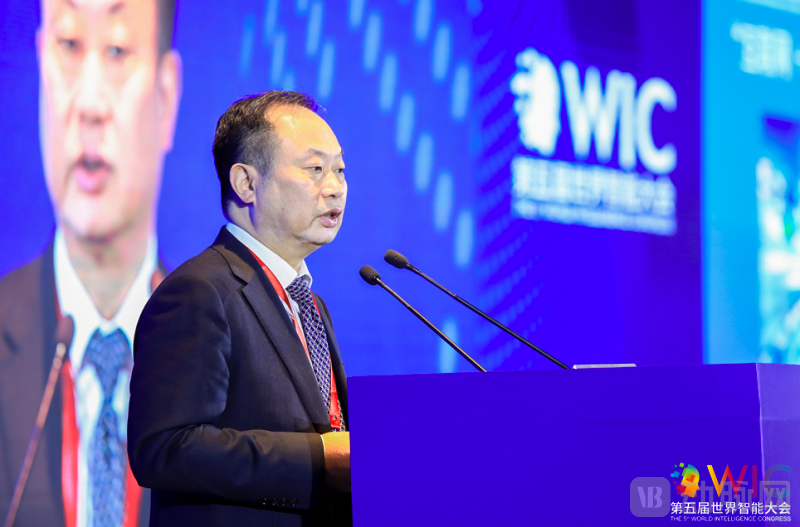
Zhang Qin, Standing Committee Member of the National Committee of the Chinese People's Political Consultative Conference and Academician of the International Nuclear Energy AcademyHe believes that artificial intelligence can help existing primary care general practitioners improve their performance in initial consultations at the primary care level. At the meeting, he provided a detailed introduction on how to leverage the DUCG system to assist primary care physicians in making general practice clinical diagnoses. “A truly effective computer-aided diagnosis system should not merely provide doctors with a result; it must also be interpretable, explaining why such a diagnostic conclusion has been reached, so that physicians can determine whether to accept the system’s recommendation,” stated Academician Zhang Qin.
Liao JieyuanIt is believed that “reshaping” requires digitalization as the engine and health as the core, achieving connection, upgrading, and efficiency improvement through the integrated coordination of healthcare services, pharmaceuticals, and medical insurance (the “Three Medicals”). This ultimately aims to enhance the capacity of primary healthcare services, alleviate the burden on large hospitals, improve supply chain efficiency, and increase the efficiency of payments from both basic medical insurance and commercial health insurance.
WeDoctor’s explorations over the past decade have further validated his understanding. In particular, in 2020, under the leadership of the Tianjin Municipal Health Commission, Tianjin WeDoctor General Hospital took the lead in collaborating with 267 primary healthcare institutions across the city to jointly establish the “Tianjin Primary Care Digital Health Consortium.” By implementing the “Four Clouds” platforms—Cloud Management, Cloud Services, Cloud Pharmacy, and Cloud Diagnostics—to digitally empower primary care, it provides comprehensive medical and health maintenance services covering pre-diagnosis, during-diagnosis, and post-diagnosis stages. This initiative has gradually built an efficient, health-centered health maintenance system, implemented a health responsibility system, and pioneered the digital upgrade of primary healthcare at the provincial administrative level.
In 2019, the World Health Organization released the draft “Global Strategy on Digital Health 2020–2024,” establishing the strategic priority of digital health. China’s 14th Five-Year Plan also put forth new requirements for building a “Digital China” and a “Healthy China.” As Deputy Director Yu Xuejun pointed out in his address, digital health lies at the intersection of “Digital China” and “Healthy China.”
With digital technologies, represented by the “Internet Plus” initiative, becoming deeply integrated into the broader health sector, the digital health industry is poised for significant growth. We anticipate that, through collaborative efforts among government agencies, healthcare institutions, and technology companies, the transformation of pharmaceutical and healthcare management and service models will accelerate further, truly establishing an efficient, people-centered health maintenance system focused on health rather than disease.