

Gusen Pharma: Rising Star in Advanced Inhalation Therapeutics Files for IPO
Anovent, a Shanghai-based pharmaceutical group dedicated to the research, development, and commercialization of inhaled formulations, recently announced the successful completion of EU marketing authorization applications for two soft mist inhaler products and the filing of clinical trial notifications in China for four such products. This makes Anovent the first company globally to submit regulatory filings for generic soft mist inhalers in both the European Union and China. The company is poised to become the first to market with generic versions of these soft mist inhaler series in Europe, the United States, and China, including blockbuster drugs such as Spiriva Respimat, which generates annual sales exceeding $2 billion.
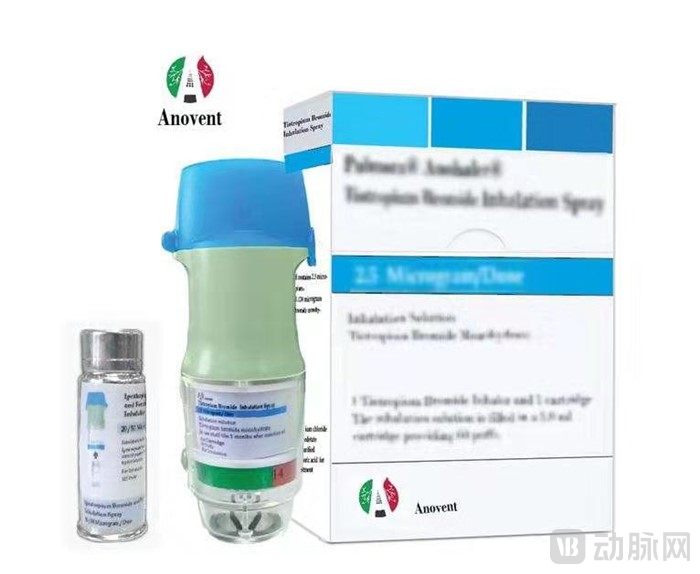
Anovent Soft Mist Inhaler Products
Dr. Huang Caigu, Founder, Chairman, and CEO of Anovent, commented, “Anovent has overcome the R&D and industrialization barriers associated with active pharmaceutical ingredients (APIs), formulations, and devices for soft mist inhalers. The company is scientifically and effectively advancing bioequivalence (BE) clinical studies for its first-to-file generic drugs in accordance with European and U.S. BE guidelines. In addition to first-to-file generics, a series of innovative reformulated drugs under development by the company are also progressing toward clinical stages, achieving innovation and breakthroughs in drug delivery performance and clinical efficacy.”
Following the approval of its marketing application, Anovent is poised to break the market monopoly held by European and American multinational pharmaceutical companies in the high-end inhaled drug sector. This milestone will enable the company to provide higher-quality, more cost-effective medications for patients with respiratory diseases worldwide, while laying a solid foundation for capturing significant market share of blockbuster products during the upcoming golden decade of development for China’s inhaled drug industry.
Anovent was founded in Shanghai in April 2017 under the leadership of Dr. Huang Caigu, an expert who returned to China after studying and working abroad. The company is dedicated to the research and development of next-generation high-efficiency inhalation technologies and products. Over the past three years, Anovent has garnered favor from numerous prominent investment institutions and has successfully completed five rounds of financing, totaling RMB 500 million.
Sequoia Capital, which has become the company’s second-largest shareholder, along with other major shareholders such as Huatai Zijin, Shenzhen Hejiang Capital, and Fenxiang Investment, are not only optimistic about the prospects in the field of respiratory diseases but also highly recognize Anovent’s positioning and development strategy, the advantageous position of its soft mist inhalation platform technology and products, and the certainty of its future capture of market share both domestically and internationally. They have demonstrated full trust and support for the Anovent team through multiple successive rounds of additional investment. Anovent will launch its Pre-IPO financing round in the second half of this year and plans to list on the capital market in 2022 or 2023, leveraging the power of the capital market to accelerate its global expansion.
In the few short years since its establishment, Anovent has rapidly distinguished itself through its advanced formulations, drug delivery technologies, and soft mist inhaler technology platform and products. It has become the only enterprise in China to receive the National Major Special Project for New Drugs under the 13th Five-Year Plan for inhalable soft mist agents, propelling it into the ranks of leading companies in China’s inhalation therapy sector.
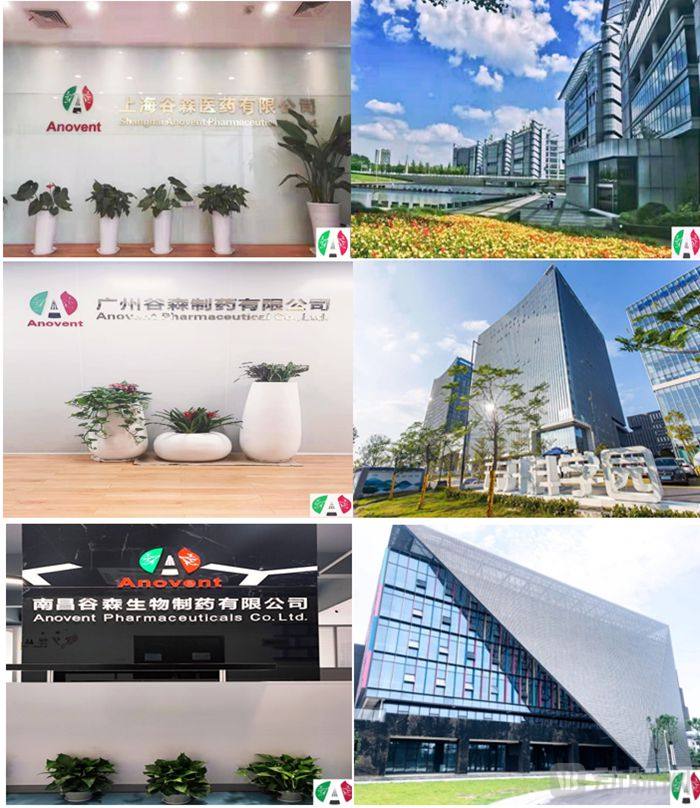
Anovent R&D Center
Anovent’s core strengths lie in the research, development, and manufacturing of inhalation soft mist formulations. The company has filed more than 80 domestic and international patents related to inhalation products and has secured authorization for several core patents. Under this strategic patent layout, Anovent has become the pharmaceutical enterprise with the largest number of inhalation-related patent applications in China, establishing a robust “moat” of proprietary technologies. Anovent has developed a comprehensive product portfolio: among its five first-to-file generic inhalation soft mist drugs under development, industrialization has been achieved, with two varieties having completed European Union marketing authorization applications and four varieties having completed bioequivalence (BE) clinical trial filings in China. Its pipeline of first-to-file generics and reformulated innovative drugs includes both monotherapy and combination therapies, designed to meet the clinical needs of patients with varying severities of asthma and chronic obstructive pulmonary disease (COPD). It is projected that by 2021, Anovent’s first-tier first-to-file generics and second-tier reformulated innovative drugs will complete R&D, industrialization, and regulatory submissions, respectively. These products are expected to tap into a global market potential of approximately USD 20 billion.
Anovent has built and put into operation the world’s second and China’s first production line for sterile soft mist formulations and device assembly, compliant with European and U.S. cGMP standards.
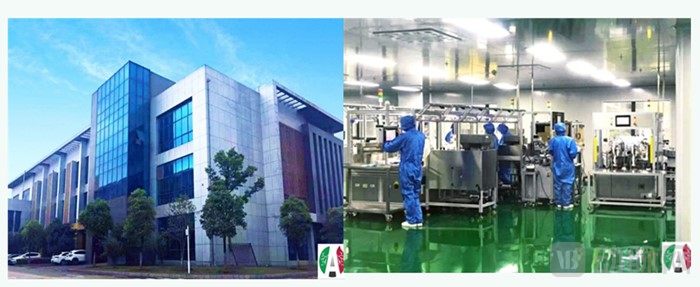
Anovent Pharmaceutical Production Base and Production Line: Actual Views
Anovent has encountered numerous challenges during its R&D process. For instance, regarding patents, how to strategically map out Anovent’s patent portfolio while circumventing the original research patents covering drug products, methods, and devices; and in terms of product development, how to address challenges and difficulties by optimizing formulation prescriptions.
The successful resolution of these challenges and high-barrier technologies is inevitably attributable to Anovent’s professional technical team and robust talent management system. The core team at Anovent is structured into six key divisions: the Formulation Department, comprising multiple teams dedicated to generic drugs, innovative drugs, and more; the Chemical API Department, organized into three major project groups focusing on LAMA, LABA, and MABA; the Analytical Quality Control Team for APIs, formulations, and devices; the Device Development and Assembly Team; the Sterile Formulation Production Team; and the China and International Regulatory Affairs Team.
In addition, Anovent has leveraged R&D platform resources from Peking University, Fudan University, the Shanghai Institute of Materia Medica of the Chinese Academy of Sciences, and Shanghai Jiao Tong University to conduct pharmaceutical production research, establishing an “industry-academia-research” ecosystem and building a talent reserve for the company.
The number of COPD and asthma patients in China is comparable to that of diabetes patients. The respiratory system market, second only to oncology in growth rate, presents significant opportunities. By 2016, the domestic market size had exceeded RMB 10 billion, with a potential market size reaching as high as RMB 60 billion. However, as inhalation products are advanced formulations involving drug-device combination, they have high technical barriers. The global inhalation market has long been dominated by a few oligopolies (GSK, Boehringer Ingelheim, AstraZeneca, and TEVA collectively hold approximately 80% of the market share). Mastering drug-device combination technology is inherently challenging. Inhalation products require the integrated use of pharmaceuticals and inhalation devices, representing a multidisciplinary field that extends beyond pharmaceutics alone, thereby making generic development highly difficult. Consequently, the Chinese inhalation product market is currently almost monopolized by foreign pharmaceutical companies, with domestic enterprises holding less than 10% of the market share.
Due to the limitations and unsatisfactory efficacy of oral medications and injections, inhalers have gradually demonstrated superior therapeutic benefits owing to their numerous advantages: 1) Direct absorption into the bloodstream via the lungs, resulting in rapid onset of action; 2) Localized drug delivery, which enhances drug accumulation at the target organ, thereby improving efficacy while reducing toxic side effects; 3) Absence of first-pass effect, leading to higher bioavailability. The main types of inhalers include nebulizer solutions, pressurized metered-dose inhalers (pMDIs), dry powder inhalers (DPIs), and the next-generation soft mist inhalers (SMIs).
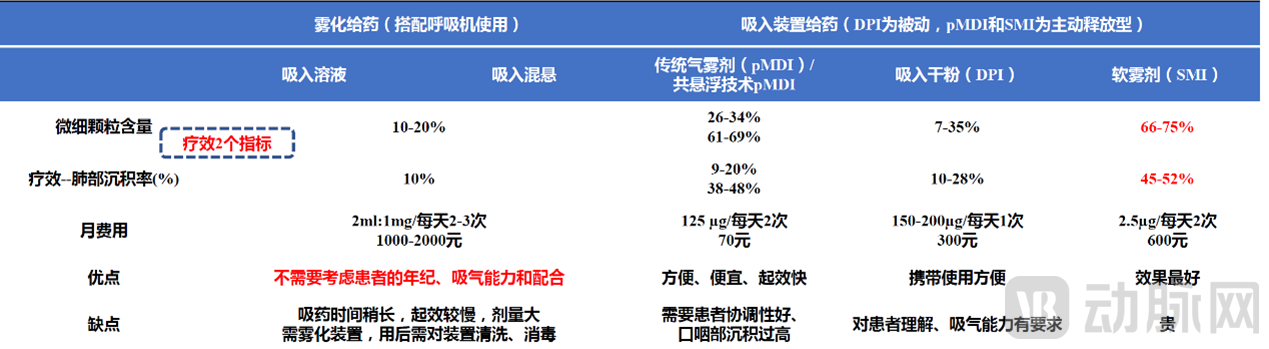
Among these, the research and development (R&D) and production of nebulizer solutions are relatively straightforward, with several generic versions already approved. In contrast, metered-dose inhalers (MDIs) and dry powder inhalers (DPIs)—particularly DPIs—pose significant challenges and difficulties in formulation, device engineering, and bioequivalence studies. As a result, R&D efforts have either stalled or applications have been withdrawn. Recently, a leading domestic pharmaceutical company announced that it had submitted a request to the National Medical Products Administration (NMPA) to withdraw its drug registration application for salmeterol/fluticasone powder for inhalation, after having invested approximately RMB 33.53 million in cumulative R&D costs for this product. In previous years, numerous companies concentrated their efforts on developing MDIs and DPIs. However, after substantial investments in R&D and production lines, they now find themselves shrouded in uncertainty, facing market challenges and the harsh realities of R&D difficulties, with no clear path forward.
As soft mist inhalers (SMIs) gain prominence for their advantages, including effortless inhalation, high pulmonary deposition rates, and slow, sustained aerosol spray, there is a growing global trend of SMIs gradually replacing dry powder inhalers (DPIs). Boehringer Ingelheim’s sales from products based on its soft mist platform have reached approximately $3 billion, with a significant portion of this growth attributable to the replacement of its legacy DPI products.
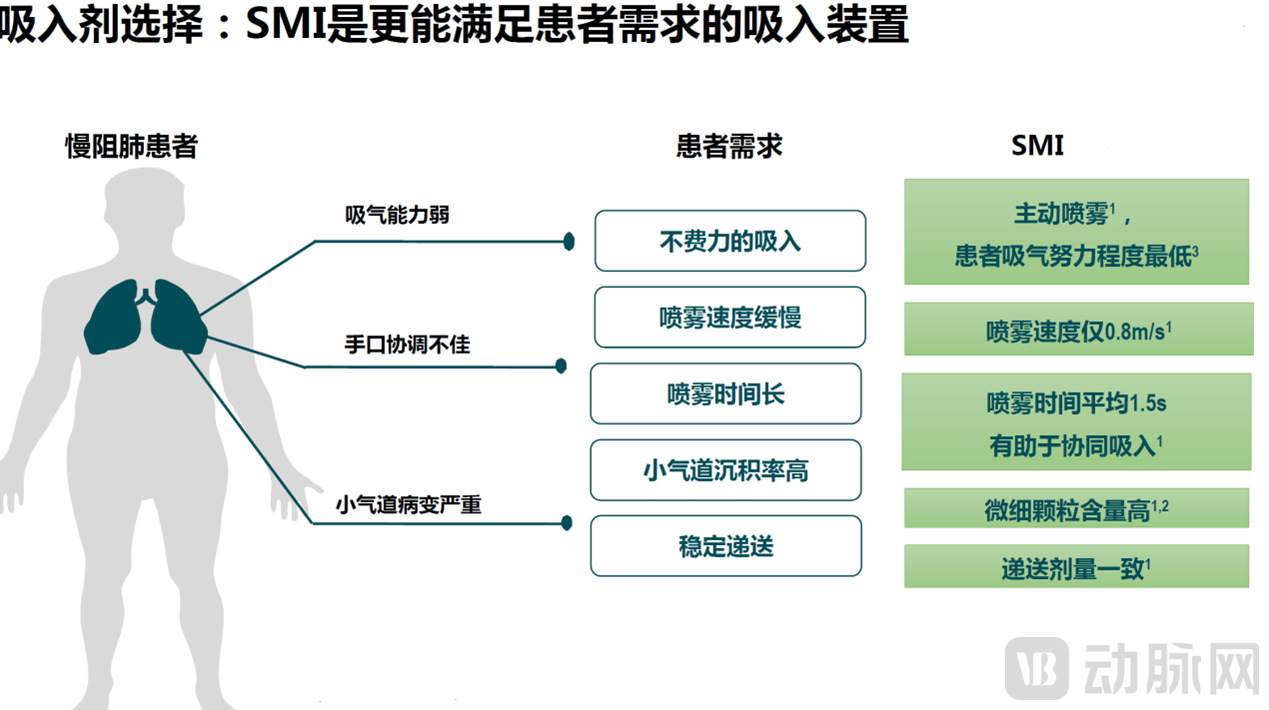
Given the substantial existing global market for soft mist inhalers, China’s significant potential market, and the challenges, difficulties, and uncertainties encountered in the development of generic pressurized metered-dose inhalers (pMDIs) and dry powder inhalers (DPIs), China Biopharmaceutical (01177.HK) recently announced the acquisition of 100% of SOFTHALE NV for $110 million, plus additional payments tied to regulatory and commercial milestones. Softhale is a Belgian private company primarily engaged in the research and development of soft mist inhaler (SMI) devices. Chia Tai Tianqing, a subsidiary of China Biopharmaceutical, is a leading domestic developer of generic DPIs. The need for a major acquisition to enter the SMI segment indirectly underscores the considerable technical challenges associated with R&D in this area.
In addition to the Chinese market, Anovent places significant emphasis on opportunities in the United States and the European Union for its first-to-file generic drugs. As is well known, first-to-file generics in the U.S. benefit from a 180-day period of marketing exclusivity and can be priced at approximately 60–90% of the reference listed drug’s price. This offers substantial profit margins while enabling rapid capture of market share. Launching a first-to-file generic in the U.S. market also serves as a testament to a company’s capabilities and quality standards. In particular, achieving first-to-file status for complex formulations helps enhance the visibility and reputation of Chinese pharmaceutical companies in the United States.
Following product approval for market launch, industry giants in the originator drug sector may initiate a series of patent challenges in accordance with industry conventions. Leveraging the founder’s extensive hands-on experience gained from years of service at overseas pharmaceutical companies, Anovent has proactively anticipated these risks and developed phased countermeasures, engaging in thorough deliberations with senior patent attorneys both domestically and internationally to mitigate potential liabilities in advance. Whether Anovent successfully penetrates target markets through multi-tiered sales channels or reaches a settlement on first-to-file generic status through patent challenges, it is poised to pave a practical and viable path to success for other Chinese pharmaceutical companies seeking global expansion. Furthermore, we encourage more Chinese companies to initiate patent challenges, as such actions hold substantial commercial value and represent an unavoidable strategic choice for any ambitious generic drug manufacturer. Industry leaders such as Teva and Mylan have all risen to prominence and rapidly expanded their operations through patent challenges, thereby solidifying their dominant positions in the pharmaceutical landscape.
In recent years, a series of reforms in China’s pharmaceutical sector have significantly promoted the development of the industry and the generation of innovative outcomes. The National Medical Products Administration (NMPA) and the China National Intellectual Property Administration (CNIPA) jointly released the “Implementation Measures for the Early Resolution Mechanism of Drug Patent Disputes (Trial) (Draft for Comments).” Article 11 [Incentive Policies] grants market exclusivity to the first chemical generic drug that successfully challenges a patent and is the first to obtain marketing approval. The draft specifies a market exclusivity period of 12 months, approximately twice the duration granted in the United States. This represents a substantial leap forward compared to previous practices, holding epoch-making significance for the pharmaceutical industry and further expanding commercial opportunities for domestic pioneers of first-to-file generic drugs.
As early as 2014–2015, amid the surge in R&D and investment in aerosols and dry powder inhalers, Anovent’s founders leveraged their years of accumulated industry experience to bypass the then-popular aerosol and dry powder formulations. Instead, they directly pursued the development of next-generation soft mist inhalers, a category with an unclear market size and greater technical challenges at the time. Consequently, Anovent gained a first-mover advantage. By initiating projects early, securing support from national major special programs, and concentrating all resources on overcoming soft mist technology hurdles, Anovent advanced significantly ahead of other pharmaceutical companies.
Anovent was founded for innovation and has always adhered to this principle, focusing on overcoming the most challenging R&D and production barriers associated with next-generation inhalation products. The company is dedicated to developing products that achieve breakthroughs in key core technologies, integrating innovation throughout the entire R&D and manufacturing process, including active pharmaceutical ingredients (APIs), formulations, devices, as well as their manufacturing processes, equipment, and automated production lines. Today, Anovent is the only platform company in China with capabilities in the field of inhalation formulations. Its products align with national strategic goals of achieving international leadership, enabling import substitution, optimizing therapeutic quality, and reducing the burden on patients, holding significant importance.
Years of relentless perseverance, coupled with precise early-stage strategy and market positioning, have propelled Anovent to its current leadership and success. With aspirations as steadfast as mountains and execution as adaptable as water, we believe Anovent has embarked on a trajectory of healthy development, emerging as a rising star in the inhalation drug industry chain.