

Yidu Tech Showcases Digital Health Solutions with 9 Experts Across 10 Sessions at DIA China 2021
Embracing Globalization, Innovating for a New Journey: The DIA 2021 China Annual Meeting Was Grandly Held by the Scenic Jinji Lake in Suzhou. The Conference Centered on Three Major Themes—Regulatory Policy Innovation, Technological Innovation, and Talent Innovation—Facilitating Comprehensive and In-Depth Discussions. Yidu Tech Made Its Debut at the DIA China Annual Meeting with a Strong Lineup and a Rich Portfolio of Digital Solutions.
As the Exclusive Prestige Support Partner of this conference, Yidu Tech created a multi-level, technology-infused booth to showcase solutions across its various business lines and hosted multiple “Face-to-Face with Experts” sharing and exchange sessions.
As a leader in drug R&D and commercialization, as well as digital transformation, we have jointly launched the Industry-Academia-Research Collaborative Initiative for Digital Innovation in Clinical Trials and Research Institutions with research organizations and pharmaceutical companies, aiming to drive the digital innovative transformation of clinical trials in China.
Nine experts from Yidu Tech Group engaged in extensive discussions and knowledge sharing with industry peers and guests across ten thematic sessions, covering topics ranging from clinical needs to patient-centric trials;
From the Three-Tier Application of AI-Empowered Clinical Research to an Overview of Automated Data Acquisition Technologies;
From the Gains and Losses of Oncology Clinical Trials in China to Patent Protection and Data Exclusivity;
From Real-World Application Cases to Frontier Advances in Remote Intelligent Clinical Trials.
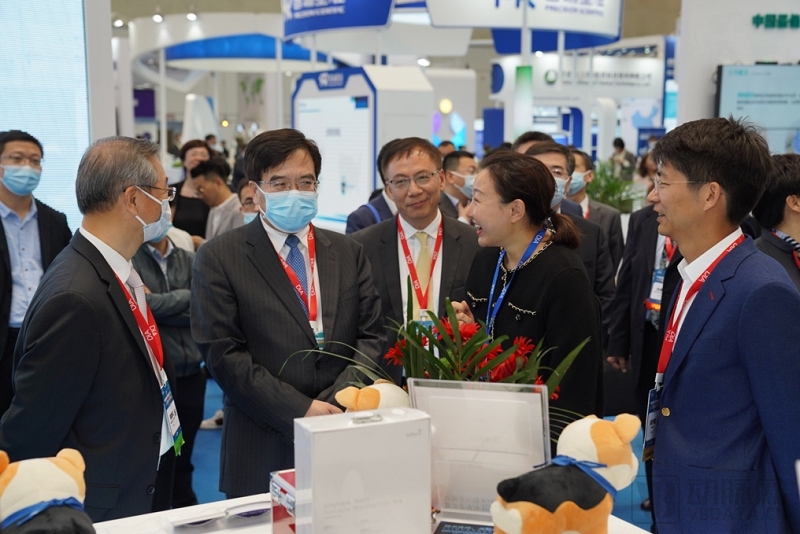
Amid the wave of digitalization, which is reshaping the healthcare industry, Yidu Tech attracted significant attention at the 2021 DIA China Annual Meeting with its large, high-tech booth. Visitors to the Yidu Tech booth gained insights into the diverse forms of digital transformation in healthcare and pharmaceuticals. During the event, Xu Jinghe, Deputy Director of the National Medical Products Administration (NMPA), visited the Yidu Tech booth for an on-site inspection, offering affirmation and encouragement.
Business experts from Happy Life Technology (hereinafter referred to as “HLT”), a subsidiary of Yidu Tech, presented digital solutions for the pharmaceutical industry. These engaging presentations attracted numerous industry professionals to attend and exchange insights, highlighting HLT’s unique advantages and technical expertise in clinical operations, medical affairs, statistical methodologies, innovative medicine and real-world evidence, as well as digital R&D innovation.
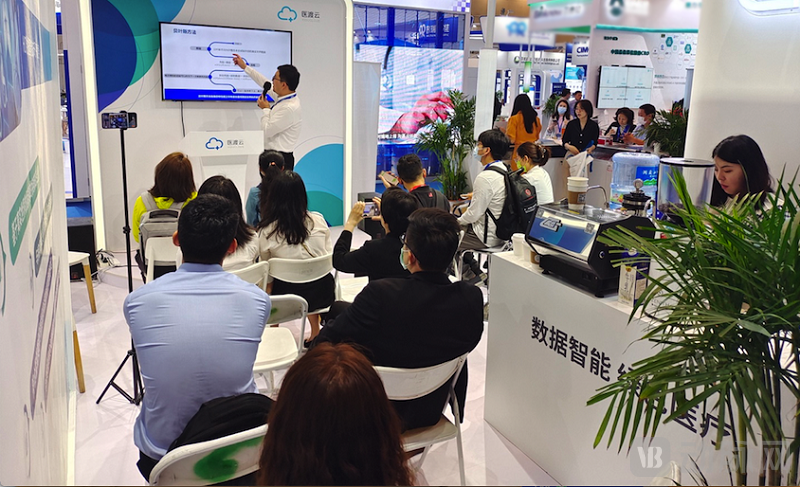
In addition to its high-tech exhibition booth, Yidu Tech also invited a latte art master to prepare coffee on-site. The exquisite and distinctive latte art designs won widespread acclaim from attendees.

To foster deep collaboration among industry, academia, and research institutions and jointly advance digital transformation, Happy Life Technology, in partnership with clinical trial sites and industry platforms, has launched the Digital Innovation Collaboration Initiative for Clinical Trials and Research Institutions. This initiative serves as a platform for collaborative exchange among academic institutions, clinical trial sites, pharmaceutical companies, technology partners, contract research organizations (CROs), and other stakeholders.
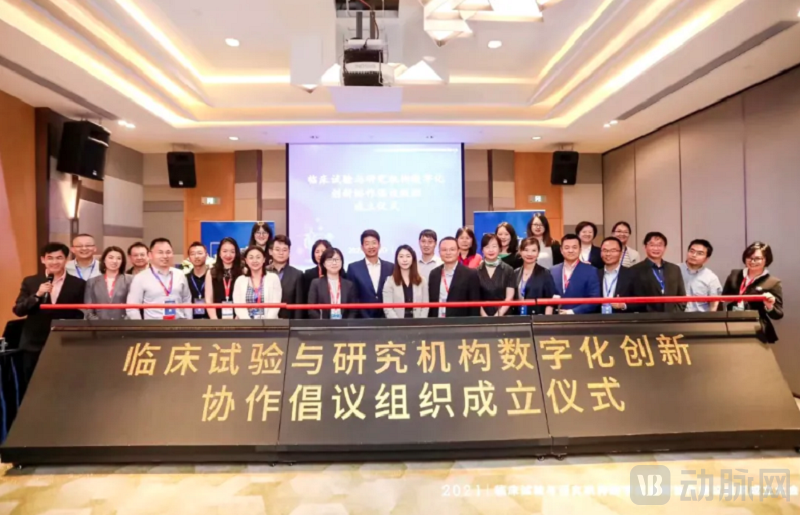
The establishment of the Initiative for Digital Innovation and Collaboration in Clinical Trials and Research Institutions holds significant importance, as it will further drive the digital transformation of clinical trials in China. The vision of this collaborative initiative is to promote the digital development of research institutions, enhance research efficiency and quality, advance the application of digital technologies in clinical research, facilitate regulatory communication, establish technical standards and industry consensus for digital clinical trials, accelerate the implementation of digital clinical trials, and cultivate interdisciplinary talent in the digitalization of clinical research.
If the exhibition area was a visual feast, then the conference venue was an intellectual one. Yidu Tech actively participated in industry discussions and presentations across multiple sessions, providing in-depth analyses of digitalization case studies and exploring pathways to achieve digital transformation in the pharmaceutical and healthcare sectors.
In recent years, the entire healthcare industry has been shifting toward a “patient-centric” value system. Regulatory authorities, hospitals, pharmaceutical companies, and other stakeholders are increasingly eager to hear more from patients to better meet their needs.
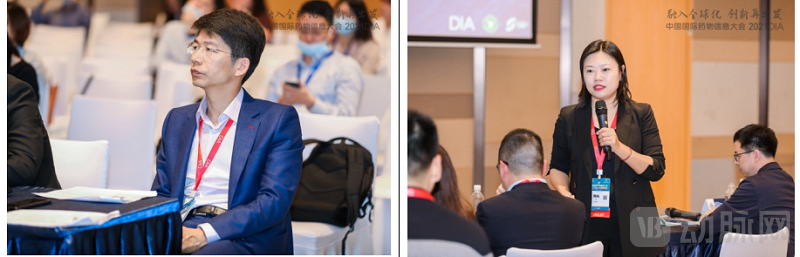
At the DIA 2021 breakout session on “Clinical Needs and Trial Practices,” Xu Jiming, Co-founder of Yidu Tech and CEO of Happy Life Technology (HLT), served as co-moderator, while Chen Can, Head of Digital R&D Innovation at HLT, participated in the discussion. Starting from an examination of Chinese cancer patients’ awareness of and willingness to participate in clinical trials, the panel explored the needs for patient-centric clinical research. By sharing challenges, key considerations, and innovative models in participant recruitment, they highlighted the dilemmas inherent in patient-centric clinical practice. Furthermore, using real-world studies that leverage digital technologies for intelligent patient follow-up as an example, they presented intelligent, patient-centric solutions for clinical research and demonstrated their value.
This year’s DIA theme is “Embracing Globalization, Reigniting Innovation.” China’s innovation must adopt a global strategy and perspective; only by integrating into globalization can drug innovation achieve greater sustainability and better fulfill the ultimate goal of innovation: addressing unmet clinical needs.
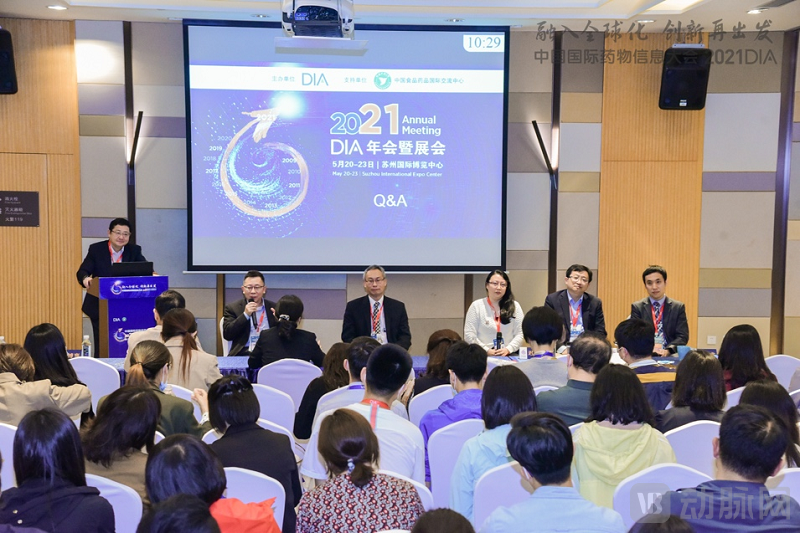
At the breakout session titled “Case Studies on the Gains and Losses of Clinical Research on Oncology Drugs in China,” Professor Lu Shun, Director of the Department of Medical Oncology at Shanghai Chest Hospital, Shanghai Jiao Tong University School of Medicine, served as the moderator, facilitating extensive discussions among numerous guests. Dr. Dai Luyan, Vice President of Strategy and Innovation at HLT, was invited to participate in the discussion. Dr. Dai stated that drug development should be driven by patient-centric therapeutic needs while balancing industrial sustainability. Many successful drug development cases feature clear logic, highly rational approaches, strategies based on real-world evidence, and rigorous scientific design. An increasing number of innovative study designs are being advocated and promoted to help accelerate the clinical development of drugs. Great truths are often simple; when understanding of a particular drug is limited, it is advisable to start with simplicity by first exploring and answering smaller questions.
“Patient-Centricity” was the central theme of this year’s DIA Annual Meeting. From disease treatment needs and clinical development strategies to all aspects of study design and execution, the patient-centric philosophy is driving critical reflection and transformation in industry research models. Dr. Lu Yan Dai, Vice President of Strategy and Innovation at HLT, chaired the “Patient-Centric Design” breakout session. As patients have the most direct experience and perception of their diseases, incorporating the patient perspective into clinical trial design has become a key success factor for accelerating drug development and improving R&D success rates. This session introduced innovative research design methodologies and practical implementation considerations, as well as patient-centric benefit-risk assessment in drug development, through case studies from both China and abroad.
Patent Protection and Clinical Data Protection for Pharmaceuticals Have Always Been Sensitive Topics in Drug R&D. Both patent protection and data protection serve as key drivers encouraging the development of innovative drugs. As China gradually integrates into today’s global drug R&D ecosystem, formulating and implementing robust standards for patent and data protection presents a significant challenge for Chinese pharmaceutical professionals.
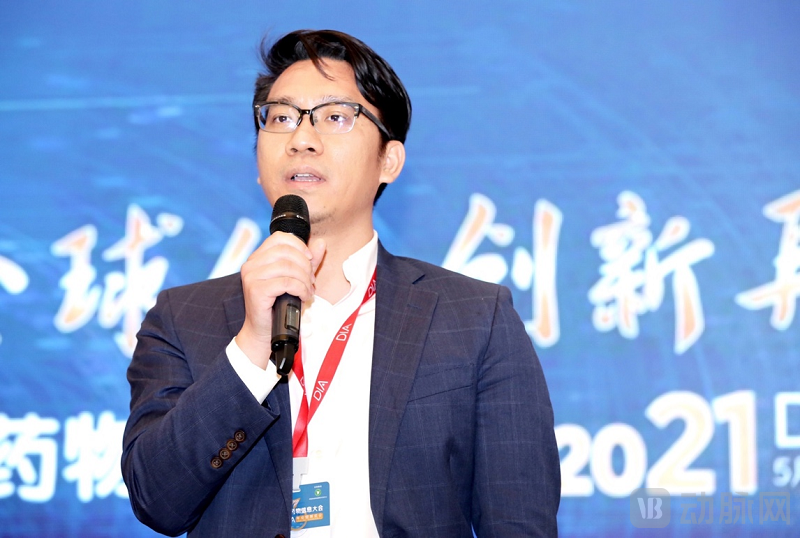
At the special session on “Patent Protection and Data Protection,” Huang Yao, Compliance Director at Yidu Tech, was invited as a panelist to share key considerations regarding compliance in real-world data (RWD). He noted that last year, the Center for Drug Evaluation (CDE) issued the *Guiding Principles for Real-World Evidence Supporting Drug Development and Review (Trial)*, and this year released the *Guiding Principles for Real-World Data Used to Generate Real-World Evidence (Trial)*. These developments reflect the emphasis placed by Chinese regulatory authorities on the standardized application and advancement of RWD in clinical research. The guidelines provide foundational guidance for various industry stakeholders—including research institutions, pharmaceutical companies, and research service providers—on the generation and application of real-world evidence (RWE). Addressing how to comply with the two CDE guidelines, Mr. Huang highlighted several key points on data protection: During the research process, particular attention must be paid to the legality and compliance of data handling, especially in obtaining valid and lawful authorization from data subjects or data controllers. Informed consent from patients should also be obtained when necessary. In the field of real-world research, study protocols, including data governance plans, should be submitted to ethics committees for approval.
In the “Emerging Technologies and Digital Health” session, Dr. Lu Yan Dai, Vice President of Strategy and Innovation at HLT, moderated the “AI Empowering Life Sciences” panel, marking the first introduction of cutting-edge intelligent technologies in life sciences at the DIA conference. Dr. Jun Yan, Chief AI Scientist at Yidu Cloud, delivered a presentation titled “Data- and Knowledge-Driven Medical Research and Applications.”
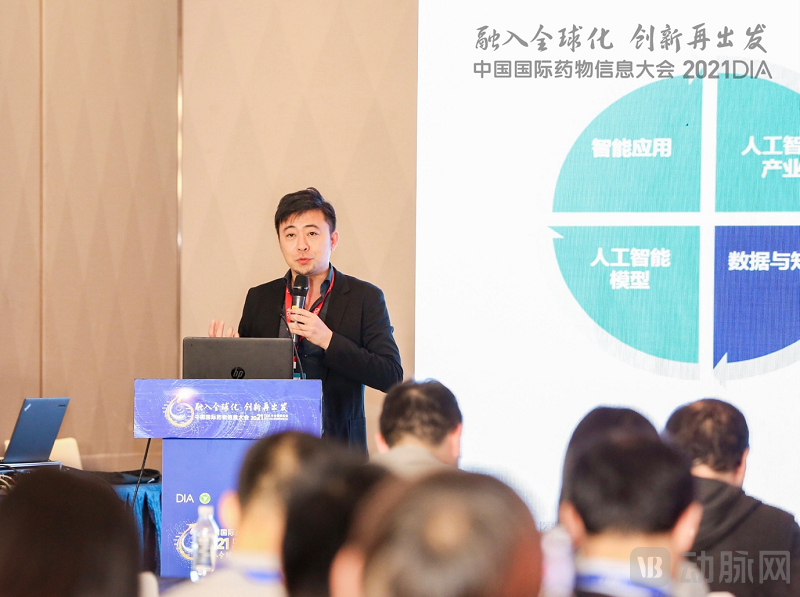
The special session on “Applications of Data Automation Technologies Across All Phases of the Clinical Trial Project Management Lifecycle” was moderated by Zhang Ruolin, Vice President of Clinical Data Science at HLT. Dr. Peng Tao, Chief Data Scientist at HLT, delivered a presentation titled “An Overview of Digital Automation Technologies in Clinical Trial Data Acquisition.”
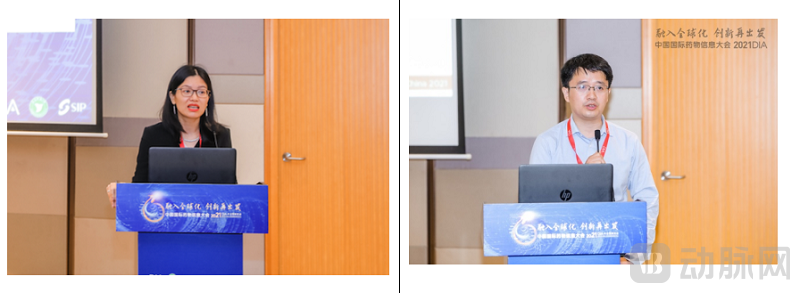
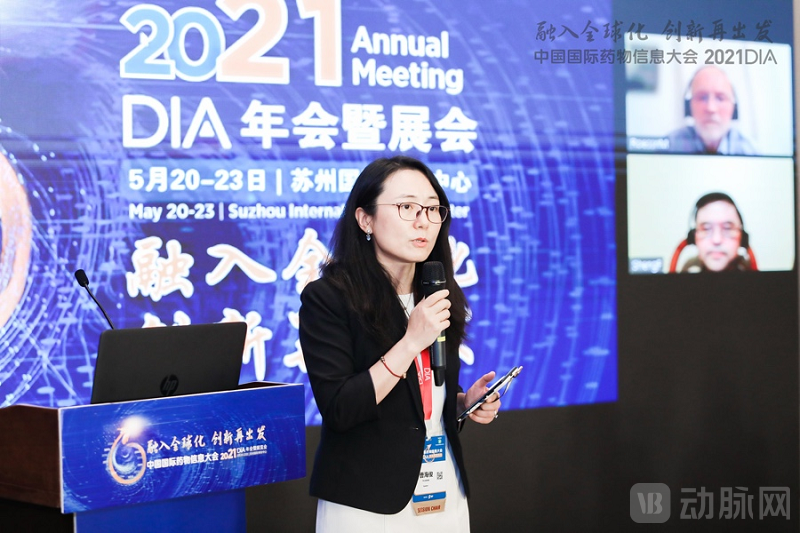
At the session titled “Real-World Data Application Cases and Research Sharing,” Dr. Haijun Cao, Vice President of Innovative Medicine and Real-World Studies at HLT, served as the moderator. Through presentations and discussions on real-world data (RWD)-related case studies and research findings, the session explored scenarios in which RWD can generate reliable real-world evidence (RWE). This enabled attendees to gain a comprehensive understanding of the latest advancements in the field and to assess the opportunities and prospects for leveraging RWE in pharmaceutical product development and regulatory decision-making with accuracy and objectivity.
Li Gaoyang, Head of Remote Intelligent Clinical Trials at HLT, was invited to participate in the special session on “Applications of Emerging Technologies in DCT and RWE” during Pfizer China’s “Science for Success, Innovation in China” Learning Week at the DIA Annual Meeting. Mr. Li introduced the fundamental models and specific components of remote intelligent clinical trials, as well as the multi-stakeholder efforts to advance remote clinical trials in China, including regulatory guidance, industry initiatives, and pilot projects.
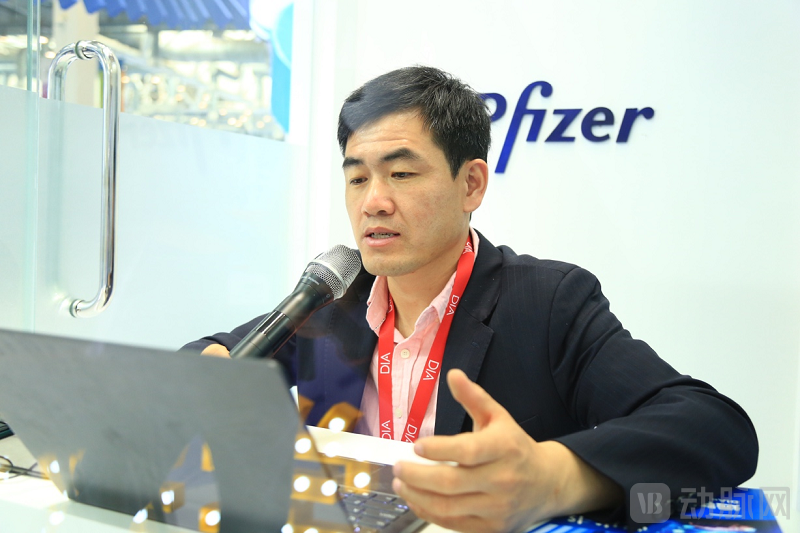
Furthermore, as a panelist, Li Gaoyang participated in the sessions on “Frontier Advances in Remote Intelligent Clinical Trials” and “DIA Academic Community Exchange and Sharing,” engaging in in-depth discussions with industry experts on the pain points and opportunities of remote intelligent clinical trials, as well as implementation pathways in China.
This article is intended solely for knowledge-sharing purposes. If there are any instances of infringement or omissions, please contact our platform, and we will address them promptly.