

MIAO Health Files for IPO Following Nature Feature on Digital Chronic Disease Management

Volume 593, Issue 7860, 27 May 2021 [Cover Image]
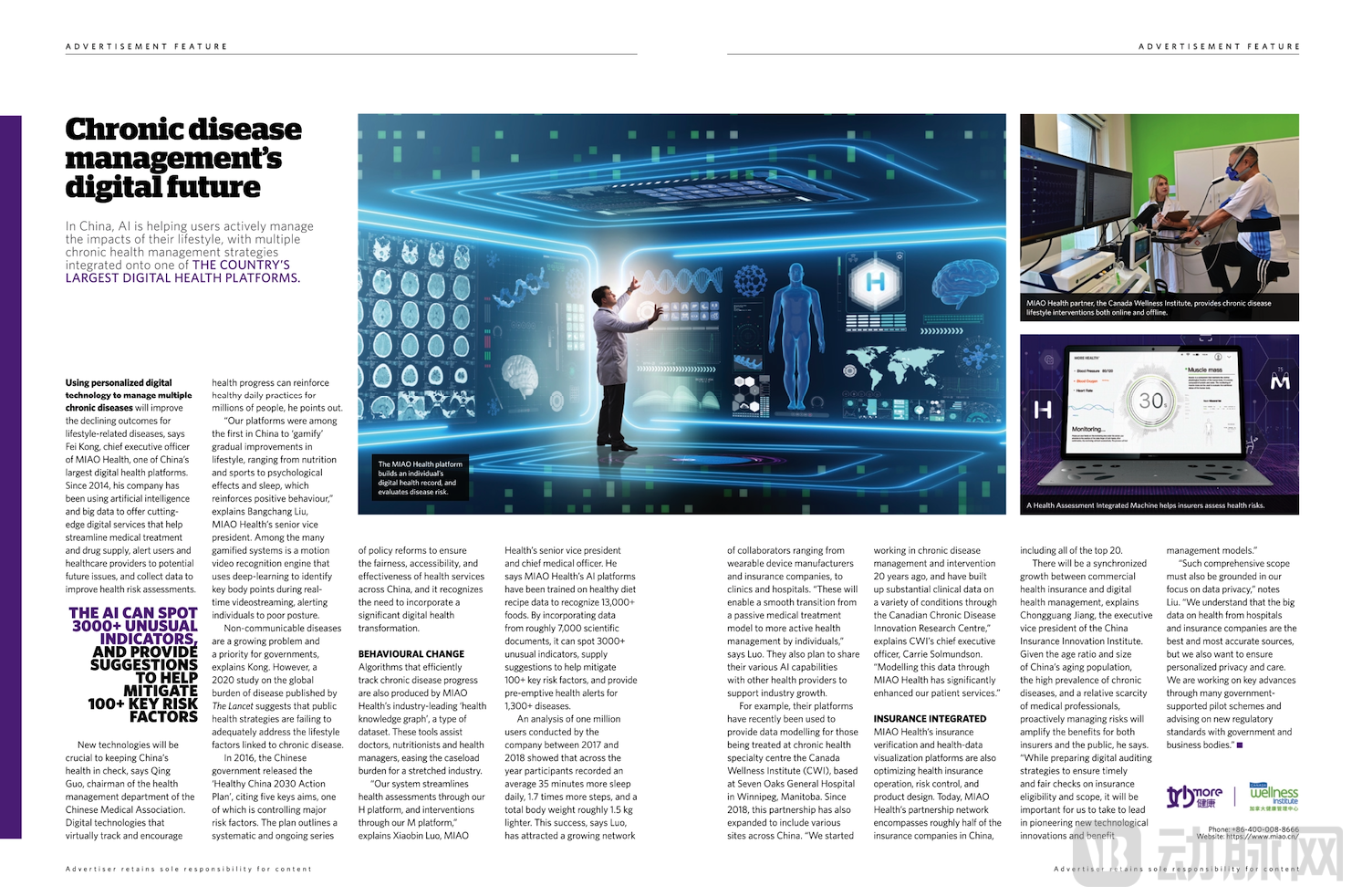
“Chronic Disease Management’s Digital Future” [Content Page]

In China, artificial intelligence is helping users proactively manage the impacts of unhealthy lifestyles by integrating various chronic disease health management solutions into the country’s leading digital health management platforms.

Kong Fei, CEO of Miao Health, one of China’s largest digital health management platforms, stated that leveraging personalized digital technologies for health management can reduce the incidence of diseases associated with unhealthy lifestyles. Since 2014, Miao Health has been utilizing artificial intelligence and big data platforms to provide advanced digital health management services, helping optimize medical care and pharmaceutical supply chains, alerting users and healthcare enterprises to potential health issues, and offering health risk assessment solutions.
Professor Guo Qing, Chairman of the Health Management Branch of the Chinese Medical Association, believes that technology is crucial to building a “Healthy China.” Encouraging the development of digital technologies in the field of health promotion can enable a broader population of patients with chronic diseases to benefit from digital health management.
Liu Bangchang, Senior Vice President of Miao Health, stated, “Miao Health is China’s first health management platform to leverage gamification in helping users gradually improve unhealthy lifestyles, delivering positive outcomes through interventions spanning nutrition, exercise, psychology, and sleep.” Among its various gamified features, the exercise video recognition engine employs deep learning algorithms to identify key human body landmarks in real-time video, alerting users to poor posture for corrective purposes.
The prevention and control of chronic non-communicable diseases (NCDs) has received increasing attention from countries around the world. A study on the global burden of disease published in The Lancet in 2020 indicated that public health strategies have failed to adequately address the losses caused by chronic diseases triggered by unhealthy lifestyles.
In 2016, the Chinese government issued the “Outline of the ‘Healthy China 2030’ Plan,” which proposed five key objectives, one of which was to control major health risk factors. The Outline outlined a series of ongoing policy reforms to ensure the equity, accessibility, and effectiveness of healthcare services across China, and also highlighted the imperative of undertaking a significant digital health transformation.
Building on its industry-leading “Health Knowledge Graph,” Miao Health has developed algorithms and digital tools that enable continuous and effective tracking of chronic diseases, helping to reduce the workload of physicians, dietitians, and health managers.
Dr. Luo Xiaobin, Senior Vice President and Chief Medical Officer of Miao Health, stated: “Miao Health has established the H Health Risk Stratification Management Platform to optimize health assessment processes and implement health risk stratification and management for users. It pioneered the use of the ‘H Value’ in China to quantify individual health status. Additionally, leveraging the M AI-driven Health Intervention Platform, it automatically generates personalized health management plans for users.”
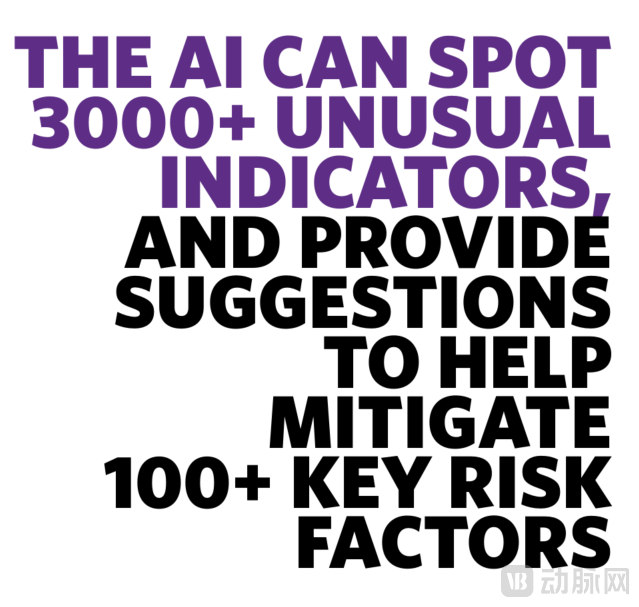
Dr. Luo Xiaobin stated that Miao Health’s AI platform has been trained on extensive healthy diet data and can identify over 13,000 types of food. By integrating data from approximately 7,000 scientific publications, the platform can detect more than 3,000 abnormal indicators, provide recommendations for over 100 key disease risk factors, and issue health risk alerts for more than 1,300 diseases.
A one-year data tracking and analysis of 1 million users by Miao Health revealed that participants who received health management services throughout the year increased their average daily sleep by 35 minutes, boosted their step count by 1.7 times, and lost approximately 1.5 kilograms in body weight. According to Dr. Luo Xiaobin, this has attracted a growing number of partners to join the ecosystem, including wearable device manufacturers, insurance companies, clinics, and hospitals. “The participation of more partners will facilitate a smooth transition for the general public from a passive medical care model to an proactive health management model,” said Dr. Luo Xiaobin. Miao Health plans to open up its artificial intelligence platform and data capabilities to empower stakeholders across the industry chain, thereby supporting sector-wide development.

Currently, Miao Health’s platform capabilities have been leveraged to assist the Canadian Wellness Institute (CWI) in data modeling for local patients undergoing chronic disease treatment, as well as in delivering comprehensive online and offline interventions targeting unhealthy lifestyles among these patients. Since 2018, this collaborative model has been gradually expanded and replicated across multiple cities in China.
Ms. Carrie Solmundson, Global CEO of the Canadian Wellness Institute (CWI), stated, “We began engaging in chronic disease management and intervention over 20 years ago through the Canadian Center for Innovation in Chronic Disease Research, accumulating extensive clinical data related to various diseases. By leveraging Miao Health for modeling, we have significantly enhanced our capacity to serve patients.”
Miao Health’s insurance claims adjudication and health data visualization platform is being utilized to optimize the operations, risk control, and product design of commercial health insurance. Currently, Miao Health’s partnership network covers more than half of the insurance companies in the Chinese market, including the top 20 insurers by market ranking.
Jiang Chongguang, Executive Vice President and Secretary-General of the China Insurance Innovation Institute, believes that commercial health insurance and digital health management will experience synchronous growth. Given China’s aging population in terms of both proportion and scale, the high prevalence of chronic diseases, and the relative shortage of professional healthcare personnel, promoting proactive health management and implementing health risk assessment and early warning systems are highly beneficial for both insurance companies and the public. He stated, “This will facilitate insurers in formulating ‘digital monitoring and data capture’ strategies to ensure timely, fair, and efficient intelligent underwriting and claims processing, which is crucial for empowering technological innovation in the insurance industry and establishing economic models.”
“Comprehensive application scenarios must be grounded in a strong commitment to data privacy,” added Liu Bangchang. “With user privacy safeguarded, hospitals and insurance companies serve as the most professional and precise sources of health big data. Therefore, we are actively participating in multiple government-backed pilot projects and providing recommendations to help governments and commercial entities establish new industry regulatory standards.”
In China, AI is helping users actively manage the impacts of their lifestyle, with multiple chronic health management strategies integrated onto one of the country’s largest digital health platforms.
Using personalized digital technology to manage multiple chronic diseases will improve the declining outcomes for lifestyle-related diseases, says Fei Kong, chief executive officer of MIAO Health, one of China’s largest digital health platforms. Since 2014, his company has been using artificial intelligence and big data to offer cutting-edge digital services that help streamline medical treatment and drug supply, alert users and healthcare providers to potential future issues, and collect data to improve health risk assessments.
New technologies will be crucial to keeping China’s health in check, says Qing Guo, chairman of the health management department of the Chinese Medical Association. Digital technologies that virtually track and encourage health progress can reinforce healthy daily practices for millions of people, he points out.
“Our platforms were among the first in China to ‘gamify’ gradual improvements in lifestyle, ranging from nutrition and sports to psychological effects and sleep, which reinforces positive behaviour,” explains Bangchang Liu, MIAO Health’s senior vice president. Among the many gamified systems is a motion video recognition engine that uses deep-learning to identify key body points during real-time videostreaming, alerting individuals to poor posture.
Non-communicable diseases are a growing problem and a priority for governments, explains Kong. However, a2020 study on the global burden of disease published by The Lancet suggests that public health strategies are failing to adequately address the lifestyle factors linked to chronic disease.
In 2016, the Chinese government released the ‘Healthy China 2030 Action Plan’, citing five keys aims, one of which is controlling major risk factors. The plan outlines a systematic and ongoing series of policy reforms to ensure the fairness, accessibility, and effectiveness of health services across China, and it recognizes the need to incorporate a significant digital health transformation.
Algorithms that efficiently track chronic disease progress are also produced by MIAO Health’s industry-leading ‘health knowledge graph’, a type of dataset. These tools assist doctors, nutritionists and health managers, easing the caseload burden for a stretched industry.
“Our system streamlines health assessments through our H platform, and interventions through our M platform,” explains Xiaobin Luo, MIAO Health’s senior vice president and chief medical officer. He says MIAO Health’s AI platforms have been trained on healthy diet recipe data to recognize 13,000+ foods. By incorporating data from roughly 7,000 scientific documents, it can spot 3000+ unusual indicators, supply suggestions to help mitigate 100+ key risk factors, and provide pre-emptive health alerts for 1,300+ diseases.
An analysis of one million users conducted by the company between 2017 and 2018 showed that across the year participants recorded an average 35 minutes more sleep daily, 1.7 times more steps, and a total body weight roughly 1.5 kg lighter. This success, says Luo, has attracted a growing network of collaborators ranging from wearable device manufacturers and insurance companies, to clinics and hospitals. “These will enable a smooth transition from a passive medical treatment model to more active health management by individuals,” says Luo. They also plan to share their various AI capabilities with other health providers to support industry growth.
MIAO Health partner, the Canada Wellness Institute, provides chronic disease lifestyle interventions both online and offline.Credit: Beijing More Health Technology Group Co., Ltd
For example, their platforms have recently been used to provide data modelling for those being treated at chronic health specialty centre the Canada Wellness Institute (CWI), based at Seven Oaks General Hospital in Winnipeg, Manitoba. Since 2018, this partnership has also expanded to include various sites across China.
“We started working in chronic disease management and intervention 20 years ago, and have built up substantial clinical data on a variety of conditions through the Canadian Chronic Disease Innovation Research Centre,” explains CWI’s chief executive officer, Carrie Solmundson. “Modelling this data through MIAO Health has significantly enhanced our patient services.”
MIAO Health’s insurance verification and health-data visualization platforms are also optimizing health insurance operation, risk control, and product design. Today, MIAO Health’s partnership network encompasses roughly half of the insurance companies in China, including all of the top 20.
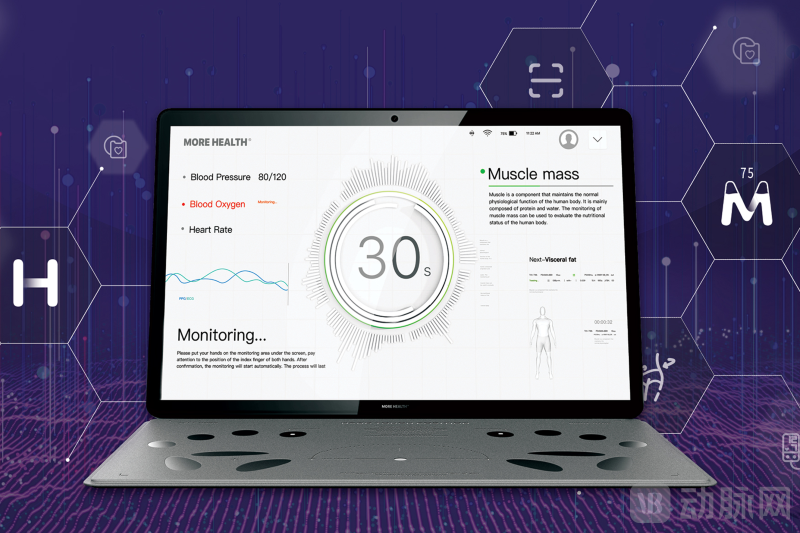
A Health Assessment Integrated Machine helps insurers assess health risks.Credit: Beijing More Health Technology Group Co., Ltd
There will be a synchronized growth between commercial health insurance and digital health management, explains Chongguang Jiang, the executive vice president of the China Insurance Innovation Institute. Given the age ratio and size of China’s aging population, the high prevalence of chronic diseases, and a relative scarcity of medical professionals, proactively managing risks will amplify the benefits for both insurers and the public, he says. “While preparing digital auditing strategies to ensure timely and fair checks on insurance eligibility and scope, it will be important for us to take to lead in pioneering new technological innovations and benefit management models.”
“Such comprehensive scope must also be grounded in our focus on data privacy,” notes Liu. “We understand that the big data on health from hospitals and insurance companies are the best and most accurate sources, but we also want to ensure personalized privacy and care. We are working on key advances through many government-supported pilot schemes and advising on new regulatory standards with government and business bodies.”
See the original article on the Nature website:https://www.nature.com/articles/d42473-021-00191-7