

AstraZeneca's iCampus Expansion to Beijing: Accelerating Healthcare Innovation Through an Integrated Ecosystem Platform
The healthcare industry is hailed as the “sunrise industry” of the 21st century and has become a high-tech strategic emerging industry that regions across China are striving to develop.
Data can reflect the level of industry activity.According to data from the Artery Orange database, global healthcare financing reached a record high in 2020, with a year-on-year increase of 41%; there were 205 financing deals exceeding $100 million throughout the year, accounting for as much as 9%. This indicates that the healthcare industry is entering an accelerated development phase and has received substantial capital market investment.
However, innovation is not easy.According to incomplete statistics on business registration data compiled by VCBeat, more than 20,000 healthcare companies in China were deregistered within one year of establishment. This is primarily due to the high professional barriers, long learning curves, and greater need for industrial collaboration inherent in healthcare projects. For exampleIn the translation of medical research achievements, from an initial scientific concept to laboratory results, and then to the transformation of technology into mature commercial products and industrial implementation, this process requires financial support and industrial resource alignment.
Therefore, to better incubate and nurture healthcare projects, local governments and industrial parks across China are striving to explore new directions. Among these efforts, the International Life Science Innovation Parks, jointly established by AstraZeneca and various local partners, stand out as a noteworthy model of high-quality public-private collaboration and joint empowerment.
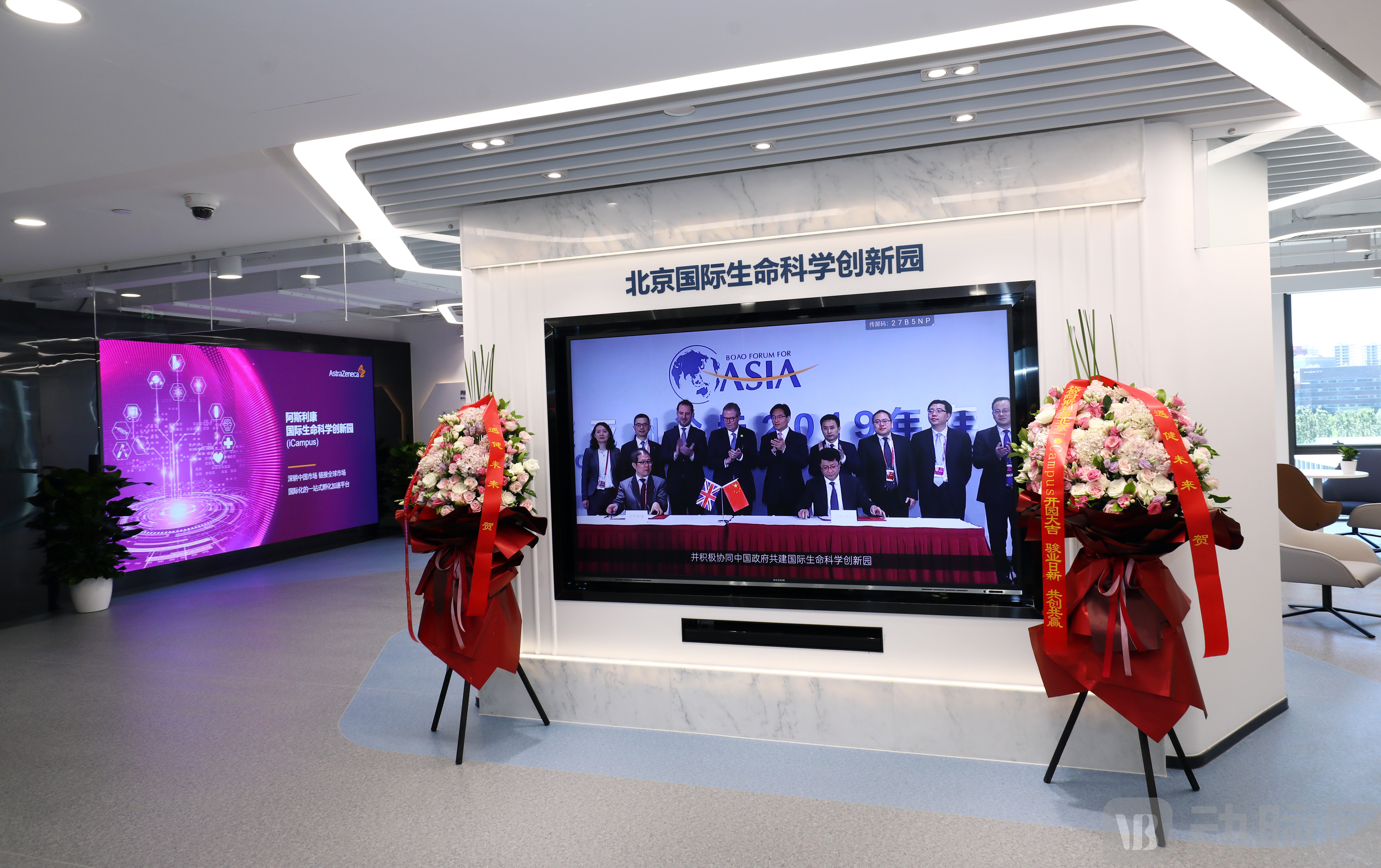
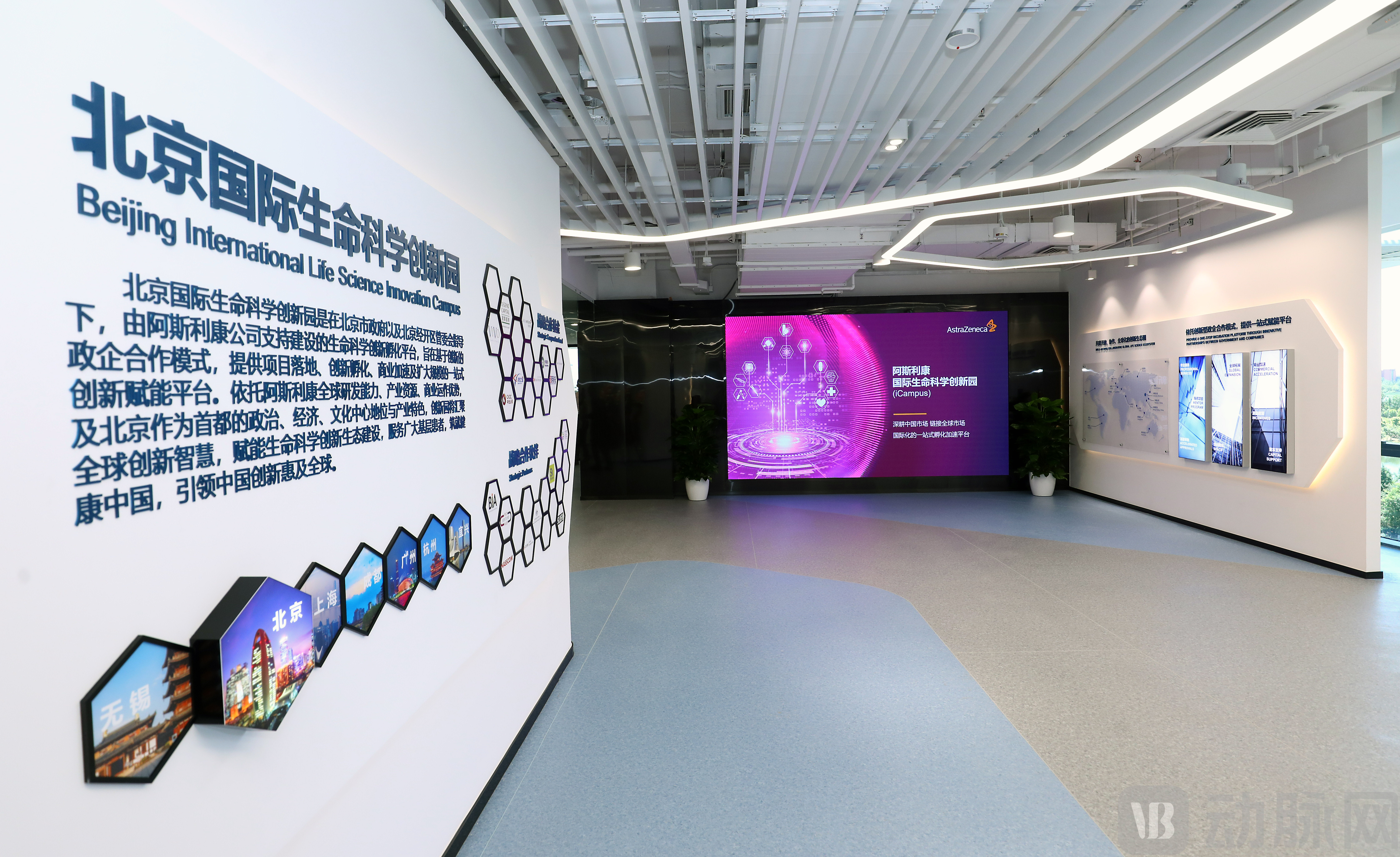
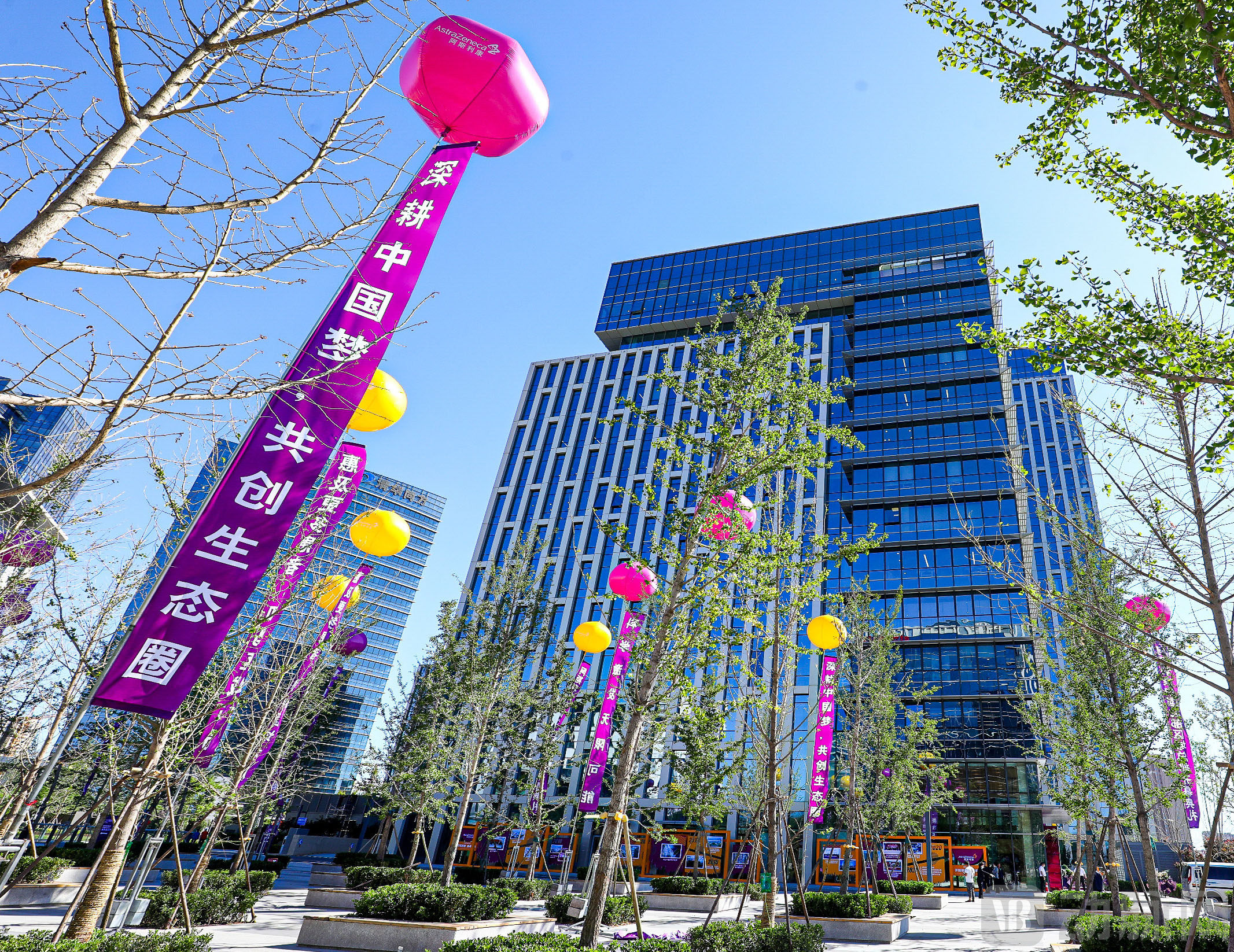
On May 28, AstraZeneca China’s Northern Headquarters was officially inaugurated in the Beijing Economic-Technological Development Area (hereinafter referred to as the “ETDA”).It is reported that with the opening of AstraZeneca’s Northern China Headquarters, the Beijing International Life Science Innovation Campus (hereinafter referred to as “Beijing iCampus”) was officially unveiled. In the future, tenant companies at Beijing iCampus will have the opportunity to work in a co-working arrangement with AstraZeneca’s Northern China Headquarters and the Beijing office of AstraZeneca’s Global R&D China Center.
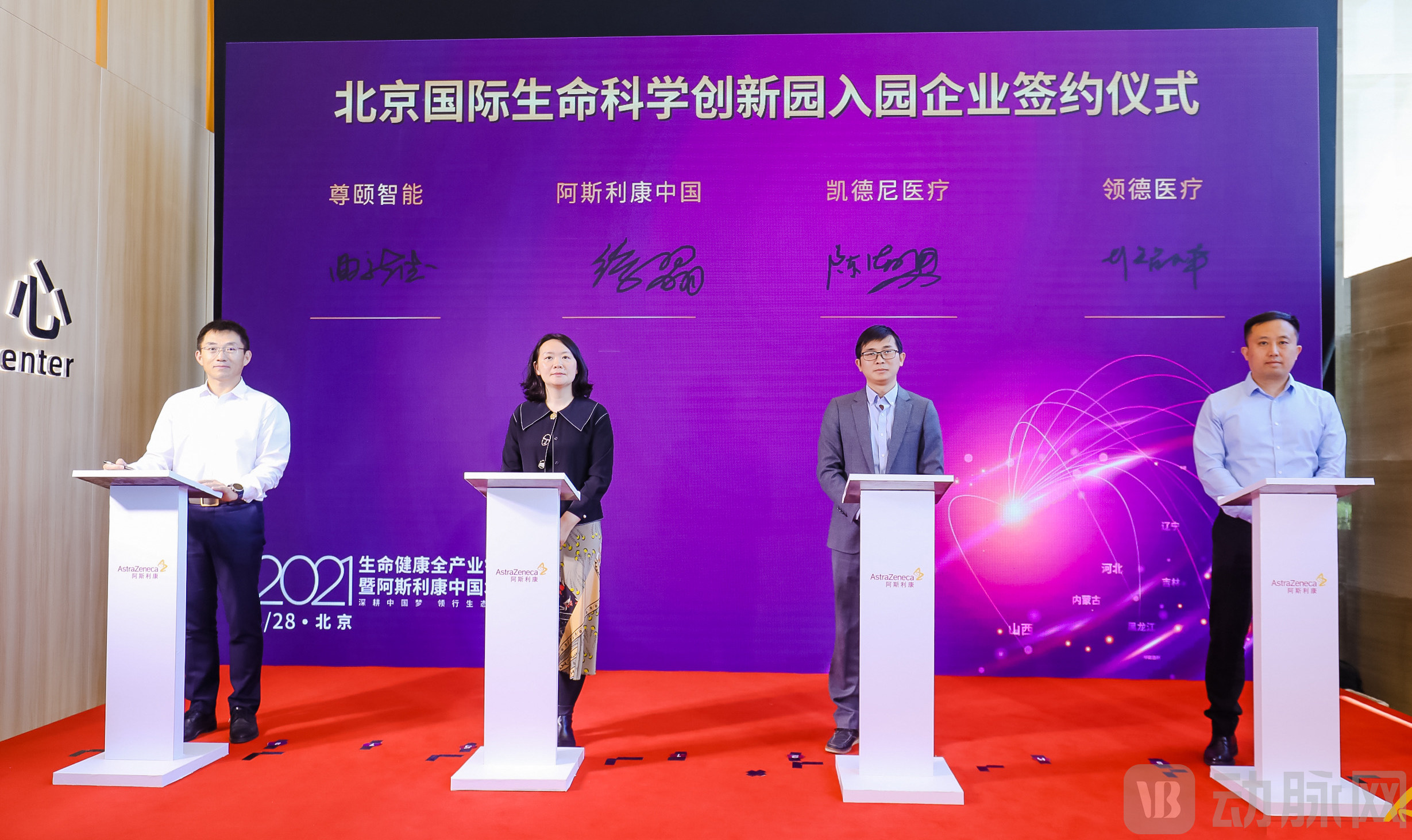
On the very day of the unveiling ceremony,Beijing iCampus also welcomed the signing and onboarding of its first batch of three innovative enterprises—Lingde Medical, Zunyi Intelligence, and Kaideni Medical—and signed a cooperation agreement with HICOOL to jointly launch entrepreneurship competitions and talent-related projects.Notably, all three contracted companies are innovative enterprises with core competencies. For instance, Kaideni Medical is dedicated to leveraging artificial intelligence to address efficiency and patient experience challenges in chronic disease management, thereby building a more sustainable management system and community with global applicability. This approach aims to slow the progression to uremia in patients with chronic kidney disease and improve their overall health status.
Why has Beijing iCampus been able to rapidly attract a cohort of high-quality innovative enterprises? This is largely attributable to AstraZeneca’s strategic layout and resource support within the International Life Science Innovation Park. Compared with typical innovation parks, the International Life Science Innovation Park leverages the platform resources of multinational corporations and local governments. The Wuxi iCampus, jointly established by AstraZeneca, the Wuxi Municipal Government, and the Wuxi High-Tech Zone, attracted more than 40 high-quality Chinese and foreign enterprises within two years, with many park tenants achieving significant milestone progress within their first year. Therefore, with its launch in Beijing, the International Life Science Innovation Park holds strong appeal for relevant high-quality innovative enterprises.
What Makes Beijing iCampus Unique? What Distinctive Resources and Support Will It Offer Upon Its Launch in Beijing? And How Does It Empower Enterprises? VCBeat Will Address These Questions Through a Comprehensive Review and Analysis.
AstraZeneca has planned five major regional headquarters across China, with the newly established North China Headquarters in Beijing focusing primarily on smart healthcare at the primary care level. Local innovation parks will integrate regional industrial characteristics to achieve synergistic development within each area.
Taking Beijing, where it has been implemented, as an example,Beijing iCampus will focus on smart healthcare at the primary care level and the translation of medical research achievements into practical applications. This is driven not only by market demand in these fields but also by Beijing’s unique advantages, including its abundant medical resources and strong scientific research capabilities.
First,In grassroots smart healthcare, given the large population base of the primary healthcare market, medical demand in China is robust. According to the China Health Statistics Yearbook 2020, the number of primary healthcare institutions in China exceeded 950,000 in 2019, an increase of more than 10,000 from 2018, accounting for 95% of all healthcare institutions nationwide.
Despite the large market size, the primary healthcare sector has long been plagued by a series of issues, including poor infrastructure, limited service capacity, and supply chain disruptions, due to factors such as insufficient prior capital investment and a scarcity of talent. However, with recent breakthroughs in mobile internet technology, AI, big data, and biomedicine, primary healthcare is now entering a new period of development opportunities.
Guided by innovative technologies, the Smart Healthcare Innovation Center aims to collaborate with numerous ecosystem partners to leverage cutting-edge technologies such as 5G, the Internet of Things (IoT), and artificial intelligence (AI). By exploring disease screening and chronic disease management services in primary care hospitals, the Center seeks to provide intelligent solutions that address the uneven quality of medical services in the grassroots healthcare market. Therefore,Beijing’s abundant medical resources undoubtedly provide support for the translation of early-stage medical research achievements and the implementation of smart solutions.
When examining the resources in Beijing in greater detailFirst, primary healthcare is a key area that aligns closely with national healthcare reform initiatives. Beijing has established several representative demonstration projects for primary healthcare reform, providing an excellent incubation environment and fertile ground for the development of upstream and downstream enterprises in the primary healthcare sector. Second, Beijing is one of the medical hubs with the highest concentration of top-tier tertiary hospitals (with more than 30 Grade A tertiary hospitals) and the most abundant sources of scientific research achievements.These two aspects constitute the distinctive features and advantages of Beijing iCampus.
Not only that,In the Translation of Medical Research AchievementsiCampus, backed by AstraZeneca, is continuously accumulating resources. At last year’s China International Import Expo (CIIE), AstraZeneca signed strategic cooperation framework memoranda with 22 leading hospitals across China—including West China Hospital of Sichuan University, Guangdong Provincial People’s Hospital, Fudan University Shanghai Cancer Center, the First Affiliated Hospital of Zhengzhou University, and Nanfang Hospital of Southern Medical University—in the areas of discipline development and clinical research, aiming to enhance their clinical research capabilities.
On the afternoon of May 28, the “High-Level Forum on Medical Innovation Development in Healthcare Institutions: Empowering through Innovation” was held in the Beijing Economic-Technological Development Area (BDA). Guided by the Administrative Committee of the Beijing Economic-Technological Development Area, the forum was hosted by the Hainan Boao Medical Innovation Research Institute and Health界 (Healthjie), co-organized by the Beijing International Life Science Innovation Park (iCampus), and supported by AstraZeneca China. This highly anticipated event brought together representatives from government agencies, leading hospitals, major enterprises, incubators, and investment firms to conduct an in-depth analysis of the critical bottlenecks in translating medical innovation achievements into practice, while pooling resources from all sectors to establish a platform for exchange and collaboration in medical innovation translation.
From this perspective, Beijing iCampus leverages Beijing’s vast medical needs and its advantageous environment for innovation, while synergizing with the resources of AstraZeneca’s broader innovation ecosystem. This creates a one-stop enablement platform for the translation of medical innovations into practice, enhances the efficiency of resource integration, and turns more medical innovation concepts into reality.
In addition to facilitating the commercialization of medical research findings and providing related support services, Beijing iCampus also helps healthcare innovation enterprises align with industrial and policy resources. For example,At the funding level, the iCampus Incubation Fund is expected to reach a total size of $100 million and will focus on investing in and incubating early-stage healthcare projects.
In terms of professional services, the park also leverages its platform to introduce significant collaborative resources. For instance, in the area of intellectual property (IP), the Beijing International Life Science Innovation Park can provide substantial support. In terms of technological innovation, the value of IP lies not only in serving as a competitive moat for enterprises but, more importantly, in its ability to serve the market—it is the form through which knowledge, as a factor of production, participates in distribution. AstraZeneca, with its international perspective, undoubtedly possesses extensive experience in maximizing the value of intellectual property.
Furthermore, as a global leader in the life sciences industry, AstraZeneca boasts extensive innovative resources and a worldwide network. Coupled with its 28-year presence in China, the company possesses profound insights into the Chinese market and rich practical experience.It is on this basis that innovative enterprises settling in the Beijing International Life Science Innovation Park can leverage AstraZeneca’s omnichannel commercialization platform to access comprehensive commercialization support, including one-stop services for project implementation, innovation incubation, business acceleration, and scale-up.
More importantly, through its operations across various regions, the International Life Science Innovation Park has already developed strong incubation and cultivation capabilities.Taking Guanhe Pharmaceutical as an exampleAs a central laboratory established as a joint venture between Dian Diagnostics and Tigermed, Guanhe Medicine has received substantial support from iCampus and the Wuxi municipal government since settling into Wuxi iCampus. This support includes tax reductions and exemptions, expedited regulatory approvals, facilitation of inter-enterprise exchanges, and matchmaking for investment and financing. These measures have tangibly reduced operational costs and improved the efficiency of resource integration, enabling Guanhe Medicine to devote greater energy to business development.
Another example is Xin Yun Heng An, an innovative medical device R&D company., as a company settled in Wuxi iCampus. Since joining the park, the Innovation Park has provided multi-dimensional empowerment to Xinyun Hengan. It is worth highlighting that AstraZeneca has supported its partners in developing numerous innovative solutions for integrated whole-disease-course diagnosis and treatment, including those for cardiovascular diseases, covering all stages of the disease continuum from prevention and treatment to rehabilitation. Leveraging AstraZeneca’s whole-disease-course management platform, Xinyun Hengan’s medical-grade home-use 12-lead ECG device, “Kangnaixin,” has also enabled a combined pharmaceutical-and-device disease management model for more patients.
Moreover, at this year’s Taihu Bay Conference, AstraZeneca and Xinyun Hengan signed an agreement for cross-company talent exchange and collaboration. This marks the pharmaceutical industry’s first bilateral talent training and exchange system across companies, fostering open communication among organizations, ecosystem enterprises, and domestic and international professionals.Moreover, there are many other exemplary collaboration cases, such as those involving Guanhe Pharma and Xinyun Hengan.
It is foreseeable that, with the operation of AstraZeneca’s Northern China Headquarters and the integration of two major innovation platforms—the Primary Care Smart Healthcare Innovation Center and Beijing iCampus—a northern health innovation ecosystem will gradually emerge, continuously attracting medical innovation forces from both domestic and international markets.
In an era of accelerating global economic integration, medical technology innovation enterprises must not only possess original technologies but also demonstrate a global perspective.
To this end,Leveraging its extensive global innovation network, AstraZeneca not only introduces foreign startups to China but also enables companies within the industrial park to expand globally with the support of AstraZeneca’s worldwide network.To date, AstraZeneca has established more than 15 international innovation incubators worldwide, with locations spanning the United States, Brazil, Argentina, Sweden, the United Kingdom, France, Israel, Russia, South Korea, India, Singapore, and other countries.
From this perspective,Innovative enterprises are not merely choosing a business park; they are choosing to join an innovation ecosystem.Therefore, by leveraging the advantageous resources of its regional headquarters, AstraZeneca’s strategic expansion from Wuxi and Hangzhou to Beijing, and further to Chengdu and Hangzhou, represents a significant step in continuously refining its ecosystem. This initiative will help innovative enterprises access richer industrial resources, accelerate the deep integration of the healthcare industry, and foster new healthcare business models with distinct local characteristics.
Notably, AstraZeneca is forging a new strategic layout in China, characterized by the mutual reinforcement and coordinated development of its China headquarters in Shanghai and its five regional headquarters. In addition to promoting the integration of the entire medical industry chain tailored to local conditions and unlocking the potential for local economic development, this strategy also fosters international exchange and cooperation in the local medical technology sector. ParticularlyFor innovative enterprises, it is crucial to achieve true “resonance” with global companies in technological R&D and commercialization.
This strategy is undoubtedly aligned with the macro-level trends in China.In this year’s Government Work Report and the Outline of the 14th Five-Year Plan, the state has placed greater emphasis on innovation-driven development, development quality, corporate innovation, public well-being, and regional coordination, while also issuing new requirements and guidelines for innovation parks in areas such as digitalization and innovation.
It is not difficult to see that AstraZeneca’s Innovation Center has accumulated extensive experience in the aforementioned areas through its operations in multiple locations. In particular, from Wuxi to Beijing,A trend is emerging in which iCampus is increasingly focusing on earlier-stage source innovation and gradually extending its reach to university research platforms.
In terms of concrete actions, initiatives such as incubation funds, the establishment of platforms for innovative talent, and intellectual property protection demonstrate that AstraZeneca is not only committed to making the entire innovation ecosystem more multidimensional and in-depth, but also ensuring its practical implementation and tangible benefits. The results have been encouraging. Recently, it was announced that the Special Food Innovation Center, jointly established by the Wuxi New District Administrative Committee, the Wuxi Municipal Administration for Market Regulation, and Jiangnan University, will be located at Wuxi iCampus. This marks a breakthrough for the Innovation Park in industrializing technological achievements in special foods and enhancing regional innovation capacity and competitiveness within the special food industry. This development has also raised high expectations among medical innovation stakeholders for the growth of Beijing iCampus.
We have every reason to believe that, with the support of local governments across China, AstraZeneca’s Innovation Park will closely align with regional economic characteristics, forge a powerful synergy with China’s medical innovation ecosystem, and—leveraging coordinated global resources—deliver more accessible, intelligent, and precise healthcare services to patients.