

Chang An Xin Fecal DNA Test Demonstrates High Accuracy in Large-Scale Prospective Colorectal Cancer Screening Study: Kalina Bioscience and People's Daily Health Client Release Landmark Data
On May 28, on the eve of World Digestive Health Day, Kangliming Bio partnered with the People’s Daily Health Client to jointly launch the “Love Shouldn’t Wait—5.29 Gut Peace-of-Mind Day” campaign. At the event, prospective study data for Chang’an Xin were disclosed, demonstrating the product’s outstanding performance and supported by vivid, detailed case studies, thereby establishing a robust barrier for safeguarding intestinal health and providing greater reassurance to the public.
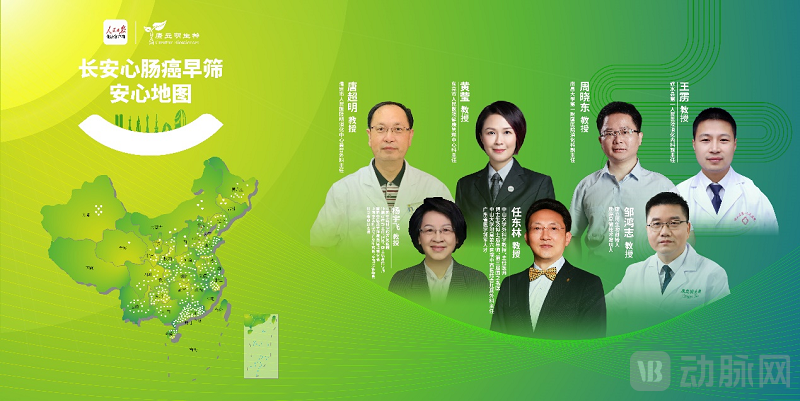
Xu Xiegu, Vice Chairman of the China Health Promotion Foundation; Zhao Anping, Deputy Editor-in-Chief of Health Times; Professor Ren Donglin from the Sixth Affiliated Hospital of Sun Yat-sen University; Professor Yang Yufei from Xiyuan Hospital of the China Academy of Chinese Medical Sciences; Professor Zhou Xiaodong from the First Affiliated Hospital of Nanchang University; Professor Huang Ying from Dongguan People's Hospital; Professor Tang Chaoming from Qingyuan People's Hospital; Director Wang Li from the First People's Hospital of Xiushui County; and Deng Xiaoqin, Chief Marketing Officer of Kangliming Bio, attended the event.
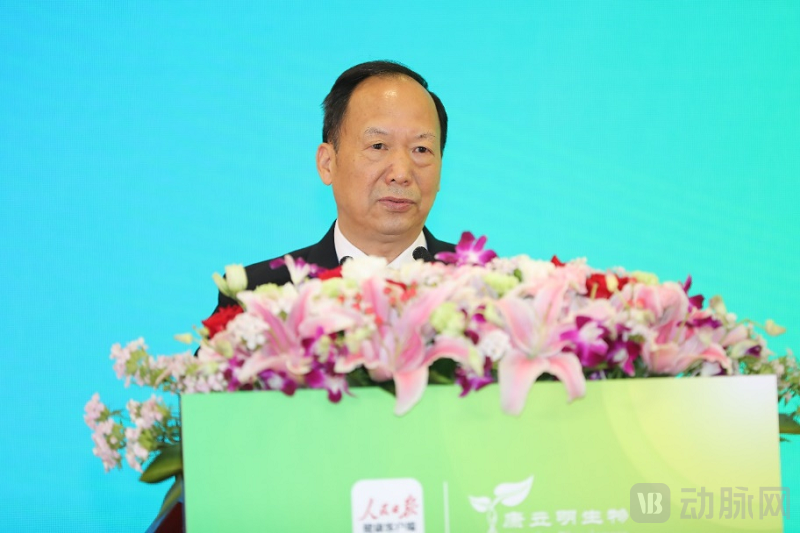
Xu Xiegu, Vice Chairman of the China Health Promotion Foundation, Delivers Remarks
As life expectancy increases, cancer is becoming increasingly prevalent. Colorectal cancer, one of the most common cancers worldwide, has seen a year-on-year rise in incidence in China. According to data from the International Agency for Research on Cancer (IARC) of the World Health Organization, there were approximately 560,000 new cases of colorectal cancer in China in 2020, making it the second most common cancer in urban areas. One in every ten cancer patients suffers from colorectal cancer, with a notable trend toward younger age groups.
As the first fecal DNA testing product approved by the National Medical Products Administration (NMPA), the Colotect SDC2 Fecal DNA Test Kit was developed over 20 years by Professor Zou Hongzhi, an inductee of the National Major Talent Project and the inventor of world-leading early screening technology for colorectal cancer. Registered clinical trial data from The Sixth Affiliated Hospital of Sun Yat-sen University, Nanfang Hospital of Southern Medical University, and Shandong Cancer Hospital demonstrated that Colotect has a specificity of 97.85% and achieves a detection rate of 86.71% for stage I and II colorectal cancers, which are curable. The relevant experimental data and results have been published in the international medical academic journal Clinical Epigenetics, with the product’s experimental data and performance receiving dual recognition from regulatory authorities and the academic community.
At the “529 Gut Health Peace of Mind Day” event, ColonClear Biotech officially disclosed prospective screening study data for ColonoClear from various projects conducted after its market approval.
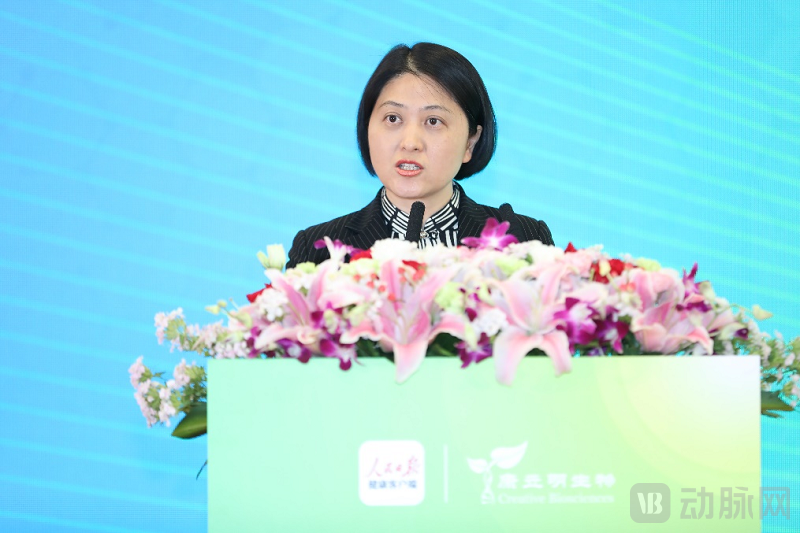
Remarks by Deng Xiaoqin, Chief Marketing Officer of ColonClear Biotech
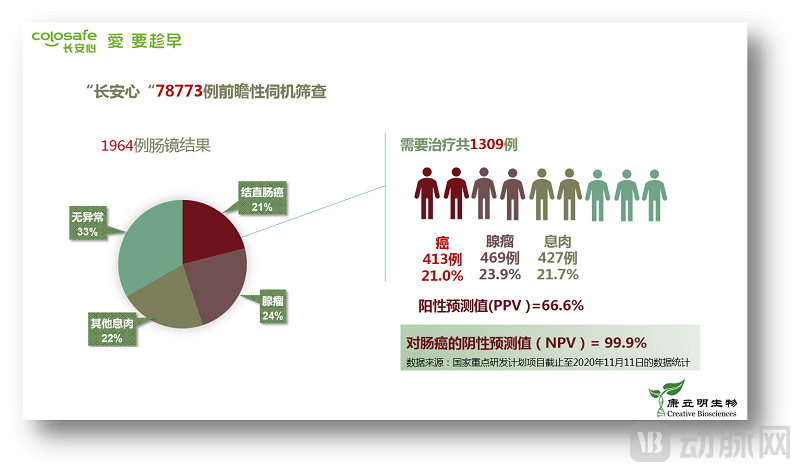
As of March 2021, a total of 78,773 prospective screenings were completed across pilot research collaboration sites, including the Sixth Affiliated Hospital of Sun Yat-sen University, the First Affiliated Hospital of Nanchang University, and Dongguan People’s Hospital. Among these, 4,913 participants tested positive for Colosense (a positivity rate of 6.24%). Of those, 1,964 underwent follow-up colonoscopy (colonoscopy compliance rate: 39.98%), leading to the detection of 413 cases of colorectal cancer, 469 adenomas, and 427 other polyps. The positive predictive value (PPV) of Colosense was 66.6%, with a PPV of 21% specifically for colorectal cancer. Furthermore, data from the National Key R&D Program project “Research on Screening and Intervention Technologies for Colorectal Tumors in China” indicated that the negative predictive value (NPV) of Colosense in the screened population reached as high as 99.9%.
Prospective study data also indicate that the positivity rate of ChangAnxin increases with the age of the subjects, rising from 2.83% among those aged 30–40 years to 9.58% among those aged 61–70 years. Meanwhile, compliance with colonoscopy gradually declines with advancing age. In comparisons of diagnostic outcomes across different risk stratifications, individuals at high risk exhibit higher ChangAnxin positivity rates, greater colonoscopy compliance, and higher positive predictive values (PPVs) for intestinal tumors than those at average risk. Specifically, the PPVs for colorectal cancer and intestinal tumors in the high-risk group are 14.58% and 8.84% higher, respectively, than those in the average-risk group. The ChangAnxin positive predictive values across different age groups and risk strata remain highly consistent with the incidence rates observed in these populations.
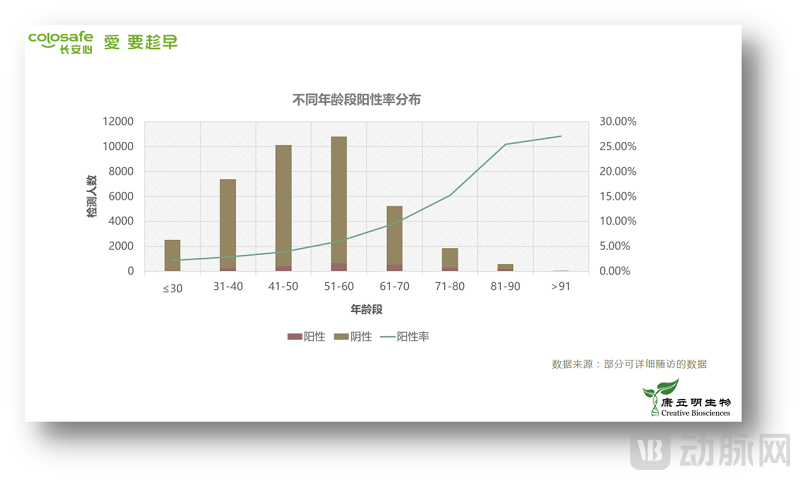
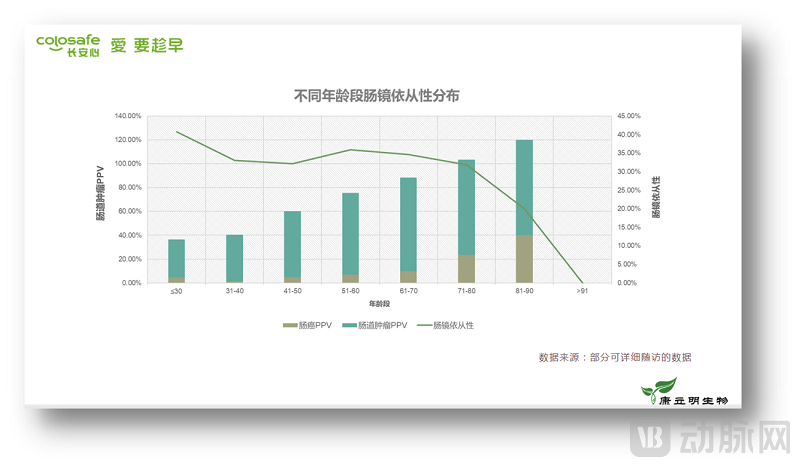
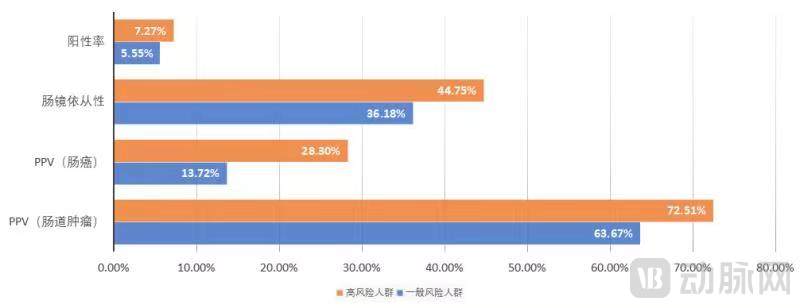
At the event, experts from The Sixth Affiliated Hospital of Sun Yat-sen University, Xiyuan Hospital of China Academy of Chinese Medical Sciences, The First Affiliated Hospital of Nanchang University, Dongguan People’s Hospital, Qingyuan People’s Hospital, and Xiushui County People’s Hospital shared their respective hospitals’ Colosense screening data, using vivid and detailed case studies to robustly demonstrate the scientific validity and reliability of Colosense data.
Professor Ren Donglin of the Sixth Affiliated Hospital of Sun Yat-sen University revealed that early-stage colorectal cancer cases currently account for less than 10% of diagnoses at their hospital. Early diagnosis and treatment are therefore of paramount importance, representing a key responsibility for the medical community in the future.
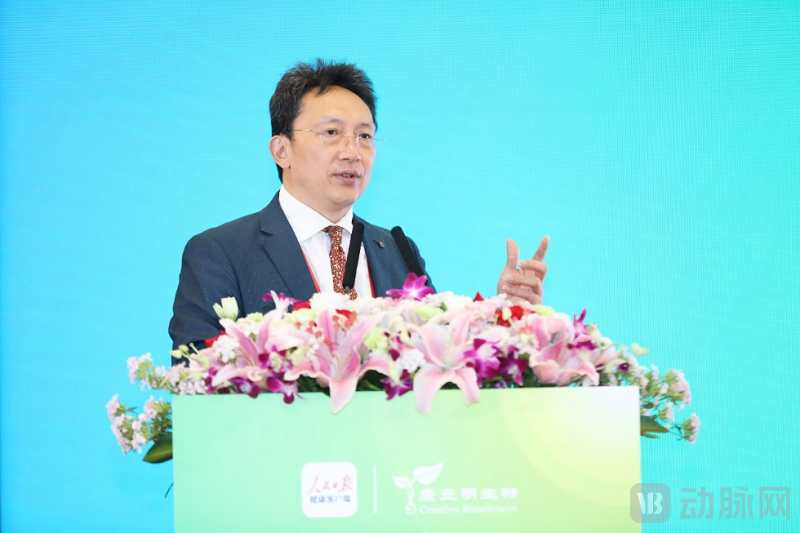 Remarks by Professor Ren Donglin, The Sixth Affiliated Hospital of Sun Yat-sen University
Professor Yang Yufei from Xiyuan Hospital of the China Academy of Chinese Medical Sciences introduced a three-tiered collaborative model for the prevention and control of colorectal cancer that emphasizes equal importance of traditional Chinese medicine and Western medicine. In this model, Chang’anxin has also played a significant role, contributing to the realization of Healthy China.
 Professor Yang Yufei from Xiyuan Hospital of the China Academy of Chinese Medical Sciences Delivers a Speech
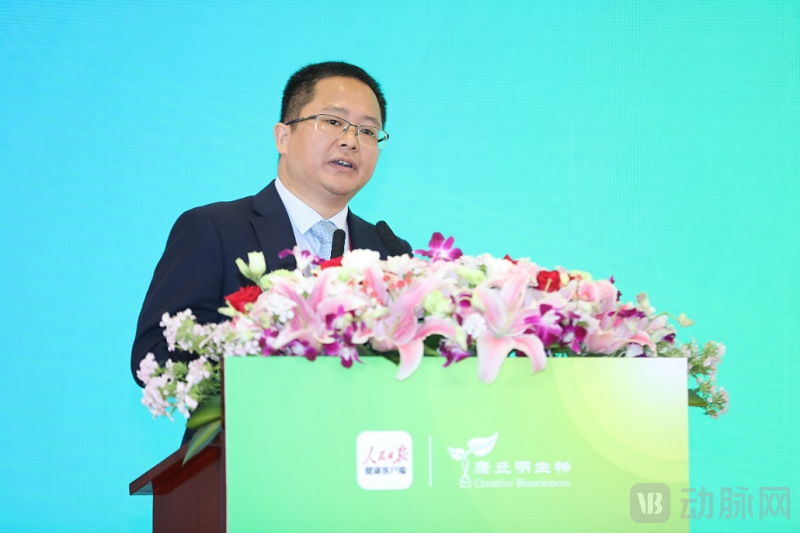 Remarks by Professor Zhou Xiaodong, First Affiliated Hospital of Nanchang University
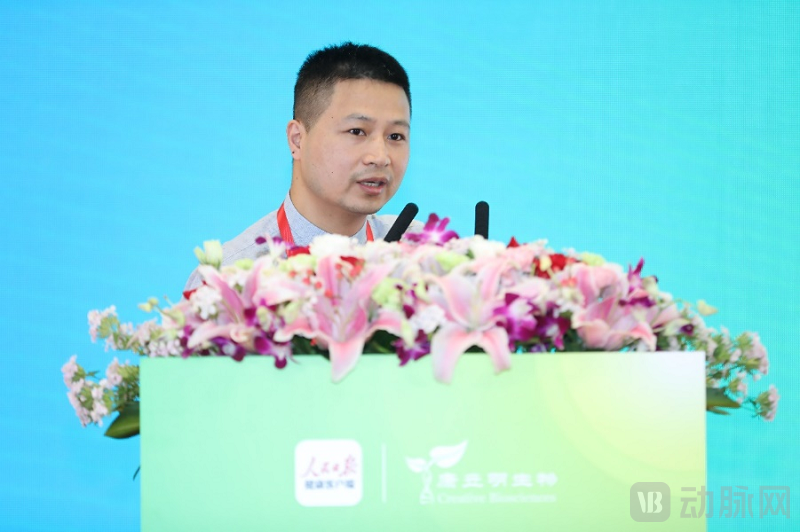 Remarks by Director Wang Li of the First People's Hospital of Xiushui County
As a medical-grade product for early colorectal cancer screening, ColonoClear has enabled Kangliming Biotechnology to implement a comprehensive commercialization strategy centered on hospitals as the primary sales channel since its market approval. Hospital-based sales require establishing new project pricing filings at the provincial and municipal levels, integrating the test into hospital billing systems, and completing in-house validation studies, a process that typically takes 1–2 years. Only products that have undergone clinical validation and in-house testing are truly recognized by large tertiary Grade A hospitals. It is reported that ColonoClear has currently obtained pricing approvals in 15 provinces and municipalities and is widely used in approximately 500 hospitals across China, establishing a leading position in the clinical healthcare market.
At the “529 Bowel Peace of Mind Day” event, Conmed Biotech made a major announcement by launching China’s first colorectal cancer early screening peace-of-mind map. The map displays the provinces across China where the Chang’anxin colorectal cancer early screening product has been deployed, covering approximately 500 medical institutions. This highlights the breadth and depth of Chang’anxin’s presence in the domestic healthcare market and lays a solid foundation for safeguarding public bowel health and peace of mind.
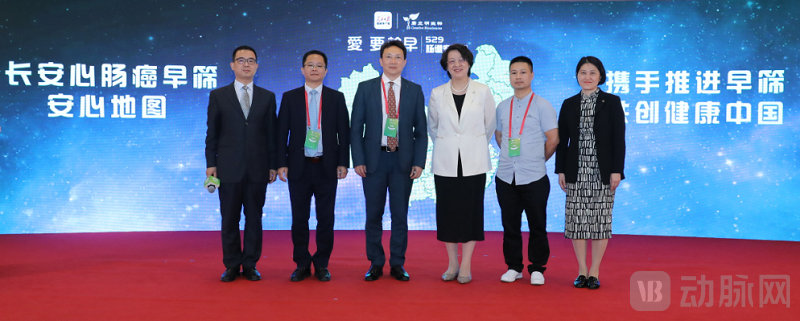

As a scientifically rigorous and socially responsible biotechnology enterprise, Clear Biotech has also contributed its insights to the exploration of colorectal cancer early screening models across society.
Since receiving regulatory approval in 2018, Calosense has established a colorectal cancer prevention and control model that integrates primary care screening with diagnosis and treatment at large tertiary Grade A hospitals. When individuals test positive on the Calosense screening, Kangliming Biology leverages its comprehensive national hospital sales network and extensive pool of expert resources to refer patients to authoritative tertiary Grade A hospitals, thereby creating a green channel from colorectal cancer screening to diagnosis and treatment. In 2021, Kangliming Biology launched a community-based colorectal cancer screening project involving tens of thousands of participants. By building upon communities and primary healthcare institutions, it has constructed a scientifically sound and feasible primary care model for colorectal cancer management, forming the distinctive “Xiushui Model.” This initiative has paved the way for early colorectal cancer screening led by enterprises and implemented on a large scale by primary healthcare institutions.
At the “Roundtable Forum” held during the event, expert directors from primary care hospitals shared their perspectives on grassroots screening for colorectal cancer.
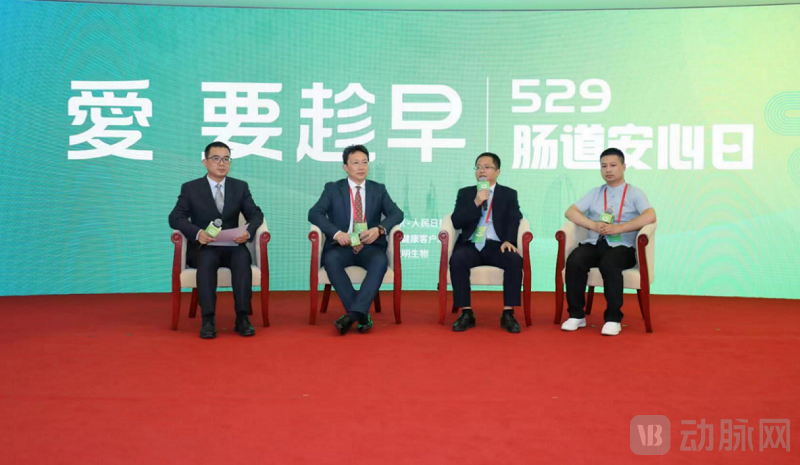
Ren Donglin stated that implementing early colorectal cancer screening in primary care hospitals, thereby shifting the focus upstream, is of considerable importance to screening efforts. Zhou Xiaodong pointed out that among patients currently seeking medical attention at hospitals, only a small proportion undergo early screening. Due to insufficient endoscopy resources, many patients who wish to undergo colonoscopy are unable to do so because of a lack of available physicians. In such cases, it is necessary to supplement with other screening technologies and shift these services toward primary care settings. Wang Li noted that the educational level of examinees and the cost of screening constrain the implementation of colorectal cancer screening in primary care hospitals. Once these two issues are addressed, the rollout of colorectal cancer screening will become significantly more convenient.
As a high-tech enterprise, Kangliming Bio relies heavily on robust technical support and boasts a powerful R&D team led by Dr. Zou Hongzhi, the global inventor of early colorectal cancer screening technology. Dr. Zou is a recipient of China’s National Major Talent Program and was granted tenure at the Mayo Clinic in the United States at the age of 38. The ColoGuard™ stool DNA test for colorectal cancer, developed under his leadership, received FDA approval in August 2014 and was included in the U.S. colorectal cancer screening guidelines in 2016, hailed as a milestone event in the field of molecular diagnostics over the past decade.
Upon returning to China, Zou Hongzhi developed the “Chang’an Xin” non-invasive genetic testing kit for colorectal cancer, tailored to the genetic characteristics and lifestyle habits of the Chinese population. It was approved for market launch by the National Medical Products Administration on November 20, 2018, becoming China’s first approved stool DNA test kit for colorectal cancer and was recognized as one of the “Top Ten Advances in Chinese Biotechnology in 2018.”
Chang’an Xin is painless and non-invasive, requiring only the at-home collection of a 4.5g stool sample, which is then shipped at ambient temperature to the testing laboratory. Results are available within four working days, with a concordance rate of up to 93.65% compared to colonoscopy, demonstrating performance on par with this gold-standard procedure. Currently, Chang’an Xin has been included in the “Expert Consensus on Early Colorectal Cancer Screening Process in China” and the “Chinese Guidelines for the Diagnosis and Treatment of Hemorrhoids.” It also supports a key national R&D program under the Ministry of Science and Technology. Furthermore, the project “Technological Innovation in Colorectal Cancer Screening Protocols and Treatment Strategies,” co-completed by Dr. Zou Hongzhi, was awarded the First Prize for Scientific and Technological Progress by the Ministry of Education.
It is reported that in addition to early screening for colorectal cancer, Kangliming Biotechnology has also established a portfolio of early cancer screening products for lung, bladder, liver, and cervical cancers, while strengthening its presence in upstream segments of the industry chain, such as point-of-care testing (POCT). The company is committed to becoming a leader in the multi-cancer early detection industry, focusing on refining high-tech, robust products.
Stay true to our original aspiration, and advance steadily toward long-term success. Guided by the noble ideal of “Safeguarding Human Health as Our Mission” and the brand philosophy of “Love Should Not Wait,” Kangliming Biotechnology is making rapid strides in the field of early screening, diagnosis, and treatment of cancer.